
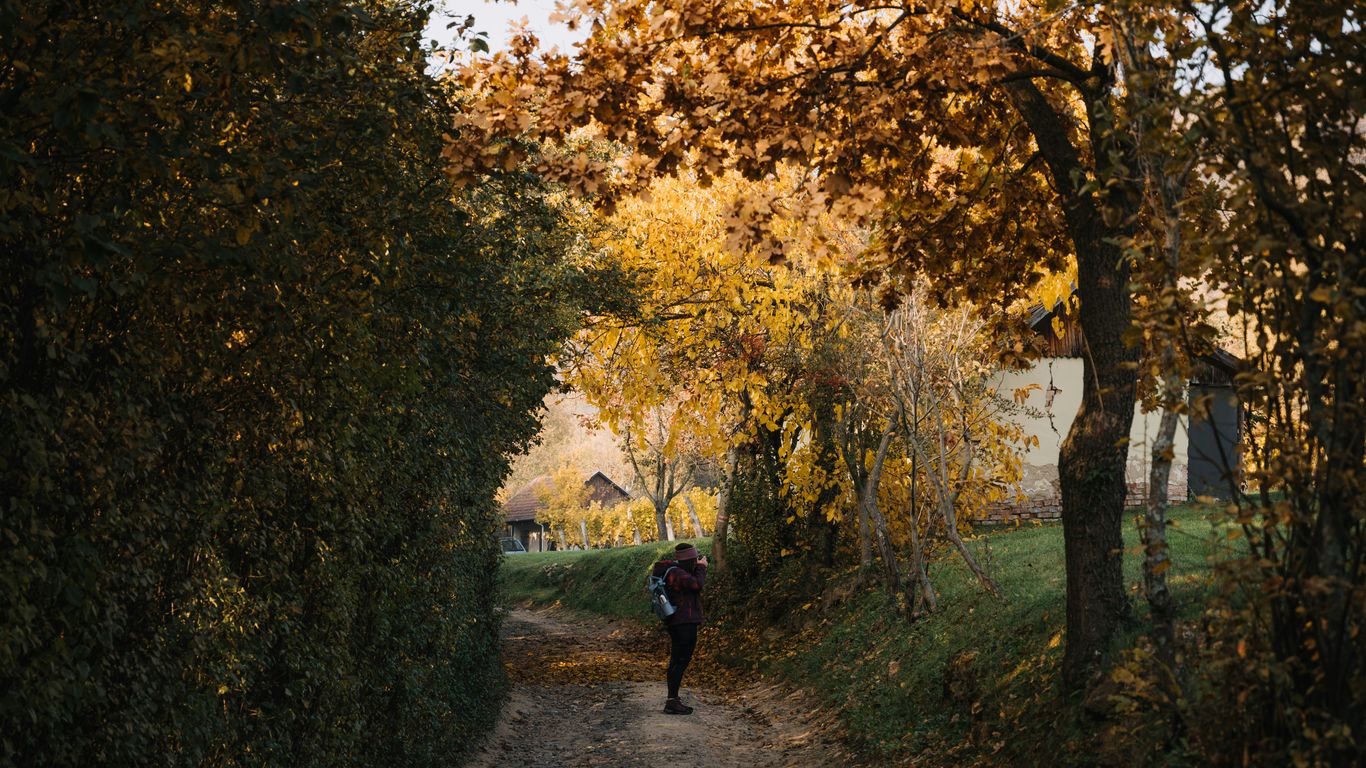
Hey there! Ever thought about mixing your daily stroll with some quiet reflection? That’s pretty much what prayer walks are all about. It’s a simple idea: you get moving, and while you’re at it, you talk to God. It’s not complicated, and you don’t need anything fancy to get started. Whether you’re looking to feel more peaceful, connect with your faith, or just get some fresh air with a purpose, prayer walks can be a really good fit. Let’s break down how you can do it and why it might be something you want to try.
Key Takeaways
- Prayer walks combine physical movement with spiritual reflection, offering a way to connect with God while you walk.
- Choosing a route involves considering community needs, natural beauty, spiritual inspiration, and accessibility for everyone.
- Developing a prayer strategy helps focus your intentions, whether it’s praying for specific people, issues, or general gratitude.
- Safety is important; pick well-lit areas, be aware of your surroundings, and consider walking with a companion.
- The benefits include improved physical health, emotional well-being, deeper spiritual growth, and stronger community bonds.
Discovering Your Prayer Walking Route
Finding the right path for your prayer walk is more than just picking a random street. It’s about choosing a space that helps you connect with God and your surroundings. Think about where you feel most at peace, or where you can best observe the world around you. The goal is to create an environment that supports your spiritual reflection.
Considering Community Needs
When you step out, you’re not just walking for yourself; you’re walking for your community. Take a moment to consider the people and places that make up your neighborhood. Are there schools where kids are learning, or hospitals where people are healing? Maybe there are businesses struggling or families facing tough times. As you walk, you can lift these specific needs up in prayer. It’s a way to be present and to actively care for the people around you, even if they don’t know you’re praying for them.
Embracing Natural Beauty
Sometimes, the best way to hear God is by looking at His creation. Choosing a route that includes parks, gardens, or even just tree-lined streets can be incredibly grounding. The rustling leaves, the chirping birds, the way the light filters through the branches – these things can be powerful reminders of God’s presence and peace. It’s about letting the natural world speak to your spirit and inspire your prayers.
Seeking Spiritual Inspiration
Your route can also be a source of spiritual encouragement. Perhaps there’s a church building nearby, a place of worship, or even a quiet spot where you’ve felt God’s presence before. Walking past these places can stir up faith and remind you of God’s work in the world and in your own life. It’s about finding places that naturally draw your heart towards worship and deeper connection.
Ensuring Route Accessibility
It’s important that your prayer walk is something you can actually do comfortably. Think about the terrain. Are there steep hills? Uneven sidewalks? If you plan to walk with others, especially those who might have mobility issues, make sure the path is easy for everyone to navigate. A route that’s accessible means fewer physical barriers to your spiritual practice.
Crafting Your Prayer Strategy
Okay, so you’ve got your route picked out, maybe you’ve even scouted it a bit. Now, let’s talk about what you’re actually going to do on this walk. It’s not just about putting one foot in front of the other; it’s about making that movement count for something spiritual. Having a plan, or a strategy, can really make a difference. It helps you stay focused and intentional, rather than just wandering around thinking about your grocery list.
Identifying Your Prayer Focus
First things first, what’s the main thing on your heart for this walk? It could be anything, really. Maybe you’re worried about a friend going through a tough time, or perhaps you want to pray for your neighborhood, for peace or for people to find jobs. You could focus on a specific group, like teachers at the local school, or even just a general sense of gratitude for the day. It’s about picking something specific to bring before God. Don’t feel like you have to solve all the world’s problems in one go; start small and be specific.
Developing Specific Prayers
Once you know what you want to pray about, you need to figure out how. You don’t need to be a theologian or anything. Sometimes, just saying what’s on your mind is enough. Other times, you might want to use scripture. For instance, if you’re praying for strength, you could look up verses about God’s strength and pray those words back to Him. Or, you could jot down a few bullet points of things you want to ask for or thank God for. Having a few key phrases or verses ready can be super helpful, especially if your mind starts to wander.
Here are a few ideas for prayer starters:
- Praying for a specific person’s well-being.
- Asking for wisdom for local leaders.
- Thanking God for the beauty of nature around you.
- Praying for reconciliation in a difficult relationship.
Creating a Prayer List
This is where you get organized. Think of it like a to-do list, but for prayer. You can write it down in a small notebook, or even type it into your phone. Having a list means you won’t forget those important things you wanted to cover. It can include names of people, specific situations, or even just general themes like ‘peace’ or ‘healing’.
Your list might look something like this:
| Category | Specific Item/Request | Notes |
|---|---|---|
| People | Sarah (job search) | Pray for confidence and opportunities |
| Place | Elm Street Park | For safety and community gathering |
| General | Peace in our city | For understanding between groups |
| Gratitude | My family’s health | Thankful for their support |
Staying Open to Divine Guidance
Now, this is a big one. While having a plan is great, don’t get so locked into your list that you miss what God might be trying to show you or tell you. Sometimes, as you’re walking, you’ll notice something – a person, a situation, a feeling – that wasn’t on your radar. Be willing to pause, to listen, and to let your prayer shift if you feel led in a different direction. The most powerful prayer walks often have an element of spontaneity guided by the Spirit. It’s a partnership, after all.
Sometimes, the best prayer strategy is to have a plan, but also to be ready to let that plan go when something more important comes up. It’s about being present and responsive.
Preparing Your Heart for Prayer Walks
Before you even step out the door for your prayer walk, taking a few moments to get your head and heart in the right space makes a big difference. It’s not just about moving your feet; it’s about aligning your spirit with your purpose.
Setting Your Intention
Think about why you’re going on this walk. Is there a specific situation you want to pray about? Are you seeking clarity on a decision? Or maybe you just want to feel closer to God. Whatever it is, naming it beforehand helps keep you focused. It’s like setting a destination before you start driving. You don’t need a complicated plan, just a general idea of what you’re bringing before God.
Cultivating Gratitude
It’s easy to get caught up in what’s wrong or what we need. But starting your walk by thinking about what you’re thankful for can really shift your perspective. Seriously, just list out a few things, big or small. Maybe it’s the roof over your head, a good friend, or even just the ability to walk. This simple act opens your heart and reminds you of all the good that’s already present.
Praying for Others
Before you even think about your own needs, spend a few minutes praying for other people. This could be family, friends, neighbors, or even people you don’t know who might be struggling. Focusing on others helps move the attention off yourself and cultivates a more compassionate outlook. It’s a way of extending God’s love outward before you even start walking.
Preparing your heart is about creating a quiet space within yourself. It’s about quieting the noise of the day so you can better hear what God might be saying or leading you to pray about. It’s a simple but powerful way to make your prayer walk more meaningful.
Prioritizing Safety on Your Prayer Walks

When you head out for a prayer walk, the last thing you want is to be worried about your surroundings. Making sure you feel secure lets you focus on what really matters – connecting with God and reflecting. It’s not about being scared, but about being smart.
Choosing Well-Lit and Visible Areas
Think about where you’re going. Sticking to areas that are well-lit, especially if you’re walking in the early morning or late evening, is a good idea. Busy streets or paths with lots of people around can offer a sense of security. It’s also helpful if you can see clearly around you and if others can see you. Avoid isolated spots or places that feel a bit sketchy, especially when you’re just starting out.
Assessing Route Hazards
Before you even step out the door, take a moment to think about your planned route. Are there any tricky spots? Maybe uneven sidewalks, lots of traffic to cross, or areas that are known for being poorly maintained. It’s worth doing a quick mental check or even a scout run during daylight hours if you’re unsure about a new path. You want your walk to be about peace, not about dodging potholes or busy intersections.
Walking with a Companion
Sometimes, the best way to feel safe is to not go alone. If you have a friend, family member, or someone from your faith group who also enjoys prayer walking, consider teaming up. It’s not just about safety; it can also be a wonderful way to share the experience and pray together. You can cover more ground, offer different perspectives in prayer, and simply enjoy the fellowship. If you do walk alone, make sure someone knows where you’re going and when you expect to be back. A quick text before and after your walk can go a long way.
The Benefits of Prayer Walking
Prayer walking is more than just a walk with a purpose; it’s a practice that really nourishes you from the inside out. It’s like giving your whole self a tune-up, hitting physical, emotional, and spiritual notes all at once.
Enhancing Physical Health
Let’s be real, we all know walking is good for us. Getting your steps in helps keep your heart happy and your body moving. When you add prayer to your walk, it’s like a double win. You’re not just moving your legs; you’re also focusing your mind and spirit. This combination can really help melt away stress and just make you feel better overall. It’s a simple way to take care of both your body and your mind.
Nurturing Emotional Well-being
Sometimes life throws a lot at us, and it can leave us feeling a bit frazzled. Prayer walking offers a quiet space to process things. As you walk and talk to God, or just sit with your thoughts, you can find a sense of calm. It’s a chance to let go of worries and feel more connected, not just to God, but to yourself too. Many people find that after a prayer walk, they feel less anxious and just generally more peaceful.
Deepening Spiritual Growth
This is where prayer walking really shines. When you’re out there, moving through the world with an open heart, you start to notice things differently. You might feel God’s presence more strongly, or get new ideas about how to live your faith. It’s a way to really listen and be more aware of what God might be saying to you. It helps you grow closer to Him and understand His love for everyone a little better.
Building Community Bonds
While you can definitely prayer walk alone, doing it with others is pretty special. Walking and praying together creates a unique kind of connection. You share a common goal, support each other, and build stronger friendships within your faith group. It’s a way to feel united and encourage one another on your spiritual journeys.
Prayer walking is a practice that weaves together physical movement, mental focus, and spiritual connection. It’s a holistic approach to well-being that benefits the whole person.
Here’s a quick look at what you can gain:
- Physical: Improved fitness, stress reduction.
- Emotional: Greater peace, reduced anxiety.
- Spiritual: Deeper connection with God, increased awareness.
- Communal: Stronger relationships with others.
Getting Started with Prayer Walking

Starting a prayer walk might feel a little strange at first, especially if you’re used to just walking for exercise or to clear your head. But it’s really about adding a layer of spiritual intention to something you might already be doing. Think of it as turning your steps into a conversation with God, right there on the pavement.
Scheduling Your Regular Walks
Consistency is key here. It’s not about doing a marathon prayer walk once a month; it’s more about making it a regular part of your week, or even your day. Try to pick a time that you can realistically stick to. Maybe it’s first thing in the morning before the house gets busy, or perhaps during your lunch break if you can find a quiet spot. Even 15-20 minutes can make a difference. Don’t overthink it; just pick a time and commit.
Dressing Comfortably for Movement
This one’s pretty straightforward. You’re going to be walking, so wear clothes that let you move freely. Comfortable shoes are a must – nobody enjoys a prayer walk with blisters. Think about the weather too; layers are usually a good idea. The goal is to be comfortable enough that your clothing isn’t a distraction from your prayer focus.
Centering Yourself Before You Begin
Before you even step out the door, take a moment to shift your mindset. This isn’t just another walk. You could start by taking a few deep breaths, maybe saying a short prayer asking for guidance, or even just quietly reflecting on why you’re doing this. It helps to set the tone and prepare your heart for what’s ahead. It’s like hitting a mental reset button before you start your journey.
The simple act of putting one foot in front of the other while focusing your thoughts on prayer can transform a mundane activity into a profound spiritual practice. It’s about being present, both physically and spiritually, in the world around you.
Integrating Scripture into Prayer Walks
Selecting Resonant Bible Passages
When you head out for a prayer walk, bringing along some Scripture can really help focus your thoughts. It’s not about memorizing a whole book, but picking out a few verses that speak to you right now. Maybe you’re feeling worried, so you grab verses about peace. Or perhaps you’re praying for your neighborhood, and you find passages about community or God’s love for all people. The Bible is full of wisdom that can guide your prayers. Think about what’s on your heart and mind, and then look for words that echo those feelings or offer a different perspective. It’s like having a conversation starter with God, using His own words.
Using Verses as Prayer Prompts
Once you have a passage, you can use it to shape your prayers. Instead of just reading it, try turning it into a request or a statement of faith. For example, if you’re walking past a school and you’ve chosen Philippians 4:6-7, you could pray: "Lord, help the children and teachers here not to be anxious, but to find peace in you. Guard their hearts and minds." Or if you’re praying for protection and chose Psalm 27:1, you might say, "You are my light and my salvation, Lord. Protect this street and the people who live here. Be their stronghold." This makes your prayer walk more active and personal.
Allowing God’s Word to Guide You
As you walk and pray using Scripture, pay attention to what comes to mind. Sometimes a verse will lead you to pray for something specific you hadn’t thought of before. You might be praying a verse about love, and suddenly you feel prompted to pray for a neighbor you haven’t spoken to in a while. Or a passage about hope might make you aware of a struggling business you pass and inspire a prayer for its success. It’s a dynamic process where God’s Word, your walk, and your prayer life all work together.
Here are a few ideas for using Scripture:
- Gratitude: Find verses that express thanks and praise, like Psalm 100:4-5. Pray them aloud as you notice things you’re thankful for around you.
- Peace: Select verses about God’s peace, such as John 14:27. Pray these for areas or people you feel are troubled.
- Strength: Choose passages about God’s power and strength, like Isaiah 41:10. Use them to pray for those facing difficulties.
Sometimes, the most profound prayer moments happen when you’re simply moving through the world, letting the ancient words of Scripture meet the present reality around you. It’s a beautiful way to connect the eternal with the everyday.
Prayer Walking Ideas and Prompts
Sometimes, just getting out the door for a prayer walk is the hardest part. You might be thinking, ‘What do I even pray about?’ That’s totally normal! Having a few ideas ready can make a big difference. It’s not about having a rigid script, but more like having some gentle nudges to help you connect with God and your surroundings.
Praying for Gratitude
This is a great place to start, especially if you’re feeling a bit stuck. Think about all the good things in your life, big or small. It could be as simple as the sunshine on your face, a good cup of coffee, or the fact that you have a roof over your head. Taking a moment to thank God for these things can really shift your perspective. It helps you see the abundance around you, not just the challenges.
- Home and Family: Thank God for your loved ones, your house, and the sense of security.
- Health: Be thankful for your body’s ability to move, heal, and experience life.
- Nature: Appreciate the beauty of the trees, the sky, the birds singing – all of it.
- Simple Joys: Don’t forget the little things that bring a smile to your face.
Reflecting on Relationships
As you walk, you can pray for the people in your life. Think about your family, friends, coworkers, and even neighbors. You can pray for their well-being, for strength in their challenges, or for deeper connections. It’s a way to extend love and care beyond yourself, right from your own two feet.
Praying for others while you walk can feel like you’re sending out positive energy into the world. It’s a quiet way to make a difference.
Focusing on Spiritual Development
This is where you can really get personal with your faith journey. Think about areas where you want to grow. Maybe you want more patience, a stronger sense of peace, or a deeper understanding of God’s word. You can use scripture as a guide here, or just talk to God honestly about your desires and struggles. It’s about letting your walk become a moving meditation for your soul.
Here are some prompts to get you thinking:
- What character trait of God do I want to understand better today?
- Where do I feel God is calling me to step out in faith?
- What fears or doubts are holding me back, and how can I bring them to God?
- How can I be a better reflection of God’s love in my daily life?
Making Prayer Walking a Habit
So, you’ve tried prayer walking, maybe a few times, and you’re thinking, "How do I keep this going?" It’s easy to start something new, but turning it into a regular part of your life takes a little intention. It’s not about perfection, but about showing up, even when you don’t feel like it.
Committing to Consistency
Think of it like watering a plant. You can’t just water it once and expect it to thrive. Prayer walking needs regular attention. Try to pick a time that works for you most days. Maybe it’s first thing in the morning before the world wakes up, or perhaps during your lunch break. Whatever it is, aim for that slot. Don’t beat yourself up if you miss a day; life happens. Just get back to it the next day. Consistency is more about the long haul than a flawless streak.
Embracing the Journey
Some days, your prayer walk will feel like a deep conversation with God. Other days, it might feel like you’re just walking and trying to remember what you were supposed to be praying about. Both are okay. The goal isn’t a constant spiritual high. It’s about showing up, moving your body, and opening your heart. You might find that over time, even the
Sharing Your Faith Through Prayer Walks
Prayer walking isn’t just about your own personal journey; it’s also a beautiful way to let your faith shine outward. When you’re out there, moving through your neighborhood or a local park with intention, you’re not just praying for yourself. You’re becoming a visible sign of hope and love in the world. It’s about being a witness, not in a pushy way, but just by being present and letting God work through you. This practice can naturally open doors to sharing God’s love with others.
Being a Witness to God’s Love
Think about it: as you walk, you’re actively engaging with the world around you. You might see someone struggling, or a situation that tugs at your heart. Your prayers become a way of reaching out, even from a distance. It’s like sending out positive energy, a silent blessing on the people and places you encounter. This outward focus transforms your prayer walk from a solitary activity into an act of service. You’re not just asking for things; you’re actively participating in bringing God’s peace and goodness into the everyday.
Offering Prayer to Those in Need
Sometimes, you might feel a specific nudge to pray for a particular person or place you see. Maybe you pass a house where you know there’s been trouble, or you see someone sitting alone looking down. This is where prayer walking gets really practical. You can pause, offer a specific prayer right then and there, or even make a note to pray for them later. If you feel led and the situation is right, you might even feel comfortable asking if they’d like you to pray with them. It’s about being sensitive to the Spirit’s leading and responding with compassion.
Sharing Hope and Peace
Ultimately, when you share your faith through prayer walks, you’re sharing the hope and peace that comes from knowing God. It’s not about having all the answers or being perfect. It’s about letting your light shine. Your consistent prayer walks can be a quiet testimony to others, showing them what a difference faith makes. It can inspire them to seek that same peace and hope for themselves.
Here are a few simple ways to be a witness:
- Be approachable: Smile at people you pass. A simple, genuine smile can make a difference.
- Be observant: Pay attention to the needs around you. Sometimes a prayer is all that’s needed.
- Be open: If someone strikes up a conversation, be ready to share what God is doing in your life, if appropriate.
Prayer walking is a tangible way to extend God’s love beyond your own life and into the community. It’s about being present, being prayerful, and being open to how God wants to use you.
Want to share your faith in a meaningful way? Prayer walks are a powerful method. By walking through your community and praying for the people and places you encounter, you can make a real difference. It’s a simple yet profound way to connect with God and your neighbors. Ready to start your own prayer walk? Visit our website to learn more and find resources to guide you.
Keep Walking and Praying
So, that’s prayer walking in a nutshell. It’s really about taking your movement and turning it into something more, a way to connect with God and the world around you. Whether you’re looking for peace, clarity, or just a different way to spend your time, this practice can really help. Remember to pick a route that feels right, stay safe, and just be open to whatever comes up. It’s not about perfection, it’s about the journey. Give it a try, and see where it takes you.
Frequently Asked Questions
What exactly is prayer walking?
Prayer walking is like taking a walk, but with a special purpose. You walk around a certain area, like your neighborhood or a park, and you pray for the people, places, and things you see. It’s a way to connect with God while you move your body.
Do I need to be super religious to try prayer walking?
Not at all! Prayer walking is for anyone who wants to explore their faith and connect with God in a new way. It’s a simple practice that can help you feel closer to something bigger than yourself, no matter where you are on your spiritual journey.
Where should I go for my prayer walk?
You can prayer walk almost anywhere! Your own neighborhood is a great place to start, or maybe a local park, a school, or even a busy street. The important thing is to choose a place that feels right for you and where you can observe your surroundings.
How long should a prayer walk be?
There’s no set rule for how long you should pray walk. Some people like to go for 15 minutes, while others might walk for an hour. Start with what feels comfortable for you, and you can always adjust it as you get more used to it. The main idea is to be present and intentional.
What if I don’t know what to pray for?
That’s perfectly okay! You can use simple prompts to guide you. For example, you could pray for the people who live in the houses you pass, for the businesses you see, or for peace in your community. You can also just talk to God about what’s on your mind. It’s your conversation!
Is it safe to prayer walk alone?
Safety is important. It’s a good idea to choose well-lit areas, especially if you’re walking in the morning or evening. Letting someone know where you’re going and when you expect to be back is also a smart move. If you feel more comfortable, you can always invite a friend to join you.
Can prayer walking help with stress?
Yes, it really can! Moving your body is a natural stress reliever, and adding prayer can make it even more calming. Focusing on your surroundings and talking to God can help take your mind off worries and bring a sense of peace and well-being.
What are the main benefits of prayer walking?
Prayer walking can boost your physical health by getting you moving. It can also help your emotional health by reducing stress and making you feel more peaceful. Spiritually, it can deepen your connection with God, help you notice His presence more, and even strengthen your relationships with others in your community.