
You can build a protein-rich breakfast without eggs or protein shakes by leaning on Greek yogurt, cottage cheese, milk or soy beverage, tofu, beans, lentils, nut butters, seeds and fish. The trick on workdays is to use a few repeatable “blueprints” you can assemble in five minutes or prep the night before, so you’re not starting from scratch every morning.
Below are seven blueprints, a make-ahead plan for the week and simple ways to add protein to the breakfasts you already eat.
Why protein at breakfast helps
Protein is part of every balanced meal. Canada’s Food Guide recommends eating a variety of protein foods and suggests you choose protein foods that come from plants more often, such as beans, lentils, tofu, nuts and seeds, alongside options like yogurt, milk and fish.
Many people eat most of their protein at dinner and very little in the morning. Spreading it more evenly can help breakfast feel more filling and keep you from reaching for snacks mid-morning. How much you need overall depends on your size and activity. Harvard Health notes that the basic Recommended Dietary Allowance is 0.8 grams of protein per kilogram of body weight per day; for someone who weighs 70 kg, that works out to about 56 grams across the whole day. That’s a minimum, not a target, and your needs may be higher if you’re very active or older.

The basic formula
Every blueprint below follows the same pattern:
- One main protein: Greek yogurt, cottage cheese, tofu, beans, lentils, smoked salmon or a milk-based base.
- One fibre-rich carbohydrate: oats, whole-grain bread, a tortilla, fruit or potatoes.
- One “booster”: hemp hearts, chia, pumpkin seeds, nut butter or nuts.
- Something fresh: fruit, tomatoes, cucumber, spinach or peppers.
Seven workday blueprints
1. Savoury cottage cheese bowl
Spoon cottage cheese into a bowl and top with cherry tomatoes, cucumber, a drizzle of olive oil, pepper and a handful of pumpkin seeds. Add a slice of whole-grain toast on the side. Ready in three minutes.
2. Greek yogurt parfait
Layer plain Greek yogurt with berries, a spoon of hemp hearts or chopped nuts, and a few tablespoons of oats or a low-sugar granola. Plain yogurt plus fruit keeps added sugar lower than most flavoured cups.
3. Protein overnight oats
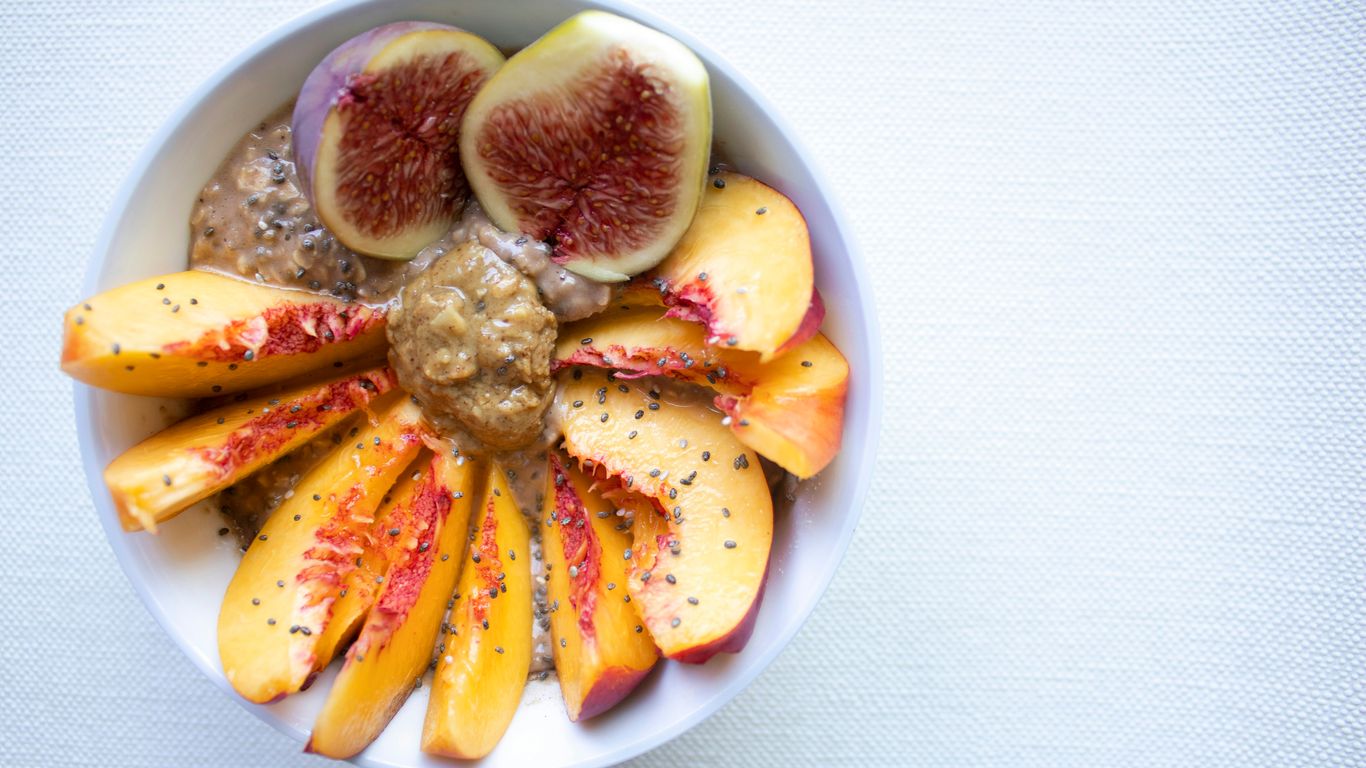
In a jar, combine ½ cup rolled oats, 1 cup milk or soy beverage, 2–3 tablespoons Greek yogurt, 1 tablespoon chia seeds and a little cinnamon. Refrigerate overnight. In the morning, top with fruit and a spoon of nut butter. Milk and soy beverage both add protein; many other plant beverages add very little, so check the label.
4. Bean and avocado toast
Mash rinsed canned white beans or chickpeas with a little lemon juice, salt and pepper. Spread on whole-grain toast and top with sliced avocado or tomato. Make a container of the mash on Sunday and it lasts several days in the fridge.
5. Smoked salmon toast or bagel thin
Spread whole-grain toast or a bagel thin with cream cheese, Greek yogurt or hummus, add smoked salmon, cucumber and a sprinkle of dill or everything-bagel seasoning.
6. Tofu scramble wrap
Crumble firm tofu into a pan with a little oil, diced peppers and spinach. Season with turmeric, garlic powder, salt and pepper, and a spoon of nutritional yeast if you like. Cook 5–7 minutes and roll into a whole-wheat tortilla with salsa. Cook a double batch and reheat it on busy mornings.
7. Lentil or black bean breakfast quesadilla
Fill a tortilla with leftover cooked lentils or black beans, a handful of spinach and a little shredded cheese. Cook in a dry pan until crisp on both sides. Serve with salsa or plain yogurt.

A simple make-ahead week
| Sunday prep (about 30 minutes) | Weekday use |
|---|---|
| Make 3 jars of overnight oats | Monday, Wednesday, Friday |
| Mash a container of white beans or chickpeas | Toast on Tuesday and Thursday |
| Cook a double batch of tofu scramble | Wraps on two mornings, reheated |
| Wash and cut fruit and vegetables | Toppings all week |
| Portion seeds and nuts into small containers | Grab-and-go boosters |
If you like the idea of a self-serve set-up, the batch breakfast bar approach takes this one step further.
Add protein to the breakfast you already eat
You don’t have to change your whole routine. Small upgrades add up:
- Cereal: use milk or soy beverage and add a side of Greek yogurt.
- Toast with jam: switch to peanut or almond butter, or add a slice of cheese.
- Oatmeal: cook it in milk instead of water and stir in hemp hearts or a spoon of nut butter.
- Fruit only: pair it with cottage cheese, yogurt or a small handful of nuts.
- Leftovers: last night’s chili, lentil soup or roasted chicken make a perfectly good breakfast.
Grab-and-go options for very rushed mornings
- A single-serve cup of plain Greek yogurt and a piece of fruit
- Cottage cheese cup with a small container of berries
- Whole-grain wrap with hummus and leftover chicken or roasted chickpeas
- Roasted edamame or chickpeas with an apple
- A carton of milk plus a homemade oat bar
For more egg-free ideas, including travel-friendly ones, see Breakfast Without Eggs 2.0. If cost is a concern, budget proteins like canned fish and legumes work well at breakfast too.
Common mistakes
- Relying on flavoured yogurt or granola. Many are high in added sugar. Start with plain and add fruit and a little honey or maple syrup if needed.
- Assuming all plant “milks” have protein. Soy beverage usually does; almond, oat and rice beverages often have much less. Read the Nutrition Facts table.
- Making it complicated. Two or three blueprints on rotation are enough. Variety can come from toppings.
When to check with a professional
If you have kidney disease, a food allergy, or a medical condition that affects how much protein you should eat, talk with your doctor or a registered dietitian before making big changes.
Takeaways
- Build breakfast from a protein, a fibre-rich carb, a booster and something fresh.
- Choose two or three blueprints and rotate them through the work week.
- Spend 30 minutes on Sunday prepping oats, bean mash and tofu scramble.
- Use milk or soy beverage instead of water or low-protein plant beverages.
- Pick plain yogurt and add your own fruit to keep sugar down.
FAQ
Is cottage cheese or Greek yogurt better?
Both are good protein choices. Pick the one you enjoy more and check labels for sodium (cottage cheese) and added sugar (flavoured yogurt).
Can a plant-based breakfast have enough protein?
Yes. Tofu, soy beverage, beans, lentils, hemp hearts and nut butters can be combined easily, and Canada’s Food Guide encourages plant-based protein foods more often.