

Feeling a bit run down? Or maybe just looking for something warm and good for you? Recovery soups are the answer. They’re not just for when you’re sick, either. These bowls are packed with stuff your body needs to bounce back, whether you’ve had a tough workout or just a long day. Think of them as a cozy hug in a bowl, loaded with protein and good-for-you ingredients. We’re talking about making meals that taste great and help you feel your best.
Key Takeaways
- Recovery soups are a fantastic way to get protein, which helps your body repair and rebuild.
- Broth-based soups are great for staying hydrated, and adding ingredients like vegetables and lean protein makes them even better.
- You can build super nourishing recovery soups with lean meats like chicken and turkey, or plant-based options like lentils and beans.
- Don’t forget about flavor! Herbs, spices, and even a little citrus can make your recovery soup exciting.
- Meal prepping recovery soups is a smart move for busy weeks, making it easy to eat well even when you’re short on time.
The Power of Protein-Rich Recovery Soups
Understanding Protein’s Role in Recovery
When your body needs to bounce back, protein is a star player. It’s the building block for repairing tissues, whether that’s from a tough workout, a long day, or just the general wear and tear of life. Think of it like the construction crew for your body – they need the right materials to fix things up and make them stronger. Getting enough protein helps speed up this repair process, making sure you feel ready for whatever comes next.
Why Soups Are Ideal for Replenishment
Soups have a special way of making you feel good, especially when you’re not feeling your best. The warm liquid is incredibly soothing and helps with hydration, which is super important for recovery. Plus, the way soup is made means nutrients are easily absorbed. It’s like a gentle hug for your insides, delivering goodness without being hard to digest. This makes them a go-to for anyone looking to refuel.
Key Ingredients for Protein-Savvy Bowls
To make your recovery soup a protein powerhouse, focus on smart additions. Lean meats like chicken and turkey are great, but don’t forget about plant-based options such as lentils and beans – they pack a serious protein punch. Using bone broth or a good vegetable stock as your base adds extra nutrients and flavor. Loading up on a variety of colorful vegetables brings in vitamins, minerals, and fiber, making your bowl a complete package for getting back on track.
Building Blocks for Nourishing Recovery Soups
Lean Protein Sources: Chicken, Turkey, and Legumes
When you’re recovering, getting enough protein is super important. It helps your body repair itself and build back stronger. For recovery soups, think about lean meats like chicken and turkey. They’re easy to digest and pack a good protein punch. Don’t forget about legumes, too! Beans and lentils are fantastic plant-based protein sources. They also bring fiber to the table, which is great for your gut. Mixing and matching these can make your soup both satisfying and super beneficial.
The Vitality of Bone Broth and Vegetable Stocks
The base of your soup really matters. Bone broth is a classic for a reason. It’s rich in minerals and compounds that can help with gut health and joint support. Making your own bone broth can be a bit of a project, but there are good quality store-bought options available. If you’re going plant-based or want something lighter, vegetable stock is a great choice. Load it up with veggies when you make it to get the most flavor and nutrients. A good stock makes all the difference in how your soup tastes and how good it makes you feel.
Incorporating Nutrient-Dense Vegetables
Vegetables are where you can really load up on vitamins, minerals, and antioxidants. Think about colorful options. Spinach, kale, carrots, bell peppers, and sweet potatoes all add different benefits and flavors. They also add texture and make your soup more interesting to eat. Don’t be afraid to throw in whatever you have on hand. Frozen vegetables are perfectly fine too, and they’re super convenient for busy days. The more variety you add, the more well-rounded your soup will be.
Flavorful Foundations for Your Recovery Bowls
Beyond just the protein and broth, the real magic of a recovery soup often lies in how you season and build its flavor. It’s about creating a bowl that’s not only good for you but also a genuine pleasure to eat. Think of these elements as the supporting cast that makes your main ingredients shine.
Aromatic Herbs and Warming Spices
Herbs and spices are your best friends when it comes to adding depth and character without adding a lot of calories or fat. Fresh herbs like parsley, cilantro, and dill can brighten up a soup, while dried spices offer a different kind of warmth. Ginger and garlic are almost always a good starting point, providing a pungent base. For a warming effect, consider spices like turmeric, cumin, and a pinch of cayenne pepper. These aren’t just for taste; many spices have anti-inflammatory properties that can aid in recovery.
- Fresh Herbs: Parsley, cilantro, basil, chives, dill
- Warming Spices: Ginger, garlic, turmeric, cumin, coriander, cinnamon, cloves
- Heat: Chili flakes, cayenne pepper, paprika
Balancing Creaminess with Healthy Fats
Sometimes, a recovery soup needs a touch of richness to feel truly satisfying. You don’t need heavy cream to achieve this. Healthy fats can provide that luxurious texture and also help your body absorb certain vitamins. A swirl of full-fat Greek yogurt or a dollop of unsweetened coconut cream can add creaminess. A drizzle of good quality olive oil or a few slices of avocado on top also work wonders. Even blending in some cooked white beans or a bit of silken tofu can create a wonderfully smooth consistency.
The Zest of Citrus and Tangy Additions
Acidity is a game-changer in soup. A squeeze of fresh lemon or lime juice right before serving can wake up all the flavors in the bowl. It cuts through richness and adds a bright, fresh note that makes the soup feel lighter and more vibrant. Don’t underestimate the power of a splash of vinegar, like apple cider vinegar or red wine vinegar, for a similar effect. These tangy additions can make a simple broth-based soup taste complex and exciting.
A well-seasoned soup is one that makes you want to go back for another spoonful, not because you have to, but because you genuinely enjoy the taste. It’s about creating a comforting experience that supports your body’s healing process.
Hearty Lentil-Based Recovery Soups
Lentils are a real powerhouse when it comes to recovery. They’re packed with plant-based protein and fiber, which is great for keeping you full and helping your body repair itself. Plus, they’re super versatile, meaning you can whip up all sorts of comforting and nourishing bowls.
Gut-Healing Lentil and Vegetable Medley
This soup is all about gentle nourishment. We’re talking tender lentils, a mix of colorful vegetables like carrots, celery, and maybe some spinach for extra vitamins, all simmered in a flavorful vegetable or bone broth. It’s designed to be easy on the stomach while still delivering a good dose of protein and nutrients. Think of it as a warm hug in a bowl that also happens to be good for your gut.
Spiced Lentil Soup with Lean Sausage
If you’re looking for something a bit more robust, this version kicks things up a notch. We use lean ground turkey or chicken sausage, which adds a savory depth and extra protein. Combine that with hearty lentils, maybe some diced tomatoes for a little tang, and a blend of warming spices like cumin, coriander, and a pinch of cayenne. It’s a satisfying meal that feels indulgent but is still packed with goodness.
Creamy Vegan Lentil and Squash Elixir
Don’t let the "creamy" fool you – this one is entirely plant-based. We achieve that lovely texture by blending cooked lentils and roasted butternut squash until smooth. Add in some vegetable broth, maybe a touch of coconut milk for extra richness, and season with herbs like thyme or sage. It’s a surprisingly decadent soup that’s also loaded with vitamins and fiber, making it a fantastic option for anyone looking for a dairy-free, protein-rich meal.
Chicken and Turkey for Ultimate Recovery
When you’re looking to bounce back, chicken and turkey are your go-to proteins. They’re lean, versatile, and digest pretty easily, making them perfect for soothing your body.
Comforting Chicken and White Bean Chili
This isn’t your average chili. We’re talking tender chicken, creamy white beans, and a broth that’s just right – not too heavy, but packed with flavor. It’s the kind of meal that feels like a warm hug, especially after a tough workout or a long day. The white beans add extra fiber and protein, making it a truly satisfying bowl.
High-Protein Chicken Tortilla Soup
Imagine all the best parts of tortilla soup – savory chicken, a rich broth, maybe some corn and black beans – but with a serious protein boost. This version is designed to keep you full and energized. It’s a fantastic way to get your protein in without feeling weighed down, and the spices add a nice kick.
Hearty Chicken and Vegetable Broth
Sometimes, simplicity is key. A good, hearty chicken and vegetable broth is a recovery powerhouse. It’s hydrating, easy on the stomach, and loaded with nutrients from the chicken and whatever veggies you toss in. Think carrots, celery, maybe some spinach or kale. It’s a clean, nourishing way to replenish your body’s reserves.
Innovative Protein-Packed Soup Creations
Lasagna-Inspired High-Protein Soup
Who says comfort food can’t be packed with protein? This lasagna soup takes all the savory, cheesy goodness of your favorite Italian dish and transforms it into a hearty, soul-warming bowl. We swap traditional pasta for high-protein noodles and incorporate ingredients like ricotta and cottage cheese to boost the protein content significantly. It’s a clever way to enjoy a familiar flavor profile while supporting your recovery goals.
Savory Miso Egg Drop Recovery Bowl
For something a little different, consider a miso egg drop soup. This light yet satisfying option is incredibly quick to prepare. The umami-rich miso paste provides a depth of flavor, while the gently cooked eggs add a good dose of protein. You can easily add other protein sources like shredded chicken or tofu, and a sprinkle of green onions adds a fresh finish. It’s a wonderfully adaptable bowl for a quick recovery meal.
Creamy Cottage Cheese Based Soups
Don’t underestimate the power of cottage cheese in soup! When blended, it creates a surprisingly creamy texture without the need for heavy cream. This base can be flavored in countless ways, from savory vegetable blends to spiced chicken concoctions. It’s a fantastic way to sneak in extra protein and achieve a luxurious mouthfeel that feels indulgent but is actually quite beneficial for muscle repair and satiety.
Maximizing Your Recovery Soup Experience
Meal Prep Strategies for Busy Weeks
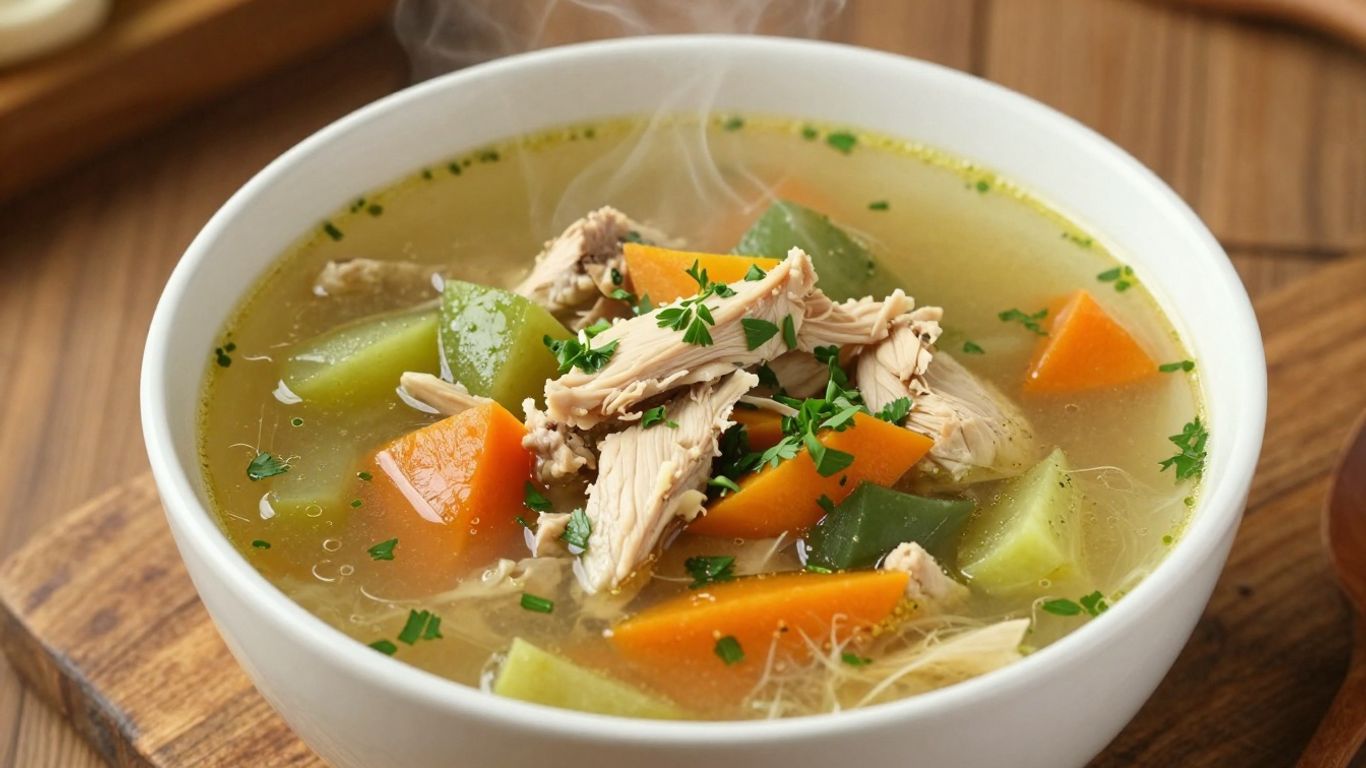
Let’s be real, life gets hectic. Between work, workouts, and just trying to keep up, finding time to cook healthy meals can feel like a challenge. That’s where recovery soups shine. They’re fantastic for making ahead. Think of it like this: spend a couple of hours on a Sunday prepping a big batch of your favorite protein-packed soup, and you’ve got lunches or dinners sorted for the week. This saves you from reaching for less healthy convenience foods when you’re tired and hungry. You can chop all your veggies, cook your protein, and even assemble the soup base in advance. Then, it’s just a matter of simmering it all together when you have a moment, or even better, portioning it out into individual containers.
Freezing and Reheating for Convenience
Soups are practically made for the freezer. Once your soup has cooled completely, portion it into airtight containers or freezer-safe bags. Leave a little headspace in the container, as liquids expand when frozen. Label them with the date and contents – trust me, you’ll thank yourself later when you’re staring into the freezer wondering what’s what. When you’re ready to enjoy, the easiest way to reheat is to transfer the soup to the refrigerator the night before and then warm it gently on the stovetop or in the microwave. For a quick thaw, you can also place the frozen bag in a bowl of warm water. Proper freezing and reheating helps maintain the soup’s texture and flavor, making it almost as good as fresh.
Customizing Your Soup for Dietary Needs
One of the best things about recovery soups is how adaptable they are. Whether you’re vegetarian, vegan, gluten-free, or have other specific dietary needs, you can easily tweak recipes. For instance, if a recipe calls for chicken, swap it with chickpeas or lentils for a plant-based protein boost. Use vegetable broth instead of bone broth if that fits your plan better. You can also adjust the spice levels, add extra vegetables like spinach or kale for more nutrients, or even incorporate different grains like quinoa for added fiber and protein. It’s all about making the soup work for you and your body’s unique requirements. Don’t be afraid to experiment; that’s half the fun!
Recovery soups aren’t just about quick meals; they’re about smart, sustainable eating. By planning ahead and understanding how to store and adapt your creations, you can ensure that nourishing, protein-rich bowls are always within easy reach, supporting your wellness goals without adding stress to your busy life.
Beyond Protein: Hydration and Micronutrients
The Hydrating Power of Broth-Based Soups
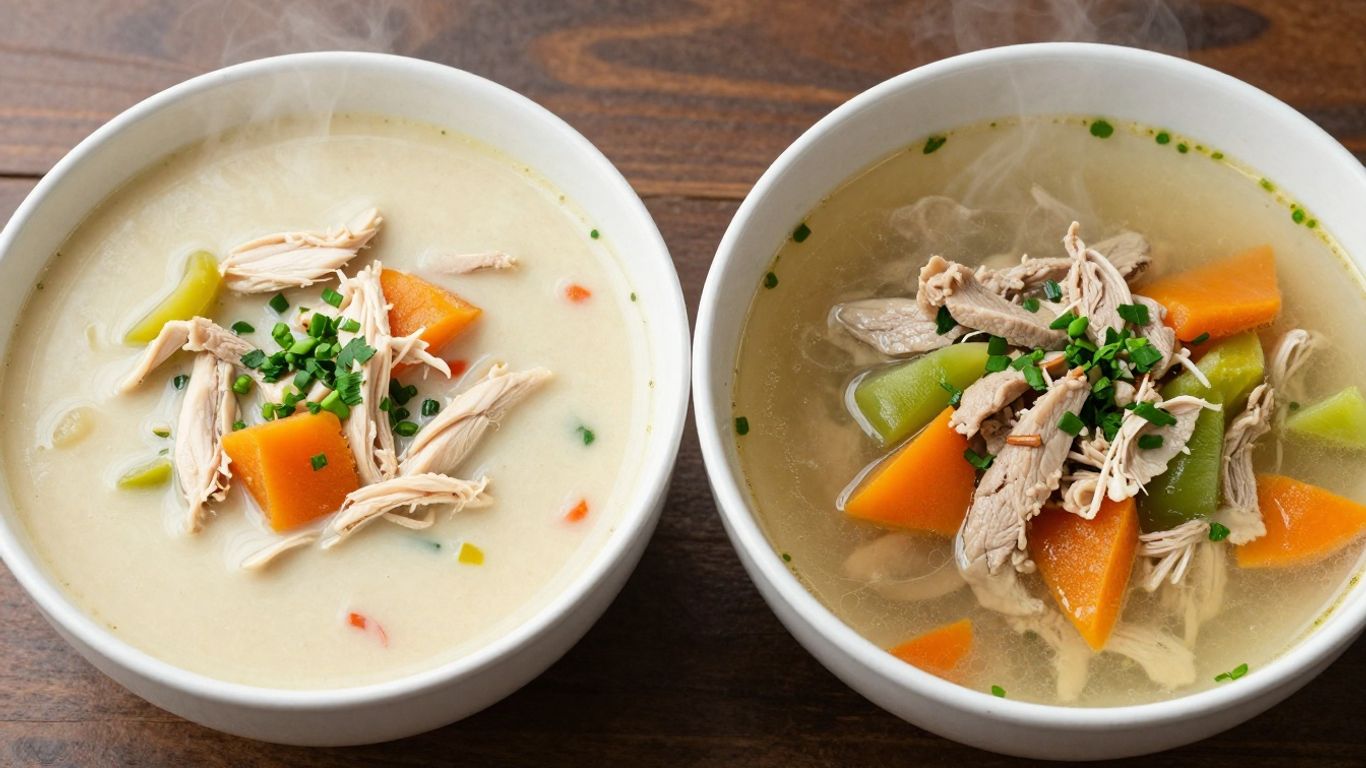
While protein gets a lot of attention for recovery, let’s not forget about hydration. Soups, especially those built on a flavorful broth, are fantastic for replenishing fluids. Think of a warm bowl as a gentle, delicious way to rehydrate your body after exertion or illness. The liquid base helps your system function optimally, aiding in nutrient transport and waste removal. Broth-based soups are often easier to digest than plain water for some, making them a welcome choice when your appetite is low.
Boosting Immunity with Anti-Inflammatory Ingredients
Recovery isn’t just about rebuilding; it’s also about supporting your body’s natural defenses. Many ingredients commonly found in nourishing soups pack a punch when it comes to fighting inflammation. Turmeric, ginger, garlic, and certain herbs like rosemary and thyme are known for their anti-inflammatory properties. Adding these to your soup can help calm internal responses and support overall well-being. It’s like giving your immune system a gentle, flavorful nudge in the right direction.
Essential Vitamins and Minerals from Fresh Produce
Don’t underestimate the power of vegetables and other fresh additions! Beyond protein and hydration, recovery soups are a prime opportunity to load up on vital vitamins and minerals. Colorful vegetables like spinach, carrots, bell peppers, and leafy greens contribute a spectrum of nutrients. These micronutrients play countless roles in bodily functions, from energy production to cell repair. A well-rounded recovery soup is a treasure trove of goodness.
Here’s a quick look at what some common soup ingredients offer:
| Ingredient | Key Nutrients Provided |
|---|---|
| Spinach | Iron, Vitamin K, Vitamin A, Folate |
| Carrots | Vitamin A (beta-carotene), Vitamin K, Potassium |
| Bell Peppers | Vitamin C, Vitamin A, Vitamin B6 |
| Garlic | Manganese, Vitamin B6, Vitamin C, Selenium |
| Ginger | Antioxidants, aids digestion |
| Turmeric | Curcumin (anti-inflammatory properties) |
| Lean Meats/Poultry | B Vitamins, Zinc, Iron |
| Legumes (Beans/Lentils) | Fiber, Iron, Folate, Potassium, Magnesium |
The Role of Recovery Soups in Wellness Journeys
Supporting Weight Management Goals
Recovery soups can be a fantastic ally when you’re aiming for weight management. Their high water content and often fiber-rich ingredients help you feel full and satisfied, which can curb overeating. Think about a hearty lentil soup or a vegetable-packed broth. These options provide volume and nutrients without a lot of calories. They help you meet your nutritional needs while keeping your calorie intake in check. It’s about making smart choices that support your body’s goals without feeling deprived. Soups are also great for portion control; a single bowl is a defined serving size, making it easier to track your intake.
Fueling Post-Workout Replenishment
After a tough workout, your body needs to refuel and repair. Recovery soups, especially those packed with lean protein and complex carbohydrates, are ideal for this. Chicken noodle soup, for instance, offers protein from the chicken and easily digestible carbs from the noodles. A creamy white bean and turkey chili can provide a substantial protein boost. These meals help replenish glycogen stores and provide the amino acids needed for muscle repair. It’s about giving your body the building blocks it needs to recover efficiently and come back stronger for your next session.
Nourishing Your Body from the Inside Out
Beyond specific goals like weight management or post-workout recovery, these soups contribute to overall wellness. They are a gentle way to introduce a wide array of vitamins, minerals, and antioxidants into your diet. Bone broth, a common base, is known for its gut-healing properties. Adding colorful vegetables like spinach, carrots, and bell peppers ensures you’re getting a spectrum of micronutrients.
Eating well is a form of self-respect. Recovery soups offer a simple, comforting, and effective way to practice that respect daily, supporting your body’s natural functions and promoting a sense of well-being from the inside out.
Incorporating these nourishing bowls regularly can lead to improved digestion, better energy levels, and a stronger immune system. It’s a holistic approach to health, where simple, wholesome food plays a central role in how you feel every day.
When you’re on a wellness journey, recovery soups can be a real game-changer. They’re not just tasty; they’re packed with good stuff that helps your body bounce back. Think of them as a warm hug for your insides, helping you feel better faster. Ready to discover how these simple meals can boost your health goals? Visit our website to learn more and find delicious recipes!
Your Next Bowl of Comfort
So there you have it – a whole world of warming, protein-packed soups ready to be explored. Whether you’re recovering from a workout, battling a busy week, or just need a little extra comfort, these bowls offer a delicious and smart way to nourish your body. Don’t be afraid to play around with ingredients; soup is wonderfully forgiving and a great way to use up what you have. So grab a spoon, get cooking, and find your new favorite way to stay hydrated, fueled, and feeling good. Happy slurping!
Frequently Asked Questions
Why are soups good for recovery?
Soups are great for getting better because they’re easy to digest. The warm liquid helps hydrate you, and you can pack them with healthy stuff like protein and veggies. It’s like a warm hug for your body when it needs to heal.
What makes a soup ‘protein-savvy’?
A ‘protein-savvy’ soup means it has good sources of protein, like chicken, beans, or lentils. Protein is super important for fixing your muscles and helping your body get stronger after you’ve been sick or worked out hard.
Can I make these soups ahead of time?
Absolutely! Many of these soups are perfect for making a big batch and storing them. You can keep them in the fridge for a few days or freeze them for later. This way, you always have a healthy meal ready when you need it.
What are some good protein sources to add to soup?
You can add things like shredded chicken or turkey, cooked beans (like black beans or chickpeas), lentils, or even tofu. Some people also add a swirl of Greek yogurt or cottage cheese for an extra protein boost.
Are these soups good for when I’m feeling sick?
Yes! The warm broth is very soothing and helps you stay hydrated, which is key when you’re under the weather. Ingredients like ginger, garlic, and vegetables can also give your immune system a nice boost.
Can I make these soups vegan or vegetarian?
Definitely! You can swap out meat for plant-based proteins like lentils, beans, or tofu. Using vegetable broth instead of chicken or beef broth works perfectly for vegan and vegetarian versions.
How do I make my soup more flavorful?
Don’t be shy with herbs and spices! Things like garlic, onion, basil, oregano, cumin, and a little bit of chili powder can make a big difference. A squeeze of lemon or lime juice at the end can also brighten up the flavors.
What’s the difference between bone broth and regular broth?
Bone broth is made by simmering animal bones for a long time. It often has more minerals and sometimes more protein than regular broth, and many people find it very nourishing and good for their gut health.