
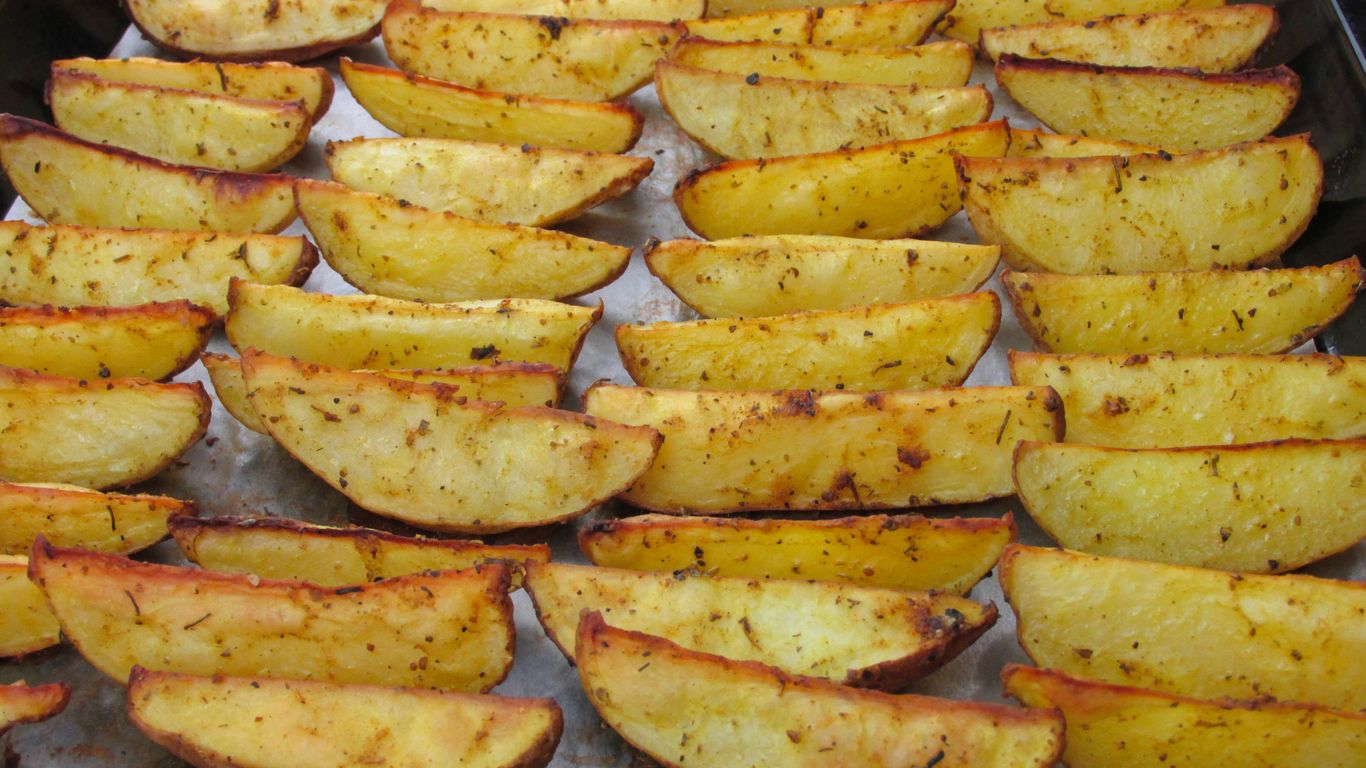
Lately, there’s been a lot of buzz about something called resistant starch. It’s not your typical carb that gets broken down quickly. Instead, it travels to your gut and feeds the good bacteria there, which is a really good thing. Think of it like fertilizer for your internal garden. This article is all about how to get more of it into your diet, especially using everyday foods like potatoes, rice, and even green bananas. We’ll walk through a 4-week plan to help you do just that, making it simple and manageable. It’s a straightforward way to support your gut health and overall well-being.
Key Takeaways
- Resistant starch acts like fiber, feeding beneficial gut bacteria and offering health perks beyond just digestion.
- You can boost resistant starch by cooking and then cooling foods like potatoes and rice, creating a type called RS3.
- Adding green bananas, legumes, and whole, intact grains to your meals are simple ways to increase your intake.
- Start slowly when introducing more resistant starch to avoid tummy troubles like gas and bloating, gradually increasing your intake over a few weeks.
- Focus on whole, minimally processed food sources for the best quality resistant starch, and consider supplements only if needed.
Understanding Resistant Starch Fundamentals

So, what exactly is this ‘resistant starch’ everyone’s talking about? It sounds a bit technical, but it’s actually pretty straightforward once you break it down. Think of it as a special kind of carbohydrate that doesn’t get broken down like the usual ones we eat. Instead, it travels further into our digestive system.
The Molecular Journey of Resistant Starch
Normally, when you eat starchy foods like bread or pasta, your body quickly breaks down the starch into sugars, which then get absorbed into your bloodstream. This is how most carbohydrates work. Resistant starch, however, is different. It bypasses digestion in your small intestine, making its way to your large intestine largely intact. This journey is what makes it so interesting from a health perspective.
Resistant Starch Types: RS1, RS2, RS3, and RS4
It turns out there isn’t just one kind of resistant starch; there are actually a few different types, each with its own characteristics:
- RS1 (Resistant Starch Type 1): This type is found in foods where the starch is physically protected. Think of whole grains, seeds, and legumes. The outer layers of these foods act like a shield, making it harder for digestive enzymes to reach the starch inside.
- RS2 (Resistant Starch Type 2): This is the natural form found in certain foods, like green bananas and raw potatoes. The starch molecules are packed in a specific way that makes them tough for our enzymes to break down.
- RS3 (Resistant Starch Type 3): This type is created when starchy foods are cooked and then cooled. The cooling process causes the starch to change its structure, making it resistant. Rice, potatoes, and pasta can all become sources of RS3 this way.
- RS4 (Resistant Starch Type 4): This is a chemically modified starch. It’s not found naturally but is created through specific processes for use in certain food products or supplements.
Why Resistant Starch Resists Digestion
The reason resistant starch makes it all the way to your colon is its structure. Unlike regular starch, which has a loose, easy-to-access molecular arrangement, resistant starch is either physically shielded (RS1), has a tightly packed crystalline structure (RS2), or has undergone a structural change after cooking and cooling (RS3). Even the chemically altered RS4 is designed to be indigestible. This resistance means it doesn’t cause the same rapid spike in blood sugar that other starches might. Instead, it acts more like a fiber, feeding the good bacteria in your gut.
Strategic Food Selection for Resistant Starch

Okay, so we’ve talked about what resistant starch is and why it’s pretty neat for our gut bugs. Now, let’s get down to the nitty-gritty: what foods should we actually be eating? It’s not just about what you eat, but also how you prepare it sometimes. Think of it as a bit of a culinary treasure hunt for better digestion.
Green Bananas and Plantains: Nature’s Powerhouse
Unripe bananas are like little resistant starch bombs. Seriously, when they’re green and firm, they’re packed with this stuff. As they ripen and get those brown spots, the resistant starch starts turning into regular sugar, which our bodies digest differently. So, if you’re aiming for maximum resistant starch, grab those green ones.
- Choose bananas with green peels and a firm texture. That’s your first clue.
- They can be a bit bland on their own, so blending them into smoothies is a great trick. You won’t even notice the taste, but your gut will thank you.
- You can also find green banana flour, which is awesome for baking. Think pancakes or muffins with a hidden gut health boost.
- Don’t forget overnight oats or chia puddings – a handful of green banana flour or even some chopped green banana works wonders.
Legumes: The Resistant Starch Champions
Beans, lentils, peas – these guys are superstars. They’re naturally loaded with resistant starch, and the cool thing is, they keep a good amount even after you cook them. This makes them super practical for everyday meals.
- Soaking dried beans overnight before cooking is a good idea. It helps make them easier to digest, which is a win-win.
- Cook up a big batch of beans or lentils and keep them in the fridge. They’re perfect for tossing into salads, soups, or grain bowls throughout the week.
- Try different kinds! Each legume has its own unique set of nutrients, so mixing it up keeps things interesting and beneficial.
The key with legumes is to prepare them in ways that allow you to eat them cold or at room temperature sometimes, as this can help preserve some of the resistant starch that might break down with intense heat.
Whole Grains and Intact Seeds for Optimal Intake
When we talk about grains and seeds, think whole and intact. This means choosing things like steel-cut oats over the instant kind, or opting for whole barley instead of just barley flour. The less processed, the better, because the resistant starch is often locked away in the grain’s structure.
- Steel-cut oats are generally better than instant oatmeal for resistant starch content.
- Look for products that use intact grains rather than finely ground flours whenever possible.
- Sprouted grain breads and ancient grains like quinoa, amaranth, and teff are also excellent choices.
It’s all about picking foods that keep their natural structure. This way, the resistant starch can make its way through your digestive system more effectively, doing its job for your gut microbes.
The Cook-and-Cool Method for Resistant Starch
Creating RS3 Through Retrogradation
So, you’ve heard about resistant starch, and maybe you’re wondering how to get more of it without, you know, eating raw potatoes all the time. Well, there’s a pretty neat trick called the ‘cook-and-cool’ method that can actually increase the resistant starch content in foods you already eat. It’s all about something called retrogradation. Basically, when you cook starchy foods like rice, potatoes, or pasta, you break down their structure. Then, when you let them cool down completely, the starch molecules start to rearrange themselves into a new, more organized structure. This new structure is what makes it resistant to your digestive enzymes. It’s like giving your regular carbs a superpower boost just by chilling them out.
Step-by-Step RS3 Formation
Getting RS3 is simpler than it sounds. You just need a little patience and a refrigerator. Here’s the basic rundown:
- Cook your starchy food: Prepare rice, potatoes, pasta, or even legumes as you normally would. Boil ’em, bake ’em, steam ’em – it doesn’t really matter how you cook them initially.
- Cool completely: This is the key step. Let the cooked food cool down to room temperature. Don’t rush this part. You can even leave it on the counter for a bit.
- Refrigerate: For the best results, pop the cooled food into the fridge. Aim for at least 12 to 24 hours. This extended chilling time really lets the retrogradation process work its magic.
Reheating Cooked and Cooled Starches
Now, here’s the really good news: once you’ve gone through the cook-and-cool process, you don’t have to eat your food cold if you don’t want to. Studies have shown that reheating these cooled starches, whether in a microwave or on the stovetop, doesn’t destroy the resistant starch that has formed. So, that leftover rice from last night? Totally fair game for a warm meal today, and it’ll still pack that RS3 punch. It’s a practical way to boost your intake without a major diet overhaul.
Integrating Resistant Starch into Daily Meals

So, you’re ready to start adding more resistant starch to your diet, but where do you even begin? It’s not about overhauling your entire kitchen overnight. Think of it as making smart swaps and adding a few new tricks to your meal prep routine. The goal is to make resistant starch a natural part of what you already eat, without feeling like you’re constantly on a special diet.
Breakfast Optimization Strategies
Breakfast is a fantastic place to kickstart your resistant starch intake. Instead of just grabbing a sugary cereal, consider these options. Overnight oats are a perfect canvas. Mix rolled oats with a tablespoon of green banana flour (you can buy this or make your own from dried green bananas) and some chia seeds, then add your favorite plant-based milk. Let it sit in the fridge overnight, and you’ve got a ready-made, resistant starch-rich breakfast. Another idea is a breakfast bowl. Cook some quinoa or brown rice the night before, let it cool, and then top it with some mashed white beans, a sprinkle of herbs, and maybe some avocado. It sounds a bit different, but it’s surprisingly filling and keeps you going.
Lunch and Dinner Applications
This is where the ‘cook-and-cool’ method really shines. Making a big batch of rice or potatoes and then chilling them overnight is your secret weapon. Think about a hearty lentil soup or a bean chili. Make a big pot on Sunday, and then on Monday, you can have a bowl that’s even better because the starches have converted. Cold salads are also great. A quinoa salad with chickpeas and lots of veggies, dressed with olive oil and lemon, is a perfect example. Or how about a pasta salad? Use whole wheat pasta, cook it, cool it down, and toss it with some beans, chopped vegetables, and a light vinaigrette. It’s a simple way to get more resistant starch without much extra effort.
Strategic Snacking for Boosted Intake
Snacks are often where we fall off the wagon, but they can be a great opportunity to add more resistant starch. Instead of reaching for chips, try a small handful of raw nuts and seeds – they’re packed with RS1. Green banana chips (the baked kind, not fried!) are another good option. If you’ve made a batch of bean dip, like hummus or a white bean spread, have it with some carrot sticks or bell pepper slices. Even a simple chia seed pudding, made with plant milk and perhaps a touch of green banana flour, can be a satisfying and gut-friendly snack. Making these small, conscious choices throughout the day adds up significantly.
The key to integrating resistant starch isn’t about drastic changes, but about smart, consistent additions. By thinking about how you prepare and consume common foods, you can easily boost your intake without feeling deprived. It’s about working with your existing meals and making them work harder for your health.
A 4-Week Plan for Resistant Starch Integration
Alright, so you’re ready to get serious about resistant starch. It’s not about going crazy overnight, though. Think of it like training for a 5k – you start slow, build up, and listen to your body. This plan is designed to ease you in, so you can enjoy the benefits without too much initial fuss.
This is your "getting acquainted" phase. The goal here is to introduce resistant starch sources gently and see how your digestive system responds. We’re not aiming for huge amounts yet; it’s all about building a foundation.
- Start Small: Aim for about 5-8 grams of resistant starch per day. This is a manageable amount that most people can handle without issues. Think of it as a small addition to your existing meals.
- Focus on Familiar: Stick to well-tolerated sources. Cooked and cooled rice or potatoes are great starting points. They’re common foods, and the cooling process is where the magic happens for RS3.
- Timing is Key: Try to consume your resistant starch sources around the same time each day. This helps your body get used to the routine.
- Hydration Station: Drink plenty of water. Fiber, including resistant starch, needs water to do its job properly and prevent any discomfort.
During these first two weeks, pay close attention to how you feel. Some mild gas or bloating can happen as your gut bacteria adjust, but it shouldn’t be overwhelming. If it is, dial back the amount slightly and try again.
Example Daily Intake (Weeks 1-2):
| Meal | Resistant Starch Source |
|---|---|
| Breakfast | 1 tbsp green banana flour mixed into oatmeal |
| Lunch | Small portion of leftover cooked and cooled pasta salad |
| Dinner | Side of cooked and cooled potatoes (e.g., in a salad) |
Now that your body is getting used to things, we can start to increase the amount and introduce more variety. This is where you really start to reap more of the benefits.
- Bump it Up: Gradually increase your daily intake to around 10-12 grams. You can do this by slightly increasing the portion sizes of the foods you’re already eating or by adding another small source.
- Explore New Foods: Time to bring in some new players! Add legumes like lentils or beans to your meals. Try incorporating green bananas into smoothies or snacks. Continue with the cook-and-cool method for grains and starchy vegetables.
- Listen and Adjust: Keep monitoring your body. If you feel comfortable, you can continue to increase portions. If you experience any significant discomfort, ease back a bit. Everyone’s tolerance is different.
Example Daily Intake (Weeks 3-4):
| Meal | Resistant Starch Source |
|---|---|
| Breakfast | Overnight oats with 2 tbsp green banana flour, chia seeds |
| Lunch | Lentil soup with a side of cooled quinoa salad |
| Dinner | Chicken stir-fry with day-old, cooled brown rice and edamame |
| Snack | Small handful of raw almonds |
After these initial four weeks, you should have a good sense of how your body handles resistant starch. The next step is to work towards the generally recommended daily intake, which is often cited as 15-20 grams, though this can vary based on individual needs and tolerance.
- Consistent Intake: Continue to make resistant starch a regular part of your diet. Aim for a mix of sources throughout the week to get a broad spectrum of benefits.
- Creative Cooking: Don’t be afraid to experiment with recipes. Think about how you can incorporate cooled starches into dishes you already love, or try new recipes specifically designed for resistant starch.
- Long-Term View: Remember, this is a marathon, not a sprint. Sustainable habits are built over time. Focus on making resistant starch integration a natural part of your lifestyle rather than a temporary diet.
By the end of this 4-week plan, you’ll have a solid understanding of how to incorporate resistant starch effectively, setting you up for continued gut health improvements and overall well-being. It’s about making smart, simple food choices that add up to big health wins.
Managing Initial Side Effects of Resistant Starch
So, you’re diving into the world of resistant starch, which is awesome! But like any new dietary change, your gut might need a little time to adjust. It’s pretty common to experience some temporary digestive hiccups as your microbiome gets used to this new fuel source. Think of it as your gut bacteria throwing a little party to welcome their new favorite food. The good news is, these effects are usually short-lived and manageable.
Addressing Increased Gas Production
This is probably the most frequent complaint. As resistant starch ferments in your large intestine, it produces gases like hydrogen and methane. It’s a sign that your beneficial gut bacteria are active and feasting! For most people, this is a temporary phase that lasts about one to two weeks. If it becomes uncomfortable, try reducing your portion size slightly for a few days and then gradually increase it again. Staying well-hydrated also helps.
- Start slow: Begin with smaller amounts, around 5 grams per day.
- Hydrate: Drink plenty of water throughout the day.
- Listen to your body: If gas is excessive, temporarily decrease your intake.
- Consider timing: Some find consuming RS with meals helps.
Managing Bloating and Abdominal Discomfort
Similar to gas, bloating can occur as your digestive system adapts. This often happens if you introduce too much resistant starch too quickly or combine it with other significant dietary changes. The key here is patience and a gentle approach. Focusing on well-tolerated sources like cooked and cooled rice or potatoes initially can make a big difference. Avoid overwhelming your system by introducing multiple new high-fiber foods at once.
It’s important to remember that these initial symptoms are often a sign that the resistant starch is doing its job, feeding beneficial bacteria and starting to shift your gut environment. Don’t let a little temporary discomfort deter you from the long-term benefits.
Understanding Changes in Bowel Movements
Many people notice a positive change in their bowel movements, often becoming more regular and consistent. This is generally a good sign! Resistant starch acts like a prebiotic fiber, supporting a healthier gut environment. However, if you experience any significant or persistent changes that concern you, it’s always wise to consult with a healthcare professional. Ensuring adequate fluid intake is also important to help fiber move through your system smoothly.
| Symptom | Common Cause | Management Strategy |
|---|---|---|
| Increased Gas | Bacterial fermentation of resistant starch | Gradual introduction, adequate hydration, reduce portion temporarily if needed |
| Bloating/Abdominal Discomfort | Digestive system adaptation, rapid intake | Slow introduction, focus on tolerated sources, avoid combining with other new fibers |
| Bowel Movement Changes | Gut microbiome shift, increased fiber intake | Increase water intake, monitor for consistency, consult doctor if persistent |
Quality Assessment of Resistant Starch Sources
When you’re looking to boost your resistant starch intake, not all sources are created equal. It’s like picking produce at the market; some things are just better quality. We want to make sure we’re getting the most bang for our buck, nutritionally speaking.
Evaluating Whole Food Sources
For the most part, sticking to whole, minimally processed foods is your best bet. These foods tend to keep their resistant starch intact. Think about it: the less you mess with a food, the more likely it is to retain its natural goodness. For fruits like green bananas, the ripeness really matters. You want them firm and green to get the most RS2. For things like potatoes and rice, the way you prepare them, especially the cook-and-cool method, is key to creating RS3.
Here are some things to look for:
- Minimal Processing: Foods that are close to their natural state are usually best. Think whole grains, raw nuts, seeds, and legumes.
- Appropriate Ripeness/Form: For things like bananas, choose them when they’re still green. For potatoes, raw is best for RS2, but cooked and cooled is great for RS3.
- Storage: How you store your food can impact its resistant starch content. Keep things like oats and flours in airtight containers to prevent moisture absorption.
- Organic Options: While not strictly about resistant starch, choosing organic can mean less exposure to pesticides, which is generally a good thing for overall health.
The goal is to choose foods that naturally contain resistant starch or can be easily prepared to maximize it, without adding a lot of unnecessary processing.
Supplement Quality Considerations
If you’re leaning towards supplements, you’ve got to be a bit more discerning. It’s a bit of a wild west out there with supplements, so doing your homework is important. You want to be sure you’re getting what the label says you’re getting, and that it’s pure.
When checking out supplements, keep these points in mind:
- Third-Party Testing: Look for brands that have their products tested by independent labs. This is a good sign they’re serious about quality and purity.
- Clear Labeling: The label should clearly state the type of resistant starch (RS1, RS2, RS3, RS4) and the amount per serving. If it’s vague, move on.
- Reputable Brands: Stick with companies that have a good track record and are known for quality control in their manufacturing.
- Storage Instructions: Check how the supplement should be stored. If it needs special conditions, make sure you can provide them to keep it effective.
Choosing Minimally Processed Options
Ultimately, the best approach is to prioritize foods that haven’t been heavily altered. This means opting for whole grains over refined ones, choosing dried beans over canned (if you have the time to soak and cook them), and using green bananas as they are rather than relying solely on processed banana flour, unless it’s specifically high-quality.
- Whole Grains: Oats, barley, and intact seeds are great. Avoid highly refined flours.
- Legumes: Dried beans, lentils, and peas are excellent choices.
- Fruits and Vegetables: Green bananas, raw potatoes, and cooked-and-cooled starchy vegetables are your go-to.
Focusing on these types of sources helps ensure you’re getting a robust and natural form of resistant starch.
Synergistic Nutritional Strategies with Resistant Starch
Resistant starch is pretty neat on its own, but it really shines when you pair it with other good-for-you foods and habits. Think of it like a team sport for your gut health. When you combine resistant starch with the right players, you get even better results. It’s not just about adding more resistant starch; it’s about how you integrate it into your overall eating plan.
Probiotic and Prebiotic Synergy
This is a big one. Resistant starch acts as a prebiotic, meaning it feeds the good bacteria in your gut. So, naturally, pairing it with actual probiotics (the live good bacteria found in foods like yogurt or kimchi) makes a lot of sense. It’s like giving your gut microbes a buffet and then inviting them to a party. You want a diverse range of foods to support different types of beneficial bacteria. Adding probiotic-rich foods or even a good quality supplement can really boost the positive effects. Some people even look into synbiotic approaches, which are products that combine both prebiotics and probiotics.
- Feed the good guys: Resistant starch provides fuel for beneficial gut bacteria.
- Introduce more good guys: Probiotic foods or supplements add to the beneficial population.
- Diversify the diet: Include various prebiotic sources to support a wider range of microbes.
- Consider combinations: Synbiotics offer a combined approach.
Anti-Inflammatory Diet Integration
If you’re already focusing on an anti-inflammatory diet, resistant starch fits right in. Many anti-inflammatory foods are naturally rich in resistant starch, like legumes and whole grains. Think about the Mediterranean diet – it’s packed with these types of foods. Adding resistant starch sources to an already healthy, anti-inflammatory eating pattern can further support gut barrier function and reduce inflammation throughout the body. Foods high in omega-3 fatty acids and polyphenols also play well with resistant starch.
Timing and Meal Structure Optimization
When you eat your resistant starch can also make a difference. For instance, having some resistant starch before a meal might help you feel fuller, potentially aiding in weight management. Eating it post-workout could help with replenishing energy stores without causing a huge spike in blood sugar. Some research even suggests that eating resistant starch in your evening meal can support gut microbial activity overnight. Consistency is key here; aiming for a steady intake each day helps maintain a stable and healthy gut environment.
The goal is to create a supportive ecosystem within your gut. Resistant starch provides the food, probiotics introduce the workers, and an overall healthy diet provides the right environment for everything to thrive. It’s a holistic approach to gut wellness that goes beyond just one type of food or nutrient.
Here’s a quick look at how you might structure your intake:
- Morning Boost: Add green banana flour to your smoothie or oats.
- Lunchtime Power: Include cooled, cooked legumes or grains in your salad.
- Dinner Delight: Serve chilled potato salad or leftover cooled rice.
- Smart Snacking: Opt for bean-based dips or trail mix with resistant starch components.
Long-Term Health Implications and Lifestyle Integration
Making resistant starch a regular part of your diet isn’t just about a quick fix; it’s about building habits that stick and benefit you for the long haul. It’s about weaving these gut-friendly foods into the fabric of your everyday life.
Sustainable Habit Formation
Think of it like learning to ride a bike. You don’t just hop on and go pro. You start slow, maybe with training wheels, and gradually build up. The same applies here. Start by making small, manageable changes. Maybe that means adding a side of cooled, cooked potatoes to your dinner a few times a week, or swapping your usual bread for a whole-grain option that includes intact seeds. Batch cooking is your friend here. Cook a big pot of rice or beans, let them cool in the fridge, and you’ve got ready-made resistant starch for meals throughout the week. It’s about finding what works for you and your schedule, not forcing yourself into a rigid plan that feels impossible to follow.
Family and Community Integration
Why keep all this gut-health goodness to yourself? Sharing is caring, especially when it comes to good food. Getting the whole family on board can make it easier for everyone. Think about kid-friendly ways to introduce these foods – maybe green banana pancakes or a creamy bean dip. Educating friends or even starting a small cooking group can spread the word and make it more fun. It’s also interesting to see how different cultures have naturally incorporated resistant starch for ages. Many traditional diets, from Asian rice dishes to Mediterranean legume stews, are already packed with these beneficial starches. Adapting these familiar, comforting meals can be a great way to integrate resistant starch without feeling like you’re eating something totally foreign.
Healthcare Provider Collaboration
While we’re all about empowering ourselves with dietary knowledge, it’s always smart to keep your doctor or a registered dietitian in the loop, especially if you have any underlying health conditions. They can help you understand how resistant starch might interact with any medications you’re taking, like those for diabetes. Plus, they can help you track your progress with objective markers, like blood sugar levels or cholesterol, giving you a clearer picture of the benefits you’re experiencing. It’s about working with your healthcare team to make sure your dietary changes are safe and effective for your unique health situation.
Making resistant starch a consistent part of your diet is a marathon, not a sprint. It’s about building a sustainable eating pattern that supports your gut health and overall well-being over time, rather than chasing short-term trends. The key is consistency, adaptability, and a willingness to experiment with foods you enjoy.
Measuring Success and Health Outcomes
So, you’ve been working on adding more resistant starch to your diet. That’s awesome! But how do you know if it’s actually doing anything for you? It’s not just about following a plan; it’s about seeing the results, right?
Subjective Health Indicators
Sometimes, the biggest changes are the ones you feel yourself. You might notice things like your digestion feeling smoother, maybe less of that uncomfortable bloating after meals. Energy levels can get a boost too, and you might find yourself feeling fuller for longer, which can help with those pesky cravings. Some people even report sleeping a bit better. These are all great signs that your gut is happier.
Objective Health Markers
For a more concrete picture, your doctor can help. They can look at things like your blood sugar levels and how your body uses insulin. They might also check your cholesterol and other blood fats. Sometimes, markers for inflammation in your body can go down. And of course, if weight management is a goal, tracking changes in body composition is key.
Here’s a quick look at what your doctor might monitor:
| Marker | Potential Change with Increased RS Intake |
|---|---|
| Blood Glucose | More stable levels |
| Insulin Sensitivity | Improved response |
| Cholesterol (LDL) | May decrease |
| C-Reactive Protein (CRP) | May decrease |
| Body Composition | Favorable shifts |
Microbiome Testing Options
If you’re really into the nitty-gritty of gut health, there are tests that can give you a peek into your microbiome. These stool tests can show you what kinds of bacteria are hanging out in your gut and if their populations are shifting. They can also give you an idea of how well your gut bacteria are fermenting food and producing helpful compounds. It’s like getting a detailed report card for your gut bugs.
Paying attention to how you feel and what objective markers show can really help you stay motivated. It’s a journey, and seeing progress, no matter how small, makes all the difference. Don’t be afraid to chat with your doctor about what you’re noticing and what tests might be useful for you.
Wondering how well you’re doing on your journey? We help you track your progress and see the positive changes in your health. Ready to see your success story unfold? Visit our website today to learn more and start your transformation!
Wrapping It Up: Your Next Steps with Resistant Starch
So, we’ve talked a lot about resistant starch and how foods like potatoes, rice, and even green bananas can be your gut’s best friend. It’s not about making huge, drastic changes overnight. Think of it more like a gentle nudge towards healthier eating. By cooking and cooling those starches, or adding a few more legumes to your meals, you’re already doing great things. Remember to start slow, especially if you’re new to this, and pay attention to how your body feels. Over the next few weeks, keep experimenting with these foods and find what works best for you. It’s a journey, and this plan is just the beginning of building some really good habits for the long haul. Your gut will definitely thank you.
Frequently Asked Questions
What exactly is resistant starch and why is it good for me?
Resistant starch is a type of carb that your body doesn’t digest easily. It travels to your large intestine, where it feeds the good bacteria there. This helps keep your gut healthy, which can lead to better digestion, more energy, and even help with weight management.
What are the best foods to get more resistant starch from?
Great sources include green (unripe) bananas, cooked and cooled potatoes and rice, beans, lentils, and whole grains like oats. Think of foods that are a bit tougher or that you prepare in a special way, like cooking and then chilling them.
How does cooking and cooling food help create resistant starch?
When you cook starchy foods like potatoes or rice, their structure changes. When you cool them down completely, especially in the fridge overnight, they form a different kind of starch structure called RS3. This structure is harder for your body to break down, making it resistant starch.
Can I reheat food that I’ve cooked and cooled to get resistant starch?
Yes, you can! Reheating food like rice or potatoes that you’ve already cooked and cooled doesn’t get rid of the resistant starch that formed. So, you can still enjoy those foods warm.
Will eating more resistant starch make me gassy or bloated?
It’s possible at first, especially if your body isn’t used to it. This happens because the good bacteria in your gut start fermenting the resistant starch. It’s best to start with small amounts and slowly increase them over a few weeks to let your body adjust. Drinking plenty of water also helps.
How much resistant starch should I aim for each day?
Experts suggest aiming for about 15 to 20 grams of resistant starch per day to get the best health benefits for your gut. This is quite a bit more than most people eat now, so starting slow is key.
Are there resistant starch supplements I can take?
Yes, there are supplements like raw potato starch or green banana flour. However, it’s generally best to get resistant starch from whole foods first, as they offer other important nutrients too. If you consider supplements, look for ones that are tested and from reputable brands.
How long will it take to notice benefits from eating more resistant starch?
Many people start noticing positive changes in their digestion and energy levels within a few weeks of consistently eating more resistant starch. For more significant health improvements, like changes in blood sugar or weight, it might take a few months of regular intake.