
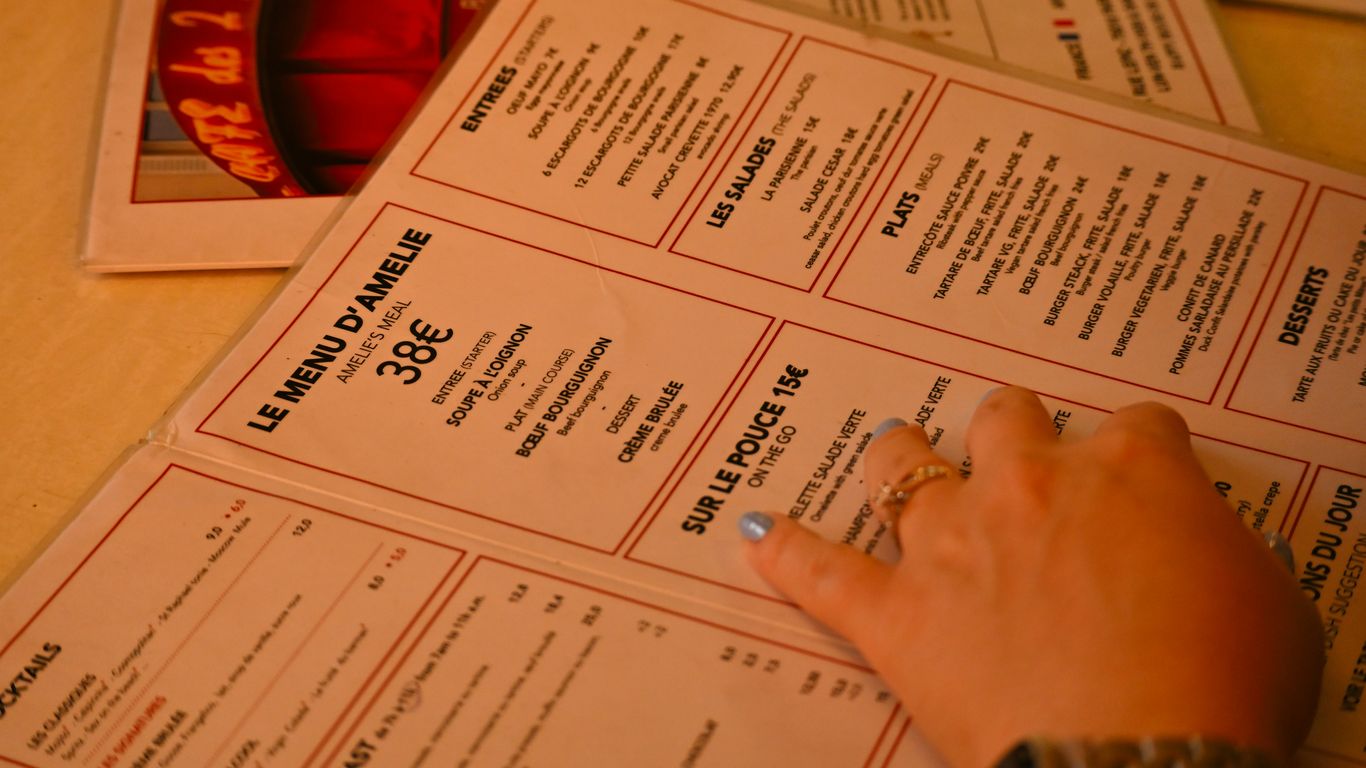
Running a restaurant involves a lot of moving parts, and sometimes it feels like you’re making decisions on the fly. But what if you could get ahead of things? This article dives into how a solid restaurant playbook, covering everything from portion sizes to dessert, can make a big difference. We’ll look at smart ways to manage your menu, use technology, and build guest trust, all while keeping things running smoothly. It’s all about having a plan so you can focus on giving your customers a great experience.
Key Takeaways
- A well-defined restaurant playbook helps in making smart decisions about portions, alcohol service, and dessert offerings ahead of time, reducing on-the-spot stress.
- Technology plays a big role in success, from prepaid tickets that cut down no-shows to pairing prompts that boost check averages and digital tools that streamline kitchen work.
- Building guest trust through transparency, like sharing farm-to-table stories with QR codes and showing supplier traceability, can lead to better customer assurance and loyalty.
- Integrating systems like reservations, POS, and CRM creates a smoother operation, helping manage seating, reduce no-shows, and automate guest communication for a better experience.
- Focusing on unique restaurant advantages, whether it’s signature dishes, customizable options, or smart add-ons, helps amplify what makes your establishment special and increases order value.
Mastering Restaurant Playbook Decisions

Making smart choices ahead of time can really set a restaurant up for success. It’s not just about the food, but how you manage everything from what’s on the plate to what’s in the glass. Thinking through these details beforehand means less stress later and a better experience for everyone.
Strategic Portion Control
Getting portion sizes right is a balancing act. Too much, and you’re wasting food and money. Too little, and guests might feel shortchanged. The goal is to provide a satisfying amount that aligns with the dish’s price and the overall dining experience. This often involves training kitchen staff on standard measurements and using tools like portion scales or standardized scoops. It’s about consistency, so every guest gets the same, correct amount.
- Standardize recipes: Clearly define ingredient amounts for each dish.
- Train kitchen staff: Ensure everyone understands and follows portioning guidelines.
- Use measuring tools: Employ scales, scoops, and ladles for accuracy.
- Regular checks: Periodically review plate presentations to ensure consistency.
Portion control isn’t just about cost savings; it’s about delivering a predictable and fair value to your customers. It shows you’ve thought through the details of their experience.
Mindful Alcohol Consumption
Alcohol can be a significant part of a restaurant’s revenue, but it also needs careful management. Offering a well-curated drink list that complements the food is key. This includes having options at different price points and considering non-alcoholic alternatives. Training servers to suggest drinks responsibly, rather than pushing for the most expensive option, builds trust. It’s about guiding guests to a choice they’ll enjoy, which might be a single glass of wine or a craft cocktail, rather than encouraging overconsumption.
- Balanced drink menu: Offer a variety of alcoholic and non-alcoholic choices.
- Staff training: Educate servers on responsible beverage service and food pairings.
- Consider drink sizes: Offer different pour sizes for wine or spirits.
- Promote alternatives: Highlight well-crafted mocktails or specialty non-alcoholic beverages.
Dessert Indulgence Strategies
Dessert is often the final act of a meal, and it’s a chance to leave a lasting positive impression. Instead of just a few standard options, think about how to make dessert an appealing part of the experience. This could mean offering smaller, tasting-sized portions of signature desserts, or creating a dessert tasting menu. It’s also about presentation – making those final bites look as good as they taste. For guests who might be watching their intake, offering lighter options or even a cheese plate can be a thoughtful touch.
- Variety of sizes: Offer full and smaller tasting portions.
- Creative presentation: Make desserts visually appealing.
- Thoughtful options: Include lighter choices or fruit-based desserts.
- Dessert pairings: Suggest specific drinks that go well with sweet treats.
Leveraging Technology for Restaurant Playbook Success
Okay, so we’ve talked about the big picture stuff, but how do we actually make this restaurant playbook work in the real world? Technology is a huge part of that. It’s not just about having a fancy website; it’s about using tools to make things run smoother, make more money, and keep customers happy. Think of it as your secret weapon.
Enhancing Revenue Through Prepaid Tickets
Prepaid tickets, especially for tasting menus or special events, are a game-changer. They help cut down on those annoying no-shows. You know, the ones where people book a table and then just don’t show up? That’s wasted space and lost money. With prepaid tickets, you’re looking at a big drop in no-shows, sometimes from 10-15% down to under 3%. This means your tables are actually getting filled, which directly boosts your revenue. It’s a pretty straightforward way to get more people in the door and make sure they actually come.
Boosting Check Averages with Pairing Prompts
Ever notice how suggesting a wine or a special drink with a dish can really add to the bill? Technology can help with that. By using customer data and smart prompts, you can suggest perfect pairings. This isn’t just about pushing more drinks; it’s about enhancing the dining experience. When done right, customers are more likely to add these extras, and it can lift your average check size significantly. It’s about making smart suggestions at the right time, turning a regular meal into something a bit more special, and making a bit more money in the process.
Optimizing Kitchen Operations with Digital Tools
The kitchen is the heart of the operation, and tech can really help it beat stronger. Digital recipes mean everyone is on the same page, portions are consistent, and waste is reduced. Kitchen display systems (KDS) can streamline orders, making sure food gets out faster and more accurately. Plus, using data from smart scales and waste tracking can show you exactly where food costs are going up, allowing you to make smart adjustments. This kind of data-driven approach helps control food costs and keeps your kitchen running like a well-oiled machine.
Here’s a quick look at how these tools can impact things:
- Prepaid Tickets: Reduces no-shows, improving table turnover.
- Pairing Prompts: Increases add-on sales like drinks and appetizers.
- Digital Recipes & Waste Analytics: Lowers food costs through better portion control and less waste.
Using technology isn’t just about keeping up; it’s about getting ahead. It helps you manage resources better, understand your customers more deeply, and ultimately, run a more profitable and enjoyable restaurant.
Building Trust Through Provenance and Transparency

These days, people really want to know where their food comes from. It’s not just about taste anymore; it’s about the story behind the ingredients. Being upfront about your suppliers and how you get your food builds a connection with your customers that’s hard to beat. It shows you care about quality and where things originate.
Farm-to-Table Storytelling with QR Codes
Imagine a guest scanning a QR code right at their table and seeing a picture of the farm where their salad greens grew, or learning about the fisherman who caught the day’s special. That’s the power of telling your food’s story directly. We’ve started using QR codes on our menus, and it’s been a game-changer. It’s a simple way to share details about producers, harvest dates, and even handling notes. This transparency makes the dining experience more engaging and helps people appreciate the effort that goes into each dish.
- Share producer profiles: Include photos and brief bios of your farmers and suppliers.
- Highlight seasonal ingredients: Show what’s fresh and in season, explaining why it’s special.
- Provide preparation details: Explain how ingredients are handled and prepared to maintain quality.
This direct line of communication about ingredients can significantly influence a diner’s perception of value and quality. It transforms a meal into an educational and more meaningful event.
Supplier Traceability for Guest Assurance
Knowing exactly which supplier provided each ingredient is more than just good practice; it’s about building confidence. When you can trace an ingredient back to its source, you’re giving your guests peace of mind. This is especially important for things like meat, seafood, and even certain produce. It helps assure them about freshness, ethical sourcing, and safety. We keep detailed records, and when asked, we can confidently point to the specific farm or vendor.
| Ingredient Category | Primary Supplier | Origin Location | Notes |
|---|---|---|---|
| Beef | Green Valley Ranch | Colorado, USA | Grass-fed, hormone-free |
| Salmon | Pacific Catch Co. | Alaska, USA | Wild-caught, sustainable |
| Tomatoes | Local Harvest Farms | California, USA | Organic, peak season |
Integrating Inventory and Menu Management
Connecting what you have in stock with what’s on your menu isn’t just about avoiding running out of popular items. It’s about making sure your menu accurately reflects your available ingredients. When your inventory system talks to your menu system, you can prevent ordering dishes that rely on ingredients you don’t have. This reduces waste and kitchen stress. Plus, it helps you plan better, especially when you’re trying to highlight specific, seasonal items sourced from trusted suppliers. It’s a behind-the-scenes process that directly impacts the guest’s experience and your bottom line.
Streamlining Operations with Integrated Systems
Running a restaurant these days feels like juggling a dozen things at once, right? You’ve got people coming and going, orders flying in, and everyone wants their food now. That’s where getting your systems to talk to each other becomes a game-changer. Think of it like a well-oiled machine where every part knows what the other is doing.
Reservations, POS, and CRM Synergy
This is probably the biggest one. When your reservation system, point-of-sale (POS), and customer relationship management (CRM) software are all linked up, magic happens. You can see who’s coming, what they like, and even what they’ve ordered before. This means you can greet regulars by name, remember their allergies, or suggest a wine they loved last time. It makes guests feel special, and honestly, it makes your job easier.
- Prepaid tickets can really help reduce those dreaded no-shows. When people have a stake in their reservation, they’re more likely to show up.
- Knowing guest preferences ahead of time lets you tailor the experience, from seating arrangements to special requests.
- A connected system helps manage your tables better, so you’re not having empty seats during peak hours.
Having your reservation, POS, and CRM systems work together means you’re not just serving food; you’re building relationships and making every guest feel like a VIP. It’s about using data to create personal connections.
Managing Seat Utilization and No-Shows
No-shows are a killer for restaurant revenue. When a table is booked but empty, that’s lost money. Integrated systems help tackle this head-on. By using features like deposits or prepaid tickets, you can significantly cut down on people not showing up. Plus, better tracking means you can see which nights or times are most popular, helping you manage your staff and inventory more effectively.
Here’s a quick look at how it can impact things:
| Metric | Before Integration | After Integration | Improvement |
|---|---|---|---|
| No-Show Rate | 10-15% | < 3% | Significant |
| Seat Utilization | Varies | +2-3 points | Noticeable |
| Revenue per Cover | Baseline | Higher | Increased |
Automating Guest Preferences and Communication
Remembering every guest’s favorite drink or dietary restriction is impossible. But a good CRM system, linked to your POS, can do it for you. When a server inputs an order, the system can flag allergies or past preferences. It can also automate follow-up emails or texts after a visit, asking for feedback or inviting them back for a special event. This kind of personalized communication builds loyalty and keeps your restaurant top-of-mind.
Kitchen Efficiency and Waste Reduction Strategies
Running a kitchen smoothly is all about smart planning and using what you have wisely. It’s not just about making great food; it’s about making it without throwing away a ton of money or ingredients. We’re talking about cutting down on waste and making sure every bit of food counts.
Digital Recipes and Portion Control
Getting portions right every single time is a big deal. When everyone on the line knows exactly how much of each ingredient goes into a dish, you avoid over-portioning, which saves money, and under-portioning, which keeps customers happy. Digital recipes make this easy. They can show exact weights or volumes, and some systems even link to smart scales. This consistency is key, especially for tasting menus where every bite is meant to be just right.
- Standardized measurements for every dish.
- Reduced guesswork for kitchen staff.
- Consistent plate presentation and flavor.
Waste Analytics for Cost Savings
Where does all the food waste actually go? Knowing this is the first step to fixing it. Smart kitchens use technology to track what’s being thrown away. This could be through simple logs or more advanced systems that weigh waste. Analyzing this data helps pinpoint problem areas – maybe a specific ingredient is often left on plates, or a prep station is generating too much trim. Tackling these specific issues can lead to noticeable savings on your food costs.
Here’s a look at how waste tracking can help:
| Waste Category | Typical Cause | Potential Savings |
|---|---|---|
| Prep Waste | Inefficient knife skills, poor trim utilization | 1-3% of ingredient cost |
| Plate Waste | Over-portioning, unpopular dishes | 2-5% of food cost |
| Spoilage | Poor inventory management, over-ordering | 1-2% of ingredient cost |
Reservations-Driven Procurement Forecasting
Ordering ingredients based on what you think you’ll need is a recipe for disaster, leading to either too much food or not enough. When your ordering system is linked to your reservations, you get a much clearer picture of demand. Knowing how many covers you have booked for the week, or even the next day, allows you to order more precisely. This means less food spoiling in the fridge and fewer last-minute runs to the store for missing items. It’s about buying smarter, not just more.
Using reservation data to guide purchasing isn’t just about saving money; it’s about respecting the ingredients and the suppliers who provide them. It allows for better planning and reduces the chance of running out of key items, which can disappoint guests and disrupt the kitchen flow.
This approach helps manage inventory more effectively, reduces the risk of spoilage, and ensures you have the right amount of product on hand for service. It’s a direct link between what’s booked and what’s bought, making the whole operation more efficient.
Enhancing the Customer Experience Through Technology
These days, customers expect more than just good food. They want things to be easy, fast, and just plain pleasant. Technology can really help with that. Think about how you order food now – it’s not just a phone call anymore, right? Restaurants are using online tools to make it super simple.
Seamless Online Ordering Platforms
Forget waiting on hold or dealing with confusing phone menus. A good online ordering system is key. It should be easy to find on your website, maybe even a direct link on social media. Customers can browse the menu, customize their orders, and pay all in one spot. This means fewer mistakes and happier customers who get exactly what they want, when they want it.
- Clear Menu Presentation: High-quality photos and detailed descriptions help customers decide.
- Easy Customization: Options for allergies, spice levels, or extra toppings should be straightforward.
- Secure Payment Gateway: Offering multiple payment methods builds trust.
- Order Confirmation: An immediate confirmation, perhaps with an estimated pickup or delivery time, is vital.
The goal is to make the digital ordering process as smooth as walking into the restaurant and sitting down. If it’s clunky or confusing, people will just go somewhere else.
Mobile-Friendly Design for Convenience
Most people browse and order on their phones. If your website or ordering platform isn’t built for mobile, you’re missing out. A mobile-friendly site means it looks good and works well on any screen size, without you having to pinch and zoom. This is super important for people on the go who might be looking for a quick bite.
Flexible Delivery and Pickup Options
Customers have different needs. Some want food delivered right to their door, while others prefer to swing by and pick it up themselves. Offering both options gives people choices. You can even set up different time slots for pickup or delivery, which helps manage your kitchen’s workflow and lets customers plan their day better. This flexibility shows you understand their busy lives.
Amplifying Your Restaurant’s Unique Advantages
Every restaurant has something that makes it stand out. It might be a dish that people rave about, a super friendly staff, or maybe you’re the go-to spot for folks with specific food needs. The trick is figuring out what that special something is and then really leaning into it. Don’t just mention it once; make it a big part of how you talk about your place, how your team acts, and what you do every single day.
Personalizing Signature Dishes
Think about that one dish that everyone talks about. Is it your grandma’s secret recipe pasta? Or maybe a burger so unique it’s become legendary? This isn’t just food; it’s your restaurant’s story on a plate. Make sure it’s presented well, maybe with a little note about its history or why it’s so special. You could even offer a "chef’s special" version that’s a bit fancier or uses a rare ingredient, giving your regulars something new to try while still honoring the original.
Offering Customizable Menu Options
People have different tastes and needs these days. Some can’t eat gluten, others are vegan, and some just want to swap out a side. Being able to tweak dishes makes customers feel seen and cared for. It’s not just about offering "gluten-free" as an afterthought. It’s about building that flexibility into your menu from the start. This could mean having a base dish that can be easily adapted, or clearly marking which components can be swapped. It shows you’re thinking about everyone who walks through your door.
Strategic Use of Product Add-Ons
This is where you can really boost the average check size without making customers feel like they’re being pushed. Think about simple additions that make a meal better. For example, if someone orders a steak, suggesting a side of truffle fries or a creamy mushroom sauce is a natural fit. Or for a salad, maybe a protein add-on like grilled chicken or shrimp. It’s about offering thoughtful extras that genuinely improve the dining experience, not just random upsells. A well-placed suggestion at the right moment can make a big difference for both the customer and your bottom line.
Identifying and promoting what makes your restaurant different is key. It’s not just about having a good menu; it’s about the whole experience. From the moment someone considers visiting to the time they leave, every interaction should highlight your unique strengths. This consistent focus builds a strong identity that customers remember and return for.
Smart Ordering and Upselling Techniques
Making it easy for folks to order and maybe grab a little extra is key. It’s not about being pushy; it’s about showing people things they might actually want and making their lives simpler. Think about how you can guide them toward a better meal, or maybe just a more complete one, without them even realizing it.
Implementing Order Bumps for Cross-Selling
Order bumps are those little suggestions that pop up right before someone finishes their order. It’s like a friendly nudge. If someone’s ordering a main course, maybe they’d like a side salad or a drink to go with it? These aren’t big add-ons, just small things that round out the meal. They can really add up for the restaurant and make the customer feel like they’ve got everything they need.
Here’s how it works:
- Identify natural pairings: What items commonly go together? Pizza and soda, steak and a specific sauce, pasta and garlic bread.
- Keep it simple: Offer just one or two relevant suggestions. Too many choices can be overwhelming.
- Make it easy to add: A single click should be all it takes to add the bump to their order.
The goal here is to add convenience and perceived value for the customer, not just to increase the bill. When done right, it feels helpful.
Suggesting Perfect Pairings Before Checkout
This goes a bit deeper than just a simple order bump. It’s about thoughtful recommendations. If a customer orders a particular dish, the system can suggest a wine, a craft beer, or even a non-alcoholic beverage that complements it. This requires a bit more setup, maybe linking menu items to specific drink profiles, but the payoff can be significant. It shows a level of care and knowledge that customers appreciate.
| Item Ordered | Suggested Pairing | Price |
|---|---|---|
| Grilled Salmon | Chardonnay | $12 |
| Ribeye Steak | Cabernet Sauvignon | $15 |
| Spicy Tuna Roll | Sake | $9 |
| Vegan Curry | IPA | $8 |
Increasing Average Order Value
Ultimately, these techniques are all about boosting that average order value. By making smart suggestions and offering convenient add-ons, you’re not just selling more items; you’re helping customers build a more satisfying meal. This can be done through:
- Bundling deals: Offer a slight discount when a main course, side, and drink are ordered together.
- Premium add-ons: For signature dishes, offer upgraded toppings or sides for an extra charge.
- Portion size options: Allowing customers to choose between a regular or a larger, shareable portion can increase the ticket price.
It’s a subtle art, but when you get it right, everyone wins. The customer gets a great meal with all the trimmings, and the restaurant sees a healthier bottom line.
Defining Your Relationship with Indulgence
Sometimes, you just want to let loose, right? Eating out, especially when you’re traveling or trying new places, can feel like a special occasion. It’s easy to go all out, ordering everything that sounds good. But that can lead to feeling overstuffed or regretting those choices later. It’s about finding that sweet spot where you enjoy yourself without going overboard.
Balancing Indulgent Experiences
Think of indulgence not as an all-or-nothing thing, but more like a dial you can adjust. You don’t have to skip dessert entirely or swear off cocktails forever. Maybe one night you go for that rich chocolate cake, and the next, you opt for a lighter fruit-based option. It’s about making conscious choices that feel good in the moment and don’t lead to regret later. Giving yourself permission to enjoy something special, while also knowing when to pull back, is key.
- Plan for treats: Decide ahead of time if you’re going to have a richer meal or a special drink. This way, it feels intentional, not like a spontaneous splurge you might feel guilty about.
- Listen to your body: Are you truly hungry for that extra appetizer, or are you just bored or eating because everyone else is? Paying attention to your body’s signals can make a big difference.
- Savor the moment: When you do choose to indulge, really focus on the experience. Enjoy the flavors, the textures, and the company. This makes the indulgence more satisfying and less about mindless consumption.
Mindful Alcohol Consumption
Alcohol can be a fun part of a dining experience, but it also adds calories and can sometimes lead to less healthy food choices. It’s not just about the drinks themselves, but how they might influence your food orders. Being aware of this connection is the first step.
Alcohol calories are separate from your food macros. They add up quickly and can impact your overall intake, sometimes leading to decisions you might not make when sober.
Here’s a simple way to approach it:
- Set a limit: Decide beforehand how many drinks you’ll have. This could be one, two, or a specific type of drink.
- Choose wisely: Opt for drinks that have fewer calories, like wine spritzers or spirits with soda water, if you’re watching your intake.
- Hydrate: Alternate alcoholic drinks with water to stay hydrated and slow down your consumption.
Strategies for Post-Event Recovery
Sometimes, despite best intentions, you might overindulge. That’s okay! The important part is how you handle it afterward. Instead of beating yourself up, focus on getting back on track gently.
- Hydration is your friend: Drink plenty of water the next day. It helps your body recover and can make you feel more refreshed.
- Gentle movement: A light walk or some stretching can help you feel better physically and mentally. Don’t push yourself too hard if you’re not feeling up to it.
- Nutrient-dense meals: Focus on eating balanced, healthy meals that will help your body refuel without feeling heavy or sluggish.
It’s all about finding a sustainable way to enjoy dining out without feeling restricted or guilty. It’s a balance, and it looks a little different for everyone.
The Importance of Sleep and Routine on the Road
Being away from home, especially for work or extended travel, can really mess with your usual rhythm. It’s easy to let things slide when you’re in a hotel room or a different city. But honestly, getting enough sleep and sticking to some kind of routine is a game-changer for how you feel and perform.
Acclimating to New Sleep Environments
Hotel beds can be hit or miss, right? Some are amazing, others feel like you’re sleeping on a pile of rocks. The key is to make the space work for you as quickly as possible. As soon as you get into your room, take a minute to adjust the thermostat. Find that sweet spot that helps you drift off. Also, try to ditch the screens – that blue light is a known sleep disruptor. Instead, maybe pick up that book you brought or listen to a podcast. Creating a calm atmosphere is half the battle.
Establishing Consistent Bedtime Routines
Even if your trip is short, try to keep your bedtime somewhat consistent. If you normally read before bed, do that. If a hot shower helps you wind down, make time for it. It doesn’t have to be elaborate. Even a simple routine signals to your body that it’s time to switch off. Think of it as your personal anchor in a sea of unfamiliarity.
Here are a few ideas to get you started:
- Dim the lights in your room.
- Listen to calming music or a podcast.
- Do some light stretching or meditation.
- Avoid heavy meals or caffeine late in the evening.
Optimizing Hotel Room Settings for Rest
Beyond the temperature, think about light and sound. If you’re sensitive to light, bring a sleep mask. If the hotel is noisy, earplugs can be a lifesaver. Sometimes, just closing the curtains and turning off all the extra lights makes a big difference. It’s about taking control of your immediate surroundings to make them as sleep-friendly as possible.
When you’re traveling, your body is already dealing with a lot of changes. Prioritizing sleep and a simple routine helps reduce that stress. It’s not about being perfect, but about making small, consistent efforts that add up to feeling better and making smarter choices throughout your day. Don’t underestimate the power of a good night’s rest on the road.
Driving Direct Reservations and Conversion
Getting people to book a table directly through your own website, instead of relying on third-party apps, is a big deal. It means more control and, honestly, more money in your pocket. Plus, it helps you build a real relationship with your guests from the get-go.
SEO for Niche Dining Experiences
Think about what makes your restaurant special. Is it a specific type of food, like authentic regional Italian? Or maybe a unique atmosphere, like a cozy, candlelit spot? Those are the keywords people are typing into Google. We need to make sure your website pops up when they search for those things. It’s not just about being found; it’s about being found by the right people who are already looking for what you do best.
Mobile-First Website Optimization
Let’s be real, most people are looking up restaurants on their phones. If your website takes forever to load or is a pain to use on a small screen, they’re just going to click away. We’re talking about making sure your site is super fast and easy to navigate, especially when someone is trying to book a table right then and there. A clunky mobile site is a quick way to lose a potential customer.
Integrated Booking with Deposits and Waitlists
This is where the magic happens. Having a booking system built right into your website makes things smooth. You can ask for a small deposit to hold a reservation, which cuts down on no-shows significantly. It also helps you manage demand better, especially for popular times or special events. And if you’re fully booked? A waitlist option lets people get notified if a table opens up, so you don’t miss out on potential covers.
Here’s a quick look at how deposits can help:
| Metric | Before Deposits | After Deposits | Improvement |
|---|---|---|---|
| No-Show Rate | 15% | < 3% | Significant |
| Seat Utilization | 75% | 80%+ | Noticeable |
| Revenue per Seat | $X | $Y | Higher |
Making the booking process as simple and clear as possible is key. If someone has to jump through hoops to reserve a table, they might just give up. We want to remove any friction points so they can book with confidence and ease, knowing their spot is secured.
We need to make sure that when someone decides to book, the process is straightforward. This means clear calls to action, easy-to-understand reservation options, and a confirmation that makes them feel good about their choice. It’s about building confidence right from the first click.
Building Brand Authority and Guest Loyalty
Leveraging Provenance Storytelling
Think about what makes your restaurant special. Is it the ingredients you use, the way you prepare them, or the people behind the scenes? Sharing these stories can really connect with people. We started putting QR codes on our tables that link to short videos about the farms where our produce comes from. Guests seem to really like seeing where their food originates, and it makes the meal feel more meaningful. It’s not just about eating; it’s about the journey of the food.
We track how long people spend looking at these stories. Last quarter, the average time spent was about 2 minutes and 15 seconds. That’s pretty good, showing people are engaged. We also noticed that when we highlight a specific farm or producer on social media, engagement goes up by about 20%. It’s a simple way to show we care about quality and where things come from.
Here’s a quick look at engagement with our provenance stories:
| Feature | Metric |
|---|---|
| QR Code Dwell Time | 2:15 (average) |
| Social Engagement | +20% on producer posts |
| Repeat Bookings (Subscribers) | +10% uplift |
Content Engine for Engagement
Creating content regularly keeps your restaurant top-of-mind. This could be anything from a quick chef’s note about a new seasonal ingredient to a behind-the-scenes look at how a dish is made. We send out a weekly newsletter that includes pairing suggestions and sometimes highlights lighter course options, which has been popular. It’s about giving people a reason to keep coming back and talking about us.
We found that repurposing content works well. A short video about a new menu item can become a social media post, a blog entry, and even a small feature on a screen in the dining room. This way, you get more mileage out of your efforts. It also helps us get noticed by local tourism groups and hotel concierges, bringing in new customers.
- Weekly Newsletter: Includes seasonal highlights and pairing tips.
- Social Media Reels: Short videos showing dish preparation or ingredient sourcing.
- Blog Posts: Deeper dives into culinary philosophy or supplier spotlights.
Building a strong brand isn’t just about having good food; it’s about creating a narrative that people want to be a part of. When guests feel connected to the story behind their meal, they become more than just customers – they become advocates.
Reputation Management and Earned Media
Actively managing your online reputation is key. We keep a close eye on reviews across different platforms. If we see a negative comment, we try to respond quickly and thoughtfully, usually within 24 hours. This shows we’re listening and care about guest experiences. We also encourage happy customers to leave reviews, which helps balance things out.
Getting featured in local press or food blogs can also make a big difference. We send out press releases about new menu items or special events, and we always make sure we have good photos and information ready for journalists. It’s about getting the word out there and building credibility. We aim for a Google rating of at least 4.7 stars, and we’ve found that consistent effort in responding to feedback and seeking positive mentions helps us achieve that.
- Monitor Reviews: Regularly check Google, Yelp, and other platforms.
- Respond Promptly: Address feedback, both positive and negative, within 24 hours.
- Seek Media Coverage: Pitch stories about unique aspects of the restaurant to relevant publications.
- Encourage Reviews: Use post-visit emails or subtle in-person prompts.
Want to build a strong connection with your audience and keep them coming back? It’s all about creating a welcoming space where they feel valued. When people feel good about your brand, they become loyal fans. Ready to learn how to make your brand unforgettable? Visit our website today to discover the secrets to building lasting loyalty!
Wrapping It Up
So, we’ve talked about how thinking ahead with your food choices, especially when dining out or at events, can make a big difference. It’s not about being super strict all the time, but more about making smart decisions beforehand. Whether it’s having some go-to snacks ready, deciding if you’ll skip the bread basket for dessert, or being mindful of that extra drink, these little plans can help you feel more in control. It’s about finding that balance so you can enjoy yourself without feeling like you’ve gone completely off track. Remember, it’s your meal, your choices, and making them ahead of time just makes it easier to stick to what feels right for you.
Frequently Asked Questions
What does ‘strategic portion control’ mean for a restaurant?
It means making sure the amount of food served is just right – not too much and not too little. This helps customers feel satisfied without overeating and also helps the restaurant manage food costs better.
How can restaurants encourage mindful alcohol consumption?
Restaurants can offer smaller drink sizes, suggest non-alcoholic options, or train staff to gently guide guests on drink limits. It’s about helping people enjoy themselves responsibly.
What are ‘dessert indulgence strategies’?
These are smart ways to offer sweet treats that guests can enjoy without feeling guilty. This might include offering smaller dessert portions, healthier dessert options, or suggesting desserts that pair well with coffee or tea instead of more alcohol.
How does technology help restaurants manage food better?
Technology can help in many ways! Digital tools can track exactly how much food is used, help predict how much to order, and even show recipes with precise measurements to ensure consistent portions and reduce waste.
What is ‘provenance’ in a restaurant context?
Provenance means knowing where your food comes from – like which farm grew the vegetables or raised the meat. Restaurants use this info to tell a story about their ingredients, building trust with customers.
How can restaurants use technology to increase sales?
Restaurants can use tech to suggest add-ons or drink pairings right when a customer is ordering, which can increase the total bill. They can also use prepaid tickets to reduce no-shows and ensure more seats are filled.
Why is ‘customer experience’ important for restaurants?
A great customer experience makes people want to come back! This includes everything from how easy it is to order online to how friendly the staff is and how good the food tastes. It’s about making every part of the meal enjoyable.
What does ‘amplifying your restaurant’s unique advantages’ mean?
It means really highlighting what makes your restaurant special. If you have a famous dish, find ways to make it even better or offer cool customizations. It’s about making your best features stand out.