
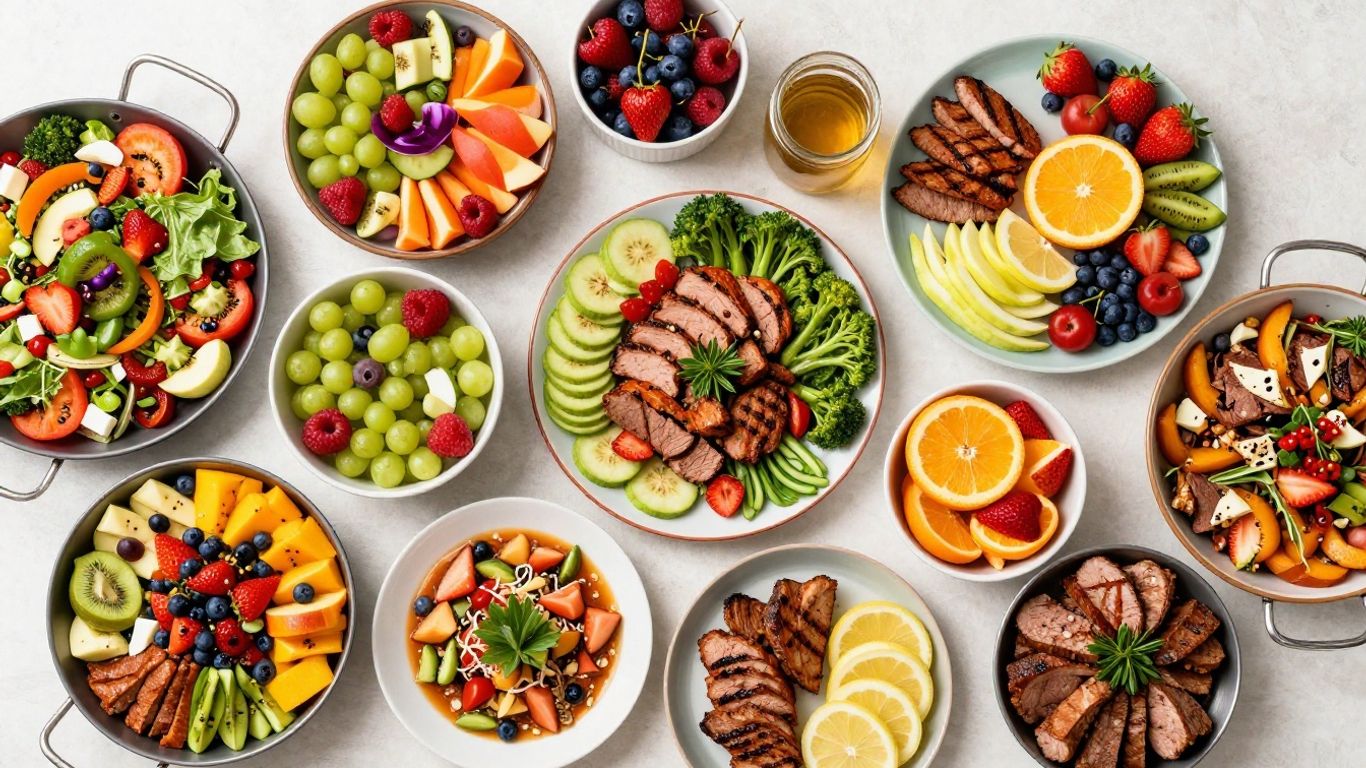
The smartest potluck strategy is to bring one dish you would happily make a meal of, such as a hearty vegetable-and-protein salad or a grain bowl, then build your plate using the Canada’s food guide layout: half vegetables and fruit, a quarter protein and a quarter grains. Add a taste of the dishes you are most curious about, and keep food safety in mind for anything that sits out.
Here is how to choose a dish that travels well, fill your plate in a way that fits your goals, and help the whole spread come together.
Bring the dish you want to eat
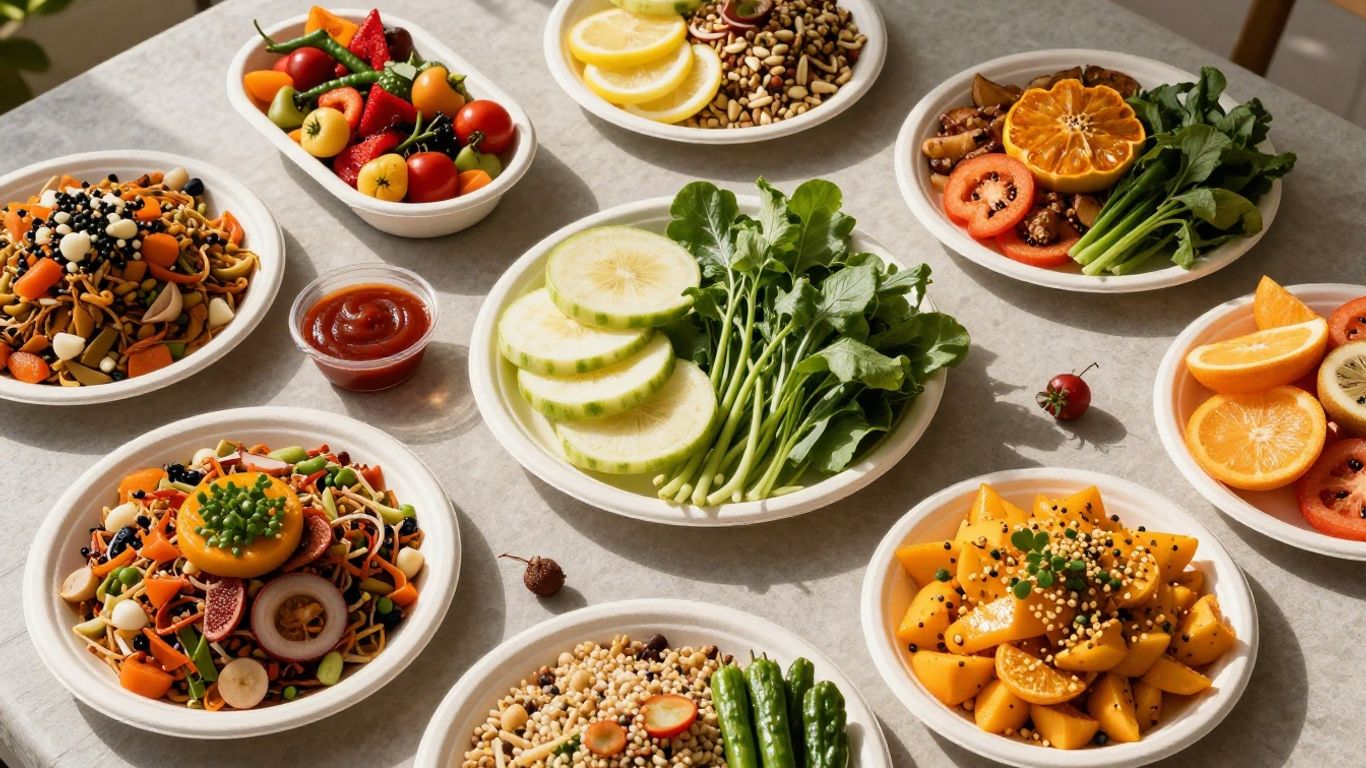
At a potluck, the one thing you fully control is what you bring. Make it a dish that is both crowd-pleasing and the kind of food you want on your own plate. Health Canada’s tips for healthy eating at holidays and events point out that preparing a dish to share with vegetables, fruit, whole grains and protein foods helps ensure there is a healthier choice on the table.
What makes a good potluck dish
- Travels well: sturdy, not too saucy, fits in a container with a tight lid.
- Tastes good at room temperature: grain salads, bean salads, roasted vegetables and wraps hold up far better than dishes that need to be piping hot.
- Easy to serve: can be scooped with one spoon or picked up by hand.
- Feeds a crowd: make enough for 8 to 12 small servings.
Dish ideas people love
| Category | Dish ideas |
|---|---|
| Hearty salads | Black bean, corn and tomato salad; chickpea and cucumber salad with lemon; quinoa with roasted vegetables and feta |
| Main dishes | Chicken and vegetable skewers; baked falafel with tzatziki; turkey or veggie meatballs; lentil and vegetable shepherd’s pie |
| Vegetable sides | Roasted carrots with herbs; grilled zucchini and peppers; a big vegetable platter with hummus |
| Fruit-forward desserts | Fruit salad with mint and lime; berry crisp; yogurt and fruit parfait cups; fruit kebabs |
A big hearty salad is one of the easiest wins. For ideas, see big salad nights.
Skip these
- Very soupy or saucy dishes that spill in transit and get messy on a paper plate
- Delicate leafy salads that are already dressed (bring the dressing on the side)
- Anything that needs to be cooked or assembled at the venue unless the host has planned for it
Build your plate with a simple framework
Canada’s food guide suggests making half your plate vegetables and fruits, one quarter whole grain foods and one quarter protein foods. At a potluck, that looks like this:
- Walk the whole table first. See everything before you pick up a plate, so you can choose rather than take a bit of everything by default.
- Fill half your plate with vegetables and fruit: salads, roasted vegetables, the veggie platter, fruit.
- Add a quarter of protein: chicken, beans, lentils, eggs, fish or tofu dishes.
- Add a quarter of grains or starches: pasta salad, rice, rolls, potatoes. Choose the one that looks best rather than taking several.
- Pick one or two “taster” items you are really curious about, in small portions.
- Step away from the table to eat and talk.
If you want to go back, wait a few minutes and ask yourself if you are still hungry or just enjoying the moment. Health Canada encourages taking time to eat and noticing your hunger and fullness cues.
For friendly phrases and plate strategies when someone urges you to try “just one more,” see social scripting for buffets and potlucks.
Desserts at a potluck
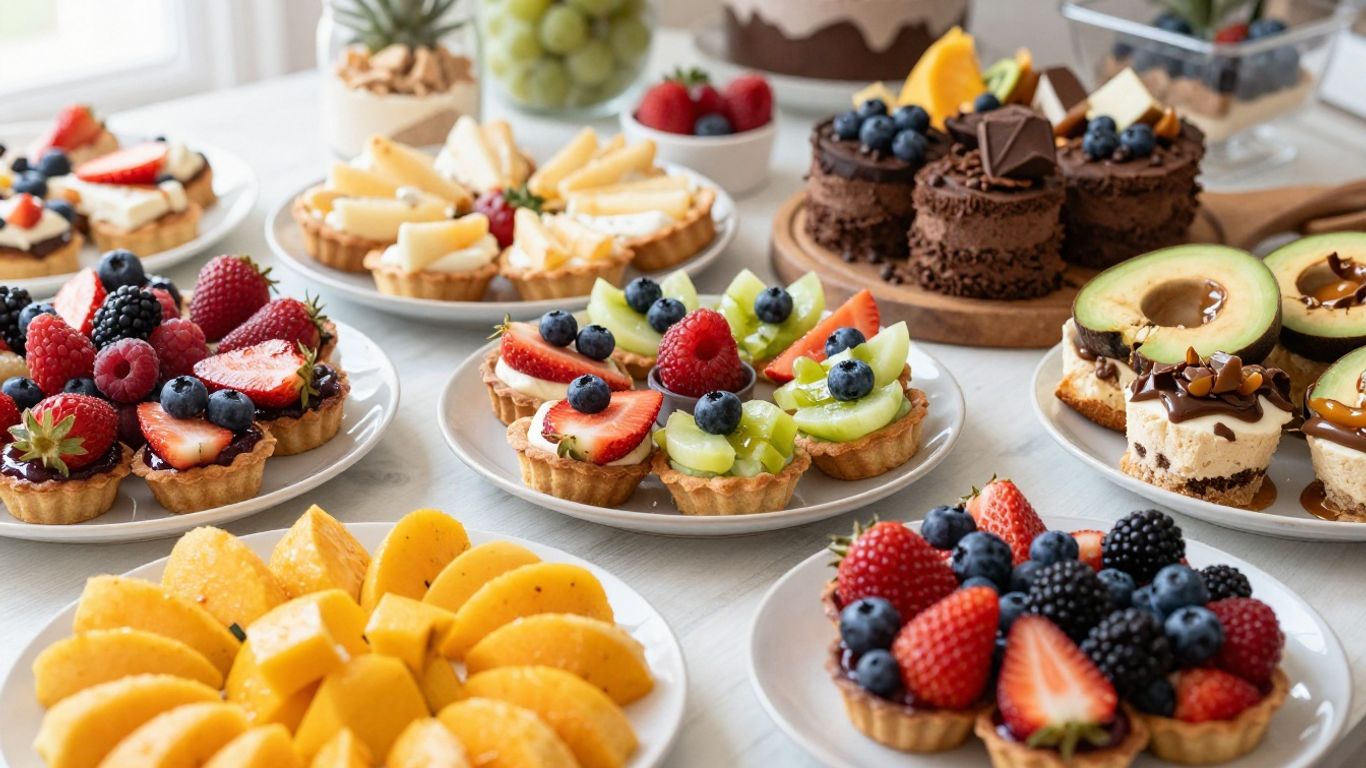
Potlucks tend to have more desserts than mains. A few ways to enjoy them without overdoing it:
- Walk the dessert table and pick the one or two that look most special to you.
- Take small pieces, or share with someone.
- Fill the rest of your dessert plate with fruit.
- If you are bringing dessert, consider a fruit-forward option so there is something lighter on the table.
Drinks
Bring or suggest a large dispenser of water with citrus slices, cucumber or berries, plus sparkling water. A punch made from sparkling water and a splash of fruit juice feels festive and is lighter than pop. Keep drinks on a separate table from the food to avoid crowding.
Keep potluck food safe
Potluck food often sits out for a long time. Health Canada advises keeping food out of the danger zone between 4°C and 60°C and throwing away cooked food that has been at room temperature for more than two hours.
- Transport cold dishes in a cooler with ice packs and hot dishes in an insulated carrier.
- Set cold salads in a larger bowl of ice if the event is outdoors or long.
- Bring a serving spoon for your dish so people do not share utensils between dishes.
- Label your dish with key allergens such as nuts, dairy, eggs or gluten.
- Take leftovers home promptly, refrigerate them in shallow containers, and eat within 2 to 3 days.
Help the spread come together
If you are organizing, a little coordination prevents five pasta salads and no vegetables:
- Use a simple sign-up sheet with categories: mains, vegetable sides, grain sides, fruit, desserts, drinks.
- Ask for more vegetable and fruit dishes than desserts.
- Have a few supplies on hand: extra serving spoons, labels, napkins, a cooler with ice.
- Choose a reusable or compostable plan for plates and cutlery if possible.
Presentation tips
Simple food looks more appealing with a little care: a sprinkle of fresh herbs, a squeeze of lemon, a colourful bowl, or vegetables arranged by colour on a platter. Attractive vegetable dishes tend to get eaten, which helps everyone.
Short on time?
You do not have to cook from scratch to bring something good. A few low-effort options:
- A store-bought vegetable tray with a homemade dip, such as hummus blended with roasted red pepper
- A rotisserie chicken pulled and tossed with a bagged coleslaw mix and a light vinaigrette
- A large bowl of cut seasonal fruit with fresh mint
- Canned beans, corn, diced peppers and salsa stirred together for a quick bean salad
- Whole-grain wraps filled with hummus, greens and shredded vegetables, cut into pinwheels
Quick FAQ
What if there are almost no vegetables at the potluck?
That is exactly why bringing a vegetable-forward dish helps. Fill half your plate with your own dish and any fruit, then add smaller portions of the rest.
Is it rude to take small portions?
Not at all. Small tastes let you try more dishes and leave plenty for others. A kind word to the cook (“That was delicious, can I get the recipe?”) matters far more than the size of your serving.
How do I keep my dish cold at an outdoor potluck?
Transport it in a cooler with ice packs, and set the serving bowl inside a larger bowl of ice once it is on the table. Put out half and refill from the cooler later.
Key takeaways
- Bring a dish you would happily make a meal of, ideally vegetable- and protein-forward.
- Choose foods that travel well and taste good at room temperature.
- Walk the table first, then build half your plate from vegetables and fruit.
- Pick one or two desserts you really want, in small portions.
- Follow the two-hour rule, label allergens, and bring a serving spoon.