
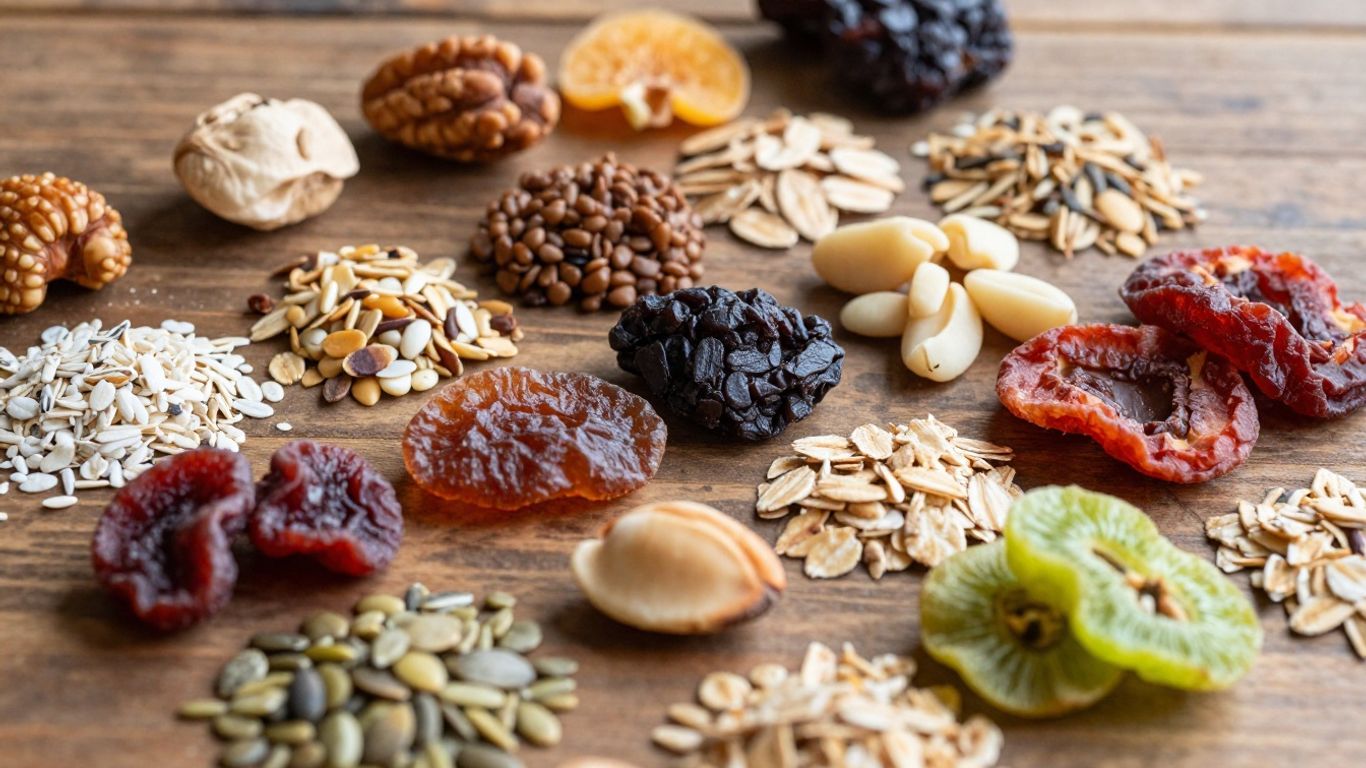
Ever feel like your energy levels are on a rollercoaster? One minute you’re good, the next you’re crashing. It’s a common problem, and honestly, a lot of it comes down to what we eat between meals. This is where the idea of ‘snack architecture’ comes in. It’s not just about grabbing whatever’s handy; it’s about planning those little bites to keep you going steady. Think of it as building blocks for sustained energy, making sure your snacks actually work for you, not against you.
Key Takeaways
- Snack architecture is about intentionally building snacks to provide steady energy, rather than just filling a gap.
- Balancing macronutrients like protein, complex carbs, and healthy fats is key to creating energy-steadying bites.
- Fiber plays a big role in keeping you full and helping your digestion, which contributes to stable energy.
- Planning your snacks ahead of time, considering your personal needs, helps ensure they support your daily activities.
- Paying attention to how different foods combine and their impact on your body is part of smart snack design.
Understanding Snack Architecture
The Foundation Of Energy Steadying Bites
Think about your day. It’s a marathon, not a sprint, right? We need fuel to keep going, not just big meals, but little boosts in between. That’s where snack architecture comes in. It’s not just about grabbing whatever’s handy; it’s about building smart, energy-steadying bites. The goal is to keep your energy levels smooth, avoiding those sharp peaks and sudden crashes. We’re talking about snacks that work with your body, not against it.
Beyond Mere Sustenance: The Art Of The Snack
Snacks are more than just food to fill a gap. They’re opportunities. Opportunities to give your body the right kind of fuel, to satisfy cravings healthily, and even to enjoy a moment of calm in a busy day. It’s about making conscious choices that support your well-being. Instead of just eating, we’re learning to design snacks that provide lasting energy and keep us feeling good. It’s a bit like building – you need a plan to make sure it’s strong and serves its purpose.
Designing For Sustained Vitality
So, how do we design these energy-steadying snacks? It starts with understanding what our bodies need. We need a mix of things that release energy slowly. This means looking at the building blocks of our food: proteins, complex carbohydrates, and healthy fats. When these are balanced, they work together to provide a steady stream of fuel. This approach helps prevent the dreaded mid-afternoon slump and keeps you focused and productive throughout the day. It’s about creating a personal blueprint for sustained vitality, one snack at a time.
The Pillars Of Balanced Snacking
When we talk about snacks, it’s easy to just think about something quick to munch on. But really, snacks can be a big part of keeping your energy levels steady throughout the day. It’s not just about filling a gap between meals; it’s about making smart choices that support your body. Think of it like building blocks for your energy. You need the right mix to keep things running smoothly.
Macronutrient Harmony For Steady Energy
Getting your macronutrients right in your snacks is super important. We’re talking about proteins, carbs, and fats. If you just grab a sugary snack, you’ll get a quick burst of energy, but then you’ll crash hard. That’s not what we want. Instead, aim for a balance. Protein helps you feel full and keeps your energy from spiking and dropping. Complex carbs give you a more sustained release of energy. Healthy fats also play a role in keeping you satisfied and helping your body absorb certain vitamins.
- Protein: Think Greek yogurt, a handful of nuts, or a hard-boiled egg.
- Complex Carbohydrates: Opt for whole-grain crackers, a small apple, or some berries.
- Healthy Fats: Avocado slices, a few almonds, or a drizzle of olive oil.
The goal is to combine these elements to create a snack that provides lasting energy, not just a temporary fix.
The Role Of Fiber In Satiety And Digestion
Fiber is one of those unsung heroes in our diet. It’s not just good for keeping things moving smoothly in your digestive system, though it does that really well. Fiber also helps you feel fuller for longer. This means you’re less likely to overeat at your next meal or reach for another less healthy snack soon after. Foods rich in fiber, like fruits, vegetables, and whole grains, release energy more slowly, which helps prevent those energy dips we talked about.
Fiber acts like a slow-release fuel system for your body, helping to manage blood sugar and keep hunger at bay.
Micronutrient Powerhouses For Optimal Function
Beyond the big three macros, don’t forget about micronutrients – vitamins and minerals. While you don’t need a lot of them, they are absolutely vital for your body to work properly. They are involved in countless processes, from energy production to immune function. Snacks are a great opportunity to sneak in some extra vitamins and minerals. Think about colorful fruits and vegetables, seeds, and nuts. They pack a lot of nutritional punch in a small package, contributing to your overall well-being and steady energy levels.
Crafting Your Snack Blueprint
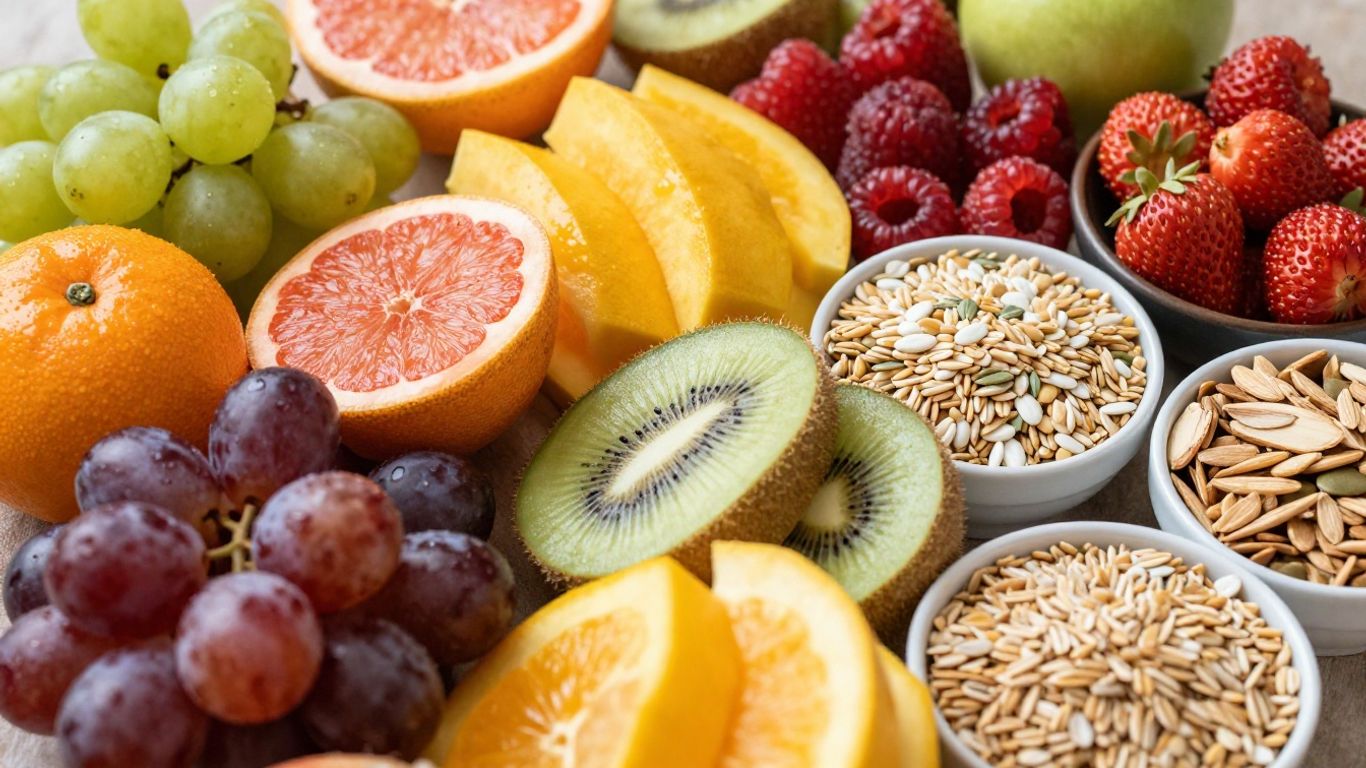
So, you want to build snacks that actually help you feel good, not just fill a hole? That’s where snack architecture comes in. It’s not just about grabbing whatever’s handy; it’s about thinking ahead.
Assessing Individual Energy Needs
First off, let’s be real: we’re all different. What works for one person might not work for another. Think about your day. Are you running around like crazy, or are you mostly sitting at a desk? Your body needs different kinds of fuel depending on what you’re doing. If you’re super active, you’ll probably need snacks with more carbs for quick energy, plus some protein to keep those muscles happy. If you’re less active, you might want snacks that focus more on steady energy release and satiety, so you don’t get that mid-afternoon slump.
It’s also about when you snack. Are you grabbing something before a workout, or is it a mid-morning pick-me-up? The timing matters for what your body needs.
Strategic Component Selection
Once you know what your body needs, you can pick the right building blocks. This is where we get into the nitty-gritty of what actually goes into your snack. We’re talking about balancing things out. You don’t want a snack that’s all sugar and no substance, because that’s just a recipe for a crash later. Think about combining different food groups. A good snack usually has a mix of protein, healthy fats, and complex carbs. This combo helps you feel full longer and keeps your energy levels more even.
Here’s a simple way to think about it:
- Protein: Helps you feel full and keeps energy steady.
- Healthy Fats: Also helps with feeling full and is good for your brain.
- Complex Carbs: Gives you lasting energy.
Balancing Taste With Nutritional Goals
Now, let’s talk about the fun part: taste! A snack that’s super healthy but tastes like cardboard isn’t going to be something you stick with. The goal is to find that sweet spot where your snack is both good for you and something you actually want to eat. This means getting creative. Maybe you love crunchy things, or maybe you prefer something creamy. You can achieve nutritional goals without sacrificing flavor. For example, instead of a sugary granola bar, you could have Greek yogurt with berries and a sprinkle of nuts. It hits the sweet craving, provides protein, and has healthy fats. It’s all about making smart swaps and finding combinations that work for your taste buds and your body’s needs.
Don’t be afraid to experiment. What tastes amazing to one person might not be your favorite. The best snack blueprint is one that you’ll actually follow because you enjoy it.
Architectural Elements Of Satisfying Snacks
When we talk about snack architecture, we’re really looking at how different food components work together to keep you feeling good. It’s not just about grabbing something quick; it’s about making smart choices that fuel your body steadily. Think of it like building a house – you need strong foundations and the right materials to make it last. The same goes for snacks. We need to consider what goes into them to make sure they do their job, which is to keep your energy levels even and stop you from hitting that mid-afternoon slump.
The Importance Of Protein For Sustained Release
Protein is a real workhorse when it comes to snacks. It takes longer for your body to break down compared to simple carbs, which means it releases energy more slowly. This slow and steady release is exactly what we want for steady energy. It helps keep you feeling full, too, so you’re less likely to reach for less healthy options later on. Things like Greek yogurt, a handful of nuts, or even a hard-boiled egg are great ways to get protein into your snack.
Complex Carbohydrates For Enduring Fuel
Carbohydrates get a bad rap sometimes, but they’re our body’s main energy source. The trick is choosing the right kind. Complex carbohydrates, found in whole grains, fruits, and vegetables, are digested more slowly than their simple counterparts (like those in candy or white bread). This slower digestion means a more gradual rise in blood sugar and a longer, more stable energy supply. Think oatmeal, whole-wheat crackers, or an apple. These give you that enduring fuel you need.
Healthy Fats For Satiety And Nutrient Absorption
Don’t shy away from healthy fats! They play a big role in making snacks satisfying and helping your body use certain vitamins. Fats also slow down digestion, which contributes to that feeling of fullness and helps prevent energy crashes. Avocados, nuts, seeds, and olive oil are fantastic sources of these beneficial fats. They not only add flavor and texture but also help your body absorb fat-soluble vitamins like A, D, E, and K.
Building a satisfying snack is about creating a balance. It’s not just one ingredient doing all the work; it’s how they interact. Protein, complex carbs, and healthy fats work together to provide sustained energy and keep hunger at bay.
Here’s a quick look at how these elements contribute:
- Protein: Slows digestion, promotes fullness, provides steady energy.
- Complex Carbohydrates: Offer a gradual release of glucose for lasting fuel.
- Healthy Fats: Aid satiety, slow digestion, and help absorb vitamins.
Integrating Snack Architecture Into Daily Life
Making snack architecture a part of your everyday routine doesn’t have to be complicated. It’s about making smart choices that fit into your life, not about overhauling everything you do. Think of it as fine-tuning your energy levels so you can feel your best throughout the day.
Pre-Planning For Peak Performance
Getting ahead of hunger pangs is key. When you have a plan, you’re less likely to grab whatever’s easiest, which often isn’t the most helpful for steady energy. Spending a little time on the weekend or the evening before can make a big difference.
- Map out your snacks for the week. Consider your schedule and when you’ll likely need a boost.
- Prep components in advance. Wash and chop fruits and veggies, portion out nuts, or make a batch of energy bites.
- Keep a stash of go-to options. Have a few reliable snacks ready to grab when time is tight.
A little foresight goes a long way in preventing energy dips. Having your snacks ready means you can refuel without breaking your stride or resorting to less ideal choices.
Mindful Snacking Habits
It’s not just about what you eat, but how you eat it. Paying attention to your snacks can help you enjoy them more and better recognize your body’s signals.
- Slow down and savor. Take a few moments to actually taste and appreciate your snack. This helps with digestion and satisfaction.
- Listen to your hunger cues. Eat when you’re truly hungry, not just out of habit or boredom.
- Notice how different snacks make you feel. Do some give you a quick burst followed by a crash? Do others keep you going longer?
Adapting To Evolving Nutritional Demands
Your body’s needs can change. What worked for you last month might need a tweak now. Life happens – more stress, different activity levels, or even just the changing seasons can impact how you feel and what your body needs.
- Be flexible. If your energy levels are off, review your snack choices. Maybe you need more protein, or perhaps a different type of carbohydrate.
- Experiment with new combinations. Don’t be afraid to try different pairings of protein, carbs, and fats to see what works best for you.
- Stay informed. Keep learning about nutrition and how different foods affect your body. This knowledge helps you make better choices over time.
Advanced Snack Design Principles
Designing a snack shouldn’t be an afterthought. It’s easy to fall into a rut of defaulting to crackers or sweets, but with a bit of creativity, snacks can serve your mood, energy, and even your need for crunch or color. This section explores three principles worth thinking about next time you’re putting something together between meals.
Leveraging Texture For Enhanced Enjoyment
Texture often gets overlooked, but it’s a big piece of the snacking puzzle. Crunchy, creamy, chewy—each one offers more than just mouthfeel; they can actually cue satisfaction. Including multiple textures in a snack makes eating feel more interesting, which can help you stop hungry habits before they start.
- Pair roasted chickpeas (crunchy) with creamy cottage cheese for contrast.
- Try adding a sprinkle of pumpkin seeds to Greek yogurt for that snap.
- Sliced apples with a swipe of almond butter combines crisp and smooth in every bite.
When you’re bored with what you’re eating, you’ll likely eat more without really noticing. Texture keeps things mindful.
The Psychology Of Color And Appeal
Color isn’t just for Instagram likes. When food looks varied and appealing, it kicks off sensory satisfaction before your first bite. Eating with your eyes works—it’s why orange slices, blueberries, and cucumber spears feel more refreshing than a handful of beige crackers. Use the rainbow principle:
- Choose at least two different colors per snack (for example: strawberries and kiwi, or carrots and hummus).
- Keep chopped veggies or fruits in see-through containers at eye level in the fridge, so healthy choices are literally the first thing you see.
- Try mixing in something green, red, or orange—a touch of color can make even simple cheese and crackers feel like a treat.
A snack that looks good is one you’ll actually want, making it easier to stick to your nutrition goals.
Incorporating Functional Ingredients
Snacks can be more than just tasty—they can work for you. Including functional ingredients means adding a little boost—think omega-3s, fiber, antioxidants—without making things complicated. It’s not about chasing the latest superfood but choosing components that quietly pull extra weight.
| Ingredient | Possible Benefit | Easy Addition |
|---|---|---|
| Chia seeds | Fiber, omega-3 | Stir into yogurt, oatmeal |
| Turmeric | May reduce inflammation | Sprinkle on popcorn |
| Dark chocolate (>70%) | Antioxidants | Pair with nuts or berries |
A practical approach:
- Pick one functional add-in per snack and stick with it for a week.
- Swap it out for another (hemp seeds, cinnamon, roasted chickpeas, etc.).
- Note which ones taste good and which actually leave you feeling a little bit better.
In the end, advanced snack building is creative and flexible. You don’t need fancy ingredients or perfect assembly—just some attention to detail and the willingness to experiment. That’s snack architecture at its best: simple, fun, and always ready to support your daily energy needs.
Building Blocks For Energy-Steadying Bites
When we talk about snacks that keep your energy on an even keel, it’s all about picking the right ingredients. Think of it like building with sturdy blocks instead of flimsy ones. We want things that give us a steady release of energy, not a quick spike followed by a crash. This means looking at what’s actually in our food.
Whole Grains As A Stable Energy Source
Whole grains are like the reliable foundation of your snack. Unlike refined grains, which have had their outer layers and germ stripped away, whole grains keep all their good stuff: the bran, the germ, and the endosperm. This means they pack more fiber, vitamins, and minerals. The fiber is the real star here because it slows down how quickly your body breaks down the carbohydrates. This leads to a more gradual rise in blood sugar and, consequently, a more sustained energy release. So, instead of a sugar rush, you get a steady hum of energy that lasts.
- Oats: Rolled oats, steel-cut oats – great for energy bars or even a small bowl.
- Quinoa: A complete protein and a whole grain, works well in savory snack bites.
- Brown Rice: Can be puffed for a crispy base or used in energy balls.
- Barley: Adds a chewy texture and slow-releasing carbs.
Lean Proteins For Gradual Fueling
Protein is another key player in the energy-steadying game. It takes longer for your body to digest protein compared to simple carbs. This slower digestion helps prevent those sharp energy dips. Plus, protein is important for muscle repair and growth, which is always a good thing. When you combine protein with complex carbs, you create a snack that’s both satisfying and provides lasting fuel.
- Greek Yogurt: High in protein, can be paired with fruit and nuts.
- Hard-Boiled Eggs: Portable and packed with protein.
- Edamame: A plant-based protein source, great steamed or roasted.
- Tuna or Salmon (canned/pouched): Quick and easy protein boost, good for savory snacks.
Fruits And Vegetables For Essential Nutrients
While fruits and vegetables might seem like they’re all about quick energy due to their natural sugars, they bring a lot more to the table. They are loaded with vitamins, minerals, and antioxidants that keep your body running smoothly. The fiber content in most fruits and vegetables also helps to moderate the release of their natural sugars. Think of them as the colorful, nutrient-rich decorations on your energy-steadying snack structure.
Pairing a piece of fruit with a source of protein or healthy fat, like an apple with almond butter or berries with a handful of nuts, is a classic way to balance the natural sugars and get a more even energy output.
- Berries: Packed with antioxidants and fiber.
- Apples: Good source of fiber, pair well with nut butters.
- Carrots and Hummus: Crunchy veggies with protein and fiber.
- Spinach: Can be added to smoothies or baked into savory snacks for a nutrient boost.
The Science Behind Snack Architecture
Glycemic Index Considerations
The glycemic index, or GI, is a way to measure how quickly a food raises your blood sugar levels. Foods with a high GI cause a rapid spike, followed by a crash, which isn’t ideal for steady energy. Think of white bread or sugary cereals – they hit fast and then leave you feeling drained. On the flip side, foods with a low GI, like whole grains, legumes, and most fruits and vegetables, release sugar into your bloodstream more slowly. This provides a more sustained energy release, helping you avoid those energy dips and peaks. When designing snacks, paying attention to the GI can make a big difference in how long you feel fueled.
The Impact Of Food Combinations
It’s not just about what you eat, but how you combine it. Pairing different food groups can significantly alter how your body processes them. For instance, eating a piece of fruit (a simple carbohydrate) on its own might cause a quicker sugar rise. However, combining that same fruit with a source of protein or healthy fat, like a handful of nuts or a dollop of yogurt, can slow down sugar absorption. This combination approach helps create a more balanced response, preventing sharp blood sugar fluctuations and promoting longer-lasting energy. It’s like building a more stable foundation for your energy levels.
Hormonal Responses To Different Snacks
Our bodies are complex systems, and what we eat triggers a cascade of hormonal responses. For example, snacks high in refined sugars can lead to a surge in insulin, the hormone responsible for moving sugar from your blood into your cells. While this is necessary, frequent spikes can lead to insulin resistance over time. Conversely, snacks rich in protein and fiber tend to promote the release of hormones like glucagon, which helps maintain stable blood sugar, and leptin, which signals fullness. Understanding these hormonal reactions helps us choose snacks that support a steady energy flow rather than one that’s constantly fluctuating.
Innovative Snack Architecture Concepts
Snack architecture is always changing, and lately, there’s a push to create snack ideas that don’t just fill you up but keep your energy steady for hours. The newest snack outlook leans into flavors, textures, and functions many people never considered before. Let’s break down some fresh concepts that anyone can use to rethink snacking from the ground up.
Savory Bites For Balanced Energy
Savory snacks aren’t only for parties—they can be the anchors of healthy energy throughout the day. Instead of sweet bars or sugary bites, savory snacks can mix complex carbs, protein, and fats to support energy needs. Here’s how you might experiment with these ideas:
- Roasted chickpeas tossed with olive oil and za’atar
- Mini egg muffins packed with vegetables
- Lentil-based crackers with hummus or guacamole
Savory snacks can also make it easier to limit sugar while still enjoying full flavors. Even a few slices of turkey rolled around crunchy cucumber can beat a mid-afternoon crash.
Sweet Treats With Sustained Release
Not all sweet snacks are created equal. The best ones for steady energy mix whole-food sweetness with fiber and healthy fats. This means less sugar spike—and less crash later. A few ideas:
- Sliced apple with almond butter and chia seeds
- Homemade oat bars with dried fruit and pumpkin seeds
- Yogurt parfaits with berries, nuts, and unsweetened coconut flakes
These combos slow down how fast sugar gets into your blood, helping you avoid the roller coaster.
| Snack | Sugar (g) | Fiber (g) | Protein (g) |
|---|---|---|---|
| Apple & Nut Butter | 12 | 4 | 3 |
| Oat Bar (homemade) | 10 | 3 | 2 |
| Yogurt Parfait | 8 | 2 | 8 |
Sometimes, a well-made sweet snack can satisfy cravings and keep you full—if you blend in fiber, protein, or fat. Aim for treats that don’t leave you hungry or tired soon afterward.
Hydration-Infused Snack Solutions
Drinks and snacks that hydrate can give you an edge you might not expect. Water-rich snacks, or snacks paired with drinks, keep you feeling awake and fend off the sluggishness that comes from dehydration. Consider:
- Sliced cucumber or watermelon chunks
- Yogurt with added chia seeds
- Chilled protein smoothies with spinach and frozen fruit
A few sips of herbal tea, water, or infused water alongside snacks can also boost fullness and attention.
If you often feel slow or foggy, it could be less about what you eat and more about how much you’re drinking with your snacks.
Snack architecture has evolved way beyond chips or candy. Today, with some intention and creativity, you can design snacks full of taste and steady energy. Combining flavors, textures, and even hydration, snack time turns into a smart, enjoyable break in any busy day.
Mastering The Art Of Snack Architecture
So, you’ve been building some pretty neat energy-steadying snacks, right? That’s awesome. But like anything good, there’s always a way to get even better at it. This is where we talk about really owning the whole snack-making thing. It’s not just about throwing stuff together; it’s about making it work for you, day in and day out.
Experimentation and Personalization
Think of snack architecture like cooking your favorite meal. You start with a recipe, sure, but then you tweak it. Maybe you add a little more spice, or swap out an ingredient because you can’t find it. Snacks are the same. What works for your friend might not be the perfect fit for your afternoon slump. You’ve got to play around.
- Try different protein sources: If you usually go for nuts, maybe try some Greek yogurt or a hard-boiled egg next time. See how your energy levels feel.
- Mix up your carb choices: Instead of just crackers, try a small sweet potato or some quinoa. Notice the difference in how long you feel full.
- Don’t be afraid of fats: Avocado, seeds, or a drizzle of olive oil can make a snack more satisfying. Just keep an eye on portion sizes.
Listening To Your Body’s Cues
This is a big one. Our bodies are pretty smart. They send us signals all the time. Feeling tired after lunch? That’s a cue. Suddenly craving something sweet at 3 PM? Another cue. Instead of ignoring these, try to figure out what they mean. Are you actually hungry, or just bored? Did you skip breakfast and now you’re crashing? Your snack can be a tool to help fix these things, but you have to pay attention to what your body is telling you.
Paying attention to your body’s signals is like having a built-in nutritionist. It tells you when you need more fuel, what kind of fuel, and when you’ve had enough. Ignoring these signals can lead to energy dips, cravings, and feeling generally off.
Creating A Sustainable Snacking Strategy
What’s the point of a perfect snack if you can’t stick with it? A good strategy is one you can actually follow. This means making snacks that are easy to prepare, taste good, and fit into your budget and lifestyle. If you’re always on the go, maybe pre-portioned bags of trail mix or pre-cut veggies are your best bet. If you have more time in the morning, you could bake a batch of energy balls for the week. The goal is to make smart snacking a habit, not a chore. It’s about finding that sweet spot where healthy eating feels natural and enjoyable.
Thinking about how to build great snack systems? It’s like designing a cool Lego castle, but for your apps! We break down the best ways to make sure your apps run smoothly and efficiently, just like a well-oiled machine. Ready to build something awesome? Visit our website to learn more!
Bringing It All Together
So, we’ve looked at how snacks can be more than just a quick fix. They can actually help keep your energy steady throughout the day, preventing those big crashes. It’s about picking the right stuff, like balancing proteins and healthy fats, so you feel good for longer. Think of it as smart fuel for your body. Whether you’re busy at work, hitting the gym, or just need a little something between meals, making mindful snack choices can really make a difference. It doesn’t have to be complicated; small changes can lead to feeling more balanced and energized. Give it a try and see how these little bites can help you power through your day.
Frequently Asked Questions
What exactly is ‘Snack Architecture’?
Think of ‘Snack Architecture’ like building with LEGOs, but for snacks! It’s all about choosing the right ingredients that work well together to give you steady energy. Instead of just grabbing any old thing, you’re designing snacks that keep you feeling good for longer, like building a strong tower that doesn’t fall over.
Why do snacks need to ‘steady’ my energy?
Sometimes, when you eat sugary snacks, your energy shoots up super fast and then crashes just as quickly, leaving you tired. Snack architecture helps you pick foods that release energy slowly. This means you get a nice, steady flow of energy to keep you going without those big ups and downs.
What are the most important parts of a ‘balanced’ snack?
The key parts are like the main building blocks. You need protein (like from chicken or beans) to keep you full, good carbs (like from whole grains) for lasting energy, and healthy fats (like from nuts or avocado) that help your body use nutrients and also make you feel satisfied.
How can I figure out what snacks are best for me?
It’s like being a detective for your own body! Pay attention to how different snacks make you feel. Do you feel full and energized, or tired and hungry soon after? You can also think about what you’re doing that day – if you’re doing a lot of activity, you’ll need more energy-boosting snacks.
Does fiber really help with snacks?
Yes, totally! Fiber is like a superhero for your tummy. It helps you feel full for a longer time, so you don’t get hungry again too quickly. It also helps your digestive system work smoothly, which is important for overall health.
Can I still have sweet snacks if I’m trying to eat healthier?
Absolutely! The trick is to make them smarter. Instead of candy bars, try snacks that combine sweetness with protein or fiber. Think a small apple with a spoonful of peanut butter, or Greek yogurt with berries. This way, you still get the sweetness but also the steady energy.
What’s the difference between simple and complex carbs?
Simple carbs are like quick-burning fuel – think white bread or sugary drinks. They give you a fast burst of energy but it doesn’t last long. Complex carbs, found in things like whole wheat bread, oats, and veggies, are like slow-burning logs. They release energy much more steadily over time.
How can I make sure my snacks are ‘mindful’?
Mindful snacking means paying attention to what you’re eating and why. Instead of mindlessly munching while distracted, try to really taste your snack, notice its texture, and stop when you feel satisfied, not stuffed. It’s about enjoying your food and listening to your body’s signals.