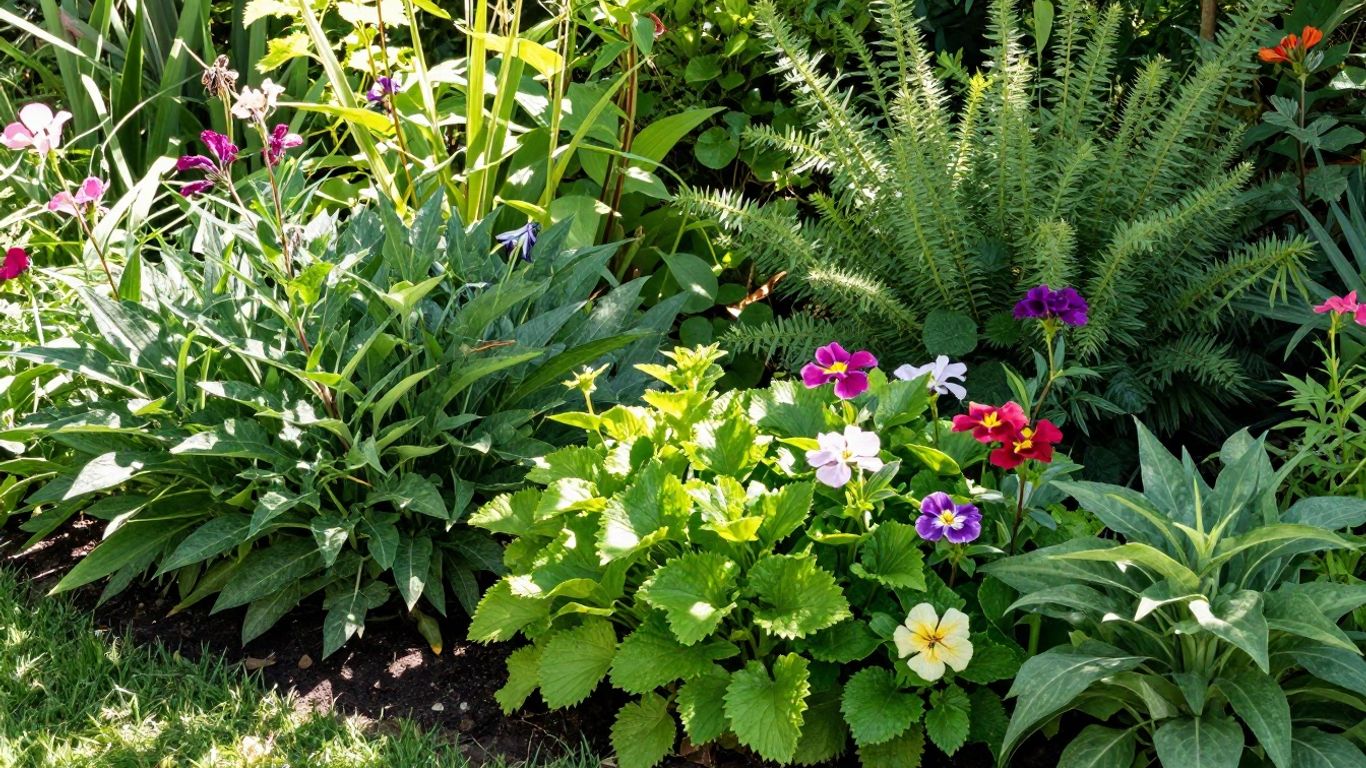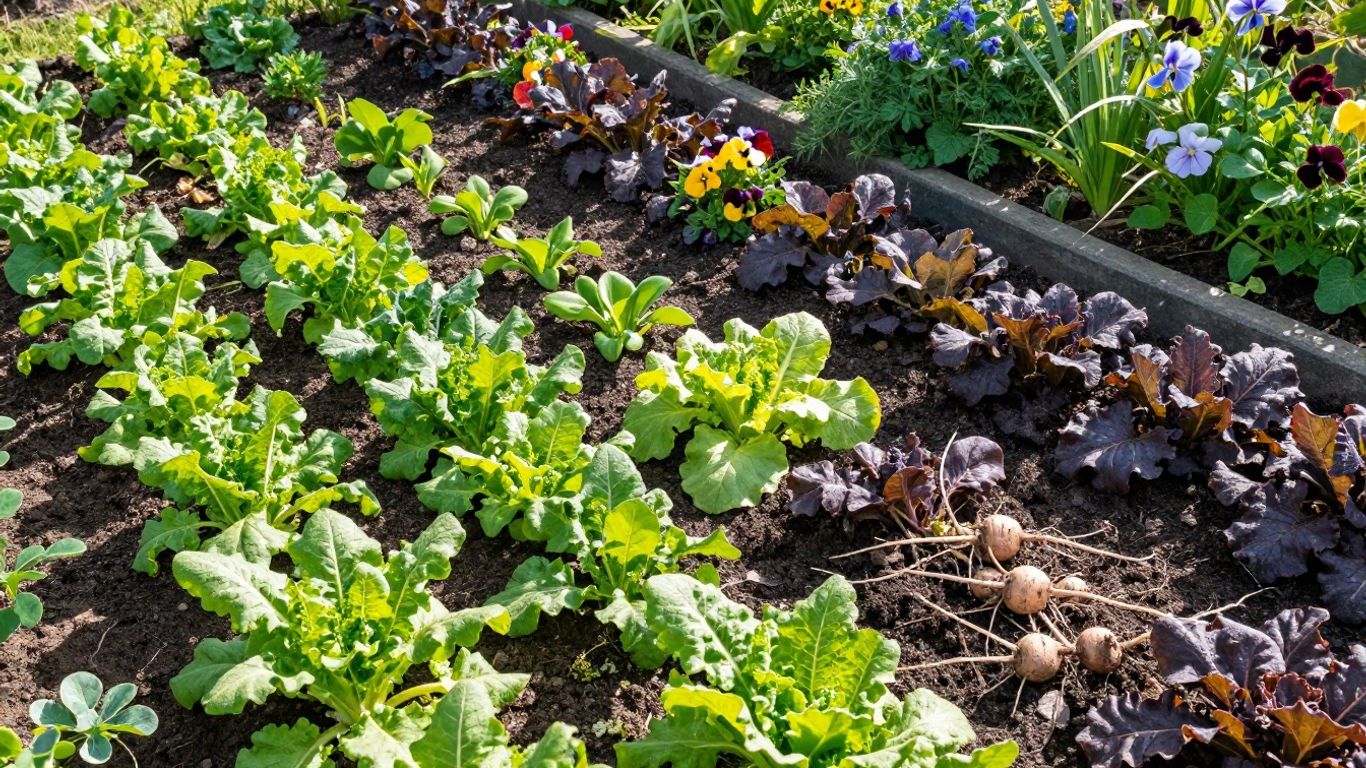
It’s easy to fall into a gardening routine, planting the same things year after year. While there’s comfort in familiar favorites, it can lead to a garden that feels a bit, well, boring. This is where the idea of staples rotation comes in. It’s all about keeping the plants you love while also making room for new discoveries, preventing your garden from becoming a predictable patch and keeping things fresh and exciting.
Key Takeaways
- Staples rotation means keeping your go-to plants while trying new ones to add variety.
- Knowing what you and your family actually eat is key to choosing your garden staples.
- Trying new seeds or heirloom varieties can bring unexpected joy and better harvests.
- Local farms and markets are great places to find unique plants and learn what grows well nearby.
- Planning your garden with staples rotation in mind helps prevent boredom and keeps your soil healthy.
Embracing Staples Rotation For A Vibrant Garden
Understanding The Core Concept Of Staples Rotation
Think about your garden like a well-loved cookbook. You have those go-to recipes, the ones you can whip up without even looking at the instructions – your garden staples. These are the reliable crops that consistently perform well for you, the ones you and your family truly enjoy eating. But even the best cook needs to mix things up sometimes, right? That’s where staples rotation comes in. It’s not about ditching your favorites; it’s about making space for them while also introducing new flavors and ensuring your garden stays healthy and productive year after year. The idea is to keep what works while consciously adding variety and preventing your garden from falling into a predictable, and potentially less fruitful, pattern.
Identifying Your Personal Garden Staples
So, how do you figure out what your personal garden staples are? It’s a bit of detective work, looking back at what you’ve grown and what actually made it to your plate. Ask yourself:
- What vegetables do you find yourself reaching for most often during meal prep?
- Which crops consistently give you a good harvest with reasonable effort in your specific garden conditions?
- Are there any plants that, once you grow them, you just can’t imagine your garden without?
It’s also worth considering what you don’t want to grow anymore. Maybe that one variety of squash always gets powdery mildew, or perhaps your family just isn’t that keen on beets. Letting go of the underperformers or the less-loved items frees up valuable space for things you truly value.
The Benefits Of Strategic Crop Rotation
Rotating your crops isn’t just a good idea; it’s a smart practice that pays off in several ways. For starters, it helps manage soil-borne diseases and pests. Different plants draw different nutrients from the soil and can be susceptible to different problems. By moving crops around, you break the life cycles of many common garden nuisances. It also helps maintain soil fertility. For example, legumes like beans and peas fix nitrogen in the soil, which benefits the plants that follow them. This natural fertility boost means less reliance on external amendments. Finally, it keeps your garden interesting. Seeing the same things pop up in the same spots can get monotonous. Rotation encourages you to try new things and discover unexpected delights, making gardening a more dynamic and rewarding experience.
A well-planned rotation is like a conversation with your soil. You give it a break, you feed it differently, and it responds with better health and more abundant harvests. It’s a partnership that benefits everyone involved, from the tiniest soil microbe to the gardener harvesting the bounty.
Cultivating Variety Beyond The Familiar
Sometimes, it feels like we get stuck in a planting rut, growing the same few things year after year. It’s comfortable, sure, but it can also lead to a garden that feels a bit… predictable. Stepping outside our usual choices isn’t just about novelty; it’s about discovering new flavors, textures, and even plants that might thrive better in our specific conditions. Exploring new varieties and heirloom seeds opens up a world of possibilities that go far beyond the standard supermarket fare.
Exploring New Varieties And Heirloom Seeds
Think about your favorite tomato. Is it the reliable slicer you’ve grown for years, or could it be a deep purple Cherokee Purple, a sweet Sungold cherry, or a meaty Roma? The world of seeds is vast, and heirlooms, in particular, are often passed down through generations for a reason – they have unique stories and exceptional qualities. These aren’t just different names; they often represent distinct flavors, colors, and growth habits. Trying a new variety of a familiar vegetable, like a striped zucchini or a purple carrot, can be a low-risk way to introduce something different without a huge commitment.
The Role Of Local Availability In Expanding Choices
Don’t underestimate what’s growing around you. Visiting local farmers’ markets or farm stands can be a fantastic way to see what thrives in your region. Chatting with the farmers can give you insights into varieties they’ve found successful and might even inspire you to try something you’ve never considered. Sometimes, the best way to find new favorites is to see what your neighbors are growing and enjoying. It’s also a great way to support local agriculture and get access to produce that might not be available in larger stores.
Experimenting With Less Common Crops
Feeling a bit more adventurous? Consider crops that aren’t typically found in every garden. Think about things like:
- Sunchokes (Jerusalem Artichokes): These produce edible tubers and tall, sunflower-like stalks.
- Oca: A South American tuber with a slightly tangy flavor, often described as lemony.
- Ground Cherries: Small, sweet fruits enclosed in a papery husk, similar to a tomatillo but much sweeter.
- Amaranth: Grown for its edible leaves and nutritious grain.
Starting with just one or two less common crops can add a surprising amount of interest to your garden and your plate. It’s a chance to learn something new and potentially discover a new staple.
The beauty of gardening lies not just in the harvest, but in the journey of discovery. Each new seed packet, each unfamiliar plant, is an invitation to expand our knowledge and our palate. Embracing this exploration keeps the garden fresh and exciting, season after season.
Avoiding Garden Ruts Through Conscious Planning
![]()
Recognizing The Signs Of A Garden Rut
Sometimes, without even realizing it, our gardens can fall into a predictable pattern. You know, the same old reliable crops, planted in the same spots, year after year. While there’s comfort in familiarity, this can lead to a ‘garden rut.’ You might notice your enthusiasm waning, or perhaps your harvests aren’t as exciting as they used to be. Maybe you find yourself staring blankly at seed catalogs, feeling uninspired. This isn’t about a lack of effort; it’s often a sign that the garden ecosystem, and your connection to it, could use a shake-up.
Strategies For Breaking Out Of Repetitive Planting
Getting out of a planting rut doesn’t require a complete overhaul. Small, intentional changes can make a big difference. Think about introducing just one or two new varieties each season, or perhaps trying a crop you’ve never grown before. Consider companion planting to add diversity and potential benefits to your existing favorites. Even a simple shift in where you plant certain crops can break up old habits and offer new perspectives.
- Introduce a new vegetable: Pick something you’ve never grown or a different variety of something familiar.
- Try a different planting method: Experiment with succession planting for a continuous harvest or intercropping to maximize space.
- Adjust your layout: Even rotating where your main crops go can feel fresh and prevent soil depletion.
- Focus on a theme: Dedicate a small section to a specific cuisine (e.g., Italian herbs and vegetables) or a color palette.
The Joy Of Unexpected Garden Discoveries
Stepping outside your usual planting routine opens the door to delightful surprises. You might discover a new favorite vegetable that thrives in your garden and quickly becomes a staple. Or perhaps you’ll stumble upon a beautiful heirloom variety with a unique flavor or history. These unexpected finds add a layer of excitement and discovery to gardening, reminding you why you started in the first place. It’s about embracing the journey and being open to what the garden might reveal.
The most rewarding gardens are often those that evolve. By consciously planning for variety and stepping away from rigid routines, we invite new possibilities and keep our connection to the earth vibrant and engaging. It’s a continuous learning process, and the best lessons often come from the unexpected.
Balancing Favorites With Novelty
It’s easy to fall into a gardening routine, sticking with the same reliable crops year after year. While there’s comfort in familiarity, a garden can become a bit predictable. The trick is to find that sweet spot between growing what you know and love, and introducing new elements that keep things interesting. This isn’t about abandoning your go-to vegetables, but rather about making space for a little adventure.
Prioritizing Essential Crops
Some plants are just non-negotiable in our gardens. These are the crops that form the backbone of our meals, the ones we truly can’t imagine a season without. Think about the vegetables that consistently perform well for you, that you eat the most of, or that are simply a joy to harvest and prepare. These are your garden’s anchors.
- Tomatoes: Whether for slicing, sauce, or snacking, a reliable tomato variety is often a must-have.
- Beans: Bush or pole, beans are a productive and versatile staple.
- Leafy Greens: Spinach, kale, or chard provide continuous harvests and are packed with nutrients.
- Herbs: Fresh herbs can transform any dish, making them a high-value addition.
Integrating New Additions Thoughtfully
Once your essential crops are accounted for, you can start thinking about where new plants might fit. This isn’t about overcrowding your beds, but about making smart choices. Consider what you might be missing, what local availability might be lacking, or simply what looks intriguing in a seed catalog.
- Assess Space: Look at your garden plan. Is there a bed that’s usually dedicated to a less successful crop, or a corner that could use a bit more life?
- Consider Companion Planting: Can a new plant offer benefits to your existing favorites, like pest deterrence or improved soil?
- Trial Small Batches: You don’t need to dedicate an entire bed to a new vegetable. Start with a few plants to see how they perform and if you enjoy growing and eating them.
The Art Of The ‘One New Thing’ Approach
A simple yet effective strategy is the ‘one new thing’ rule. Each season, commit to trying just one new variety or a completely new crop. This keeps the learning curve manageable and the potential for disappointment low, while still introducing novelty. It could be a different type of squash, an heirloom carrot, or a less common herb. This approach allows you to expand your garden’s repertoire without feeling overwhelmed.
This mindful integration ensures that your garden remains a source of both comfort and discovery. It’s about honoring the plants that reliably feed you while also embracing the excitement of the unknown, leading to a more dynamic and rewarding gardening experience.
Leveraging Local Resources For Garden Diversity
The Impact Of Local Farms And Markets
Sometimes, the best way to shake up your garden routine is to look beyond your own fence. Local farms and farmers’ markets are goldmines for discovering new tastes and varieties you might not find in a typical seed catalog. Think about it: these growers are often experimenting with what works best in your specific climate and soil. Visiting a market isn’t just about buying produce; it’s about seeing what’s thriving locally. You might spot a type of tomato or a leafy green you’ve never even heard of, sparking an idea for your own plot. Supporting these local operations also means you’re contributing to your community’s food system. It’s a win-win: you get access to unique, fresh ingredients, and local farmers get your business.
Sourcing Unique Seeds From Community Connections
Beyond the farmers’ market stall, there are other ways to tap into local gardening networks. Many communities have seed swaps or gardening clubs where members share seeds and cuttings. This is a fantastic way to get your hands on heirloom varieties or plants that are particularly well-suited to your area, often for free or a small trade. Don’t underestimate the power of a friendly chat with a fellow gardener at a local nursery or community garden. They might have surplus seeds from a successful harvest or be willing to share a division of a favorite perennial. These personal connections can lead to some of the most exciting additions to your garden.
Learning From Fellow Gardeners’ Experiences
Talking to other gardeners in your area is like getting a free consultation. They’ve likely already tried growing many of the things you’re considering and can offer practical advice based on real-world results. What pests are common? Which varieties consistently perform well, even in a tough year? What’s the best way to get a particular crop started locally? These conversations can save you time, effort, and disappointment. You can learn about local growing conditions, soil amendments that work, and even discover new crops that thrive in your specific microclimate. It’s a collaborative approach to gardening that benefits everyone involved.
The Practicalities Of Garden Staples Rotation
Rotating your favorite crops, or ‘staples,’ isn’t just about keeping things interesting; it’s also about smart gardening. When you think about where to plant things year after year, a few practical things come to mind. It’s easy to get stuck in a rut, planting the same tomatoes in the same spot because, well, they always grew there. But this can lead to tired soil and more pests. Thinking about how much space you actually have and how much time you can commit is key. A well-planned rotation means healthier soil and better harvests without overwhelming yourself.
Assessing Space and Time Limitations
Before you even think about seeds, take a good look at your garden. How big is it, really? Are there areas that get more sun than others? Do you have raised beds, containers, or just open ground? Knowing your limits helps you decide what’s realistic. Trying to cram too many things into a small space often leads to disappointment. It’s better to grow a few things really well than many things poorly.
- Map your garden: Draw it out, noting sun exposure and any existing structures.
- List your ‘must-haves’: What do you absolutely love to grow and eat?
- Consider your time: Be honest about how much time you can dedicate to planting, weeding, and harvesting.
Planning for Soil Health Through Rotation
Different plants use different nutrients from the soil. If you plant the same thing in the same spot year after year, you’re depleting specific nutrients and can encourage soil-borne diseases and pests that target that particular plant. Rotating crops helps to balance nutrient use and can break pest cycles. For example, legumes like beans and peas can actually add nitrogen back into the soil, benefiting the plants that follow them.
Rotating your crops is like giving your soil a chance to rest and recover. It’s a natural way to keep it fertile and productive without relying heavily on external amendments.
Maximizing Yields With a Balanced Approach
When you balance your favorite, high-yield crops with new varieties and consider their needs, you’re setting yourself up for success. Think about companion planting and succession planting within your rotation plan. This means planting crops that benefit each other or planting a new crop as soon as another is harvested. It’s about working with your garden’s natural rhythms, not against them. A little planning goes a long way toward a more abundant and less stressful gardening season.
Inspiration From Fellow Gardeners
Sharing Seeds and Knowledge
Sometimes, the best ideas for shaking up your garden come from the people right next to you, or even across the country. Talking with other gardeners is like opening a treasure chest of practical tips and new possibilities. You might hear about a tomato variety that thrives in cooler weather, or a clever way to keep pests away from your beans. Sharing seeds is a fantastic way to try something new without a big upfront cost. It’s a direct line to what’s working for others in similar climates or with similar garden challenges. Don’t be shy about asking what worked for them last year, or what they’re excited to try this season. Often, a simple conversation can spark a whole new direction for your own planting plans.
Learning From Others’ Trials and Successes
We all have those plants that just work in our gardens, and those that are a constant struggle. Hearing about both from fellow gardeners is incredibly helpful. Someone might mention how they finally got their cucumbers to produce after years of trying different methods, or how a particular herb is a magnet for beneficial insects. This kind of shared experience helps us avoid common pitfalls and replicate successes. It’s a way of learning from a collective wisdom, saving us time and frustration. Think about it: why reinvent the wheel when someone else has already figured out a great solution?
The Collaborative Spirit of Gardening
Gardening can sometimes feel like a solitary pursuit, but it doesn’t have to be. There’s a real sense of community among gardeners, a willingness to help each other out. This can manifest in many ways, from informal chats over the fence to organized seed swaps or garden club meetings. These interactions build connections and make the gardening journey more enjoyable. It’s this shared passion that often leads to the most exciting discoveries and the most vibrant gardens. It’s about more than just growing plants; it’s about growing relationships too.
Seasonal Shifts And Crop Choices
![]()
Adapting To Changing Weather Patterns
Gardening is a constant dance with nature, and the seasons are our most influential partners. As the calendar pages turn, so too must our planting strategies. What thrives in the heat of summer might wither with the first frost, and what needs a cool start to germinate won’t appreciate the scorching sun. Paying attention to these shifts is key to a successful harvest. For instance, cool-season crops like spinach, peas, and radishes are best planted in early spring or late fall. They prefer milder temperatures and can often tolerate a light frost. Warm-season crops, on the other hand, such as tomatoes, peppers, and corn, need consistent warmth and are vulnerable to even light freezes. Understanding your local climate’s typical frost dates is your first step in planning for these seasonal transitions.
Harvesting The Bounty Of Late Seasons
The end of the growing season often brings a unique set of challenges and rewards. As temperatures drop, certain crops truly shine. Root vegetables like carrots, beets, and potatoes can often be left in the ground longer, their flavors deepening with the cooler soil. Hardy greens such as kale and Brussels sprouts can withstand significant cold, sometimes even improving in sweetness after a light frost. This period is also a race against the inevitable hard freezes that will signal the end of outdoor growing. It’s a time for careful harvesting, bringing in those last treasures before the weather claims them. Many gardeners find a quiet urgency in these weeks, a rhythm of gathering and preserving that feels both productive and a little poignant.
Planning For Winter Storage And Future Growth
What you harvest in the late season isn’t just for immediate enjoyment; it’s also the foundation for your pantry through the colder months. Crops like winter squash, onions, garlic, and potatoes are well-suited for storage. Learning proper curing and storage techniques can mean enjoying your garden’s bounty for months to come. Beyond storage, this time of year is also about looking ahead. Taking stock of what worked and what didn’t, observing how different varieties performed, and noting any pest or disease issues will inform your seed orders and garden plans for the following year. It’s a cycle of observation, harvest, and preparation that keeps the garden vibrant and productive year after year.
The Psychological Benefits Of Garden Variety
Sometimes, gardening can start to feel a bit like a chore, especially if you find yourself planting the same things year after year. It’s easy to fall into a rut, and that can take some of the fun out of it. But shaking things up, even a little, can make a big difference in how you feel about your garden.
Combating Decision Fatigue In Planting
Think about it: every year, you’re faced with a mountain of choices. What to plant? Where to plant it? How much to plant? If you’re always going back to the same reliable crops, you might be avoiding the mental load of researching new options. But this can lead to a kind of decision fatigue. When you introduce variety, you’re actually giving your brain a break from the same old calculations. It encourages you to look at things with fresh eyes.
- Trying a new variety of a familiar vegetable.
- Experimenting with a different planting layout.
- Researching companion planting for a specific crop.
Rekindling Enthusiasm For Gardening
Variety is the spice of life, and that holds true for our gardens too. When you step outside your comfort zone and try something new, it can reignite that initial spark of excitement that got you into gardening in the first place. Seeing a plant you’ve never grown before pop up and thrive is incredibly rewarding. It’s a reminder of the constant learning and discovery that gardening offers.
The simple act of introducing a new seed or a different plant can transform a routine task into an adventure. It’s about more than just growing food; it’s about engaging with nature in a dynamic and evolving way.
The Satisfaction Of A Dynamic Garden Ecosystem
A garden that changes and evolves feels alive. When you rotate crops, introduce different species, and observe how they interact, you’re not just managing plants; you’re cultivating a miniature ecosystem. This complexity can be incredibly satisfying. It mirrors the natural world’s resilience and adaptability, and being a part of that process brings a unique sense of accomplishment and connection.
Gardening is more than just a hobby; it’s a fantastic way to boost your mood and reduce stress. Spending time outdoors, connecting with nature, and seeing your plants grow can bring a sense of calm and accomplishment. It’s a simple yet powerful tool for improving your overall well-being. Ready to discover more ways to feel great? Visit our website today to learn how you can start your journey to a happier you!
Finding Your Own Rhythm
Ultimately, the goal isn’t to follow a rigid plan, but to create a system that works for you. By keeping some trusted favorites and intentionally introducing new elements, you can keep things interesting and avoid falling into predictable patterns. Whether it’s in the garden, your wardrobe, or your daily routine, a little thoughtful rotation can bring fresh energy and prevent things from feeling stale. So, don’t be afraid to mix it up a bit – your future self will thank you for it.
Frequently Asked Questions
What is ‘staples rotation’ in gardening?
Staples rotation means you keep growing the plants you love and eat a lot of, but you also try to grow some new things each year. It’s like mixing your favorite clothes with a few new outfits to keep things interesting!
Why should I rotate my crops?
Rotating crops helps keep your soil healthy. Different plants use different nutrients, so by changing what you plant where, you don’t use up all the good stuff in one spot. It also helps prevent bugs and diseases that might stick around if you plant the same thing in the same place every year.
How do I figure out my ‘garden staples’?
Your garden staples are the vegetables and fruits you and your family eat the most. Think about what you can’t live without and what you buy regularly from the store. These are the things you’ll want to make sure you have space for.
What are the benefits of trying new plants?
Trying new plants adds excitement to your garden and your meals! You might discover a new favorite vegetable or fruit. It also helps make your garden more resilient because you’re not relying on just one or two types of plants.
How can local farms and markets help my garden variety?
Local farms and markets are great places to find unique seeds or plants you might not see in big stores. They often have varieties that grow well in your area. Plus, talking to farmers can give you ideas for what to try!
What if I don’t have a lot of space?
Even with limited space, you can still practice staples rotation. Focus on growing your absolute favorite ‘must-haves’ and then choose just one or two new things to try each year. You can also grow smaller varieties or use vertical gardening techniques.
How do I avoid getting stuck in a gardening ‘rut’?
A garden rut happens when you plant the same things year after year. To avoid it, consciously plan to swap out at least one or two crops for something new. Sharing seeds with friends or joining a gardening group can also introduce you to different plants.
What’s the ‘one new thing’ approach?
The ‘one new thing’ approach is a simple way to add variety without feeling overwhelmed. Each year, you commit to trying just one new type of vegetable, fruit, or herb. This keeps your garden fresh and exciting without changing too much at once.