
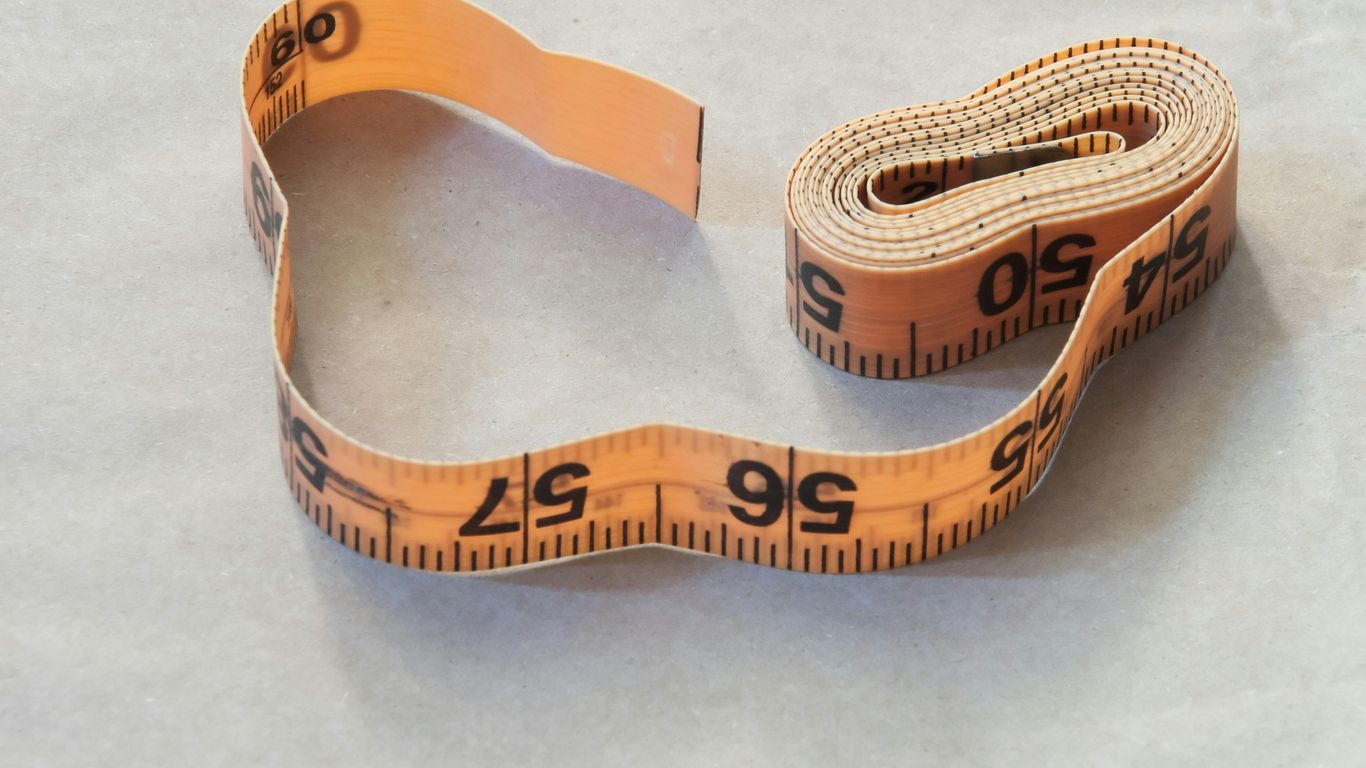
So, you’re trying to get a handle on your progress, right? Maybe you’ve been watching the numbers on the scale, but they’re not really telling the whole story. It’s easy to get caught up in daily fluctuations, which honestly, can be pretty discouraging. That’s where tape measure tracking comes in. It’s a different way to see what’s really happening with your body, beyond just the pounds. We’ll walk through how to do it right, so you can actually see the changes you’re working so hard for.
Key Takeaways
- The scale doesn’t show your full progress; body composition changes like losing fat and gaining muscle might not be reflected in your weight.
- Tape measure tracking offers a clearer picture of body changes, helping you see inches lost even if the scale doesn’t move much.
- To get accurate results, measure yourself at the same time of day, under the same conditions, and wear the same type of clothing (or none at all) each time.
- Focus on measuring key body zones like the waist, hips, chest, arms, and calves, and always measure the exact same spot each week.
- Don’t track your measurements daily; weekly or bi-weekly tracking is more effective for seeing trends and avoiding unnecessary stress over minor fluctuations.
Understanding The Limitations Of The Scale
Okay, let’s talk about the scale. It’s probably the first thing most of us grab when we’re thinking about our fitness journey. You step on, you see a number, and you feel… something. But here’s the thing: that number doesn’t tell the whole story. Not even close.
Why Daily Weigh-Ins Can Be Counterproductive
Jumping on the scale every single day can actually mess with your head more than it helps. Your weight fluctuates naturally throughout the day and week. Think about it: what you ate, how much water you drank, even when you last went to the bathroom can change that number. So, one day it might go up, and you panic, thinking you’ve undone all your hard work. The next day it might drop, and you feel like a superhero, even if it was just water weight.
- Water retention: Can make your weight seem higher.
- Food intake: The weight of what you’ve eaten and drunk.
- Exercise: Sweating can temporarily lower weight, but rehydration will bring it back up.
- Hormonal changes: Especially for women, these can cause significant fluctuations.
This constant up and down can be really discouraging. It’s like trying to drive somewhere using a GPS that randomly changes the destination every five minutes. You end up feeling lost and frustrated, and it’s easy to just give up.
The Scale Doesn’t Tell The Whole Story
Here’s a big one: the scale measures everything. It doesn’t know the difference between fat, muscle, bone, or even the water in your body. So, you could be working out, building muscle, and losing fat, which is fantastic progress! But if muscle is denser than fat, your weight might stay the same or even go up slightly. The scale would show no "progress," but in reality, you’re getting leaner and stronger.
The number on the scale is just one data point, and often, it’s not the most informative one for tracking your actual body changes.
Beyond Total Weight: Body Composition Matters
This is where things get really interesting. What if you’re losing inches but not pounds? That’s a win! Body composition is about the ratio of fat to lean mass (like muscle and bone) in your body. You might look better, feel better, and have more energy even if the scale isn’t moving much. Focusing only on total weight ignores the fact that you can be getting healthier and fitter by changing what your body is made of, not just how much it weighs overall.
The Power Of Tape Measure Tracking

Look, we all know the scale can be a bit of a drama queen. One day it’s happy, the next it’s throwing a tantrum because you looked at a carb. It’s exhausting. That’s where your trusty tape measure swoops in, like a silent, non-judgmental superhero for your progress.
Seeing Progress Beyond The Numbers
Sometimes, the number on the scale just doesn’t budge, even when you feel like you’re doing everything right. This is where the tape measure really shines. It can show you changes that the scale completely misses. Think about it: you might be losing fat but gaining muscle. Muscle is denser than fat, so you could actually gain a pound or two on the scale, but be smaller overall. The tape measure will catch that. It’s a fantastic way to see that your clothes are fitting better, or that you’re looking leaner in the mirror, even if the scale is being stubborn.
It’s about seeing the real changes happening in your body, not just a number. This tangible evidence can be incredibly motivating.
A More Accurate Reflection Of Body Changes
Scales measure everything – water, food, muscle, fat, organs. It’s a mixed bag. A tape measure, on the other hand, gives you specific circumference measurements. This means you’re tracking the actual size of different parts of your body. When you’re aiming to lose inches or build muscle in specific areas, this is way more informative than just a total weight number. It helps you understand where your body is changing and how your efforts are paying off in a more detailed way.
Here’s a quick look at why it’s a better reflection:
- Fat Loss vs. Muscle Gain: The scale can’t tell the difference. A tape measure can show you shrinking waistlines even if weight stays the same.
- Water Retention: Daily fluctuations due to water can skew scale results. Tape measurements are less affected by these short-term changes.
- Body Composition: It gives you a clearer picture of how your body’s shape is changing, which is often the primary goal.
Boosting Motivation Through Tangible Results
Let’s be honest, seeing progress is what keeps us going. When the scale isn’t cooperating, it’s easy to get discouraged. But when you measure your waist and see it’s down an inch, or your arms are a little bigger because you’ve been hitting the gym, that’s real, concrete proof that you’re succeeding. It’s a win you can feel and see. This kind of feedback is powerful. It reminds you why you started and encourages you to keep pushing forward, especially on those days when motivation feels low. It turns abstract goals into measurable achievements.
Tracking with a tape measure provides a more nuanced view of progress, helping to maintain momentum when the scale might otherwise lead to frustration. It focuses on the physical transformation rather than just a single data point.
Establishing Your Tape Measure Tracking Routine
Alright, so you’ve decided to ditch the daily scale drama and embrace the tape measure. Smart move! But just like you wouldn’t randomly decide to measure your living room for a new rug, there’s a method to this madness. Setting up a consistent routine is where the real magic happens. It’s not about obsessing over every millimeter, but about creating a reliable snapshot of your body’s journey.
Consistency Is Key: When To Measure
Think of your body like a plant. You wouldn’t water it at random times and expect it to thrive, right? Same goes for measurements. The goal here is to get a reading that’s as comparable as possible each time. This means picking a specific time and sticking to it. Trying to measure yourself right after a big meal or a sweaty workout? Not ideal. Your body’s water retention and other factors can change quite a bit throughout the day. The most accurate readings happen when your body is in a stable state.
The Ideal Time For Accurate Readings
So, when is this magical stable state? Most folks find that first thing in the morning, before you’ve eaten or had anything to drink, is the sweet spot. You’ve just woken up, your body hasn’t been subjected to the day’s activities yet, and you’re likely at your baseline. It’s like hitting the reset button each morning. This consistency helps eliminate variables that could otherwise throw off your results and make you question if you’re actually making progress or just retaining water.
Choosing Your Weekly Tracking Day
Now, about the frequency. Daily tape measuring? Nope, that’s just asking for frustration. Your body changes more than just a few millimeters overnight. We’re talking about weekly tracking here. Pick a day that works for your schedule and try to stick with it. Some people like Friday mornings to wrap up the week and see their progress before the weekend hits. Others prefer Monday mornings to start the week off with a clear picture. Whatever you choose, make it a habit. It’s about building a sustainable rhythm, not adding another chore to your list.
Here’s a quick rundown of why consistency matters:
- Reduces Variables: Minimizes the impact of daily fluctuations like hydration and food intake.
- Builds Reliable Data: Creates a clear trend line over time, making it easier to spot real changes.
- Promotes Mindful Habits: Encourages you to be more aware of your body and its responses.
Don’t get caught up in the idea that you need to measure every single day. That’s a fast track to anxiety and can make small, normal fluctuations seem like major setbacks. Patience and consistency are your best friends when it comes to tracking progress with a tape measure.
Essential Preparation For Accurate Measurements
Before you even think about wrapping that tape measure around yourself, let’s talk about getting ready. Little things can make a big difference in whether your measurements are actually useful or just… numbers. We want useful numbers, right?
What To Wear For Consistent Readings
This is pretty straightforward, but important. You don’t want your clothes adding or subtracting inches. The best bet is to measure when you’re wearing as little as possible, like underwear. If that’s not comfortable or practical for you, then opt for something really fitted. Think thin leggings and a sports bra, or a snug tank top. The key is to wear the exact same thing every single time you measure. If you measure in a baggy t-shirt one week and then a tight tank the next, your "waist" measurement could be off by an inch or two just because of the fabric. Consistency is your friend here.
The Importance Of Relaxed Posture
When you’re taking your measurements, try to stand naturally. Don’t suck in your stomach, don’t puff out your chest, and don’t hold your breath. Just stand there like you normally would. Imagine you’re just hanging out. This means your body is in its resting state, and that’s what you want to capture. If you’re tensing up, you’re not getting a true picture of your body’s dimensions.
Using The Right Kind Of Tape Measure
Grab a flexible tape measure. You know, the kind that tailors use? It should be made of cloth or a flexible plastic, and it shouldn’t stretch. A metal tape measure you use for DIY projects is way too stiff. You want something that can curve around your body easily. Make sure it has clear markings, either in inches or centimeters. Pick one system and stick with it – switching back and forth can get confusing fast.
Key Body Zones For Tape Measure Tracking
Alright, so you’ve got your tape measure ready, and you’re thinking, ‘Where do I even start?’ It’s not just about wrapping it around yourself randomly. To get the most useful info, you need to hit the right spots. Think of these as your progress checkpoints.
Measuring Your Chest And Bust
For guys, this is usually around the nipples. Stand up straight, relax your shoulders, and make sure the tape is level. For the ladies, it’s a bit different. You can measure without a bra for the most accurate "underbust" reading, or if you prefer, wear a non-padded bra and measure over it. The goal is to get a consistent reading each time, so figure out what works best for you and stick with it.
Tracking Your Waistline Changes
This is a big one for a lot of people. The common advice is to find the narrowest part of your torso, usually just above your belly button. But here’s a little trick: try measuring about two fingers’ width above your belly button too. Sometimes, that spot shows changes more clearly, especially if you tend to carry a bit of weight around your midsection. Remember to exhale naturally before you measure; don’t suck it in!
Monitoring Hip Circumference
This measurement usually captures the widest part of your hips and buttocks. Stand with your feet together and the tape measure parallel to the floor. It’s important to get this measurement right around the fullest part. This area can tell you a lot about how your lower body is changing, whether you’re losing fat or building muscle.
Assessing Arm And Calf Measurements
Don’t forget the limbs! For your upper arm (biceps), find the thickest part when your arm is relaxed at your side, maybe with your hand on your hip to help keep it steady. For your calves, it’s best to measure the fullest part while you’re sitting down, usually about halfway between your ankle and the back of your knee. These smaller measurements can add up and show progress you might not see elsewhere.
Techniques For Precise Body Measurements
Alright, so you’ve decided to use a tape measure to track your progress. That’s a smart move! But just wrapping a tape around yourself willy-nilly isn’t going to give you the best info. We need to be a bit more careful to get readings that actually mean something.
Ensuring The Tape Is Level And Snug
This is super important. Imagine trying to measure a table with a tape that’s tilted – the measurement would be way off, right? Your body’s the same. You want the tape measure to be perfectly level all the way around the body part you’re measuring. For example, when you’re measuring your waist, make sure the tape isn’t dipping down in the back or higher in the front. It should be a straight line all the way around.
And snug? That means it should be touching your skin all around, but not digging in. Think of it like a firm handshake, not a vice grip. If it’s too loose, you’ll get a bigger number than you should. If it’s too tight, you’ll get a smaller one. We’re aiming for a true reflection of your size, not how much you can compress yourself!
Avoiding Compression For True Readings
This ties right into the snugness point. When you’re taking a measurement, especially around your waist or belly, it’s tempting to suck in your stomach or push the tape in really hard. Don’t do it! That gives you a false reading. You want to measure your body in its natural, relaxed state. Stand up straight, breathe normally, and let the tape rest against your skin without squeezing.
The goal here is to get a consistent measurement that reflects your body’s actual shape, not a temporary, squeezed-in version. This consistency is what allows you to see real changes over time.
Taking Multiple Measurements For Accuracy
Sometimes, especially when you’re first starting, it’s a good idea to take a measurement a couple of times. Measure the same spot, then measure it again. If the numbers are really close, great! If they’re a bit different, take a third measurement and go with the number that appears most often, or average the two closest ones. This helps iron out any little mistakes you might make on the first try. It’s like double-checking your work to make sure you’ve got it right.
Maximizing Your Tape Measure Tracking Data
So, you’ve been taking measurements, which is awesome. But just taking them isn’t the whole story, right? You gotta actually use that data to see what’s up. It’s like going grocery shopping and then just letting the food rot in the fridge – no good.
The Significance Of Measuring The Same Spot
This is a big one, seriously. If you measure your waist one week at your belly button and the next week a little higher, you’re not comparing apples to apples. You’ll get numbers that look different, but it’s just because you moved the tape. Find a landmark – like a specific freckle, a mole, or the edge of a bone – and stick to it. This way, you know any change you see is a real change in your body, not just a measurement error.
Recording Your Progress Over Time
Don’t just jot down numbers on a random piece of paper. Get a notebook, use a spreadsheet, or find an app. The point is to have a record. Seeing how your measurements have changed over weeks and months is super motivating. It shows you that the work you’re putting in is actually paying off, even if the scale isn’t moving much.
Here’s a simple way to keep track:
- Date: When you took the measurement.
- Body Part: Waist, hips, chest, etc.
- Measurement: The number in inches or centimeters.
- Notes: Anything relevant, like "felt tighter today" or "ate a lot yesterday."
Comparing Measurements To Other Metrics
Your tape measure is just one piece of the puzzle. Think about how your clothes are fitting. Are your favorite jeans feeling looser? That’s a win! Also, consider how you’re feeling overall. Do you have more energy? Are you sleeping better? These things matter just as much, if not more, than a number. Sometimes, your measurements might not change much, but your body composition is shifting – you’re losing fat and gaining muscle. That’s where seeing how clothes fit or even taking progress photos can really show you what’s happening.
Don’t get too hung up on just one number. Your body is complex, and progress shows up in lots of different ways. Look at the whole picture, not just the tape measure results.
Beyond The Numbers: Holistic Progress Monitoring
So, you’ve been diligently taking measurements, and that’s fantastic. But sometimes, the numbers on the tape measure, while useful, don’t paint the entire picture of your progress. It’s like looking at a single frame of a movie – you’re missing the whole story! To really get a feel for how far you’ve come, it’s smart to look at a few other things too. This way, you get a more complete sense of your journey.
How Your Clothes Fit As An Indicator
Let’s be real, how your favorite jeans feel is a pretty solid indicator of change. If they’re suddenly easier to button, or if that shirt that used to feel snug now hangs a bit looser, that’s progress! It’s a tangible sign that your body is changing, even if the tape measure hasn’t shown a huge shift yet. Think about it: clothes don’t lie about how your body is reshaping.
- Noticeable looseness in previously tight areas.
- Easier buttoning or zipping of pants.
- Shirts that feel less restrictive around the chest or waist.
Visual Progress Through Photography
Pictures are powerful. Taking photos of yourself in the same spot, wearing similar clothing, at regular intervals can be eye-opening. You might not see drastic changes day-to-day or even week-to-week, but when you look back at photos from a month or two ago, the differences can be quite striking. It’s a visual record that complements your measurements.
Don’t underestimate the impact of seeing your own transformation.
Connecting Measurements To Lifestyle Choices
Your measurements are a result of your actions. When you see changes in your measurements, try to connect them back to what you’ve been doing. Did you increase your daily steps? Did you start cooking more meals at home? Did you cut back on sugary drinks? Recognizing these links helps you understand what’s working and reinforces positive habits. It’s about seeing the cause and effect in your own life.
Sometimes, the most significant shifts aren’t just about the numbers. They’re about how you feel, how your clothes fit, and the simple, consistent actions you take each day that add up over time. Looking at the whole picture helps you stay motivated and appreciate the journey, not just the destination.
Avoiding Common Pitfalls In Tracking
The Danger Of Daily Tape Measure Tracking
Look, I get it. You’re excited about seeing changes, and you want to track every little bit of progress. But measuring yourself with a tape measure every single day? That’s usually not the best idea. Our bodies do all sorts of weird things day-to-day. Water retention, a big salty meal the night before, or even just how you’re standing can throw off your numbers. Focusing on daily fluctuations can lead to unnecessary stress and make you feel like you’re not progressing, even when you are. It’s like trying to judge a whole movie by watching just one scene – you miss the bigger picture.
Why Comparing With Others Is Unhelpful
It’s super easy to fall into the trap of comparing your progress to your friends, your workout buddy, or even people you see online. But here’s the thing: everyone’s body is different. We all have unique starting points, different genetics, and we respond to training and nutrition in our own ways. What works for one person might not work the same for another. Instead of looking at what someone else is doing, focus on your own journey. Your progress is your progress, and it’s valid no matter what anyone else is doing.
Focusing On Your Personal Journey
This whole tracking thing is really about you. It’s a tool to help you understand your body better and see how your efforts are paying off. Don’t get caught up in trying to hit specific numbers just because someone else did, or because you saw it on social media. Your goal is to feel better, be healthier, and achieve what you want to achieve. Keep your measurements and your goals personal. Celebrate your own wins, no matter how small they might seem. Remember why you started this in the first place, and let that guide you.
Integrating Tape Measure Tracking With Other Habits

So, you’re taking your measurements, which is awesome. But honestly, just knowing your waistline is shrinking or your arms are getting a bit more toned isn’t the whole picture, right? It’s like looking at one piece of a puzzle. To really get what’s going on with your body and make solid progress, you’ve got to connect those tape measure numbers with what else you’re doing.
The Role Of Food Intake In Progress
What you eat plays a massive role, no surprise there. If you’re measuring yourself and seeing changes, but you’re also eating a ton of processed stuff or way too much sugar, those measurements might not be telling you the full story about your health. Maybe your waist is staying the same, but your internal health is taking a hit. Or, you might be losing inches but not feeling energized because your diet is lacking. Keeping a simple log of what you eat, even just jotting down meals, can help you see how your food choices line up with your tape measure results.
- Focus on whole foods: Think fruits, veggies, lean proteins, and whole grains. They fuel your body better.
- Hydration matters: Don’t forget to drink enough water throughout the day.
- Mindful eating: Pay attention to hunger cues and stop when you’re comfortably full.
Tracking your food intake alongside your measurements helps you understand the direct impact of your diet on your body composition. It’s not just about calories; it’s about nutrient density and how your body responds.
Tracking Workouts For Comprehensive Insight
Your workouts are another big piece of the puzzle. Are you lifting weights? Doing cardio? A mix of both? When you track your workouts, you can see if the changes in your measurements are linked to specific types of exercise. For example, if you’re doing a lot of strength training and your arms are getting bigger, that’s a good thing! It means you’re building muscle. If you’re doing a lot of cardio and your waist is shrinking, that’s also great progress. Combining your workout logs with your tape measure data gives you a clearer view of your fitness journey.
Here’s a simple way to think about it:
- Record your workout: What did you do? How long? How intense?
- Note your measurements: Take them on the same day each week.
- Look for connections: Did a week of heavy lifting correspond with a slight increase in arm measurement? Did a week of consistent cardio lead to a drop in waist size?
Cultivating A Consistent Healthy Mindset
Honestly, all this tracking – food, workouts, measurements – can feel like a lot. But when you do it consistently, it starts to build a habit. It shifts your focus. Instead of just thinking about how you look, you start thinking about how you feel and how your body is performing. This mindset shift is huge. It helps you stay motivated even when the scale doesn’t budge or when you have an off day. Your tape measure is a tool, but it’s your consistent effort and positive mindset that truly drive change. When you see your measurements improving alongside your workout consistency and healthier food choices, it reinforces that you’re on the right path, building a healthier lifestyle one habit at a time.
Want to make your tape measure tracking even better? You can link it up with your other good habits! Imagine seeing how your progress with your weight goals connects to things like drinking enough water or getting enough sleep. It’s a powerful way to see the whole picture of your health journey. Ready to explore how to make this happen? Visit our website to learn more about connecting your habits and reaching your goals faster!
Wrapping It Up
So, ditch the daily scale obsession. It’s just not telling the whole story. Using a tape measure, along with maybe some photos, gives you a much clearer picture of what’s actually changing. Remember to measure the same spots, at the same time, maybe once a week or every couple of weeks. This way, you’re not getting freaked out by tiny daily shifts and can actually see the real progress you’re making. It’s all about consistency and looking at the bigger trend, not just what the numbers say today.
Frequently Asked Questions
Why is using a tape measure better than just a scale?
A scale only shows your total weight, which can go up and down a lot each day because of water or food. A tape measure shows how your body is actually changing shape, like losing inches, which is a better sign of losing fat and gaining muscle. It helps you see progress even if the scale number doesn’t change much.
How often should I measure myself with a tape measure?
It’s best to measure yourself about once a week. Measuring too often, like every day, can make you worry too much about small changes. Pick a specific day and time each week, like Friday morning before breakfast, to keep things consistent.
What’s the best time of day to take my measurements?
The most accurate time to measure is usually in the morning, right after you wake up and before you eat or drink anything. This way, your body is in a similar state each time, giving you more reliable results.
What should I wear when I measure myself?
For the most consistent results, wear fitted clothing or just your underwear. If you wear clothes, make sure it’s the exact same outfit each time you measure. This prevents the clothing from affecting the numbers.
Where on my body should I take measurements?
You should measure key areas like your waist, hips, chest, and arms. It’s important to measure the exact same spot each time. You can use a small mark, like a freckle, as a guide to ensure you’re measuring the same place every week.
How do I make sure my measurements are accurate?
When you measure, make sure the tape is level and snug against your skin, but not digging in or squeezing. Avoid sucking in your stomach or tensing up. Take your time and double-check that the tape is flat all the way around.
Should I compare my measurements to my friends’ measurements?
No, it’s not helpful to compare your tape measure results with others. Everyone’s body is different, and what works for one person might not work for another. Focus on your own progress and how you feel.
Can I combine tape measure tracking with other ways to track my progress?
Absolutely! Tape measure tracking works great alongside other methods like taking progress photos, noticing how your clothes fit, and even keeping track of your workouts and what you eat. This gives you a fuller picture of your overall health journey.