

So, you’re curious about when to drink your tea, huh? It’s not just about grabbing a mug whenever the mood strikes. Turns out, tea timing can actually make a difference in how you feel and how your body uses it. Whether you’re looking for a morning jolt, a midday pick-me-up, or a way to wind down, there’s a perfect cup for every moment. Let’s figure out the best tea timing for you.
Key Takeaways
- Morning rituals often involve black or green tea for energy, but consider timing it after waking up to avoid stomach upset.
- Midday tea, especially herbal infusions, can help with digestion after lunch or combat that afternoon slump.
- For winding down, caffeine-free herbal teas like chamomile are best before bed to promote restful sleep.
- Strategic tea timing between meals can help with nutrient absorption and potentially aid weight management goals.
- Be mindful of caffeine content, especially in the afternoon and evening, to avoid disrupting your sleep patterns.
Morning Tea Rituals And Their Benefits
Energizing Your Start With Black Tea
Starting your day with a cup of black tea can be a wonderful way to shake off the morning grogginess. After a long night of sleep, your body naturally needs hydration, and black tea is a great choice for this. It also helps get your circulation going, making it a solid pick for the early hours. You can enjoy it plain, with a splash of milk, or a touch of sweetener – whatever suits your taste and health goals.
Black tea contains caffeine, which can help increase alertness and focus. It’s a natural way to wake up your mind and body.
Gentle Awakening With Green Tea
If you find black tea a bit too strong first thing, green tea offers a gentler start. It still provides a bit of caffeine to help you feel more awake, but generally less than black tea. This makes it a good option if you’re sensitive to caffeine or prefer a milder boost. Plus, green tea is packed with antioxidants that are good for your overall health.
- Lower caffeine content compared to black tea.
- Rich in antioxidants like EGCG.
- Can help improve focus and mental clarity.
Navigating Breakfast Tea Timing
When it comes to timing your morning tea with breakfast, there are a few things to keep in mind. Some experts suggest waiting about 30 minutes after waking up before having your first cup, especially if you plan to drink it on an empty stomach, as the caffeine can sometimes cause discomfort for sensitive individuals. If you do drink tea with breakfast, consider the type of tea and what you’re eating.
Some teas, particularly those high in tannins, can interfere with the absorption of certain nutrients like iron found in breakfast foods. It might be best to enjoy your tea a little while after your meal rather than right alongside it, especially if iron intake is a concern.
Here’s a quick look at common morning tea choices:
- Black Tea: Good for a strong wake-up call, often enjoyed with breakfast. Be mindful of caffeine if you’re sensitive.
- Green Tea: A milder option, suitable for those who prefer less caffeine. Can be enjoyed before or after a light breakfast.
- Herbal Teas (e.g., Peppermint, Ginger): Naturally caffeine-free, these can be a soothing choice any time in the morning, especially if you have a sensitive stomach.
Midday Refreshment And Digestive Aids
The Afternoon Slump Solution
Around 2 or 3 PM, that familiar wave of tiredness can hit. You know the feeling – your eyelids get heavy, and your focus starts to drift. Instead of reaching for another cup of coffee, consider a cup of green tea. It offers a gentler energy lift thanks to its moderate caffeine content and the presence of L-theanine, an amino acid that works with caffeine to promote alertness without the jitters. This combination can help you power through the rest of your workday with improved concentration.
Aiding Digestion Post-Lunch
After a hearty lunch, your body is busy processing food. Certain teas can lend a helping hand to this process. Herbal infusions, particularly those with ingredients like peppermint, ginger, or fennel, are well-known for their digestive properties. They can help soothe an upset stomach, reduce bloating, and ease indigestion. Sipping on one of these after your meal can make you feel lighter and more comfortable.
Here’s a quick look at some digestive aids:
- Peppermint Tea: Known for its ability to relax digestive muscles, helping to relieve gas and bloating.
- Ginger Tea: Can help stimulate digestion and reduce nausea.
- Fennel Tea: Often used to ease indigestion and stomach cramps.
Mindful Breaks With Herbal Infusions
Taking a break in the afternoon isn’t just about resting; it’s also an opportunity for a mindful pause. Herbal teas, being naturally caffeine-free, are perfect for this. They offer a moment of calm and can be enjoyed without worrying about interfering with your sleep later. Whether it’s a soothing chamomile or a refreshing mint, these infusions provide a simple yet effective way to reset your mind and body before the final push of the day. Choosing a caffeine-free herbal tea can be a smart move for sustained energy without the crash.
Sometimes, the best way to get through the afternoon is to simply step away for a few minutes. A warm cup of tea can be a great excuse to do just that. It’s a small ritual that can make a big difference in how you feel.
Evening Wind-Down And Sleep Preparation
As the day winds down, your body and mind crave a different kind of comfort. This is the perfect time to switch gears from energizing brews to calming infusions that signal it’s time to relax. The goal here is to transition smoothly into a state of rest, preparing you for a peaceful night’s sleep.
Calming Brews For Relaxation
When you’re looking to unwind, certain teas are your best allies. These aren’t just about taste; they’re about creating a ritual that soothes your senses. Think of a warm mug in your hands, the gentle aroma filling the air – it’s a simple yet effective way to de-stress after a long day. Herbal teas often take center stage here, offering a caffeine-free way to relax.
- Chamomile: Perhaps the most well-known bedtime tea, chamomile is celebrated for its calming properties. It contains apigenin, an antioxidant that may help reduce anxiety and initiate sleep.
- Valerian Root: Known for its potent sleep-promoting effects, valerian root has a stronger flavor but is highly effective for those struggling with insomnia.
- Lemon Balm: This herb offers a mild, citrusy flavor and is known to reduce stress and improve mood, making it a pleasant choice for an evening cup.
Herbal Alternatives For Better Sleep
While chamomile is a popular choice, a variety of other herbal options can contribute to a better night’s rest. These blends are specifically chosen for their properties that encourage relaxation and ease the transition to sleep. It’s about finding what works best for your individual needs and preferences.
The right herbal tea can be a gentle nudge towards slumber, helping to quiet a busy mind and relax tense muscles. It’s a natural way to signal to your body that the day’s demands are over and it’s time for rest and recovery.
Some excellent choices include:
- Passionflower: Often used to ease anxiety and improve sleep quality.
- Lavender: Famous for its relaxing aroma, lavender tea can help calm the nerves and prepare the body for sleep.
- Peppermint: While often thought of as energizing, peppermint can also aid digestion, which can be beneficial before bed if you’ve had a heavy meal. Just be mindful of its stimulating effect if you’re very sensitive.
Timing Your Last Cup Of The Day
When you have your final cup of tea matters, especially if it contains any caffeine. Even moderate amounts can linger in your system for hours, potentially disrupting your sleep cycle. It’s generally advised to finish caffeinated teas at least two to three hours before you plan to go to bed. For herbal teas, the timing is more flexible, but making it a part of your pre-sleep routine, perhaps an hour before bed, can be very beneficial. This allows the calming effects to take hold without interfering with your body’s natural sleep signals.
Optimizing Tea For Nutrient Absorption

You know, it’s easy to just grab a cup of tea whenever the mood strikes, but did you know that when you drink it can actually change how your body uses the good stuff from your food? It sounds a bit complicated, but it’s actually pretty straightforward once you get the hang of it. The main thing to remember is that tea, especially black and green varieties, contains compounds called tannins. These tannins can sometimes get in the way of your body absorbing certain nutrients, particularly iron, from the food you eat.
Strategic Timing Between Meals
So, what’s the best approach? Try to keep your tea breaks separate from your main meals. Waiting at least an hour, or even better, two hours, after you’ve eaten before you have your tea can make a big difference. This gives your body a chance to absorb the nutrients from your food without interference. Think of it as giving your digestive system a clear runway.
Understanding Tannins And Iron
Let’s get a little more specific about those tannins. They’re naturally present in tea leaves and are responsible for that slightly bitter taste some teas have. While they have antioxidant properties, they can bind to non-heme iron (the type found in plant-based foods) and make it harder for your body to absorb. This is especially important if you’re vegetarian, vegan, or have iron deficiency concerns.
Here’s a quick look at how timing can affect iron absorption:
| Meal Type | Tea Timing | Iron Absorption Impact |
|---|---|---|
| Main Meal | With Meal | Can be significantly reduced |
| Main Meal | 1 Hour After Meal | Moderately reduced |
| Main Meal | 2+ Hours After Meal | Minimal impact |
Enhancing Absorption With Vitamin C
Now, here’s a neat trick to help counteract the tannin effect, especially if you do enjoy tea closer to mealtime. Pairing your tea with foods rich in Vitamin C can really help boost iron absorption. Think of Vitamin C as a little helper that makes it easier for your body to grab onto that iron, even if tannins are present.
- Citrus fruits: Oranges, grapefruits, lemons
- Berries: Strawberries, blueberries, raspberries
- Vegetables: Bell peppers, broccoli, tomatoes
So, if you’re having a sandwich and a cup of tea, maybe add a side of bell pepper strips or finish with a small orange. It’s a simple adjustment that can help ensure you’re getting the most out of your diet.
Tea Timing For Weight Management Goals
When it comes to managing your weight, the timing and selection of your tea can actually play a part in your success. Choosing the right tea at the right moment helps support metabolism, appetite, and even workouts. Let’s look at how you can fit tea into your day for practical results.
Pre-Exercise Fat Oxidation
Drinking tea before a workout may help your body use fat for energy more efficiently. Green tea and oolong tea are especially helpful thanks to their caffeine and catechin content. When you sip tea 30–60 minutes before physical activity, you might:
- Boost fat burning during exercise
- Improve overall energy levels without the jitters
- Reduce the urge for sugary pre-workout snacks
| Tea Type | Best Timing | Purpose |
|---|---|---|
| Green Tea | 30–60 min before | Fat oxidation boost |
| Oolong Tea | 30–60 min before | Endurance support |
| Black Tea | 30–60 min before | Gentle energy lift |
Rather than reaching for high-calorie drinks before hitting the gym, a cup of tea can serve as a light, hydrating option that supports your exercise goals.
Appetite Control Throughout The Day
Tea can quietly help with cravings, making it easier to handle those moments when you want to reach for snacks. Here’s how it works:
- The warmth and slight bitterness of teas like green or pu-erh naturally reduce appetite
- Herbal blends, especially those with peppermint or ginger, can satisfy taste buds and offer a zero-calorie alternative
- Sipping tea between meals may help you feel fuller and curb emotional eating
Key Steps for Daily Appetite Control:
- Keep a thermos of your favorite tea on hand for afternoon cravings
- Try unsweetened teas if you’re working on lowering sugar intake
- Use herbal teas in the evening when you want something to sip without calories
Metabolism Boosts With Green Tea
If you’re looking for ways to increase your calorie burn, including green tea in your day might be worthwhile. The caffeine and EGCG in green tea have been studied for their metabolism-supporting effects. Drinking 2–3 cups, spaced out, is often enough to see gentle changes in metabolic rate, especially when paired with healthy eating and regular exercise.
| Green Tea Habit | Benefit |
|---|---|
| 1 cup AM, 1 cup PM | Steady metabolism |
| Before meals | May aid appetite curb |
| 30 min pre-exercise | Potential fat burning |
Small, steady changes—like a mindful cup of green tea each morning—can add up to a real difference in your wellness journey.
Balance is important. While tea can play a role, it won’t create overnight miracles. Listen to your body, and think of tea as a gentle, supportive tool along with other healthy habits.
Caffeine Considerations For Optimal Well-being
Many of us reach for a cup of tea to get our day started or to push through an afternoon slump. It’s a comforting ritual, but it’s also worth thinking about the caffeine content in your favorite brews and how it might affect you. Not all teas are created equal when it comes to caffeine, and understanding these differences can help you make choices that support your energy levels and overall well-being without causing unwanted jitters or sleep disturbances.
Understanding Caffeine Content In Teas
Caffeine is a natural stimulant found in tea leaves. The amount can vary quite a bit depending on the type of tea, how it’s processed, and even how it’s brewed. Generally, black teas and matcha tend to have the highest caffeine levels, followed by green teas. Oolong teas usually fall in the middle, while white teas can vary but are often lower. Herbal teas, on the other hand, are typically caffeine-free since they are made from herbs, fruits, and flowers, not the Camellia sinensis plant.
Here’s a general idea of caffeine levels, though these can fluctuate:
| Tea Type | Approximate Caffeine (mg per 8oz cup) | Notes |
|---|---|---|
| Black Tea | 40-70 mg | Higher processing, more oxidation |
| Green Tea | 20-45 mg | Less oxidation, often a smoother lift |
| Oolong Tea | 30-50 mg | Partially oxidized, falls in the middle |
| White Tea | 15-30 mg | Least processed, can be quite low |
| Herbal Tea | 0 mg | Naturally caffeine-free |
Managing Energy Levels Without Disruption
If you’re sensitive to caffeine, or if you find it affects your sleep, timing is everything. For a gentle energy boost in the morning, a green or white tea might be a good choice. If you’re looking for a stronger kick, black tea could be your go-to. However, it’s wise to be mindful of your last caffeinated cup of the day. Many experts suggest avoiding caffeine for at least six hours before bedtime to allow your body to wind down properly. This means an afternoon cup of green tea is usually fine, but a strong black tea late in the day might interfere with your rest.
Pay attention to how your body reacts. Some people can enjoy a cup of tea after dinner with no issues, while others need to stop all caffeine intake by lunchtime. It’s a personal journey to find what works best for you.
Choosing Low-Caffeine Options
When you want the ritual and flavor of tea without the caffeine jolt, there are plenty of excellent options. Herbal infusions are the most obvious choice, offering a wide array of flavors from calming chamomile and peppermint to invigorating ginger and hibiscus. These are perfect for any time of day, especially in the evening when you’re looking to relax. If you enjoy the taste of traditional tea but want less caffeine, look for decaffeinated versions of black or green tea. While they aren’t entirely caffeine-free, the levels are significantly reduced, making them a much gentler option for sensitive individuals or for later in the day.
The Role Of Tea In Blood Sugar Management
Post-Meal Blood Sugar Moderation
Drinking certain teas after a meal can play a role in how your body handles the sugar from your food. It’s not about replacing medication or a doctor’s advice, but more about adding a supportive habit to your day. Some studies suggest that teas, particularly green tea, might help your body use insulin a bit better or slow down how quickly sugar gets into your bloodstream. This can be helpful after you’ve eaten, especially if you’re looking to avoid those sharp spikes and crashes in blood sugar levels that can leave you feeling tired and hungry.
Specific Teas For Metabolic Support
When we talk about teas that might help with blood sugar, green tea often comes up. It contains compounds like catechins, which are thought to have positive effects. Oolong tea, which is partially oxidized, also shows promise. Even some herbal teas, like cinnamon or hibiscus, are being looked into for their potential benefits. It’s interesting how these natural brews might interact with our body’s processes.
Here’s a quick look at some teas and their potential connection to blood sugar:
- Green Tea: Rich in antioxidants, may help improve insulin sensitivity.
- Oolong Tea: Partially oxidized, may assist in glucose metabolism.
- Hibiscus Tea: Some research suggests it could help manage blood pressure and blood sugar levels.
- Cinnamon Tea: Known for its sweet flavor, it might mimic insulin’s effects.
Consistency In Tea Consumption
Like many healthy habits, the benefits of tea for blood sugar management are likely to be seen with regular, consistent drinking. Having a cup of tea at the same time each day, perhaps after meals, can help create a routine. It’s about making tea a steady part of your lifestyle rather than an occasional fix. Making tea a consistent part of your day can support your body’s natural rhythms. Remember, it’s always best to chat with your doctor or a registered dietitian about how tea fits into your overall health plan, especially if you have specific health concerns.
Hydration And Rejuvenation Throughout The Day
Staying hydrated is something a lot of us forget until that mid-afternoon crash hits. Tea isn’t just a cozy drink—it can really help you keep your energy up and replace some of those less healthy options you might reach for when you get tired. Choosing the right teas at the right times makes a surprisingly big difference in how refreshed you feel from morning to night. Let’s break down the best tea strategies to keep you hydrated and feeling good all day.
Rehydrating After Sleep
Waking up often leaves your body dehydrated, especially after hours without water. Morning tea can get you started on the right note:
- Start with a light black or green tea—it gives you hydration plus a mild caffeine boost without going overboard.
- Go for white tea if you want something gentler. It’s low in caffeine and soft on your empty stomach.
- If you wake up parched, drink a glass of water first, then enjoy your tea to help your body absorb it better.
Many folks find that switching from coffee to a lighter morning tea not only helps them wake up, but also keeps dehydration headaches at bay.
Maintaining Energy Levels Naturally
You don’t have to rely only on coffee for those energy dips around midday. Different teas offer a slow, steady release of energy, which can be much easier on your system:
- Green tea: A balanced option with moderate caffeine. It lifts your focus without causing jitters.
- Oolong: Great for clear thinking and a light afternoon pick-me-up.
- Peppermint or ginger tea can perk you up if you want to skip caffeine altogether.
Daily Tea Hydration Table
| Time of Day | Suggested Tea | Caffeine Level | Hydration Benefit |
|---|---|---|---|
| Morning | Black, Green, White | Moderate/Low | Replenishes fluids lost |
| Midday | Green, Oolong | Moderate | Sustains alertness |
| Evening | Herbal, Fruit | Caffeine-free | Promotes calm, keeps you hydrated |
Cooling Effects Of Certain Teas
When the weather heats up, some teas can cool you from the inside:
- Hibiscus tea: Naturally cooling and refreshing, perfect over ice.
- Mint tea: Whether hot or cold, it leaves a cool sensation.
- White tea: Light, delicate, and helps prevent overheating.
Try these teas with chilled water or iced—no need for extra sweeteners unless you really want them.
Turning to a cool glass of mint or hibiscus tea in summer can refresh more than plain water, especially if you’re feeling uncomfortably warm.
Tea isn’t a one-size-fits-all drink. With a little focus on timing and your body’s needs, it gives you both hydration and a mental lift. Stay tuned for more ways to make your tea habit work even better throughout your day.
Brewing Techniques For Maximum Benefit
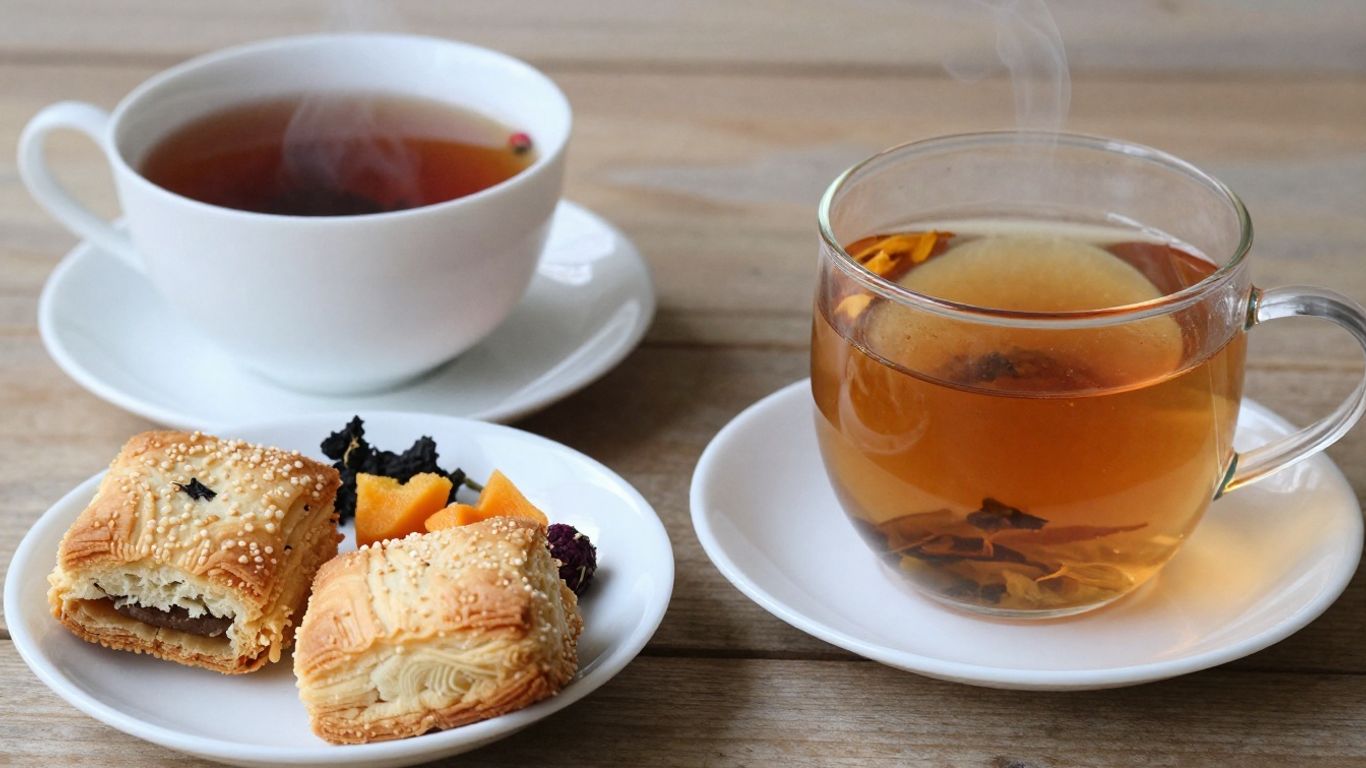
Getting the most out of your tea isn’t just about picking a good leaf. The way you prepare your cup matters as much as the type of tea you choose. A few small changes can make a big difference, from taste to health benefits.
Low Temperature Steeping
Steeping your tea at the right temperature is a simple way to preserve its delicate flavors and antioxidant content.
- Low-temperature steeping locks in the good stuff, especially for green or white teas, which can turn bitter if boiled.
- Use water that’s just below boiling—think 160°F to 185°F for green and white teas, a bit hotter for oolong, and full boil for black teas.
- Brewing for less time also helps avoid astringent flavors and preserves some vitamins.
| Tea Type | Ideal Temp (°F) | Steep Time (min) |
|---|---|---|
| Green/White | 160-185 | 2-3 |
| Oolong | 185-205 | 3-5 |
| Black | 200-212 | 3-5 |
| Herbal | 210-212 | 5-7 |
If your tea always tastes sharp or leaves your mouth feeling dry, it’s probably getting too hot or brewing too long. Experiment a bit to suit your taste.
Loose Leaf Versus Tea Bags
Choosing between loose leaf and tea bags can change everything about your tea ritual. Here are a few things to keep in mind:
- Loose leaf usually gives you more flavor and lets the leaves fully expand.
- Tea bags are handy, but sometimes they use smaller, lower-quality pieces (called fannings or dust).
- If you want a richer cup, invest in a strainer and give loose leaf a shot—you’ll likely notice fresher aromas and a cleaner taste.
The Impact Of Milk And Sugar
Milk and sugar are classic additions in many cultures. But they can affect more than just taste.
- Adding too much milk might cover up subtle flavors, and some evidence suggests it may reduce certain antioxidant actions—though this is still debated.
- Sugar sweetens the cup, but it’s easy to overdo it, especially with fruit or dessert-style teas. The natural flavor of tea can be more rewarding on its own.
- If you do add milk, pour it in last and turn off the heat right away—boiling milk can give tea a chalky texture.
A few mindful changes in how you brew tea—even small ones—can shift the entire experience. From temperature to leaves to what you add in, each choice highlights something new in every cup.
Seasonal And Weather-Related Tea Choices
Warming Teas For Colder Climates
When the temperature drops, reaching for a hot cup of tea feels like a natural instinct. For those chilly days, you’ll want teas that offer a comforting warmth. Black teas are a fantastic choice, providing a robust flavor and a gentle heat that can help your body feel cozy from the inside out. If you enjoy the complexity of oolong, opt for a darker, more oxidized blend, as these tend to have a richer, warmer profile. These darker teas can feel particularly satisfying when you’re seeking comfort from the cold.
Cooling Teas For Warmer Weather
It might seem counterintuitive, but a hot cup of tea can actually be quite refreshing in the summer heat. Teas that are less oxidized, like white and green teas, possess a natural cooling quality. This effect isn’t just about the temperature of the drink; it’s about how the tea interacts with your body. These lighter brews can help balance your internal temperature, making them a surprisingly good choice even when it’s sweltering outside. Serving them iced can amplify this refreshing sensation.
Balancing Body Temperature With Tea
Choosing the right tea can be a simple yet effective way to align your beverage with the season and your body’s needs. Think of it as a gentle nudge towards comfort, whether you’re trying to warm up on a frosty morning or cool down on a humid afternoon. It’s about finding that perfect sip that complements the weather and supports your well-being throughout the year. For instance, a light, floral white tea might be just the thing on a warm spring day, while a malty, dark oolong could be ideal for a crisp autumn evening.
When the weather changes, so should your tea! Discover the perfect brews for sunny days and cozy evenings. Find your ideal cup and learn more on our website.
Conclusion
Tea isn’t just a drink—it’s a daily ritual that can fit into almost any part of your routine. Whether you’re reaching for a strong black tea to shake off the morning fog, a gentle green tea to help you focus after lunch, or a calming herbal blend to wind down before bed, there’s a tea for every moment. The key is to listen to your body and pay attention to how different teas make you feel at different times. Try not to drink strong teas on an empty stomach, and if you’re sensitive to caffeine, save the herbal options for the evening. Remember, a cup of tea can be more than just a beverage—it can be a small act of self-care, a pause in a busy day, or a way to connect with others. So experiment, find your favorites, and enjoy the simple pleasure of a well-timed cup of tea.
Frequently Asked Questions
When is the best time to drink black tea?
The best time to enjoy black tea is in the morning. Its higher caffeine content helps you wake up, feel alert, and start your day with more energy. Avoid drinking black tea late in the day, as it might make it harder to fall asleep.
Can I have green tea on an empty stomach?
Some people might feel a little stomach discomfort if they drink green tea first thing in the morning without eating. If you notice this, try having a small snack before your tea or wait until after breakfast.
What teas are good after meals?
Herbal teas like peppermint, ginger, or tulsi are great choices after meals. They can help with digestion and don’t have caffeine, so they won’t keep you awake if you drink them in the evening.
Is it okay to drink tea with meals?
It’s usually better to drink tea about 15 to 20 minutes after meals. Drinking tea right with your food can make it harder for your body to absorb certain nutrients, like iron. Waiting a bit helps your body get more from your food.
Which teas are best before bed?
Herbal teas such as chamomile or fruit teas are great before bed. They don’t have caffeine and can help you relax and get ready for sleep. Avoid black, green, or oolong tea at night because they have caffeine.
How many cups of tea can I drink in a day?
Most people can safely enjoy 2 to 3 cups of tea a day. Drinking too much tea, especially caffeinated types, can lead to trouble sleeping or feeling jittery.
Can tea help with weight management?
Yes, some teas like green tea can help boost your metabolism and may help with weight management, especially if you drink them before exercise or between meals to help control your appetite.
Does adding milk or sugar to tea change its benefits?
Adding a lot of milk or sugar can lower some of the health benefits of tea. Too much sugar adds extra calories, and milk might reduce the amount of antioxidants your body gets from the tea. Try to keep your tea plain or add just a little milk or sweetener if needed.