
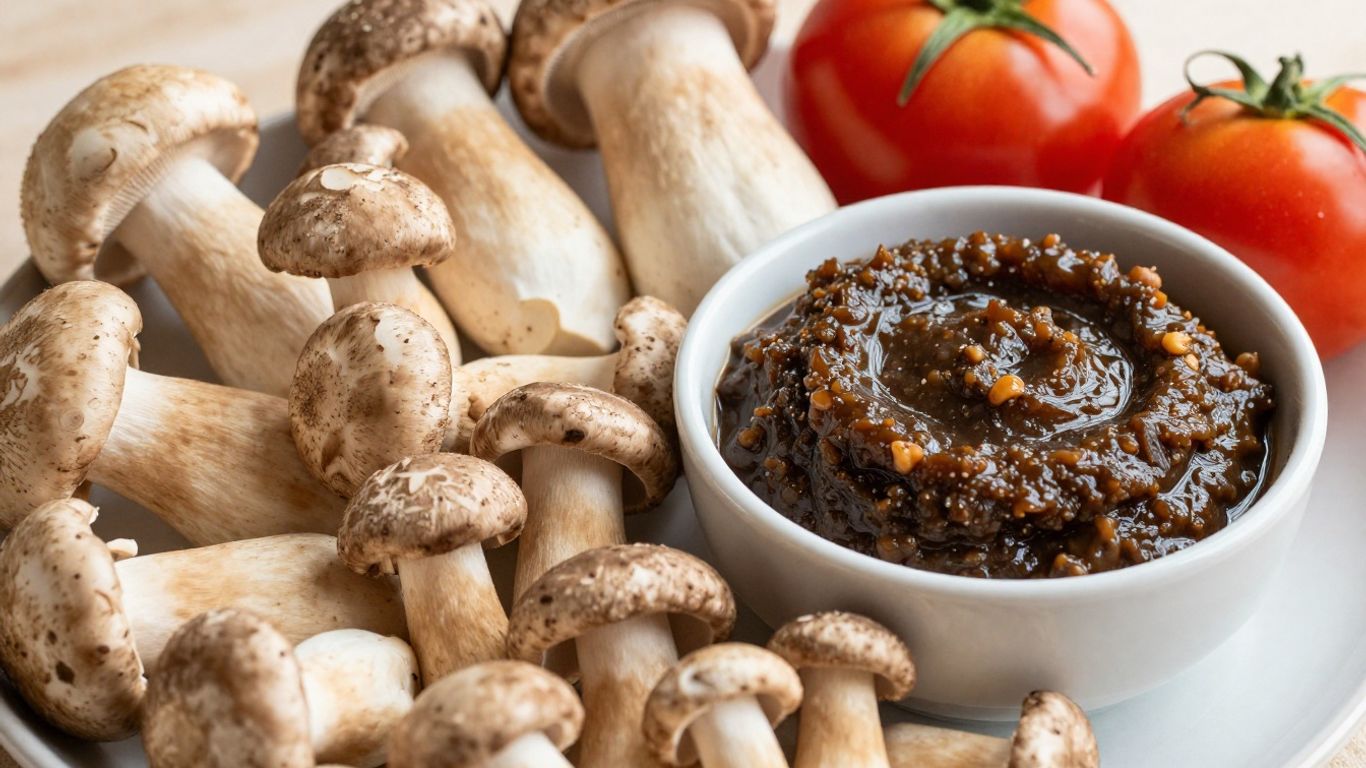
So, you want to make food that tastes really good, but you’re trying to cut back on meat? I get it. Sometimes, vegetarian meals can feel a little… plain. But it doesn’t have to be that way! There’s this whole world of flavor called umami, and guess what? You don’t need meat to get it. We’re talking about mushrooms, tomatoes, miso, and a bunch of other cool stuff that can make your food sing. It’s all about knowing a few tricks and using the right ingredients. Let’s figure out how to get that deep, satisfying taste without ever needing a steak.
Key Takeaways
- Umami is the fifth taste, a savory flavor that makes food more satisfying, and it can be achieved without meat.
- Mushrooms, tomatoes, and miso paste are superstar ingredients for building umami in plant-based dishes.
- Cooking methods like roasting, caramelizing, and slow cooking help concentrate and intensify natural umami flavors.
- Fermented foods such as miso, soy sauce, and even olives add complex savory notes.
- Combining different umami-rich ingredients and using them strategically creates dishes with deep, satisfying flavor.
Understanding The Fifth Taste: Umami
What Is Umami?
Most of us know about the basic tastes: sweet, sour, salty, and bitter. But there’s a fifth one, and it’s a big deal when it comes to making food taste really satisfying. It’s called umami, a Japanese word that basically means "pleasant savory taste." Think of that deep, mouthwatering flavor you get from a rich broth, aged cheese, or even a perfectly ripe tomato. It’s not quite salty, not quite sweet, but it’s that savory quality that makes you want to take another bite. It lingers a bit on your tongue and makes your mouth water, signaling that what you’re eating is deeply flavorful and good.
The Science Behind Plant-Based Umami
So, what makes something taste like umami? It all comes down to a specific type of molecule called glutamate. When glutamate is in its "free" form, meaning it’s not chemically bound up in proteins, our taste buds can detect it, and our brain registers it as umami. Many foods naturally contain glutamate, but certain cooking methods and processes, like fermentation or aging, can break down proteins and release more of this free glutamate. This is why things like aged cheeses, cured meats, and fermented products like miso are packed with umami. The good news for plant-based eaters is that many vegetables and fruits also contain significant amounts of free glutamate, especially when they’re ripe or have been treated in specific ways.
Here’s a quick look at some common sources:
- Glutamate-Rich Foods: Tomatoes, mushrooms, seaweed, peas, corn, and potatoes.
- Fermented Foods: Miso, soy sauce, tempeh, and nutritional yeast.
- Aged Ingredients: Aged cheeses (like Parmesan), black garlic.
Umami’s Role in Savory Satisfaction
Umami is like the flavor foundation that makes dishes feel complete and deeply satisfying. When a dish is lacking in umami, it can sometimes feel a bit flat or like something is missing, even if it has the right balance of sweet, salty, sour, and bitter. It’s that savory depth that meat often provides, which is why people sometimes worry about vegetarian or vegan meals being bland. But understanding umami helps us realize that we can achieve that same satisfying richness using plant-based ingredients. It’s the secret weapon for making meatless meals taste just as hearty and delicious as their meaty counterparts, encouraging us to keep eating and enjoying every bite.
The presence of umami in food is a signal to our bodies that the food is rich in protein and nutrients, which is why we naturally crave it. It plays a significant role in our overall perception of flavor and our satisfaction with a meal.
The Powerhouse Ingredients For Umami Without Meat
When you’re aiming for that deeply satisfying, savory taste without relying on meat, you’ve got some incredible plant-based allies. These ingredients don’t just add a hint of flavor; they bring a whole lot of oomph to your cooking, making meatless meals truly memorable. It’s all about tapping into the natural glutamate found in plants, which our brains register as that delightful savory sensation.
Mushrooms: Earthy Depth And Versatility
Mushrooms are like nature’s little flavor sponges. Different varieties bring different notes, from the mild, almost buttery taste of white buttons to the intense, smoky character of shiitakes. When you cook them, especially by roasting or sautéing, you concentrate their natural glutamates, creating a rich, meaty texture and flavor.
- Shiitake: Known for their robust, smoky flavor and meaty texture.
- Cremini/Baby Bella: A good all-rounder with a mild, earthy taste.
- Oyster: Delicate flavor and a slightly chewy texture.
- Porcini (often dried): Offers an intensely earthy and nutty profile.
Dried mushrooms, in particular, are umami bombs. Rehydrating them not only gives you a flavorful liquid to use in stocks or sauces but also concentrates their savory compounds significantly.
Tomatoes: Concentrated Savory Sweetness
Tomatoes, especially when ripe and cooked down, are a fantastic source of umami. The process of ripening and cooking breaks down their cell walls, releasing free glutamates. Think about the difference between a fresh, watery tomato and a slow-cooked marinara sauce – that depth of flavor is largely thanks to concentrated umami.
- Sun-dried tomatoes: These are incredibly potent, offering a chewy texture and an intense, sweet-savory punch.
- Tomato paste: A little goes a long way, providing a concentrated burst of umami.
- Roasted tomatoes: Roasting brings out their natural sugars and deepens their savory notes.
The magic of tomatoes lies in their transformation. Whether dried under the sun or simmered into a rich sauce, their inherent savory qualities become more pronounced, adding a complex sweetness that balances perfectly with other flavors.
Miso Paste: Fermented Complexity
Miso paste, a staple in Japanese cuisine, is made from fermented soybeans (and sometimes rice or barley). This fermentation process is key, as it breaks down proteins into amino acids, including glutamate. The result is a paste with a salty, deeply savory, and complex flavor profile that can transform a dish.
Miso comes in various types, each with a different intensity:
- White Miso (Shiro Miso): Mild, slightly sweet, and less salty. Great for lighter dishes, dressings, and marinades.
- Yellow Miso (Shinshu Miso): A bit more robust than white, with a balanced salty-sweet flavor. Versatile for soups, glazes, and sauces.
- Red Miso (Aka Miso): Strongest and saltiest, with a deep, earthy, and fermented taste. Perfect for hearty stews, braises, and robust marinades.
Elevating Flavors Through Culinary Techniques
Knowing which ingredients pack an umami punch is just the first step. How you prepare them can make a world of difference in bringing out those deep, savory notes. These methods are key to transforming simple plant-based ingredients into something truly satisfying.
Roasting And Caramelization For Intensity
When you roast vegetables like mushrooms, onions, or even tomatoes, you’re essentially coaxing out their natural sugars. This process leads to caramelization, which intensifies their inherent umami flavor. Think about the difference between raw onions and deeply caramelized ones – it’s night and day. This technique is fantastic for building a rich base for sauces, stews, or even just as a side dish.
Deglazing To Capture Flavorful Bits
After you’ve sautéed vegetables or seared plant-based proteins, you’ll often find browned bits stuck to the bottom of the pan. Don’t let those go to waste! Deglazing means adding a liquid – like vegetable broth, wine, or even water – to the hot pan and scraping up those flavorful bits. This process incorporates all that concentrated flavor into your sauce, soup, or gravy, adding a layer of complexity that’s hard to achieve otherwise.
Slow Cooking For Concentrated Depth
Simmering ingredients slowly over a longer period allows flavors to meld and concentrate. This is especially effective for building deep, savory broths and hearty stews. As the liquid reduces, the umami compounds from vegetables, herbs, and spices become more potent. It’s a patient technique, but the resulting depth of flavor is well worth the wait.
The magic of these techniques lies in their ability to transform the familiar. By applying heat strategically and capturing every bit of flavor, we can coax out a profound savoriness from ingredients that might otherwise seem ordinary. It’s about working with the ingredients, not just cooking them.
Here’s a quick look at how these techniques impact flavor:
- Roasting/Caramelization: Breaks down sugars, intensifies natural umami, adds sweetness.
- Deglazing: Captures browned bits (fond), adds complexity and depth to liquids.
- Slow Cooking: Concentrates flavors through reduction, melds ingredients, builds rich bases.
Fermentation And Ageing: Building Richness
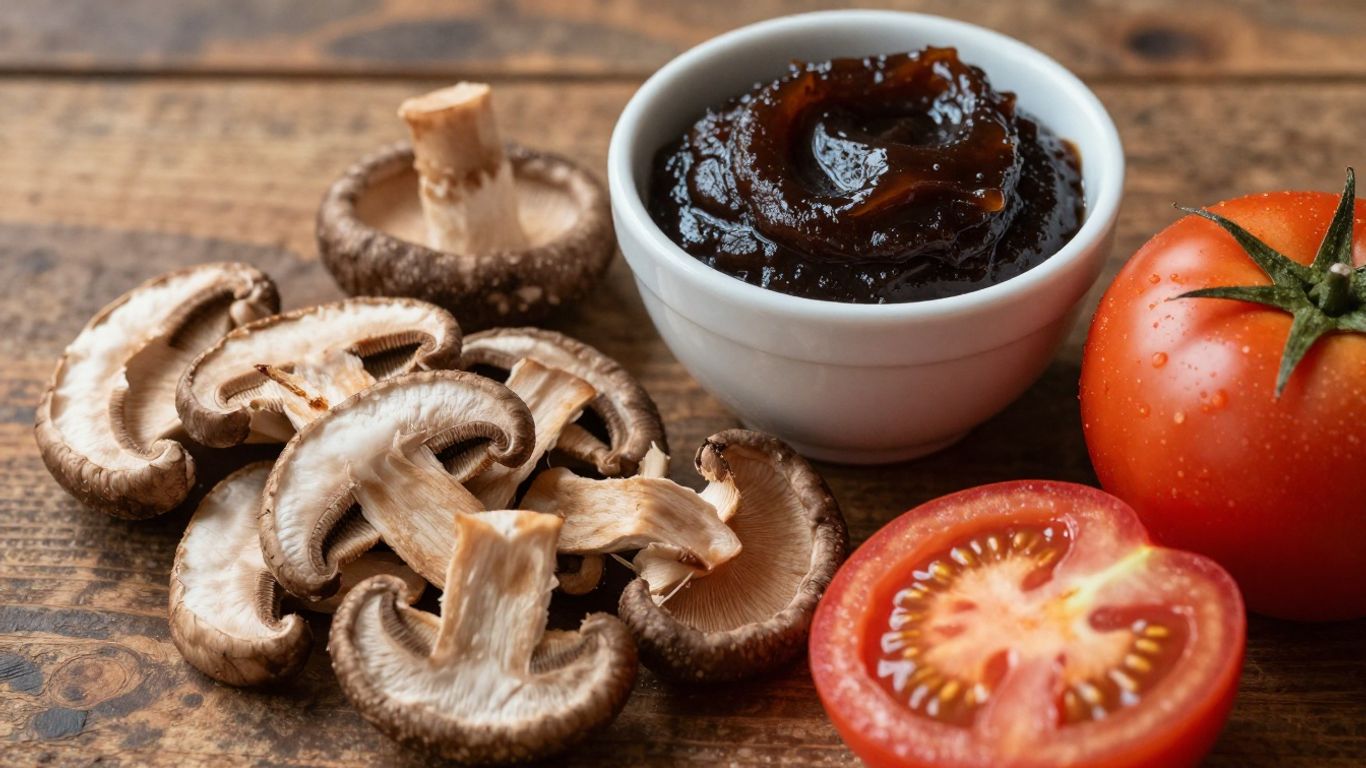
Fermentation and ageing are like slow-cooking for flavor. They take simple ingredients and, over time, transform them into something with way more depth. Think about it: that plain soybean paste becomes miso, or simple garlic turns into black garlic. It’s a process that really builds up that savory, umami taste.
The Magic Of Miso And Black Garlic
Miso paste is a prime example. Depending on how long it ferments and what kind of soybeans are used, you get different flavors. White miso is usually milder, good for lighter dishes. Yellow miso has a bit more punch, and red miso? That’s where you get some serious umami power. It’s not just for soup, either. A little miso can add a savory kick to mashed potatoes, salad dressings, or even a quick sauce. Just remember, it’s potent, so start with a small amount.
Black garlic is another wonder. It’s made by aging regular garlic under controlled heat and humidity for weeks. This process turns the cloves black, soft, and gives them a sweet, balsamic-like flavor with a deep umami undertone. It’s fantastic mashed into dips, spread on toast, or stirred into pasta sauces.
Fermented Sauces For Savory Boosts
Beyond miso, there are tons of fermented sauces that can bring umami to your plate. Soy sauce and tamari are classics, adding a salty, savory note to everything from stir-fries to marinades. Hoisin sauce, often made from fermented soybean paste, offers a rich, slightly sweet, and deeply savory flavor that works well as a vegetarian substitute for oyster or fish sauce. Even vinegars, especially balsamic and sherry wine vinegar, develop complex, savory notes through their aging process.
These fermented products are not just about adding saltiness; they introduce a complex layer of savory notes that mimic the richness often associated with meat. They are the backbone of many deeply flavored vegetarian dishes.
Briny Olives And Capers As Flavor Enhancers
Don’t forget about briny ingredients like olives and capers. Olives, especially varieties like Kalamata, have a distinct savory flavor that comes from their curing process. Capers, which are flower buds preserved in salt or brine, offer a sharp, salty, and slightly pungent umami punch. Both are great additions to pasta dishes, salads, vegetable sautés, and stews, adding a bright yet savory dimension that wakes up other flavors in the dish.
Strategic Ingredient Layering For Maximum Impact
Combining Multiple Umami Sources
Think of umami like a choir. A single voice can be nice, but a whole choir singing together? That’s where the real magic happens. The same goes for building savory depth in plant-based cooking. Instead of relying on just one ingredient, combining several umami-rich players in a single dish creates a much more complex and satisfying flavor profile. It’s about building layers, where each ingredient contributes its own unique savory note, and together they create something far greater than the sum of their parts.
For example, a simple mushroom soup can be taken to the next level by not just using fresh mushrooms, but also adding a splash of soy sauce or tamari, a dollop of miso paste, and perhaps some sun-dried tomatoes. Each of these brings a different kind of savory character – the earthy depth of mushrooms, the salty tang of soy, the fermented richness of miso, and the concentrated sweetness of tomatoes. This combination doesn’t just make the soup taste more
Peak Produce And Dried Delights
Harnessing Ripeness For Flavor
When fruits and vegetables are at their absolute best, their natural flavors are concentrated, and that includes their umami potential. Think about a perfectly ripe tomato, bursting with sweetness and a deep, savory note. Or a sweet corn cob, its kernels plump and juicy. Even simple carrots, when roasted until their sugars caramelize, develop a wonderful savory depth. The key is to use produce when it’s in season and at its peak ripeness. This natural concentration of flavor means you’re starting with a more robust base for any dish, requiring less manipulation to achieve that satisfying umami taste.
The Intense Umami Of Dried Ingredients
Don’t underestimate the power of drying! When water is removed from ingredients like mushrooms or tomatoes, their umami compounds become much more concentrated. Dried shiitake mushrooms, for example, have a far more intense, earthy flavor than their fresh counterparts. Rehydrating them not only brings back their texture but also infuses the cooking liquid with a potent umami broth. Similarly, sun-dried tomatoes offer a chewy texture and a sweet, tangy, and deeply savory punch that can transform pasta sauces, stews, or even just a simple salad.
Here’s a quick look at how drying impacts umami:
| Ingredient | Fresh Umami Level | Dried Umami Level |
|---|---|---|
| Shiitake Mushroom | Moderate | Very High |
| Tomato | Moderate | High |
| Seaweed (Kombu) | High | Very High |
Using dried ingredients is a fantastic way to add a complex, savory backbone to your cooking, especially when fresh produce might be out of season or less flavorful. It’s a pantry staple for anyone looking to build deep, satisfying flavors without meat.
Beyond The Basics: Additional Umami Boosters
While mushrooms, tomatoes, and miso are fantastic starting points for plant-based umami, there’s a whole world of other ingredients that can add that satisfying savory depth to your cooking. Think of these as your secret weapons for making vegetarian and vegan dishes truly sing.
Sea Vegetables For Oceanic Savory Notes
Sea vegetables, like kombu (kelp) and nori, bring a unique, slightly briny, and deeply savory flavor to dishes. Kombu is particularly famous for its high glutamate content, making it a powerhouse for broths and stocks. Nori, often used for sushi, can be crumbled into soups or sprinkled over salads for an unexpected umami kick.
- Kombu: Excellent for making dashi, the foundational broth in Japanese cuisine.
- Nori: Adds a subtle oceanic flavor and can be used as a garnish or seasoning.
- Wakame: Often found in miso soup, it offers a tender texture and mild umami.
Roasted Nuts And Seeds
Roasting nuts and seeds doesn’t just make them crunchy; it transforms their flavor, bringing out a nutty richness and a surprising amount of umami. Walnuts, for instance, can add a pleasant bitterness that balances other flavors, while toasted sunflower or pumpkin seeds can be blended into sauces or pestos for added complexity.
Green Tea’s Subtle Savory Contribution
It might sound unusual, but green tea, especially certain varieties like matcha or roasted green tea (hojicha), can contribute a subtle savory note. The umami in green tea comes from its amino acids. A small amount of brewed green tea can add an interesting layer to marinades or even be used in dressings. It’s a delicate addition, so start with a small amount to see how it plays with your other ingredients.
Inspiring Recipes For Umami Exploration
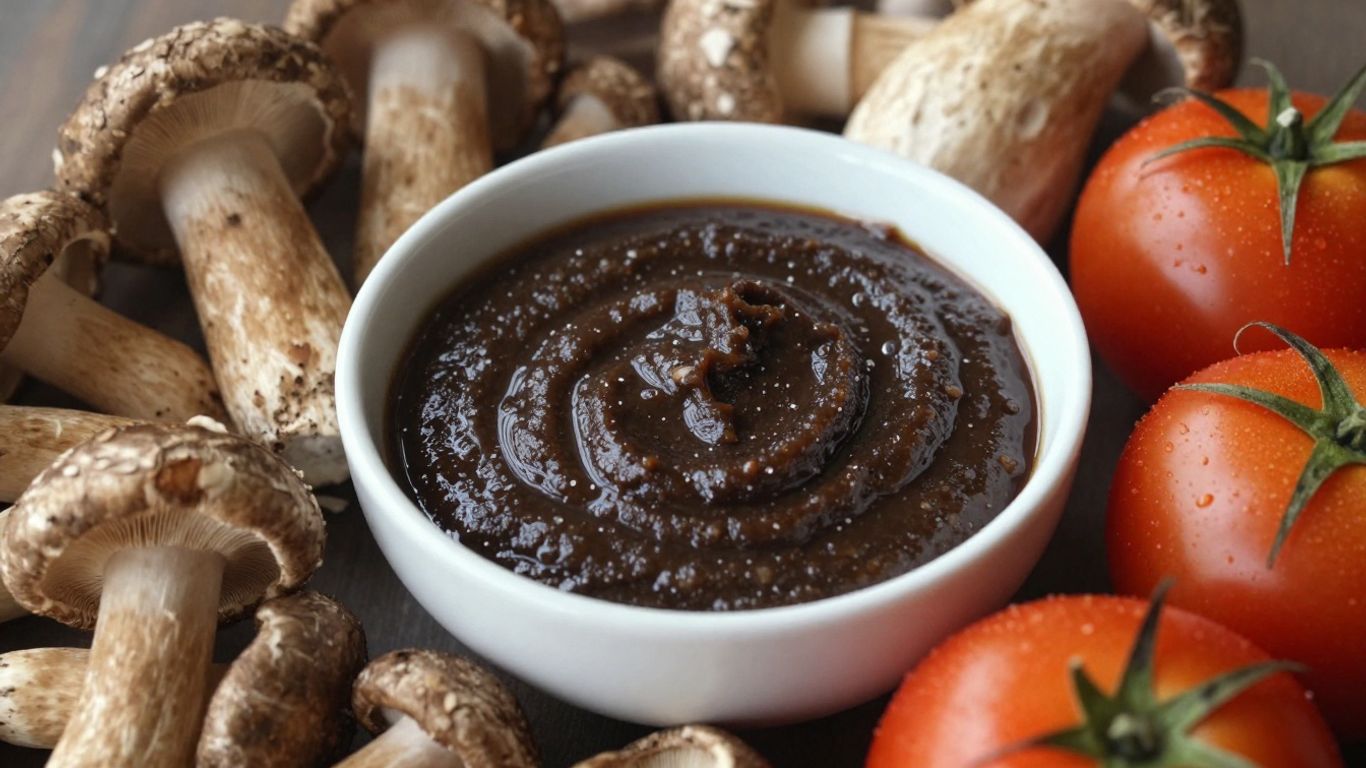
Ready to put your newfound knowledge of umami into practice? It’s time to get cooking! We’ve gathered some ideas that really let those savory flavors shine, proving that you don’t need meat to create deeply satisfying dishes. These recipes are designed to be approachable, whether you’re a seasoned cook or just starting to explore the world of plant-based deliciousness.
Hearty Lentil and Field Pea Dishes
Lentils and field peas are fantastic bases for building rich, savory meals. Their earthy notes pair wonderfully with umami-rich ingredients. Think about a slow-cooked lentil stew with plenty of caramelized onions and a splash of soy sauce, or a hearty field pea soup simmered with dried mushrooms. These dishes are perfect for a comforting meal, especially on a cooler evening.
- Lentil Shepherd’s Pie: A classic comfort food made vegan. Top a savory lentil and vegetable filling with creamy mashed sweet potatoes.
- Field Pea and Mushroom Ragout: Slow-simmered field peas with a medley of sautéed mushrooms and a touch of tomato paste for depth.
- Spicy Lentil Chili: Packed with beans, lentils, and a blend of spices, finished with a dash of liquid aminos for an extra savory kick.
These dishes often benefit from a long, slow simmer. This allows the flavors to meld and deepen, creating a complex taste profile that’s incredibly satisfying.
Caramelized Onion and Roasted Eggplant Delights
Caramelizing onions and roasting eggplant are two simple techniques that bring out incredible sweetness and savory notes. The natural sugars in onions transform into a deep, rich flavor when cooked low and slow, while roasted eggplant develops a tender, almost meaty texture with a subtle smokiness. Combine them in a pasta sauce, a topping for bruschetta, or as a side dish.
- Roasted Eggplant Dip: Smoky roasted eggplant blended with tahini, garlic, and a squeeze of lemon. Serve with warm pita.
- Caramelized Onion Tart: A flaky pastry filled with sweet, slow-cooked onions and a hint of thyme.
- Eggplant and Tomato Bake: Layers of thinly sliced eggplant and tomatoes baked with herbs and a drizzle of olive oil.
Umami-Rich Soups and Stews
Soups and stews are natural vehicles for umami. By combining ingredients like mushrooms, tomatoes, miso, and nutritional yeast, you can create broths that are incredibly flavorful and complex. Don’t be afraid to experiment with different combinations to find your favorite savory profiles. A good vegetable broth, perhaps made with roasted vegetable scraps, is a great starting point.
- Mushroom Barley Soup: A robust soup featuring a variety of mushrooms, hearty barley, and a rich vegetable broth.
- Tomato and White Bean Stew: A bright yet savory stew with canned tomatoes, creamy white beans, and a sprinkle of nutritional yeast.
- Roasted Red Pepper and Smoked Paprika Soup: Sweet roasted peppers blended with vegetable broth and smoked paprika for a deep, smoky flavor.
The key to a truly satisfying umami soup is layering flavors. Start with a good aromatic base, add your primary umami ingredients, and finish with a touch of something bright like lemon juice or a dash of vinegar to balance the richness.
Ready to dive into the amazing world of umami? This section, "Inspiring Recipes For Umami Exploration," is your starting point for discovering delicious new flavors. We’ve got simple ideas to help you create dishes that are packed with that savory goodness. Want to learn more about making your meals taste incredible? Visit our website for tons of tasty inspiration!
Embracing the Savory: Your Umami Journey Begins
So, we’ve explored how mushrooms, miso, and tomatoes, along with a host of other plant-based ingredients, can bring that deeply satisfying savory flavor – umami – to your cooking. It’s not about missing out on meat; it’s about discovering a whole new world of taste. By using techniques like roasting, slow cooking, and layering flavors, you can transform simple vegetables into incredibly rich and complex dishes. Whether you’re a seasoned cook or just starting out, don’t be afraid to experiment. Add a spoonful of miso to your soup, roast some mushrooms until they’re golden brown, or let tomatoes simmer into a rich sauce. These ingredients are readily available, and the possibilities are truly endless. Get into your kitchen and start building those delicious, savory meals. Your taste buds will thank you.
Frequently Asked Questions
What exactly is umami?
Umami is basically the fifth taste, like sweet, sour, salty, and bitter. It’s a yummy, savory flavor that makes food taste really satisfying and makes you want to eat more. Think of it as a deep, rich taste that lingers on your tongue.
Can I get umami from plants, or is it only in meat?
You can totally get umami from plants! Many vegetables and other plant-based foods naturally have this savory taste. Things like mushrooms, ripe tomatoes, and fermented foods are packed with umami, so you don’t need meat to make your food taste great.
Which plant foods are the best for adding umami?
Some of the superstars for plant-based umami include mushrooms (especially shiitake and porcini), sun-dried or roasted tomatoes, and miso paste. Fermented sauces like soy sauce and tamari are also great. Even things like seaweed and nutritional yeast can give your food a big umami boost.
How does cooking change the umami in vegetables?
Cooking methods like roasting and caramelizing can really bring out the umami in vegetables. When you roast veggies like mushrooms or onions, their natural sugars get concentrated, making them taste sweeter and more savory. It’s like unlocking a hidden flavor!
What is miso paste and why is it so good for umami?
Miso paste is made from fermented soybeans and has a really complex, savory flavor. The fermentation process creates a lot of umami. There are different kinds, like white, yellow, and red miso, with red miso being the most intense and savory.
Are there any other ingredients that can add a savory kick?
Absolutely! Briny things like olives and capers add a nice savory punch. Sea vegetables like kombu can give your dishes an oceanic, savory note. Even roasted nuts and seeds can add a subtle umami flavor and a nice texture.
What is nutritional yeast and how do I use it?
Nutritional yeast looks like yellow flakes and has a cheesy, nutty, and savory flavor. It’s a fantastic way to add umami to vegan dishes, especially if you’re missing the taste of cheese. You can sprinkle it on pasta, soups, sauces, or even popcorn!
How can I layer different umami flavors in one dish?
Layering is key! Try using more than one umami-rich ingredient in your cooking. For example, you could use mushrooms in a sauce and then finish it with a splash of soy sauce and a bit of tomato paste. This creates a much deeper and more satisfying flavor.