
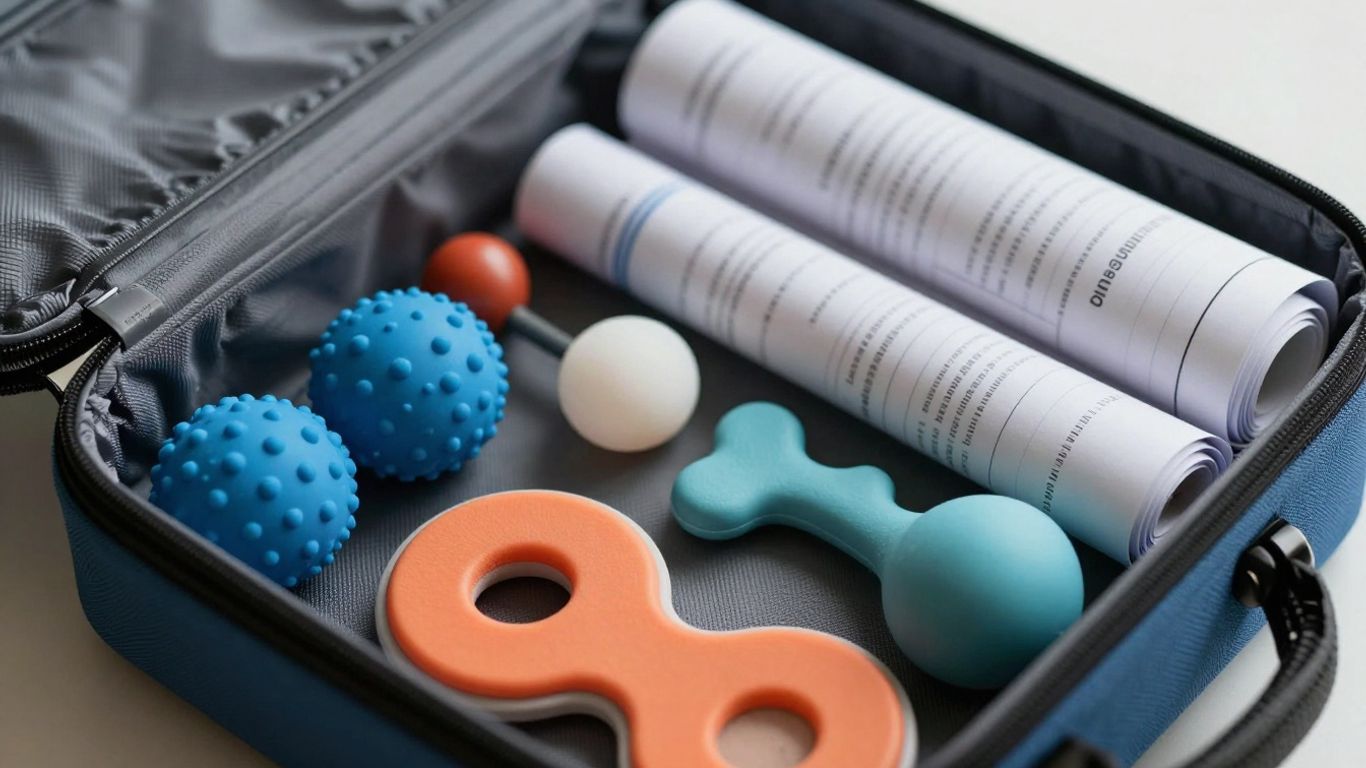
Some evenings just feel harder than others, right? When the day’s done and you’re just trying to wind down, but your brain feels like it’s still running a marathon, it can be tough. That’s where a personal comfort kit comes in. Think of it as your own little survival pack for those moments when you need a bit of extra support to feel calm and grounded. It’s all about having familiar, soothing things ready to go. This article explores how to build and use your very own urge first aid kit.
Key Takeaways
- An urge first aid kit is a personal collection of items and strategies to help manage difficult feelings or overstimulation, especially during evenings.
- Sensory tools like fidgets, calming scents, and soothing sounds can provide immediate relief and help regulate your nervous system.
- Words, such as affirmations or journaling, can be powerful for processing emotions and reinforcing a sense of self-worth.
- Gentle movement and mindful activities can help release physical tension and promote a sense of peace.
- Building and integrating your urge first aid kit into your routine, along with seeking support, are key to effectively using it when you need it most.
Understanding Your Urge First Aid Kit
Think of your Urge First Aid Kit as your personal, portable sanctuary. It’s a collection of items and strategies that help you feel more grounded and at ease, especially when things feel a bit much. It’s not about fixing everything, but about having tools ready to help you manage when things get tough. Building this kit is a personal journey, and what works for one person might not work for another. It’s about paying attention to what genuinely soothes you.
The Purpose of a Personal Comfort Kit
A comfort kit isn’t just a random assortment of things; it’s a deliberate collection designed to support your well-being. When you’re feeling overwhelmed, anxious, or just plain out of sorts, having these items readily available can make a significant difference. It’s a proactive way to care for yourself, offering immediate relief and a sense of control. It’s like having a little toolbox for your emotions, filled with things that bring you back to a calmer state. This approach acknowledges that everyone experiences difficult moments, and having a plan can help you move through them more smoothly. It’s about building resilience, one comforting item at a time.
Identifying Triggers for Overwhelm
Knowing what sets you off is like having a map for avoiding the worst of it. It’s not about being difficult; it’s about understanding your own needs. Some common triggers include:
- Crowded Stores: The sheer number of people, the noise, the endless choices.
- Busy Public Transport: The close proximity to others, the unpredictable sounds, the smells.
- Loud Social Gatherings: Music, overlapping conversations, unexpected noises.
Understanding your personal triggers is a key step in managing overwhelm. It allows you to prepare or even avoid situations that might be too much, giving you a greater sense of agency over your emotional state.
Curating Your Personal Comfort Kit
Building this kit is a personal journey. What works for one person might not work for another. It’s about paying attention to what genuinely soothes you. Consider these categories when gathering your items:
- Tactile Tools: Fidget toys, textured objects, soft fabrics.
- Auditory Comfort: Noise-canceling headphones, calming music playlists.
- Scripts & Affirmations: Pre-written comforting phrases, journaling prompts.
- Mini-Movements: Resistance bands, stress balls for gentle exercise.
Remember, the goal is to have a collection of items that are easily accessible and can provide immediate, albeit temporary, relief. It’s like having a little bit of peace in your pocket.
Tactile Tools for Grounding and Soothing
Our sense of touch is a really direct line to our nervous system. When things get a bit much, engaging with different textures can be a surprisingly effective way to feel more present and calm. It’s like giving your hands something to focus on, which can help quiet a racing mind.
The Power of Touch in Calming Senses
Think about how a soft blanket feels on a cold day, or the smooth coolness of a stone in your hand. These simple sensations can have a big impact on how we feel. When you’re feeling overwhelmed, focusing on a physical sensation can pull you out of a spiral of thoughts and back into your body. It’s a way to anchor yourself in the here and now, which is super helpful when your mind is elsewhere.
Exploring Fidgets and Textured Objects
This is where the fun really begins. Fidget toys and various textured items are fantastic for this. They give your hands something to do, providing a gentle distraction and a point of focus. There’s a huge variety out there, from simple squishy balls and stress putty to more intricate items with different moving parts. The key is to find something that feels good to you. It might be something smooth and cool, something soft and fuzzy, or something with a satisfying click or texture.
Here are a few ideas to get you started:
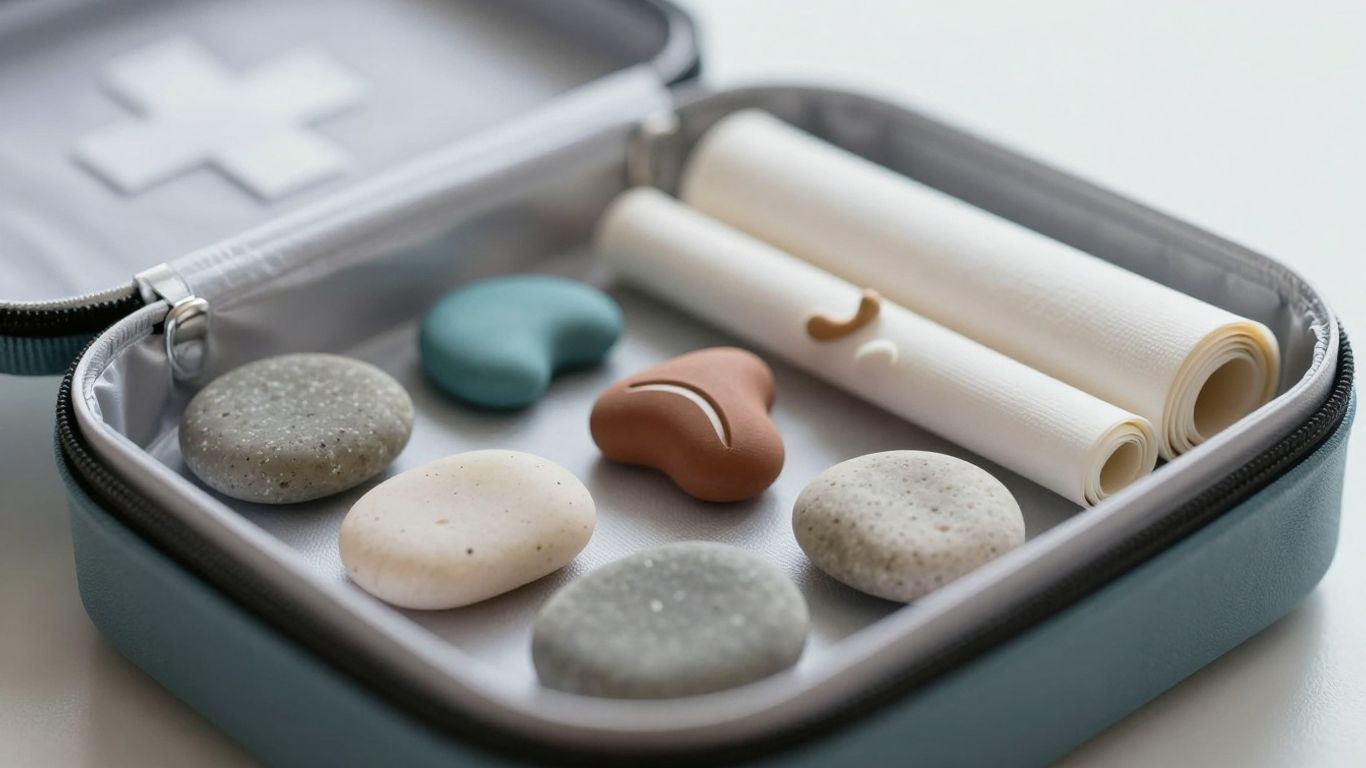
- Smooth Stones or Worry Stones: Easy to carry, cool to the touch, and nice to rub your thumb over.
- Textured Fabrics: A small piece of velvet, faux fur, or even a ribbed knit can offer a distinct sensory experience.
- Fidget Spinners or Cubes: These offer repetitive motion and can be discreetly used.
- Stress Balls or Putty: Great for squeezing and releasing physical tension.
- Soft Plushies: For a comforting, gentle feel.
Selecting Satisfying Sensory Inputs
What feels good is really personal. Some people find comfort in repetitive, predictable motions, while others prefer a more varied tactile experience. Maybe you like the feeling of something slightly sticky, or perhaps something that offers a bit of resistance when you press it. Experimenting with different items is the best way to discover what truly soothes your senses. Don’t be afraid to try a few things out. What one person finds calming, another might find distracting. It’s all about building a collection that feels like a natural extension of your own comfort.
The goal isn’t to find the most complex or expensive item, but rather something that provides a simple, satisfying sensory input when you need it most. It’s about creating a small, personal moment of calm through touch.
Auditory Comfort and Sensory Regulation
Sound can really mess with us, can’t it? One minute it’s just background noise, the next it’s like a siren going off in your head. That’s where thinking about your ears comes in. Your urge kit can have things that help you manage what you hear, or don’t hear.
Creating a Calming Soundscape
Sometimes, the best thing is to add sounds that make you feel good. Think about what sounds actually make you feel more relaxed. For some, it’s the gentle patter of rain, for others, it might be instrumental music without lyrics. You could even try nature sounds, like ocean waves or a forest ambiance. White noise or brown noise can also be surprisingly effective at just smoothing out the rough edges of other noises.
- Nature Sounds: Birdsong, rain, ocean waves.
- Music: Instrumental, ambient, lo-fi beats.
- Noise Generators: White noise, pink noise, brown noise.
The Role of Noise-Canceling Options
Other times, it’s not about adding sound, but about taking it away. If you’re in a busy place, like a cafe or on public transport, the sheer amount of noise can be overwhelming. Having something to block out that extra sound can be a lifesaver. This could be simple earplugs, or if you want something more, noise-canceling headphones. Even if you’re not playing anything through them, just wearing them can create a bubble of quiet that helps you feel more in control.
Sometimes, the absence of noise is the most comforting sound of all. It allows your brain a moment to just… be.
Curating Soothing Music Playlists
Making your own playlists is a great way to have exactly what you need, when you need it. Think about songs that have helped you feel better in the past. Are they slow and gentle? Do they have a steady rhythm? You can create different playlists for different moods or situations. Maybe one for when you need to focus, another for when you just need to unwind. It’s about having a go-to collection of sounds that you know work for you.
Here’s a quick way to think about building your playlist:
- Identify Your Go-To Genres: What kind of music usually calms you?
- Select Specific Tracks: Pick songs that have a positive association or a soothing quality.
- Organize by Mood: Create separate playlists for different needs (e.g., ‘Focus,’ ‘Relax,’ ‘Uplift’).
- Test and Refine: Listen to your playlists when you’re feeling overwhelmed and see how they affect you. Adjust as needed.
Scripts and Affirmations for Emotional Support
Sometimes, when things feel overwhelming, our own thoughts can become our biggest challenge. That’s where having some pre-prepared words, like scripts or affirmations, can really help. Think of them as little anchors for your mind when the waves get rough. They’re not magic cures, but they can offer a moment of calm and a different perspective.
Words as Anchors in Difficult Moments
When you’re feeling swamped, your brain might go into overdrive, replaying worries or negative self-talk. Having a few simple phrases ready can interrupt that cycle. These aren’t about pretending everything is fine when it’s not; they’re about acknowledging the difficulty while reminding yourself of your own strength and resilience. These words can act as a gentle guide back to a more stable place. They help you remember that feelings, even intense ones, are temporary.
Crafting Personal Affirmations
Affirmations are positive statements you repeat to yourself. The key is to make them feel believable and relevant to you. Instead of something generic, try to tailor them to what you actually need. For example, if you tend to feel like you’re not doing enough, an affirmation like "I am doing my best, and that is enough" can be more helpful than a vague "I am successful."
Here are a few ideas to get you started:
- "I can handle this, one step at a time."
- "My feelings are valid, and they will pass."
- "I am safe in this moment."
- "I am breathing in calm, and breathing out tension."
It might feel a bit awkward at first, especially if you’re not used to talking kindly to yourself. But the more you practice, the more these phrases can start to feel like genuine support. It’s about building a more positive internal conversation.
Utilizing Journaling for Emotional Processing
Writing things down can be a powerful way to sort through complex emotions. You don’t need to be a writer; just let your thoughts flow onto the page. This is a private space to explore what’s going on without any judgment.
Consider these approaches:
- Free Writing: Set a timer for 5-10 minutes and just write whatever comes to mind. Don’t stop, don’t edit, just let the words spill out.
- Prompted Writing: Use a specific question to guide your writing. For instance, "What is making me feel overwhelmed right now?" or "What is one small thing I can do to feel a little better?"
- Gratitude Listing: Jot down a few things you’re thankful for, no matter how small they seem. This can shift your focus.
Journaling helps you untangle difficult feelings and can offer a fresh perspective. It’s a way to understand your inner world better and can be a quiet refuge when you need it.
Mini-Movements for Physical Release
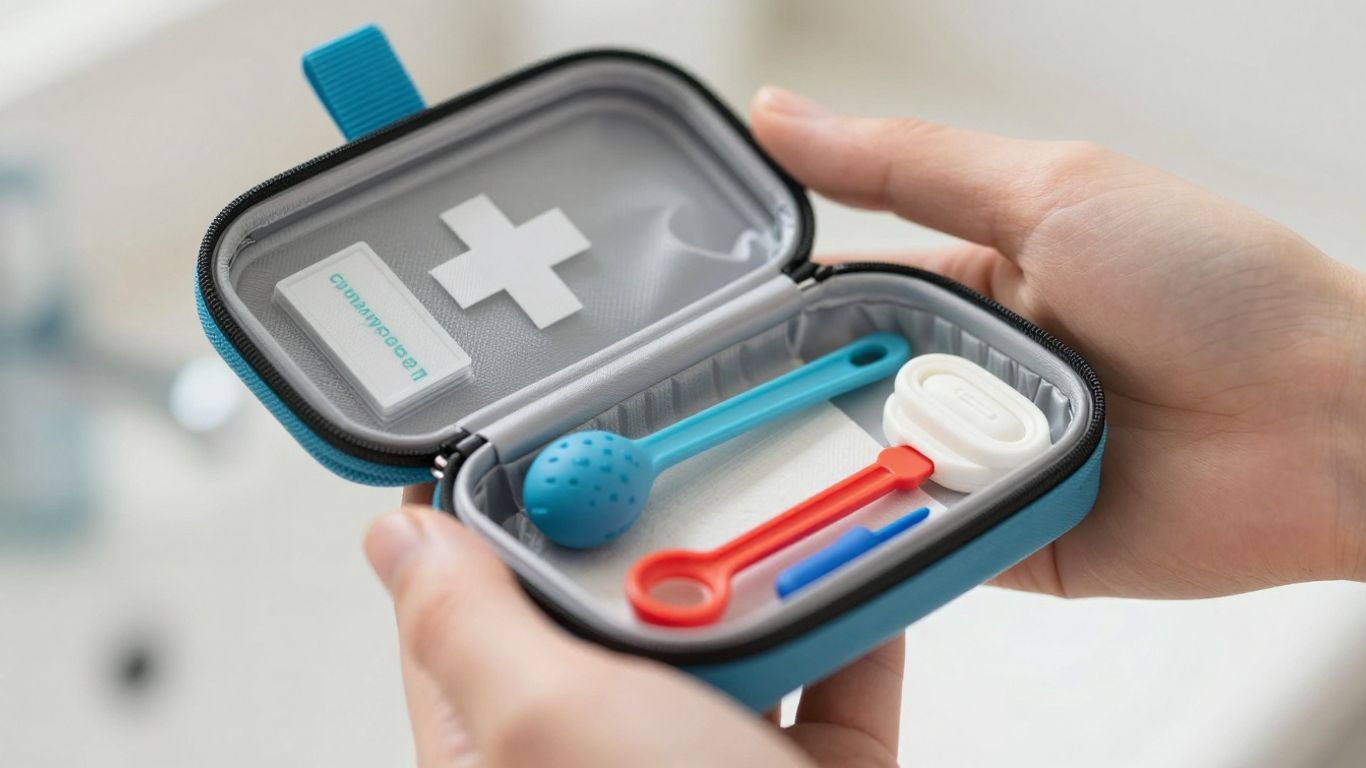
Sometimes, when things feel overwhelming, our bodies just hold onto that tension. It’s like a physical echo of what’s going on inside. That’s where mini-movements come in. These aren’t about breaking a sweat or hitting personal bests; they’re gentle ways to help your body let go of some of that built-up stress and just feel a bit more settled. Think of them as small acts of kindness for yourself when you need them most.
Gentle Movements for Tension Relief
When we’re feeling stressed, our muscles can get really tight without us even noticing. Simple, slow movements can help ease that tightness. You don’t need a lot of space or any special gear for these. Just a few minutes can make a difference.
- Neck Rolls: Slowly tilt your head towards one shoulder, hold for a breath, then gently bring your chin towards your chest. Roll to the other side. Repeat a few times, moving with your breath.
- Shoulder Shrugs: Take a deep breath in and shrug your shoulders up towards your ears, holding the tension for a second. As you exhale, let your shoulders drop completely. Do this a few times to loosen up your upper back and neck.
- Wrist and Ankle Circles: Extend your arms and legs and gently rotate your wrists and ankles in circles, first one way, then the other. This can help release stiffness from sitting or holding tension.
Mindful Activities for Peace
Mindful movement is about paying attention to how your body feels as you move. It’s not about how far you go or how fast, but about being present with each sensation. This can help pull your focus away from racing thoughts and ground you in the moment.
The key is to be present with each sensation. For instance, when you walk, notice the feeling of your feet on the ground or the air on your skin. This practice can help ground you and pull your focus away from racing thoughts.
Consider activities like:
- Slow Walking: Pay attention to the feeling of your feet hitting the ground, the swing of your arms, and the air around you.
- Gentle Stretching: Hold stretches for a few breaths, noticing where you feel the sensation in your body without pushing too hard.
- Swaying: Simply sway your body gently from side to side, perhaps with some quiet music, feeling the movement through your feet and hips.
Releasing Physical Tension Through Motion
Sometimes, the most effective way to deal with emotional discomfort is to acknowledge the physical sensations that come with it and gently move through them. It’s about finding movement that feels good to you, whatever that looks like. Maybe it’s a slow dance in your living room, a few simple stretches, or even just shaking out your arms and legs. The goal is to find a way to move that feels less like a task and more like a way to reconnect with your body and find a bit of ease. Finding joy in motion, whatever that looks like for you, is the most effective movement.
Creating a Dedicated Space for Your Kit
Once you’ve put together your collection of comfort items, the next step is finding a good home for them. This isn’t just about tidiness; it’s about making sure your kit is ready and waiting when you need it most. Think of it as setting up a little haven for your self-care tools.
Designing Your Personal Sanctuary
Your kit’s home doesn’t need to be fancy. It could be a nice box you found at a craft store, a simple woven basket, or even a specific shelf in a cabinet. The main idea is that it’s yours and it’s easy to spot. Having a designated spot means you won’t be rummaging around when you’re already feeling stressed. It becomes a visual cue, a reminder that your comfort tools are right there. Some people like to keep their kit on their nightstand, while others prefer a spot in their living room or even a desk drawer at work. Wherever you choose, make sure it’s somewhere you can reach without a lot of fuss. This makes accessing your kit feel more like a helpful habit than a chore.
Making Your Kit Accessible and Inviting
To make your kit feel truly welcoming, consider how it looks and feels. You could decorate the container – maybe paint it, add some stickers, or tie a ribbon around it. This personal touch can make the space feel more special and inviting. It transforms a simple container into a small sanctuary, a place you’re happy to go to. The goal is to make it feel like a reliable friend, always ready to offer a bit of calm.
The Importance of a Designated Location
Having a specific place for your kit is more than just organization. It’s about building a routine and making self-care a natural part of your life. When your kit has a home, it’s easier to remember to use it. It also helps you keep track of what’s inside and when you might need to restock or swap items out. This consistent interaction is key to making your kit effective over time. It’s about creating a reliable resource that supports you without adding extra stress.
Here are a few ideas for where to keep your kit:
- Bedroom: On your nightstand or a dresser for easy access before sleep or upon waking.
- Living Area: On a coffee table or a shelf for quick grabs during the day.
- Workplace: In a desk drawer or on your desk if allowed, for managing work-related stress.
- Bag/Backpack: A smaller, portable version can be kept ready to go for outings.
The physical space you create for your kit acts as a tangible anchor for your emotional well-being. It’s a reminder that you have resources available to help you navigate challenging moments.
Integrating Your Kit into Daily Routines
Having a collection of comfort items is one thing, but making sure you actually use them is another. It’s easy to forget about your kit when you’re not actively feeling overwhelmed. The real benefit comes from weaving it into the fabric of your everyday life, so it’s there for you when you need it, without you having to think too hard.
Making Your Kit a Natural Part of Your Day
Think about small moments where you can interact with your kit. Maybe it’s a quick glance at your kit as you’re getting ready for bed, or perhaps you consciously pick out one item to hold while you’re watching TV. It doesn’t need to be a big event. These little touchpoints help build familiarity and reinforce the idea that your kit is a reliable resource. You could even place a few items from your kit in places you frequent, like a smooth stone on your desk or a favorite scent by your computer. This makes the comfort more accessible throughout the day, not just when you’re at home.
Consistent Interaction for Effectiveness
The more you engage with your kit, the more effective it becomes. It’s like any skill or tool – regular practice makes it more useful. Try to make a habit of checking in with your kit, even if it’s just for a minute. This consistent interaction helps you associate the items with feelings of calm and safety. Over time, reaching for something from your kit will become a more automatic response when you start to feel stressed or out of sorts. It’s about building a positive feedback loop where using the kit leads to feeling better, which in turn encourages you to use it more.
Setting Gentle Reminders for Use
Life gets busy, and it’s easy to let self-care fall by the wayside. If you find yourself forgetting to use your kit, consider setting gentle reminders. This could be a recurring alarm on your phone, a sticky note on your mirror, or even asking a trusted friend or family member to check in with you. The goal isn’t to add more pressure, but to create gentle nudges that encourage you to connect with your comfort tools. These reminders can be especially helpful during transitional times, like the start of the workday or the end of the evening, when you might be more susceptible to stress or overwhelm.
Navigating Overstimulation with Your Kit
Sometimes, the world just feels like too much, doesn’t it? Lights seem too bright, sounds too loud, and being around people can feel overwhelming. When those moments hit, your comfort kit is your personal shield. It’s about having a plan and the right tools ready to go, so you don’t get completely swamped.
Your Kit as a Personal Shield
Think of your comfort kit as your portable sanctuary. It’s a collection of items and strategies that help you feel more grounded and at ease when things get intense. It’s not about fixing everything instantly, but about having tools ready to help you manage when you feel like you’re losing your footing. This kit is a deliberate collection designed to support your well-being, offering immediate relief and a sense of control.
Proactive Use Before Intensity Peaks
Don’t wait until you’re already drowning in overwhelm to reach for your kit. The real magic happens when you use it before things get too intense. If you know you’re heading into a potentially overwhelming situation, like a trip to the grocery store or a family get-together, pack your kit. Having a quiet snack or a calming scent ready can make a huge difference. It’s about setting yourself up for success.
Consider these proactive steps:
- Pre-visit Prep: If you’re going somewhere new, check out pictures online or see if you can visit during a quieter time first. This helps you get a feel for the environment. For example, if you know a place has bright lights, you can plan to wear sunglasses or a hat.
- Pack Smart: Always have a few go-to items in your bag. A small fidget toy, a calming essential oil roller, or even just a comforting playlist can be a lifesaver.
- Set Boundaries: If possible, let people know what you need beforehand. A simple heads-up can prevent misunderstandings and make interactions smoother.
Adapting Your Kit for Various Environments
Your comfort kit isn’t a one-size-fits-all deal. What works for a noisy concert might not be what you need for a quiet afternoon at the library. Think about tailoring it to the situation.
| Situation | Potential Overwhelm | Kit Adaptations |
|---|---|---|
| Crowded Stores | Noise, crowds, sensory overload | Noise-canceling earbuds, a small fidget toy, a pre-planned shopping list |
| Busy Public Transport | Close proximity, unpredictable sounds, strong smells | A calming scent (like lavender), a book or podcast, a comfortable scarf |
| Loud Social Gatherings | Music, overlapping conversations, unexpected noises | A quiet corner plan, a discreet fidget, a comforting object to hold |
| Office Environment | Bright lights, background noise, interruptions | Blue-light glasses, a small desk plant, noise-reducing headphones, a stress ball |
Personalizing Your Urge First Aid Kit
Reflecting on Past Soothing Experiences
Think back to times when you felt a bit better, even just a little. What was happening? What did you have with you, or what were you doing? Maybe it was the feel of a soft blanket, the smell of a favorite tea, or listening to a specific song. These aren’t random; they’re clues to what genuinely helps you. Jotting these down can feel like detective work for your own well-being. It’s about noticing those small moments of comfort and figuring out what made them happen. Did a warm drink help when you were stressed? Did a quiet walk outside clear your head? These are the building blocks for a kit that actually works for you.
Tailoring Items to Individual Needs
Your kit should feel like a personal extension of yourself, not just a generic collection. What one person finds calming, another might find irritating. For instance, some people love the feel of smooth stones, while others prefer something squishy. Maybe a certain scent brings back good memories, or a particular texture helps you focus. It’s okay if your needs are different. The goal is to gather things that bring you back to a more centered place. Don’t be afraid to include items that seem unusual to others if they genuinely help you.
Here’s a way to start thinking about what might fit:
| Category | Potential Items for You |
|---|---|
| Touch | Soft fabric scraps, a smooth piece of sea glass, a small stress ball |
| Sound | Earplugs, a playlist of nature sounds, a small wind chime |
| Smell | A sachet of dried lavender, a small bottle of unscented lotion, a favorite lip balm |
| Sight | A small, colorful stone, a printed photo of a peaceful place, a small notebook |
| Taste | A few hard candies, a small tin of mints, a tea bag |
Experimenting to Discover What Works Best
Building your kit isn’t a one-and-done task. It’s more like an ongoing conversation with yourself. What worked last month might not be exactly what you need today. Try swapping things out. If a fidget toy isn’t getting much use, maybe try a different kind or something else entirely. Pay attention to how you feel after using an item. Did it help? Did it make things worse? The most effective kit is one that evolves with you. Be patient and give yourself permission to try new things and to change your mind. It’s all part of learning what brings you a sense of calm and control when you need it most.
Building a personalized kit is a journey of self-discovery. It’s about creating a tangible resource that speaks directly to your unique needs and experiences, offering comfort and support exactly when you need it.
Connecting with Supportive Communities
Finding Shared Experiences
Sometimes, the most comforting thing you can do for yourself is to remember you’re not the only one going through something. It’s easy to feel isolated when you’re struggling, but connecting with others who share similar experiences can make a huge difference. Think about online forums, local meet-up groups, or even just a trusted friend who gets it. These connections offer a space where you can talk openly without feeling judged. Sharing your story and hearing others’ can be incredibly validating. It’s like finding a little pocket of understanding in a big world.
The Value of Non-Judgmental Support
When you’re feeling overwhelmed or dealing with difficult emotions, having someone to turn to who won’t judge you is incredibly important. This kind of support means you can be your authentic self, sharing your struggles and your small victories without fear of criticism. It’s about having people who listen, offer a different perspective when you need it, or simply sit with you in silence. This kind of acceptance can be a powerful tool for emotional regulation and can help you feel more secure.
Building a Stronger Support System
Your urge first-aid kit is a personal resource, but it works best when it’s part of a larger network of support. This system can include friends, family, and even professionals. Building these connections takes time and effort, but the payoff is immense. It means you have multiple avenues to turn to when you need help, whether it’s a quick text to a friend or a scheduled session with a therapist. A strong support system acts like a safety net, catching you when you stumble and cheering you on when you succeed.
Here are some ways to build and utilize your support system:
- Identify your go-to people: Think about who you feel most comfortable talking to. Who listens without interrupting?
- Practice what you’ll say: Sometimes, it helps to jot down a few sentences beforehand, especially if you’re unsure how to start the conversation.
- Be specific about your needs: Do you need someone to just listen, offer advice, or provide a distraction?
- Consider professional help: Therapists and counselors are trained to provide objective support and coping strategies.
Building connections with others who understand your journey can significantly reduce feelings of isolation. Sharing experiences, even the difficult ones, can create deeper bonds and mutual understanding, reinforcing the idea that you don’t have to face challenges alone.
Finding people who understand can make a big difference. Connecting with others who are on a similar journey can provide encouragement and shared experiences. These communities offer a safe space to talk about challenges and celebrate successes. Don’t go it alone; find your tribe and get the support you deserve. Visit our website today to discover how you can join a community that cheers you on!
Your Personal Toolkit for Tough Moments
So, we’ve talked about putting together a personal first-aid kit, not for scrapes and bruises, but for those times when life just feels a bit much. It’s about having simple tools, like things to touch, words to read, or small movements to do, that can help you feel more steady. Remember, this kit is yours to shape. What works for one person might not work for another, and that’s perfectly okay. The main thing is to have a few go-to items that you know can offer a bit of comfort when you need it. Think of it as building your own little support system, ready to help you through challenging moments. Keep experimenting, keep adjusting, and know that taking these small steps to care for yourself is a really big deal.
Frequently Asked Questions
What exactly is an Urge First-Aid Kit?
Think of your Urge First-Aid Kit as your personal collection of items and ideas that help you feel calm and safe when things get overwhelming or tough. It’s like a little toolbox filled with things that make you feel better, whether it’s a soft item to touch, a calming sound, or a helpful phrase.
Why are sensory tools important for comfort?
Sensory tools are important because our senses (like touch, sound, and smell) can really help calm us down. When you’re feeling stressed or overstimulated, using things like fidget toys, soft fabrics, or calming music can help your brain relax and feel more grounded.
How can I figure out what to put in my kit?
To figure out what goes in your kit, think about what usually makes you feel better. Have you ever felt soothed by a warm drink, a soft blanket, or listening to a certain song? Reflect on those moments and choose items that remind you of those good feelings. It’s all about what works for YOU.
Should I use my kit only when I’m feeling really bad?
It’s actually best to use your kit before things get too intense! If you know you’re going into a situation that might be overwhelming, like a busy store or a party, having your kit ready can make a big difference. It’s like a shield you can use to prepare.
Can I use words to help myself feel better?
Absolutely! Words can be really powerful. Having short, positive phrases (affirmations) that you can say to yourself, or even writing down your feelings in a journal, can help you process emotions and feel more in control.
What if I need to move my body to feel better?
Gentle movements can be super helpful for releasing tension. Simple things like stretching, taking a few deep breaths, or doing a short, mindful walk can help your body relax and ease any stress you’re holding onto.
Where should I keep my Urge First-Aid Kit?
It’s a good idea to have a special, easy-to-reach spot for your kit. This could be a nice box on your desk, a basket on your nightstand, or even a designated shelf. Having a specific place makes it simple to find what you need when you need it.
Is it okay to change or add things to my kit over time?
Definitely! Your kit is meant to grow with you. As you learn more about yourself and what helps you, feel free to swap out items or add new ones. Experimenting is part of the process to make sure your kit is always the best support for you.