
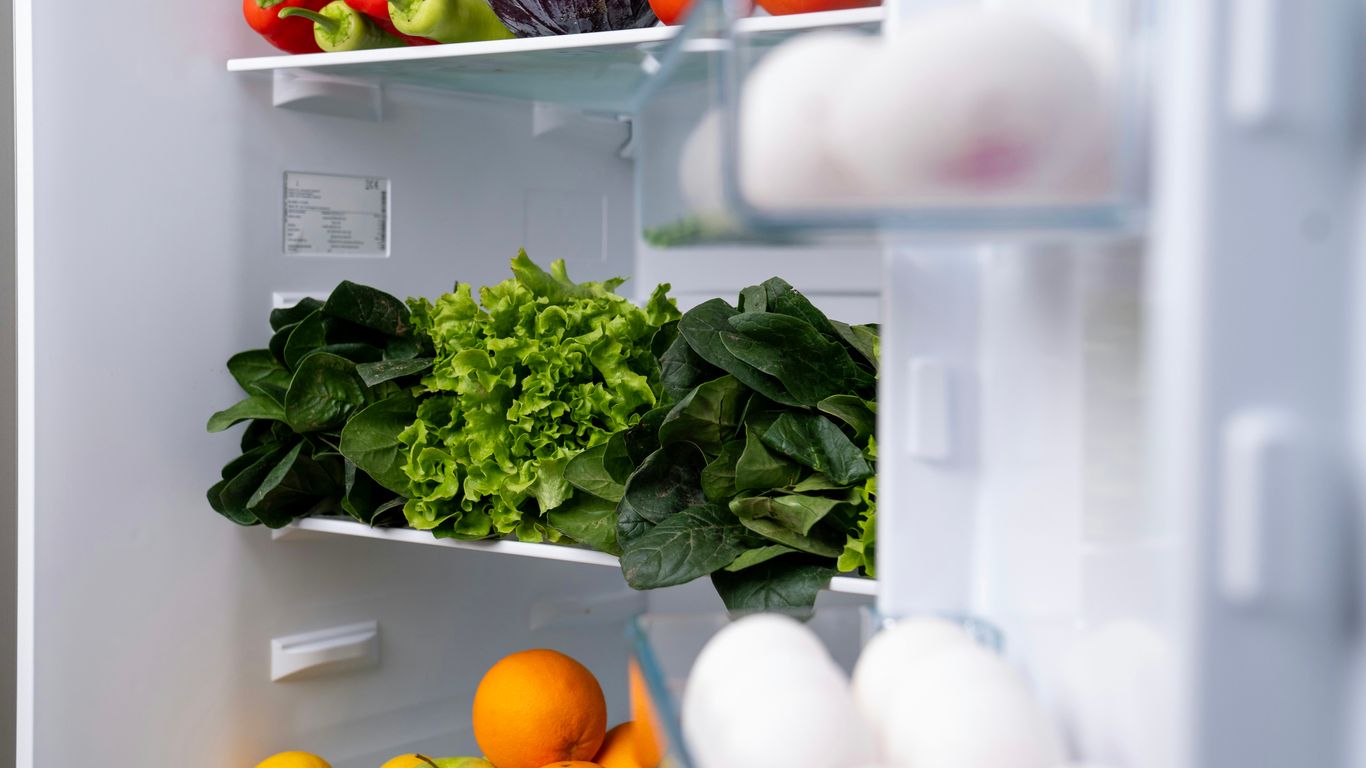
Ever open your fridge and just feel… overwhelmed? Like a food avalanche is about to happen? Yeah, me too. It doesn’t have to be that way, though. We’re talking about fridge zoning, which is basically just giving everything a spot. It makes finding what you need way easier and, honestly, makes healthy choices feel like the no-brainer they should be. Let’s get this organized.
Key Takeaways
- Proper fridge zoning helps keep food fresh longer by assigning specific areas for different food types.
- Using clear bins and containers makes it easy to see what you have, reducing food waste.
- Organizing shelves and drawers strategically puts the healthiest options within easy reach.
- Dedicated zones for produce, dairy, and leftovers prevent cross-contamination and maintain food safety.
- A well-organized fridge not only looks good but also simplifies meal prep and encourages healthier eating habits.
Mastering Fridge Zoning For Optimal Freshness
Ever open your fridge and feel a wave of dread? Yeah, me too. It’s like a food graveyard in there sometimes. But what if I told you that a little bit of planning, what we’re calling ‘fridge zoning,’ could change all that? It’s not just about making things look pretty, though that’s a nice bonus. A well-organized fridge actually helps your food last longer and makes choosing healthy options way easier. Think of it as giving every item a designated home. This simple system can prevent food waste, save you money, and honestly, just make your life a little less chaotic.
Understanding The Benefits Of Fridge Zoning
So, why bother with this whole ‘zoning’ thing? For starters, it keeps your food fresher. When you know where things are, you’re more likely to use them before they go bad. No more discovering that forgotten bag of spinach turned into a science experiment. Plus, when healthy staples like fruits, veggies, and yogurt are front and center, you’re more likely to grab them. It’s all about making the healthy choice the easy choice. A tidy fridge also means you can actually see what you have, which helps prevent buying duplicates. And let’s be real, a clean, organized fridge just feels good. It’s one less thing to stress about.
Creating A Sustainable Food Storage System
Building a sustainable system means thinking beyond just putting groceries away. It’s about creating habits that stick. Start by taking everything out and giving the fridge a good wipe-down. Then, group similar items together. Maybe one shelf for dairy, another for drinks, and the crisper drawers for your produce. The key is consistency. If everything has a place, it’s much easier to put things back where they belong after you use them. Consider using clear bins or containers; they help keep things contained and make it easy to see what’s inside without rummaging. This isn’t a one-time fix; it’s about setting up a routine that works for you long-term.
The Role Of Fridge Zoning In Healthy Eating
This is where fridge zoning really shines. When your fridge is organized, healthy foods become the most visible and accessible. Imagine opening the door and seeing a colorful array of fruits and vegetables ready to be eaten, rather than a jumble of takeout containers. By placing items like pre-cut veggies, yogurt, and fruit in prime spots, you’re essentially setting yourself up for success. It removes the friction that often leads us to less healthy, more convenient options. When healthy food is easy to see and grab, you’re far more likely to incorporate it into your daily meals. It’s a simple psychological trick that can have a big impact on your eating habits.
Strategic Shelf Placement For Easy Access
Okay, so you’ve got your fridge, and now it’s time to figure out where everything actually goes. It’s not just about shoving things in; it’s about making smart choices so that the healthy stuff is right there when you need it. Think of your fridge shelves like real estate – prime locations for the things you want to grab most often.
Prioritizing Visibility For Fresh Produce
This is a big one. If you can’t see it, you’re probably not going to eat it, right? That’s why fresh fruits and veggies should get the VIP treatment. Put them front and center on your shelves or in easily accessible bins. This way, you’re reminded to grab that apple or handful of spinach instead of reaching for something less healthy. Using clear containers helps a ton here, too. You can see exactly what’s inside without having to pull everything out. It’s like a little visual nudge towards making better choices.
Designating Zones For Dairy And Deli Items
Dairy products, like milk and yogurt, and deli meats are often things we use daily. They don’t necessarily need to be at the very front, but they shouldn’t be buried either. A good spot is usually the middle shelves. This keeps them within easy reach but also allows items like produce to have the prime real estate. If you have a lot of these items, consider dedicating a specific shelf or section to them. It makes grabbing your morning yogurt or lunch meat a breeze.
Utilizing Lower Shelves For Leak-Prone Foods
This is more about practicality and cleanliness than anything else. You know how sometimes a jar of pickles or a package of raw chicken can spring a leak? Yeah, nobody wants that mess dripping onto the carrots below. Always place items that might leak on the lower shelves. This way, if something does spill, it won’t contaminate other foods. Many fridges have specific drawers for meats and cheeses that are designed for this purpose, often with slightly cooler temperatures too, which is a nice bonus for keeping those items fresh.
Leveraging Bins And Containers For Order
Okay, so you’ve got your shelves sorted, but what about all those little bits and bobs that tend to roll around or get lost in the back? That’s where bins and containers come in. They’re not just for making things look pretty; they’re actually super practical for keeping your fridge tidy and your food fresh.
Choosing The Right Containers For Your Needs
Not all containers are created equal, and what works for one person might not work for another. Think about what you usually store. Are you always buying pre-cut veggies? Maybe you have a lot of small jars of sauces? Or perhaps you just want to keep your berries from getting squished.
- Clear containers are your best friend here. You want to be able to see what’s inside without having to pull everything out. It saves time and helps you remember what you have before it goes bad.
- Consider stackable options. Fridges have vertical space, so using containers that can stack on top of each other is a smart way to maximize it. This is especially helpful if you don’t have a lot of shelf space to begin with.
- Don’t forget about specialty containers. Things like produce keepers with built-in drainage can make a big difference for keeping fruits and veggies crisp for longer. Some are even designed to mimic crisper drawers if your fridge is lacking.
Stackable Solutions For Maximizing Space
This is where you can really get creative with your fridge real estate. If your fridge feels cramped, stackable containers are a lifesaver. You can get modular sets that fit together perfectly, or just find a few sturdy bins that can be safely piled up.
Think about using them for things like:
- Yogurt cups and cheese sticks
- Snack packs and lunchbox items
- Small jars of condiments or spices
Stackable drawers can be particularly useful, especially if your fridge doesn’t have many built-in ones. They can give you that extra drawer space for things like berries or loose Brussels sprouts, and some even have removable cubes inside for even more organization.
Deep Bins For Consolidating Loose Items
Sometimes, you just have a bunch of small things that don’t really have a home. Think about those half-used bags of salad, leftover herbs, or even just a collection of small jars. Deep bins are perfect for corralling these items.
Using a deep bin can prevent those rogue items from getting lost in the back of the fridge. It keeps everything contained in one spot, making it easier to grab what you need and also easier to see what you have. Plus, if something happens to leak, it’s contained within the bin, saving you a bigger clean-up job later.
These bins are also great for grouping similar items together. For example, you could have one bin for all your dips and spreads, or another for your pre-prepped ingredients for the week. It makes meal prep and grabbing a quick snack so much simpler.
Optimizing Crisper Drawers For Produce
Customizing Humidity For Leafy Greens
Crisper drawers are your fridge’s secret weapon for keeping produce fresh. They’re designed to control humidity, which is a big deal for different types of fruits and veggies. Most fridges have at least two of these drawers, and often, they come with little sliders or vents. These aren’t just for show; they actually let you adjust the humidity level. For leafy greens like spinach, lettuce, and kale, you want to keep the humidity low. This means opening the vent or setting the slider to the ‘low’ position. Why? Because too much moisture can make them wilt and get slimy way faster. Think of it like giving them a bit of breathing room to stay crisp and delicious.
Storing Fruits and Vegetables Separately
It’s a common mistake to just toss all your produce into one drawer. But here’s the thing: fruits and veggies don’t always play nice together. Many fruits, like apples and bananas, release ethylene gas as they ripen. This gas can speed up the ripening process – and spoilage – of ethylene-sensitive vegetables, like broccoli or carrots. So, it’s a good idea to use your two crisper drawers (or even separate containers within a drawer) to keep them apart. One drawer for fruits, one for veggies. It might seem like a small step, but it really makes a difference in how long everything stays fresh.
Extending The Life Of Your Produce
Beyond just humidity and separation, there are other tricks to make your produce last. Consider using specialized produce saver containers. These often have a little tray at the bottom to lift produce out of any collected moisture, and some even have vents to control airflow. For herbs, special herb saver pods can keep them fresh for weeks, often fitting neatly in the door or a side compartment, freeing up valuable crisper space. The goal is to create the ideal micro-environment for each type of produce. Even simple things like not washing berries until you’re ready to eat them can prevent mold. It’s all about giving each item what it needs to stay at its best for as long as possible.
Beverage Organization For Convenience
Utilizing Door Compartments For Chilled Drinks
The fridge door is often the first place people think of for drinks, and for good reason. It’s usually the warmest part of the fridge, making it ideal for beverages that don’t need to be super cold, like juice boxes or water bottles you plan to drink soon. Think of the door as your grab-and-go zone for drinks. It keeps them accessible without taking up valuable shelf space that could be used for more temperature-sensitive items. Just be mindful of taller bottles; they might need a dedicated spot on a shelf to avoid tipping.
Consolidating Bottles And Cans
Boxes of soda or multipacks of water bottles can quickly turn into a disorganized mess. Taking them out of their original packaging and using specialized organizers can make a huge difference. For cans, consider a stackable can dispenser that rolls them forward, so you always grab the oldest one first. This helps prevent drinks from getting lost in the back and going stale. For bottles, especially wine or larger water bottles, wider bins or stackable trays work wonders. They keep everything upright and prevent them from rolling around.
Maximizing Space With Beverage Holders
There are some really neat gadgets out there designed specifically for drink organization. You can find stackable racks for cans and bottles that let you use the vertical space in your fridge more effectively. Some even have a gravity-fed system that pushes drinks to the front as you take one out. This is super handy for keeping track of what you have and making sure nothing gets forgotten. It’s a small change, but it really tidies up the fridge and makes grabbing a drink a breeze.
The Art Of Finishing Touches In Fridge Zoning
Okay, so you’ve done the big clean-out, you’ve sorted your produce, and everything has a designated spot. Awesome! But before you close that fridge door and call it a day, let’s talk about those little details that really make your organized fridge shine. These are the finishing touches that turn a functional space into something that looks almost professional.
Aligning Labels For A Tidy Appearance
This one’s simple but makes a huge difference. Take a moment to turn all your packaged goods so the labels face the same direction. It sounds minor, but seeing rows of uniform labels creates a visual sense of order that’s really satisfying. It’s like arranging books on a shelf by spine color – it just looks right.
Using Clear Containers For Visibility
We’ve touched on containers before, but let’s focus on clarity. When you use clear containers, you can see exactly what’s inside without having to pull everything out. This is especially helpful for things like pre-cut veggies, snacks, or leftovers. Clear containers mean less guesswork and less wasted food because you know what you have. It also makes your fridge look less cluttered, even if it’s full.
Incorporating Reusable Bags For Leftovers
Instead of those flimsy plastic bags or random containers, consider using stand-up reusable bags for leftovers, pre-portioned snacks, or even chopped fruits and veggies. They often take up less space and can be tucked neatly into corners or side compartments. Plus, they’re better for the planet!
Here’s a quick rundown of how to best use them:
- Snack Packs: Portion out nuts, dried fruit, or crackers for easy grab-and-go snacks.
- Prepped Produce: Store washed and chopped veggies like carrots or celery sticks.
- Leftover Portions: Keep single servings of meals for quick lunches.
Don’t underestimate the power of small, consistent actions. These finishing touches aren’t about perfection; they’re about creating a system that’s easy to maintain and makes healthy choices the most convenient ones. It’s about making your fridge a pleasant place to look into, not a source of dread.
Maintaining Your Organized Fridge
So, you’ve put in the work, zoned your fridge like a pro, and everything looks fantastic. But how do you keep it that way without it turning back into a chaotic mess next week? It’s all about building some simple habits. Think of it like keeping your car clean; a little bit of upkeep goes a long way.
Regular Cleaning For Food Safety
This isn’t just about making your fridge look pretty; it’s about keeping your food safe to eat. Spills happen, and forgotten leftovers can become science experiments. A quick wipe-down of shelves and drawers every few weeks can prevent serious contamination. It’s way easier to clean up a small spill right away than to deal with a sticky, moldy disaster later. Plus, it stops those funky smells before they even start.
- Weekly: Toss any expired items or leftovers that look questionable. Give any obvious spills a quick wipe.
- Monthly: Do a more thorough clean. Pull out shelves and drawers if possible and wash them. Wipe down all interior surfaces.
- Quarterly: Deep clean. Check door seals for grime and clean them. Defrost if your fridge isn’t frost-free.
Weekly Check-Ins To Prevent Waste
This is where you become a food-saving superhero. Every week, before you go grocery shopping, take a few minutes to see what you already have. What produce is looking a little sad? What leftovers can be eaten for lunch tomorrow? This simple habit helps you use food before it goes bad, saving you money and reducing waste. It also helps you make a more accurate grocery list, so you don’t end up buying things you already have.
Making a habit of checking your fridge contents before shopping is a game-changer. It stops impulse buys and ensures you’re using what you’ve paid for. Plus, it’s a great way to plan meals around ingredients that need to be used soon.
Investing In Easy-To-Clean Storage
When you’re choosing containers and bins, think about how easy they are to clean. Glass or smooth plastic containers are generally best. Avoid anything with a lot of nooks and crannies where food can get stuck. If you have a spill in a container, it’s much simpler to just wash the container than to scrub down an entire shelf. This makes your regular cleaning routine much faster and less of a chore. Look for containers that are dishwasher safe, too – that’s a lifesaver!
Creative Solutions For Fridge Zoning
The Versatility Of Mason Jars
Mason jars aren’t just for canning anymore. These handy glass containers are fantastic for organizing all sorts of things in your fridge. Think about storing chopped herbs, small portions of sauces, or even individual servings of yogurt or overnight oats. Their clear glass means you can see exactly what’s inside, and they stack pretty well too. Plus, they’re super easy to clean and reuse, which is a nice bonus.
Employing Lazy Susans For Condiments
Ever find yourself digging through a jumble of bottles and jars just to find the ketchup? A lazy Susan, or turntable, is your new best friend. Place all your condiments, dressings, and sauces on one. A quick spin brings whatever you need right to the front. This simple addition makes accessing items in the back of the fridge effortless. It’s especially great for those jars that tend to get pushed to the back and forgotten.
Labeling For Ultimate Organization
While not strictly a ‘creative’ item, labeling is where you can really personalize your fridge zoning. Beyond just writing ‘leftovers,’ consider adding dates. This helps you keep track of what needs to be eaten first and prevents food waste. You can use a simple label maker, chalk markers on reusable containers, or even just masking tape and a pen. It might seem like a small step, but clear labels make a huge difference in knowing what you have and when it expires.
Don’t underestimate the power of a well-labeled fridge. It transforms a chaotic space into a functional system where you can quickly see your inventory, reducing the chances of buying duplicates or letting food go bad.
Tired of a messy fridge? Our guide to "Creative Solutions For Fridge Zoning" will help you organize your refrigerator like a pro. Learn simple tricks to keep your food fresh and easy to find. Ready to transform your kitchen? Visit our website today for more amazing tips!
Keep It Up!
So there you have it. Organizing your fridge might seem like a big task at first, but once you get into a rhythm, it really does make a difference. Having everything in its place means you’re more likely to grab that apple instead of a bag of chips, and honestly, who doesn’t want that? Plus, it just feels good to open the fridge and see order instead of chaos. Remember, it’s not about being perfect, it’s about making healthy choices the easy ones. Now, go forth and conquer that fridge!
Frequently Asked Questions
Why should I organize my fridge?
Organizing your fridge makes it easier to find what you need, helps food stay fresh longer, and can even encourage you to eat healthier by keeping good food visible. Plus, a tidy fridge prevents yucky mold and bacteria from growing and keeps your fridge running smoothly.
What’s the best way to store fruits and veggies?
Use the crisper drawers! They’re designed to keep fruits and veggies fresh. Some drawers have controls to adjust how much moisture is inside, which is great for keeping leafy greens crisp. It’s usually best to keep fruits and veggies separate, as they give off different gases that can make each other spoil faster.
Where should I put raw meat in the fridge?
Always put raw meat, poultry, and fish on the bottom shelf or in a low drawer. This prevents any juices from dripping onto other foods, which could spread germs. It’s all about keeping things safe and clean!
How can I make sure I use my food before it goes bad?
Keep the foods you want to eat soon, like fresh produce, dairy, and leftovers, towards the front of the fridge where you can see them easily. Using clear containers also helps you see what you have at a glance, so nothing gets forgotten in the back.
Are bins and containers really necessary?
Yes, they can be super helpful! Bins and containers keep things tidy, group similar items together, and make it easier to clean up spills. Clear ones are especially great because you can see exactly what’s inside without having to dig around.
How often should I clean out my fridge?
It’s a good idea to do a quick check every week to toss out old leftovers or anything that’s gone bad. A full clean-out, where you wipe down shelves and reorganize, might be needed every few months, or whenever it starts to look a bit chaotic.
What are some easy ways to keep my fridge organized long-term?
Using clear containers, labeling things, and giving everything a specific ‘home’ helps a lot. Investing in a few good organizers, like stackable bins or a lazy Susan for condiments, can make a big difference in keeping things neat without much effort.
Can organizing my fridge help me eat healthier?
Absolutely! When your fridge is organized and full of healthy options like fruits, veggies, and lean proteins that are easy to see and grab, you’re much more likely to choose them for snacks and meals. It makes the healthy choice the easiest choice!