

Hey everyone! Let’s talk about thyroid-friendly foods. Our thyroid gland is super important for keeping our bodies running smoothly, kind of like the thermostat for our metabolism. When it’s not happy, we can feel it. But the good news is, what we eat can really make a difference. We’re going to look at some key nutrients like iodine, selenium, and iron, and how to get them from food. We’ll also cover what to watch out for. So, let’s get started on understanding how to eat in a way that supports our thyroid health.
Key Takeaways
- Your thyroid gland needs specific nutrients, like iodine, selenium, and iron, to work properly and manage your metabolism.
- Good sources of iodine include dairy products and seafood, but too much can be problematic.
- Brazil nuts are a top source of selenium, which has antioxidant benefits and helps with thyroid hormone production.
- Iron is vital for thyroid hormone creation, and deficiencies in iron can impact thyroid function.
- Focusing on a balanced diet with whole foods like beans, lean proteins, fruits, and vegetables is a great way to support thyroid-friendly eating.
Understanding Thyroid-Friendly Foods
The Thyroid Gland’s Role in Metabolism
The thyroid gland, a small butterfly-shaped organ in your neck, is like the body’s thermostat. It produces hormones, primarily thyroxine (T4) and triiodothyronine (T3), that control how your body uses energy. Think of it as the conductor of your body’s metabolic orchestra, setting the pace for everything from how quickly you burn calories to how warm you feel. When this gland isn’t working quite right, it can throw your whole system off balance, leading to issues like fatigue, weight changes, and feeling either too hot or too cold.
Nutrients Essential for Thyroid Function
To keep this important gland humming along, your body needs specific building blocks. Iodine is a big one, as it’s literally a component of thyroid hormones. Selenium acts like a helpful assistant, aiding in the conversion of thyroid hormones and protecting the gland from damage. Iron also plays a part, helping to transport oxygen and supporting the production of thyroid hormones. Without enough of these key players, your thyroid can struggle to do its job effectively.
Dietary Impact on Thyroid Health
What you eat directly influences your thyroid’s ability to function. A diet rich in certain nutrients can support healthy hormone production and metabolism. On the flip side, some foods, or even imbalances in nutrient intake, can interfere with thyroid function or hormone absorption. It’s not about restrictive eating, but rather making informed choices to give your thyroid the support it needs. Paying attention to your diet is a proactive step you can take for your overall well-being.
Here’s a quick look at some foods that can be beneficial:
- Lean Proteins: Chicken, turkey, fish, and eggs provide amino acids like tyrosine, which is needed to make thyroid hormones.
- Healthy Fats: Found in avocados, olive oil, and nuts (with some cautions, which we’ll get to!), these fats are important for hormone production.
- Fruits and Vegetables: Packed with vitamins, minerals, and antioxidants, these help protect your cells and support overall health.
Understanding how different foods interact with your thyroid can feel a bit complex at first. It’s a journey of learning what works best for your body, focusing on nourishment rather than restriction.
The Crucial Role of Iodine
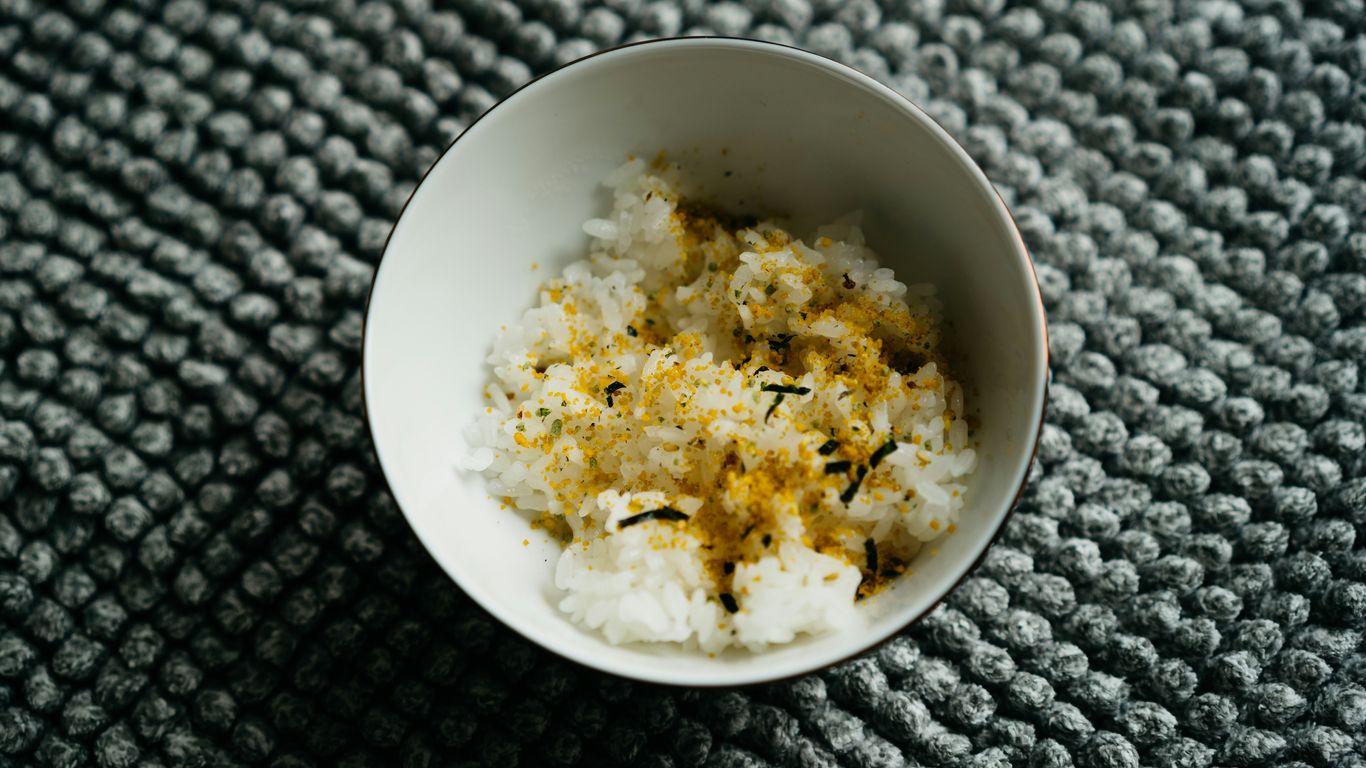
Think of iodine as the main ingredient your thyroid gland needs to do its job. Without enough of it, the thyroid can’t make the hormones that keep your metabolism humming along. These hormones are pretty important for everything from how fast your body burns calories to how well your cells work.
Iodine Sources for Thyroid Health
So, where do you get this vital nutrient? Luckily, it’s found in a few common places. The thyroid gland uses iodine to produce thyroid hormones T3 and T4.
Here are some good places to look:
- Dairy Products: Milk, cheese, and yogurt often contain iodine because cows are sometimes given iodine supplements. The amount can vary, but it’s a pretty reliable source for many.
- Seafood: Fish and shellfish are also good sources. If you enjoy a meal from the sea, you’re likely getting a decent dose of iodine.
- Eggs: Another simple food that contributes to your iodine intake.
Dairy and Seafood as Iodine Providers
As mentioned, dairy and seafood are often highlighted as top-tier sources. In the U.S., iodized salt is also a major contributor to the population’s iodine intake, which is why widespread deficiency is less common than in some other parts of the world. Still, relying on a variety of foods is always a good strategy.
Cautions Regarding Iodine Intake
Now, while iodine is important, it’s a bit of a ‘Goldilocks’ situation – you don’t want too much or too little. Taking in very high amounts of iodine over a long time, especially from supplements, can actually mess with your thyroid function. It might lead to issues like weight gain or other problems. It’s generally recommended that adults aim for around 140 micrograms (μg) per day. If you’re thinking about taking iodine supplements, it’s really best to chat with your doctor first. They can help you figure out if you need more and how much is safe for you. Too much iodine can sometimes cause more problems than it solves, so moderation is key.
Selenium’s Contribution to Thyroid Wellness
Selenium is another mineral that plays a pretty big role in keeping your thyroid happy and healthy. It’s not just about making thyroid hormones, but also about protecting the gland itself. Think of it as a bodyguard for your thyroid.
Top Food Sources of Selenium
Getting enough selenium from your diet is usually pretty straightforward. Many common foods contain it, so you likely don’t need to go out of your way to find super obscure items. Here are some good places to look:
- Brazil Nuts: Seriously, these are the champions of selenium. Just one or two can give you your daily dose, sometimes even more. But be careful, too many can be a problem (more on that later).
- Seafood: Things like tuna, sardines, and shrimp are good sources.
- Meats: Beef, turkey, and chicken provide a decent amount.
- Eggs: A common and easy way to get some selenium.
- Sunflower Seeds: Another plant-based option that packs a selenium punch.
Brazil Nuts: A Potent Selenium Source
I have to talk about Brazil nuts again because they’re just that significant. They are incredibly rich in selenium. The amount can vary a lot depending on where they were grown, but it’s not uncommon for a single nut to contain well over the recommended daily intake. This makes them a super convenient way to get your selenium, but it also means you need to be mindful. Eating too many can lead to selenium toxicity, which can actually cause thyroid problems. So, while they’re great, moderation is key. A couple of times a week is usually plenty.
Selenium’s Antioxidant Properties
Selenium is a key component of certain enzymes in your body that act as antioxidants. These antioxidants help protect your cells, including those in your thyroid gland, from damage caused by unstable molecules called free radicals. This damage can contribute to inflammation and various health issues. By neutralizing these free radicals, selenium helps keep your thyroid cells healthy and functioning properly. It’s thought to be particularly helpful in cases of autoimmune thyroid conditions, like Hashimoto’s thyroiditis, where the body’s own immune system attacks the thyroid. The antioxidant action of selenium may help reduce inflammation and support thyroid function in these situations.
Selenium’s role isn’t just about making hormones; it’s also about defense. It helps protect the thyroid gland from oxidative stress, which is like wear and tear on the cells. This protective effect is thought to be important for maintaining overall thyroid health, especially when the gland is under attack from autoimmune conditions.
Iron’s Connection to Thyroid Function
Why Iron Matters for Thyroid Hormones
Iron is a mineral that your body really needs to function properly, and that includes your thyroid gland. Think of it like a key ingredient for making thyroid hormones. Without enough iron, your thyroid might struggle to produce the hormones your body needs to keep your metabolism humming along. It’s not just about making the hormones, though; iron also plays a part in how those hormones actually work in your body. When iron levels dip too low, it can lead to a condition called hypothyroidism, where your thyroid just isn’t producing enough hormones. This can really throw your whole system off balance.
Dietary Iron for Thyroid Support
So, how do you make sure you’re getting enough iron to keep your thyroid happy? Luckily, there are plenty of foods out there that are good sources of iron. For those who eat meat, red meat like beef and lamb is a fantastic source. If you’re leaning more towards plant-based options, or just want to add more variety, think about beans and lentils – kidney beans are particularly good. Spinach is another great choice, and even eggs can contribute to your daily iron intake. Tofu is also a solid option for plant-based iron.
Here’s a quick look at some iron-rich foods:
- Red meat (beef, lamb)
- Poultry
- Fish
- Beans and lentils (kidney beans, chickpeas)
- Spinach and other dark leafy greens
- Tofu
- Eggs
The Interplay Between Iron and Thyroid Levels
It’s a bit of a two-way street when it comes to iron and thyroid health. Not only does low iron affect thyroid function, but thyroid issues can sometimes impact iron levels too. For instance, if you have hypothyroidism, your body might not absorb iron as well as it should. This can create a bit of a cycle where low iron contributes to thyroid problems, and the thyroid problems then make it harder to fix the low iron. It’s also worth noting that if you’re taking thyroid hormone medication, like levothyroxine, it’s a good idea to talk to your doctor about timing. Iron supplements can sometimes interfere with how well your body absorbs thyroid medication, so it’s often recommended to take them a few hours apart.
Sometimes, the simplest things can have a big impact on how our bodies work. Paying attention to minerals like iron is just one piece of the puzzle when it comes to supporting your thyroid. It’s not about perfection, but about making informed choices that help your body function at its best.
Incorporating Thyroid-Friendly Foods
So, you’re looking to eat in a way that supports your thyroid? That’s a smart move. It’s not about drastic changes, but more about making conscious choices with what you put on your plate. Think of it as giving your thyroid the building blocks it needs to do its job well.
Beans and Legumes for Sustained Energy
If you’re feeling that familiar thyroid-related fatigue, beans and legumes can be a real game-changer. They’re packed with protein, complex carbs, and fiber, which means they release energy slowly. This helps you avoid those energy crashes that can really throw off your day. Plus, they’re great for keeping things moving if constipation is an issue, a common symptom for many with thyroid challenges.
- Lentils: Great in soups and stews.
- Black Beans: Perfect for salads or making a quick dip.
- Chickpeas: Roast them for a snack or add to curries.
- Kidney Beans: A solid addition to chili or pasta dishes.
Remember, consistency is key. Adding a serving of beans or legumes to your meals a few times a week can make a noticeable difference in how sustained your energy levels feel throughout the day.
Whole Grains and Lean Proteins
Whole grains are your friend when it comes to steady energy and getting enough fiber. Think brown rice, quinoa, oats, and whole-wheat bread. They provide nutrients and help with digestion. Pair these with lean proteins like chicken, fish, turkey, or plant-based options like tofu. Protein is important for hormone production and overall body function. Fish, in particular, often comes with a bonus of selenium, which we’ve talked about.
Fruits and Vegetables in Your Diet
Don’t forget the produce! Fresh fruits and vegetables are loaded with vitamins, minerals, and antioxidants. These help fight inflammation and support your body’s overall health, which indirectly benefits your thyroid. Berries are a great choice for their antioxidant power and lower calorie count, which can help with weight management. Just be mindful of certain cruciferous vegetables, like broccoli and cabbage, in their raw state, as they can sometimes interfere with iodine absorption. Cooking them usually takes care of this issue, though.
Foods to Approach with Caution
While focusing on what to eat for thyroid health is important, it’s also smart to know about foods that might cause a hiccup or two. It’s not about cutting things out completely for most people, but more about being mindful, especially if you have existing thyroid issues or are on medication.
Goitrogenic Foods and Iodine Absorption
Certain vegetables, often called cruciferous vegetables, contain compounds called goitrogens. These can potentially interfere with your thyroid’s ability to use iodine, which is a mineral your thyroid really needs to make hormones. Think broccoli, cauliflower, cabbage, kale, and Brussels sprouts. Now, these veggies are packed with good stuff like vitamins and fiber, so you don’t necessarily have to banish them. The key is usually how you prepare them and how much you eat. Cooking these vegetables tends to reduce their goitrogenic effect. So, steamed broccoli is generally less of a concern than raw broccoli, especially if you’re already dealing with an iodine deficiency.
- Cooking significantly reduces goitrogen levels.
- Moderation is key, especially for those with known thyroid conditions.
- Focus on variety rather than eliminating entire food groups.
Processed Foods and Inflammation
Highly processed foods are often loaded with unhealthy fats, added sugars, and sodium. These ingredients can contribute to inflammation throughout the body, and for someone with a thyroid condition, particularly an autoimmune one like Hashimoto’s, inflammation can be a real problem. It might make symptoms worse or even impact how your thyroid functions. Things like sugary drinks, packaged snacks, frozen meals, and fast food often fall into this category. It’s generally a good idea to limit these for overall health, and that includes thyroid health.
Soy Products and Thyroid Health
Soy products, including tofu, soy milk, and edamame, have gotten a lot of attention regarding thyroid health. Soy contains compounds called isoflavones, which some research suggests might interfere with thyroid hormone production or absorption, especially if iodine intake is low. Some studies also indicate that soy can affect how well thyroid medication is absorbed. If you enjoy soy, it’s probably fine in moderation for most people. However, if you have a diagnosed thyroid condition, it might be wise to talk to your doctor or a dietitian about how much soy is appropriate for you and when to consume it, particularly in relation to taking thyroid medication.
It’s easy to get overwhelmed by lists of ‘foods to avoid.’ Remember, for many people, a balanced diet with a variety of foods is perfectly fine. The goal is awareness, not restriction, unless advised by a healthcare professional.
Balancing Nutrient Intake
It’s easy to get excited about all the good things we can eat for our thyroid, but we also need to think about not overdoing it. Too much of a good thing can sometimes cause problems, especially when it comes to certain minerals.
Moderation in Selenium Consumption
Selenium is great for thyroid health, really. It helps protect your thyroid cells and plays a part in making thyroid hormones. Brazil nuts are a super-rich source, and you only need one or two to get a good amount. But, eating too many Brazil nuts regularly could lead to too much selenium. While rare, selenium toxicity can cause issues like hair loss, nail problems, and even nerve damage. So, stick to a small serving of nuts, or get selenium from a variety of sources like fish, eggs, and whole grains.
Understanding Iodine Sufficiency
Iodine is absolutely necessary for your thyroid to make its hormones. Most people in developed countries get enough iodine from their diet, especially if they use iodized salt. However, getting too much iodine can also mess with your thyroid. It can sometimes lead to thyroid dysfunction, particularly in people who already have thyroid issues. The general advice is to aim for what you need through food and avoid high-dose iodine supplements unless a doctor specifically tells you to. If you’re taking supplements, keeping it to 0.5mg or less a day is usually considered safe.
Iron Absorption Considerations
Iron is another mineral that’s important for thyroid function, but how you take it matters. If you’re taking thyroid medication, it’s a good idea to separate your iron supplements from your medication. Iron can make it harder for your body to absorb thyroid hormone. Most experts suggest waiting at least four hours between taking your thyroid medicine and any iron supplements or iron-rich foods. This helps make sure your medication can do its job properly. Also, if you have certain digestive issues, your body might not absorb iron as well, so it’s worth chatting with your doctor about your iron levels.
Other Beneficial Nutrients for Thyroid Health
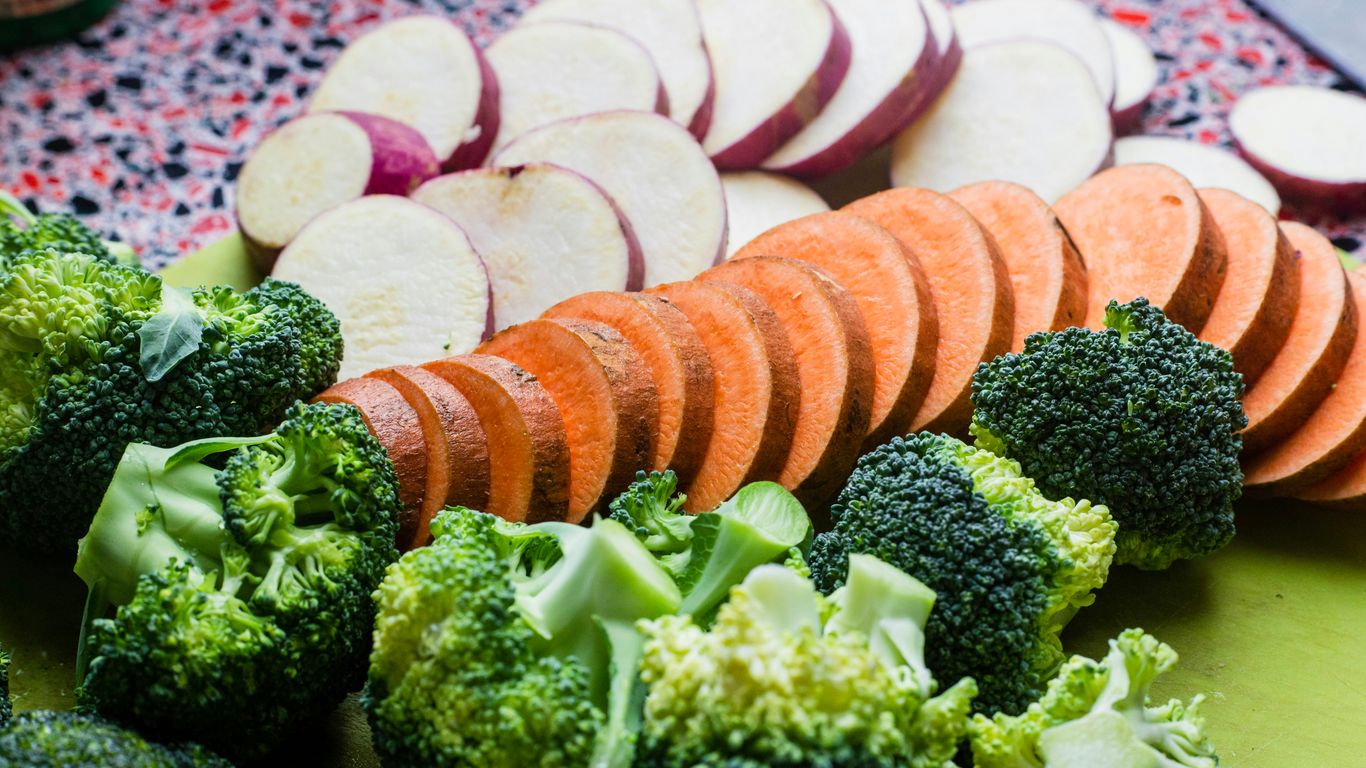
While selenium, iodine, and iron get a lot of the spotlight when we talk about thyroid health, there are a few other players that are pretty important too. It’s not just about those three; a balanced diet with a variety of nutrients really helps keep everything running smoothly.
The Role of Zinc in Thyroid Metabolism
Zinc is a mineral that plays a part in how your thyroid gland works. It’s involved in the production and regulation of thyroid hormones. Think of it as a helper that makes sure the thyroid can do its job properly. Without enough zinc, your body might not be able to convert thyroid hormones into their active form, which can lead to issues.
Some good sources of zinc include:
- Oysters and other shellfish
- Red meat and poultry
- Beans and nuts
- Whole grains
It’s worth noting that if you’re taking iron supplements, they can sometimes interfere with zinc absorption, so it’s a good idea to talk to your doctor about timing if you’re taking both.
Copper’s Contribution to Overall Health
Copper is another mineral that works alongside zinc. They often have a bit of a give-and-take relationship in the body. Copper is involved in various bodily functions, including energy production and the formation of connective tissues. For the thyroid, it’s thought to play a role in the synthesis of thyroid hormones and their transport. Getting enough copper is important for general well-being, which indirectly supports thyroid function.
Good food sources for copper include:
- Liver
- Shellfish
- Nuts and seeds
- Dark chocolate (in moderation!)
- Whole grains
Vitamin D and Thyroid Function
Vitamin D has been getting a lot of attention lately, and it turns out it might have a connection to thyroid health too, especially for those with autoimmune thyroid conditions like Hashimoto’s. Some studies suggest that people with thyroid issues might have lower levels of vitamin D. While more research is needed, ensuring you have adequate vitamin D levels could be beneficial for overall immune system function, which is closely linked to thyroid health.
Getting enough sunlight is a natural way to boost vitamin D, but it’s not always practical. Foods like fatty fish, fortified dairy products (if you consume them), and fortified cereals can also contribute to your intake. Sometimes, a supplement might be recommended, but always check with a healthcare provider first.
It’s clear that a variety of nutrients contribute to a healthy thyroid. Focusing on a well-rounded diet that includes these often-overlooked minerals and vitamins can make a real difference.
Practical Tips for Thyroid-Friendly Eating
Making dietary changes to support your thyroid doesn’t have to be complicated. It’s more about making smart choices consistently. Think of it as fine-tuning your engine rather than a complete overhaul. Small adjustments can add up to a big difference in how you feel.
Meal Planning for Thyroid Support
Planning your meals ahead of time is a game-changer. It helps you avoid last-minute decisions that might not be thyroid-friendly. When you know what you’re going to eat, you’re less likely to grab something processed or low in nutrients. Try dedicating a little time each week, maybe on a Sunday afternoon, to map out your breakfasts, lunches, and dinners. This also makes grocery shopping much easier and can save you money.
- Focus on whole foods: Build your meals around lean proteins, plenty of colorful vegetables, and healthy fats.
- Prep components: Cook grains like quinoa or brown rice in batches, chop veggies, and portion out nuts or seeds for snacks.
- Include variety: Don’t get stuck in a rut. Rotate your protein sources and vegetables to get a wider range of nutrients.
Reading Food Labels for Key Nutrients
Food labels are your best friend when you’re trying to eat for your thyroid. You can quickly see what’s in your food and how much of it. Pay attention to the serving size first – it’s easy to overlook and can throw off your nutrient counts. Look for items low in added sugars and sodium. Also, check the ingredient list for things you recognize. If it’s a long list of unpronounceable words, it’s probably best to skip it.
It’s important to be aware of iodine and selenium content, especially if you’re supplementing.
| Nutrient | Good Sources to Look For | Cautionary Notes |
|---|---|---|
| Iodine | Seaweed, dairy, fish | Check labels for added iodine in processed foods |
| Selenium | Brazil nuts, fish, eggs, sunflower seeds | High amounts can be problematic; moderation is key |
| Iron | Red meat, beans, spinach | Absorption can be affected by other foods; pair with Vitamin C |
Hydration and Thyroid Health
Don’t forget about water! Staying hydrated is super important for overall health, and that includes your thyroid. Water helps your body function properly, including the processes involved in hormone production and metabolism. Aim for at least eight glasses of water a day, more if you’re active or in a warm climate. Herbal teas, like peppermint or chamomile, can also contribute to your fluid intake and offer additional benefits without caffeine, which can sometimes affect thyroid function.
Sometimes, simple habits are the most overlooked. Making sure you’re drinking enough water throughout the day supports all your body’s systems, including the delicate balance of your thyroid.
Looking for ways to eat better for your thyroid? Our "Practical Tips for Thyroid-Friendly Eating" section is packed with simple advice to help you feel your best. Discover easy swaps and tasty meals that support your thyroid health. Ready to take control of your well-being? Visit our website today for more helpful tips and resources!
Wrapping It Up
So, we’ve talked about how important things like selenium, iodine, and iron are for your thyroid. It’s pretty neat how these nutrients help your body work right. Remember, while these nutrients are key, it’s usually best to get them from food. Most folks in the U.S. get enough from their regular meals, but if you’re worried or have specific health issues, it’s always a good idea to chat with your doctor. They can help figure out if you need to adjust your diet or consider supplements, and make sure you’re not overdoing it, which can also cause problems. Eating well is a big part of feeling good overall, and paying attention to these thyroid helpers is just one piece of that puzzle.
Frequently Asked Questions
What does the thyroid gland do?
Think of your thyroid as a tiny but mighty butterfly-shaped gland in your neck. Its main job is to create hormones that control how your body uses energy. This is called metabolism. These hormones affect almost every part of your body, from how fast your heart beats to how warm you feel.
Why are iodine, selenium, and iron important for my thyroid?
These three things are like building blocks for your thyroid. Iodine is needed to make thyroid hormones. Selenium helps protect your thyroid and also helps make hormones. Iron is also super important for your thyroid to make its hormones correctly.
What are good food sources for iodine?
You can find iodine in foods like dairy products (milk, cheese, yogurt), seafood (fish and seaweed), and eggs. In the U.S., table salt is often fortified with iodine, which helps many people get enough.
Are there any risks with eating too much iodine?
Yes, while iodine is important, too much can actually cause thyroid problems, like making your thyroid produce too many hormones. It’s usually best to get iodine from food rather than taking high-dose supplements unless your doctor says you need to.
Where can I find selenium in my diet?
Brazil nuts are packed with selenium – just one or two can provide a lot! Other good sources include fish like tuna and sardines, and whole grains. Selenium has antioxidant powers, which means it can help fight off damage in your body.
Why is iron so important for thyroid health?
Iron is a key player in making thyroid hormones. If you don’t have enough iron, your thyroid might have trouble doing its job. Plus, sometimes low thyroid levels can make it harder for your body to absorb iron.
Are there any foods I should be careful about eating with thyroid issues?
Some foods called goitrogens, like raw broccoli, cabbage, and kale, might interfere with how your thyroid uses iodine, especially if you already have low iodine levels. Also, highly processed foods might cause inflammation, which isn’t great for overall health, including thyroid health.
What’s the best way to eat for thyroid health?
Focus on a balanced diet filled with fruits, vegetables, whole grains, and lean proteins. These foods provide essential nutrients and help keep inflammation down. Eating regular meals with these healthy foods can help keep your energy steady and support your thyroid.