

Waking up with stiff joints or feeling that familiar ache can really throw off your day. It’s like your body is saying ‘nope’ before you even get out of bed. But what if I told you that what you put on your plate could actually help? We’re talking about making simple food choices that can lead to better movement and less discomfort. It’s all about building “mobility meals” that work for you, not against you. Let’s explore how food can be your ally in feeling more limber and ready to take on the day.
Key Takeaways
- Focus on whole foods like fruits, vegetables, and legumes, which are packed with nutrients that fight inflammation.
- Incorporate healthy fats from sources like fatty fish, nuts, seeds, and olive oil to support joint health.
- Spices like ginger and turmeric, along with herbs like garlic and onions, can add flavor and anti-inflammatory power to your meals.
- Staying hydrated with water and green tea, and considering bone broth, can also aid in joint comfort and overall wellness.
- Limiting processed foods, sugary items, and refined grains can significantly reduce inflammation and improve mobility.
Embrace the Mediterranean Way for Joint Health
You know, sometimes it feels like our bodies just wake up on the wrong side of the bed, right? Stiff, achy, just not ready to face the day. Well, it turns out what we eat can play a pretty big role in how our joints feel, especially in the morning. The Mediterranean way of eating has been getting a lot of buzz for good reason. It’s not just about heart health; it’s a fantastic approach for keeping inflammation in check, which is a big deal when your joints are feeling grumpy.
Focus on Fruits, Vegetables, and Legumes
This is where the Mediterranean diet really shines. Think of your plate as a rainbow. Loading up on colorful fruits and veggies means you’re getting a ton of antioxidants and other good stuff that helps fight off inflammation. And don’t forget beans and lentils! They’re packed with fiber and plant-based protein, making them super filling and great for your gut, which is also linked to inflammation.
- Berries: Blueberries, strawberries, raspberries – these are little powerhouses of antioxidants.
- Leafy Greens: Spinach, kale, and Swiss chard are loaded with vitamins and minerals.
- Cruciferous Veggies: Broccoli, cauliflower, and Brussels sprouts offer compounds that can help.
- Legumes: Lentils, chickpeas, and various beans are fiber-rich and versatile.
Prioritize Plant-Based Unsaturated Fats
Instead of reaching for those fats that can stir up trouble in your body, the Mediterranean diet steers you toward healthier options. We’re talking about fats that come from plants, like those found in avocados, nuts, seeds, and especially olive oil. These fats are much kinder to your body and can actually help reduce inflammation.
Choosing the right fats is like giving your body a gentle hug instead of a harsh shake. It makes a difference in how you feel day to day.
Incorporate Whole Grains, Nuts, and Seeds
When you choose whole grains over refined ones, you’re getting more fiber and nutrients. Think brown rice, quinoa, and oats instead of white bread or white pasta. And nuts and seeds? They’re like little nutrient bombs, offering healthy fats, protein, and fiber. A handful of almonds or a sprinkle of chia seeds can really add up in terms of benefits for your joints.
Power Up with Anti-Inflammatory Spices
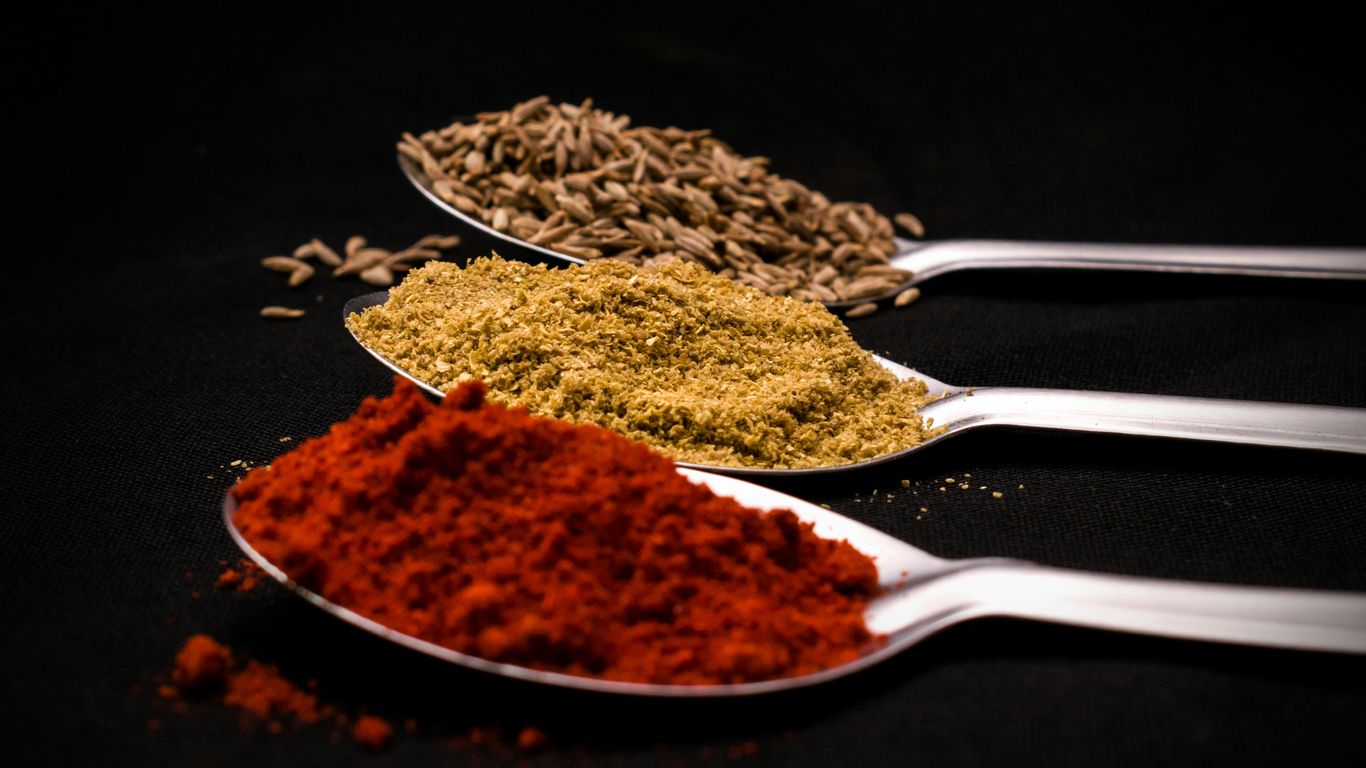
You know, sometimes the simplest things can make a big difference when your joints are feeling a bit grumpy. And spices? They’re not just for making food taste good; they can actually help calm down that internal ouch we sometimes feel. Think of them as tiny flavor bombs with big benefits for your body.
Harness the Potential of Ginger
Ginger is one of those spices that’s been around forever, and for good reason. We often reach for it when our stomach feels off, but it’s got some serious anti-inflammatory power too. It contains a compound called gingerol, which helps fight inflammation. What’s cool is that when you heat ginger, like in a soup or curry, it actually turns into something called shogaols, which are even more potent at calming things down. So, don’t be shy about adding it to your cooking!
Unlock Turmeric’s Curcumin Benefits
Turmeric, that vibrant yellow spice, is a star player in the anti-inflammatory world. Its main active compound, curcumin, is what does the heavy lifting. Now, our bodies don’t always absorb curcumin super well on its own. But, pairing it with a little black pepper and some healthy fat, like olive oil, can really help. Cooking it also seems to boost its effectiveness. If you’re really looking to target joint discomfort, you might consider a supplement, but it’s always a good idea to chat with your doctor before starting anything new.
Incorporate Garlic and Onions
Garlic and onions, along with their cousins like leeks, are part of the allium family. These guys have compounds that can help reduce inflammation. Some research even suggests that people who eat more of these regularly might show fewer signs of joint wear and tear. A specific compound in garlic, called diallyl disulfide, might help protect the cartilage in your joints. So, whether you’re roasting garlic cloves or mincing them into a dressing, you’re doing your joints a favor.
Nourish Your Joints with Omega-3 Rich Foods
When your joints feel a bit achy, especially first thing in the morning, thinking about what you eat can make a real difference. Omega-3 fatty acids are a big deal here. They’re known for their ability to help calm down inflammation throughout your body, which can be a lifesaver for stiff, sore joints. Making sure you get enough of these healthy fats is a smart move for better mobility.
Savor Fatty Fish for Joint Support
If you’re looking for a direct hit of omega-3s, fatty fish is where it’s at. Think salmon, mackerel, herring, and tuna. These aren’t just tasty; they’re packed with EPA and DHA, the types of omega-3s that really go to work fighting inflammation. Aiming for a couple of servings of these fish each week can really help.
- Salmon: Great grilled or baked.
- Tuna: Good seared or canned (in water).
- Mackerel: Delicious smoked or pan-fried.
Incorporate Walnuts and Flaxseeds
Not a big fish fan? No worries. You can still get those beneficial omega-3s from plant-based sources. Walnuts are a fantastic snack, and grinding up flaxseeds (they’re easier to digest that way) and sprinkling them on your oatmeal or yogurt is a simple trick. Chia seeds are another great option to toss into smoothies or puddings. These seeds and nuts offer ALA, another type of omega-3 that your body can convert into the beneficial EPA and DHA, though not as efficiently as from fish.
Choose Olive Oil for Healthy Fats
When you’re cooking or making a salad dressing, reach for olive oil, especially the extra virgin kind. It’s loaded with healthy monounsaturated fats and a compound called oleocanthal. This stuff acts a bit like ibuprofen, helping to reduce inflammation naturally. It’s a much better choice than many other cooking oils that can actually promote inflammation. Using it regularly can really support your joint health goals.
Olive oil, particularly extra virgin, is a cornerstone of anti-inflammatory eating. Its healthy fats and unique compounds work to soothe inflammation, making it a go-to for everything from sautéing vegetables to drizzling over a finished dish.
The Role of Hydration and Beverages
Brew Green Tea for Antioxidant Power
We all know we should drink water, right? It sounds so basic, but staying hydrated is actually a pretty big deal when it comes to keeping your joints happy. Think of your joints like well-oiled hinges – water helps keep everything moving smoothly. But beyond just plain water, some drinks can give you an extra boost. Green tea, for instance, is packed with compounds that fight inflammation. It’s like a warm hug for your insides, helping to calm down any angry swelling that might be making your mornings stiff.
- Aim for at least 8 glasses of water daily.
- Consider adding a squeeze of lemon for flavor and vitamin C.
- Listen to your body; thirst is a signal you need more fluids.
Consider Bone Broth for Joint Nutrients
Bone broth has been getting a lot of buzz lately, and for good reason. When bones are simmered for a long time, they release all sorts of good stuff, like collagen, glucosamine, and chondroitin. These are the building blocks that our joints and connective tissues rely on. While it might not be a magic cure, sipping on bone broth regularly could help support joint health and maybe even ease some of that morning stiffness. It’s a comforting and nourishing way to get these beneficial compounds into your system.
Staying hydrated is more than just quenching thirst; it’s about providing the lubrication and nutrients your body needs to function optimally, especially when it comes to joint mobility. The right beverages can actively contribute to reducing inflammation and supporting tissue repair.
Fruits and Vegetables: Nature’s Anti-Inflammatory Arsenal
When you’re thinking about easing joint stiffness and taming inflammation, don’t forget the produce aisle! Fruits and vegetables are packed with compounds that can really help out. They’re not just good for you in general; they’re specifically loaded with things that fight inflammation and keep your joints happier.
Load Up on Vitamin C-Rich Citrus
Oranges, grapefruits, lemons, and limes are more than just a burst of flavor. They’re loaded with vitamin C, a nutrient that plays a big role in keeping your joints healthy. Vitamin C helps your body make collagen, which is a key part of cartilage, the stuff that cushions your joints. Plus, it’s an antioxidant, meaning it helps protect your cells from damage. Adding citrus to your water or squeezing some lemon on your veggies is an easy way to get more of this joint-friendly vitamin.
Enjoy Tart Cherries and Berries
These colorful little fruits are like tiny powerhouses for fighting inflammation. Tart cherries, in particular, have compounds called anthocyanins, which give them their deep red color and also have some serious anti-inflammatory effects. You’ll find these same helpful compounds in other berries too, like strawberries, blueberries, raspberries, and blackberries. They’re great for helping to calm down that general inflammation that can make your joints ache. A handful of berries in your morning oatmeal or a small bowl of tart cherries as a snack can make a difference.
Embrace Cruciferous Vegetables
Think broccoli, cauliflower, Brussels sprouts, and kale. These aren’t just side dishes; they’re important players in an anti-inflammatory diet. They contain a compound called sulforaphane, which research suggests might help slow down the damage to cartilage that can happen with conditions like osteoarthritis. They also offer vitamins like K and C, and minerals like calcium, all of which support bone and joint health. Roasting them with a little olive oil and garlic is a simple way to make them tasty and beneficial.
The variety of colors in fruits and vegetables often signals a variety of beneficial plant compounds. Aiming for a rainbow on your plate isn’t just pretty; it’s a smart strategy for getting a wide range of anti-inflammatory and antioxidant support for your body.
Beans and Legumes: Fiber-Rich Allies for Mobility
Incorporate Lentils and Beans into Meals
Beans and lentils are seriously underrated when it comes to joint health. They’re packed with fiber, which is great for keeping things moving smoothly, but they also pack a punch when it comes to fighting inflammation. Think of them as little powerhouses of nutrients that can really help calm things down in your body. They’re also a fantastic source of plant-based protein, which is important for muscle support, and they come loaded with minerals like magnesium and iron. Plus, they’re super affordable and versatile in the kitchen.
Understand Their Impact on Inflammation Markers
It’s not just about how you feel; studies show that eating beans and legumes can actually lower certain markers in your blood that indicate inflammation. One key marker is C-reactive protein, or CRP. When CRP levels are high, it suggests your body is dealing with a lot of inflammation. Research has pointed out that specific types of beans, like kidney beans, pinto beans, and black beans, are particularly good at helping to bring those CRP levels down. This means that by adding these to your diet regularly, you’re actively working to reduce the internal inflammation that can contribute to joint stiffness and pain. It’s a pretty direct way to make a difference.
Here’s a quick look at how different beans stack up:
| Bean Type | Key Benefits for Mobility |
|---|---|
| Lentils | High in fiber, protein, and antioxidants; versatile. |
| Black Beans | Rich in anthocyanins, known for anti-inflammatory effects. |
| Kidney Beans | Shown to be effective in lowering CRP levels. |
| Pinto Beans | Good source of fiber and compounds that reduce inflammation. |
| Chickpeas | Provide protein, fiber, and minerals like magnesium. |
Making beans and lentils a regular part of your meals isn’t just about adding bulk; it’s about actively choosing foods that can help your body manage inflammation and support better joint function over time. They’re a simple, accessible way to boost your diet for mobility.
Gut Health and Fermented Foods for Inflammation Control
You know, it turns out that what’s happening in your gut can really affect how your joints feel. It’s a bit of a wild connection, but a healthy gut microbiome seems to play a role in keeping inflammation in check throughout your body. Think of your gut as this bustling city; when it’s running smoothly with good bacteria, everything else tends to work better. When things get out of whack, it can send signals that cause trouble elsewhere, like in your joints.
Choose Yogurt with Live and Active Cultures
One of the easiest ways to give your gut a little boost is by adding fermented foods to your diet. Yogurt is a popular choice, and for good reason. Look for labels that specifically mention "live and active cultures." These are the good bacteria that do the heavy lifting for your gut health. Plain, unsweetened yogurt is usually the best bet, but don’t feel like you have to eat it plain. You can always jazz it up with some fresh fruit or a sprinkle of nuts to make it tastier and add even more good stuff.
Understand the Gut-Inflammation Connection
So, how does this all tie together? Well, when your gut lining is healthy, it acts like a good gatekeeper, letting the good nutrients in and keeping the bad stuff out. But if that lining gets damaged, things can leak through, triggering an inflammatory response from your immune system. This chronic, low-level inflammation can then spread, and your joints might feel the brunt of it. Eating fermented foods helps support that gut lining and keeps the good bacteria happy, which in turn can help dial down that widespread inflammation.
Here’s a quick rundown of what to look for:
- Yogurt: Opt for plain, unsweetened varieties with "live and active cultures."
- Kefir: A fermented milk drink, often even richer in probiotics than yogurt.
- Sauerkraut & Kimchi: Fermented cabbage dishes that add a tangy kick and beneficial bacteria.
- Kombucha: A fermented tea drink, but watch out for added sugars.
It’s not just about popping a probiotic pill; getting these beneficial bacteria from whole foods seems to have a more rounded effect on your system. Think of it as feeding your internal ecosystem with the best possible fuel.
It might seem a little strange at first, thinking about your gut health impacting your knees or hips, but it’s a pretty fascinating area of nutrition. Making small changes, like adding a serving of yogurt or some kimchi to your meals, could make a noticeable difference over time in how you feel, both inside and out.
Smart Swaps for an Anti-Inflammatory Diet
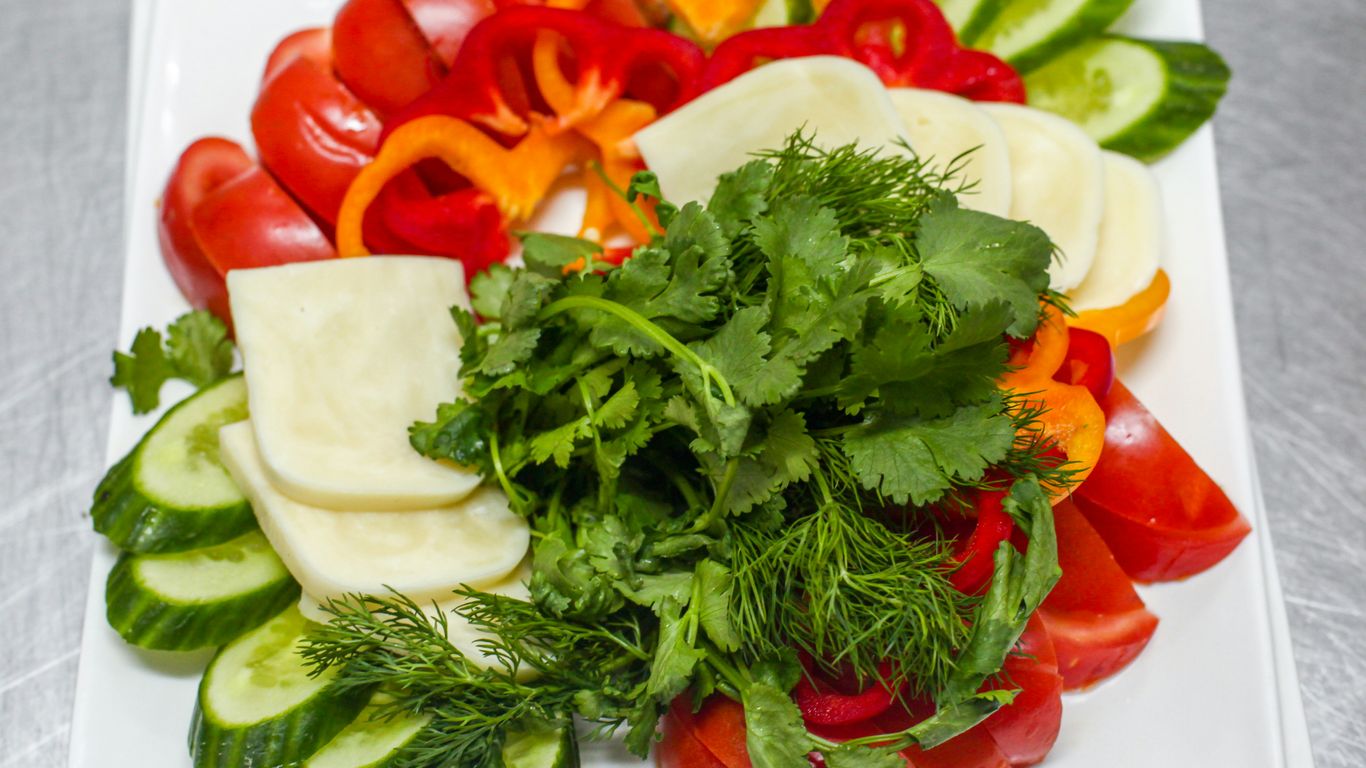
Sometimes, making small changes to what you eat can have a big impact on how your joints feel. It’s not about a complete overhaul, but rather swapping out certain items for better alternatives. Think of it as upgrading your pantry for joint comfort.
Replace Refined Grains with Whole Grains
Refined grains, like white bread, white pasta, and white rice, have had their bran and germ removed. This process strips away a lot of the fiber and nutrients that are good for you. When you eat them, your body processes them quickly, which can sometimes lead to spikes in blood sugar and contribute to inflammation. Whole grains, on the other hand, keep all their parts – the bran, germ, and endosperm. This means they’re packed with fiber, vitamins, and minerals that your body uses more slowly and steadily.
Here’s a quick look at some common swaps:
| Instead of This | Try This |
|---|---|
| White bread | Whole wheat bread, sourdough |
| White pasta | Whole wheat pasta, brown rice pasta |
| White rice | Brown rice, quinoa, barley |
| Sugary breakfast cereal | Oatmeal, whole-grain flakes |
Making these switches means you’re getting more fiber, which is great for digestion and can help keep inflammation in check. Plus, whole grains often have a richer, nuttier flavor that’s really satisfying.
Opt for Healthy Oils Over Inflammatory Fats
Not all fats are created equal, and some can actually make inflammation worse. Oils like vegetable oil, sunflower oil, and peanut oil are often high in omega-6 fatty acids. While we need some omega-6s, most people get way too much compared to omega-3s, and this imbalance can promote inflammation. It’s a good idea to cut back on these and reach for healthier options instead.
- Extra Virgin Olive Oil: This is a star player. It’s rich in monounsaturated fats and contains a compound called oleocanthal, which acts a bit like ibuprofen by helping to calm inflammation. Use it for cooking at medium heat, or drizzle it over salads and cooked vegetables.
- Walnut Oil: This oil is a fantastic source of plant-based omega-3 fatty acids, which are known for their anti-inflammatory properties. It has a distinct flavor, so it’s often best used in salad dressings or drizzled over dishes after cooking, as high heat can damage its delicate fats.
- Avocado Oil: Another good choice for cooking, avocado oil has a high smoke point and is packed with monounsaturated fats.
When you’re choosing oils, look for ones that are less processed. Extra virgin olive oil, for example, is pressed mechanically without harsh chemicals, preserving more of its beneficial compounds. This simple swap can make a difference in how your body handles inflammation.
By making these conscious choices about the fats you use, you’re actively supporting your body’s ability to manage inflammation and keep your joints happier.
Foods to Limit for Reduced Joint Discomfort
While loading up on good stuff is key, it’s also super important to know what foods might be making your joints feel worse. Think of it like this: you wouldn’t pour salt in a wound, right? Well, some foods can act similarly, stirring up inflammation and making that morning stiffness or joint ache even more noticeable. It’s not about being perfect, but being mindful can make a real difference.
Minimize Sugars and Refined Grains
This is a big one. Sugary drinks, candy, pastries, white bread, white rice, and regular pasta are often stripped of their natural fiber and nutrients. When you eat these, your body processes them quickly, leading to spikes in blood sugar. This can trigger a chain reaction that promotes inflammation throughout your body, and guess what? Your joints are often the first to feel it. It’s like adding fuel to a fire you’re trying to put out.
- White bread and pasta
- Sugary cereals and baked goods
- Soda and other sweetened beverages
- White rice
Reduce Intake of Processed Foods
Processed foods are convenient, I get it. But they often pack a punch of unhealthy fats, excess sodium, and artificial ingredients that can really mess with your body’s inflammation levels. Think frozen dinners, packaged snacks, processed meats like hot dogs and deli slices, and most fast food. These items are designed for shelf life, not for your joint health. They can contribute to a general state of inflammation that makes everything feel achier.
Be Mindful of Dairy and Gluten Sensitivities
Now, this one is a bit more personal. For some folks, dairy products or gluten (found in wheat, barley, and rye) can be inflammatory triggers. It’s not a universal rule, but if you notice your joints feeling particularly stiff or sore after consuming milk, cheese, bread, or pasta, it might be worth exploring. Keeping a food diary can help you pinpoint if these are culprits for you. Sometimes, simply swapping cow’s milk for a plant-based alternative or choosing gluten-free grains can ease discomfort. It’s about listening to your body and seeing what it tells you.
Paying attention to these food groups isn’t about deprivation; it’s about making informed choices that support your body’s natural ability to manage inflammation and keep you moving more comfortably.
Building Your Mobility Meals Plate
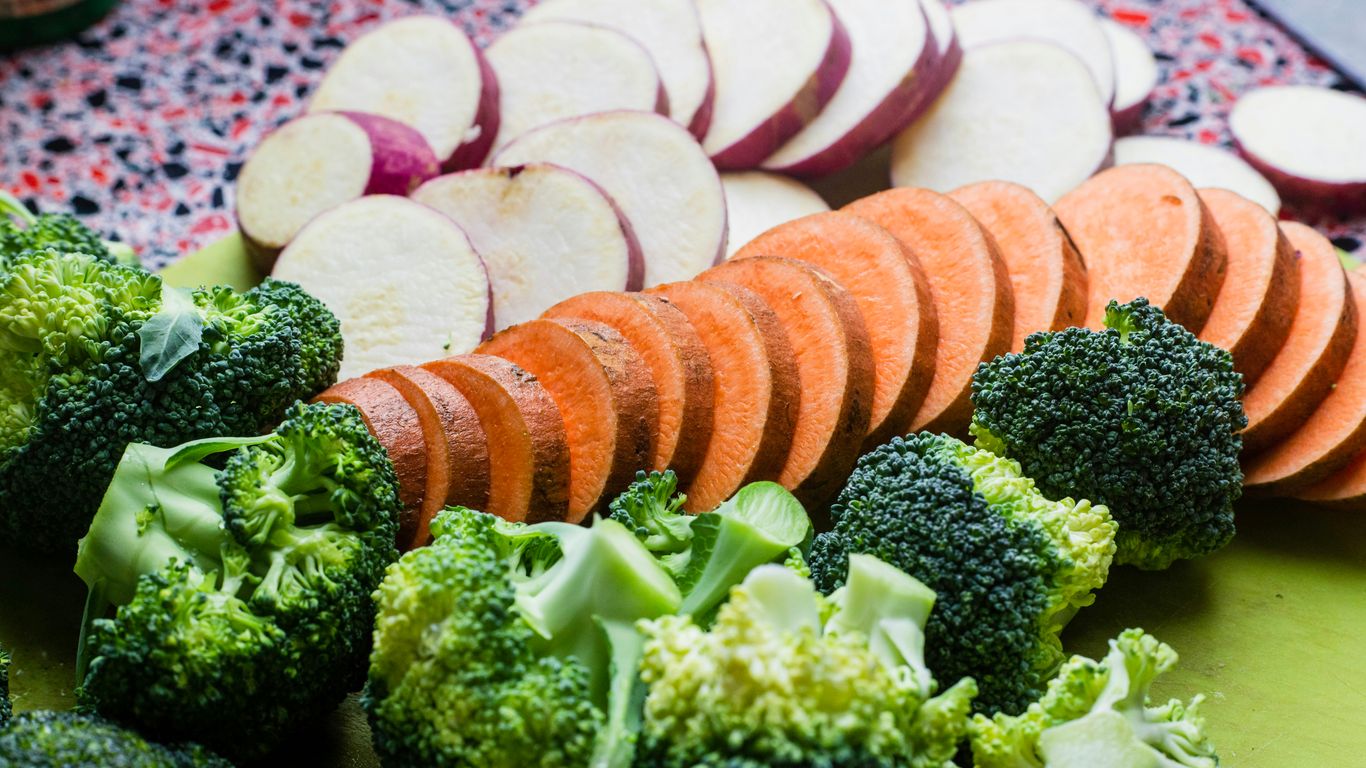
So, how do you actually put all this good stuff together on a plate? It’s simpler than you might think. The idea is to make every meal a chance to help your joints feel better and your mornings less stiff. Think of your plate as a canvas for joint-friendly foods.
Combine Anti-Inflammatory Foods Daily
Making anti-inflammatory foods a regular part of your diet isn’t about perfection, it’s about consistency. Aim to include a mix of these beneficial foods in your meals throughout the day. This means not just focusing on dinner, but also on what you have for breakfast and lunch.
- Start your day with berries and nuts: A bowl of oatmeal topped with blueberries and walnuts is a great way to begin.
- Lunchtime power-up: A big salad loaded with leafy greens, chickpeas, and a drizzle of olive oil can make a big difference.
- Dinner’s focus: Think fatty fish like salmon, a side of steamed broccoli, and a serving of quinoa.
The goal is to make these foods the stars of your plate, not just an afterthought.
Focus on Nutrient Density for Joint Care
When we talk about nutrient density, we mean foods that pack a lot of vitamins, minerals, and beneficial compounds into a small package. These are the foods that work hard for your body, especially your joints.
Here’s a quick look at some nutrient powerhouses:
| Food Group | Key Nutrients for Joints |
|---|---|
| Fatty Fish | Omega-3 fatty acids (EPA & DHA) |
| Leafy Greens | Vitamins A, C, K, calcium, antioxidants |
| Berries | Antioxidants (anthocyanins), Vitamin C |
| Nuts & Seeds | Omega-3s (ALA), magnesium, Vitamin E, fiber |
| Legumes (Beans/Lentils) | Fiber, protein, antioxidants, minerals |
| Olive Oil (Extra Virgin) | Monounsaturated fats, antioxidants (oleocanthal) |
Building a plate that supports your joints is about making smart choices consistently. It’s not about restrictive dieting, but rather about filling your plate with foods that actively help reduce inflammation and provide the building blocks for healthy tissues. Think of it as a proactive approach to feeling better, day in and day out.
Want to build a healthy plate that helps you reach your weight goals? It’s easier than you think! We’ll show you how to put together meals that are both tasty and good for you. Learn the simple steps to create your perfect plate and keep the weight off for good. Visit our website today to get started on your journey!
Putting It All Together
So, we’ve talked a lot about what foods can help when your joints are feeling a bit grumpy, especially in the morning. It’s not about a magic fix, but more about making smart choices day-to-day. Think colorful fruits and veggies, good fats from things like olive oil, and maybe some fatty fish a couple of times a week. And don’t forget those spices like turmeric and ginger! It’s about building a plate that works with your body, not against it. Remember, these changes add up, and consistently choosing foods that fight inflammation can really make a difference in how you feel, helping you move a little easier and greet the day with less stiffness. It’s a journey, for sure, but one that’s totally worth taking for your well-being.
Frequently Asked Questions
What kind of foods are best for sore joints?
Foods that help fight swelling are great for achy joints. Think about eating lots of colorful fruits and veggies, healthy fats like those in olive oil and fish, and spices like turmeric and ginger. These foods have special stuff in them that can calm down inflammation in your body.
How does the Mediterranean diet help with joint pain?
The Mediterranean diet is full of foods that fight swelling, like fruits, veggies, beans, whole grains, nuts, seeds, and fish. It limits foods that can make swelling worse, like sugary stuff and processed foods. Eating this way can make a big difference in how much your joints hurt and feel stiff.
Are spices like turmeric and ginger really good for joints?
Yes! Turmeric has a compound called curcumin, and ginger has gingerol. Both are like superheroes that fight swelling in your body. Adding them to your meals can really help ease joint pain and stiffness.
Why are fatty fish and nuts recommended for joint health?
Fish like salmon and tuna, and nuts like walnuts, are packed with omega-3 fatty acids. These are healthy fats that are super important for reducing swelling in your body. They’re like a shield for your joints.
Can drinking green tea help my joints?
Absolutely! Green tea is loaded with antioxidants, which are like little helpers that protect your body from damage. These antioxidants can help reduce swelling and might even slow down the wear and tear on your joints.
What are some foods I should eat less of if I have joint pain?
It’s a good idea to cut back on things like sugary drinks and snacks, white bread, white rice, and heavily processed foods. These can actually make swelling in your body worse, which can lead to more joint pain and stiffness.
How important is gut health for joint pain?
Your gut is like the control center for your body’s health, including swelling. Eating foods that are good for your gut, like yogurt with live cultures and plenty of fiber from fruits and veggies, can help keep swelling in check and make your joints feel better.
Besides diet, what else can help with stiff mornings?
While food is a big help, don’t forget about moving your body! Gentle exercise, stretching, and staying hydrated by drinking plenty of water can also make a huge difference in how stiff you feel, especially in the morning.