

Life gets pretty hectic, right? It feels like we’re always running from one thing to the next, and it’s easy to lose track of what really matters. I’ve been thinking a lot lately about how to slow down and live with more purpose. That’s where the idea of a ‘rule of life’ comes in. It’s not about adding more to your plate, but about intentionally shaping your days with things that truly nourish you – like prayer, rest, serving others, and taking care of yourself. Think of it as building a steady rhythm into your week, a way to make sure the important stuff doesn’t get pushed aside.
Key Takeaways
- A rule of life is a personal, prayerful plan for how you want to live, focusing on habits and rhythms that align your heart with God’s design.
- Structure your week with intentional rhythms for prayer, rest, health, and service, rather than just reacting to demands.
- Commitments, like regular prayer or specific rest times, are more effective for deep living than fleeting goals.
- Building consistent habits in areas like prayer, rest, and health shapes your character over time, much like daily routines or liturgies.
- Creating a rule of life helps you live more attentively, faithfully, and generously, leading to a quieter, more purposeful existence.
Embracing A Rule Of Life For Intentional Living
Understanding The Purpose Of A Rule Of Life
So, what exactly is a "Rule of Life"? It’s not some rigid set of rules designed to make you feel guilty. Think of it more like a personal roadmap, a prayerful framework that helps you intentionally shape your days and weeks. It’s about creating space, not just filling it. In our fast-paced world, it’s easy to get swept up in the current, doing a lot but not necessarily living with purpose. A Rule of Life is a way to push back against that, to consciously decide what matters most and build your life around it. It’s about aligning your heart with what you believe is important, and often, that starts with making space for God.
Aligning Your Heart With God’s Design
This isn’t about adding more to your already packed schedule. It’s about reordering what’s already there. A Rule of Life helps you discern where you’re being called and how to live that out practically. It’s like a trellis for a vine; it doesn’t produce the growth, but it gives shape and direction. By prayerfully considering your priorities, you can begin to see how your daily actions can better reflect your deepest values and your faith. It’s a process of listening and responding, allowing your life to be shaped by something greater than your own plans.
Cultivating Space For Spiritual Formation
At its core, a Rule of Life is about making room for spiritual growth. It’s about creating intentional practices that help you connect with God, reflect on your life, and grow in faith. This might look like setting aside time for prayer, reading scripture, or simply being still. It’s about recognizing that spiritual formation doesn’t just happen; it requires deliberate effort and consistent practice. Building these rhythms helps you move from a life of reaction to one of intentionality, allowing for deeper connection and transformation.
Here’s a simple way to think about the foundational elements:
| Element | Description |
|---|---|
| Prayer | Direct communication and listening to God. |
| Rest | Deliberate periods of inactivity and renewal. |
| Service | Engaging with and helping others. |
| Health Habits | Practices that support physical and mental well-being. |
A Rule of Life is a way to begin with the end in mind—to envision a sustainable, thriving walk with the Lord, in his Word, in prayer, in community, in our family, and in our work, then work backward to a set of commitments. It’s not about detailed to-do lists that must be maintained.
Structuring Your Weekly Rhythms
Think of your week not as a series of random events, but as a landscape you can shape. A Rule of Life helps you build intentional rhythms into your days, creating a predictable flow that supports your spiritual, physical, and relational well-being. It’s about moving from a reactive mode to a proactive one, where you’re in the driver’s seat of your time and energy.
The Five Foundational Elements
To build a balanced week, consider weaving in these five core practices. They aren’t meant to be rigid rules, but flexible anchors that bring order and purpose.
- Prayer and Spiritual Connection: Setting aside time to connect with God, whether through quiet reflection, reading scripture, or spoken prayer.
- Rest and Sabbath: Designating specific times for genuine rest, stepping away from work and obligations to recharge.
- Health Habits: Committing to practices that support your physical well-being, like regular movement, adequate sleep, and mindful eating.
- Service and Contribution: Finding ways to serve others and contribute to your community, extending care beyond yourself.
- Personal Growth and Reflection: Allocating time for learning, creativity, or simply processing your thoughts and experiences.
Integrating Prayer and Scripture
Prayer isn’t just a morning ritual; it can be the thread that runs through your entire week. Think about how you can weave short moments of prayer into transitions – before a meeting, during a commute, or before a meal. Reading scripture can also become a consistent practice, perhaps a short passage each morning or evening. The goal is consistency, not necessarily duration. Even five minutes of focused prayer or scripture reading can reorient your perspective.
Balancing Personal and Relational Needs
It’s easy to get caught up in either solely focusing on ourselves or constantly giving to others. A healthy rhythm finds a balance. This means protecting time for your own needs – rest, personal reflection, hobbies – while also intentionally nurturing relationships. Consider scheduling regular times for family, friends, or community involvement. Hospitality, even in small ways, can be a powerful way to build deeper connections and extend God’s love.
Building these rhythms isn’t about adding more to an already packed schedule. It’s about making deliberate choices about how you spend your time and energy, so that the things that truly matter get the attention they deserve. It’s a shift from simply doing to being – being present, being connected, and being renewed.
Here’s a sample weekly structure to get you thinking:
| Day | Morning Focus | Afternoon Focus | Evening Focus |
|---|---|---|---|
| Sunday | Worship & Reflection | Rest & Family Time | Prepare for Week |
| Monday | Prayer & Scripture | Work/Vocation | Health Habit |
| Tuesday | Prayer & Scripture | Work/Vocation | Relational Time |
| Wednesday | Prayer & Scripture | Work/Vocation | Service/Community |
| Thursday | Prayer & Scripture | Work/Vocation | Health Habit |
| Friday | Prayer & Scripture | Work/Vocation | Rest & Relaxation |
| Saturday | Sabbath Rest | Sabbath Rest | Sabbath Rest |
Prioritizing Prayer And Spiritual Connection
Daily Prayer As A Foundation
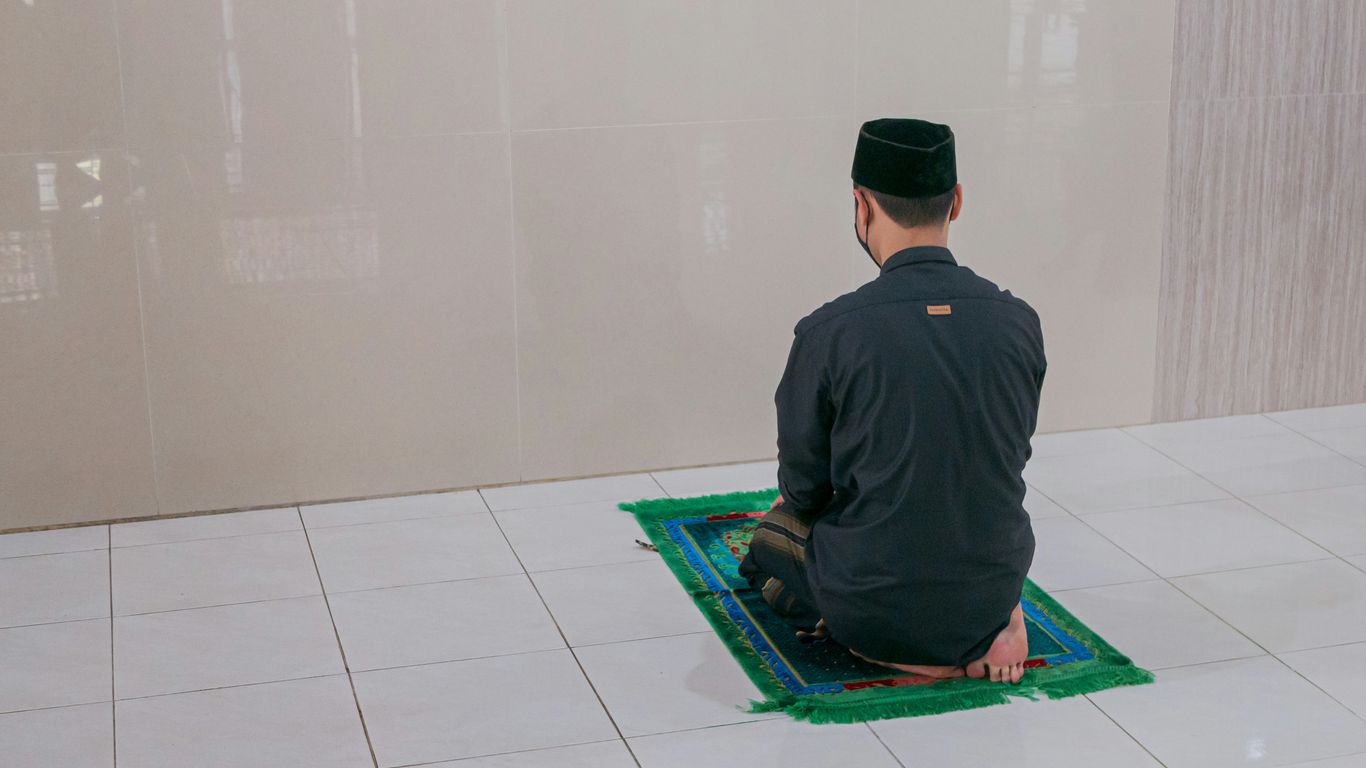
Starting your day with prayer is like setting the compass for your entire day. It’s not just about asking for things; it’s about aligning your heart and mind with something bigger than yourself. Think of it as a quiet moment before the world rushes in, a chance to remember who you are and whose you are. This practice helps reorient your focus away from the daily grind and towards God’s purposes. It’s a way to frame your day with intention, rather than just reacting to whatever comes your way.
- Realign your focus: Shift from worries to God’s presence.
- Set your intentions: Frame your day with purpose and peace.
- Build consistency: Make it a regular part of your morning routine.
Starting the day with prayer helps combat the constant barrage of external demands and internal anxieties. It’s a deliberate act of grounding yourself in love and truth before engaging with the complexities of life.
Framing Your Day With Purpose
How you begin your day can really set the tone. Instead of grabbing your phone first thing, consider a few minutes of quiet prayer. This doesn’t have to be a long, elaborate ritual. It could be as simple as a few sentences of gratitude, a request for guidance, or a moment of silent reflection. Pairing prayer with a routine activity, like making coffee or sitting by a window, can make it easier to stick with. The goal is to create a consistent practice that helps you start your day feeling centered and purposeful.
Here are a few simple ways to frame your day:
- Morning Reflection: Spend 5-10 minutes reflecting on God’s goodness from the previous day.
- Scripture Engagement: Read a short passage of scripture and consider how it applies to your day.
- Intentional Prayer: Pray for specific people, situations, or for wisdom and patience.
The Transformative Power Of Persistent Prayer
It’s easy to think that prayer only matters when we feel a strong spiritual connection. But the real transformation often happens in the persistence, even when it feels dry or difficult. Regularly turning to God, even in small ways, gradually reshapes our perspective. We start to see our work, our relationships, and our challenges through a different lens – one of faith and hope, rather than just our own limited view. This consistent effort builds a deeper reliance on God and cultivates a more resilient spirit over time.
Cultivating Rest And Sabbath Practices

Life moves fast, doesn’t it? It feels like we’re always on the go, trying to get more done, be more productive. But what if the secret to actually living more isn’t about doing more, but about doing less, at least for a little while? That’s where rest and Sabbath come in. They aren’t just lazy days; they’re active choices to step back and remember what really matters.
The Importance of Rest and Sabbath
Think about it: our culture often worships busyness. We wear our packed schedules like badges of honor. But this constant striving can leave us feeling drained, disconnected, and frankly, a bit lost. Sabbath, in its truest sense, is a counter-cultural act. It’s a weekly pause, a deliberate stepping away from the demands of work and productivity. It’s a reminder that we aren’t the ones keeping the world spinning; a higher power is. This practice helps us reset our perspective, reminding us of our dependence on something greater than our own efforts.
True rest isn’t just about sleeping more; it’s about intentionally creating space to disconnect from the noise and reconnect with what nourishes our soul. It’s about remembering we are sustained, not just by our own strength, but by a deeper, more reliable source.
Designing a Meaningful Sabbath
So, what does a meaningful Sabbath actually look like? It’s not about a rigid set of rules, but about creating a rhythm that works for you and helps you reorient your life. It’s about ceasing from your usual tasks and instead, engaging in activities that bring you life and peace.
Here are a few ideas to get you started:
- Cease from Work: This means putting away the work emails, the to-do lists, and the projects that consume your weekdays. It’s a day to truly unplug from your usual responsibilities.
- Engage in Worship and Reflection: Spend time in prayer, reading scripture, or simply meditating. This is a prime opportunity to connect with your spiritual side.
- Enjoy Relationships and Creation: Spend quality time with loved ones, go for a walk in nature, or simply sit and appreciate the world around you.
- Practice Hospitality: Share a meal with friends or family, opening your home and your table to others.
Rest as a Spiritual Discipline
Viewing rest as a spiritual discipline changes how we approach it. It’s not a luxury; it’s a necessity for spiritual formation. Just like prayer or scripture reading, regular, intentional rest helps shape our character and deepen our connection to God. It allows us to slow down, to listen, and to be present. In a world that constantly pushes us to do more, Sabbath calls us to simply be. It’s in these moments of quiet that we often find clarity, renewal, and a renewed sense of purpose.
Nurturing Health Habits For Well-Being
Stewardship Of Physical Health
Taking care of our bodies is a pretty big deal, isn’t it? It’s not just about looking good, though that’s a nice bonus. It’s about having the energy and strength to actually live the life we’re trying to build. Think of your body as the vehicle for everything else you want to do – your work, your relationships, your service. If the engine’s sputtering, nothing else runs very well.
We often get caught up in the idea that health is this complicated thing requiring extreme diets or grueling workouts. But honestly, it often comes down to consistent, simple choices. It’s about showing up for yourself, day after day, even when you don’t feel like it. Small, regular actions build a foundation of well-being that lasts.
The Role Of Sleep And Recreation
Sleep. Man, sleep is just so important. I used to think I could get by on five hours, but nope. My brain felt foggy, I was grumpy, and I just wasn’t sharp. Getting enough quality sleep is like hitting the reset button for your whole system. It helps with everything from your mood to your immune system.
And recreation? That’s not just a fancy word for ‘doing nothing.’ It’s about activities that genuinely refresh you, that fill your cup. For some, that’s hiking; for others, it’s reading a good book or playing a board game with friends. The key is that it pulls you out of the daily grind and lets you recharge.
Here are a few ideas to get more rest and recreation:
- Prioritize Sleep: Aim for 7-9 hours of quality sleep per night. Try to go to bed and wake up around the same time, even on weekends.
- Schedule Downtime: Block out time in your week specifically for rest and activities you enjoy. Treat it like any other important appointment.
- Disconnect: Set boundaries with technology, especially before bed. Give your mind a break from screens.
- Engage in Hobbies: Make time for activities that bring you joy and help you unwind, whether it’s creative, physical, or social.
We often see rest as a reward for hard work, but it’s actually a prerequisite for it. Without adequate rest, our capacity for focused work, creative problem-solving, and emotional resilience diminishes significantly. It’s not laziness; it’s wisdom.
Mindful Eating And Movement
What we eat directly impacts how we feel, both physically and mentally. It’s not about perfection, but about making choices that nourish us most of the time. This means paying attention to how different foods make your body feel and trying to lean into those that give you sustained energy rather than a quick sugar rush followed by a crash.
Movement is also key. It doesn’t have to be intense. A brisk walk around the block, taking the stairs, or even just stretching for a few minutes can make a difference. The goal is to integrate more activity into your day, breaking up long periods of sitting.
Consider these simple shifts:
- Hydration First: Start your day with a glass of water before coffee or anything else.
- Balanced Meals: Aim for a mix of protein, healthy fats, and complex carbohydrates at each meal to keep you full and energized.
- Mindful Snacking: Keep healthy snacks like fruits, nuts, or yogurt readily available to avoid reaching for less nutritious options when hunger strikes.
- Incorporate Movement Breaks: Set a timer to stand up, stretch, or walk for a few minutes every hour, especially if you have a desk job.
Integrating Service Into Your Life
Beyond our personal spiritual growth and well-being, a meaningful life also involves reaching outward. Service isn’t just an add-on; it’s woven into the fabric of how we’re meant to live, connecting us to others and reflecting a deeper purpose. It’s about actively participating in the lives of those around us, whether that’s in our immediate neighborhood or the wider community.
Serving Neighbors and Community
Think about the people who live near you, the folks you see at the grocery store, or the families at your kids’ school. These are your neighbors. Service here often looks like simple acts of kindness: offering to pick up groceries for an elderly neighbor, helping someone with yard work, or just being a friendly face and a listening ear. It’s about showing up for the people who share your physical space. Community service can also involve volunteering with local organizations, participating in neighborhood clean-ups, or supporting local initiatives that aim to improve the area for everyone. These actions, however small they may seem, build bridges and strengthen the bonds that hold a community together.
Hospitality and Deeper Relationships
Hospitality is a powerful form of service. It’s more than just inviting people over for dinner; it’s about creating an atmosphere where others feel welcomed, seen, and valued. This could mean opening your home for a casual coffee, organizing a potluck for new acquaintances, or simply making an effort to connect with people you don’t know well. True hospitality extends beyond our homes and into our interactions everywhere. It’s about being generous with our time and attention, making space for others in our busy lives. This practice naturally leads to deeper, more authentic relationships, moving beyond superficial connections to genuine fellowship.
Generosity in Action
Generosity isn’t limited to financial giving, though that’s certainly a part of it. It’s a broader principle of sharing what we have – our time, our skills, our resources, our energy. This might look like mentoring someone, sharing your expertise, donating items you no longer need, or simply offering encouragement when someone is struggling. It’s about recognizing that we have been given gifts and resources, and a part of living intentionally is stewarding them wisely by sharing them with others.
Here are a few ways to practice generosity:
- Time: Offer an hour a week to help a local charity or a neighbor.
- Skills: Share your professional knowledge or a practical skill (like cooking or gardening) with someone who could benefit.
- Resources: Donate gently used items, contribute to a community fund, or share extra produce from your garden.
- Encouragement: Offer sincere words of affirmation and support to those around you.
Living a life of service and generosity means looking for opportunities to bless others, not out of obligation, but out of a desire to reflect the love we’ve received. It’s about actively participating in the well-being of the world around us, one intentional act at a time.
Developing Commitments Over Goals
You know, it’s easy to get caught up in setting big goals. We think, ‘I want to run a marathon!’ or ‘I want to write a book!’ Those are great aspirations, but they can feel pretty overwhelming, right? The real magic happens when we shift our focus from the big, shiny outcome to the smaller, consistent actions that get us there. That’s where commitments come in.
The Difference Between Goals And Commitments
Think of it this way: a goal is the destination, like reaching the summit of a mountain. A commitment, on the other hand, is the daily practice of lacing up your boots, packing your water, and taking those first few steps up the trail, no matter the weather. Goals are what we aim for, but commitments are the rhythms that shape our lives and actually make those goals possible. It’s the difference between saying ‘I want to be healthier’ and committing to ‘walk for 30 minutes every weekday morning.’ One is a wish, the other is a practice.
Translating Intentions Into Action
So, how do we move from vague intentions to concrete actions? It starts with being honest about what truly matters to you. If you want to deepen your prayer life, a goal might be ‘pray more.’ But a commitment looks like setting aside 15 minutes each morning, right after waking up, specifically for prayer. It’s about carving out that time and space, even when you don’t feel like it. This is where your Rule of Life really shines – it’s not just a list of things you want to do, but a plan for how you will consistently do them.
Here’s a simple way to think about translating your intentions:
- Identify the Core Intention: What is the underlying desire? (e.g., deeper spiritual connection, better physical health, stronger relationships).
- Define a Specific Commitment: What small, repeatable action will move you toward that intention? (e.g., daily scripture reading, weekly meal prep, calling a friend every Sunday).
- Schedule It: Where does this commitment fit into your week? Put it in your calendar like any other important appointment.
- Review and Adjust: Life happens. Check in regularly to see if your commitments are still serving you and adjust as needed.
Consistency In Daily Practices
It’s the daily, often unglamorous, practices that build character and lead to lasting change. Showing up consistently, even when it’s hard, is where the real transformation occurs. It’s not about perfection; it’s about persistence. If you miss a day, don’t throw in the towel. Just pick it back up the next day. This steady, faithful effort is what truly shapes us over time, aligning our lives with what we say we value.
The power isn’t in the grand gesture, but in the quiet, repeated action. It’s the small, consistent choices that build momentum and create the life you desire. Don’t underestimate the impact of showing up, day after day, for the things that matter most.
Planning And Preparing Your Rule Of Life

So, you’ve decided to put together a "Rule of Life." That’s awesome. It sounds a bit formal, maybe even intimidating, but really, it’s just about being intentional with your time and energy, especially when it comes to your faith and well-being. Before you can actually live by a Rule, though, you’ve got to plan it out. It’s like getting ready for a big trip – you wouldn’t just hop in the car and go, right? You’d pack, figure out your route, maybe book a hotel. This is similar, but instead of a vacation, you’re planning for a more centered, purposeful life.
Setting Aside Time For Planning
First things first, you need to actually set aside time to do this planning. Don’t try to squeeze it in between meetings or while you’re half-watching TV. This is important work, and it deserves your focused attention. Ideally, block out a good chunk of a day. Think six to eight hours, maybe even a full ten if you can swing it. If you’re married or live with someone, talk to them about trading off days so you both get uninterrupted time. It might feel like a lot, but seriously, dedicating a full day makes a huge difference. It allows you to really get into it without feeling rushed.
Creating A Conducive Environment
Where are you going to do this planning? It needs to be somewhere that helps you focus, not distract you. My friend Brian likes to go to a little cabin he has, which sounds pretty sweet. I’ve used a quiet corner of a library before, or even just my own home if I can make sure the kids are occupied. The main thing is to get away from the usual hustle and bustle. Leave your laptop and phone behind if you can. Seriously, the temptation to check email or scroll through social media is huge. You want to be present with your thoughts and with God, not pulled in a million directions.
Gathering Essential Tools For Reflection
What do you need to bring with you for this planning day? Keep it simple. A Bible is a must, obviously. And a blank notebook – a physical one, not on a screen. Maybe a pen that writes nicely, because that can make a difference! That’s pretty much it. You might also want to bring some snacks and water, but don’t overcomplicate it. The goal is to quiet the noise, both external and internal, so you can hear what God might be guiding you toward. Think of it as creating a sacred space for this important work.
Here’s a quick rundown of what to bring:
- Bible: For guidance and inspiration.
- Notebook: To jot down thoughts, ideas, and commitments.
- Pen: A comfortable one to write with.
- Water/Snacks: To keep your energy up.
The process of planning your Rule of Life isn’t about creating a rigid set of rules that will make you feel guilty when you miss them. It’s about prayerfully discerning how you can best steward the time, energy, and resources God has given you. It’s about building rhythms that help you connect with Him and live more intentionally in all areas of your life. Don’t aim for perfection; aim for progress and faithfulness.
The Role Of Habits In Shaping Character
It’s easy to think of ourselves as being in charge, making conscious choices all the time. But honestly, a lot of what we do each day just happens. We fall into patterns, and those patterns start to build us, brick by brick. Think about it: studies suggest that nearly half of our daily actions aren’t really decisions at all, they’re just habits kicking in. These aren’t just little quirks; they’re quietly shaping who we are, what we care about, and how we act.
Invisible Formation Through Daily Routines
These daily routines are like invisible sculptors. They work on us when we’re not even paying attention. That morning coffee ritual, the way you check your phone first thing, or even how you wind down at night – these small, repeated actions are constantly molding your character. It’s not about grand gestures; it’s about the consistent, often unnoticed, flow of everyday life. We become the sum of these small, repeated actions.
Habits As Liturgies Of Life
We can even think of our habits as personal liturgies. Just like ancient rituals were designed to shape people’s hearts and minds, our daily habits do the same. They teach us what to value, what to prioritize, and what to focus on. If your daily rhythm involves scrolling endlessly, that’s a liturgy that forms you towards distraction. If it involves a few minutes of quiet reflection, that’s a liturgy forming you towards peace. The question isn’t if you have a liturgy, but what is it forming you to love and pursue?
Intentional Cultivation Of Good Habits
So, how do we make sure our habits are building the kind of character we want? It starts with paying attention. We need to look at our current routines and ask ourselves what they’re doing to us. Are they leading us closer to the person we want to be, or further away? Once we see it, we can start making changes. It’s not about perfection, but about consistent effort.
Here are a few areas to consider for intentional habit building:
- Prayer: Even five minutes of focused prayer each day can reorient your heart.
- Rest: Deliberately scheduling downtime, like a true Sabbath, prevents burnout and restores perspective.
- Movement: Incorporating simple physical activity, like a short walk, supports overall well-being.
- Connection: Making time for meaningful conversation with loved ones strengthens relationships.
Building good habits isn’t about adding more to your plate; it’s about thoughtfully arranging what’s already there. It’s about creating a structure that supports your growth rather than hinders it. Small, consistent steps in the right direction add up over time, shaping you into a more resilient and centered person.
Sustaining A Quiet And Faithful Life
A Quiet Life as a Theme
Sometimes, the most profound spiritual growth doesn’t come from grand gestures, but from a deliberate choice to live differently. For me, this has meant embracing the idea of a quiet life. It’s not about hiding away or avoiding the world, but about cultivating an inner stillness that allows us to engage with life more attentively and faithfully. This theme, inspired by passages like 1 Thessalonians 4:11-12, stands in contrast to the constant rush and noise of modern culture. It’s about finding a steady rhythm that grounds us, even when things get hectic.
Living Attentively and Generously
Embracing a quiet life means being present in the moment and with the people around us. It’s about making space for God to shape our character through consistent, intentional practices. Think of it like tending a garden; you don’t just plant seeds and expect a harvest. You water, weed, and nurture. Similarly, a Rule of Life provides the structure – the trellis – for our spiritual growth, guiding our habits and commitments. This intentionality helps us say ‘yes’ to what truly matters and ‘no’ to the distractions that pull us away from our purpose.
Here’s a simple way to think about integrating these practices:
- Prayer & Scripture: Dedicate specific times daily, even if short, to connect with God through prayer and reading His word.
- Rest & Sabbath: Designate a regular period, like a full day each week, for genuine rest and reflection, stepping away from work and obligations.
- Health Habits: Commit to consistent routines for physical well-being, such as regular movement, adequate sleep, and mindful eating.
- Service: Actively look for opportunities to serve others in your community, big or small.
Finding Strength in Community
While a quiet life can feel personal, it’s not meant to be lived in isolation. Community plays a vital role in sustaining our commitments. Sharing our Rule of Life with trusted friends or a small group can provide accountability and encouragement. Knowing others are on a similar journey, or simply cheering us on, makes a significant difference. It’s in these shared spaces that we find the strength to persevere, to learn from one another, and to grow together in faithfulness.
Living with intention means recognizing that our daily routines are not just mundane tasks, but opportunities for spiritual formation. Each habit, each commitment, is a small act of worship that shapes who we are becoming.
Living a calm and steady life is important. It means finding peace in your daily routine and staying true to your values. This kind of life helps you feel more centered and happy. Want to learn how to build a more peaceful existence? Visit our website for tips and guidance.
Putting It All Together
So, we’ve talked about building these weekly rhythms – prayer, rest, taking care of ourselves, and serving others. It’s not about having a perfect schedule or following a rigid set of rules. Think of it more like a gentle guide, a way to make sure the important stuff doesn’t get lost in the shuffle of everyday life. It’s about intentionally creating pockets of time for what truly matters, for connecting with something bigger than ourselves, and for recharging so we can show up better for the people around us. Don’t get overwhelmed trying to do it all at once. Start small, pick one or two things, and see how it feels. Over time, these simple habits can really make a difference in how you feel and how you live.
Frequently Asked Questions
What exactly is a ‘Rule of Life’?
Think of a Rule of Life as a personal plan for how you want to live each week. It’s not about strict rules, but more like a helpful guide or a trellis for a vine. It helps you make time and space for the important things, like connecting with God, resting, taking care of yourself, and helping others. It’s about living on purpose instead of just letting life happen to you.
Why is having a ‘Rule of Life’ better than making New Year’s resolutions?
New Year’s resolutions are often about big goals you want to achieve, like running a marathon. They can be hard to stick with. A Rule of Life, on the other hand, focuses on regular habits and practices, like running a few miles several times a week. These consistent actions help you get to your goals and shape your character over time. It’s more about steady progress than big, sudden changes.
What are the main parts of a ‘Rule of Life’?
A good Rule of Life usually includes five key areas: your relationship with God (like prayer and reading the Bible), your personal life and health (sleep, rest, exercise), your relationships with others, your involvement in your church community, and your work or calling. You’ll want to think about what’s most important in each of these areas for you.
How do I start creating my own ‘Rule of Life’?
To begin, set aside a full day just for this. Find a quiet place where you won’t be disturbed. Bring a Bible and a notebook. Start by reading Scripture and praying. Then, think about those five main areas of life and what commitments would help you live more intentionally in each one. Don’t try to make it perfect; just start somewhere.
What’s the difference between ‘goals’ and ‘commitments’ in a Rule of Life?
Goals are things you want to achieve, like finishing a project. Commitments are the regular actions you take that help you reach those goals, like setting aside time each day to work on the project. A Rule of Life is built on commitments – the small, consistent habits that shape your life over time and lead you toward your goals.
How important is prayer in a ‘Rule of Life’?
Prayer is super important! It’s like the foundation of your Rule. Praying regularly, especially at the start and end of your day, helps you focus on what matters and connect with God. It helps you approach your day with purpose and love, rather than just rushing through it.
What does ‘rest’ or ‘Sabbath’ mean in a ‘Rule of Life’?
Rest and Sabbath are about intentionally taking time to stop working and recharge. It’s not just about doing nothing, but about using that time for things that refresh you spiritually, mentally, and physically. Think of it as a special time to step back, rest, and remember what’s truly important.
How can a ‘Rule of Life’ help me live a more peaceful or ‘quiet’ life?
In today’s fast-paced world, it’s easy to feel scattered and overwhelmed. A Rule of Life helps you slow down and be more present. By creating regular rhythms for prayer, rest, and other good habits, you can build a life that feels more centered, faithful, and less chaotic. It helps you focus on what God is calling you to do, rather than just reacting to everything around you.