
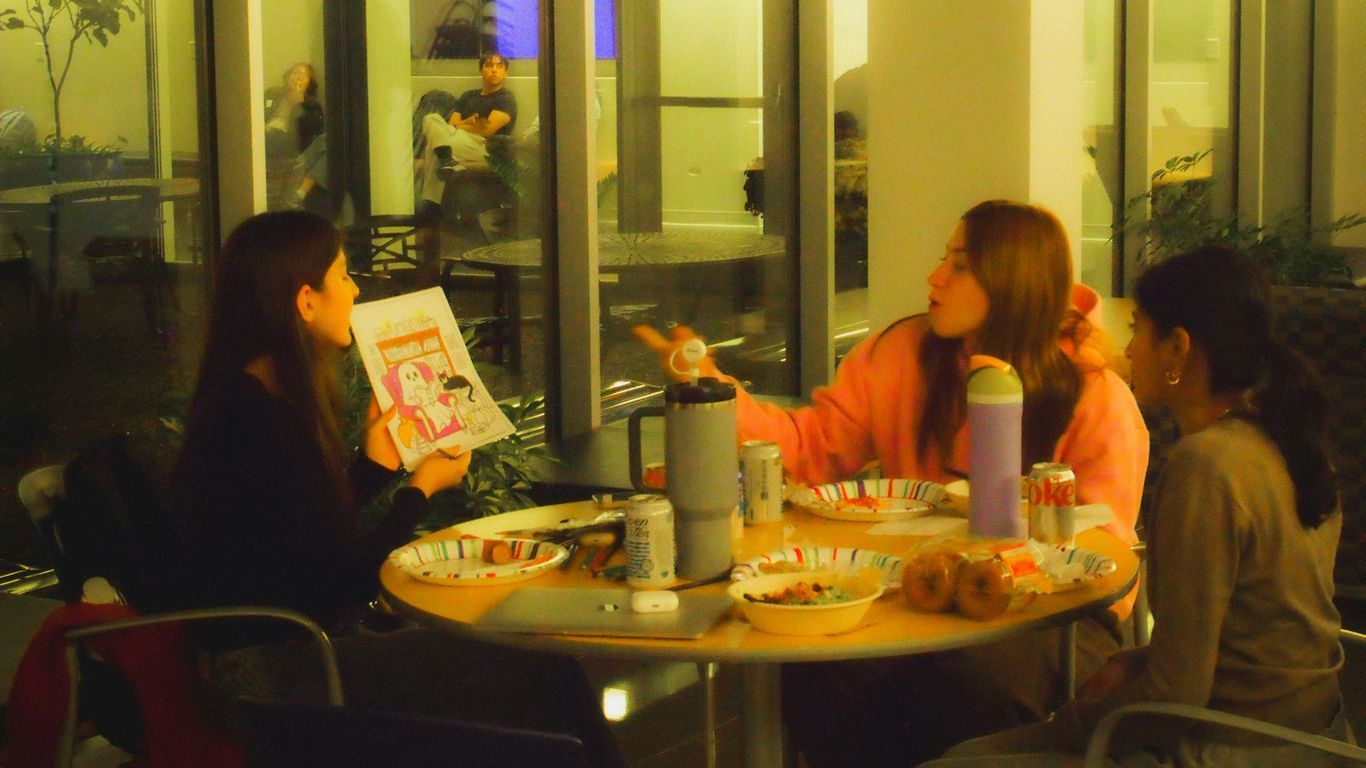
Hosting a gathering, big or small, can be a wonderful experience. It’s about bringing people together, sharing good times, and making everyone feel welcome. But sometimes, the focus on food can get a little out of hand, leading to overeating and maybe even some stress. This article explores how to create a truly welcoming atmosphere, focusing on thoughtful planning and setting healthy boundaries. It’s all about genuine hospitality that nourishes both body and soul, making sure everyone, including the host, feels good long after the last guest leaves. We’ll look at ways to plan menus that are both delicious and balanced, and how to enjoy food without feeling overwhelmed, promoting a healthy approach to hospitality.
Key Takeaways
- Genuine hospitality means making everyone feel seen and valued, creating a sense of belonging through active listening and a focus on connection, not just food.
- Mindful eating practices, like the 20-minute rule and engaging all your senses, help prevent overeating and make meals more enjoyable.
- Strategic menu planning involves creative use of ingredients, offering balanced options, and understanding guests’ needs beyond just hunger.
- Setting clear personal boundaries around food and communication is vital for well-being, and these choices only need to be justified to yourself.
- Sharing food mindfully through pre-portioning, saving leftovers, and eating slower fosters better digestion and a more satisfying experience.
Cultivating Genuine Hospitality
Genuine hospitality isn’t just about serving food; it’s about making people feel truly welcome and cared for. It’s that extra step, that thoughtful gesture that goes beyond the expected. Think about the last time you felt genuinely welcomed somewhere. It probably wasn’t just the clean tables or the polite service, but something more personal, something that made you feel seen.
The Essence of Unreasonable Hospitality
This idea of "unreasonable hospitality" is about pushing the boundaries of what’s expected. It’s about being so dedicated to making someone’s experience special that it might seem a little over-the-top to an outsider. It’s not about being flashy, but about a deep, almost obsessive, focus on the guest’s comfort and joy. Imagine a host who remembers a small detail you mentioned weeks ago, or a restaurant that anticipates your needs before you even voice them. That’s the heart of it – creating moments that surprise and delight, making people feel like they’re the most important person in the room.
Creating a Culture of Belonging
Making everyone feel like they belong is key. It means actively working to include people, no matter their background or how they might be different. It’s about creating an atmosphere where everyone feels safe, respected, and valued. This isn’t just for guests; it’s for everyone involved, from staff to fellow diners. When people feel they truly belong, they’re more likely to relax, connect, and enjoy the experience.
Here are a few ways to build that sense of belonging:
- Be aware of different needs: Think about dietary restrictions, accessibility, or even just personal space preferences.
- Encourage open communication: Create spaces where people feel comfortable sharing their thoughts and feelings.
- Celebrate diversity: Actively acknowledge and appreciate the unique qualities each person brings.
The Power of Active Listening
Truly listening is a cornerstone of good hospitality. It means paying attention not just to what people say, but also to what they don’t say. When you’re present and engaged, you can pick up on subtle cues and understand needs that might otherwise be missed. This kind of listening builds trust and shows that you genuinely care about the other person’s experience. It’s about making them feel heard and understood, which is a powerful form of connection.
Active listening involves setting aside your own agenda and truly focusing on the speaker. It’s about understanding their perspective, even if you don’t agree with it. This practice can transform interactions, making people feel valued and respected.
Mindful Eating for Healthier Celebrations
Sometimes, when we’re celebrating, the food just sort of… happens. We grab a little extra, then a little more, and before we know it, we’re feeling uncomfortably full. It’s easy to get caught up in the moment, especially when there’s good company and delicious food. But there are ways to enjoy ourselves without going overboard.
Recognizing Signs of Overeating
Our bodies are pretty good at telling us when they’ve had enough, but we often miss the signals. Eating too quickly is a big culprit. It takes about 20 minutes for your brain to get the message that your stomach is full. If you’re scarfing down your food, your brain might not get that memo until you’ve already eaten way more than you needed.
Here are some common signs you might be eating too fast or too much:
- Hiccups
- Heartburn
- Feeling hungry again shortly after finishing your meal
- Feeling overly stuffed or uncomfortable after eating
- Needing to loosen your belt or unbutton your pants
The 20-Minute Meal Rule
This is a simple but effective strategy. Try to consciously slow down your eating pace so that your meal lasts at least 20 minutes. This gives your body time to register fullness. It’s not about eating less, but about eating at a pace that allows for better digestion and satisfaction.
- Allocate dedicated time for meals. Try to eat without distractions like your phone or TV. Just focus on the food and the company.
- Chew your food thoroughly. This not only aids digestion but also naturally slows down your eating.
- Put your fork down between bites. This small pause can make a big difference in your pace.
Engaging All Your Senses During Meals
Mindful eating is all about being present with your food. Instead of just shoveling it in, take a moment to really experience it. What does it look like? What does it smell like? What are the different textures and flavors? This not only makes eating more enjoyable but also helps you feel more satisfied with less.
When we pay attention to our food, we connect with it on a deeper level. This connection can lead to greater appreciation and a more balanced relationship with eating, especially during festive occasions.
Strategic Menu Planning for Well-being
Planning what you’re going to serve can feel like a big task, especially when you want everyone to feel happy and well-fed without going overboard. It’s not just about filling plates; it’s about thoughtful choices that consider everyone’s needs and preferences. The goal is to create a menu that’s both appealing and supports a sense of balance.
Repurposing Ingredients Creatively
Think about how you can use ingredients in more than one way. This cuts down on waste and can lead to some surprisingly delicious dishes. For example, leftover roasted chicken can become the star of a salad the next day, or be shredded for tacos. Vegetable scraps can be simmered into a flavorful broth. This approach not only saves money but also encourages a more resourceful way of cooking.
Offering Balanced and Appealing Options
When planning your menu, aim for variety. Include a good mix of proteins, vegetables, fruits, and whole grains. It’s also smart to have options that cater to different dietary needs or preferences, like vegetarian, vegan, or gluten-free choices. Presentation matters too; colorful dishes are often more inviting. Consider a simple structure like this:
| Meal Component | Example Options |
|---|---|
| Protein | Grilled fish, lentil stew, chicken breast |
| Vegetables | Roasted broccoli, mixed green salad, steamed carrots |
| Grains/Starches | Quinoa, sweet potato wedges, whole wheat pasta |
| Healthy Fats | Avocado slices, nuts, olive oil dressing |
Understanding Guest Desires Beyond Hunger
People often gather around food for reasons other than just needing to eat. They’re looking for connection, comfort, and enjoyment. Sometimes, offering a lighter, flavorful dish alongside a more substantial one gives guests choices. You might also consider having a small, appealing dessert that isn’t overly rich. It’s about creating an experience where people feel cared for and satisfied, not stuffed.
It’s easy to fall into the trap of thinking more food equals more hospitality. But true hospitality is about making people feel welcome and comfortable, and that can be achieved with thoughtful, balanced meals that leave everyone feeling good, not sluggish. Focus on quality and intention over sheer quantity.
Setting Healthy Boundaries Around Food
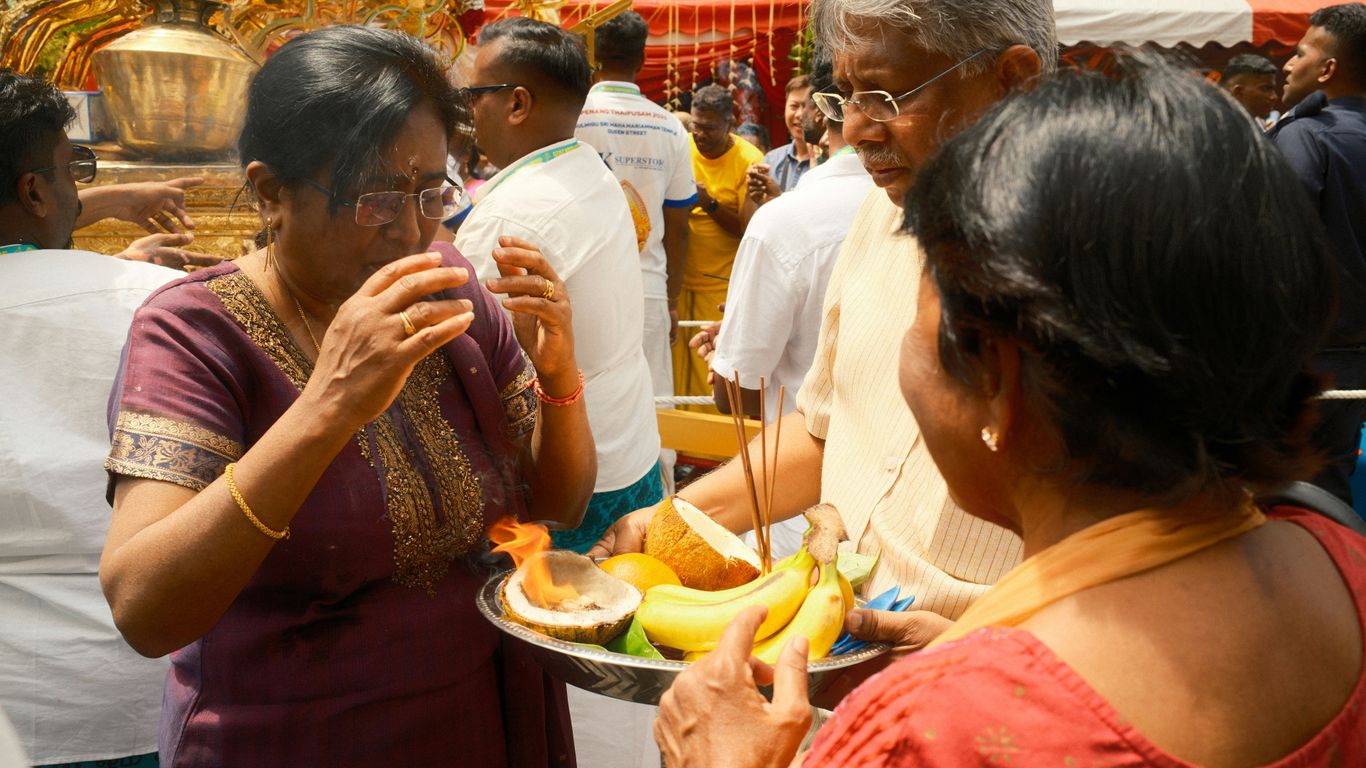
It sounds a bit odd, right? Setting boundaries around food. We usually think of boundaries with people, like "don’t borrow my car without asking." But food is different. It’s personal, it’s cultural, and it’s often tied up with how we feel about ourselves. The real goal here isn’t about restriction, but about self-respect and making choices that genuinely support your well-being.
Defining Personal Needs for Well-being
This is about figuring out what you need, not what you think you should need or what others expect. It’s a quiet conversation with yourself. Maybe you notice that after a certain hour, eating makes you feel sluggish. Or perhaps you realize that certain rich foods, while delicious, leave you feeling uncomfortable later. It’s not about labeling foods as "good" or "bad" – that’s a fast track to a complicated relationship with eating. Instead, it’s about observing how different foods make your body feel and honoring that information.
- Listen to your body’s signals: Are you truly hungry, or are you bored, stressed, or seeking comfort?
- Identify your "why": Why are you reaching for that extra serving? Is it enjoyment, habit, or something else?
- Consider your energy levels: How do certain foods impact your energy throughout the day?
Communicating Boundaries Effectively
This is where it gets a little tricky, especially when you’re hosting or attending gatherings. You don’t need to give a full dissertation on your eating habits. Often, a simple, polite statement is enough. If someone offers you a third helping and you’re full, a gentle "No, thank you, I’m quite satisfied" works wonders. If you’re at a potluck and want to bring a dish that fits your needs, you can simply say, "I’m bringing my favorite pasta salad!"
You can justify your choice to yourself, but you don’t need to justify your choice to others. Your personal needs are valid without external validation.
Justifying Choices to Yourself, Not Others
This is the core of it. We often feel this pressure to explain ourselves, especially when it comes to food. "Oh, I’m on a diet," or "I can’t eat that because…" But honestly, you don’t owe anyone an explanation. If you decide to have a smaller portion, or skip dessert, or choose the salad over the fries, that’s your decision for your body. The justification is for you. It’s about reinforcing that you are making a choice that feels right for you in that moment, and that’s all that matters. It’s about building that internal trust and confidence in your own decisions.
The Art of Sharing and Portion Control
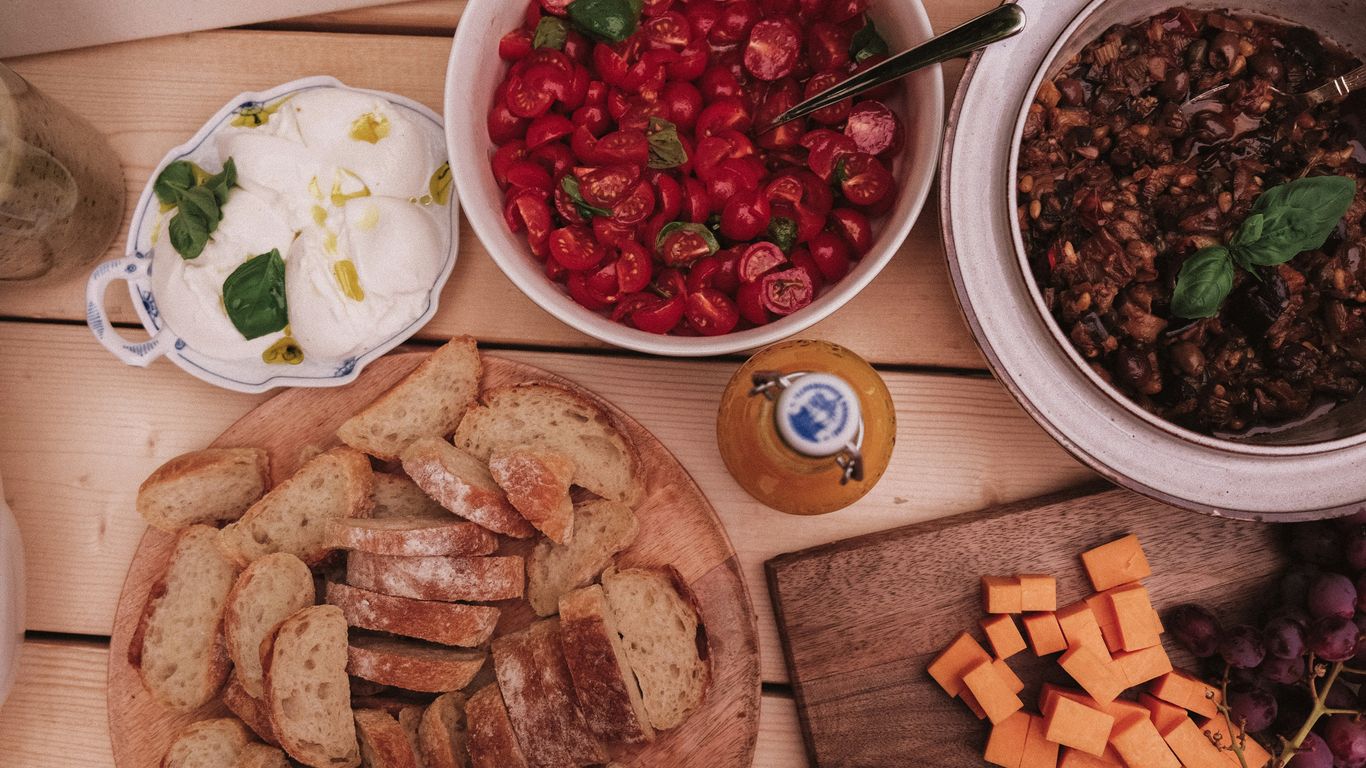
Sharing food is a big part of how we connect with people, but it can also lead to eating way more than we intended. It’s easy to get caught up in the moment, especially when there’s a lot of delicious food around. Thinking about how much we’re serving ourselves and others, and how we’re sharing, can make a real difference in how we feel afterward.
Pre-Portioning Snacks and Meals
One simple trick to avoid overdoing it is to portion things out before they even hit the table. This means taking a serving of chips and putting it in a bowl, rather than eating straight from the bag. For meals, think about what a reasonable serving size looks like. For instance, a palm-sized portion of protein and a couple of fingers’ width of vegetables can be a good guide. This approach not only helps with portion control but also makes the food look more thoughtfully presented, suggesting quality over sheer quantity.
Saving Leftovers for Later Enjoyment
Don’t feel like you have to finish everything in one sitting. If you’ve made too much, or if you’re already feeling full, pack up the extra food. Leftovers can be a lifesaver for lunch the next day or a quick dinner later in the week. This reduces food waste and means you don’t have to feel pressured to eat more than you want right now. It’s a practical way to manage abundance and enjoy your cooking over time.
The Benefits of Slower Eating Habits
Our bodies need time to tell our brains when they’re full. Eating too quickly means we often miss that signal, leading us to overeat. Try to slow down your meals. Put your fork down between bites, really taste your food, and pay attention to the textures and flavors. Engaging all your senses can make the meal more satisfying, even with smaller portions. Aiming for at least 20 minutes for a meal gives your body the chance to catch up and register fullness.
It’s not about deprivation; it’s about mindful enjoyment and respecting your body’s signals. By being intentional with how we share and portion our food, we can create more balanced and satisfying experiences for everyone involved.
Nourishing Connections Through Food
Food is more than just fuel; it’s a powerful way we connect with each other. Think about it – so many of our best memories probably involve sharing a meal or a snack with someone important. It’s how we show care, celebrate milestones, or just catch up after a long week. When we focus on sharing food, we’re really sharing moments and building stronger bonds.
Making Space for Friendship and Connection
Creating opportunities to share food is key to nurturing friendships. It doesn’t have to be a fancy dinner party. Sometimes, it’s as simple as inviting a friend over for coffee and a homemade cookie, or organizing a potluck where everyone brings a dish. These shared experiences, big or small, give us a chance to slow down and really talk to each other. It’s about creating a relaxed atmosphere where conversations can flow easily and genuine connections can form.
- Plan regular, informal get-togethers. Even a quick weekly chat over tea can make a difference.
- Involve others in food preparation. Cooking together can be a fun bonding activity.
- Be open to trying new foods and cuisines together. It’s a great way to learn about each other’s backgrounds and tastes.
Being a Supportive Friend and Teammate
When we share food, we’re often showing support. Bringing a meal to a friend who’s sick, or organizing snacks for a team meeting, are acts of kindness that go a long way. It shows you’re thinking of them and want to make their life a little easier. This kind of thoughtful gesture can really strengthen relationships, whether it’s in a personal friendship or a work setting. It’s about being there for people in practical ways.
The Importance of Clear Invitations
Sometimes, the way we invite people to share food can make a big difference. Being clear about what to expect helps everyone feel more comfortable. For example, if you’re hosting a dinner, mentioning the type of food or if guests should bring anything can avoid confusion. If you’re attending an event, understanding the setup – like if it’s a buffet or a sit-down meal – helps you prepare. Clear communication means less stress and more enjoyment for everyone involved.
When we share food, we’re not just sharing calories; we’re sharing stories, laughter, and support. It’s a universal language that brings people together, bridging gaps and creating a sense of belonging. Making intentional choices about how and what we share can turn everyday meals into meaningful moments of connection.
Boosting Metabolism for Overall Health
You know, sometimes we get so caught up in what we’re eating and how much we’re moving, we forget about the engine under the hood – our metabolism. It’s basically how our body turns food into energy. And while it’s true that genetics play a role, there are definitely things we can do to give it a little nudge in the right direction. It’s not about quick fixes or miracle pills, but more about building habits that support our body’s natural processes.
Building High-Quality Muscle Mass
Think of muscle as a little energy-burning factory. The more muscle you have, the more calories your body burns, even when you’re just chilling. This doesn’t mean you need to become a competitive bodybuilder, but incorporating strength training a few times a week can make a real difference. Lifting weights, doing bodyweight exercises, or even using resistance bands helps build that lean muscle.
Prioritizing Protein and Hydration
Protein is a superstar when it comes to metabolism. Your body actually uses more energy to digest protein compared to fats or carbs. So, making sure you’re getting enough protein from sources like lean meats, fish, eggs, beans, and nuts is a smart move. And don’t forget water! Staying hydrated is super important for all your body’s functions, including metabolism. Sometimes, thirst can even feel like hunger, so keeping a water bottle handy is a good idea.
The Role of Sleep and Stress Management
This is where things get really interesting. Not getting enough sleep can mess with your hormones and slow down your metabolism. It’s like your body goes into conservation mode. Similarly, chronic stress can also throw your metabolism off balance. Finding ways to manage stress, whether it’s through meditation, spending time in nature, or just taking a few deep breaths, is just as important as hitting the gym or eating right. These things work together, you know? It’s all connected.
It’s easy to get fixated on just one aspect of health, like counting calories or obsessing over workouts. But our bodies are complex systems. Focusing on building muscle, eating enough protein, staying hydrated, getting good sleep, and managing stress creates a more robust and sustainable approach to overall well-being. It’s about supporting your body’s natural ability to function optimally, not forcing it into submission.
Here’s a quick rundown of how these elements tie together:
- Muscle Mass: More muscle means a higher resting metabolic rate.
- Protein Intake: Requires more energy for digestion (thermic effect of food).
- Hydration: Supports all metabolic processes.
- Sleep: Crucial for hormone regulation and metabolic function.
- Stress Management: Prevents hormonal imbalances that can slow metabolism.
Authenticity in Hosting and Serving
When you’re hosting, the real magic happens when you’re just being yourself. It’s about serving food you genuinely love and creating an atmosphere that feels true to you. This isn’t about putting on a show; it’s about sharing a piece of yourself with your guests. When you’re honest about what you’re serving and why, it makes the whole experience more real and enjoyable for everyone involved.
Serving What You Genuinely Enjoy
Think about it: when you cook or prepare something you’re excited about, that energy comes through. It doesn’t have to be fancy or complicated. Maybe it’s a simple family recipe passed down through generations, or perhaps it’s a dish you discovered on a trip and fell in love with. The key is that you find joy in it. This passion is contagious and makes your guests feel more connected to the food and to you. It’s okay if your go-to dish is grilled cheese or a perfectly roasted chicken; what matters is that it’s made with care and genuine pleasure.
Transparency About Dining Experiences
Being open about your food choices can actually build trust. If you’re serving a dish with a unique ingredient or a special preparation method, sharing a little bit about it can spark conversation and appreciation. For example, you could mention, "I’m so excited to make this stew today; I used a special blend of spices I found at the farmer’s market, and it really makes it pop." This kind of transparency isn’t about seeking validation; it’s about sharing the story behind the food. It also helps guests understand potential allergens or dietary considerations without awkwardness. A simple note or a quick word can go a long way.
Teamwork in Delivering Exceptional Service
Hosting isn’t always a solo act, even if it feels like it sometimes. If you have family, friends, or even hired help involved, clear communication and shared effort are key. Everyone plays a part in making guests feel welcome and cared for. This means dividing tasks, supporting each other, and having a shared understanding of the goal: creating a warm and inviting experience. When everyone is on the same page, it reduces stress and allows for more genuine interaction with guests. It’s like a well-rehearsed play where each actor knows their role, but the overall feeling is spontaneous and natural.
True hospitality comes from the heart, not from a script. When hosts are authentic, guests feel more at ease, and the shared experience becomes more meaningful. It’s about connection, not perfection.
Navigating Social Expectations Around Food
It feels like there are always unspoken rules when it comes to food, doesn’t it? We’re often taught from a young age what’s ‘proper’ to eat, how much, and even who should be doing the cooking. These expectations can really mess with how we feel about eating and hosting.
Challenging Traditional Gender Roles in Cuisine
For ages, cooking and serving meals at home was seen as women’s work. Even now, you see it in media and family dynamics. This puts a lot of pressure on women to be the primary caregivers and meal preparers, often without much help. It’s also why certain cuisines might be labeled as ‘masculine’ or ‘feminine,’ which is just silly. Food should be for everyone to enjoy and create.
- Breaking Down Stereotypes: Encourage everyone in the household to participate in meal planning, shopping, and cooking. It’s not about ‘helping out,’ it’s about shared responsibility.
- Exploring Diverse Cuisines: Don’t shy away from dishes traditionally associated with a different gender. Try making that hearty stew or delicate pastry, regardless of who you are.
- Recognizing Unpaid Labor: Acknowledge the time and effort that goes into feeding a family. This can help shift the perception from a ‘duty’ to a shared, valued activity.
Addressing Anxieties Around Overeating
So many of us worry about eating too much, especially at gatherings. We see huge platters of food and feel this internal pressure to ‘get our money’s worth’ or not seem picky. This anxiety can make us stuff ourselves without even realizing it, or worse, avoid social events altogether.
The fear of overeating can be so strong that it overshadows the actual enjoyment of the food and the company. It’s a cycle where the anxiety leads to less mindful eating, which then fuels more anxiety.
Finding Pleasure and Tension in Food Rituals
Food rituals, like holiday feasts or Sunday dinners, are supposed to be comforting. But they can also be a source of stress. Think about the pressure to make the ‘perfect’ Thanksgiving turkey or the ‘authentic’ family recipe. These traditions, while often rooted in love, can become rigid and create tension if they don’t align with our current lives or preferences. It’s about finding a balance between honoring tradition and making it work for you today.
- Adapt Traditions: If a traditional dish is too much work or doesn’t fit your dietary needs, modify it or swap it out. Maybe a potluck is better than one person doing all the cooking.
- Focus on Connection: Remember why these rituals started – to bring people together. Shift the focus from perfect execution to shared experience.
- Create New Rituals: Don’t be afraid to start your own food traditions that better suit your lifestyle and values. Maybe it’s a weekly pizza night or a monthly brunch with friends.
Embracing a Fulfilling Approach to Days
Prioritizing Meaning Over Busyness
It’s easy to get caught up in the daily grind, feeling like we’re constantly rushing from one thing to the next without much thought. But what if we shifted our focus from just being busy to actually being meaningful? This isn’t about ditching your to-do list entirely, but rather about looking at what’s on it and asking yourself if it truly matters. Sometimes, the most fulfilling days aren’t the ones packed to the brim, but the ones where we intentionally choose activities that align with our values and bring us genuine satisfaction. Think about it: how often do you finish a day feeling exhausted but also like you didn’t really accomplish anything important? That’s the "busy trap." Breaking free means being more selective, saying no to things that drain your energy without adding value, and yes to the things that truly light you up.
Being Fully Present in Daily Activities
This is where the magic really happens, I think. Being present means putting down the phone, stopping the mental to-do list, and just being where you are. It’s about noticing the small things – the taste of your coffee, the way the light hits the trees, the sound of a loved one’s voice. When we’re not constantly thinking about the past or worrying about the future, we can actually experience and enjoy the moment we’re in. It makes even mundane tasks feel a bit more special. It’s like suddenly seeing the world in high definition instead of fuzzy old TV.
Making Conscious Choices for Fulfillment
Every day is a series of choices, big and small. We can choose to react to things, or we can choose to respond thoughtfully. We can choose to let habits dictate our actions, or we can choose to be intentional. Making conscious choices means pausing before you act and asking yourself: "Does this choice move me closer to the kind of day, and the kind of life, I want to live?" It’s about taking back the reins and steering your day with purpose, rather than just letting it happen to you. This applies to everything from what you eat to how you spend your free time.
Here are a few ways to start making more conscious choices:
- Morning Intention Setting: Before you even get out of bed, take a minute to decide what kind of day you want to have. What’s one thing you want to focus on?
- Mindful Transitions: When you move from one activity to another (e.g., finishing work and starting your evening), take a breath and consciously shift your focus. Don’t just jump straight into the next thing.
- Regular Check-ins: Throughout the day, ask yourself: "Am I still on track with my intention?" If not, gently course-correct.
- End-of-Day Reflection: Before bed, think about what went well and what you learned. This helps reinforce positive choices and informs future ones.
True fulfillment doesn’t come from cramming more into your schedule, but from making space for what truly nourishes your spirit. It’s about quality over quantity, presence over distraction, and intention over autopilot. When you start making conscious choices, even small ones, you begin to build a life that feels genuinely yours.
Want to make each day feel great? It’s all about finding joy and purpose in what you do. Learn how to fill your time with activities that make you happy and feel good about yourself. Ready to start living a more joyful life? Visit our website to discover simple steps you can take today!
Wrapping It Up: Enjoying Food and Company, Mindfully
So, we’ve talked a lot about how to host and enjoy gatherings without going overboard on food. It’s really about being thoughtful, right? Thinking about what you’re serving, how much, and making sure everyone feels welcome and cared for, but also not pressured to overeat. Setting those gentle boundaries, like pre-portioning snacks or making sure there are lighter options, can make a big difference. It’s about creating a warm atmosphere where good food and good company are the stars, not just the sheer volume of food. By focusing on quality, mindful eating, and genuine connection, we can all celebrate and share meals in a way that feels good for everyone involved, leaving us feeling satisfied and happy, not stuffed and regretful. It’s a balance, for sure, but one that’s totally achievable with a little planning and a lot of heart.
Frequently Asked Questions
What is ‘unreasonable hospitality’?
It’s like going way above and beyond for your guests, not just meeting their needs but surprising them with kindness and thoughtfulness they didn’t expect. Think of it as making people feel super special and cared for, like the best restaurants do.
How can I make sure people feel welcome and included?
You can create a welcoming vibe by truly listening to people and making them feel seen and valued. It’s about making everyone feel like they belong, like they’re part of something cool and important.
Why is listening important when hosting?
When you’re hosting, you need to pay attention to what people say, even if you don’t always agree. Listening helps you understand what guests really want and need, which is key to making them happy.
How can I avoid overeating at parties or meals?
Try to eat slowly and pay attention to your food. Eating for at least 20 minutes helps your brain realize you’re full. Also, serving yourself smaller portions or pre-portioning snacks can help.
What’s the best way to plan a menu that’s good for everyone?
Think about offering a variety of healthy and tasty foods. Also, consider that guests might want more than just food; they might be looking for comfort, fun, or a chance to connect with others.
How do I set boundaries around food without offending people?
Know what you need for your own well-being. You can tell people your limits calmly, but remember you only need to explain your choices to yourself, not to others. It’s about taking care of yourself.
What does it mean to have ‘fulfilling’ days instead of just ‘busy’ days?
It means focusing on what truly matters and being present in what you’re doing, rather than just rushing from one task to another. It’s about finding meaning and joy in your everyday activities.
How can I make sure my invitations are clear?
Be super specific! Tell people exactly when and where to show up. This helps them feel more comfortable and prepared, and it shows you’ve put thought into making the event easy for them.