Love My Weight

Workday Boundary Setting: lunch protection, calendar blocks, and away messages

It feels like lately, everyone’s talking about work-life balance, right? And for good reason. It’s super easy to get sucked into the work vortex, especially with all our digital tools. We’ve got emails pinging, chats buzzing, and meetings piling up. It can feel like you’re always on. But here’s the thing: setting boundaries at work isn’t just some trendy buzzword. It’s actually a practical way to protect your time, your energy, and your sanity. Think of it like putting up little fences around your day so you can actually get things done without feeling totally drained. This article is all about how to do just that, from protecting your lunch break to managing your online status.

Key Takeaways

  • Setting clear work hours and sticking to them is the first step in boundary setting at work. This prevents work from spilling into personal time.
  • Use your calendar as a tool to block out time for focused work, treating these blocks like important meetings. This helps protect your concentration.
  • Protect your lunch break by scheduling it as a non-negotiable appointment on your calendar and setting your status to ‘busy’. This ensures you get a real break.
  • Manage communication app statuses and notifications effectively. Use specific status messages and schedule notifications to turn off outside work hours to avoid constant interruptions.
  • Automating boundaries through your digital tools, like calendar blocks and scheduled sends for emails, makes respecting your limits the default for both you and your colleagues.

Establishing Your Workday Boundaries

Setting boundaries at work isn’t about being difficult; it’s about being smart and sustainable. Think of it like building a sturdy fence around your garden. It keeps out the weeds and pests, but it also helps you nurture what’s important inside. Without some kind of structure, it’s easy for work to spill into every corner of your life, leaving you feeling drained and unproductive. This section is all about figuring out what those boundaries should look like for you and how to put them into practice.

The Importance of Proactive Boundary Setting

It’s easy to fall into the trap of thinking boundaries are something you only set when things get really bad, like when you’re on the verge of burnout. But honestly, it’s much better to be proactive. Waiting until you’re overwhelmed means you’re already playing defense. Setting boundaries ahead of time, when you’re feeling relatively calm and clear-headed, is like getting your vaccinations – it prevents bigger problems down the road. It shows you respect your own time and energy, which, in turn, helps others respect it too. This isn’t about saying "no" to everything; it’s about saying "yes" to what truly matters for your well-being and your ability to do good work.

Creating a Personal Boundary Framework

To make boundaries real, you need to get specific. Vague ideas like "I need more balance" don’t do much. You need to map out what that looks like for you. This involves identifying your non-negotiables – those things that, if crossed, really throw you off. It also means thinking about your "ideal limits" – things you’d prefer, but might have a little flexibility on. Writing this down makes it concrete. It’s your personal policy for how you want to work and live.

Here’s a way to start thinking about it:

  • Work Hours: When do you realistically need to wrap up to have a personal life? What’s the absolute latest you’ll work on a typical day?
  • Communication: How often do you need to check emails or messages to stay informed without being constantly interrupted? When should notifications be off?
  • Workload: What’s a manageable amount of work? How do you handle requests that come in when you’re already swamped?

This framework acts as your personal guide. It helps you move from reacting to every demand to acting with intention. It’s about protecting the time and energy you need to not just get by, but to actually do your best work.

Communicating Your Boundaries with Confidence

Once you’ve figured out your boundaries, the next step is letting people know. This can feel awkward at first, but it gets easier with practice. The key is to communicate clearly and calmly, focusing on how these boundaries help you be more effective, rather than making it sound like a complaint. Frame it around productivity and sustainability. For example, instead of saying "You always interrupt me," you could say, "To make sure I can focus on this report, I’m going to block off my calendar for the next two hours and turn off notifications. I’ll check messages after that."

It’s also important to remember that boundaries aren’t set in stone forever. Life changes, and so do your needs. Regularly checking in with yourself to see if your boundaries are still working is a good idea. Maybe you need to adjust your "ideal limits" or even your "hard limits" based on new projects or personal circumstances. This flexibility shows you’re not being rigid, but rather adapting to maintain your well-being and effectiveness.

Protecting Your Lunch Break

It’s easy to get caught up in the flow of work and let your lunch break slip away. Before you know it, it’s 3 PM, and you haven’t eaten. This isn’t just about hunger; it’s about your overall well-being and productivity. Taking a dedicated break to refuel is not a luxury, it’s a necessity for sustained performance. When you skip lunch, you’re essentially running on empty, which can lead to fatigue, reduced focus, and even mistakes. Think of it as essential maintenance for your brain and body.

Scheduling Lunch as a Non-Negotiable Appointment

Treating your lunch break like any other important meeting is a powerful way to protect it. This means actively blocking time for it in your calendar. When it’s a scheduled event, it becomes visible to others and signals your unavailability. This simple act can prevent back-to-back meetings from encroaching on your personal time.

Here’s how to make it happen:

  • Block the time: Open your calendar and create an event for your lunch break. Aim for a consistent time each day, if possible.
  • Mark as busy: Ensure the event is set to "Busy" or "Out of Office." This tells your colleagues and scheduling tools that you are unavailable.
  • Make it recurring: Set this block to repeat daily. This removes the need to reschedule it every day and reinforces the habit.

Utilizing Calendar Features for Lunch Protection

Your calendar is more than just a schedule; it’s a tool for managing your time and communicating your availability. Beyond just blocking the time, you can use specific features to make your lunch break more protected.

  • Set reminders: Configure your calendar to remind you a few minutes before your lunch break begins. This gives you a heads-up to wrap up what you’re doing.
  • Use location settings: If you step away from your desk, you can set a location like "Away from Desk" or "Personal Time" to further clarify your status.
  • Leverage status updates: When your calendar shows you as busy for lunch, many communication platforms (like Microsoft Teams) will automatically update your status. This is a passive way to let people know you’re unavailable without having to manually change your status.

The Benefits of Stepping Away for Meals

Physically removing yourself from your workspace during lunch offers significant advantages. It’s not just about eating; it’s about a mental reset. Even a short walk outside or a change of scenery can make a difference.

  • Improved focus: Returning to work after a break can lead to sharper concentration and better problem-solving skills.
  • Reduced stress: Stepping away allows your mind to detach from work pressures, helping to lower stress levels.
  • Enhanced creativity: A change of environment can spark new ideas and perspectives.

When you consistently protect your lunch break, you’re not just taking care of yourself; you’re investing in your long-term productivity and job satisfaction. It’s a small habit with a big impact on your overall workday.

Leveraging Your Calendar as a Boundary Tool

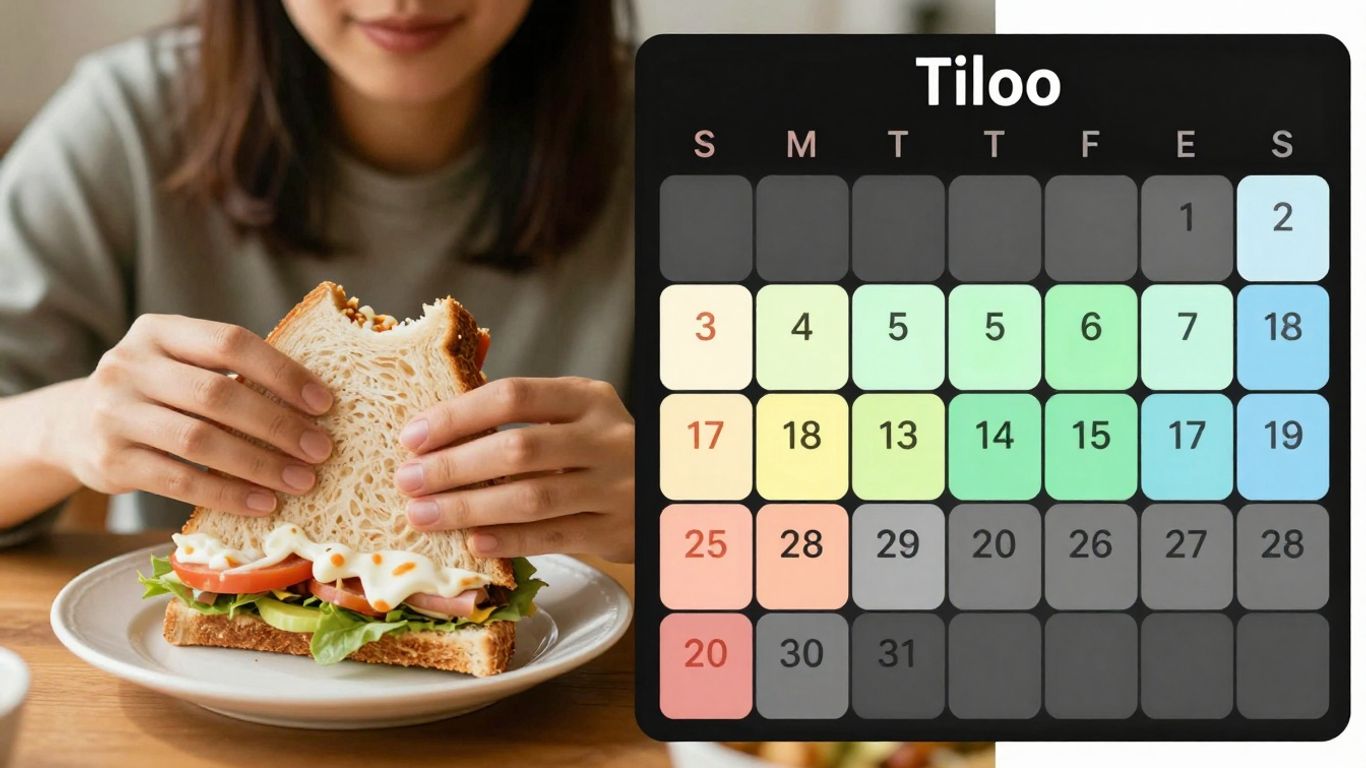
Calendar blocks and a person enjoying lunch.

Your calendar is more than just a place to schedule meetings; it’s a visual representation of your priorities and a powerful ally in setting boundaries. If you don’t actively claim time for your important work, you’ll find that others will quickly fill it with their own requests. Think of your calendar as your personal gatekeeper.

Blocking Time for Focused Work

Start by proactively blocking out chunks of time for tasks that require deep concentration. These aren’t just random gaps; they are dedicated periods for high-priority projects. You should treat these

Mastering Communication App Statuses

Your communication apps, like Slack or Microsoft Teams, are central to how you connect with colleagues. But they can also be a major source of interruptions if not managed well. Setting clear status messages is a simple yet powerful way to manage expectations and protect your focus time. It’s about being intentionally available, not constantly on.

Setting Specific Availability Messages

Think of your status message as a quick note to your team about your current availability. Instead of just letting your status default to "Available" or "Away," take a moment to be specific. This helps prevent unnecessary pings and allows your colleagues to understand when they can expect a response.

Here are a few ideas for effective status messages:

  • "In a meeting until 11 AM – will respond after." This is straightforward and tells people exactly when you’ll be back.
  • "Deep work session until 2 PM – please use email for urgent matters." This signals that you need uninterrupted focus and directs urgent requests to a less immediate channel.
  • "Out for lunch until 1 PM – back shortly." This clearly marks your break time.
  • "Working remotely today – available via chat." Useful for letting people know your location and preferred communication method.

The key is to provide enough information so people know when to expect a reply or if they should use an alternative method for urgent issues.

Managing Expectations with Status Updates

Regularly updating your status helps build trust and predictability within your team. When people know you’ll communicate your availability, they’re less likely to feel anxious or frustrated when they don’t get an immediate response. It’s a proactive way to handle potential misunderstandings.

Consider these points:

  • Consistency is key: Make it a habit to set your status whenever your availability changes significantly.
  • Be realistic: Don’t set a status that says you’ll be back in 5 minutes if you know you’ll be longer. It’s better to overestimate slightly.
  • Use the "clear after" option: Most platforms allow you to set a time for your status to automatically reset. This is great for temporary statuses like "In a meeting."

Setting a status message is more than just a technical function; it’s a form of professional courtesy. It shows respect for your colleagues’ time by giving them clarity, and it respects your own time by creating a buffer against constant interruptions.

Fostering Team Respect Through Clear Communication

When everyone on the team makes an effort to use status messages effectively, it creates a more respectful and productive work environment. It normalizes the idea that people need focused time and breaks, and that immediate responses aren’t always possible or necessary. This shared understanding reduces pressure and allows everyone to manage their energy and attention more effectively.

Here’s how clear status communication contributes to team respect:

  1. Reduces interruptions: Fewer "Are you there?" messages when you’re busy.
  2. Promotes asynchronous work: Encourages people to send messages that don’t require an immediate reply.
  3. Validates focus time: Signals that deep work is a priority and should be protected.
  4. Supports work-life balance: Helps colleagues understand when you are offline or taking a break.

Implementing Calendar Blocking Strategies

Your calendar is more than just a place to schedule meetings; it’s a powerful tool for managing your workday and protecting your focus. By intentionally blocking out time, you’re not just organizing your schedule, you’re actively setting boundaries. This proactive approach helps ensure that your most important tasks get the attention they deserve, rather than being constantly interrupted by incoming requests.

Defining Purpose for Calendar Blocks

Think of calendar blocks as dedicated zones for specific types of work or rest. They signal to yourself and others what you’re doing and when you’re available. Without these intentional blocks, your day can easily become a series of reactions rather than a series of planned actions. It’s about taking control of your time, not letting your time control you.

Here are some common purposes for calendar blocks:

  • Deep Work: Uninterrupted time for complex projects requiring high concentration.
  • Admin/Email Time: Scheduled slots to process communications without letting them derail your main tasks.
  • Recharge Breaks: Short periods marked as busy to step away, preventing burnout.
  • Planning/Review: Time set aside to strategize or reflect on progress.

The Payoff of Dedicated Focus Time

When you consistently block out time for focused work, you create an environment where deep, meaningful progress can happen. This isn’t just about getting more done; it’s about improving the quality of your output. By minimizing context switching and external distractions, you allow your brain to fully engage with the task at hand. This leads to better problem-solving, increased creativity, and a greater sense of accomplishment. Treating these focus blocks with the same seriousness as a meeting with a key stakeholder is vital for their effectiveness.

Integrating Admin and Recharge Blocks

It’s not all about deep work. Integrating smaller, regular blocks for administrative tasks and personal recharge is just as important. Scheduling 30-minute slots twice a day to clear your inbox, for example, prevents emails from becoming a constant source of distraction throughout the day. Similarly, blocking out a full hour for lunch, marked as ‘Busy’ or ‘Out of Office,’ guarantees you get a genuine break. These blocks act as guardrails, automating your boundaries and reducing decision fatigue for both you and your colleagues. They help create a more sustainable and productive work rhythm.

Navigating Communication Channels Effectively

Workday boundaries: lunch, calendar blocks, away messages.

Taming Email and Chat Notifications

Those little notification pings from email and chat apps can really break your focus. They’re often the first place where work boundaries start to blur. But here’s the thing: these tools can actually help you protect your time if you use them right. It’s about being smart with how you manage them, not just letting them run wild.

The goal is to shift from being constantly available to being intentionally productive. This means setting up systems that make respecting your limits the default, rather than something you have to fight for every day.

Here are a few practical ways to get a handle on things:

  • Use your status messages wisely. In apps like Slack or Microsoft Teams, your status is valuable real estate. Instead of just showing you’re ‘Away,’ be specific. Something like "Focused work until 2 PM – will respond after" tells people exactly what to expect. It manages their expectations without you having to say a word.
  • Schedule notifications to mute. Most communication apps let you set times when notifications will automatically turn off. Use this for the end of your workday. It’s a simple step that stops you from getting pulled back in when you’re trying to switch off.
  • Embrace ‘Schedule Send’ for emails. If you find yourself clearing out your inbox at odd hours, use the ‘Schedule Send’ feature. Write those emails, but set them to go out during normal business hours the next day. This stops you from starting a chain of communication that extends into your personal time.

Setting up these small automations makes a big difference. It’s not about being unapproachable; it’s about making sure your attention is directed where it’s most needed and that you have uninterrupted time to do your best work. When your digital workspace reflects your boundaries, it sends a clear message to everyone about how you operate.

Understanding Different Boundary Types

Think of boundaries like different kinds of fences around your workday. Some are sturdy, unmovable walls, while others are more like garden gates that can be opened with a bit of care. Knowing the difference helps you decide how to protect your time and energy.

Defining Hard vs. Soft Boundaries

Hard boundaries are your non-negotiables. These are the limits you set that you absolutely will not cross. For example, deciding you will not work on weekends, or that your evenings are strictly for personal time. These boundaries protect your core values and your need for genuine rest and recovery. They are the bedrock of your work-life balance.

Soft boundaries, on the other hand, are more flexible. These are the limits you can bend or adjust occasionally, usually for a specific, important reason. An example might be staying a little late to finish a critical report that has a hard deadline, or answering an urgent client question outside of your usual hours. Soft boundaries allow for adaptability without letting your entire system fall apart. They give you room to be a team player when it truly matters, without sacrificing your overall well-being.

Here’s a quick look at how they differ:

Boundary Type Flexibility Example Action
Hard None No work after 6 PM
Soft Occasional Stay late for critical deadline

Work Boundaries: Time, Workload, and Communication

These boundaries are all about the mechanics of your job. They dictate when you work, how much you take on, and how you interact with others during work hours.

  • Time Boundaries: This is about setting clear start and end times for your workday. It also includes protecting your breaks, like lunch, and not letting work bleed into your personal evenings or weekends. Think of it as defining your working window.
  • Workload Boundaries: This involves being realistic about what you can accomplish. It means learning to say "no" or "not right now" to requests that would overload you, and asking for help to prioritize when too much is on your plate. It’s about managing your capacity.
  • Communication Boundaries: This relates to how and when you respond to messages. It might mean turning off notifications after hours, setting expectations for response times, or designating specific times to check email rather than being constantly available.

Self-Care Boundaries for Energy Protection

These boundaries are perhaps the most personal, as they directly relate to protecting your energy and well-being. They are about making sure you have enough fuel in the tank, not just for work, but for life outside of it.

Self-care boundaries are about recognizing that your personal time, hobbies, and relationships aren’t optional extras; they are vital components of your overall health and productivity. Scheduling them like important appointments is key to making them happen.

This includes:

  • Scheduling time for exercise, hobbies, or simply relaxing.
  • Protecting your sleep schedule.
  • Setting limits on emotional labor, like not absorbing everyone else’s stress.

By understanding these different types, you can start to build a more robust and personalized system for protecting your workday and your personal life.

Sustaining Boundaries in Demanding Roles

Working in a fast-paced or high-stakes field can feel like a constant sprint. It’s easy to get caught up in the urgency and let personal limits blur. But even in the most demanding jobs, protecting your focus and energy isn’t just a nice-to-have; it’s a requirement for long-term success and avoiding burnout. The key is to adapt your boundaries to fit the reality of your role, focusing less on strict time cutoffs and more on safeguarding your capacity to do great work.

Adapting Boundaries for Fast-Paced Environments

In roles where deadlines are tight and unexpected issues pop up frequently, rigid boundaries might not always be practical. Instead, think about flexibility within your limits. This means being clear about what constitutes a genuine emergency versus a situation that can wait or be handled by someone else. It’s about making conscious choices about where your energy goes, rather than being pulled in every direction.

  • Define your "deep work" periods: Even if it’s just two hours each morning, block this time fiercely. Communicate that during these blocks, interruptions should be minimal unless it’s a true crisis.
  • Protect your breaks: Make your lunch break a non-negotiable. Step away from your desk, disconnect, and recharge. This isn’t about slacking off; it’s about maintaining the stamina needed for demanding tasks.
  • Set clear communication expectations: Let your team know when you’ll be offline or unavailable for non-urgent matters. This manages expectations and prevents constant interruptions.

Prioritizing Focus and Energy Protection

Your ability to perform at a high level directly depends on your energy reserves. In demanding roles, this means being proactive about identifying and mitigating energy drains. It’s about shifting the focus from simply being present to being productively present.

The goal is to trade the illusion of constant availability for the reality of consistent, high-impact performance. This isn’t about doing less; it’s about doing your best work by managing your resources wisely.

Consider your daily energy like a bank account. Every task, meeting, and notification is either a deposit or a withdrawal. You need to identify what consistently overdraws your account and find ways to minimize those activities or schedule them strategically.

Defining What ‘Off’ Means for Your Role

What does it truly mean to be "off" when your work is demanding? It’s not always about a strict 5 PM cutoff. It’s about creating a personal definition that allows for recovery and prevents burnout, while still meeting professional obligations. This might involve:

  1. Designating specific times for checking email/messages: Instead of being constantly connected, set aside 2-3 times a day to process communications.
  2. Creating a "transition ritual" to end your workday: This could be tidying your desk, writing a to-do list for the next day, or going for a short walk to mentally switch gears.
  3. Establishing clear weekend boundaries: Decide if weekends are completely work-free, or if you’ll dedicate a short, specific block of time for urgent tasks to avoid weekday creep.

The most effective boundaries in demanding roles are those that are clearly communicated and consistently applied, framing your limits around performance and sustainability, not just personal preference.

Building a System for Boundary Adherence

Setting boundaries is one thing, but making them stick is where the real work happens. It’s easy to declare your lunch break sacred, but what happens when a colleague pops by with a "quick question" right at noon? Or when a last-minute project lands on your desk at 4:45 PM? Consistency is your most powerful tool here. If you bend your own rules even once, you send a message that your boundaries are more like suggestions, easily bypassed with enough pressure.

Automating Boundary Enforcement

Think of your calendar not just as a schedule, but as a protective shield. Blocking out time for focused work, lunch, or even just a short recharge isn’t just about reserving a spot; it’s about signaling to others that this time is occupied. When you treat these blocks with the same seriousness as a client meeting, you start to build a habit that others will also respect. This can involve setting up recurring events for your lunch break or using status updates in communication apps to indicate when you’re in deep work mode and unavailable for interruptions.

Making Boundary Respect the Default

This requires a shift in how we communicate and how we expect others to interact with us. Instead of waiting for boundaries to be crossed and then reacting, aim to set expectations upfront. When a new project comes in, instead of just saying "yes," try asking, "What current priority should I de-prioritize to take this on?" This frames the conversation around workload and realistic capacity, rather than a simple refusal. It helps others understand the impact of their requests on your existing commitments and encourages more thoughtful planning on their part.

Ensuring Your Digital Workspace Reflects Your Limits

Your digital tools should support your boundaries, not undermine them. This means actively managing notifications – turning off non-urgent alerts during focus blocks or after work hours. It also means using features like "away" messages or specific status updates to clearly communicate your availability. For instance, setting your status to "Focus Time – Unavailable until 11 AM" is far more effective than just disappearing. It provides context and manages expectations proactively, reducing the likelihood of interruptions and the need for constant boundary defense.

Here’s a quick look at how to integrate these practices:

  • Schedule Non-Negotiables: Block out lunch, breaks, and end-of-day wrap-up times as recurring calendar events.
  • Manage Notifications: Configure your communication apps to mute notifications during designated focus periods or outside of work hours.
  • Communicate Availability Clearly: Use status messages to indicate when you are unavailable for immediate responses.
  • Review and Adjust: Periodically check if your boundaries are still serving you and make adjustments as needed.

Building a system for boundary adherence is about creating a structure that supports your well-being and productivity. It’s not about being rigid, but about being intentional. By automating where possible and communicating clearly, you make it easier for yourself and others to respect your limits, leading to a more sustainable and effective work life.

Cultivating a Culture of Respectful Boundaries

Modeling Healthy Boundary Behavior

Setting boundaries is one thing, but showing others how it’s done is where the real magic happens. When you consistently protect your own time and energy, you’re not just helping yourself; you’re giving your colleagues a permission slip to do the same. Think of it as leading by example. If you’re always available, day and night, it sends a subtle message that this is the expected norm. But when you clearly define your working hours, take your lunch break without apology, and disconnect when your day is done, you’re demonstrating that a balanced approach is not only possible but productive.

  • Define clear start and end times for your workday.
  • Schedule personal activities and treat them like real appointments.
  • Take a full lunch break away from your desk.
  • Turn off email notifications after working hours.

The Ripple Effect of Personal Energy Management

Your energy is a finite resource, and how you manage it has a way of spreading. When you’re feeling drained because you’ve consistently overextended yourself, it impacts your mood, your focus, and your interactions with others. Conversely, when you prioritize rest and recharge, you bring a more positive and productive energy to the team. This isn’t about being selfish; it’s about recognizing that your well-being directly contributes to your ability to perform well and collaborate effectively. A well-rested you is a better colleague for everyone.

Taking care of your own energy isn’t just a personal benefit; it’s a professional one. It allows you to be more present, more creative, and more resilient when challenges arise. This positive energy can be contagious, inspiring others to also consider their own needs.

Encouraging Mutual Respect Among Team Members

Building a team culture where boundaries are respected takes conscious effort from everyone. It starts with clear communication about your own limits and extends to actively acknowledging and honoring the boundaries of others. When team members feel their personal time and focus are valued, it builds trust and psychological safety. This mutual respect means fewer interruptions, more focused work periods, and ultimately, a more harmonious and productive work environment. It’s about creating a space where everyone can do their best work without feeling constantly on call or overwhelmed.

Here’s how to encourage this:

  1. Communicate your working style and availability clearly. Let people know when you’re typically online and when you’re offline.
  2. Acknowledge and respect others’ stated boundaries. If someone says they’re unavailable, believe them and don’t push.
  3. Gently reinforce boundaries when they are crossed. A simple, polite reminder can go a long way in educating others.
  4. Celebrate successes that come from respecting boundaries. Highlight how focused work or a well-taken break led to a great outcome.

Learning to set healthy limits is super important for good relationships. It means knowing what’s okay and what’s not, and telling people clearly. This helps everyone feel safe and respected. Want to learn more about building strong connections? Visit our website today!

Putting It All Together

So, we’ve talked about a few simple ways to protect your workday. Blocking out lunch on your calendar and setting a status message in Teams might seem small, but they really add up. It’s about making sure you get that break you need and letting others know when you’re busy. Think of your calendar as a tool to help you manage your time, not just for meetings. When you use these tricks, you’re not just being more organized; you’re building a healthier way to work. It’s about making sure work fits into your life, not the other way around. Give these a try – you might be surprised at the difference they make.

Frequently Asked Questions

Why is it important to set boundaries at work?

Setting boundaries is like creating rules for yourself at work. It helps you protect your time and energy so you don’t get too tired or stressed. This means you can do your best work and still have time for yourself and your hobbies.

How can I protect my lunch break?

You can put your lunch break on your calendar like it’s an important meeting. This tells others you’re busy and shouldn’t be bothered. It’s a good way to make sure you actually get a break to eat and relax.

What’s the best way to use my calendar for boundaries?

Your calendar is a powerful tool! You can block off time for focused work, just like you would for a meeting. Treat these ‘focus blocks’ seriously so you can get important tasks done without interruptions.

How do status messages on apps like Teams help with boundaries?

Setting your status (like ‘Busy’ or ‘Focusing’) on apps like Microsoft Teams lets your coworkers know when you can’t be interrupted. This helps manage their expectations and stops them from bothering you when you need to concentrate or are on a break.

What’s the difference between hard and soft boundaries?

Hard boundaries are strict rules you don’t break, like never working on weekends. Soft boundaries are more flexible, like staying a little late for a really important project. Both are useful for keeping a good balance.

How can I handle it if people don’t respect my boundaries?

If your boundaries aren’t being respected, it’s okay to remind people politely. You can also talk to your manager or HR if it keeps happening. Sometimes, you might need to adjust your boundaries or find ways to make them clearer.

Can I set boundaries even in a really busy job?

Yes, you can! In demanding jobs, boundaries might be more about protecting your focus and energy rather than strict times. Blocking out ‘deep work’ time or making sure you take breaks away from your desk are good examples.

How can I make sure I stick to my boundaries over time?

Creating a system helps! Use tools like ‘schedule send’ for emails or set up automatic ‘do not disturb’ times. This makes respecting your boundaries the normal way things are done, so you don’t have to fight for them every day.