
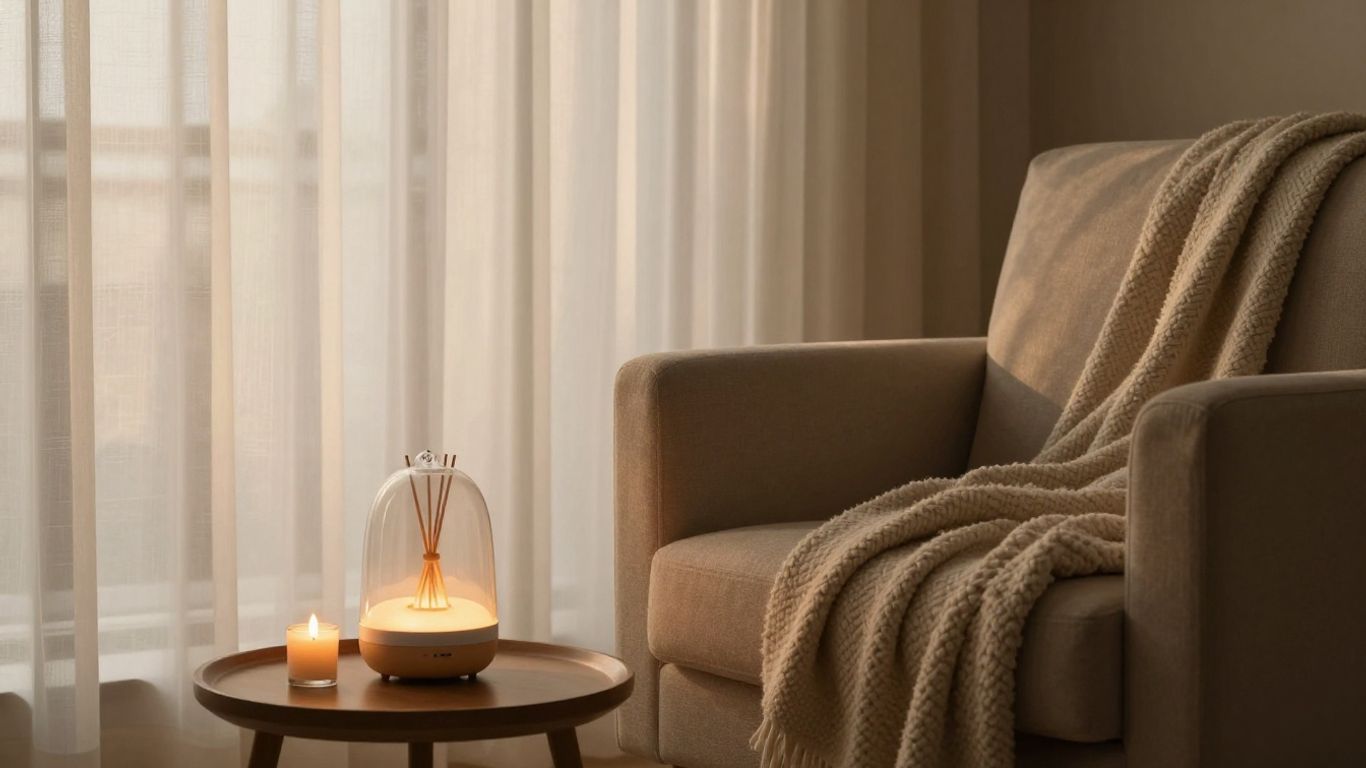
Creating a home that feels like a sanctuary is all about tapping into our senses. We can build little pockets of peace by paying attention to the sights, sounds, and smells around us. It’s like setting up subtle safety signals that tell our nervous system, ‘You’re okay here.’ This isn’t about grand renovations; it’s about making small, thoughtful changes that add up to a more calming environment for everyone.
Key Takeaways
- Make your floors feel warm and grounding, and choose furniture made from natural stuff. Adding soft things you can see right away makes a space feel safer.
- Design rooms so you can easily see the exits. Give things space and set up areas that make sense, so it’s easy to know what goes where.
- Use colors that are easy on the eyes and keep things tidy to help your mind relax. Having one main thing to look at can also help.
- Cut down on sudden, loud noises. Pick sounds that are gentle and think about what you hear when you first walk into a room.
- Introduce nice, light smells, but skip anything too strong or chemical. Scented items can be a nice way to engage your sense of smell.
Cultivating Calm Through Tactile Comfort
Our sense of touch plays a surprisingly big role in how safe and relaxed we feel. When a space looks and feels soft, our bodies tend to soften too. Studies show that being in rooms with natural textures and materials can really help us feel calmer.
Prioritizing Warm and Grounding Flooring
Think about what’s underfoot. Floors that feel cold or sterile can make us feel tense without us even realizing it. Opting for materials like wood, bamboo, or cork can make a space feel much warmer and more welcoming. Even high-quality vinyl that mimics these natural textures can work well. The goal is to avoid that subconscious clenching that happens with hard, cold surfaces.
Embracing Natural Fibers in Furnishings
When you choose fabrics for things like blankets, cushions, or curtains, natural fibers really make a difference. Cotton, wool, and linen have a grounding and gentle feel. They add a layer of comfort that synthetic materials often can’t match. These textures invite you to relax and settle in.
Introducing Visible Softness for Immediate Safety Signals
Softness isn’t just about how something feels; it’s also about how it looks. Visible softness sends immediate cues of safety to our nervous system. A few well-placed items can totally change the vibe of a room. Consider adding:
- A woven throw draped over a chair
- Plump cushions on the sofa
- Comfortable floor pillows
- A soft rug right by the entrance
These small touches act like little signals that say, "You can relax here. You’re safe to let your guard down."
Designing Space for Psychological Safety
The way a room is put together really matters. It’s not just about how it looks, but how it makes your nervous system feel. When you walk into a space, your body is automatically checking things out – is it safe to relax here, or should I stay on alert? Designing a place that feels psychologically safe means giving your nervous system clear signals that it can let its guard down. This involves thinking about how you can see exits, how much room there is between things, and if the different areas of the space make sense.
Ensuring Clear Sightlines to Exits
Knowing where the exit is without having to strain or turn around a lot can make a big difference in how secure you feel. It’s like having a built-in escape route that’s always visible. This doesn’t mean you have to face the door all the time, but having it in your field of vision offers a sense of control and predictability. People often feel more at ease when they can easily spot the way out, whether they prefer a spot facing the door, near a wall, or tucked into a corner. Giving people a choice in how they orient themselves within the space is key.
Allowing Generous Spacing Between Elements
Feeling too crowded can make anyone feel a bit on edge, even if it’s subtle. When furniture or objects are packed too closely together, it can create a low-level sense of vigilance. Think about how you feel in a busy elevator versus an open park – the space around you impacts your internal state. Providing ample room between items allows for easier movement and reduces that feeling of being hemmed in. This is especially important in shared spaces where different people might have different comfort levels with proximity.
Establishing Intuitive Zones for Predictability
When a space has clear areas for different activities, it becomes easier to understand and use. Imagine a kitchen with a designated spot for cooking, one for cleaning, and another for storing food – it just makes sense. The same applies to a living area or a workspace. Setting up intuitive zones, like a quiet corner for reading, a more open area for movement, or a specific spot for storing belongings, helps reduce mental load. This predictability means less time spent figuring things out and more time feeling settled and comfortable. It helps your brain relax because it knows what to expect in each part of the room.
The Power of Soft Visual Cues
Visuals play a huge role in how safe and calm we feel in our homes. It’s not just about what we see, but how those sights make our nervous system react. Think about it: a room that looks chaotic can make you feel on edge, while a space that feels visually quiet can help you relax. We can intentionally design our surroundings to send signals of safety and peace.
Choosing Calming Color Palettes
Colors have a real impact on our mood and stress levels. Studies show that softer, less intense colors can actually lower stress responses and help us focus better. This doesn’t mean every room needs to be a bland beige, but it does mean picking colors that don’t feel overwhelming. Think about gentle earth tones, muted greens, warm neutrals, or soft blues and terracottas. These kinds of colors tend to feel steady and grounding, helping your eyes and your mind settle.
Reducing Visual Clutter for Mental Clarity
Our brains are constantly processing visual information, and a lot of visual
Crafting Soothing Soundscapes
Sound has a pretty direct line to how we feel, doesn’t it? A sudden loud noise can make you jump, while a consistent, gentle sound can help you relax. It’s like your nervous system gets a signal to ease up. Think about it: the sounds in your home can either add to the chaos or help create a sense of peace. We want to lean into the latter.
Minimizing Unpredictable Noise Sources
First things first, let’s tackle the noises that tend to jolt us. These are the sounds that pop up without warning and can put us on edge. We’re talking about things like a loud appliance kicking on unexpectedly, traffic noise that suddenly gets intense, or even just echoes bouncing around your rooms.
- Seal off noise where you can. This might mean adding some insulation if you have the ability, or even just being mindful of where your main noise sources are. Sometimes, just knowing what’s coming can help.
- Soften hard surfaces. Rugs, curtains, and even upholstered furniture can absorb sound, making a big difference in how much noise bounces around. It’s like giving your sound waves a soft place to land.
- Check your mechanical sounds. That humming refrigerator or buzzing air conditioner might be background noise you’ve gotten used to, but it can still be a low-level stressor. Sometimes, a simple adjustment or maintenance can quiet things down.
Intentionally Selecting Gentle Audio
Once you’ve quieted down the unwanted noise, you can think about the sounds you do want. This isn’t about filling every silence, but about choosing sounds that support a calm atmosphere. Silence itself can be incredibly soothing, but sometimes a gentle audio element can add another layer of comfort.
- Nature sounds are a go-to. Think gentle rain, ocean waves, or a quiet forest. These sounds are often complex enough to be interesting but predictable enough not to be jarring.
- Instrumental music can work well. If you opt for music, choose pieces that are calm and consistent. Avoid tracks with sudden changes in volume, intense bass drops, or jarring vocals. Simple melodies played on instruments like a piano, harp, or acoustic guitar can be lovely.
- Keep the volume steady. Whatever sound you choose, aim for a consistent, low-to-moderate volume. It should be present but not demanding your attention.
The goal here is to create an auditory environment that feels safe and predictable, allowing your nervous system to relax rather than stay on high alert. It’s about making sound work for you, not against you.
Considering the Auditory Entrance Experience
What you hear when you first enter a space can really set the tone for your entire experience. It’s like a subtle announcement that you’re entering a different kind of environment. Even small touches can make a difference.
- A gentle welcome. Even a quiet water feature, a soft ambient track playing very low, or even just the absence of harsh noise at the entrance can signal a shift.
- Consistency matters. If you have a sound element at the entrance, try to keep it consistent so it becomes a familiar and comforting cue.
- It’s about transition. This auditory cue helps bridge the gap between the outside world and the calm space you’re creating within your home.
Harnessing Olfactory Safety Signals
Our sense of smell is a powerful, often overlooked, pathway to comfort and safety. It’s directly linked to our memories and emotions, meaning a familiar scent can instantly transport us to a feeling of peace or unease. Thoughtfully introducing pleasant aromas can significantly contribute to a calming home environment.
Introducing Pleasant, Subtle Scents
Think about the smells that genuinely make you feel good. For some, it might be the gentle aroma of lavender or chamomile, known for their relaxing properties. Others might find comfort in the clean scent of fresh linen or the subtle sweetness of vanilla. The key here is subtlety. We’re not aiming for an overpowering perfume, but rather a gentle hint that signals "safe and cozy." Consider using natural elements like dried flowers, or a very lightly scented candle that you only burn for short periods. Even the smell of freshly brewed coffee or baked goods can be incredibly grounding for many people.
Avoiding Overpowering or Chemical Odors
Just as pleasant scents can soothe, harsh or artificial smells can be incredibly disruptive. Strong cleaning product fumes, artificial air fresheners with complex chemical names, or the lingering smell of stale cooking can trigger stress responses. It’s important to be mindful of the products you use for cleaning and air purification. Opt for unscented or naturally scented options whenever possible. If you do use air fresheners, choose ones with minimal ingredients and a very light fragrance. Pay attention to how your home smells after cleaning; if it feels sharp or chemical, it might be time to switch products.
Utilizing Scented Items for Sensory Engagement
There are many ways to incorporate scent without relying on sprays or diffusers. Think about items that naturally carry a pleasant aroma. For example:
- Herbal Sachets: Small bags filled with dried lavender, chamomile, or cedar can be placed in drawers, closets, or even tucked into pillowcases.
- Natural Potpourri: A bowl of dried flowers, spices, and essential oils can offer a gentle, evolving fragrance.
- Wood Elements: Unfinished wooden items, like a small carved object or even a piece of driftwood, can sometimes carry a subtle, natural scent.
- Fresh Flowers or Plants: A small bouquet of flowers or a few potted herbs can bring a natural, refreshing aroma into a space.
The goal is to create an olfactory landscape that feels welcoming and non-intrusive. It’s about adding gentle layers of scent that support a sense of calm, rather than demanding attention. Pay attention to how different scents make you feel over time, and adjust accordingly.
Creating Dedicated Retreat Zones
Sometimes, you just need a little nook to call your own, a place where the world outside fades away. Creating these dedicated retreat zones at home is like building a personal sanctuary, a spot designed specifically for unwinding and recharging. It’s about carving out a small corner of your living space and making it a haven for your nervous system.
Establishing a Cozy Corner for Decompression
Think of this as your personal decompression chamber. It doesn’t need to be a whole room; a simple corner can work wonders. The key is to make it feel distinct from the rest of your home, signaling a shift from ‘doing’ to ‘being’.
- Define the space: Use furniture placement, a rug, or even a strategically placed screen to visually separate it.
- Prioritize comfort: This is where soft textures reign supreme. Think plush cushions, a soft throw blanket, and maybe even a comfortable floor pillow.
- Minimize sensory input: Keep this area free from loud electronics or busy visual elements. The goal is quiet and calm.
Utilizing Tents or Canopies for Enclosure
For some, a sense of enclosure is deeply calming. Tents or canopies can provide this feeling of being safely tucked away, offering a physical boundary that helps the mind settle.
A canopy or a small tent can create a powerful sense of security, mimicking the feeling of being held or cradled. This enclosure helps to reduce external distractions and allows the nervous system to relax.
These structures can be as simple as a draped sheet over a few chairs or a more permanent pop-up tent. The key is that it feels like a distinct, private space within your larger environment. It’s a place to retreat when the world feels a bit too much.
Equipping Retreats with Calming Tools
Once your retreat zone is set up, it’s time to stock it with items that actively promote relaxation. These are your sensory tools, ready to be deployed when you need them most.
- Tactile comfort: Weighted blankets, soft stuffed animals, or textured fidget toys can provide grounding sensory input.
- Auditory calm: Consider a small Bluetooth speaker for gentle music or nature sounds, or noise-canceling headphones for complete quiet.
- Visual soothing: A small lamp with a warm bulb, a few calming books, or even a simple journal can add to the peaceful atmosphere.
Integrating Movement and Deep Pressure
Our bodies are constantly taking in information from the world around us, and how we move within a space, or the pressure we feel, can send powerful signals to our nervous system. Think about it – a gentle rocking motion can be incredibly soothing, while a sudden jolt can be jarring. Creating opportunities for specific types of movement and pressure can help signal safety and calm.
Providing Opportunities for Vestibular Input
The vestibular system, located in our inner ear, is all about balance and spatial orientation. When this system is stimulated in a gentle, predictable way, it can be very calming. This doesn’t mean you need a full-blown amusement park ride in your living room! Simple things can make a big difference.
- Gentle rocking: A comfortable rocking chair or even a hammock can provide a soothing rhythm.
- Swinging: A gentle swing, whether it’s a porch swing or a small indoor swing, can offer a predictable, rhythmic motion.
- Spinning (with caution): For some, slow, controlled spinning can be grounding. This might be a swivel chair or even just slowly turning in a circle.
These movements help our brain understand where we are in space and can help regulate our internal state.
Incorporating Proprioceptive Input Through Weighted Items
Proprioception is our sense of body awareness – knowing where our limbs are without looking. Deep pressure input, often provided by weighted items, can be incredibly grounding and calming for the nervous system. It’s like a gentle, full-body hug.
- Weighted blankets: These are fantastic for signaling safety and can help quiet a busy mind, especially before sleep.
- Weighted lap pads: Great for use while sitting at a desk or watching TV, providing targeted pressure.
- Weighted stuffed animals: A comforting companion that offers gentle pressure.
The key is to use items that feel comfortably heavy, not restrictive.
Offering Varied Seating for Comfort and Movement
Not all seating is created equal, and offering different options can cater to diverse needs for comfort and movement. Sometimes we need to sink into something soft, other times we need something more supportive that allows for subtle shifts in posture.
- Soft, deep cushions or floor pillows: These invite a more relaxed, grounded posture and allow for sinking in.
- Firm chairs with good back support: These provide stability and can help with maintaining an upright, alert posture when needed.
- Beanbag chairs or large poufs: These offer a unique combination of softness and adaptability, allowing the body to mold into them.
By providing a range of seating, you allow individuals to choose what feels most supportive and calming for their body at any given moment. It’s about giving your nervous system options to find its equilibrium.
The Role of Lighting in Safety Signals
Lighting is more than just about seeing; it’s a powerful tool for setting the mood and signaling safety. The right kind of light can make a space feel welcoming and secure, while harsh or unpredictable lighting can do the opposite. Think about how a dimly lit room feels cozy compared to a brightly lit one that might feel more clinical or even jarring.
Adjusting Light Levels with Dimmer Switches
One of the simplest yet most effective ways to control the atmosphere in your home is by using dimmer switches. These allow you to fine-tune the brightness of a room, creating a softer, more diffused light. This is especially helpful for winding down in the evening or for creating a calm environment during times of stress. Being able to lower the light intensity can significantly reduce overstimulation. It gives you control over your visual environment, which is a key part of feeling safe and grounded.
Utilizing Colored Light Bulbs for Ambiance
Beyond just brightness, the color of light can also play a role. Soft, warm colors like gentle amber or muted blues can create a soothing ambiance. These colors are less likely to be perceived as harsh and can contribute to a feeling of relaxation. Think of it like painting with light – you can use different hues to evoke different feelings. For instance, a soft red light might be used to signal a quiet, restful period, while a gentle green could feel more natural and calming.
Avoiding Harsh or Flashing Light Sources
Conversely, certain types of lighting can be quite disruptive. Bright, direct lights, especially those that flicker or flash, can be unsettling and even trigger anxiety for some people. This is why it’s generally best to avoid fluorescent lights that buzz or lights that strobe. The goal is to create a visual environment that feels predictable and gentle, not one that demands constant attention or causes discomfort. A space that feels visually calm allows your nervous system to relax.
Establishing Sensory Check-In Routines
Life changes, and so do our sensory needs. What feels just right one month might feel a bit off the next. That’s why building simple sensory check-ins into your routine is so helpful. It’s not about a big, overwhelming overhaul; it’s about noticing the small things that help you feel more comfortable and grounded.
Conducting Quick Monthly Sensory Scans
Think of this as a gentle pause to tune into your environment. Once a month, pick one sense to focus on for a day. For example, spend a day really noticing sounds around you. Are there new noises that bother you? Or perhaps a quiet moment you particularly enjoyed? Jotting down these observations can reveal patterns you might otherwise miss. It’s a low-pressure way to keep your sensory world in balance.
Adapting to Seasonal Changes
As the seasons shift, so do our sensory experiences. Longer, darker evenings might call for warmer lighting and softer textures. Brighter, longer days might mean you want to reduce visual clutter or seek out more natural light. Even small adjustments, like adding a cozy blanket or swapping out a scented candle, can make a big difference in how your space feels and supports you.
Responding to Environmental or Schedule Adjustments
Did you rearrange your furniture? Get a new roommate? Or maybe your work schedule changed? Any significant shift in your environment or daily rhythm is a good cue for a sensory check-in. Take a few minutes to walk through your space or your new routine and notice how it feels. Are there new sounds, sights, or smells that stand out? Listening to your body’s subtle cues after these changes can help you make quick, effective adjustments to maintain your comfort.
Your body often sends signals when something feels off, but daily life can make it hard to hear them. Paying attention to these small physical or mood shifts can help you address discomfort before it becomes a bigger issue. It’s about learning to listen to yourself.
Listening to Your Body’s Subtle Cues
Sometimes, the most telling signs that your environment isn’t quite working for you come not from a grand realization, but from the quiet whispers of your own body. Daily life can be noisy, and it’s easy to tune out these subtle signals. But paying attention to them is like having a personal early warning system for discomfort or stress. Your body often knows what it needs before your mind fully catches up.
Recognizing Physical Tension and Headaches
Have you ever walked into a room and felt your shoulders tense up without knowing why? Or perhaps you’ve developed a dull headache after spending time in a particular space, only for it to fade when you leave. These aren’t random occurrences. They can be your body’s way of reacting to sensory input that’s just not sitting right. It might be the specific quality of light, a low hum from an appliance, or even a lingering scent that’s subtly irritating your system. These physical responses are direct feedback about your environment’s impact on your well-being.
Noticing Shifts in Focus or Energy Levels
Another common indicator is a change in your ability to concentrate or your overall energy. Do you find yourself easily distracted or struggling to stay on task when you’re in a certain area of your home? Or perhaps you feel a sudden dip in energy, a kind of mental fog, that seems tied to specific times or activities. This can be linked to visual clutter, a lack of stimulating (or too much distracting) sound, or even the temperature of the room. Your brain is working harder to filter out what’s not helpful, and that takes a toll.
Heeding Restlessness or Fatigue Related to Environment
Restlessness, that feeling of needing to fidget or move, or conversely, a pervasive fatigue that doesn’t seem to lift, can also be environmental cues. If you feel an urge to pace or can’t seem to settle down, it might be that the space isn’t providing the right kind of sensory input. Maybe it’s too quiet, too stimulating, or lacks opportunities for comfortable movement. On the flip side, if you feel drained and tired, it could be that the environment is too demanding, requiring constant effort to process or tolerate. These feelings are invitations to explore what adjustments might bring a greater sense of ease and balance.
Your body is a sophisticated instrument, constantly communicating its needs. Learning to interpret its signals—the tightening in your jaw, the sudden urge to leave a room, the feeling of being drained—is a powerful step toward creating a home that truly supports you. It’s about building a dialogue with yourself, where comfort and well-being are the primary language.
Your body sends you messages all the time. Learning to understand these quiet signals is super important for your health. It’s like having a secret code to know what you truly need. Want to get better at listening to your body? Visit our website to learn more!
Bringing Calm Home
Creating these little pockets of peace at home is all about paying attention to the small things. It’s not about grand gestures, but rather the gentle hum of a white noise machine, the soft glow of a dim lamp, or the comforting weight of a familiar blanket. By thoughtfully arranging your space and choosing scents, sounds, and sights that speak to your senses, you can build a sanctuary. Remember, your comfort is worth checking in on regularly, and small, consistent adjustments can make a big difference in how you feel day-to-day. Think of it as a continuous, gentle process of tuning into what makes you feel most at ease.
Frequently Asked Questions
What is a sensory room and why would I want one?
A sensory room is a special space designed to help people, especially kids, feel calm and safe. It’s filled with things that appeal to the senses – like soft textures, gentle sounds, and soothing lights. Having one can help someone calm down when they feel overwhelmed or overstimulated, giving them a safe place to go when they need a break.
How can I make a ‘cozy corner’ for my child?
You can create a cozy corner by setting up a small, quiet spot, maybe using a play tent or blankets. Fill it with comfy things like soft pillows, a favorite blanket, stuffed animals, and maybe some quiet toys. Dimming the lights or using soft lighting can also make it feel more peaceful and safe for decompressing.
What kind of sounds are good for a sensory space?
Gentle and predictable sounds are best. Think about things like soft music, nature sounds (like rain or ocean waves), or even white noise. It’s important to avoid loud or sudden noises that can be startling. Sometimes, quiet is best, so having noise-canceling headphones or earmuffs can also be helpful.
Are certain colors better for a sensory room?
Yes, softer and calmer colors are usually better. Think about muted tones like gentle greens, warm neutrals, or dusty blues. These colors tend to be less overwhelming and can help people feel more relaxed. It’s also good to avoid too many busy patterns or lots of decorations that can make the space feel cluttered.
What role does scent play in creating a safe space?
Scents can have a big impact! Pleasant, subtle smells like lavender can be very calming. It’s best to avoid strong or chemical odors, as these can be overwhelming. You can use things like scented sachets or aromatherapy items to add a comforting smell to the space.
How can I help my child manage sensory overload in their room?
A sensory room can help by offering a variety of options. If your child is tired, they might need a quiet, dark spot. If they have too much energy, they might need a place to jump or move. Having separate zones for different activities can also be helpful so the whole space doesn’t feel overwhelming.
What are some tactile things that create a feeling of safety?
Soft and natural textures are key! Think about using warm flooring like wood or cork, and natural fabrics for blankets, cushions, and curtains. Even adding a soft rug or some plush pillows can send immediate signals of comfort and safety, helping you feel like you can relax.
How often should I check if my sensory space is still working well?
It’s a good idea to do quick check-ins regularly. You could do a simple scan once a month, focusing on one sense at a time. Also, pay attention to how you feel in the space, especially after changes like rearranging furniture or when the seasons change. Listening to your body’s signals, like feeling tense or tired, can tell you if adjustments are needed.