
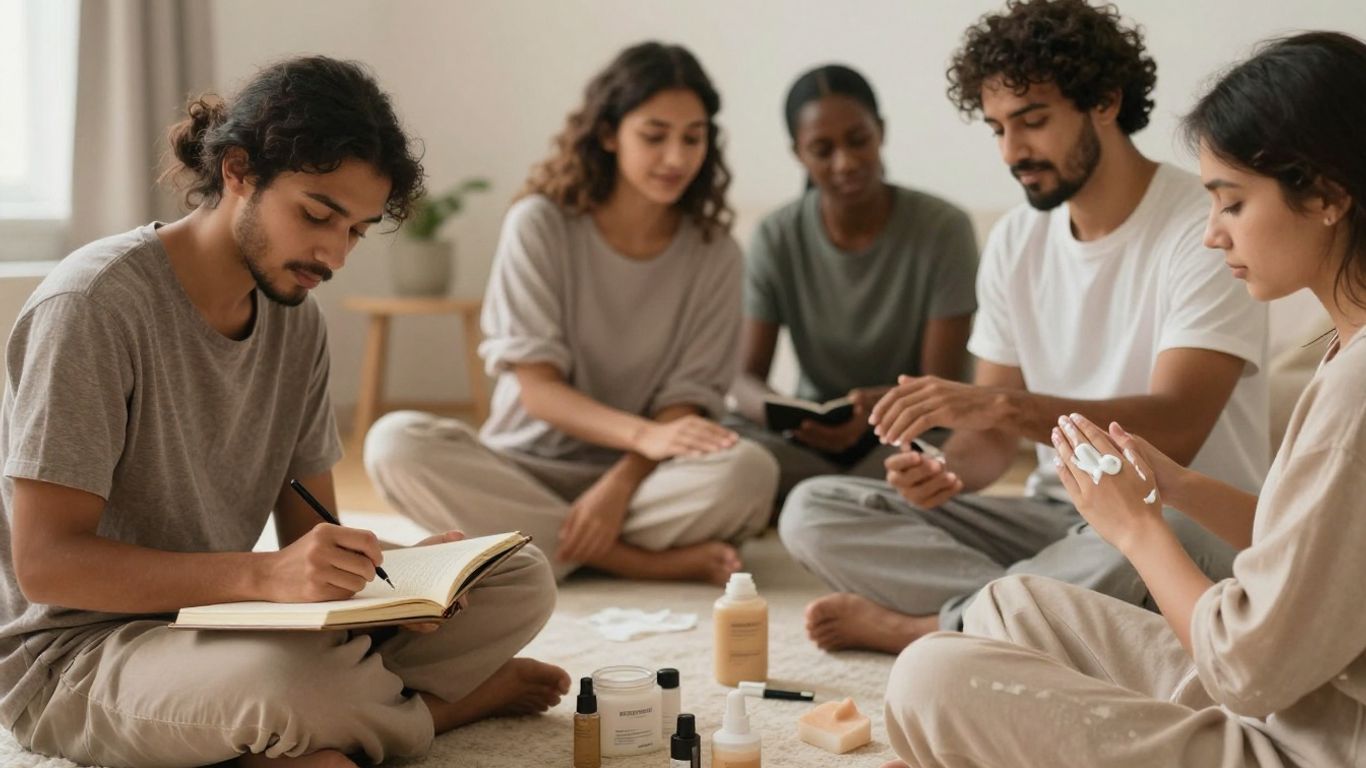
It can be tough to feel good about your body all the time, right? We’re bombarded with messages about how we should look, and it’s easy to get caught up in that. But what if we shifted our focus? This article is about exploring different ways to practice body appreciation, moving beyond just how we look and focusing more on what our bodies do for us and how we can care for them. Think letters, moving your body, and just being kinder to yourself. It’s about finding a more balanced way to feel about your body, day in and day out.
Key Takeaways
- Shift your focus from appearance to your body’s actual functions and capabilities. Think about what your legs *do* for you, not just how they look.
- Practice being present with your body’s sensations without judging them. Simple body scans can help you connect with your physical self.
- Actively express gratitude for your body. Listing its daily contributions or writing it a thank-you note can make a big difference.
- Recognize that your worth isn’t tied to how you look. Value your personality, skills, and passions just as much, if not more.
- Embrace movement as a way to care for your body and feel good, rather than just a tool for changing your appearance.
Cultivating Body Appreciation Through Reflection
Sometimes, we get so caught up in how our bodies look that we forget all the amazing things they do for us. This section is all about shifting that focus. It’s about looking at our bodies with a bit more curiosity and a lot less judgment. Think of it as getting to know your body all over again, but this time, with a kinder perspective.
Reframing Body Parts for Functionality
Let’s try a little experiment. Pick a body part you tend to criticize. Maybe it’s your stomach, your thighs, or your arms. Now, instead of thinking about how it looks, consider what it does. Your stomach, for instance, isn’t just there; it’s where your food gets processed, giving you the energy to get through your day. Your legs? They carry you places, let you dance, and help you explore. Focusing on function helps us see our bodies as capable tools, not just decorative objects. It’s a subtle shift, but it can make a big difference in how we feel.
Acknowledging Past Physical Challenges and Strengths
Our bodies have been through a lot. Maybe you’ve dealt with an injury, an illness, or just the general wear and tear of life. Instead of seeing these as failures, let’s look at how your body responded. Did it heal? Did it adapt? Reflecting on these moments can reveal incredible resilience. Think about a time your body surprised you with its strength or ability to recover. It’s easy to forget these triumphs when we’re focused on perceived flaws.
Recognizing Abilities Beyond the Physical
Our bodies are more than just physical forms; they are vessels for our minds, our emotions, and our spirits. What about your ability to think critically, to feel empathy, or to create something new? These are powerful capabilities that aren’t tied to appearance. Recognizing these non-physical strengths helps us build a more complete picture of our worth. It reminds us that our value extends far beyond what we see in the mirror.
Mindful Presence and Body Awareness
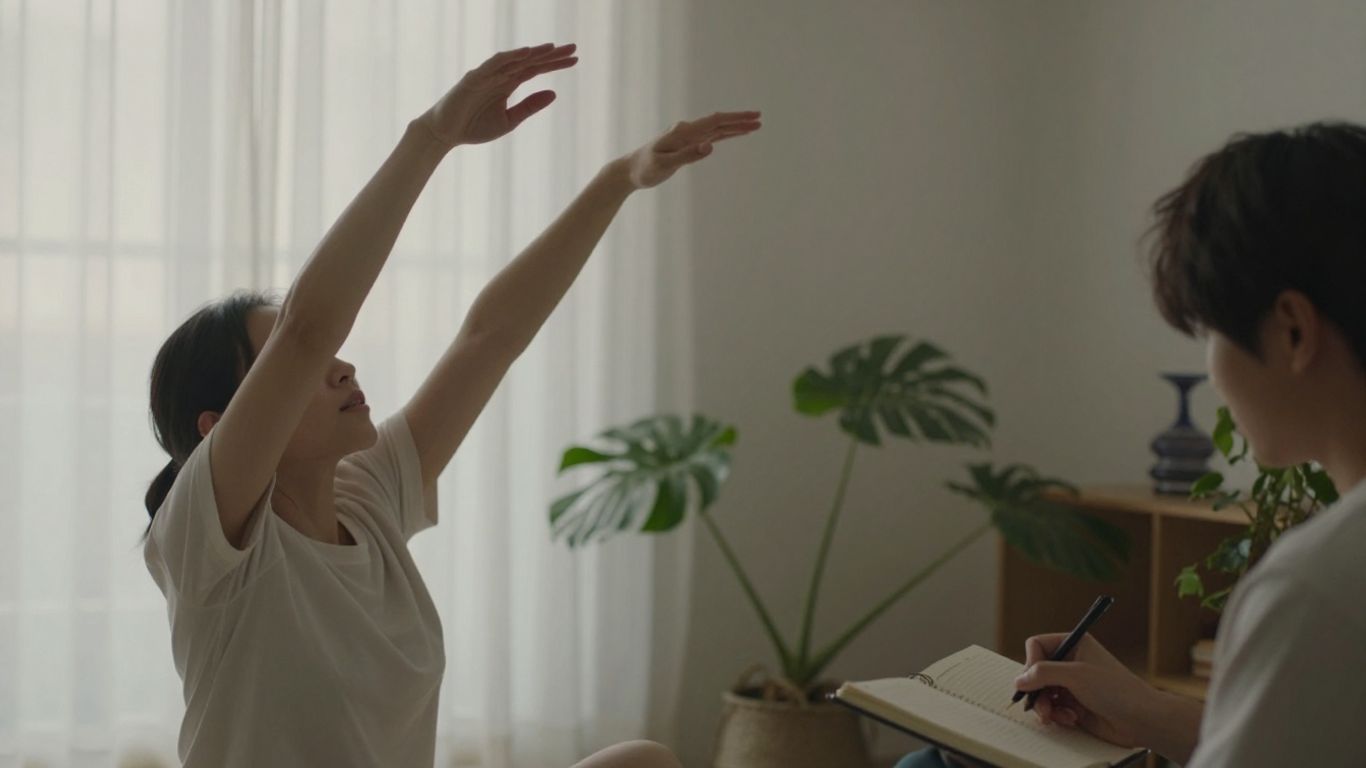
Sometimes, we get so caught up in our thoughts or the hustle of daily life that we forget to actually feel what’s happening in our bodies. This section is all about tuning in, without judgment. It’s about noticing the physical sensations that are always there, even when we’re not paying attention.
Engaging in Non-Judgmental Body Scans
Think of a body scan like a gentle check-in with yourself. You’re not trying to fix anything or judge what you find. You just notice. Start with your toes and slowly move your awareness up your body, part by part. What do you feel? Maybe warmth, coolness, a slight ache, or just… nothing. That’s okay. The goal is simply to observe without labeling things as ‘good’ or ‘bad’. It’s a way to connect with your physical self in a calm, accepting way.
Noticing Sensations with Present Moment Awareness
This is about being where you are, right now. When you’re eating, really taste the food. When you’re walking, feel your feet on the ground. It’s about bringing your attention to the physical experience of the moment. Instead of letting your mind wander to your to-do list or replaying a conversation, gently guide it back to what your body is sensing. This practice helps ground you and can make everyday experiences feel richer.
Observing Bodily Cues Before and After Nourishment
Our bodies send us signals all the time, especially around food. Before you eat, take a moment. Are you truly hungry? What does that hunger feel like? Is it a rumble in your stomach, a slight lightheadedness, or something else? After you eat, notice how your body feels. Do you feel satisfied, energized, or perhaps a bit too full? Paying attention to these cues helps you understand your body’s natural rhythms and needs, moving away from external rules and towards internal wisdom.
Expressing Gratitude for Your Body
Sometimes, we get so caught up in what our bodies aren’t doing, or what we wish they looked like, that we forget to notice all the amazing things they are doing for us, every single second. It’s like having a super-reliable car but only ever complaining about a scratch on the paint. This section is all about shifting that focus, even just a little, towards appreciation.
Listing Daily Contributions of Your Body
Think about your body like a tireless assistant. What did it do for you just today? Maybe it carried you to the coffee shop, let you feel the warmth of the sun on your skin during a short walk, or allowed you to taste that first bite of breakfast. It’s easy to overlook these basic functions, but they are the foundation of our experience.
Here are a few things your body might have done for you today:
- Allowed you to breathe without conscious effort.
- Carried you from your bed to your desk.
- Enabled you to hear your favorite song.
- Helped you digest your lunch.
- Supported you while you stood in line.
Taking a moment to acknowledge these daily contributions can really change your perspective.
Writing a Letter of Appreciation to Your Body
This is where we get a bit more personal. Imagine your body could read. What would you want to tell it? This isn’t about perfection; it’s about acknowledging its effort and resilience. You could start by thanking it for specific functions, like how your legs get you where you need to go, or how your hands allow you to create and connect. You might also acknowledge times it has helped you through challenges, even if it was difficult.
This practice is about building a kinder internal dialogue. It’s a way to offer yourself the same grace you might offer a friend.
Identifying Physical Sensations That Bring Joy
Beyond just function, what physical feelings genuinely feel good? It could be the simple pleasure of a cool breeze on a warm day, the comfort of a soft blanket, the stretch you feel after a good yawn, or the feeling of your muscles relaxing after a long day. These sensations are gifts from your body, moments of simple, pure pleasure that are often overlooked in the rush of daily life. Noticing these can be a gentle reminder that your body is a source of comfort and enjoyment, not just a tool.
Here are some ideas to get you started:
- The feeling of warm water during a shower.
- The sensation of stretching your arms overhead.
- The comfort of sinking into a soft chair.
- The taste of a favorite food.
- The feeling of your feet on the ground.
Nurturing Self-Worth Beyond Appearance
It’s easy to get caught up in how we look, especially with all the messages we get from everywhere. But our worth isn’t tied to our reflection. We’re so much more than our bodies. This section is about finding that deeper sense of value, the stuff that truly makes us who we are.
Valuing Non-Physical Qualities and Traits
Think about what makes you, you. Is it your sense of humor? Your ability to listen? Maybe your creativity or your determination? These are the things that shape your relationships and your impact on the world. They’re not visible in a mirror, but they’re incredibly important.
Here are some qualities to consider:
- Kindness and empathy
- Intelligence and curiosity
- Resilience and perseverance
- Creativity and imagination
- Honesty and integrity
These internal qualities are the bedrock of your identity. They are what people connect with on a deeper level.
Connecting Body Capabilities to Life Passions
Our bodies are the vehicles that allow us to engage with life. Whether it’s your hands that create art, your legs that carry you on hikes, or your voice that shares your ideas, your body enables your passions. It’s not about how those parts look, but what they do for you.
Consider these connections:
- Musicians: Their hands create melodies, their lungs produce sound.
- Athletes: Their bodies endure training and execute complex movements.
- Writers: Their minds generate stories, and their fingers type them out.
- Caregivers: Their presence and actions offer comfort and support.
When you focus on what your body allows you to do, you start to see it as a partner in pursuing what you love.
Recalling Moments of Being Valued for Inner Qualities
Take a moment to remember times when someone appreciated you for something other than your appearance. Maybe a friend praised your advice, a colleague admired your work ethic, or a family member thanked you for your support. These moments highlight that your true value lies in your character, your actions, and your contributions.
Reflecting on these experiences helps to build a strong internal compass of self-worth, one that isn’t swayed by external opinions about looks. It reminds you that you are seen and valued for the whole of who you are.
Embracing Body Neutrality Principles
Sometimes, the pressure to constantly love our bodies can feel like another thing to get wrong. Body neutrality offers a different path, one that’s less about adoration and more about acceptance. It’s a way to step back from the constant focus on appearance and acknowledge our bodies for what they are: vessels that carry us through life.
Understanding Body Neutrality as an Alternative
Body neutrality isn’t about forcing yourself to love your reflection. Instead, it’s about recognizing that your body deserves respect and care, regardless of how you feel about its appearance on any given day. It’s a shift from the often-exhausting pursuit of body positivity, which can sometimes keep the spotlight on looks, to a more grounded appreciation of our bodies’ functions. Think of it as a middle ground, a place where you don’t have to feel ecstatic about your body, but you also don’t have to hate it. It’s about finding a peaceful coexistence.
Shifting Focus from Appearance to Functionality
This is where the real work happens. Instead of dwelling on perceived flaws or comparing yourself to others, try to notice what your body does for you. It allows you to walk, to breathe, to taste your favorite foods, to hug someone you care about. It’s about appreciating the mechanics, the sheer capability of it all.
Here are a few ways to start noticing:
- Movement: How does your body feel when you walk? Does it carry you where you need to go? Does it allow you to dance or play a sport you enjoy?
- Sensation: Notice the feeling of warmth from a cup of tea, the comfort of a soft blanket, or the simple act of your lungs filling with air.
- Action: Your hands can create art, type an email, or prepare a meal. Your legs can take you on an adventure. Your voice can express your thoughts and feelings.
Accepting Changing Feelings About Your Body
Our feelings about our bodies are not static. They can change from day to day, even hour to hour. Body neutrality acknowledges this fluidity. It’s okay to have days where you feel more critical or days where you feel indifferent. The goal isn’t to achieve a permanent state of bliss but to develop a more stable, respectful relationship with your body over time. This means being kind to yourself when those less-than-positive feelings surface, rather than letting them spiral.
It’s about acknowledging that your body is a part of you, but it doesn’t define your entire worth. Your value comes from your character, your actions, your relationships, and your experiences – not just how you look.
Movement as a Practice of Self-Care
Exploring Movement for Non-Appearance Benefits
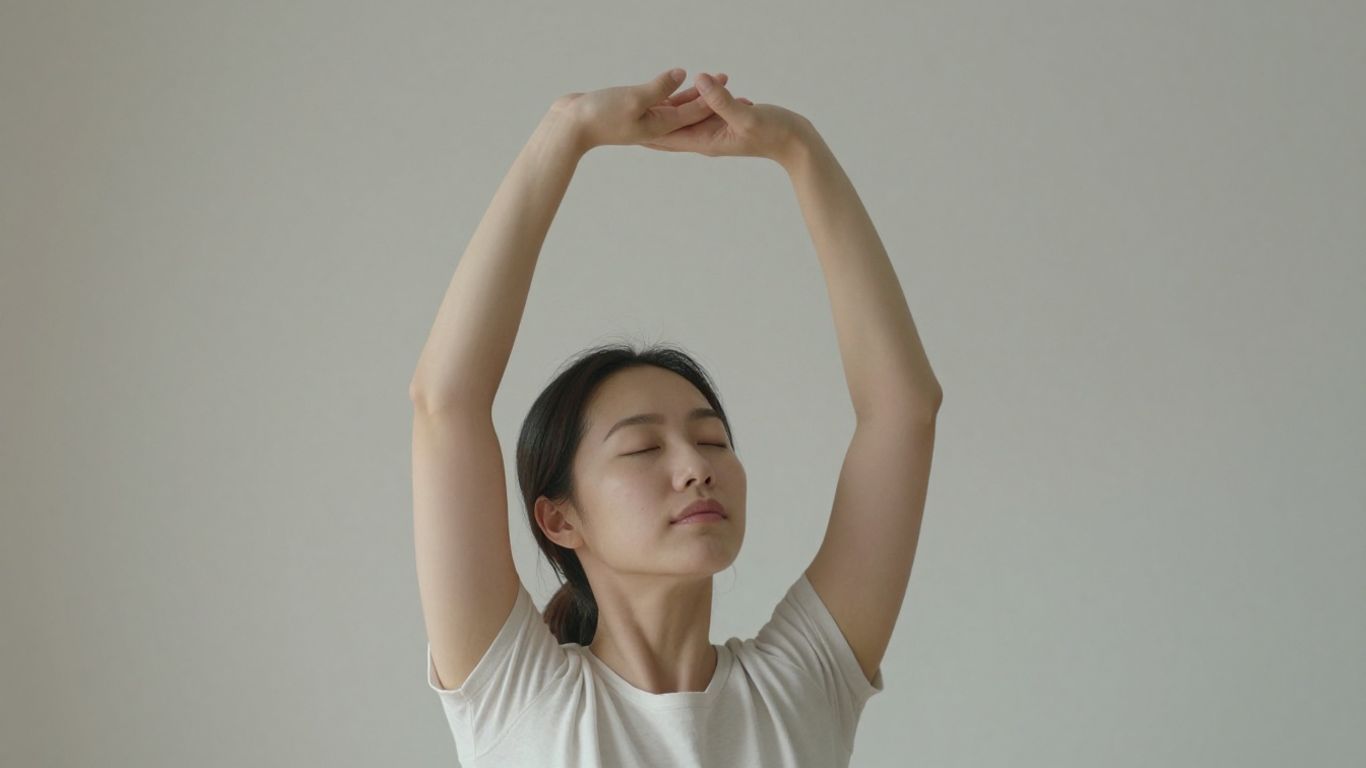
Movement is so much more than just a way to change how our bodies look. It’s a fundamental way we interact with the world and experience our own physical capabilities. When we shift our focus from aesthetics to how movement makes us feel and what it allows us to do, a whole new dimension of self-care opens up. Think about the simple act of walking; it doesn’t just burn calories, it clears your head, gets your blood flowing, and connects you to your surroundings. Or consider dancing – it’s an expression of joy, a release of energy, and a way to feel alive in your own skin, regardless of how you perceive your body in that moment.
Identifying Enjoyable Physical Activities
Finding movement that genuinely brings you pleasure is key. It’s not about forcing yourself to do something you dislike just because it’s considered ‘good exercise.’ What activities make you feel good, energized, or simply more present? This could be anything from a brisk walk in nature, swimming laps, gardening, playing a sport you love, or even just stretching in the morning. The goal is to find something that feels like a gift to yourself, not a chore.
Here are a few ideas to get you thinking:
- Gentle yoga or stretching
- Dancing to your favorite music
- Hiking or walking in a park
- Cycling outdoors
- Playing a sport with friends
- Gardening or doing yard work
Understanding How Movement Enhances Well-being
Regular, enjoyable movement has a profound impact on our overall well-being, far beyond physical appearance. It can significantly reduce stress, improve mood by releasing endorphins, boost energy levels, and even improve sleep quality. When you engage in physical activity that you enjoy, you’re not just moving your body; you’re actively cultivating a more positive relationship with it. You start to notice its strength, its resilience, and its capacity for joy. This practice helps build a sense of competence and self-efficacy, reminding you that your body is capable and worthy of care, simply because it exists and allows you to experience life.
Engaging in movement for the sheer pleasure of it, or for the functional benefits it provides, is a powerful act of self-appreciation. It’s about honoring your body’s capabilities and its role in your life, separate from any external judgment or aesthetic ideal.
Challenging Societal Beauty Standards
It feels like everywhere we look, there are these impossible ideas about how we should look. From magazines to social media, the messages can be pretty overwhelming, right? It’s easy to get caught up in comparing ourselves and feeling like we don’t measure up. But here’s the thing: those standards often don’t reflect reality, and they definitely don’t define our worth.
Identifying Influences of Media and Advertising
Think about the ads you see or the shows you watch. What kind of bodies are usually shown as ‘ideal’? Often, it’s a very narrow range. This constant exposure can really shape how we see ourselves and others. It’s worth taking a moment to notice these influences.
- Media’s Role: Advertisers and media outlets often promote a specific, limited look. This can create pressure to conform.
- Social Media Echoes: Algorithms can amplify these messages, making it seem like everyone else fits a certain mold.
- Internalized Beliefs: Over time, we might start to believe these narrow definitions of beauty ourselves.
Creating Body-Neutral Statements
Instead of focusing on appearance, let’s shift our language. Body-neutral statements help us appreciate our bodies for what they do, not just how they look. It’s about recognizing our bodies as tools that help us live our lives.
Here are a few examples to get you started:
- "My legs allow me to walk and explore the world."
- "My hands help me create and connect with others."
- "My lungs help me breathe and stay alive."
Shifting our focus from appearance to function is a powerful way to push back against narrow beauty ideals. It acknowledges that our bodies are more than just something to be looked at; they are active participants in our lives.
Taking Action Against Unrealistic Expectations
Challenging these standards isn’t just about thinking differently; it’s also about acting differently. This could mean making conscious choices about what media we consume or speaking up when we see harmful messages.
- Curate Your Feed: Unfollow accounts that make you feel bad about yourself and follow those that celebrate diversity.
- Question the Message: When you see an advertisement or media portrayal, ask yourself: Who benefits from this image? Is it realistic?
- Talk About It: Share your thoughts with friends or family. Discussing these issues can help normalize different perspectives and build support.
Practicing Compassion and Self-Kindness
Sometimes, the most challenging person to be kind to is ourselves. We can be our own harshest critics, especially when it comes to our bodies. This section is about shifting that internal dialogue towards one of gentleness and understanding.
Offering Compassionate Words to Yourself
Think about how you’d talk to a friend who was struggling. You’d likely offer words of comfort, encouragement, and validation. Applying that same kindness inward is the core of self-compassion. It’s not about ignoring problems or pretending everything is fine; it’s about acknowledging that you’re going through something difficult and offering yourself the same support you’d give to someone you care about. This might sound simple, but it takes practice. When you notice yourself being critical, try to pause and ask, "What would I say to a dear friend in this situation?" Then, try to offer those words to yourself.
Developing Body-Neutral Affirmations
Affirmations can be powerful tools, but sometimes, positive affirmations about our bodies feel inauthentic if we’re not quite there yet. Body-neutral affirmations focus on acceptance and functionality rather than appearance. Instead of saying "I love my body," which might feel like a stretch, try statements like:
- "My body allows me to walk and explore the world."
- "I appreciate my hands for their ability to create and connect."
- "My legs carry me through life’s journey."
- "My body is a vessel for my experiences."
These phrases acknowledge your body’s capabilities and existence without demanding an emotional attachment to its appearance. They help shift the focus from how your body looks to what it does for you.
Engaging in Self-Care Activities
Self-care isn’t just bubble baths and face masks, though those can be nice. It’s about actively doing things that support your well-being, both physically and mentally. When it comes to body care, this means choosing activities that feel nurturing rather than punitive. It could be:
- Preparing a nourishing meal that you genuinely enjoy.
- Stretching or moving your body in a way that feels good, not as a way to "earn" rest.
- Getting enough sleep, even when it feels like there’s too much to do.
- Spending time in nature, simply being present.
These actions are about tending to your needs with care, recognizing that you deserve comfort and rest. Self-kindness is a practice, not a destination. It’s about showing up for yourself, day after day, with a gentle and understanding heart.
Curating Your Media Environment
It’s easy to get caught up in what we see online. Social media, in particular, can be a constant stream of images and messages that don’t always reflect reality. This can really mess with how we feel about our own bodies. So, taking a look at what we’re consuming and making some intentional changes can be a big help.
Listing Content Creators Who Celebrate Diversity
Think about the accounts you follow. Are they mostly showing one type of body or lifestyle? It might be time to seek out creators who show a wider range of people and experiences. This isn’t just about different sizes or shapes; it’s also about different ages, abilities, ethnicities, and backgrounds. When you see more variety, it helps normalize the idea that there’s no single "right" way to look.
Here are some ideas for finding diverse content:
- Search for hashtags like #BodyDiversity, #AllBodiesAreGoodBodies, or #RepresentationMatters.
- Look for influencers who talk openly about their own body journeys and challenges.
- Follow accounts that focus on hobbies, skills, or knowledge, rather than just appearance.
Assessing Social Media’s Impact on Body Image
Take a moment to really notice how you feel after scrolling through your feed. Do you feel inspired, informed, or maybe a little bit down? Sometimes, we don’t even realize how much certain posts are affecting us until we stop and think about it. It’s like background noise that can slowly chip away at our self-esteem.
Consider keeping a simple log for a week. Note down how you feel after using different apps or looking at specific types of content. This can give you a clearer picture of what’s working for you and what’s not.
| Platform | Time Spent | Feelings After Scrolling |
|---|---|---|
| 30 minutes | Slightly inadequate, then curious | |
| TikTok | 45 minutes | Amused, then a bit restless |
| YouTube | 1 hour | Informed about a new hobby, then relaxed |
Making Intentional Changes to Your Feed
Once you have a better idea of what’s impacting you, you can start making changes. This doesn’t mean you have to quit social media altogether, but you can be more mindful about your choices. It’s about making your online space a more supportive and positive place for yourself.
- Unfollow accounts that consistently make you feel bad about yourself. It’s okay to hit that unfollow button. Your mental well-being comes first.
- Mute or block content that triggers negative thoughts.
- Actively seek out and engage with content that aligns with body neutrality and self-acceptance.
Curating your media environment is an ongoing practice. It requires regular check-ins and adjustments, much like tending to a garden. By being intentional about what you consume, you can create a digital space that supports, rather than detracts from, your journey toward body appreciation.
The Power of Expressing Appreciation
Sometimes we get so caught up in what we don’t have, or what we wish our bodies could do, that we forget to notice all the good stuff. Expressing appreciation, especially for our bodies, is a way to shift that focus. It’s not about pretending everything is perfect, but about acknowledging the everyday contributions our bodies make.
Writing Compliments Unrelated to Appearance
This is about looking beyond the surface. Think about what your body does for you, not just how it looks. Maybe your legs carried you through a tough hike last week, or your hands helped you create something beautiful. These are the kinds of things worth celebrating.
- Your arms are strong enough to hug the people you love.
- Your lungs take in the air that keeps you alive, without you even thinking about it.
- Your feet get you from point A to point B, allowing you to explore and experience the world.
Understanding the Impact of Gratitude Practices
When we regularly take time to notice and appreciate the positive things, including our body’s functions, it can actually change our perspective. It’s like training a muscle; the more you practice gratitude, the more natural it becomes to see the good. This shift can lead to feeling more content and less stressed. It helps build resilience, making it easier to handle difficult times because you have a stronger foundation of appreciation to draw from.
Practicing gratitude isn’t just a feel-good exercise; it’s a way to actively reshape how we experience our lives and our bodies. It helps us recognize our inherent worth, independent of external validation or societal ideals.
Creating a Gratitude Jar for Daily Reflection
A gratitude jar is a simple, tangible way to keep this practice going. Grab any old jar, some small slips of paper, and a pen. Each day, or whenever you think of something, jot down a specific thing you appreciate about your body or something it enabled you to do. It could be as simple as "My eyes let me see the sunrise this morning" or "My stomach digested my lunch so I have energy." Fold the paper and drop it in the jar. Over time, this jar becomes a collection of all the ways your body supports you, a physical reminder of its incredible capabilities and contributions. When you’re having a tough day, you can pull out a few slips and read them, reminding yourself of all the good.
Here’s a simple way to start:
- Find a container (a jar, a box, even a large envelope).
- Cut small strips of paper.
- Write down one thing you appreciate about your body or its abilities each day.
- Place the slip in your container.
- When you need a boost, read through the slips.
Showing gratitude can really make a difference in your life and the lives of others. A simple ‘thank you’ or a thoughtful gesture can brighten someone’s day and strengthen your connections. It’s a powerful way to build positive relationships and create a happier environment. Ready to explore more ways to bring positivity into your life? Visit our website to discover how!
Moving Forward with Body Appreciation
So, we’ve explored a few ways to connect with our bodies, from writing letters to moving in ways that feel good. It’s not always easy, and some days are definitely tougher than others. But the idea here isn’t about achieving some perfect state of body love overnight. It’s more about building a kinder, more honest relationship with the body that carries you through life. Think of these practices – the letters, the mindful movement, the simple care routines – as ongoing conversations. They’re tools to help you notice your body’s functions, appreciate its strengths, and treat it with the respect it deserves, regardless of how you feel about its appearance on any given day. Keep exploring what works for you, and remember that every small step toward self-compassion makes a difference.
Frequently Asked Questions
What exactly is body neutrality?
Body neutrality is like saying your body is just a body. It’s not about loving how you look all the time, which can be tough. Instead, it’s about respecting your body for what it can do, like helping you walk, think, or hug someone. It’s about being kind to your body, no matter what.
How is body neutrality different from body positivity?
Body positivity is often about loving your appearance and thinking you’re beautiful. Body neutrality is a bit different. It says that how you look doesn’t have to define your worth. Your body is important because it lets you live your life, not just because of how it appears.
Can I still have ‘bad body image days’ with body neutrality?
Absolutely! Body neutrality understands that some days you might not feel great about how you look. That’s totally normal. The idea is that even on those days, your body still deserves care and respect. You don’t have to love your appearance to treat your body well.
How can journaling help with body appreciation?
Journaling is a great way to explore your thoughts and feelings about your body. You can write about what your body does for you, list things you appreciate about its abilities, or even write a letter to your body thanking it. It helps you focus on the good stuff beyond just looks.
What are some simple ways to show my body appreciation?
You can start small! Try noticing what your body does for you each day, like carrying you to school or letting you enjoy a tasty meal. You could also try moving your body in a way that feels good, like dancing or stretching, just for the fun of it, not for how it makes you look.
How does focusing on functionality help my body image?
When you focus on what your body can *do* instead of how it *looks*, it shifts your perspective. Thinking about how your legs help you run, or how your hands let you create art, reminds you that your body is a powerful tool for experiencing life. This can make you feel more grateful and less critical.
What if I struggle with media and beauty standards?
It’s tough because media often shows only one type of look. A good step is to be aware of this. You can choose to follow social media accounts that show more diverse bodies and messages. Also, try creating simple statements that remind you that beauty comes in many forms and isn’t the most important thing.
Is it okay to accept my body even if it’s changing?
Yes, definitely! Bodies change all the time due to age, health, and many other things. Body neutrality means accepting these changes without judgment. It’s about respecting your body through all its phases and understanding that its worth doesn’t depend on staying the same.