
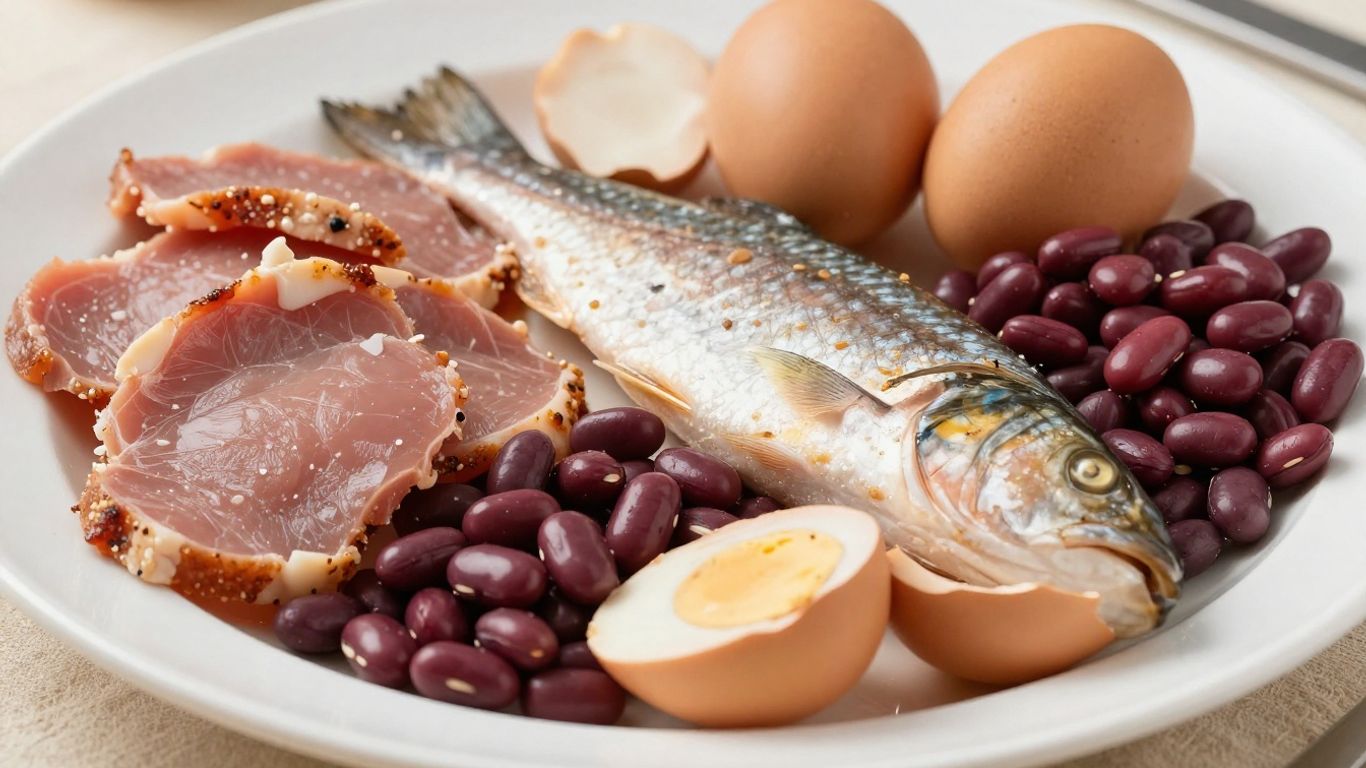
Figuring out how much protein to eat and when can feel like a puzzle, especially for women. We hear all sorts of numbers and rules, but what actually works? This article breaks down the science behind protein spacing for women, looking at things like leucine, how much protein to have at each meal, and how to combine different foods to get the most out of your intake. It’s all about smart protein choices to help you reach your fitness goals.
Key Takeaways
- Leucine is a key amino acid that signals your muscles to start building tissue. Aiming for about 2-3 grams of leucine per meal, often found in around 20-30 grams of high-quality protein, helps trigger this process.
- While total daily protein matters most, spreading your intake across 3-4 meals, about 3-4 hours apart, seems to keep muscle building signals going more consistently throughout the day.
- Protein quality makes a difference. Animal proteins generally have a better leucine profile than plant-based ones, but combining plant sources can also work. Be mindful that protein powders lack other helpful nutrients found in whole foods.
- Your individual protein needs aren’t one-size-fits-all. Factors like how active you are, your age, and even your hormones play a role in how your body uses protein.
- Combining protein with carbohydrates in a meal can help boost muscle protein synthesis, especially if the protein amount is a bit lower. Fats don’t seem to have the same effect.
Understanding The Leucine Threshold For Women
When we talk about building and keeping muscle, especially for women, there’s a key player you might not have heard of: leucine. It’s an amino acid, one of the building blocks of protein, and it’s pretty special. Think of it as the signal that tells your muscles it’s time to get to work, to repair and grow. Without enough of it, your muscles just don’t get the memo.
Leucine’s Role in Muscle Protein Synthesis
Muscle protein synthesis (MPS) is the process your body uses to build new muscle tissue. When you eat protein, your body breaks it down into amino acids. Leucine is one of those amino acids, and it acts like a switch. When a certain amount of leucine hits your bloodstream, it activates a pathway called mTOR. This pathway is like the foreman on a construction site, telling the muscle cells to start building.
- Leucine acts as a primary trigger for muscle protein synthesis.
- It signals to your muscles that a protein-rich meal has been consumed.
- This signal initiates the repair and growth processes.
Quantifying Your Personal Leucine Needs
So, how much leucine do you actually need? The general idea is to hit what’s called the ‘leucine threshold.’ For most adults, this is around 2.5 to 3 grams of leucine per meal. This amount is typically found in about 20-30 grams of high-quality protein. It’s not just about the total protein you eat, but the amount of leucine within that protein.
To give you an idea:
- A 3-ounce serving of chicken breast might provide around 2.5 grams of leucine.
- A 5-ounce serving of beef could offer about 3.2 grams of leucine.
- A scoop of whey protein isolate often contains 2.5-3 grams of leucine.
It’s important to remember that not all protein sources are created equal when it comes to leucine content. Animal proteins like meat, poultry, fish, and dairy tend to be richer in leucine compared to many plant-based sources.
The Impact of Body Size and Blood Volume
You might think that bigger people need more leucine, but it’s a bit more nuanced. The amount of leucine needed to trigger MPS isn’t directly tied to your total body weight or lean muscle mass as much as it is to your blood volume. Since blood volume doesn’t change drastically with moderate weight differences, the leucine threshold tends to stay relatively consistent across individuals of similar height. This means that a standard recommendation of 2.5-3 grams of leucine per meal is a good starting point for most women, regardless of minor variations in body size.
While hitting the leucine threshold is important for signaling muscle growth, it’s only one piece of the puzzle. You still need enough total protein and all the other essential amino acids to actually build new muscle tissue. Think of leucine as the ‘on’ switch, but you need the building materials (other amino acids) to construct anything.
Optimizing Protein Intake Per Meal

So, you’ve got your daily protein target, but how much should you aim for in each sitting? It’s a question that pops up a lot, and the answer isn’t as simple as a single number for everyone. While it was once thought that your body could only handle about 20-25 grams of protein at a time before the rest went to waste, research shows it’s a bit more nuanced.
Recommended Grams Per Meal for Women
For most women looking to build or maintain muscle, aiming for around 20-40 grams of high-quality protein per meal is a solid starting point. This range is generally enough to trigger muscle protein synthesis (MPS), the process your body uses to repair and build muscle tissue. Think of it like flipping a switch for muscle growth; each protein-rich meal turns that switch on.
The ‘Muscle Full’ Concept Explained
The idea that your muscles get ‘full’ after a certain amount of protein is related to the concept of MPS. When you consume protein, your body breaks it down into amino acids. If you eat a large amount of protein in one go, especially fast-digesting types like whey, your body might use some of the excess amino acids for energy rather than for building muscle. However, this doesn’t mean the extra protein is completely wasted. It’s more about optimizing its use.
The amount of protein your body can effectively use for muscle building in one meal isn’t a hard stop at 25 grams. Factors like the type of protein, whether you’re eating it with other foods, and your individual needs play a big role. It’s more about finding a sweet spot that consistently signals your muscles to repair and grow throughout the day.
Beyond 25 Grams: When More Protein Helps
While 20-40 grams is a good guideline, there are times when consuming more protein in a single meal might be beneficial. This can depend on:
- Your total daily protein intake: If you’re aiming for a higher daily target (e.g., 1.6-2.2 grams per kilogram of body weight), you might naturally consume more per meal.
- The type of protein: Slower-digesting proteins, like those found in whole foods or casein, can provide amino acids over a longer period, potentially allowing for better utilization even in larger amounts.
- Your activity level and goals: Highly active individuals or those in a calorie deficit might benefit from slightly higher protein per meal to support muscle retention and recovery.
- Meal composition: Eating protein alongside carbohydrates and fats can slow down digestion and absorption, making larger protein doses more effective.
Ultimately, spreading your protein intake across multiple meals, rather than concentrating it into one or two, is key to keeping that muscle-building signal active throughout the day.
Strategic Protein Distribution Throughout The Day
Hitting your daily protein target is important, but how you spread that protein out across your meals can make a big difference too. Think of your body like a construction site for muscle. You need a steady supply of building materials (amino acids from protein) to keep the work going. If you dump all the materials at once, some might get wasted or used for less important tasks. Spreading them out means the builders can work more consistently.
The Benefits of Spreading Protein Intake
When you eat protein, your body kicks off muscle protein synthesis (MPS), the process that repairs and builds muscle tissue. However, this process doesn’t stay ‘on’ indefinitely. It’s more like a temporary boost. To keep muscle building and repair happening efficiently throughout the day, you need to trigger MPS multiple times. This means avoiding long stretches without protein, which can lead to muscle breakdown instead of building.
- Consistent Muscle Support: Regularly consuming protein helps maintain an elevated state for muscle repair and growth.
- Improved Satiety: Spreading protein intake can help manage hunger, making it easier to stick to your nutrition goals.
- Optimized Nutrient Use: Your body can better utilize amino acids for muscle building when they are available more consistently, rather than in one large dose.
Meal Timing for Muscle Anabolism
While total daily protein intake is the main driver for muscle growth, the timing can play a supporting role. Eating protein before and after workouts can be beneficial for recovery and initiating the repair process. However, the idea of a super-short ‘anabolic window’ is often overstated. What’s more important is ensuring you have adequate protein available around your training sessions and throughout the rest of the day.
The body is quite adaptable. While a post-workout meal is good, the hours leading up to and following your training session are also important for providing the necessary amino acids for recovery and growth. Don’t stress too much about hitting a precise minute; focus on the overall pattern.
The 3-4 Hour Feeding Frequency Rule
A practical approach is to aim for a protein-containing meal or snack every 3 to 4 hours. This frequency helps to keep a steady supply of amino acids available for MPS and can also aid in appetite control. For most women, this might look like 3 main meals and 1-2 snacks, each containing a good source of protein.
Here’s a general guideline:
- Breakfast: Include protein to start the day strong.
- Mid-morning Snack: A protein-rich option if needed.
- Lunch: Another balanced meal with protein.
- Mid-afternoon Snack: Helps bridge the gap to dinner.
- Dinner: A final protein meal to support overnight recovery.
This consistent feeding pattern helps to maximize the body’s ability to use protein effectively for muscle maintenance and growth over the entire day.
Leveraging Real Food Combinations
It’s one thing to know how much protein you need, and another to actually get it from your plate. The good news is, you don’t need to live on protein shakes to hit your goals. Smart food pairings can make a big difference, especially when we’re talking about plant-based options.
High-Quality Protein Sources for Leucine
When we talk about protein for muscle building, we’re really zeroing in on leucine. This amino acid is like the key that turns on the muscle protein synthesis process. Animal products are generally packed with leucine. Think about:
- Eggs: A solid choice, with about 6 grams of protein per egg, and a good chunk of that is leucine.
- Chicken and Turkey Breast: Lean and mean, offering around 25-27 grams of protein per 4-ounce serving.
- Fish: Salmon, tuna, cod – these deliver about 20-25 grams per 4 ounces and are rich in other good stuff too.
- Dairy: Greek yogurt and cottage cheese are convenient options, providing a good amount of protein and leucine.
These foods are considered ‘complete’ proteins because they contain all the essential amino acids your body needs, including a good dose of leucine, to effectively signal muscle repair and growth.
Complementing Plant-Based Proteins
Many plant-based foods are fantastic sources of nutrients, but they often fall short on one or more essential amino acids, making them ‘incomplete’. This doesn’t mean they’re useless for muscle building; it just means you need to be a bit more strategic.
By combining different plant foods, you can create a complete amino acid profile. This is where the magic of complementary proteins comes in.
Here are some classic combos that work well:
- Rice and Beans: Rice is low in lysine, while beans are high in it. Together, they balance out.
- Lentils and Whole Wheat Bread: Similar to rice and beans, this pairing fills in the amino acid gaps.
- Hummus and Whole Grain Pita: A popular snack that provides a more complete protein picture than either food alone.
- Oats and Chia Seeds: Great for breakfast, offering a broader spectrum of amino acids.
These combinations ensure you’re getting all the building blocks your muscles need, even without animal products.
The Role of Carbohydrates in Protein Utilization
Carbs often get a bad rap, but they play a supporting role in how your body uses protein. While leucine is the primary trigger for muscle protein synthesis, having enough carbohydrates in your meal can help make the most of a less-than-perfect protein dose. Think of it like this: leucine flips the switch, but carbs help ensure there’s enough fuel to actually get the work done.
Fats, on the other hand, don’t seem to offer the same ‘rescue’ effect for protein utilization. So, if you’re looking to maximize protein’s impact, especially after a workout, pairing it with some quality carbs is a smart move. This doesn’t mean cutting out fats, but understanding their different roles can help you build better meals.
For instance, a post-workout meal with a moderate amount of protein, some fruit (like a banana), and oats is likely more effective for muscle protein synthesis than a meal with the same protein content but loaded with nuts. It’s all about creating the right environment for your muscles to recover and grow.
Factors Influencing Individual Protein Requirements
Activity Level and Fitness Goals
Your daily protein needs aren’t a one-size-fits-all number. A big part of what determines how much protein you need comes down to how active you are and what you’re trying to achieve with your fitness. If you’re hitting the gym hard a few times a week, or training for a marathon, your body is going to need more protein to repair and build muscle tissue compared to someone who leads a more sedentary lifestyle. Think of it like this: more wear and tear on your muscles means a greater need for building blocks to fix them.
Here’s a general guide:
- Sedentary Individuals: Aim for around 0.8 grams of protein per kilogram of body weight (or about 0.36 grams per pound). This is the baseline to keep your body functioning and prevent muscle loss.
- Moderately Active Individuals: If you exercise regularly, 1.2 to 1.7 grams per kilogram of body weight (about 0.54 to 0.77 grams per pound) is a good range. This supports muscle repair and growth.
- Highly Active Individuals/Athletes: Those engaged in intense training, strength athletes, or endurance athletes might need 1.6 to 2.2 grams per kilogram of body weight (about 0.73 to 1 gram per pound) or even more. This level helps maximize muscle protein synthesis and recovery.
The Influence of Age on Protein Needs
As we get older, our bodies change, and so do our protein requirements. It’s not just about maintaining muscle mass; it’s also about how efficiently our bodies use protein. Research suggests that older adults may need more protein than younger adults to achieve the same muscle-building response. This is partly because our bodies can become a bit less sensitive to the signals that tell muscles to grow, and we also face a natural decline in muscle mass (sarcopenia) as we age.
As we age, our bodies might not respond to protein as effectively as they did when we were younger. This means we might need to pay closer attention to getting enough protein, especially leucine, to help keep our muscles strong and functional.
This doesn’t mean you need to suddenly start eating massive amounts of protein, but it does highlight the importance of consistent, adequate protein intake throughout adulthood, with a potential increase as you move into your later years.
Hormonal Factors and Protein Metabolism
Your hormones play a significant role in how your body handles protein and builds muscle. For instance, hormones like insulin and cortisol can influence muscle protein synthesis and breakdown. Insulin, often associated with carbohydrate intake, also plays a role in protein metabolism by helping to shuttle amino acids into muscle cells. Cortisol, a stress hormone, can have a catabolic effect, meaning it can break down muscle tissue if levels are chronically elevated. Understanding these hormonal influences can help you strategize your protein intake and overall nutrition to support your body’s goals, whether that’s muscle gain, fat loss, or simply maintaining health.
The Nuances of Protein Quality
Amino Acid Profiles and Leucine Content
Not all protein sources are created equal when it comes to fueling muscle growth. While the total grams of protein you consume daily is important, the quality of that protein plays a significant role too. Think of it like building with different types of bricks; some are stronger and more effective than others. Protein quality is largely determined by its amino acid profile, specifically the presence and amount of essential amino acids (EAAs) that your body can’t produce on its own. Leucine, in particular, is a star player, acting as a key signal to kickstart muscle protein synthesis (MPS). Animal proteins generally offer a more complete EAA profile, including higher leucine content, compared to many plant-based sources. This means you might need to consume a larger quantity of plant protein to get the same muscle-building signal as you would from a smaller portion of animal protein.
Animal Versus Plant Protein Sources
When we talk about protein quality, animal-based foods like lean meats, poultry, fish, eggs, and dairy often come out on top. They typically provide all nine essential amino acids in proportions that are readily used by the body for muscle repair and growth. For example, beef contains about 8% leucine, while whey protein isolate can have around 11%. This difference matters, especially when aiming to hit specific leucine thresholds for optimal MPS. Plant-based proteins, such as beans, lentils, nuts, and grains, can be fantastic sources of nutrients, but they might be lower in one or more EAAs. This doesn’t mean they’re bad; it just means you need to be more strategic. Combining different plant proteins throughout the day can help create a complete amino acid profile. For instance, pairing grains with legumes ensures you get a broader spectrum of EAAs.
Micronutrients Beyond Protein Powders
While protein powders can be convenient for hitting protein targets, relying on them too heavily means you might miss out on a host of other beneficial micronutrients found in whole foods. Think about the extra goodness packed into a piece of salmon – omega-3 fatty acids, vitamin D, and selenium. Or the iron and B vitamins in a serving of lean beef. These micronutrients play supporting roles in overall health, energy production, and recovery, which indirectly benefit muscle health. Prioritizing whole food sources of protein allows you to get both the amino acids needed for muscle building and a wide array of vitamins and minerals that support your body’s functions. It’s about getting the most nutritional bang for your buck from your meals.
The concept of "complete" proteins, those containing all nine essential amino acids, is important for maximizing muscle protein synthesis. While animal sources are typically complete, plant-based diets can achieve this through thoughtful combination of different food groups. Paying attention to both the amino acid profile and the accompanying micronutrients in your protein choices will lead to better overall health and muscle-building outcomes.
Maximizing Muscle Protein Synthesis

Muscle protein synthesis, or MPS, is the process your body uses to build and repair muscle tissue. Think of it as the construction crew for your muscles, constantly working to fix any wear and tear from your workouts. When MPS is happening more than muscle protein breakdown (MPB), which is when muscle is lost, that’s when you see muscle growth. It’s a balancing act, and we want to tip the scales in favor of building.
The mTOR Pathway and Leucine Activation
At the heart of this building process is a signaling pathway called mTOR. It’s like the foreman on the construction site, telling the crew when to get to work. Leucine, a specific amino acid found in protein, is a key activator of this mTOR pathway. When you consume enough leucine, it signals to your muscles that the building blocks are available, kicking MPS into gear. Getting enough leucine is therefore pretty important if you’re looking to build or maintain muscle.
Ensuring Complete Amino Acid Availability
While leucine gets a lot of attention, it’s not the only player. For your body to effectively build new muscle proteins, it needs a full set of essential amino acids. These are like the different types of building materials – you need bricks, cement, wood, and so on. If even one essential amino acid is missing or in short supply, the whole MPS process can slow down or even stop. This is why the quality of your protein sources matters so much.
Here’s a look at how different protein sources stack up:
| Protein Source | Leucine Content (g per 20g protein) | Completeness (Essential Amino Acids) | Notes |
|---|---|---|---|
| Whey Protein | ~1.8 – 2.0 | Complete | Fast-digesting, rich in BCAAs |
| Chicken Breast | ~1.6 – 1.8 | Complete | Lean, versatile |
| Salmon | ~1.5 – 1.7 | Complete | Also provides omega-3s |
| Lentils | ~0.5 – 0.7 | Incomplete (low methionine) | Good source of fiber and other nutrients |
| Rice | ~0.2 – 0.3 | Incomplete (low lysine) | Often paired with beans to complete profile |
Beyond the ‘Anabolic Window’
You might have heard about the ‘anabolic window’ – this idea that you have a very short time after exercise to consume protein for maximum muscle-building benefit. While it’s true that consuming protein around your workouts can be beneficial, the window is much wider than many people think. The total amount of protein you consume throughout the day and how it’s distributed is generally more important than hitting a tiny window.
The body is pretty smart; it can store amino acids and use them for muscle repair and growth over many hours. Focusing too much on a narrow post-workout window can lead to unnecessary stress and potentially overeating. Instead, aim for consistent protein intake spread throughout your day to keep that muscle-building process humming along.
Practical Application for Women
Tailoring Protein Intake to Your Lifestyle
Figuring out how much protein you need and when to eat it is one thing, but making it work with your actual life is another. For women, this often means fitting protein into busy schedules that might include work, family, and social commitments. It’s not about perfection, but about making smart choices that support your goals. Think about your typical day: when do you have time for a proper meal, and when are you grabbing something on the go? Planning ahead can make a big difference.
Incorporating Protein into Every Meal
Making sure you get enough protein doesn’t mean you have to eat chicken breast for every meal. The key is to include a good protein source with each eating occasion. This helps keep you feeling full and provides your muscles with a steady supply of amino acids. It’s about building balanced meals that are satisfying and effective.
Here’s a simple way to think about it:
- Breakfast: Add Greek yogurt to your oatmeal, or have eggs with a side of whole-wheat toast.
- Lunch: Top a salad with grilled chicken or salmon, or have a lentil soup with a side of cottage cheese.
- Dinner: Include lean beef, fish, or tofu in your main dish, and pair it with beans or quinoa.
- Snacks: Opt for hard-boiled eggs, a handful of almonds, or a protein shake if needed.
Sustaining Muscle Health Over Time
Consistent protein intake isn’t just for immediate muscle building; it’s vital for long-term health and maintaining muscle mass as you age. Muscle plays a big role in metabolism and overall physical function. By making protein a regular part of your diet, you’re investing in your future self, supporting strength, mobility, and a healthy body composition throughout your life. Prioritizing protein is a proactive step towards sustained well-being.
The goal is to create a sustainable eating pattern that supports your body’s needs without feeling overly restrictive. Small, consistent efforts add up significantly over time, contributing to better health and fitness outcomes.
Discover how to reach your ideal weight and keep it for good, without the hassle of diets or strict plans. Our approach helps women achieve their body goals and maintain them long-term. Ready to start your journey? Visit our website to learn more and take the first step towards a healthier you!
Putting It All Together
So, we’ve talked about how leucine is a key player in telling your muscles to grow, and hitting that 2.5 to 3 grams per meal seems to be the sweet spot for most people. It’s not just about the total protein you eat each day, but how you spread it out. Think about starting your day strong with a good protein hit and maybe having some before bed to help your muscles recover overnight. Remember, protein quality matters – animal sources often pack a better leucine punch. While protein powders can be convenient, don’t forget the other good stuff you get from whole foods. Your individual needs will vary based on age, activity, and other factors, so listen to your body. By focusing on hitting those leucine targets with quality protein sources and spacing your meals well, you’re setting yourself up for better muscle growth and recovery. It’s about making smart choices meal by meal.
Frequently Asked Questions
What is the ‘leucine threshold’ and why is it important?
Think of leucine as a signal to your muscles that it’s time to build. The ‘leucine threshold’ is the amount of leucine you need in a meal, usually around 2-3 grams, to really get your muscles going to build new tissue. If you don’t get enough leucine, your muscles won’t get the strong signal to grow, even if you eat protein.
How much protein should I eat in one meal?
For most people, aiming for about 20-30 grams of protein per meal is a good target. This amount usually helps you reach that important leucine threshold. Eating more than this in one sitting might not give you extra muscle-building benefits, as your body can only use so much at once.
Does it matter when I eat my protein throughout the day?
Yes, it really does! Instead of eating most of your protein in one big meal, it’s better to spread it out over 3-4 meals. This keeps your muscles fueled and ready to build throughout the day, rather than just for a short period after a huge meal.
Are all protein sources the same for muscle building?
Not quite. Protein quality matters, especially for leucine. Animal proteins like beef, chicken, and whey tend to have more leucine than many plant-based proteins. If you eat mostly plant-based foods, you might need to combine them carefully to make sure you’re getting enough leucine.
Can I just eat protein powder for all my protein needs?
While protein powder is convenient and often high in leucine, relying on it too much means you miss out on other good stuff found in whole foods. Things like healthy fats, vitamins, and minerals in foods like fish, eggs, and lean meats are also important for overall health.
Do my protein needs change as I get older?
Yes, they do. As you get older, your body might become more sensitive to leucine, meaning you need enough protein and leucine to keep your muscles strong and prevent them from shrinking. Some research suggests protein needs might even increase with age.
How does exercise affect how much protein I need?
Being active means your body needs more protein to repair and build muscles. If you exercise regularly, especially with strength training, you’ll need more protein than someone who is mostly inactive to help your muscles recover and grow.
What role do carbs play with protein?
Carbohydrates can help your body make better use of protein, especially if you haven’t had quite enough protein in a meal. While fats don’t seem to have the same effect, having some carbs alongside your protein can be beneficial for muscle building.