
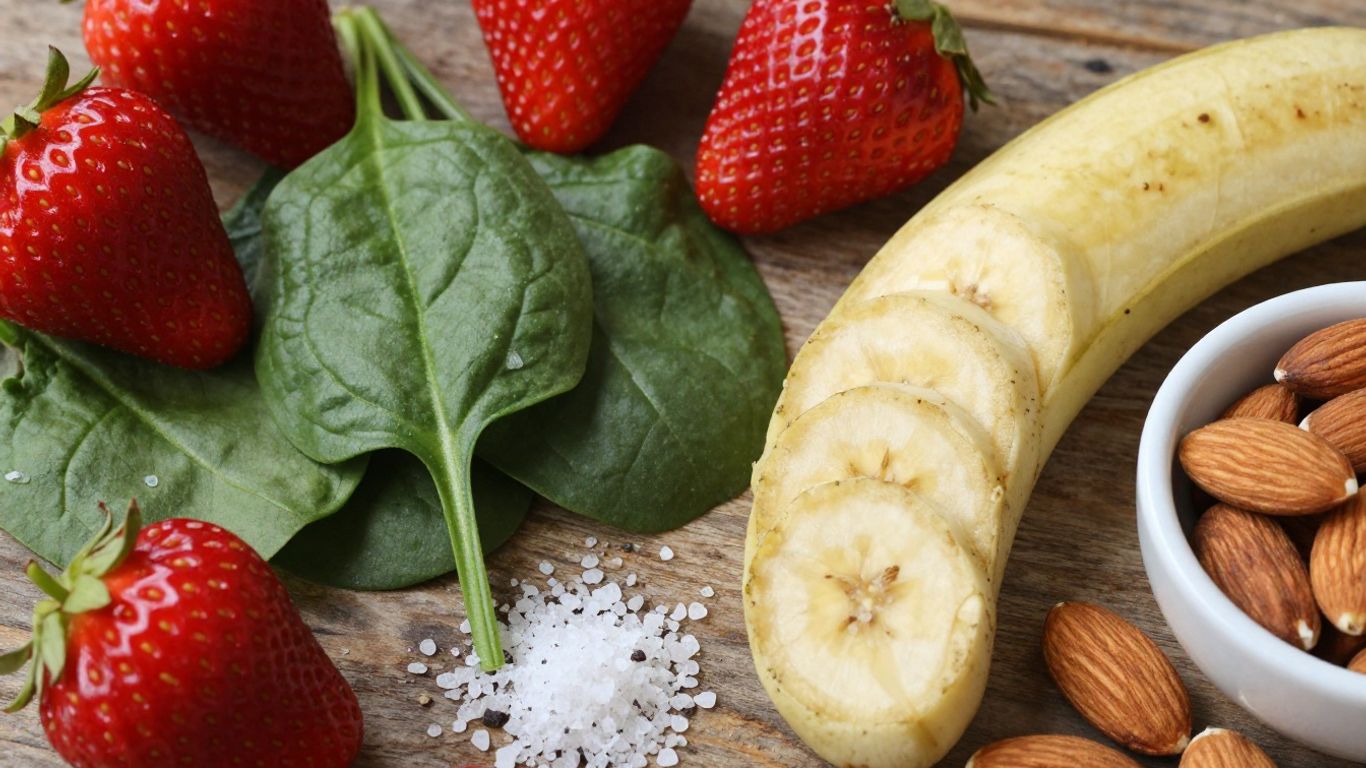
You know those bright, neon sports drinks? They’re everywhere, promising to keep you hydrated and energized. But what if I told you there’s a better way to manage your body’s essential minerals, one that doesn’t involve artificial colors and a sugar rush? We’re talking about an electrolyte strategy that goes beyond the usual suspects, focusing on what nature provides. It turns out, your food is packed with the sodium, potassium, and magnesium your body craves. Let’s explore how to get these vital nutrients from your plate, not just your water bottle.
Key Takeaways
- Traditional sports drinks often fall short on sodium, a key electrolyte lost in sweat, making a food-based electrolyte strategy important for many.
- Sodium plays a vital role in fluid balance and nerve function; while most diets have enough, specific needs might require mindful additions.
- Potassium is crucial for muscle function and cellular health, and it’s readily available in many common foods like leafy greens and fruits.
- Magnesium is often overlooked but is critical for numerous bodily processes, including electrolyte balance, and can be sourced from foods like nuts, seeds, and whole grains.
- Developing a personalized electrolyte strategy involves considering your activity level, diet, and overall wellness, often prioritizing whole foods with targeted supplementation when needed.
Rethinking Your Electrolyte Strategy Beyond Traditional Drinks
The Limitations of Neon-Colored Sports Beverages
Those brightly colored drinks you see everywhere? They’re often not the best choice for true electrolyte replenishment. While they might offer some sugar for quick energy, they usually fall short on the actual minerals your body needs, especially sodium, which is lost most in sweat. Many contain only a small amount of sodium, far less than what serious athletes lose. Plus, the high sugar content isn’t ideal for everyone, particularly if you’re not engaged in prolonged, intense activity.
Exploring Alternative Electrolyte Sources
It’s time to look beyond the usual suspects. Your body needs a balance of minerals like sodium, potassium, and magnesium to function properly. While sports drinks focus on quick hydration and energy, they often miss the mark on providing a comprehensive electrolyte profile. Fortunately, there are many other ways to get these vital nutrients. Think about options like electrolyte tablets, powders that dissolve in water, or even salt capsules for targeted sodium replacement. The key is to find what works for your specific needs and activity level.
The Role of ‘Real’ Food in Electrolyte Balance
Don’t underestimate the power of whole foods! They can be a surprisingly effective way to support your electrolyte balance. After a long, sweaty workout, reaching for a salty snack like pretzels, nuts, or even a slice of pizza isn’t just a craving; it can be a smart way to replenish lost sodium. For other electrolytes, foods like bananas, avocados, leafy greens, and dairy products offer good sources of potassium and magnesium. Building your strategy around nutrient-dense foods is a solid foundation for overall wellness.
Here’s a quick look at some food sources:
- Sodium: Table salt, sea salt, olives, cured meats, cheese.
- Potassium: Bananas, sweet potatoes, spinach, beans, yogurt, avocados.
- Magnesium: Dark chocolate, nuts (almonds, cashews), seeds (pumpkin, chia), leafy greens (kale, spinach), whole grains.
Focusing on a diet rich in whole, unprocessed foods naturally provides a good baseline of electrolytes. This approach supports your body’s systems without relying solely on specialized drinks or supplements.
Sodium: More Than Just Salt
Understanding Sodium’s Crucial Role
Sodium. It’s the mineral most people think of when they hear "electrolytes," and often, it gets a bad rap. We’re told to cut back, watch our intake, and avoid it like the plague. And for many, that advice is spot on. Most folks in the US are already getting way more sodium than they need, often around 4,000 mg a day, which is nearly double the recommended 2,300 mg limit. Adding a sports drink with another 1,000 mg? That’s not fixing a problem; it’s making it worse.
But here’s the thing: sodium isn’t just about salt. It’s a vital player in keeping our bodies running smoothly. It’s the main electrolyte outside our cells, and it’s key for keeping fluids balanced, which directly affects blood pressure. Think of it like this: sodium helps make sure the right amount of water stays in your bloodstream and tissues. It’s also super important for your nerves to send signals and for your muscles to contract. Without enough sodium, you might feel confused, get muscle cramps, or just feel completely wiped out.
Dietary Sodium: A Foundation for Your Electrolyte Strategy
When we talk about building an electrolyte strategy, especially one that goes beyond sugary drinks, focusing on your regular food is the first step. Most of the sodium we consume comes from processed foods, restaurant meals, and yes, the salt shaker. The goal for most people isn’t to add more sodium, but to be mindful of where it’s coming from and to ensure the sodium you do consume is part of a balanced intake.
Consider the sodium-to-potassium ratio. This is where things get really interesting. While many electrolyte products load up on sodium because it’s cheap and makes things taste good, a balanced approach is better. Research suggests that a ratio of sodium to potassium around 1:1 is ideal for overall health, but many people are consuming nearly four times more sodium than potassium. This imbalance can put extra strain on your heart and blood vessels.
Here’s a quick look at how common foods stack up:
| Food Item | Sodium (mg) | Potassium (mg) | Ratio (Na:K) | Notes |
|---|---|---|---|---|
| Banana | 1 | 422 | ~1:422 | Excellent potassium source |
| Sweet Potato | 35 | 542 | ~1:15 | Good source of both |
| Spinach (cooked) | 15 | 839 | ~1:56 | High potassium, low sodium |
| Chicken Breast | 74 | 268 | ~1:3.6 | Moderate sodium, decent potassium |
| White Bread (2 slices) | 230 | 47 | ~1:0.2 | High sodium, low potassium |
| Canned Soup | 700+ | 150 | ~1:0.2 | Often very high in sodium |
The real challenge for most people isn’t getting enough sodium; it’s managing the excess that comes from processed foods and understanding how it interacts with other minerals like potassium. Focusing on whole, unprocessed foods naturally helps create a better balance.
When to Consider Additional Sodium Intake
While the average person needs to watch their sodium intake, there are specific situations where adding a bit more can be beneficial. Endurance athletes, for example, lose significant amounts of sodium through sweat during long events (think marathons or multi-hour cycling races). In these cases, replenishing sodium is important for retaining fluids and preventing hyponatremia.
People following very low-carbohydrate or ketogenic diets might also find they need more sodium. When you cut carbs, your body sheds water, and with that water goes sodium. This can lead to the dreaded "keto flu" symptoms like fatigue and headaches.
For these specific groups, adding a little extra sodium might be helpful. This could come from:
- Adding a pinch of salt to your water or food.
- Choosing electrolyte products that offer a moderate sodium boost without being excessive.
- Consuming naturally salty foods like olives or pickles in moderation.
It’s about being strategic. If you’re sweating heavily for hours or significantly altering your diet, a little extra sodium can support your body’s needs. But for most daily activities, your regular diet likely provides enough, and sometimes too much.
Potassium’s Place in Muscle Function and Hydration
Potassium is a mineral that plays a big role in how your muscles work and how your body stays hydrated. You might have heard about it in relation to cramps, but its job is much broader than just that. Think of it as a key player in keeping your cells happy and functioning right.
Dispelling Myths About Potassium and Cramps
It’s a common idea that drinking a sports drink with potassium will stop muscle cramps. While potassium is important for muscle function, cramps are often more complex. They can be caused by dehydration, fatigue, or imbalances in multiple electrolytes, not just a lack of potassium. Focusing solely on potassium might miss the bigger picture of what your body truly needs.
Dietary Sources of Potassium Power
Good news: you can get plenty of potassium from everyday foods. It’s not just about supplements or specialized drinks. Loading up on potassium-rich foods is a great way to support your body naturally.
Here are some excellent sources:
- Fruits: Bananas, oranges, cantaloupe, and dried fruits like apricots and raisins.
- Vegetables: Sweet potatoes, spinach, broccoli, potatoes (with skin), and tomatoes.
- Legumes: Beans (kidney, black, white), lentils, and peas.
- Dairy & Alternatives: Yogurt, milk, and fortified plant-based milks.
- Other: Nuts, seeds, and fish like salmon.
The Importance of Potassium for Cellular Health
Potassium’s real magic happens inside your cells. It’s one of the main electrolytes that helps maintain the fluid balance within your cells. This is super important because your cells need the right amount of water to do their jobs, from making energy to repairing themselves. Potassium works with sodium to keep this fluid balance just right.
This balance is managed by something called the sodium-potassium pump. This pump actively moves potassium into your cells and sodium out. It’s like a tiny gatekeeper for every cell in your body. This process uses a lot of energy, and it’s a big reason why maintaining good electrolyte levels is so important for overall health and performance. When this pump works well, it helps keep your cells hydrated from the inside out, which is key for everything from muscle contractions to nerve signals.
Magnesium: The Unsung Hero of Electrolyte Balance
When we talk about electrolytes, sodium and potassium often get the spotlight. But there’s another mineral that plays a starring role, quietly making sure everything runs smoothly: magnesium. It’s involved in hundreds of bodily processes, and when it comes to electrolytes, it’s like the gatekeeper that helps keep other important minerals where they need to be.
Why Magnesium is Non-Negotiable
Magnesium is a powerhouse. It’s needed for over 300 enzymatic reactions in your body. Think energy production, protein building, and keeping your nerves and muscles working right. Without enough magnesium, these processes just don’t happen as they should. It’s not just about feeling good; it’s about your body functioning at its basic level.
The Synergy Between Magnesium and Potassium
Here’s where magnesium really shines in the electrolyte world: it’s critical for keeping potassium inside your cells. Potassium is the main mineral inside your cells, and it needs magnesium to stay put. If you’re low on magnesium, your cells can’t hold onto potassium effectively. This means even if you’re trying to boost your potassium intake, it might just leak out if magnesium levels aren’t sufficient. It’s a bit like trying to fill a leaky bucket – you need to fix the holes first.
This connection is so important that some experts suggest that potassium depletion can’t really be fixed until magnesium levels are adequate. So, an electrolyte mix that has potassium but not enough magnesium is missing a key piece of the puzzle.
Bioavailable Magnesium Sources for Optimal Absorption
Not all magnesium is created equal when it comes to how well your body can use it. Some forms are absorbed better than others. When looking for magnesium, especially if you’re trying to support your electrolyte balance, consider these forms:
- Magnesium Malate: Often recommended for its good absorption and potential benefits for energy production.
- Magnesium Citrate: Another well-absorbed form, commonly used for its effectiveness.
- Magnesium Glycinate: Known for being gentle on the stomach and highly bioavailable.
While magnesium oxide is common in many products, it’s generally not absorbed as well. Focusing on these more bioavailable forms can make a real difference in how effectively your body benefits from magnesium, especially when you’re trying to correct an imbalance or support intense physical activity.
The modern diet often falls short on magnesium, with a significant portion of the population not getting enough. This deficiency can impact everything from sleep quality to muscle function, and it directly affects how well your body can utilize other electrolytes like potassium. Prioritizing magnesium-rich foods or choosing supplements with well-absorbed forms is a smart move for overall health and electrolyte balance.
Tailoring Your Electrolyte Strategy to Your Needs
Electrolytes for Daily Wellness and Deficiency Correction
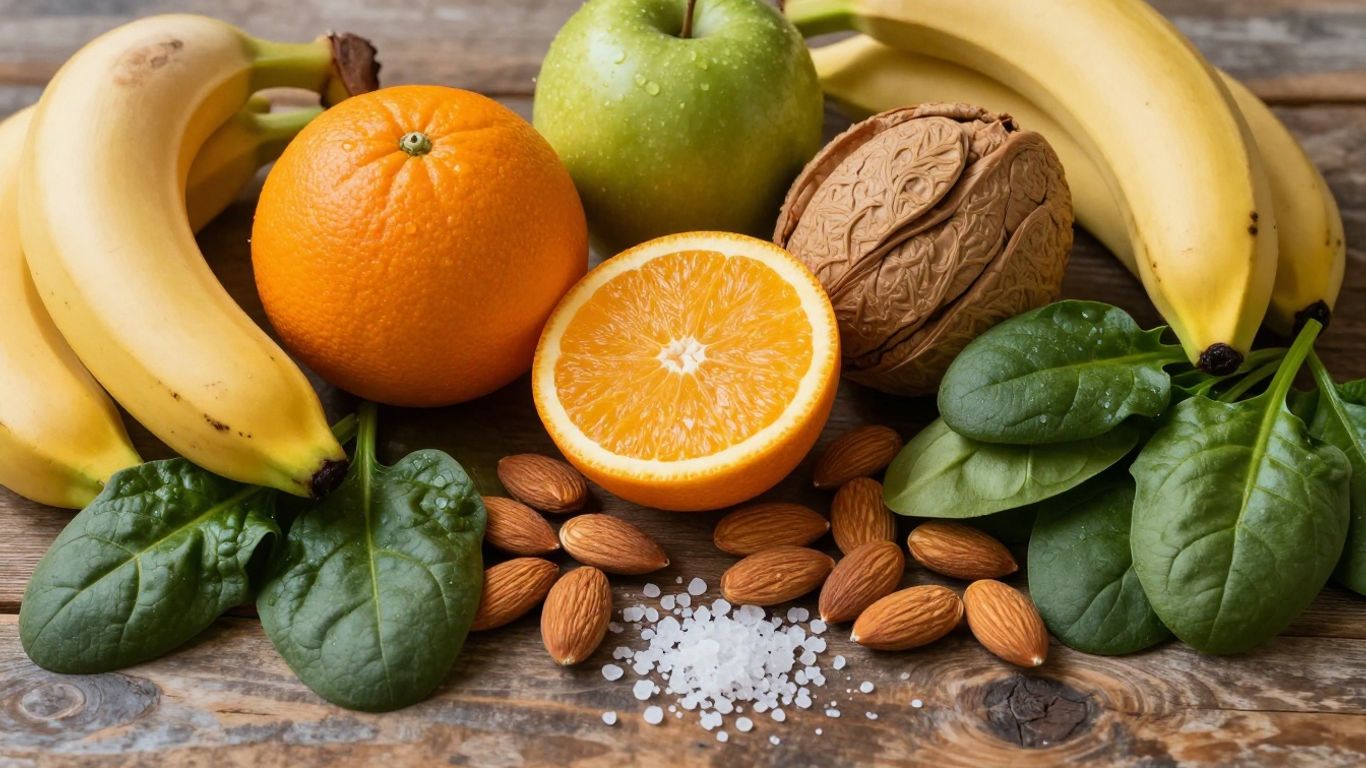
Most of us aren’t elite athletes training for marathons, but that doesn’t mean our electrolyte needs are minimal. Life itself, with its daily stresses, less-than-perfect diets, and maybe a bit too much coffee, can deplete our mineral stores. For general wellness, the focus shifts from rapid replacement to consistent, balanced intake. We’re looking to correct common dietary imbalances, like getting too much sodium from processed foods and not enough potassium or magnesium from whole foods. The goal here is to support your body’s basic functions – keeping your nerves firing correctly, your muscles working smoothly, and your fluid levels just right, without the need for intense, rapid replenishment.
Optimizing Electrolytes for Low-Carb and Ketogenic Diets
If you’re following a low-carb or ketogenic diet, you’re likely already aware that your body handles sodium differently. When you cut carbs, your kidneys tend to shed more sodium, which can lead to that dreaded ‘keto flu’ – think fatigue, headaches, and general malaise. It’s not necessarily that you need a super-salty drink, but rather a balanced approach. You’ll want electrolytes that provide adequate potassium and magnesium, and crucially, allow for strategic sodium addition. Think of it as having a good base electrolyte and then adding a pinch of salt as needed, rather than relying on a drink that’s overloaded with sodium from the start. This helps maintain balance without overwhelming your system.
Fueling Performance: Electrolytes for Athletes and Exercise
When you’re pushing your body, especially during longer or more intense workouts, your electrolyte needs change. Sweat isn’t just water; it’s a salty fluid carrying away vital minerals. For athletes, the focus is on replacing what’s lost to maintain performance and aid recovery. This often means a higher intake of potassium and magnesium to support muscle function and prevent cramps. Some athletes might also benefit from ingredients like taurine for cellular hydration or creatine for energy production. While sodium is important, especially for heavy sweaters, the ratio of electrolytes matters. A balanced approach, often with more potassium than sodium in the base mix, can be more effective for overall muscle health and recovery than relying solely on high-sodium sports drinks, unless you’re in extreme, multi-hour endurance events where glycogen replacement is also a priority.
Here’s a general guideline for different activity levels:
| Activity Type | Sodium (mg) | Potassium (mg) | Magnesium (mg) | Notes |
|---|---|---|---|---|
| Light Activity (<1 hour) | 100-200 | 100-200 | 50-100 | Focus on whole foods; supplement if deficient. |
| Moderate Activity (1-2 hours) | 200-400 | 200-400 | 100-150 | Consider a balanced electrolyte drink or adding salt to water. |
| Intense/Endurance (>2 hours) | 400-800+ | 400-600+ | 150-200+ | Higher intake needed; may require specific sports formulations. |
Remember, these are starting points. Individual sweat rates and mineral loss vary significantly. Listening to your body and adjusting based on how you feel during and after exercise is key.
It’s easy to get caught up in the idea that more is always better, especially when it comes to performance. But with electrolytes, it’s about balance and what your body actually needs at that moment. For daily life, correcting imbalances is the goal. For low-carb diets, managing sodium is key. And for athletes, it’s about replacing what’s lost to keep you going strong and recovering well. Finding that sweet spot is what tailoring your strategy is all about.
The Science of Cellular Hydration and Energy
Beyond Extracellular Fluid: The Intracellular Difference
Most people think hydration is just about drinking water and having it slosh around in your bloodstream. But here’s a mind-bender: you can drink plenty of water and still be dehydrated at the cellular level. That’s because the real action, where your cells do their work, happens inside them. Over 70% of your body’s water is stored within your cells, not just floating between them. This is called intracellular hydration, and it’s where things like energy production, clear thinking, and smooth muscle contractions actually happen. When your cells are properly hydrated from the inside, they’re ready to build and repair. When they’re not, even well-trained muscles can’t perform their best.
How Electrolytes Support Cellular Energy Production (ATP)
Ever wonder how your body actually makes energy? It’s a fascinating process involving ATP (adenosine triphosphate). Think of ATP as your body’s energy currency. But here’s the kicker: water is what activates ATP. When water interacts with ATP, energy is released, allowing your cells to function. This is why dehydration can lead to fatigue so quickly – without enough water, your ATP can’t do its job effectively. Electrolytes play a key role here too. They help maintain the energy gradients your cells need to produce and regenerate ATP. It’s a complex system, but the takeaway is simple: proper hydration and electrolytes are directly linked to your body’s ability to create energy.
The Link Between Cellular Hydration and Muscle Recovery
When your cells are well-hydrated from the inside, it creates an environment that’s great for building and repairing muscle tissue. This is known as an anabolic state. Think of it like giving your muscles the ideal conditions to recover and grow stronger after a workout. On the flip side, when cells are dehydrated, they tend to shift towards catabolic processes, which means breaking down tissue. So, getting water into your cells, not just around them, is a big deal for muscle recovery. It helps support protein synthesis and gets your muscles ready for the next challenge. It’s not just about quenching thirst; it’s about optimizing your body’s repair mechanisms at the most basic level.
Recognizing Signs of Electrolyte Imbalance
Sometimes, your body sends out signals that something’s not quite right with your electrolyte balance. These aren’t always dramatic, but paying attention can help you catch issues before they become bigger problems. Think of it like your car’s dashboard lights – a little flicker might mean it’s time to check the oil.
Subtle Signals Your Body Sends
It’s easy to brush off feeling a bit off, but certain subtle changes can point to an electrolyte imbalance. These might include:
- Persistent fatigue: Not just tired from a long day, but a deep, bone-weary exhaustion that doesn’t lift with rest.
- Headaches: Especially if they’re new, frequent, or don’t respond to typical remedies.
- Digestive issues: Things like unexplained nausea or even constipation can sometimes be linked to mineral imbalances.
- Mood changes: Feeling more irritable, anxious, or generally
Building a Holistic Electrolyte Strategy
Think of your body like a finely tuned instrument. It needs the right balance of minerals – electrolytes – to play its best tune. Relying on just one or two sources, like a quick sports drink, isn’t usually enough for long-term health. A truly effective strategy brings together a few key pieces.
Integrating Diet, Hydration, and Supplementation
Making sure your body has the electrolytes it needs is about more than just chugging water or grabbing a sugary drink. It’s a combination of what you eat, how you hydrate, and sometimes, what extra support you might need. This approach helps keep everything running smoothly, whether you’re just going about your day or pushing your limits.
The Foundation of a Nutrient-Dense Diet
Your food is your first line of defense. Eating a variety of whole foods gives you a wide range of minerals in forms your body can easily use. Instead of processed snacks that might be loaded with sodium but lack other important minerals, focus on colorful fruits and vegetables, lean proteins, and healthy fats. These foods naturally provide potassium, magnesium, and other essential electrolytes.
- Leafy Greens: Spinach, kale, and Swiss chard are packed with magnesium and potassium.
- Root Vegetables: Sweet potatoes and beets offer a good dose of potassium.
- Fruits: Bananas, avocados, and oranges are well-known sources of potassium.
- Nuts and Seeds: Almonds, pumpkin seeds, and chia seeds provide magnesium.
- Legumes: Beans and lentils contribute both potassium and magnesium.
Intelligent Hydration Practices
Water is vital, of course, but sometimes you need more. When you sweat a lot, whether from exercise or heat, you lose electrolytes along with fluids. Plain water alone might not be enough to replace what’s lost. Consider options that replenish these minerals without a lot of sugar or artificial ingredients. This could be a carefully chosen electrolyte drink, or even just adding a pinch of salt and a squeeze of lemon to your water during intense activity.
Staying properly hydrated means more than just drinking enough water. It involves replacing the minerals lost through sweat and other bodily functions. This balance is key for everything from muscle function to nerve signals.
When you’re looking at electrolyte support, think about what your body actually needs. For general daily wellness, you might focus on getting more potassium and magnesium from your diet and a balanced electrolyte supplement. If you’re on a low-carb diet, you might need to be more mindful of sodium. And for athletes, especially those in long events, a more robust approach to sodium and potassium replacement becomes important. It’s about tailoring your strategy to your unique situation.
Navigating the Electrolyte Supplement Market
Okay, so you’ve decided to look into electrolyte supplements. That’s a smart move, especially if you’re trying to dial in your hydration beyond just water. But walking down the supplement aisle, or scrolling online, can feel like a maze. There are so many options, and they all promise the moon. Let’s break down how to actually pick something that makes sense for you.
Understanding Ingredient Ratios and Their Impact
The first thing to notice is what’s actually in the product and how much of it. It’s not just about having sodium, potassium, and magnesium listed; it’s about the amounts and their relationship to each other. Some products might load up on sodium but offer very little potassium. Others might have a decent amount of potassium but skimp on magnesium, which is a real problem because magnesium helps your body actually hold onto that potassium. You need a balance that works together.
Here’s a quick look at how some common electrolyte profiles stack up:
| Product Type | Sodium (mg) | Potassium (mg) | Magnesium (mg) | Notes |
|---|---|---|---|---|
| Typical Sports Drink | 150-300 | 30-60 | 0-10 | Often high in sugar, low in key minerals. |
| "Basic" Electrolyte Mix | 200-400 | 50-150 | 20-50 | Better, but ratios can still be off. |
| Balanced "Real Food" Blend | 150-300 | 200-400 | 50-100 | Aims for a more natural, supportive ratio. |
Pay attention to the sodium-to-potassium ratio; a lower ratio is often better for overall health. Some research even suggests a ratio below 1.0 is linked to better heart health outcomes. You’ll see many products with way more sodium than potassium, which isn’t ideal for most people’s daily needs.
The Cost Factor: Sodium vs. Potassium
When you’re looking at price tags, it’s worth noting that sodium is incredibly cheap. Potassium, on the other hand, costs more to source. This is why you’ll often find supplements that are heavy on sodium and light on potassium – it’s simply more cost-effective for the manufacturer. If a product seems really inexpensive and is packed with sodium, it’s a good bet that the potassium and magnesium content is going to be minimal. Don’t let the low price fool you into thinking you’re getting a great deal if the mineral balance isn’t what your body needs.
Choosing Supplements That Support Your Electrolyte Strategy
So, how do you pick the right one? First, think about why you’re taking it. Are you trying to correct a general deficiency, support a low-carb diet, or fuel intense exercise? Your needs will vary.
- For daily wellness and correcting imbalances: Look for products with a good amount of potassium and magnesium, and moderate sodium. Avoid added sugars and artificial sweeteners if possible.
- For low-carb or keto diets: You’ll likely need more sodium, but it’s often best to get a balanced electrolyte base and add salt separately as needed. This gives you control.
- For athletes: Consider supplements that also include ingredients like taurine for hydration and muscle support, or creatine for energy production. Sodium needs will be higher during prolonged, heavy sweating.
Ultimately, the best electrolyte supplement is one that fits your specific needs and dietary pattern. It should complement, not complicate, your efforts to stay balanced and energized. Don’t be afraid to read labels carefully and compare. Your body will thank you for being a discerning consumer.
Customizing Your Sodium Intake Wisely
Most of us are already getting plenty of sodium, often more than we need. Health groups suggest aiming for no more than 1,500 to 2,300 milligrams a day. The average person in the US, however, is already taking in around 4,000 milligrams daily just from their regular food. This means adding a typical sports drink or electrolyte supplement, which can contain another 1,000 milligrams or more, can easily push you way over the recommended limit. It’s not about fixing a deficiency; it’s often about adding to an excess.
Understanding Recommended Daily Sodium Limits
It’s important to know the general guidelines for sodium intake. These aren’t hard rules for everyone, but they provide a good starting point for most people. The goal is to balance fluid levels and support bodily functions without contributing to health issues.
The Pitfalls of Excessive Sodium Supplementation
When you’re already consuming a lot of sodium from your diet, adding more through supplements can be counterproductive. This is especially true if you’re not actively losing large amounts of sodium through sweat. Overdoing it can lead to unwanted effects and doesn’t necessarily improve hydration or performance for the average person.
Strategic Sodium Addition for Specific Needs
There are times when adding extra sodium makes sense. Think about long endurance events, especially in hot weather, or if you’re following a low-carb or ketogenic diet, where your body might retain less sodium. Even spending a long time in a sauna can increase sodium loss. In these situations, a little extra salt can be beneficial.
Here’s a general guide for adding salt, keeping in mind that these are approximate amounts:
| Activity Level / Situation | Approximate Salt Added | Approximate Sodium | Notes |
|---|---|---|---|
| Moderate sweating, Keto support | ¼ teaspoon | ~600 mg | A good starting point for many. |
| Heavy sweating, Extended sauna | ½ teaspoon | ~1,200 mg | For more significant fluid loss. |
| Intense exercise in heat | ¾ teaspoon | ~1,800 mg | For prolonged, strenuous activity. |
| Extreme circumstances | 1 teaspoon | ~2,300 mg | Rarely needed; use with caution. |
When you do need to add sodium, consider using Himalayan pink salt. It’s a good source of trace minerals and comes from ancient deposits, avoiding modern pollution. You can stir it directly into your water or electrolyte drink. Start with a smaller amount, like ¼ teaspoon, and see how you feel. Gradually increase if needed. For most people engaging in moderate exercise or casual sauna use, the lower end of this range is usually sufficient.
Thinking about how much salt you eat? It’s smart to be aware of your sodium intake. Too much can be bad for your health, but your body does need some. Finding that balance is key. Want to learn more about managing your salt intake the right way? Visit our website for tips and guidance.
Putting It All Together
So, while those brightly colored sports drinks have their place, they’re not the whole story when it comes to keeping your body’s electrolyte balance in check. Turns out, the food we eat every day is packed with sodium, potassium, and magnesium, often in forms our bodies can use really well. Think about adding a bit more salt to your meals, grabbing some nuts or a banana, or even enjoying a salty snack after a tough workout. It’s about building a balanced approach, listening to what your body needs, and not being afraid to get those minerals from your plate. This way, you can feel good about fueling your body, whether you’re hitting the trails or just living your everyday life.
Frequently Asked Questions
What’s wrong with regular sports drinks?
Many sports drinks are loaded with sugar and don’t have enough of the important minerals called electrolytes, especially sodium, that your body loses when you sweat a lot. They often don’t give you what you really need to stay balanced.
Can I get electrolytes from food?
Absolutely! Foods like bananas, potatoes, leafy greens, nuts, and even some salty snacks like pretzels can provide electrolytes. Eating a balanced diet is a great way to get many of the minerals your body needs.
Is potassium really the key to stopping muscle cramps?
Not really. While potassium is important, cramps are usually caused by muscles being overworked, not just a lack of potassium. Not drinking enough water, being out of shape, or losing too much salt can also cause cramps.
Why is magnesium so important?
Magnesium is like a helper for many jobs in your body, including making energy and helping your cells use potassium correctly. It’s a key player in keeping your body running smoothly and is needed for your muscles and nerves to work right.
How do I know if I need more electrolytes?
Your body gives clues! Things like feeling tired, getting headaches, having muscle twitches or cramps, feeling confused, or being extra thirsty can be signs. If these happen a lot, you might need to look at your electrolyte intake.
Should I take electrolyte supplements every day?
For most people, yes, it can be helpful because many don’t get enough potassium and magnesium from their diet. But if you have certain health issues like kidney problems, it’s best to ask your doctor first.
Do electrolytes give you energy?
Electrolytes don’t give you energy like caffeine does. But, they are super important for your body to make and use energy. Without enough electrolytes, your cells can’t produce energy as well. Fixing a shortage might help you feel more energetic.
What makes a good electrolyte supplement?
A good one has plenty of potassium and magnesium, a moderate amount of sodium, and ideally something to help with energy like creatine. It should not have a lot of sugar, artificial colors, or way too much sodium.