Love My Weight

Fat Quality Upgrade: monounsaturated focus with practical swaps

Making smart choices about the fats we eat is a game-changer for our health. It’s not about cutting out fat entirely, but about upgrading the quality of fats we consume. This means focusing on the good stuff, like monounsaturated fats, and making simple swaps in our everyday meals. You’ll be surprised how easy it is to improve your diet and feel better, all by paying a little more attention to the fats on your plate.

Key Takeaways

  • Prioritizing monounsaturated fats from sources like olive oil and avocados can significantly benefit heart health and aid in weight management by boosting fat burning and improving satiety.
  • Strategic food swaps, such as replacing processed fats with whole food alternatives like nuts and seeds, and choosing healthier cooking oils, are key to a fat quality upgrade.
  • Incorporating healthy fats into daily meals can be achieved through simple changes, like using extra virgin olive oil in dressings or opting for full-fat yogurt over low-fat versions.
  • Understanding portion control, using hand guides, and carefully reading food labels are practical ways to balance fat intake and ensure you’re consuming beneficial fats.
  • Focusing on the source and type of fat is more important than simply counting grams; shifting away from saturated and fried fats towards unsaturated options supports long-term health and can help manage conditions like fatty liver.

Understanding the Science of Dietary Fats

Dietary fats are a really important part of our diet, but not all fats are created equal. Their molecular makeup plays a big role in how they affect our bodies, especially our heart health. Think of it like this: the structure of a fat molecule can change its impact from being helpful to potentially harmful.

The Molecular Structure of Fatty Acids

Fats are made up of fatty acids, and these come in a few main types based on their chemical structure. The key difference lies in the presence and number of double bonds between carbon atoms in the fatty acid chain.

  • Saturated Fats: These have no double bonds. Their straight structure allows them to pack tightly together, which is why they are typically solid at room temperature. You find these mostly in animal products like red meat and butter, and also in some plant oils like coconut and palm oil.
  • Monounsaturated Fats: These have one double bond in their chain. This ‘kink’ in the chain means they don’t pack as tightly and are usually liquid at room temperature but can solidify when chilled. Olive oil, avocados, and nuts are great sources.
  • Polyunsaturated Fats: These have more than one double bond. This makes them even less likely to pack tightly and they remain liquid even when cold. Examples include omega-3 and omega-6 fatty acids found in fatty fish, flaxseeds, and sunflower oil.
  • Trans Fats: These are mostly created through an industrial process called hydrogenation, which alters the natural structure of unsaturated fats. They behave more like saturated fats in the body and are considered the least healthy type.

Impact of Fat Types on Cardiovascular Health

The type of fat you consume can significantly influence your cardiovascular health. It’s not just about the total amount of fat, but the quality.

  • Saturated Fats: Consuming too much saturated fat can raise your LDL cholesterol, often called ‘bad’ cholesterol. High LDL levels are linked to an increased risk of heart disease and stroke.
  • Monounsaturated and Polyunsaturated Fats: These are generally considered heart-healthy. They can help improve your cholesterol levels by lowering LDL cholesterol and raising HDL (‘good’) cholesterol. Omega-3 fatty acids, a type of polyunsaturated fat, are particularly known for their anti-inflammatory benefits and positive effects on heart rhythm.
  • Trans Fats: These are the worst offenders for heart health. They not only raise LDL cholesterol but also lower HDL cholesterol, creating a double whammy for your arteries. Many countries have banned or restricted their use in food production.

Making informed choices about the types of fats you eat is a powerful way to support your heart health over the long term. It’s about understanding the subtle differences that can lead to significant health outcomes.

Recommendations for Saturated Fat Intake

Health organizations worldwide offer guidance on saturated fat consumption to promote better health. The general consensus is to limit intake.

  • General Guideline: Aim to get less than 10% of your total daily calories from saturated fats. For someone eating 2,000 calories a day, that’s about 200 calories, or roughly 22 grams of saturated fat.
  • Focus on Replacement: When you reduce saturated fat, it’s best to replace it with unsaturated fats (monounsaturated and polyunsaturated) rather than refined carbohydrates or sugars, as this provides greater cardiovascular benefits.
  • Prioritize Whole Foods: Many sources of saturated fat are also nutrient-dense, like dairy and some meats. The key is moderation and balance within an overall healthy eating pattern that emphasizes fruits, vegetables, and whole grains.

Prioritizing Monounsaturated Fats for Health

Shifting your focus to monounsaturated fats can lead to lasting health improvements. They aren’t just better for your heart; they’re the kind of fat that can fit naturally into almost any eating style if you know where to look. People get worried when they hear about dietary fats, but this is one switch that can genuinely make a difference.

Benefits of Monounsaturated Fats

  • Support for cardiovascular health: These fats lower LDL ("bad") cholesterol and may even raise HDL ("good") cholesterol.
  • Improved blood pressure regulation, even in people who are otherwise healthy.
  • Help managing post-meal blood sugar, supporting overall metabolic health.
  • Reduced levels of triglycerides after meals.

Making the choice to replace saturated or processed fats with monounsaturated fats doesn’t require exotic foods; even small, daily swaps can produce noticeable results over time.

Monounsaturated Fats and Weight Management

There’s growing evidence that adding more monounsaturated fats to your meals can actually help with weight control. Many folks are surprised to hear that eating the right kinds of fat isn’t an automatic ticket to weight gain. The key is the quality of fat—going for unsaturated options like olive oil and avocados leads to longer-lasting satiety, so you end up snacking less.

Consider this quick table comparing common effects:

Fat Type Impact on Weight Satiety Effect
Monounsaturated Supports fat loss Keeps you fuller
Saturated May hinder weight loss Less filling
Processed trans fats Promotes weight gain No satiety
  • Monounsaturated fats are less likely to be stored as body fat compared to saturated fat.
  • They help preserve lean tissue during weight loss attempts.
  • Swapping in these fats reduces overeating triggered by blood sugar swings.

Sources of Monounsaturated Fats

You don’t have to rearrange your whole diet to get more monounsaturated fat. Here are practical sources you can use right away:

  • Olive oil (great for salad dressings and drizzling over veggies)
  • Avocados
  • Nuts like almonds, peanuts, and cashews
  • Seeds, especially pumpkin and sesame
  • Peanut butter (choose natural versions without hydrogenated oil)
  • Certain fish, like trout

Just a handful of nuts at snack time or using avocado in a sandwich can move your fat balance in the right direction. Keep in mind, portion size still matters—these foods are calorie-dense, so be mindful, but don’t shy away from them.

To sum up: Prioritizing monounsaturated fats is a simple, realistic way to support your heart, manage your weight, and add satisfaction to your meals—without feeling restricted.

Strategic Swaps for a Fat Quality Upgrade

Making small changes to the fats you eat can really make a difference in your overall health. It’s not about cutting out fat entirely, but about choosing better quality fats. Think of it as upgrading your pantry staples. We’re talking about swapping out those highly processed fats for more natural, whole-food options. It sounds like a lot, but honestly, it’s often simpler than you think.

Replacing Processed Fats with Whole Food Alternatives

Processed foods often hide unhealthy fats. Things like packaged cookies, crackers, and even some margarines can be loaded with trans fats or excessive amounts of less beneficial saturated fats. The good news is that there are plenty of whole-food alternatives that are not only healthier but also tastier. Instead of reaching for a bag of chips, consider a handful of almonds or walnuts. For a sweet treat, a piece of dark chocolate (with a high cocoa content) can satisfy your craving and provide beneficial fats. Even simple things like using real butter in moderation or choosing full-fat, plain yogurt over low-fat, flavored versions can be a step in the right direction. These swaps help reduce your intake of unhealthy fats while introducing beneficial nutrients.

Smart Cooking Oil Substitutions

Cooking oils are a big part of our daily fat intake, and choosing the right ones matters. Many common cooking oils, like soybean or corn oil, are high in omega-6 fatty acids, which can be pro-inflammatory when consumed in excess. It’s a good idea to switch these out for oils richer in monounsaturated and omega-3 fats. For everyday cooking, extra virgin olive oil is a fantastic choice for sautéing and baking at moderate temperatures. For high-heat cooking, like searing or stir-frying, avocado oil or coconut oil are more stable options. You can also explore blends of oils to get a wider range of fatty acids.

Here’s a quick guide:

  • High Heat Cooking: Avocado oil, Coconut oil
  • Medium Heat Cooking/Baking: Extra virgin olive oil, Grapeseed oil
  • Dressings/Finishing: Flaxseed oil, Walnut oil (use cold)

Improving Fat Intake Through Protein Choices

Your protein sources also contribute to your fat intake. Fatty fish, like salmon, mackerel, and sardines, are packed with omega-3 fatty acids, which are great for heart and brain health. Aim to include these in your diet a couple of times a week. If you’re not a fan of fish, you can get omega-3s from plant sources like flaxseeds, chia seeds, and walnuts. When choosing other proteins, opt for leaner cuts of meat and trim visible fat. For dairy, full-fat, plain Greek yogurt is a great option, offering healthy fats and probiotics. It’s a much better choice than many low-fat yogurts that can be loaded with added sugars.

Making these conscious swaps doesn’t mean you have to give up the foods you love. It’s about making smarter choices that align with your health goals, often leading to more satisfying and nutrient-dense meals.

Incorporating Healthy Fats into Daily Meals

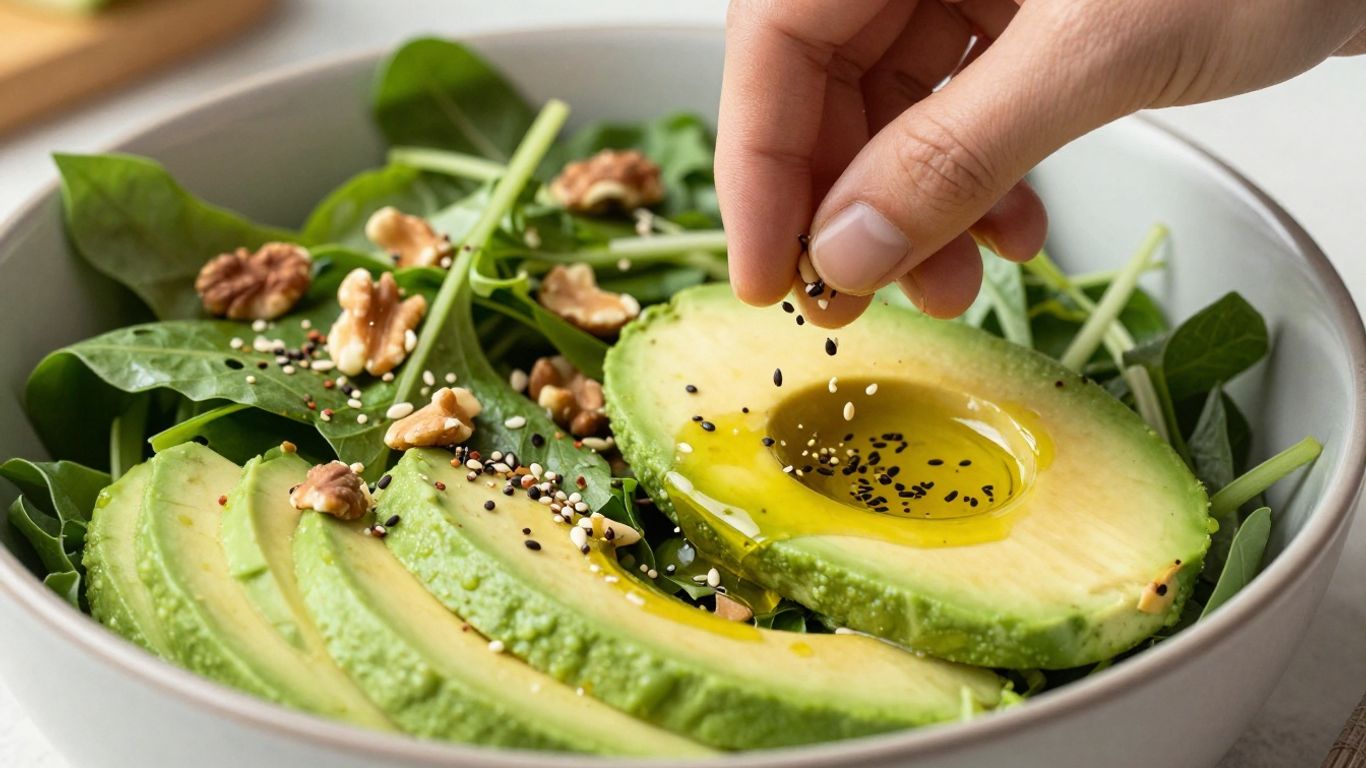
Healthy fats in a colorful salad with avocado and olive oil.

Getting the most from healthy fats is not about eating more of them—it’s about making smart, practical choices that fit into daily life. Swapping out less healthy fats for better options can support heart health, flavor, and satisfaction, all at once.

Flavorful Fat Alternatives in Everyday Ingredients

Even small changes can dramatically improve your fat intake. Here are some easy swaps and substitutions that make a difference with minimal effort:

  • Use mashed avocado instead of mayonnaise on sandwiches.
  • Toss air-popped popcorn with a drizzle of extra virgin olive oil instead of butter.
  • Replace cream-based sauces with olive oil, garlic, and herbs for pasta.
  • Try nut butters (like almond or cashew) in place of margarine on toast.

You might be surprised at how much more flavor and texture healthy fat sources can bring to everyday meals, without that heavy feeling greasy foods sometimes give.

Healthy Fats in Snacks and Beverages

Your snack and drink choices are the hidden areas where healthy fats can shine:

  • Snack on a mix of nuts and seeds rather than chips or cookies.
  • Top yogurt with chia or flaxseed for a fiber and omega-3 boost.
  • Make homemade trail mix with walnuts, dark chocolate, and dried fruit.
  • For drinks, try homemade almond milk or hazelnut coffee "creamer" instead of processed versions.
Snack Option Healthy Fat Source
Sliced apples + nut butter Monounsaturated fats
Greek yogurt + walnuts Omega-3s, MUFAs
Roasted chickpeas Plant-based unsaturated fat
Edamame with sea salt Polyunsaturated fat

Homemade Marinades and Dressings

Bottled dressings and marinades often contain less desirable fats and additives. Making your own is simple and lets you focus on quality fats:

  1. For vinaigrette, mix olive oil, vinegar, and a little mustard.
  2. For a creamy dressing, blend avocado, lemon juice, olive oil, and salt.
  3. Marinate chicken or fish in a combo of olive oil, citrus juice, and fresh herbs before grilling or baking.
  • Store extra dressings in the fridge for up to a week.
  • Combine fresh spices and citrus to keep flavors bright.
  • Remember: a little healthy oil goes a long way—keep portion size in mind.

By rethinking simple ingredients, snacks, and your favorite sauces, you can easily prioritize healthy fats every day—without sacrificing flavor or satisfaction.

The Role of Olive Oil in a Healthy Diet

Olive oil, especially the extra virgin kind, is a real star when we talk about healthy fats. It’s a cornerstone of the Mediterranean diet, which people have been following for ages and seems to do wonders for health. It’s not just about adding flavor to your food; it’s about making a choice that can really benefit your body.

Olive Oil for Weight Loss Support

It might sound a bit odd, but olive oil can actually help with managing your weight. The secret is in its monounsaturated fats, particularly oleic acid. These fats are processed differently by your body compared to saturated fats. Some studies suggest that consuming olive oil can help you burn more fat and feel fuller for longer, which naturally leads to eating less. For example, a small amount, like half a tablespoon daily, has been linked to a slight decrease in body weight over time. It’s not a magic bullet, of course, but when you swap it for less healthy fats in your diet, it can make a difference. Think of it as a smart substitution rather than just adding more calories.

Replacing Other Fats with Olive Oil

This is where the real magic happens. Instead of just adding olive oil to your meals, the most effective way to use it for health benefits is to replace other fats you’re currently using. So, if you’re using butter on your toast, margarine in your cooking, or other vegetable oils for sautéing, try switching to olive oil. This simple swap means you’re not increasing your overall fat intake, but you are upgrading the quality of the fat. This strategy is key to reaping the benefits of monounsaturated fats without adding extra calories.

Portion Control for Calorie-Dense Oils

Even though olive oil is good for you, it’s still a fat, and fats are calorie-dense. This means you need to be mindful of how much you’re using. A general guideline is to aim for about 1 to 2 tablespoons per day. Using it as a dressing, for light sautéing, or as a dip is a great way to incorporate it. Remember, the goal is balance. While olive oil supports weight management and overall health, overdoing it can lead to unwanted weight gain. Paying attention to portion sizes is just as important as choosing high-quality olive oil in the first place.

Exploring Diverse Sources of Healthy Fats

When we talk about healthy fats, it’s easy to just think about olive oil or avocados. But the world of good fats is much bigger and more interesting than that! Different cultures have been using a variety of fat sources for centuries, and many of these traditional methods hold valuable lessons for us today. It’s not just about what’s new and trendy; it’s about understanding the wisdom passed down through generations.

Cultural Traditions in Fat Consumption

Think about it: the Mediterranean diet is famous for its olive oil, while many Asian cuisines have long relied on sesame and coconut oils. These aren’t just random choices; they’re fats that grow well in those regions and have been used in cooking and for health for ages. Even traditional animal fats, like duck fat or bison tallow, have a history in indigenous communities. While we might be more used to seeing them in specialized markets now, they were once everyday staples, often balanced with other foods.

  • Mediterranean: Rich in olive oil, known for monounsaturated fats.
  • Asian Cuisines: Often feature sesame oil and coconut oil, offering different fatty acid profiles.
  • Indigenous Practices: Historically utilized animal fats like tallow and lard, often in conjunction with lean meats and plant-based foods.

Modern Oil Blending Trends

Today, we’re seeing a cool mix of old and new. Food scientists and chefs are experimenting with blending oils to get the best of both worlds – maybe combining the nutty flavor of sesame oil with the neutral profile of rice bran oil for cooking. This trend isn’t just about taste; it’s also about creating oils with a better balance of fatty acids or improved cooking properties. It’s a way to take traditional ingredients and adapt them for modern kitchens and health goals.

The focus is shifting from simply reducing fat to choosing quality fats. This means looking at the types of fats in our food and how they contribute to our overall health, rather than just counting grams.

Integrating Traditional Fats Wisely

So, how do we bring these diverse fat sources into our own diets? It’s about balance and moderation. You don’t need to overhaul everything. Maybe you start by using a bit of toasted sesame oil for flavor in a stir-fry, or perhaps you try cooking with a small amount of ghee if you enjoy its taste. The key is to be mindful of portion sizes, especially with fats that are higher in saturated fat, and to see how they fit into a varied diet. Making informed choices about fat quality is more impactful for long-term health than simply restricting total fat intake.

Fat Source Primary Fat Type(s) Potential Benefits Considerations
Olive Oil Monounsaturated Heart health, anti-inflammatory Best used for low to medium heat cooking
Sesame Oil Polyunsaturated Antioxidants, flavor Can be high in omega-6, use in moderation
Coconut Oil Saturated (MCTs) Energy source (MCTs) High in saturated fat, use sparingly
Avocados Monounsaturated Fiber, vitamins, minerals Calorie-dense, good for salads and spreads
Fatty Fish (Salmon) Omega-3 (EPA/DHA) Brain health, anti-inflammatory, heart health Aim for 2 servings per week
Nuts & Seeds Unsaturated Fiber, protein, minerals, vitamins Portion control is key due to calorie density

Practical Tips for Balancing Fat Intake

Making smart choices about the fats we eat doesn’t have to be complicated. It’s really about being a bit more mindful of what’s on our plates and in our kitchens. Think of it as upgrading the quality of the fats you consume, rather than just cutting them out entirely.

Using Hand Portions for Guidance

One of the easiest ways to get a handle on fat portions is to use your own hand. It’s always with you and requires no special tools. This method offers a visual cue that’s surprisingly effective for managing intake without needing to weigh or measure everything.

  • Protein: Aim for a portion about the size of your palm. This works for meats, fish, poultry, and even plant-based proteins like tofu.
  • Fats (Oils, Nut Butters, Dressings): A good rule of thumb is to use a portion about the size of your thumb. This applies to drizzling oil, scooping nut butter, or measuring salad dressing.
  • Nuts and Seeds: A small handful, roughly what fits in your cupped hand, is a good serving size.

This approach helps keep things in perspective, especially with calorie-dense foods.

Reading Food Labels for Fat Content

Food labels can seem like a foreign language sometimes, but learning to read them is a game-changer for understanding what you’re actually eating. When it comes to fats, there are a few key things to look for.

  • Saturated Fat: Check the % Daily Value (%DV). Aim for products with 5% DV or less per serving. If it’s 10% DV or more, it’s generally considered high.
  • Trans Fat: Look for "partially hydrogenated oils" in the ingredient list. Even if a label says "0g trans fat," these ingredients mean there might still be a small amount present.
  • Ingredient List: Healthier fats like olive oil, avocado oil, or nuts should appear earlier in the ingredient list, indicating they are a more significant component of the product.

Be aware that "0g trans fat" on a label doesn’t always mean zero. It can mean less than 0.5 grams per serving, so checking the ingredients is still important.

Focusing on Unsaturated Fat Sources

The big picture for fat quality is shifting towards unsaturated fats. These are the types of fats that are generally considered heart-healthy. Making conscious swaps can make a big difference over time.

  • Cooking Oils: Instead of butter or lard for cooking, reach for olive oil, canola oil, or avocado oil. These are great for sautéing and baking.
  • Snacks: Swap out chips or crackers for a small handful of almonds, walnuts, or pumpkin seeds. Avocado slices are another excellent choice.
  • Dressings and Spreads: Use vinaigrettes made with olive oil for salads, and consider avocado or nut butters as spreads instead of highly processed options.

Making these small, consistent changes can lead to significant improvements in your overall diet quality and long-term health.

Fat Quality Upgrade and Long-Term Health

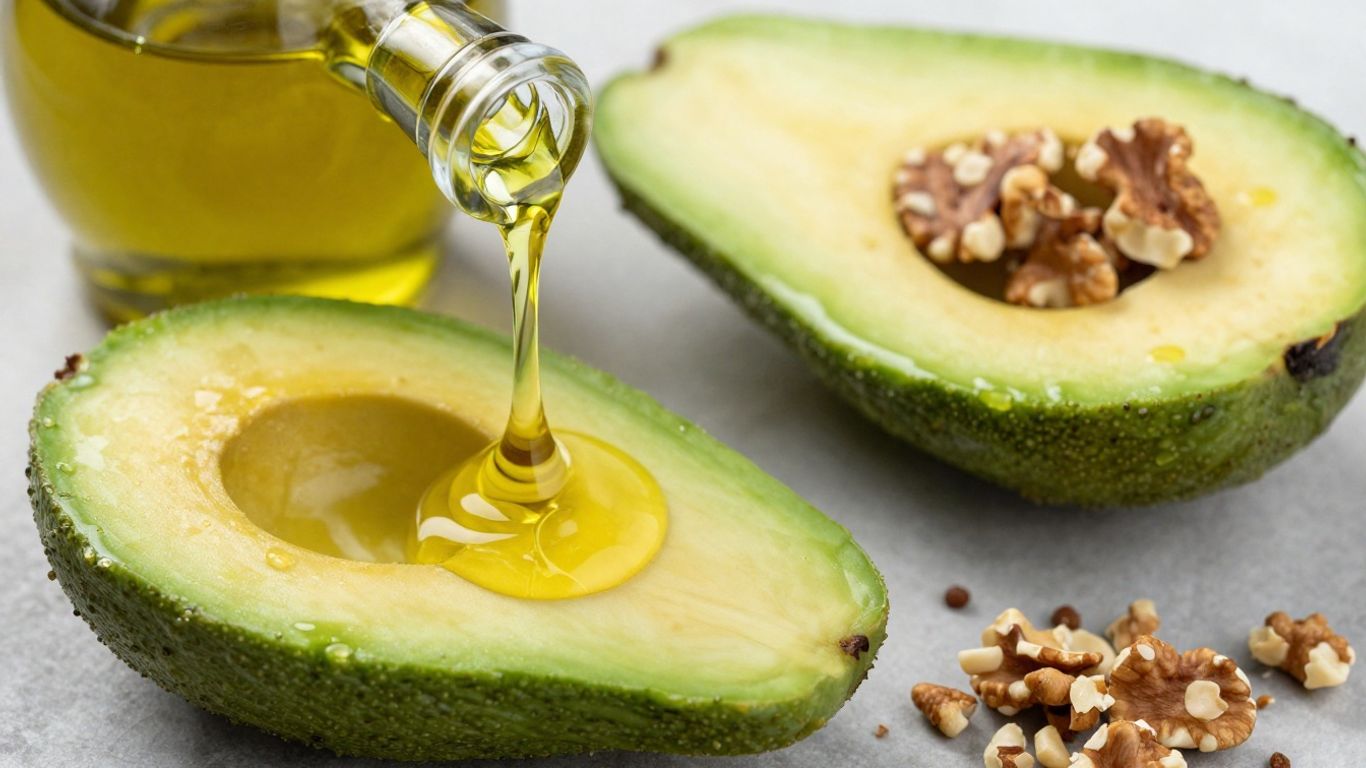
Healthy fats from avocados, olive oil, and nuts.

Impact of Fat Choices on Chronic Disease Risk

Switching your fat sources truly shapes your long-term health. People who regularly choose unsaturated fats over saturated and trans fats can lower their risk of heart disease and other chronic issues. For example, making a habit of using olive oil instead of butter isn’t just a recipe swap; over the years, it can translate to real reductions in blood cholesterol and inflammation. Because so many chronic diseases—think diabetes, heart disease, some cancers—are influenced by daily eating habits, your fat choices are more important than just numbers on a nutrition label.

Fat Type Chronic Disease Risk Typical Food Sources
Saturated fats Increased Butter, fatty meats, pastries
Trans fats Significantly increased Margarine, processed snacks
Monounsaturated fats Decreased Olive oil, avocado, peanuts
Polyunsaturated fats Decreased Fatty fish, walnuts, flaxseed

Food Source Matters for Health Effects

It might seem simple enough to "eat more unsaturated fats," but the source you choose really matters. Fats from whole foods—like nuts, seeds, avocados, and cold-pressed oils—come packaged with antioxidants, vitamins, and other nutrients missing from heavily processed versions. For example, the fats in salmon or walnuts do more for your body than the same grams of fat from ultra-processed snacks. Here are a few smart swaps that help:

  • Choose nuts and seeds instead of chips for snacks.
  • Try fatty fish (like salmon) instead of processed deli meats.
  • Use olive oil for salad dressing instead of creamy, high-sugar dressings.

Maintaining Stable Blood Sugar Levels

Not all fats affect your body the same way, especially when it comes to blood sugar. Swapping out refined carbs and bad fats for healthy fats helps steady your glucose. Meals built around monounsaturated and polyunsaturated fats don’t spike blood sugars the way some processed foods do. For people with diabetes or prediabetes, as well as anyone hoping to avoid those energy highs and crashes, this is a key strategy.

Building your meals around whole food fat sources—as simple as a handful of nuts or a drizzle of olive oil on veggies—can help you feel full, satisfied, and avoid the rollercoaster of blood sugar swings.

Small choices add up over years. Upgrading your fat quality supports a resilient heart, stable energy, and a body that ages with fewer complications. After all, health builds meal by meal, not all at once.

Optimizing Fat Intake for Liver Health

When we talk about liver health, the quality of the fats we consume plays a pretty big role. It’s not just about how much fat, but what kind of fat.

Shifting Away from Saturated and Fried Fats

Think about it: those deep-fried foods and fatty cuts of meat, while sometimes tasty, can really put a strain on your liver. They’re often loaded with saturated fats and can contribute to inflammation and fat buildup. It’s like trying to run a marathon after eating a greasy burger – not the best fuel.

  • Limit: Processed meats, high-fat dairy, fried snacks, and fast food.
  • Reduce: Butter and cream in cooking where possible.
  • Avoid: Foods cooked in unhealthy oils or repeatedly fried.

Making conscious choices to reduce these types of fats is a significant step towards supporting your liver’s natural functions. It’s about giving your liver a break and allowing it to work more efficiently.

Prioritizing Monounsaturated and Omega-3 Fats

On the flip side, we have the good guys: monounsaturated and omega-3 fats. These are the types of fats that can actually help your liver. They’re known for their anti-inflammatory properties and can help improve cholesterol and triglyceride levels. It’s a much gentler way to fuel your body.

  • Incorporate: Extra-virgin olive oil for cooking and dressings.
  • Add: Avocados, nuts, and seeds to meals and snacks.
  • Include: Fatty fish like salmon, mackerel, or sardines at least twice a week.

These healthier fats can improve satiety and support better lipid profiles, often before you even see significant changes on the scale.

Hydration and Beverage Choices

Don’t forget about what you drink! Sugary beverages are strongly linked to liver issues, including fatty liver disease. They add empty calories and can contribute to insulin resistance. Opting for water, unsweetened tea, or even coffee (in moderation) can make a real difference.

  • Choose: Water, sparkling water, or unsweetened herbal teas.
  • Limit: Sugary sodas, fruit juices with added sugar, and sweetened coffee drinks.
  • Consider: Adding lemon or cucumber slices to water for a refreshing twist.

Making these beverage swaps is a simple yet effective way to reduce your overall sugar intake and support liver health. It’s amazing how much impact a simple glass of water can have!

Beyond Oils: Other Healthy Fat Contributors

While cooking oils get a lot of attention when we talk about healthy fats, they’re not the only game in town. You might be surprised to learn that some everyday foods are packed with beneficial fats that can really boost your diet. Let’s look beyond the bottle.

Healthy Fats in Olives, Eggs, and Soybeans

Think about olives – those little gems are bursting with monounsaturated fats, the kind that are great for your heart. They’re not just for martinis or salads; they’re a tasty snack on their own. Then there are eggs. While they used to get a bad rap, eggs are a fantastic source of nutrients, including healthy fats. If you can find eggs from hens that are fed a diet rich in omega-3s, even better! And don’t forget soybeans. Whether you’re enjoying edamame, tofu, or tempeh, soybeans offer a good dose of healthy fats and plant-based protein.

The Benefits of Dark Chocolate

Yes, you read that right – dark chocolate can be a friend to your heart! When you choose dark chocolate with a high cocoa content (think 70% or more), you’re getting a good dose of antioxidants and some healthy fats. It’s important to be mindful, though. Many chocolate bars are loaded with added sugars and saturated fats from milk or other ingredients, so pick your indulgence wisely. A small piece can be a satisfying treat that also offers some nutritional perks.

Plant-Based Oils for Heart Health

We’ve talked about olive oil, but there are other plant-based oils that deserve a spot in your kitchen. Oils like canola, sunflower, and even avocado oil are good choices. They provide essential fatty acids that your body needs and often come with antioxidants that help protect your cells. Using these in your cooking, whether it’s for a quick stir-fry or a salad dressing, is a simple way to add more heart-friendly fats to your meals. They help keep your cardiovascular system running smoothly.

Don’t just stick to oils for healthy fats! Foods like avocados, nuts, and seeds are packed with good fats that help your body work its best. They can make you feel full and satisfied, which is great for managing your weight. Want to learn more about all the amazing foods that can help you reach your goals? Visit our website today for tips and guides!

Conclusion

Upgrading the quality of fats in your diet doesn’t have to be complicated or restrictive. By making a few practical swaps—like using olive oil instead of butter, snacking on nuts instead of chips, or choosing full-fat yogurt over low-fat versions—you can shift your fat intake toward more monounsaturated sources. These changes support heart health, help manage weight, and keep meals satisfying. Remember, it’s not about cutting out all fats, but about choosing the right ones and keeping portions in check. With a little planning and some small tweaks in your kitchen, you can enjoy flavorful meals that are better for your long-term health. Every meal is a new chance to make a positive choice, and over time, these choices add up. Start with one swap today and see how easy it can be to build better habits for life.

Frequently Asked Questions

What are monounsaturated fats, and why are they good for you?

Monounsaturated fats are a type of healthy fat found in foods like olive oil, avocados, and nuts. They help lower bad cholesterol, support heart health, and can help with weight management when used instead of saturated or trans fats.

How can I swap unhealthy fats for healthier ones in my meals?

You can make easy swaps like using olive oil instead of butter, snacking on nuts or seeds instead of chips, and grilling or baking your food instead of frying. These changes help you eat more good fats and less bad fats.

Are there any simple ways to control how much fat I eat?

Yes! Use your hand as a guide. Your thumb is a good size for a serving of fat like oil or nut butter. Also, try using smaller plates and pre-portioning snacks to help keep your servings in check.

What are some tasty snacks that have healthy fats?

Great snack choices include air-popped popcorn with a drizzle of olive oil, a handful of almonds or walnuts, or slices of avocado on whole grain toast. These snacks are filling and packed with good fats.

Why is olive oil considered a better choice than butter or margarine?

Olive oil is mostly made of monounsaturated fats, which are better for your heart. Butter and margarine have more saturated or trans fats, which can raise your cholesterol and increase your risk for heart problems.

Can I still eat foods like eggs and chocolate if I want healthy fats?

Yes, you can! Eggs (especially if they’re from hens fed omega-3s) and dark chocolate with high cocoa content both have healthy fats. Just remember to eat them in moderation and check for added sugars or unhealthy fats.

How do I know if a cooking oil is healthy?

Look for oils that are mostly unsaturated, like olive, canola, or sunflower oil. These are better for your heart. Avoid oils that are high in saturated or trans fats, like palm oil or partially hydrogenated oils.

Do healthy fats help with weight loss?

Yes! Healthy fats like those in olive oil and avocados can help you feel full longer, support fat burning, and make it easier to stick to a healthy eating plan. Just keep an eye on portions because fats are high in calories.