
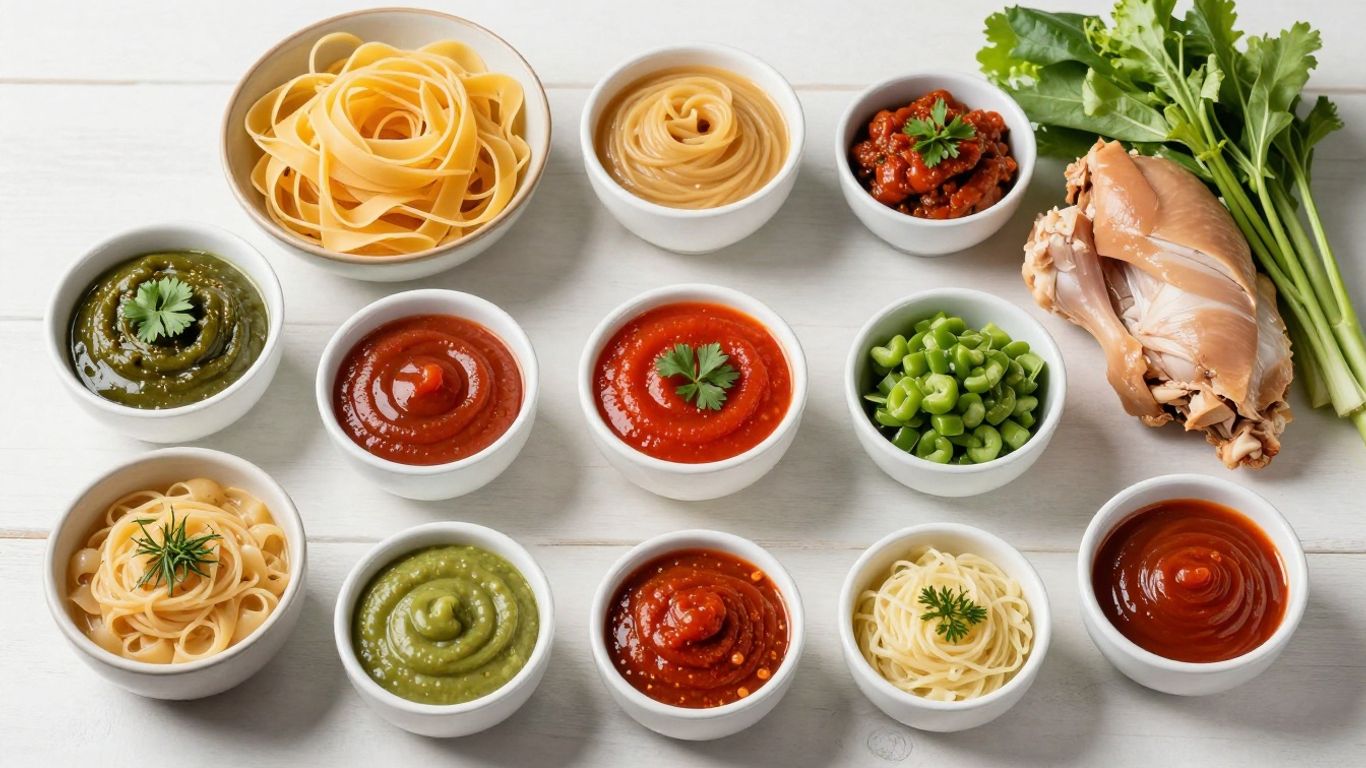
A good sauce is the fastest way to turn plain staples, like rice, roasted vegetables, eggs, beans or a simple piece of chicken, into a meal you look forward to. Learn five bases (a creamy “comeback” sauce, an herby chimichurri, pesto, a chili-lime sauce and tzatziki) and you can rescue almost any plate in five minutes, with far less sodium and sugar than most bottled versions.
Each base below comes with a lighter build, what it goes with, and easy variations.
Why homemade sauces help your goals
Bottled sauces are convenient, but many are high in salt and sugar. The NHS specifically lists soy sauce, ketchup, mustard, mayonnaise and brown sauce among sauces that can be high in salt, and recommends adults keep to no more than 6 g of salt a day. Health Canada’s food guide classes prepared sauces as highly processed and suggests making your own dressings with healthy oils and seasonings, and using citrus, flavoured vinegar, herbs or spices in place of some salt.
There’s also a practical benefit: when plain, nourishing food tastes great, you’re less likely to reach for takeout.
The five-part sauce formula
Almost every good sauce balances these elements:
- Base: yogurt, olive oil, tahini, nut butter or puréed vegetables.
- Acid: lemon, lime or vinegar for brightness.
- Aromatics: garlic, shallot, ginger, green onion.
- Herbs and spices: fresh or dried.
- A little salt or a salty ingredient: Parmesan, a splash of low-sodium soy sauce, or a pinch of salt. Taste before adding more.
1. Lighter comeback sauce
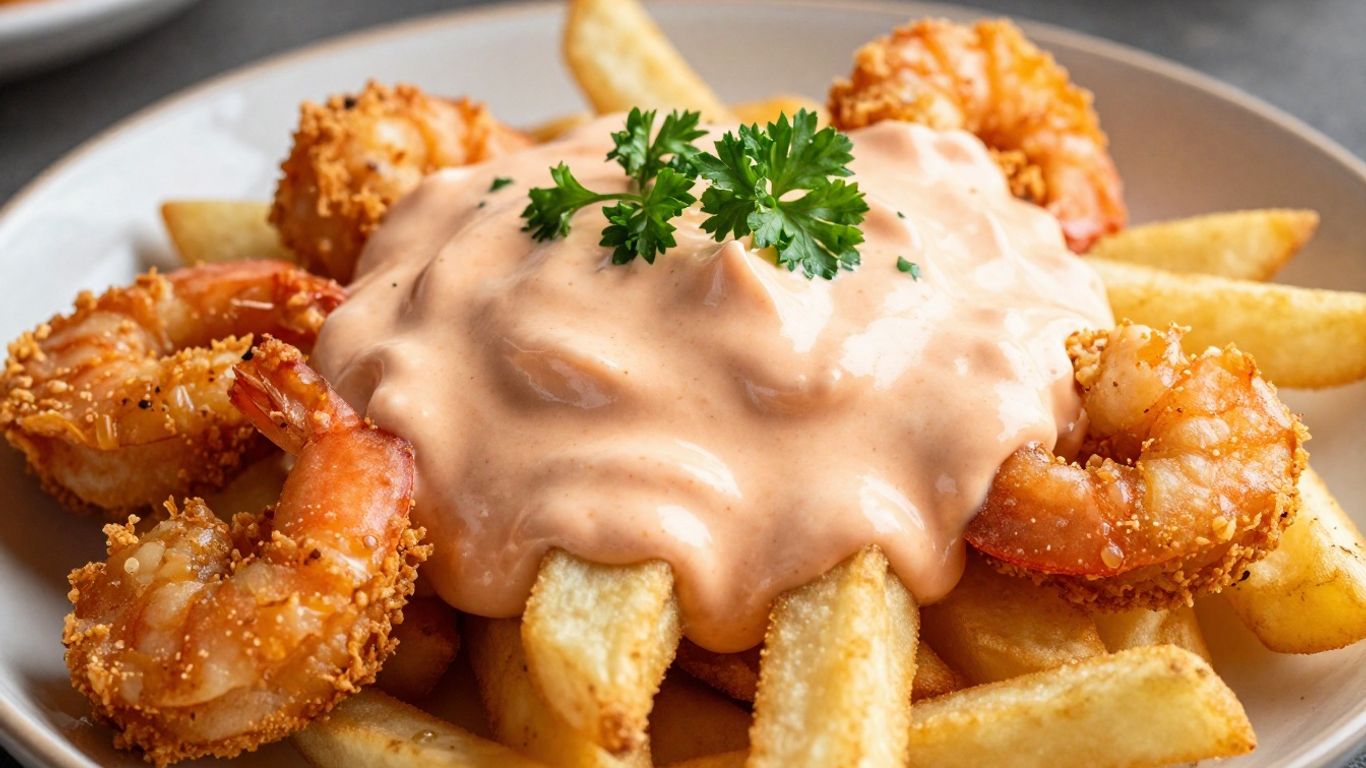
Comeback sauce is a creamy, tangy dipping sauce from the American South, traditionally made with mayonnaise, ketchup, chili sauce, lemon and spices.
Lighter build: ½ cup plain Greek yogurt, 1 to 2 tablespoons mayonnaise, 1 tablespoon ketchup or tomato paste, 1 teaspoon lemon juice, a few drops of hot sauce, and a pinch each of garlic powder, onion powder, paprika, dry mustard and black pepper. Chill 30 minutes so the flavours blend.
Use it on: oven-baked potato wedges, veggie burgers, chicken wraps, raw vegetable sticks, or thinned with water as a salad dressing.
2. Chimichurri
This uncooked herb sauce from Argentina and Uruguay is bright, garlicky and sharp.
Build: 1 packed cup finely chopped parsley, 2 tablespoons fresh oregano (or 2 teaspoons dried), 2 to 3 minced garlic cloves, 3 tablespoons cider or red vinegar, ⅓ cup olive oil, a pinch of red pepper flakes and salt. Let sit 15 minutes.
Use it on: grilled vegetables, steak or chicken, white beans, roasted potatoes, eggs, or stirred into rice.
Variation: Swap half the parsley for cilantro, or add lemon zest.
3. Pesto
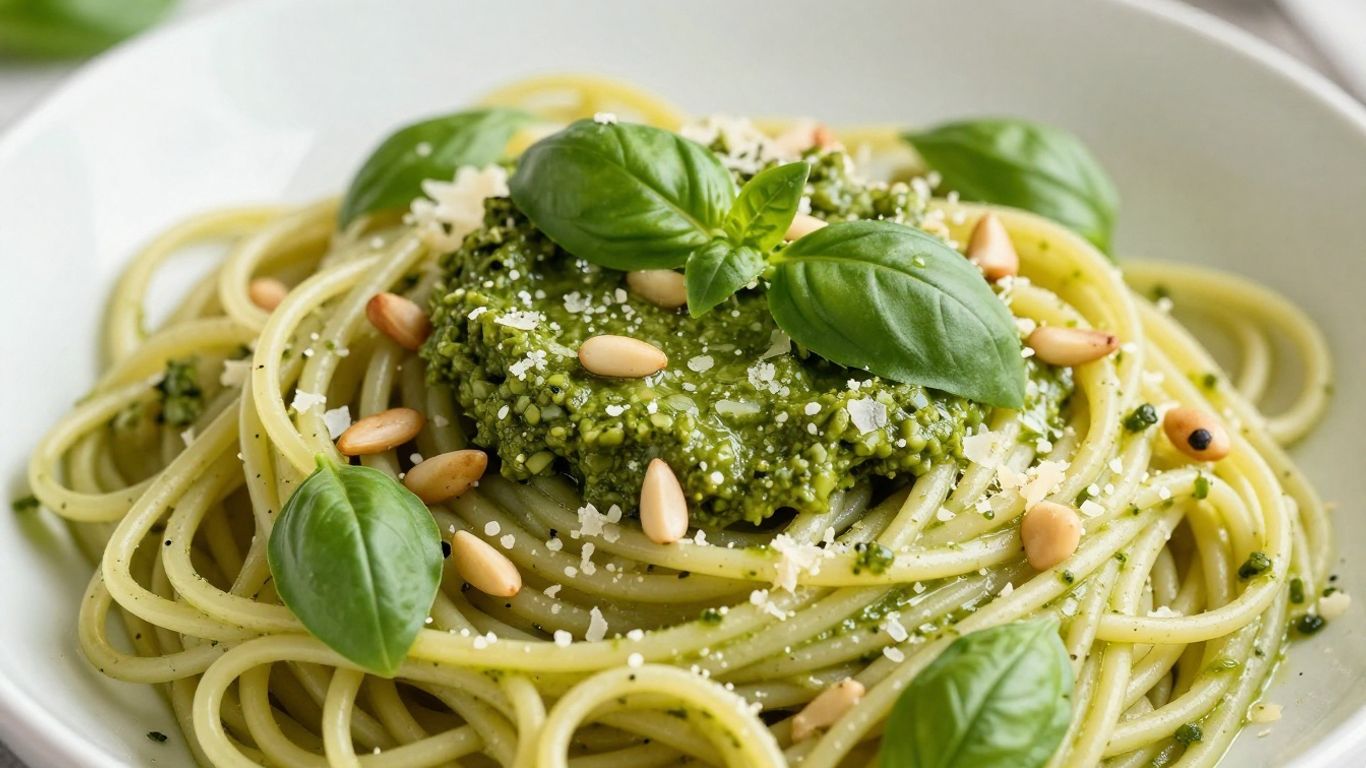
Classic pesto blends basil, garlic, pine nuts, Parmesan and olive oil. It’s rich, so a little goes a long way.
Lighter build: 2 cups basil, a handful of spinach or arugula, 1 garlic clove, 2 tablespoons pine nuts or sunflower seeds, 3 tablespoons grated Parmesan, juice of half a lemon, 3 to 4 tablespoons olive oil and a few tablespoons of water to blend. The greens and water stretch flavour while reducing oil per spoonful.
Use it on: whole grain pasta, sandwiches, grain bowls, baked fish, roasted vegetables, or swirled into minestrone.
Variation: Try kale and walnut, or cilantro and pumpkin seed.
4. Chili-lime sauce (sriracha-style)
Sriracha brings heat, garlic and a touch of sweetness. On its own it’s potent; mixed into a creamy base it becomes an all-purpose drizzle.
Build: ½ cup plain Greek yogurt, 1 to 2 teaspoons sriracha or another chili sauce, juice of half a lime, a little grated garlic. Or, for a dairy-free version, use 2 tablespoons tahini thinned with water.
Use it on: rice bowls, tacos, scrambled eggs, roasted cauliflower, salmon, or as a dip for spring rolls.
5. Tzatziki
This cool Greek yogurt sauce with cucumber, garlic, dill and lemon is refreshing and adds protein.
Build: 1 cup plain Greek yogurt, ½ grated cucumber squeezed dry in a clean towel, 1 small grated garlic clove, 1 tablespoon chopped dill (or mint), 1 to 2 teaspoons lemon juice, a drizzle of olive oil, salt and pepper.
Use it on: chicken or chickpea pitas, falafel, grilled vegetables, lentil patties, baked potatoes, or as a dip.
Squeezing the cucumber is the step people skip, and it’s what keeps tzatziki thick instead of watery.
Quick pairing guide
| Staple | Try this sauce |
|---|---|
| Plain rice or quinoa | Chimichurri or chili-lime |
| Roasted vegetables | Pesto or tzatziki |
| Canned beans or chickpeas | Chimichurri or lemony tzatziki |
| Eggs | Chili-lime or pesto |
| Chicken or fish | Any of the five |
| Potatoes | Comeback sauce or chimichurri |
| Raw vegetable platter | Comeback sauce or tzatziki |
Make, store and use
- Batch small: Make amounts you’ll finish within a few days. Fresh herb and dairy sauces taste best early.
- Refrigerate in covered jars. Don’t leave dairy-based sauces at room temperature for long.
- Freeze pesto in ice cube trays (without the cheese, if you like, and stir it in later).
- Add fresh herbs late: Health Canada suggests adding fresh herbs in the last 10 to 20 minutes of cooking or as a garnish, which also applies when warming a sauce.
- Portion mindfully: Yogurt-based sauces are light; oil- and nut-based ones are richer. Two tablespoons is a useful starting portion.
Pantry rescue: a sauce from almost nothing
No fresh herbs? You can still make something good from shelf staples:
- Tahini-lemon: 2 tablespoons tahini, juice of half a lemon, a pinch of garlic powder, water to thin.
- Peanut-ginger: 1 tablespoon peanut butter, 1 teaspoon low-sodium soy sauce, a squeeze of lime or a splash of rice vinegar, ground ginger, warm water.
- Tomato-chili: Canned crushed tomatoes simmered 10 minutes with garlic, chili flakes and dried oregano.
- Mustard-yogurt: Plain yogurt, Dijon mustard, a little honey, black pepper.
FAQ
Sauce, dressing or dip: what’s the difference?
They’re mostly the same thing at different thicknesses. Thin any of these bases with water or lemon juice and you have a dressing; leave them thick and you have a dip.
Can I use store-bought shortcuts?
Yes. Jarred pesto or sriracha are fine starting points; stretch them with yogurt, lemon or extra greens and compare labels to choose lower-sodium options.
Are these sauces spicy?
Only the chili-lime sauce, and you control the amount. Start with less chili sauce and add more to taste.
Key takeaways
- Five bases (comeback, chimichurri, pesto, chili-lime and tzatziki) cover almost every meal.
- Use yogurt, herbs, citrus and vinegar to build flavour with less salt, sugar and oil.
- Make small batches, refrigerate, and freeze pesto for later.
- Match sauces to staples so plain prep turns into meals you want to eat.
Want more herb-based options? See our herb sauce masterclass. For fast weeknight ideas, try skillet dinners or the minimum viable meal.