
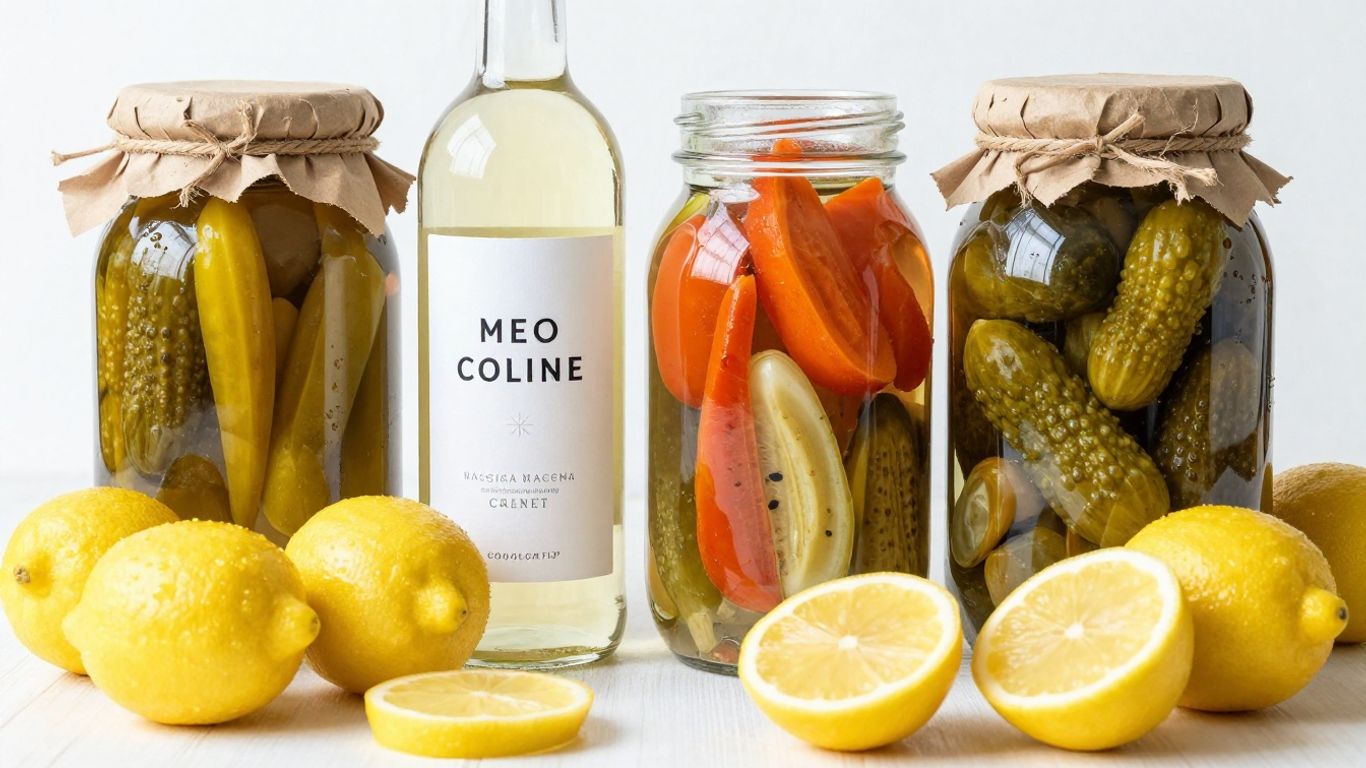
Ever wonder why some foods just hit the spot, making you feel full and satisfied, while others leave you wanting more? It often comes down to something called acid balance in cooking. Think about that zing from lemon on fish, or the sharp bite of vinegar in a salad dressing. These aren’t just for flavor; they play a big role in how we perceive taste, how much we salivate, and yes, even how full we feel. We’re going to look at how citrus, vinegars, and pickling can add that sparkle to your meals while also helping you feel more content.
Key Takeaways
- Adding acidity through ingredients like citrus and vinegars balances flavors, making meals more interesting and memorable.
- Acids stimulate saliva production, which helps us taste food better and can contribute to a feeling of fullness.
- Vinegars are versatile, useful in dressings, marinades, and can add a bright note to many dishes.
- Pickling not only preserves food but also creates tangy flavors that many people crave, often stimulating appetite and satisfaction.
- Combining acidic elements with other tastes and textures, like sweet, salty, creamy, or crunchy, prevents palate fatigue and makes food more engaging.
The Role Of Acidity In Culinary Art
Balancing Flavors For Memorable Meals
Think about your favorite meals. Chances are, they weren’t just one note. They had layers, right? Acidity is like the conductor of an orchestra, bringing all the different instruments – sweet, salty, bitter, umami – into harmony. Without it, food can taste flat, heavy, or just plain boring. Adding a squeeze of lemon to a rich stew or a splash of vinegar to a creamy sauce doesn’t just add a sour taste; it wakes up all the other flavors, making them brighter and more distinct. It’s this interplay that makes a meal stick with you long after the last bite.
Enhancing Freshness With Citrus And Herbs
Citrus fruits and fresh herbs are nature’s way of adding sparkle. That zesty punch from a lemon or lime, or the bright, green notes of cilantro or mint, can completely transform a dish. They cut through richness, making heavier foods feel lighter and more refreshing. Imagine a simple grilled fish – a little lemon juice and some chopped parsley can turn it from ordinary to extraordinary. It’s about adding that vibrant, fresh element that makes your taste buds sing.
The Science Of Saliva Production And Flavor Perception
Ever notice how your mouth waters when you think of something tangy? That’s acidity at work. Acids stimulate saliva production, and saliva is key to how we taste. It dissolves food particles, allowing our taste receptors to pick up on flavors more effectively. More saliva means a more intense flavor experience. So, that little bit of sourness isn’t just a taste; it’s a biological trigger that helps us appreciate the full spectrum of flavors in our food, making everything seem more vibrant and satisfying.
Citrus Fruits: Brightness And Balance
Adding Tang To Sorbet And Sweet Dishes
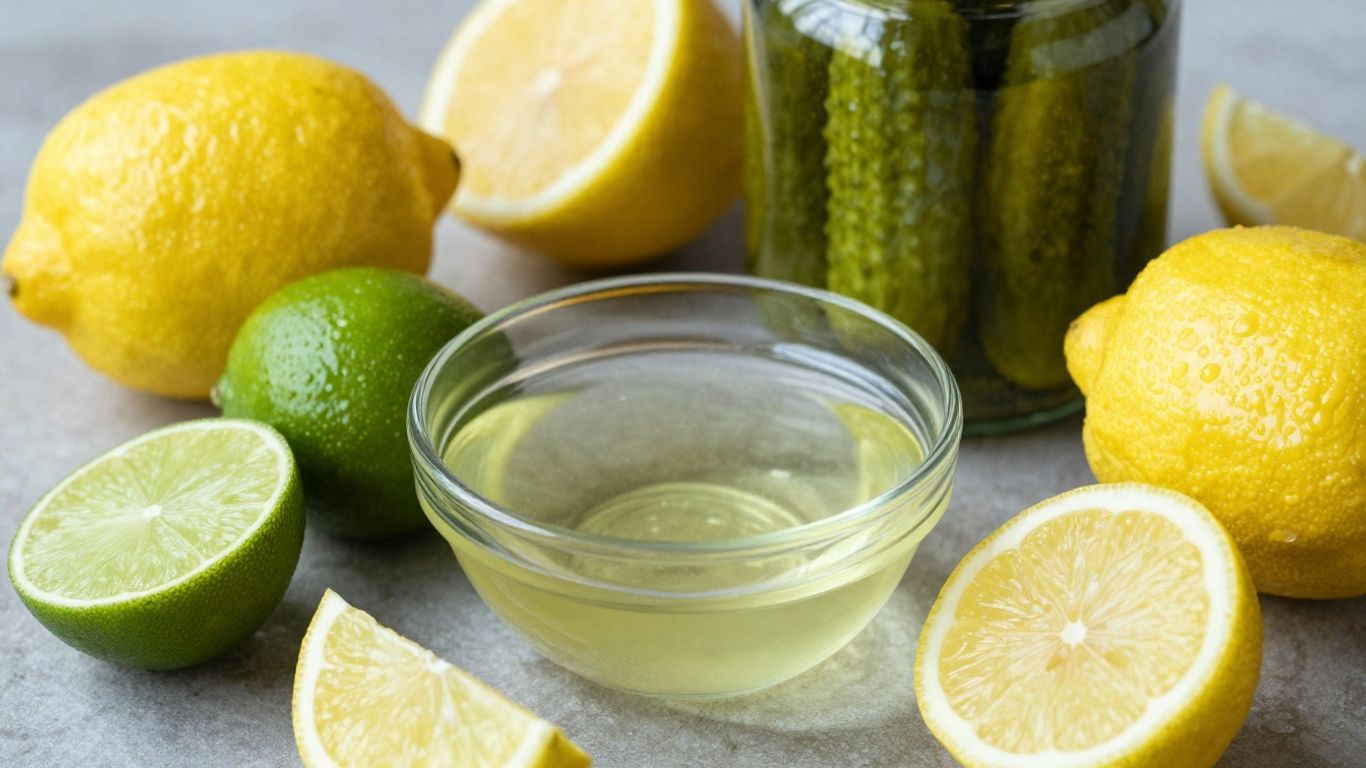
Citrus fruits are like nature’s little zingers, perfect for waking up flavors. Think about sorbet – that icy, sweet treat. A little squeeze of lemon or lime juice doesn’t just add a bright taste; it actually helps balance the sweetness, making it more interesting. It stops the sorbet from being just a sugar bomb and gives it a refreshing edge. It’s not about making it sour, but about creating a more complex flavor profile that keeps you coming back for another spoonful. Even in baked goods, a bit of citrus zest can lift the whole flavor, making it taste fresher and less heavy.
Selecting Fruits For A Lighter Profile
When you’re aiming for dishes that feel light and bright, the type of citrus you choose really matters. Lemons and limes are your go-to because they offer a lot of tang with very little sugar. Grapefruits are also a good choice, bringing a pleasant bitterness that cuts through richness. Green apples, while not technically citrus, offer a similar crisp tartness that works wonders. If you’re using fruits like pineapple or even grapes in a juice or a lighter dessert, it’s smart to keep the amounts modest. This way, you get that fruity flavor without making the dish too sweet or causing a rapid energy spike. It’s all about finding that sweet spot where flavor meets balance.
Lemon And Lime As Flavor Enhancers
Lemon and lime are workhorses in the kitchen, and for good reason. They’re not just for adding a sour note; they’re masters at making other flavors pop. A simple dish can go from ordinary to extraordinary with just a bit of their juice or zest. They have this amazing ability to cut through fat and richness, making heavier foods feel more palatable. Think about how a squeeze of lime brightens up tacos or how lemon zest makes a simple roasted chicken sing. They add a sparkle, a freshness that makes food more exciting and satisfying. It’s this brightness that can make a meal feel complete and leave you feeling pleasantly full, not weighed down.
Here’s a quick look at how different citrus can play a role:
- Lemon: Great for cutting richness, adding zest to baked goods, and balancing sweetness in desserts.
- Lime: Perfect for marinades, dressings, and adding a tropical flair to dishes.
- Grapefruit: Offers a slightly bitter note that works well in salads or as a refreshing juice base.
- Orange: While sweeter, its zest can add a lovely aroma and subtle flavor without overpowering other ingredients.
Vinegars: A Versatile Culinary Tool
Vinegar is one of those kitchen staples that does so much more than just add a sour note. It’s a real workhorse, capable of transforming dishes from ordinary to exciting. Think about it: a splash of vinegar can brighten up a heavy sauce, add a zing to a simple salad dressing, or even tenderize meat for a marinade. It’s this adaptability that makes it so valuable in cooking.
Vinegar’s Role In Salad Dressings
Salad dressings are perhaps where vinegar shines brightest. It’s the backbone of most vinaigrettes, providing that essential tang that cuts through the richness of oil and the freshness of greens. The type of vinegar you choose really matters here. A sharp red wine vinegar might be perfect for a robust bean salad, while a milder apple cider vinegar could be just the thing for a delicate fruit salad. Even a simple combination of olive oil, vinegar, and a pinch of salt can make a world of difference to a bowl of greens.
Exploring Different Vinegar Profiles
There’s a whole world of vinegars out there beyond the standard white distilled. Each has its own character, shaped by what it’s made from and how it’s produced.
- Balsamic Vinegar: From Modena, Italy, this is a complex, slightly sweet vinegar aged for years. It’s great for finishing dishes, in dressings, or even drizzled over fruit.
- Red Wine Vinegar: Made from red wine, it has a robust, fruity flavor that pairs well with hearty salads and marinades.
- White Wine Vinegar: A lighter, crisper option, ideal for delicate dressings, sauces, and pickling.
- Apple Cider Vinegar: Made from fermented apples, it offers a fruity, slightly tart taste that’s fantastic in dressings, marinades, and even baked goods.
- Rice Vinegar: Common in Asian cuisine, it’s mild and slightly sweet, perfect for stir-fries, sushi rice, and light marinades.
Vinegar As A Marinade Component
When you’re looking to tenderize meat or add a layer of flavor before cooking, vinegar is your friend. Its acidity helps to break down tough muscle fibers in meats, making them more tender and juicy. It also acts as a carrier for other flavors, like herbs, spices, and garlic, allowing them to penetrate the food more effectively.
A good marinade often balances acidity with oil, salt, and aromatics. The vinegar provides the tenderizing power, while the oil helps distribute flavors and keep the food moist. Don’t let your protein soak for too long, though; too much time in a strong acidic bath can actually make the meat mushy.
So, whether you’re grilling chicken, roasting pork, or even marinating firm vegetables, a touch of vinegar can make a significant difference in the final texture and taste.
The Art Of Pickling For Flavor And Preservation
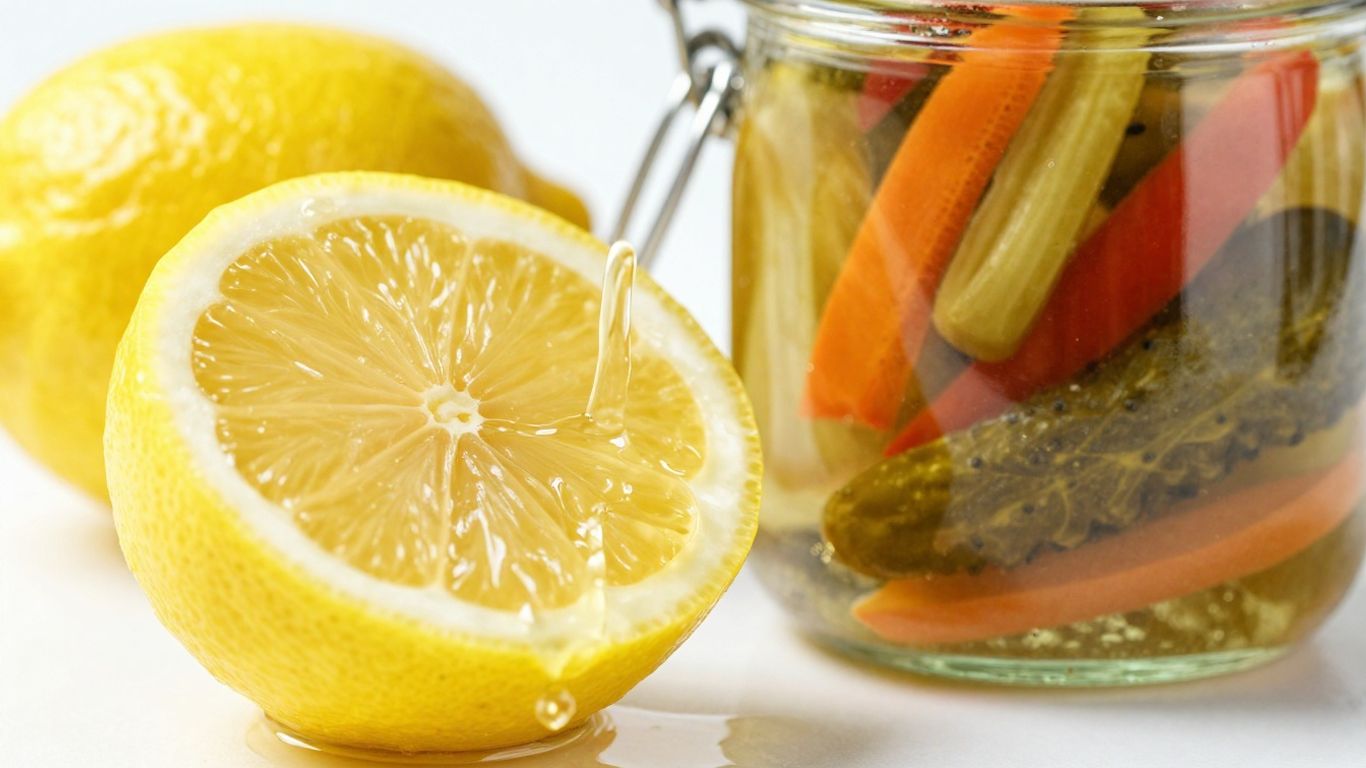
Pickling is more than just a way to keep food from going bad; it’s a culinary technique that transforms ingredients with a burst of tangy flavor and a satisfying texture. Think about it: that sharp, vinegary bite isn’t just a taste sensation, it’s an invitation to keep eating. This method has been around for ages, long before refrigerators, and it’s still a fantastic way to add some zing to your meals and snacks.
Pickle-Forward Flavors In Snacks
Pickle-flavored snacks have really taken off, and for good reason. They hit a sweet spot that many people crave. That combination of sour, salty, and often a hint of dill is incredibly appealing. It’s a flavor profile that wakes up your palate and makes you want more. Snacks like dill pickle pretzels or chips offer that familiar, bold taste in a convenient, portable form. They’re not just a novelty; they tap into a deep appreciation for tangy, savory experiences that many of us grew up with.
Understanding The Psychology Of Tangy Cravings
Why do we love that tangy punch so much? It’s partly psychology and partly how our taste buds work. Sour and salty flavors are intense. They stimulate saliva production, which helps us taste more fully, and they keep our brains engaged. This means we don’t get bored with the flavor as quickly. Tangy snacks, like those with a pickle influence, provide a contrast to blander foods and can even cut through richness, making them feel refreshing and satisfying. This sensory stimulation is a big reason why these flavors are so addictive.
Pickling Techniques For Home Cooks
Getting started with pickling at home is simpler than you might think. You don’t need fancy equipment, just a few basic ingredients and a little patience. The core idea is to submerge vegetables in a brine (salt and water) or a vinegar solution, often with added spices.
Here are a few common methods:
- Quick Pickling (Refrigerator Pickles): These are made with a vinegar brine and stored in the fridge. They’re ready to eat in a few days and have a bright, fresh flavor. Great for cucumbers, onions, or carrots.
- Fermentation (Lacto-fermentation): This method uses salt and the natural bacteria present on vegetables to create a tangy, complex flavor. It takes longer, usually a week or more, and results in a probiotic-rich food. Think traditional sauerkraut or kimchi.
- Canning: For shelf-stable pickles, you’ll need to follow specific canning procedures to ensure safety. This involves processing jars in a boiling water bath.
No matter the method, the result is a food that’s not only preserved but also transformed into something excitingly flavorful. It’s a rewarding way to add a unique dimension to your cooking.
Texture’s Impact On Taste Perception
It’s easy to get caught up in the flavors – the tang, the salt, the herbs – but texture plays a huge part in how we experience food. Think about it: a soggy chip just isn’t the same as a crisp one, right? Texture is often overlooked, but it’s a key player in making food interesting and satisfying.
The Satisfying Crunch Of Pretzels
Pretzels offer a fantastic example of texture at work. Their dry, brittle crunch is a perfect counterpoint to the sharp, sometimes wet, sensation of pickle seasoning. When you bite into a pickle-flavored pretzel, you get that immediate snap. This isn’t just a sound; it’s a tactile experience that signals freshness and engagement to your brain. Studies show that crunchy foods are often perceived as more satisfying, and the act of chewing itself can keep us more alert to the flavors we’re tasting. It’s like a little wake-up call for your palate.
Contrast Between Briny And Baked Sensations
The magic really happens when you combine that pretzel crunch with the bold, tangy flavor of pickle seasoning. The pretzel itself is usually mild, a bit salty, and has that distinct baked dough taste. Then comes the pickle flavor – sharp, acidic, and often carrying notes of dill and garlic. This contrast is what makes the snack so compelling. The acidity cuts through the richness or dryness of the pretzel, while the pretzel’s neutral base allows the pickle flavor to shine without being overwhelming. It’s a push and pull that keeps your taste buds interested.
How Texture Influences Flavor Experience
Texture doesn’t just sit there; it actively shapes how we perceive flavor. A smooth, creamy texture might make a flavor feel mellow and comforting. A rough, gritty texture can make a flavor seem more intense or even unpleasant. With pickle-flavored pretzels, the crispness of the pretzel does a few things: it provides a clean break with each bite, preventing flavors from becoming muddled. It also helps to refresh the palate, making each subsequent bite feel as vibrant as the first. This dynamic interplay between the crisp, baked pretzel and the zesty pickle coating is a masterclass in sensory balance.
The combination of a satisfying crunch and a bold, tangy flavor profile creates a snack that’s more than the sum of its parts. It engages multiple senses, making the eating experience more memorable and enjoyable. This isn’t just about taste; it’s about the whole physical sensation of eating.
Umami And Herbal Complexity In Seasonings
Beyond Sour And Salty: Dill Pickle Seasoning
Dill pickle seasoning is more than just a sharp, tangy punch. It’s a carefully constructed blend that brings together several flavor elements to create something truly interesting. Think about what’s usually in that seasoning mix: dill, of course, but also garlic, onion, and sometimes even mustard seed. These aren’t just random additions; they bring a subtle savory depth, often called umami, that rounds out the sourness and saltiness. This savory quality adds a richness without making the dish feel heavy. It’s this complexity that makes it so appealing.
The Role Of Garlic, Onion, And Dill
Garlic and onion powders are powerhouses when it comes to lingering flavor. They contain compounds that don’t just hit your tongue and disappear; they stick around a bit, extending the overall taste experience. Dill, on the other hand, offers a fresh, almost green note. It’s bright and herbaceous, and it does a great job of cutting through any richness or heaviness that might be present. When you combine these, you get a flavor profile that feels much more layered and complete than you might expect from a simple seasoning.
Creating Layered Flavor Profiles
Imagine you’re building a flavor profile. You start with a base, maybe something neutral like a pretzel or a cracker. Then you add the acidity and salt from the pickle seasoning. But it’s the garlic, onion, and dill that really build the structure. They add different dimensions – the savory depth, the lingering aroma, the fresh lift. This combination prevents the flavor from becoming one-note. It keeps your palate engaged, making each bite more interesting and satisfying. It’s like adding different instruments to an orchestra; each plays its part to create a richer, more complex sound.
The magic of these seasonings lies in their ability to create a dynamic contrast. The sharp acidity grabs your attention, while the savory notes and herbs provide a grounding complexity. This interplay keeps your taste buds interested, preventing flavor fatigue and making the overall eating experience more enjoyable and memorable.
Achieving Balance Through Contrast
Sometimes, the best way to make food exciting is by putting different tastes and textures right next to each other. It’s like a conversation between flavors, where one thing makes the other stand out even more. Think about it: a super rich, creamy dish can feel heavy after a while. But add a little something sharp and tangy, and suddenly your taste buds wake up. That contrast is what keeps meals interesting and prevents that feeling of being totally stuffed and bored with your food.
Sweet With Salty, Creamy With Crunchy
This is a classic pairing for a reason. The sweetness of, say, a caramel sauce gets a jolt from a sprinkle of sea salt. Or imagine a smooth, rich chocolate mousse with a topping of crunchy, salty pretzels. These combinations work because they hit different parts of your palate at the same time. Your brain gets a little jolt from the unexpected mix, making the whole experience more satisfying. It’s not just about one flavor; it’s about how they play off each other.
Acidic Flavors Cutting Through Richness
Rich foods, like a fatty roast or a creamy pasta, can be delicious but also a bit much on their own. That’s where acidity comes in. A squeeze of lemon juice over grilled fish, a splash of vinegar in a stew, or even the tang from a pickle served alongside a burger, all work to cut through that heaviness. The acid acts like a palate cleanser, making each bite of the rich food taste as good as the first. It brightens everything up and makes the meal feel lighter and more refreshing, even if the ingredients are quite substantial.
Preventing Palate Fatigue With Bold Flavors
Eating the same thing for too long can make your taste buds go numb. That’s palate fatigue. When you introduce contrasting flavors and textures, you keep your senses engaged. A snack that’s both salty and sour, like pickle-flavored pretzels, is a great example. The saltiness might be familiar, but the sharp tanginess keeps you coming back for more. It’s a way to add excitement without necessarily adding more calories or heaviness. This principle is why a simple side of pickles can make a whole sandwich feel more complete and satisfying.
The interplay of different tastes and textures is key to making food memorable. By intentionally pairing elements that contrast, we create a dynamic eating experience that keeps us engaged and satisfied, preventing flavors from becoming monotonous.
The Benefits Of Resting And Cooling Food
You know how sometimes food just tastes better the next day? It’s not just in your head. Letting food rest and cool down after cooking does some pretty interesting things. It’s like giving the ingredients a chance to settle down and have a chat, leading to a more balanced flavor and a nicer texture. This process can actually make food feel more satisfying and even help you cut back on things like salt and fat without even noticing.
Flavor Deepening And Texture Stabilization
When you cook something, all the flavors are really active and sometimes a bit sharp. Letting it cool allows those flavors to mellow out and blend together. Think of it like letting a good wine breathe. The spices get a chance to really soak into the food, and any harsh edges just soften up. This also helps with texture. For example, a stew will thicken up naturally as it cools, and grains will absorb any extra liquid, making them less mushy. This quiet time in the fridge isn’t just storage; it’s a continuation of the cooking process.
Reducing Sodium And Fat Intake Naturally
It sounds a bit odd, but letting food rest can actually make you feel more satisfied with less seasoning. As the flavors meld and deepen, the food just tastes more complete. You might find yourself reaching for the salt shaker less often, or not needing that extra drizzle of oil, because the dish already has a richer, more rounded taste. It’s a subtle shift, but over time, it can add up to a healthier way of eating without feeling deprived.
Transforming Quick Fuel Into Sustained Energy
This is where things get really interesting, especially with starches. When you cook starchy foods like rice, pasta, or potatoes, and then let them cool, a part of the starch changes. It becomes what scientists call resistant starch. This type of starch doesn’t get digested as quickly in your small intestine. Instead, it acts more like fiber, releasing energy slowly. This means you get a more steady supply of energy, avoiding those sharp spikes and crashes in blood sugar that can leave you feeling tired and hungry again soon after eating. It helps you feel fuller for longer, turning a simple meal into something that provides sustained energy.
Resting food allows flavors to integrate and textures to stabilize. This natural process can lead to a more satisfying eating experience, often requiring less added salt or fat. Furthermore, the cooling of starches can create resistant starch, which offers metabolic benefits like slower energy release and prolonged fullness, transforming meals from quick fuel into sustained energy sources.
Resistant Starch And Satiety
You know how some foods just seem to keep you full for ages? A lot of that has to do with something called resistant starch. When starchy foods like rice, potatoes, or pasta cool down after cooking, a portion of their starch changes. It becomes resistant to digestion in your small intestine, acting more like fiber. This means it doesn’t cause a quick spike in blood sugar like regular starch might. Instead, it’s a slower release of energy, which helps you feel satisfied for longer.
Metabolic Benefits Of Cooled Starches
This change in starch structure when food cools is pretty neat. It means that yesterday’s rice, for example, can actually affect your body differently than freshly cooked rice. It’s not a huge difference, but over time, these small metabolic shifts can add up. Think of it as getting more mileage out of your meal.
Slower Energy Release And Blood Sugar Spikes
When you eat foods with resistant starch, your body processes them more gradually. This leads to a more even energy supply throughout your day, rather than a sudden rush followed by a slump. It’s a gentler way for your body to handle carbohydrates, which can be helpful for maintaining stable energy levels.
Promoting Longer-Lasting Fullness
Because resistant starch isn’t broken down quickly, it takes longer to move through your digestive system. This extended presence contributes to that feeling of fullness, helping to curb hunger pangs between meals. It’s one of the reasons why leftovers can sometimes be more satisfying than the original meal.
Here’s a quick look at how cooling impacts starch:
- Freshly Cooked Starch: Easily digested, leading to quicker energy release and potential blood sugar spikes.
- Cooled Starch: A portion transforms into resistant starch, slowing digestion and promoting a more sustained energy release.
- Reheated Cooled Starch: Some resistant starch structure often remains, meaning the food can still offer benefits similar to cooled starch.
The simple act of letting cooked foods cool, and then perhaps reheating them, can subtly alter their nutritional profile. This isn’t about complex cooking techniques; it’s about allowing time and temperature to work with the food’s natural properties. It’s a quiet way to make meals more sustaining and manage energy levels more smoothly throughout the day.
Enhancing Leftovers With Fresh Elements
Reheating yesterday’s meal doesn’t have to mean settling for a less-than-exciting plate. It’s easy to fall into a rut, eating the same flavors day after day, but a few simple additions can completely change the game. Think of it like this: the cooked food offers comfort and depth, but it might be missing that spark. That’s where fresh elements come in. They add brightness, a bit of zing, and can make leftovers feel like a brand new dish.
Preventing ‘Leftover Fatigue’ With Bright Additions
Leftover fatigue is real. It’s that feeling when your perfectly good meal from last night starts to feel a bit… tired. The flavors have settled, maybe too much, and the texture might be a little soft. The trick to avoiding this is to introduce something lively. What can you add that’s raw, crisp, or vibrant? Consider these ideas:
- Fresh Herbs: A sprinkle of chopped cilantro, parsley, mint, or basil can wake up almost anything.
- Citrus Zest or Juice: A squeeze of lemon or lime, or even just the zest, adds an instant lift.
- Raw Vegetables: Thinly sliced radishes, red onion, or grated carrots bring a welcome crunch and sharpness.
- A Dollop of Something Creamy: A spoonful of plain yogurt or a drizzle of tahini can add a cool contrast.
- Toasted Nuts or Seeds: For a bit of texture and nutty flavor.
Even just five minutes of effort can transform a meal from something you have to eat into something you want to eat. It makes the food feel intentional, not just old.
Stimulating Digestion With Raw Ingredients
There’s a reason why many cuisines finish dishes with fresh garnishes. Beyond just taste, these raw components can actually help your body process the meal more easily. Think about how a crisp salad or a bit of fresh salsa can make a heavy dish feel lighter. Raw herbs, acidic elements like vinegar or citrus, and crunchy vegetables stimulate saliva and digestive juices. This helps your body break down the cooked components more efficiently, reducing that heavy, sluggish feeling that can sometimes follow a big meal.
The combination of rested, matured flavors and bright, fresh additions creates a more dynamic eating experience. It’s about using time to develop depth and then using freshness to add lift, making the meal both satisfying and easy to digest.
Adding Lift and Freshness to Matured Dishes
When you’re reheating something that’s been cooked and rested, like a stew, a curry, or even just some roasted vegetables, it’s already developed a certain richness. The flavors have melded, and the textures have softened. To bring it back to life, think about contrast. If your dish is rich and soft, add something sharp and crisp. If it’s savory, add a touch of acidity. This contrast is what prevents palate fatigue and makes the meal exciting again. It’s not about masking the original flavors, but about complementing them and creating a more complex, enjoyable experience. It’s a simple way to make your food work harder for you, turning leftovers into a deliberate and delicious part of your week.
Want to make your leftovers taste brand new? Adding a few fresh ingredients can totally change your meal! Think bright herbs, a squeeze of citrus, or some crunchy veggies. It’s an easy way to give old food a new life. Ready to discover more tasty tips? Visit our website for simple ideas to spice up your meals!
Bringing It All Together: The Sparkle and Satisfaction
So, we’ve seen how a little bit of acid, whether from a squeeze of lemon, a splash of vinegar, or the briny bite of a pickle, can really wake up your food. It’s not just about making things taste sharp; it’s about creating a more satisfying meal that feels complete. These tangy elements can cut through richness, add a refreshing zing, and even help you feel fuller for longer. Don’t be afraid to experiment in your own kitchen. Start small, maybe with a simple vinaigrette or some quick-pickled onions. You might be surprised at how these simple additions can transform your everyday cooking, adding that perfect sparkle and a deeper sense of satisfaction to every bite. Happy cooking!
Frequently Asked Questions
Why does food taste better when it’s a little sour or tangy?
Tangy foods, like those with citrus or vinegar, make your mouth water more. This helps you taste all the other flavors better. It’s like turning up the volume on your taste buds, making meals more exciting and keeping them interesting so you don’t get bored.
How do citrus fruits help make food taste better?
Citrus fruits such as lemons and limes add a bright, zesty flavor. They can cut through rich or heavy tastes, making food feel lighter. Think of how a squeeze of lemon makes fish or vegetables taste fresher and more lively.
What’s the deal with vinegars in cooking?
Vinegars are super useful! They add a pleasant sourness that balances other flavors, like sweetness or saltiness. They’re great in salad dressings, marinades, and even in some sauces to give them a little zing.
Why do people like pickles and tangy snacks so much?
Tangy flavors are exciting for our brains! They make us salivate more and grab our attention. Pickles and other tangy snacks are often familiar and comforting, but also have that exciting sour kick that makes us want more.
Does the crunchiness of food matter for taste?
Yes, crunchiness plays a big role! The sound and feel of a crunchy food, like a pretzel, make it more satisfying. It contrasts nicely with softer or wetter tastes, keeping your mouth engaged and making the whole eating experience more enjoyable.
What is ‘umami’ and why is it important in cooking?
Umami is often called the ‘savory’ taste. It’s different from sweet, sour, salty, or bitter. Ingredients like garlic, onion, and herbs can add subtle umami notes that give food depth and make it taste more complete and satisfying.
How does resting food after cooking make it better?
When cooked food rests and cools, its flavors can blend together more smoothly, and its texture can become more stable. This often means you need less salt or fat to make it taste good, and it can help you feel full for longer.
Can eating leftover food that has been cooled be healthier?
Yes, when starchy foods like rice or potatoes cool down, they form something called resistant starch. This acts a bit like fiber, releasing energy more slowly and helping you feel full longer without causing big spikes in blood sugar.