
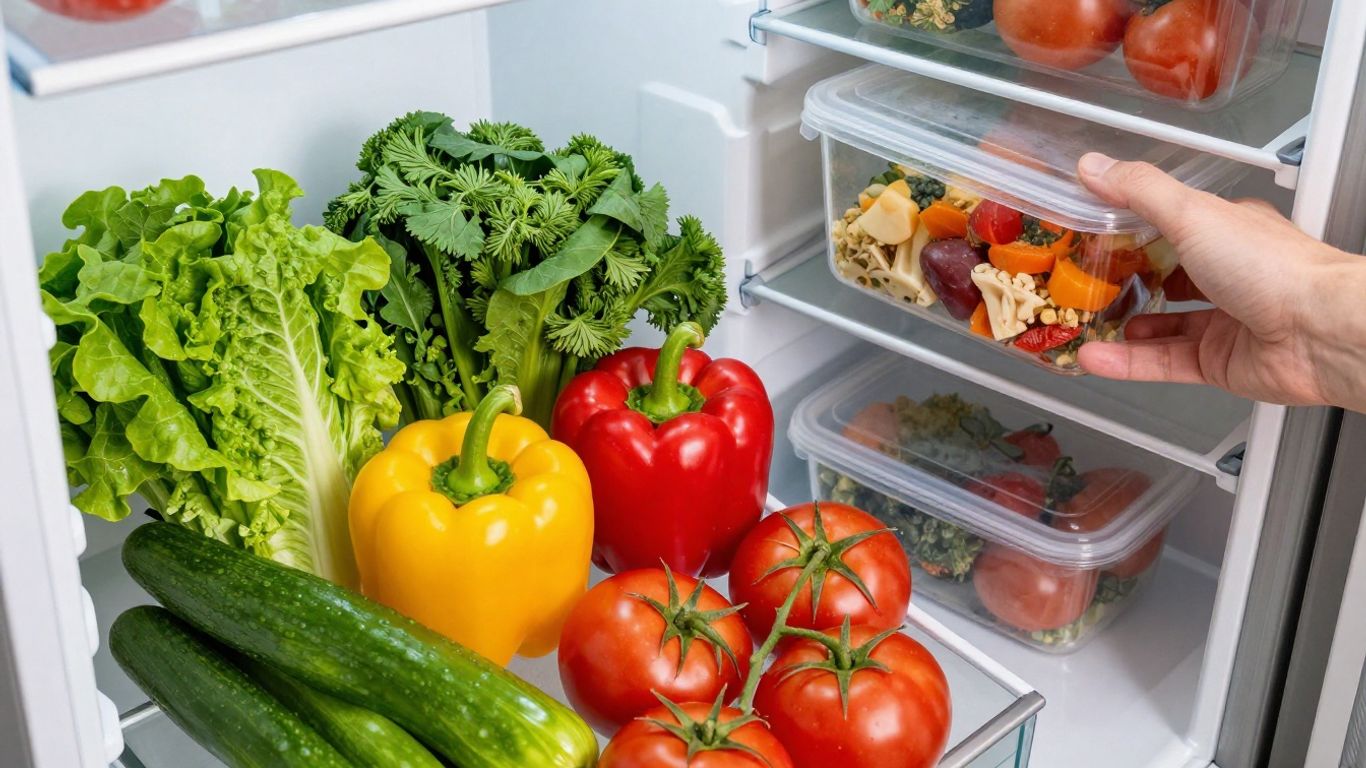
It’s pretty common to find forgotten food lurking in the back of the fridge, right? We’ve all been there. It’s a bummer, and honestly, it’s a waste of money. Plus, all that food tossed out adds up to a bigger problem for the environment. The good news is, tackling food waste at home isn’t as hard as it sounds. You can save cash and eat better by making a few simple changes in how you plan, shop, and store your food. Let’s get started on some food waste reduction.
Key Takeaways
- Plan your meals and make a focused grocery list to avoid buying too much food.
- Get creative with leftovers by repurposing them into new dishes or storing them properly.
- Store your food correctly in the fridge and pantry to make it last longer.
- Organize your kitchen spaces to easily see and use older food items first.
- Consider community efforts like food donation and composting to further reduce waste.
Understanding The Scale Of Food Waste
It’s easy to overlook, but a significant amount of the food we produce never actually makes it to our plates. Think about that half-eaten apple in your lunch bag, the wilting lettuce in the crisper drawer, or the bread that went stale before you could finish it. These small instances add up, creating a much larger problem than most of us realize.
The Environmental Impact Of Landfilled Food
When food ends up in landfills, it doesn’t just disappear. Instead, it decomposes in an oxygen-deprived environment, releasing methane. Methane is a potent greenhouse gas, contributing significantly to climate change. In fact, food waste is a major player in this global issue, accounting for a substantial portion of greenhouse gas emissions.
The Financial Burden Of Wasted Food
Beyond the environmental toll, there’s a very real financial cost to tossing food. Consider the money spent on groceries that end up in the bin. For an average family, this can amount to hundreds, even thousands, of dollars each year. It’s money that could be saved or used for other important things.
Prevalence Of Food Waste In The United States
In the United States, the numbers are quite striking. A large percentage of the food produced nationally is never consumed. This waste occurs at every stage, from farms to our own kitchens. The sheer volume of discarded food represents a massive inefficiency in our food system.
Here’s a look at some figures:
- Amount Wasted Annually: Estimates suggest that up to 40% of food produced in the U.S. goes to waste.
- Per Person Waste: The average American discards a considerable amount of food each year.
- Financial Loss: This waste translates into billions of dollars lost across the country annually.
Recognizing the scale of food waste is the first step toward making meaningful changes. It highlights the importance of being more mindful about how we buy, store, and prepare our food.
Strategic Meal Planning For Waste Reduction
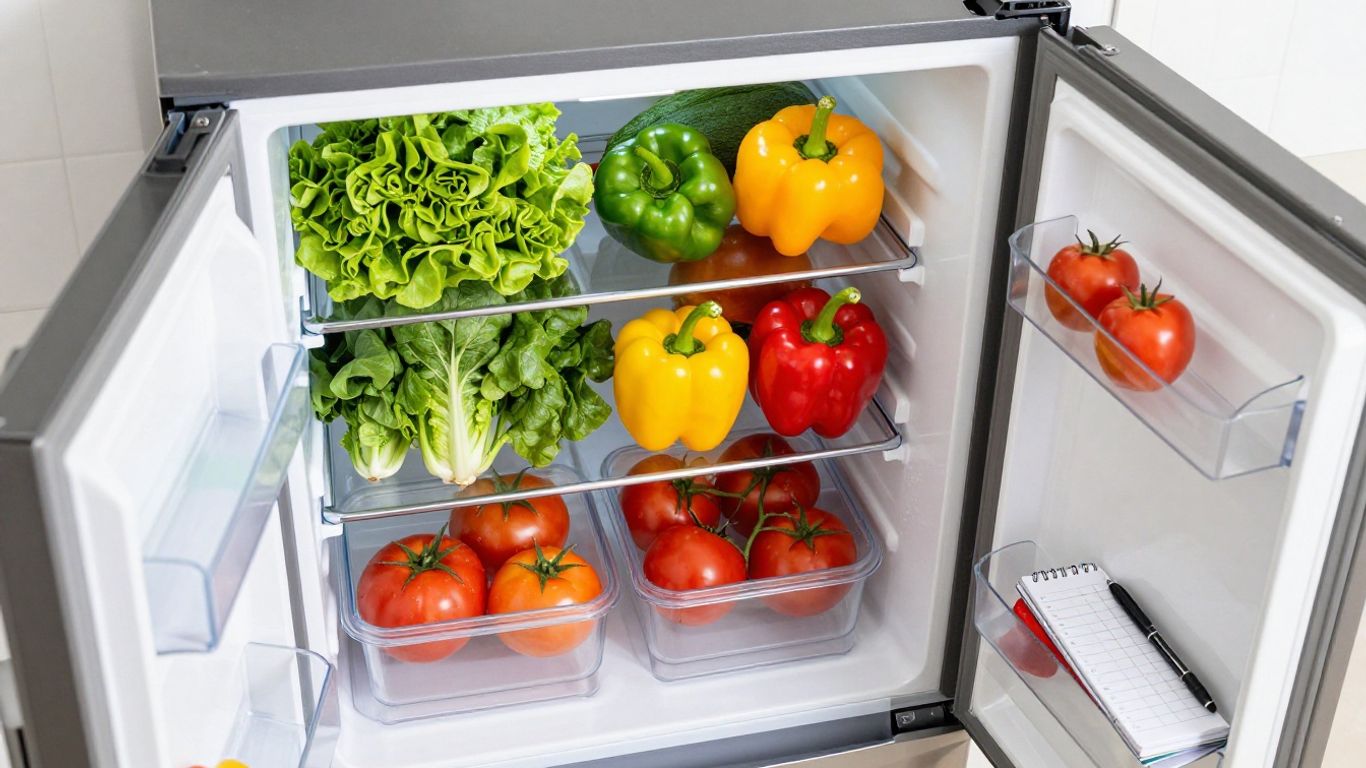
Thinking about what you’re going to eat for the week might seem like a chore, but it’s actually one of the most effective ways to cut down on food waste and save money. When you have a plan, you’re less likely to buy things you don’t need or let food sit around until it’s too late.
Creating A Weekly Menu To Utilize Existing Ingredients
Before you even think about going to the grocery store, take a good look at what you already have. Check your fridge, freezer, and pantry. What needs to be used up soon? Maybe you have some wilting spinach, a half-used carton of broth, or some chicken breasts that are nearing their use-by date. Build your weekly menu around these items. For example, if you have spinach, plan a pasta dish or a frittata for one night. If you have chicken, maybe it’s stir-fry night. This approach not only prevents waste but also gets you creative with your cooking.
Prioritizing Perishable Items In Your Plans
Fresh produce and dairy are often the first things to go bad. When you’re planning your meals, make sure to schedule the dishes that use these items earlier in the week. Think about meals that can use up those berries that are getting soft or that bunch of cilantro that’s starting to droop. This way, you’re enjoying your food at its best and avoiding that sad moment when you find something spoiled.
Here’s a simple way to think about it:
- Day 1-2: Focus on meals with fresh greens, soft fruits, and delicate herbs.
- Day 3-4: Use up vegetables that have a bit more shelf life, like carrots or broccoli, and any proteins that need to be cooked.
- Day 5+: Rely on pantry staples, frozen items, or dishes that can incorporate leftovers.
Building A Focused Grocery List To Avoid Overbuying
Once you have your menu planned, you can create a precise grocery list. Stick to this list when you’re at the store. It’s easy to get tempted by sales or impulse buys, but these often lead to buying more than you need, which then contributes to waste. By knowing exactly what ingredients you need for your planned meals, you can shop more efficiently and avoid bringing home excess food that might end up in the bin.
A well-thought-out meal plan acts as your roadmap in the kitchen and at the grocery store. It guides your purchasing decisions and ensures that the food you buy actually makes it to your plate.
Mastering Your Leftovers
It’s a tale as old as time: you cook a delicious meal, enjoy it, and then… the leftovers sit in the fridge, slowly becoming a forgotten science experiment. We’ve all been there. But what if those leftovers weren’t a sign of waste, but a golden opportunity? Transforming yesterday’s dinner into today’s delight is a superpower in the fight against food waste. It saves money, reduces your environmental footprint, and honestly, it can be pretty fun to get creative.
Safe Storage and Consumption Timelines For Leftovers
Properly storing your leftovers is the first step to making sure they’re safe and tasty. The general rule of thumb is that most cooked foods are good for about 3 to 4 days when kept in the refrigerator. After that, the risk of bacteria growth increases significantly. It’s always better to err on the side of caution. If something looks or smells off, it’s best to toss it, no matter how much you spent on the ingredients.
Here’s a quick guide:
- Cooked Meats and Poultry: 3-4 days
- Cooked Vegetables: 3-4 days
- Soups and Stews: 3-4 days
- Cooked Grains (rice, pasta): 3-4 days
Make sure your refrigerator is set to 40°F (4°C) or below. This temperature slows down the growth of most harmful bacteria. Also, cool leftovers rapidly before refrigerating; don’t leave them sitting out at room temperature for more than two hours (or one hour if the ambient temperature is above 90°F).
Incorporating Leftovers Into New Meal Creations
This is where the magic happens. Leftovers don’t have to be eaten exactly as they were the first time. Think of them as building blocks for new dishes. That roasted chicken can become chicken salad sandwiches, tacos, or a filling for quesadillas. Leftover roasted vegetables can be tossed into omelets, added to pasta dishes, or blended into a soup. Even plain rice can be transformed into fried rice with a few extra ingredients.
Consider these ideas:
- Repurpose Proteins: Shredded or diced meats can be added to salads, pasta sauces, or used as a base for casseroles.
- Veggie Versatility: Chop leftover cooked vegetables and mix them into scrambled eggs, frittatas, or grain bowls.
- Starch Savvy: Cooked grains can be the base for a quick stir-fry or a hearty salad.
Creative Uses For Roasted Meats And Vegetables
Roasted items are particularly versatile. The slightly caramelized edges and tender interiors lend themselves well to a variety of transformations. For instance, a whole roasted chicken can yield multiple meals. The first night, it’s the star. The next day, carve the remaining meat for sandwiches or a quick chicken stir-fry. The carcass? That’s gold for making a rich, flavorful broth.
Similarly, a medley of roasted vegetables can be a side dish one night, but the next day, they can be blended into a creamy soup, tossed with pasta, or used as a topping for pizzas or flatbreads. Don’t be afraid to mix and match different roasted vegetables to create unique flavor profiles. The key is to see leftovers not as an endpoint, but as a starting point for something new and exciting.
The goal isn’t just to eat what’s left, but to reimagine it. This approach not only cuts down on waste but also introduces variety into your diet without requiring extra shopping trips or cooking time from scratch.
Smart Shopping Habits To Minimize Waste
When you head to the grocery store, it’s easy to get caught up in impulse buys or grab more than you actually need. This often leads to food sitting in your fridge, forgotten, until it’s too late. But with a few smart strategies, you can make your shopping trips much more effective and cut down on waste significantly.
Focusing On Seasonal Produce For Cost Savings
Buying fruits and vegetables when they’re in season locally makes a big difference, not just for your wallet but for the environment too. Produce that’s out of season often has to travel long distances, using up fuel and costing more. Think about enjoying juicy watermelon in the summer months or hearty squash in the fall. These items are typically more abundant and therefore cheaper when they’re naturally ready to be harvested.
The Benefits Of Buying Frozen Fruits And Vegetables
Sometimes, you just want those berries in the dead of winter. Instead of paying a premium for imported, potentially less fresh options, consider frozen. Fruits and vegetables are often flash-frozen at their peak ripeness, locking in nutrients and flavor. This means you get great quality and taste, often at a lower price than their fresh, out-of-season counterparts. It’s a fantastic way to have your favorite produce available year-round without the waste.
Reducing Packaging Waste By Preparing Ingredients Yourself
Pre-cut vegetables, pre-marinated meats, and individually packaged snacks might seem convenient, but they come with a higher price tag and a lot of extra packaging. If you have a little time, doing some of the prep work yourself can save money and reduce waste. Chopping your own vegetables, mixing your own salad dressings, or portioning out snacks from larger bags cuts down on the plastic and cardboard you bring home. It’s a simple switch that adds up.
Optimizing Food Storage For Longevity
Ever open your fridge and find a science experiment gone wrong? We’ve all been there. Proper food storage is a game-changer for reducing waste and saving money. It’s not just about shoving things in containers; it’s about understanding how to keep your food fresh for as long as possible.
Maintaining Proper Refrigerator Temperatures
Your refrigerator is the frontline defense against spoilage. Keeping it at the right temperature makes a huge difference. The ideal temperature range is between 35°F and 40°F (1.7°C to 4.4°C). Anything warmer and you’re inviting bacteria to party; too cold and you risk freezing items that shouldn’t be.
- Check your fridge’s thermometer regularly. Don’t just trust the dial. An inexpensive appliance thermometer can give you an accurate reading.
- Avoid overpacking. Air needs to circulate to keep everything cool evenly.
- Keep the door closed as much as possible. Every time you open it, cold air escapes.
Strategic Placement Of Raw Meats
This is a big one for food safety and preventing cross-contamination. Raw meat juices can drip and spread bacteria to other foods. The best practice is to store raw meats on the bottom shelf of your refrigerator.
- Place raw meats in a sealed container or a leak-proof bag.
- If a package is leaking, double-bag it or place it in a dish.
- This simple step prevents juices from contaminating produce or ready-to-eat foods below.
Understanding Date Labels On Food Packaging
Those dates on your food packages can be confusing, and often, they lead to perfectly good food being tossed. It’s important to know that most dates are about quality, not safety.
- "Sell-By" dates: These tell the store how long to display the product for sale. It’s not an expiration date for you.
- "Best if Used By/Before" dates: This is the manufacturer’s recommendation for when the product will taste best. Food is often still safe to eat after this date.
- "Use-By" dates: These are typically found on highly perishable items like infant formula or some dairy products. These are the ones to pay closer attention to for safety reasons.
When in doubt, use your senses. Look at the food, smell it, and if it seems okay, it probably is. Trust your instincts, but always err on the side of caution with highly perishable items or if you have any concerns about spoilage.
Kitchen Organization For Food Waste Reduction
Creating An ‘Eat This Now’ Section
Ever open your fridge and find a forgotten container of something that’s seen better days? We’ve all been there. A simple way to combat this is by designating a specific spot, maybe a shelf or a clear bin, for items that need to be used up soon. Think of it as your fridge’s ‘first responder’ zone. Label it clearly, maybe with a little sign that says ‘Eat Me First!’ or ‘Use Me Up!’ This visual cue helps you remember what’s in danger of going to waste.
Utilizing Clear Storage Containers
When it comes to leftovers or prepped ingredients, clear containers are your best friend. Instead of opaque tubs or foil-wrapped plates, opt for glass or clear plastic containers. This way, you can see exactly what’s inside without having to open and rummage through everything. It makes meal planning easier and reduces the chances of something getting lost in the back and forgotten. Plus, they stack nicely and keep your fridge looking tidy.
Arranging Items To Prioritize Older Foods
Think of your kitchen like a mini-supermarket. You want to make sure the older items are at the front, ready to be picked up first. This is often called the ‘First-In, First-Out’ (FIFO) method. When you buy new groceries, move the older items forward and place the new ones behind them. This applies to your pantry too – older cans of soup or boxes of pasta should be visible and accessible before the brand-new ones.
A well-organized kitchen isn’t just about aesthetics; it’s a practical strategy for saving money and reducing waste. By making it easy to see what you have, you’re more likely to use it before it spoils.
Creative Cooking With What You Have
Sometimes, the most delicious meals come from the ingredients you already have on hand. Instead of letting food languish in your fridge or pantry, get a little creative! This section is all about transforming those slightly-past-their-prime items into culinary wins.
Transforming Wilted Vegetables Into Delicious Dishes
Don’t toss those greens just because they’re looking a bit sad. Wilted vegetables can often be revived or repurposed. For leafy greens like spinach or kale that have lost their crispness, a quick blanch in boiling water can often bring them back to life. If they’re beyond revival, they’re perfect for adding to soups, stews, or casseroles where their texture won’t be as noticeable. Roasted vegetables, even if they’ve softened a bit, are fantastic in pasta dishes, grain bowls, or even blended into sauces. Think of them as already pre-cooked and ready to go!
Utilizing Overripe Fruits In Baked Goods And Smoothies
That banana that’s gone completely brown? It’s actually ideal for baking. Overripe bananas mash easily and add a natural sweetness and moisture to muffins, pancakes, and quick breads. Similarly, berries that are a little too soft for a fruit salad can be blended into vibrant smoothies or cooked down into a compote for yogurt or oatmeal. Don’t forget about apples or pears; they can be baked into crumbles or crisps.
Repurposing Stale Bread Into New Culinary Creations
Stale bread is a treasure trove of possibilities. It’s the perfect base for homemade croutons – just cube it, toss with olive oil and seasonings, and bake until golden. Stale bread also makes fantastic breadcrumbs, which can be used as a topping for casseroles or as a binder in meatballs. And of course, there’s French toast or bread pudding, classic ways to give old bread new life.
The key is to see these ingredients not as waste, but as opportunities. A little imagination can go a long way in saving money and reducing what ends up in the bin.
Embracing Plant-Based Eating
Shifting towards more plant-based meals isn’t just good for the planet; it’s a fantastic way to keep more money in your pocket and significantly cut down on food waste. Think about it: the staples of a plant-based diet, like beans, lentils, and grains, are incredibly affordable and have a long shelf life, especially when bought dried. This means less impulse buying and fewer forgotten items spoiling in the back of the pantry.
The Cost-Effectiveness Of Beans And Lentils
Beans and lentils are nutritional powerhouses that don’t break the bank. A pound of dried beans can yield multiple servings, costing mere cents per serving. Compare that to the price of meat or fish, and the savings become obvious. They’re versatile too, working in everything from hearty stews and chilis to salads and dips.
Reducing Environmental Impact Through Vegetarian Meals
Choosing vegetarian meals even just a few times a week can make a difference. Producing meat requires a lot of resources – land, water, and feed. By opting for plant-based proteins, you’re directly reducing the demand for these resource-intensive products, which in turn lessens the overall environmental footprint of your diet.
Bulk Purchasing Of Dried Beans To Minimize Waste
Buying dried beans and lentils in bulk is a game-changer for both your wallet and waste reduction. You can often find large bags at co-ops or specialty stores for a much lower price per pound. This not only saves money but also cuts down on the packaging waste associated with smaller, pre-packaged servings. Just store them in airtight containers, and they’ll last for ages. It’s a simple switch that pays off in multiple ways.
Maximizing The Use Of Every Ingredient
Incorporating Vegetable Greens Into Meals
Don’t let those leafy tops go to waste! Many vegetables come with edible greens that are packed with nutrients and flavor. Think about the tops of carrots, beets, or radishes. These can be chopped and added to stir-fries, sautés, or even blended into smoothies for an extra boost. They have a slightly peppery or earthy taste that can really complement other ingredients. Even slightly wilted greens can often be revived with a quick soak in ice water or used in cooked dishes where their texture is less critical.
Creating Homemade Vegetable Broth From Scraps
Keep a bag in your freezer for vegetable scraps like onion skins, carrot peels, celery ends, and herb stems. Once you have enough, simmer them with water and a bay leaf for a flavorful homemade vegetable broth. This is a fantastic base for soups, stews, risottos, or for cooking grains like quinoa and rice. It’s a simple way to get more mileage out of your produce and avoid buying boxed broth, which often comes with excess packaging.
Freezing Vegetable Trimmings For Future Use
Similar to making broth, you can freeze vegetable trimmings that aren’t quite enough for a full batch of stock but still have potential. These can be added to your broth bag over time. Additionally, consider freezing things like corn cobs (after you’ve scraped off the kernels) to add depth to future broths, or even blanching and freezing broccoli stems to be used later in soups or purees. This approach turns what would be waste into a resource for future meals.
The Power Of Your Freezer
Your freezer is a real game-changer when it comes to cutting down on food waste and saving money. Think of it as a pause button for your food. You can freeze most things, from that extra loaf of bread to a big batch of soup, and pull them out weeks or even months later. It’s a fantastic way to make sure food doesn’t go bad before you get a chance to enjoy it.
Preserving Meats and Vegetables for Later Consumption
When you buy meat in bulk or have leftovers you know you won’t finish soon, the freezer is your best friend. Portion out meats into meal-sized servings before freezing. This makes it easy to grab just what you need for dinner later. For vegetables, blanching them briefly before freezing helps preserve their color, texture, and nutrients. This simple step makes a big difference in how good they taste when you finally use them.
Freezing Produce at Peak Freshness
This is where you can really capture flavor and nutrition. Fruits and vegetables are often at their best right when you buy them, especially when they’re in season. Don’t wait for them to start looking a little sad. Wash and prep them, then freeze them quickly. Berries, for example, can be frozen in a single layer on a baking sheet before being transferred to a freezer bag. This prevents them from clumping together and makes them easy to use later in smoothies or baked goods.
Understanding Freezer Burn Prevention
Freezer burn happens when food is exposed to cold, dry air, leading to dehydration and a less-than-appetizing texture. The key to avoiding it is to minimize air contact. Use airtight containers or heavy-duty freezer bags, pressing out as much air as possible before sealing. Wrapping items tightly in plastic wrap before placing them in a freezer bag also adds an extra layer of protection. Properly packaged food can stay good in the freezer for a long time without suffering from freezer burn.
Community Efforts In Food Waste Reduction
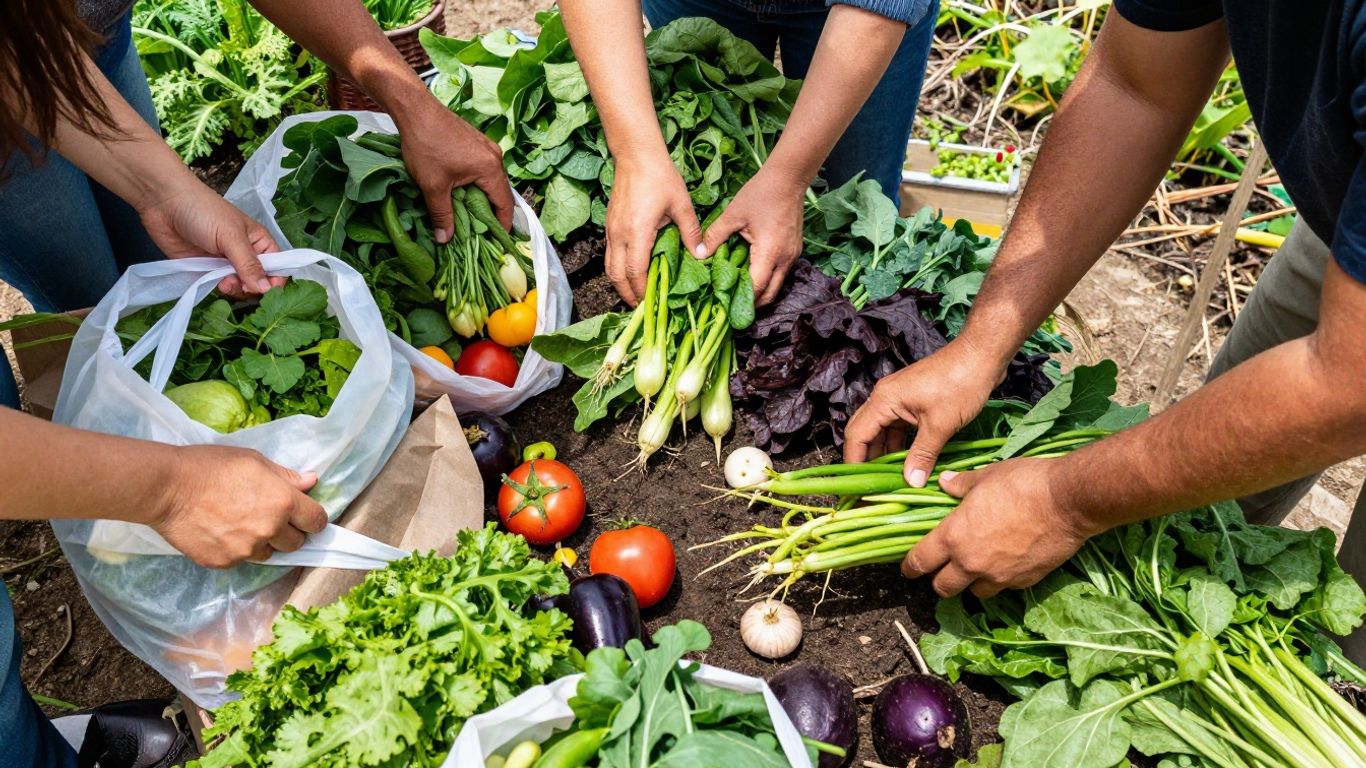
It’s easy to feel like reducing food waste is a solo mission, just you and your fridge. But there’s a whole network of people and organizations working on this too. When we think about tackling food waste, it’s not just about what happens in our own kitchens. There are bigger efforts happening all around us that we can be a part of.
Supporting Food Rescue Organizations
Think about all the food that gets produced but never makes it to our plates. Food rescue organizations are like the superheroes of the food waste world. They step in to collect perfectly good food that might otherwise be thrown away – from farms, grocery stores, and restaurants – and get it to people who need it. Feeding America, for example, is a huge network that rescues billions of pounds of food each year. By supporting these groups, whether through donations, volunteering, or even just spreading the word, you’re helping to redirect food from landfills to dinner tables.
Donating Unused Non-Perishable Food
Sometimes we buy things we don’t end up using, or we have extra non-perishable items. Instead of letting them sit in the pantry until they expire, donating them is a great option. Local food banks and pantries are always looking for canned goods, pasta, rice, and other shelf-stable items. It’s a simple way to make sure food gets used and helps out neighbors in need at the same time. Just a quick check of your pantry before it goes bad can make a difference.
The Role Of Composting In Waste Management
Even with the best planning, some food scraps are inevitable. That’s where composting comes in. Instead of sending those peels, cores, and leftovers to the landfill where they create harmful methane gas, composting turns them into nutrient-rich soil. Many cities now have curbside composting programs, or you can start your own backyard compost bin. It’s a way to give food waste a second life, benefiting our gardens and reducing our environmental footprint. It closes the loop, turning waste into a resource.
When we connect our individual actions with larger community initiatives, the impact of reducing food waste grows significantly. It’s about building a system where good food doesn’t go to waste and benefits everyone.
Many groups are working together to cut down on food waste. These community efforts are making a real difference. Want to learn how you can help tackle food waste in your own neighborhood? Visit our website to discover simple steps and join the movement!
Making a Difference, One Meal at a Time
So, we’ve talked about how much food gets tossed out and how that hits our wallets and the planet. It might seem like a big problem, but the good news is, we can all do something about it right in our own kitchens. Simple steps, like planning meals, using up what we have, and storing food smartly, really add up. It’s not about being perfect, but about making small changes that feel doable. By being a little more mindful about our food, we can save money, eat better, and help take care of our environment. Let’s give it a try – our future selves, and the planet, will thank us.
Frequently Asked Questions
Why is throwing away food such a big deal?
When food rots in landfills, it creates a harmful gas called methane, which is bad for our planet. Plus, it’s like throwing money away! The food we waste costs families a lot of money each year.
How can planning meals help me waste less food?
Planning your meals for the week helps you use up the food you already have, especially things that spoil quickly. It also helps you make a smart grocery list so you only buy what you need, stopping you from overbuying.
What should I do with my leftovers?
Leftovers are great! Try to eat them within 3-4 days. You can also plan to use them for lunch the next day or get creative and turn them into a whole new meal. Freezing them is also a good option if you won’t eat them soon.
How can I make sure my food stays fresh longer?
Keep your fridge at the right temperature (below 40°F). Store raw meats on the bottom shelf so their juices don’t drip onto other foods. Also, organizing your fridge and pantry so older items are easy to see and grab first makes a big difference.
Are ‘sell by’ and ‘best by’ dates important for safety?
Not really for safety! These dates are mostly about the food’s quality, not when it becomes unsafe to eat. Unless it’s baby formula, you can often still eat food past these dates if it looks and smells okay. Use your best judgment!
What are some easy ways to use up food that’s about to go bad?
Wilted veggies can be great in soups or stir-fries. Overripe fruits are perfect for smoothies, muffins, or pancakes. Stale bread can become croutons or breadcrumbs. Get creative!
Why is buying frozen fruits and vegetables a good idea?
Frozen fruits and veggies are often picked at their peak freshness and then frozen, so they keep their nutrients. They can be cheaper than fresh, especially when they’re out of season, and they last much longer, preventing waste.
Besides eating at home, how else can I help reduce food waste?
You can support groups that rescue extra food and give it to people who need it. If you have non-perishable food that you won’t use, donate it to a food pantry. Composting food scraps is also a great way to turn waste into useful soil.