
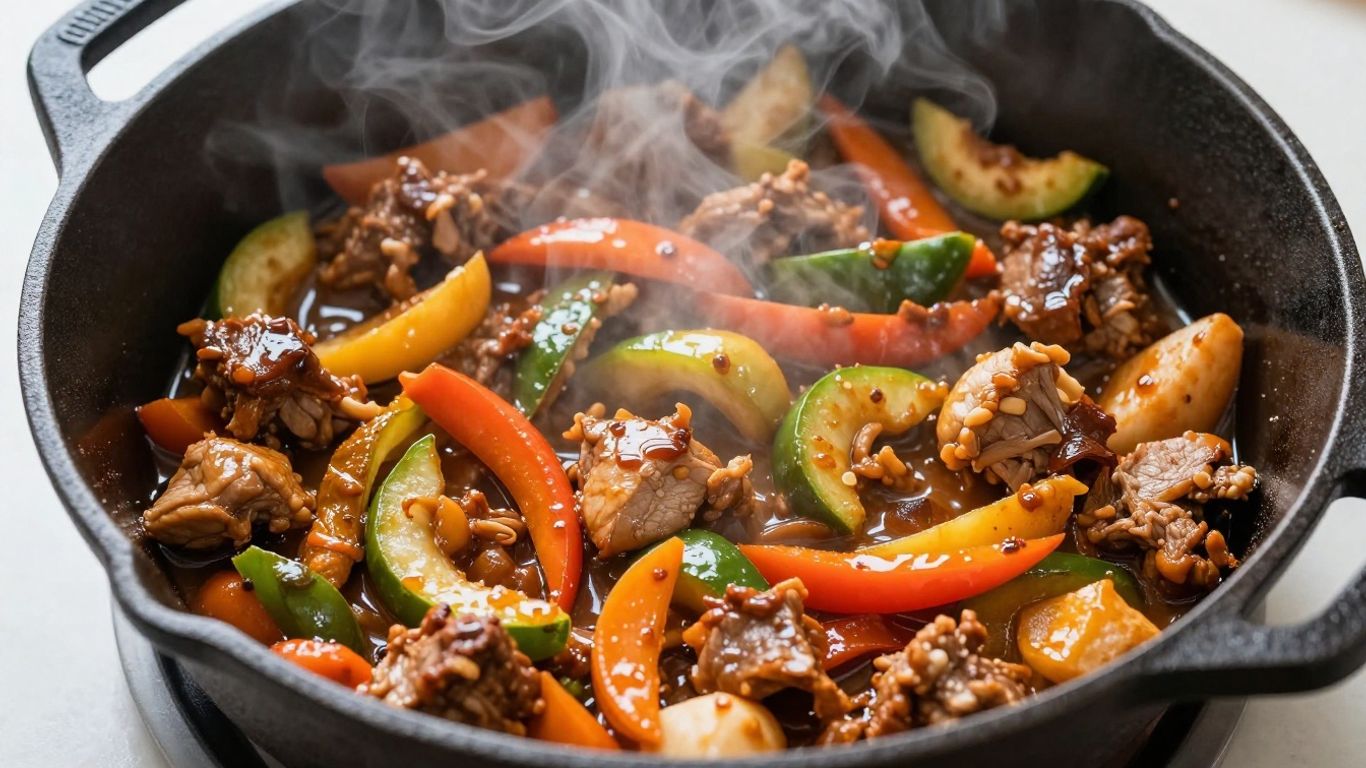
So, you’re looking to make some seriously tasty meals without a ton of fuss? Skillet dinners are where it’s at. They’re perfect for when you’re tired after a long day but still want something good on the table. We’re talking about searing, steaming, and saucing all in one pan. It makes cooking faster and cleanup way easier. Plus, you can make all sorts of dishes, from quick weeknight meals to something a bit fancier for guests. Let’s get cooking!
Key Takeaways
- Skillet dinners simplify cooking by using just one pan, cutting down on dishes and prep time.
- Mastering techniques like searing and steaming in a skillet builds layers of flavor quickly.
- A variety of sauces can be made directly in the skillet to complement different proteins and vegetables.
- From weeknight speed to comforting classics and global flavors, skillet meals offer diverse options.
- Skillet cooking is efficient, making it ideal for busy schedules and reducing kitchen cleanup.
Mastering The Skillet: A Foundation For Flavor
The Versatile Skillet: More Than Just A Pan
Think of your skillet as the workhorse of your kitchen. It’s not just for frying eggs anymore. From searing a steak to simmering a sauce, a good skillet can handle a surprising amount of culinary heavy lifting. It’s the kind of pan that can go from the stovetop right to the table, making meals feel a little more special without adding extra dishes. Seriously, the possibilities are pretty wide open with this one.
Achieving The Perfect Sear
Getting that beautiful, golden-brown crust on your food is all about heat and patience. A hot skillet is your best friend here. You want to preheat your pan properly before adding your ingredients. This means letting it get good and hot, maybe even shimmering a bit, before anything touches it. For meats, this creates a flavorful crust while keeping the inside juicy. For vegetables, it brings out their natural sweetness and adds a nice texture.
Here’s a quick rundown for a great sear:
- Dry your food: Moisture is the enemy of a good sear. Pat your ingredients completely dry with paper towels.
- Hot pan, don’t crowd: Make sure your skillet is hot before adding food. Cook in batches if necessary to avoid overcrowding, which lowers the pan temperature and leads to steaming instead of searing.
- Resist the urge to move: Let the food cook undisturbed for a few minutes to develop that crust before flipping.
The Art Of Steaming In A Skillet
Steaming in a skillet might sound a bit odd, but it’s a super effective way to cook delicate ingredients or finish dishes. You can add a small amount of liquid – like water, broth, or wine – to the hot skillet after searing. Then, cover it quickly. The steam generated will cook your food gently and evenly. This method is great for vegetables, fish, or even dumplings. It traps moisture and flavor, making for tender results every time. It’s a simple trick that really makes a difference in the final dish.
Quick Skillet Dinners For Busy Weeknights
When the clock is ticking and hunger is calling, the humble skillet becomes your best friend. Forget the elaborate setups and the mountain of dishes; these quick skillet dinners are designed to get a delicious meal on the table without the fuss. We’re talking about meals that come together in 30 minutes or less, perfect for those evenings when cooking feels like a chore.
Speedy Chicken & Vegetable Skillet
This is a go-to for a reason. It’s adaptable and fast. You can swap out the vegetables based on what’s in your fridge or what’s in season. Think broccoli, bell peppers, snap peas, or even some pre-shredded cabbage.
Key Steps:
- Sear your chicken pieces until golden brown and cooked through.
- Add your chosen vegetables and stir-fry until tender-crisp.
- Toss with your favorite sauce – a simple soy-ginger mix or a store-bought teriyaki works wonders.
Fast Fish Fillets In The Skillet
Fish cooks incredibly quickly, making it ideal for weeknight meals. Delicate fillets like tilapia, cod, or sole can be pan-seared to perfection in just a few minutes per side. The trick is not to overcook them.
- Tip: Pat your fish fillets completely dry before seasoning and searing. This helps create a nice crust.
Rapid Beef & Rice Skillet
For a heartier option, ground beef or thinly sliced steak can be browned quickly in the skillet. Add some rice, broth, and your favorite seasonings, and let it simmer. It’s a complete meal in one pan.
This type of meal is fantastic for using up leftover cooked rice too. Just toss it in towards the end to heat through, saving even more time.
Here’s a quick look at how some of these might stack up:
| Meal Type | Approximate Cook Time | Main Protein | Key Veggies |
|---|---|---|---|
| Chicken & Veggie | 25 minutes | Chicken | Broccoli, Peppers |
| Fish Fillets | 15 minutes | White Fish | Asparagus, Zucchini |
| Beef & Rice | 30 minutes | Ground Beef | Onions, Corn |
These meals prove that you don’t need a lot of time or fancy ingredients to make something satisfying and tasty. The skillet is your shortcut to a good dinner, no matter how busy your schedule is.
Elevating Skillet Meals With Savory Sauces
Sauces are where the magic really happens in skillet cooking. They take simple ingredients and turn them into something special, adding depth and flavor that can transform a weeknight dinner into a restaurant-worthy meal. Think of sauces as the finishing touch, the element that ties everything together.
Creamy Tuscan Chicken Sauce
This sauce is a game-changer for chicken. It’s rich, creamy, and packed with flavor from sun-dried tomatoes, garlic, and spinach. It’s surprisingly simple to whip up right in the skillet after searing your chicken.
- Start by sautéing minced garlic in olive oil until fragrant.
- Add sun-dried tomatoes (oil-packed work great) and cook for a minute.
- Pour in heavy cream and let it simmer and thicken.
- Stir in fresh spinach until it wilts.
- Season with salt, pepper, and a pinch of red pepper flakes if you like a little heat.
This sauce is fantastic served over pan-seared chicken breasts, but it’s also delicious with pork or even as a pasta sauce.
Honey Garlic Glaze For Salmon
For fish, especially salmon, a sweet and savory glaze is a perfect match. This honey garlic glaze is quick to make and gives salmon a beautiful, sticky finish. It’s a great way to get that perfect sear on your fish while infusing it with flavor.
Here’s a basic ratio to get you started:
| Ingredient | Quantity |
|---|---|
| Honey | 1/4 cup |
| Soy Sauce | 2 tablespoons |
| Garlic, minced | 2 cloves |
| Ginger, grated | 1 teaspoon |
| Sesame Oil | 1 teaspoon |
Whisk all ingredients together in a small bowl. Pour into the skillet with your seared salmon during the last few minutes of cooking, letting it bubble and thicken. This glaze is incredibly versatile and works well on chicken or shrimp too.
Tangy Teriyaki Sauce For Beef
Beef and teriyaki are a classic pairing for a reason. A homemade teriyaki sauce adds a wonderful sweet and tangy kick that complements the richness of beef. It’s ideal for dishes like stir-fries or beef and rice skillets.
Making your own teriyaki sauce means you control the ingredients and can adjust the sweetness and tanginess to your liking. It’s a simple process that yields a much better result than most store-bought versions.
To make a basic teriyaki sauce:
- Combine soy sauce, mirin (or rice wine vinegar with a pinch of sugar), and brown sugar in a small saucepan.
- Bring to a simmer and cook until the sugar dissolves.
- If you want a thicker sauce, mix a teaspoon of cornstarch with a tablespoon of water and stir it into the simmering sauce until it thickens.
- Add a splash of sesame oil at the end for extra flavor.
Hearty Skillet Dinners For Comfort And Ease
When you’re craving something that feels like a warm hug on a plate, skillet dinners are the way to go. They bring together simple ingredients and straightforward cooking methods to create meals that are both satisfying and easy to make. Forget complicated recipes and endless pots and pans; these dishes are all about bringing comfort to your table with minimal fuss.
Creamy Skillet Mac & Cheese
This isn’t your average boxed mac and cheese. We’re talking about a rich, creamy, and utterly comforting dish made right in your skillet. It starts with browning some sausage, then adding pasta, broth, and milk, letting it all simmer together until the pasta is perfectly cooked and the sauce is thick and cheesy. It’s a one-pan wonder that the whole family will ask for again and again.
Skillet Pork Chops With Apples
This dish is a classic for a reason. Tender pork chops are seared to golden perfection in the skillet, then simmered with sweet apples and a touch of spice. The combination of savory pork and sweet, slightly tart apples is a match made in comfort food heaven. It’s a meal that feels special enough for a weekend but is simple enough for a weeknight.
Here’s a quick look at what makes this dish so good:
- Pork Chops: Choose bone-in or boneless, about 1-inch thick.
- Apples: Honeycrisp, Fuji, or Gala work well for their sweetness and texture.
- Aromatics: Onions and garlic form the flavor base.
- Liquid: Chicken broth and a splash of apple cider or juice add moisture and flavor.
- Spice: A pinch of cinnamon or nutmeg complements the apples beautifully.
Hearty Beef Tortellini Skillet
This recipe takes pasta night to a whole new level of ease. Ground beef is browned in the skillet, then combined with tortellini, a flavorful sauce, and cheese. Everything cooks together in one pan, meaning less cleanup and more time to enjoy your meal. It’s a hearty, crowd-pleasing dish that comes together surprisingly fast.
The beauty of these hearty skillet meals lies in their ability to transform simple ingredients into deeply satisfying dishes. They prove that comfort food doesn’t need to be complicated or time-consuming, making them perfect for busy lives.
Here’s a general idea of the components you’ll find in these comforting skillet meals:
- Protein: Ground beef, pork chops, or chicken are common.
- Carbohydrates: Pasta, rice, or potatoes often feature.
- Vegetables: Onions, garlic, and sometimes heartier greens like spinach are included.
- Sauce/Liquid: Broth, cream, or tomato-based sauces bind everything together.
- Cheese: A final touch of melted cheese adds richness and flavor.
Global Flavors In Your Skillet
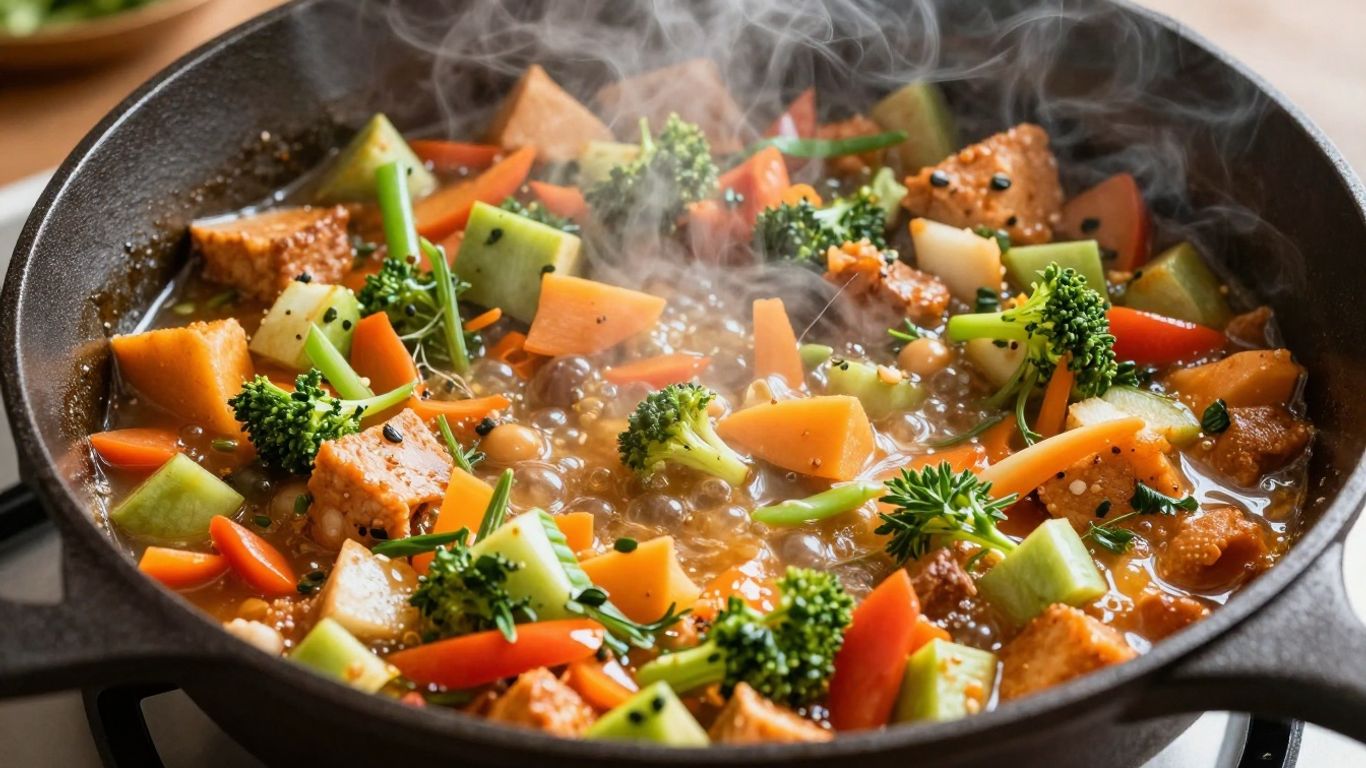
Tex-Mex Chicken Fajitas
Forget the restaurant waitstaff. You can whip up a sizzling plate of chicken fajitas right in your own kitchen, and it’s surprisingly simple. The magic happens when the chicken and peppers hit that hot skillet, releasing all those amazing aromas. It’s a classic for a reason – vibrant, flavorful, and always a crowd-pleaser. Plus, you get to control exactly what goes in, from the spice level to the toppings.
Mexican Beef ‘N’ Rice Skillet
This dish is a weeknight hero. Imagine tender ground beef, fluffy rice, and a medley of spices all coming together in one pan. It’s hearty, satisfying, and tastes like it took way longer to make than it actually did. Perfect for when you want something comforting without a lot of fuss.
Sweet Corn Shrimp & Rice Skillet
Bring some sunshine to your plate with this vibrant skillet meal. It’s a lighter option that doesn’t skimp on flavor. Think bright bell peppers, a hint of sweetness from corn, and perfectly cooked shrimp all tossed with rice. It’s a balanced meal that feels both healthy and indulgent.
Pro Tip: Don’t be afraid to add a splash of lime juice at the end for an extra burst of freshness.
Impressive Skillet Dishes For Any Occasion
Restaurant-Quality Cast-Iron Steak
Forget the pricey steakhouse. You can whip up a steak that rivals restaurant quality right in your own kitchen, and it takes less time than you might think. The secret? A screaming hot cast-iron skillet and a steak that’s patted completely dry before hitting the pan. This method creates a beautiful, flavorful crust that locks in all the juices. Seasoning is key here – don’t be shy with salt and pepper.
Pro Tip: Let your steak rest for at least 5-10 minutes after cooking before slicing. This allows the juices to redistribute, making for a more tender bite.
Elegant Salmon With Honey Garlic Glaze
This dish looks and tastes like something you’d order at a nice restaurant, but it comes together surprisingly fast, making it perfect for a weeknight treat or a special occasion. The sweet and savory honey garlic glaze caramelizes beautifully on the salmon, creating a sticky, delicious coating. It’s a simple recipe that feels incredibly sophisticated.
- Prep Time: 10 minutes
- Cook Time: 15-20 minutes
- Serves: 2-4
Garlic Butter Steak Bites
These little bites of heaven are perfect for appetizers or as a main course served over rice or with a side salad. Cubed steak cooks quickly in a hot skillet, and the garlic butter sauce is ridiculously addictive. It’s a simple way to make a big impression without a lot of fuss. The key is to not overcrowd the pan when searing the steak bites, so they get a nice brown crust instead of steaming.
The beauty of skillet cooking is its ability to transform simple ingredients into something truly special with minimal effort and cleanup. These impressive dishes prove that you don’t need a lot of fancy equipment or techniques to create restaurant-worthy meals at home.
Skillet Desserts: A Sweet Surprise
Decadent Skillet Texas Sheet Cake
Who says dessert has to mean a pile of extra dishes? Not us! This skillet Texas sheet cake is a game-changer. You prepare the batter and the frosting right in the same pan, which means less cleanup and more enjoyment. Imagine digging into a warm, gooey cake straight from the skillet, topped with a generous scoop of ice cream. It’s pure comfort. The beauty of this dessert is its simplicity; it’s rich, chocolatey, and surprisingly easy to pull off, making it perfect for any occasion, or just because.
Warm Skillet Cornbread Delight
There’s something incredibly satisfying about a golden-brown skillet cornbread. It’s a classic for a reason. The cast-iron skillet gives the cornbread a wonderfully crisp crust all around, while keeping the inside moist and tender. It’s the kind of treat that brings a smile to everyone’s face, especially when served warm. Plus, making it in a skillet means fewer pans to wash, which is always a win. It’s great on its own, or as a side to a hearty meal.
Skillet Desserts: Simple, Satisfying, and Delicious
Don’t let the idea of dessert intimidate you. Skillet desserts prove that you can create something truly special with minimal fuss and fewer dishes. From rich chocolate cakes to comforting cornbread, the skillet is your secret weapon for sweet endings.
Maximizing Flavor With Skillet Techniques
You know, sometimes it feels like we’re just going through the motions in the kitchen. We grab ingredients, toss them in a pan, and hope for the best. But what if I told you there are simple tricks you can use with your skillet to really make your food sing? It’s not about fancy gadgets; it’s about understanding how to use the heat and your ingredients to their fullest potential.
The Power Of Butter Basting
Butter basting is one of those techniques that sounds fancy but is surprisingly easy. Once your protein, like a steak or chicken breast, has a good sear on it, you add butter, some aromatics like garlic and herbs, to the pan. Then, you tilt the pan and use a spoon to continuously scoop that melted, flavored butter over the food. This process adds richness and helps cook the food gently while infusing it with incredible flavor. It’s a quick way to make a simple dish feel restaurant-worthy.
Infusing Aromatics Like Garlic & Rosemary
Don’t just toss raw garlic and herbs into your skillet and expect magic. For garlic, smashing it with the side of your knife before adding it to the pan helps release its oils and flavor more effectively. When it comes to herbs like rosemary or thyme, adding them to the hot fat (especially during butter basting) allows their essential oils to bloom, filling your kitchen with amazing smells and your food with deep flavor. It’s a small step that makes a big difference.
Seasoning For Maximum Impact
This might sound obvious, but how you season your food is key. For things like steak, don’t be shy with the salt and pepper. A good, thick steak needs a generous amount of seasoning to stand up to its flavor. Patting your protein completely dry before seasoning and searing is also super important. Moisture is the enemy of a good sear; it leads to steaming instead of browning, and you miss out on that delicious crust. Think of seasoning not just as adding salt, but as building layers of flavor from the start.
Getting the seasoning right means tasting as you go, adjusting as needed, and understanding that different ingredients need different approaches. It’s about building a foundation of taste that the other elements of your dish can build upon.
Here are a few tips to keep in mind:
- Room Temperature First: Let proteins like steak sit out for about 30 minutes before cooking. This helps them cook more evenly.
- Dry is Key: Always pat your ingredients thoroughly dry with paper towels before they hit the hot skillet. Moisture prevents browning.
- Hot Pan, Happy Food: Make sure your skillet is properly preheated. If it’s not hot enough, you won’t get that desirable sear.
- Don’t Crowd the Pan: Give your ingredients space. Overcrowding lowers the pan temperature and leads to steaming rather than searing.
Skillet Dinners: Simplifying Your Kitchen Routine
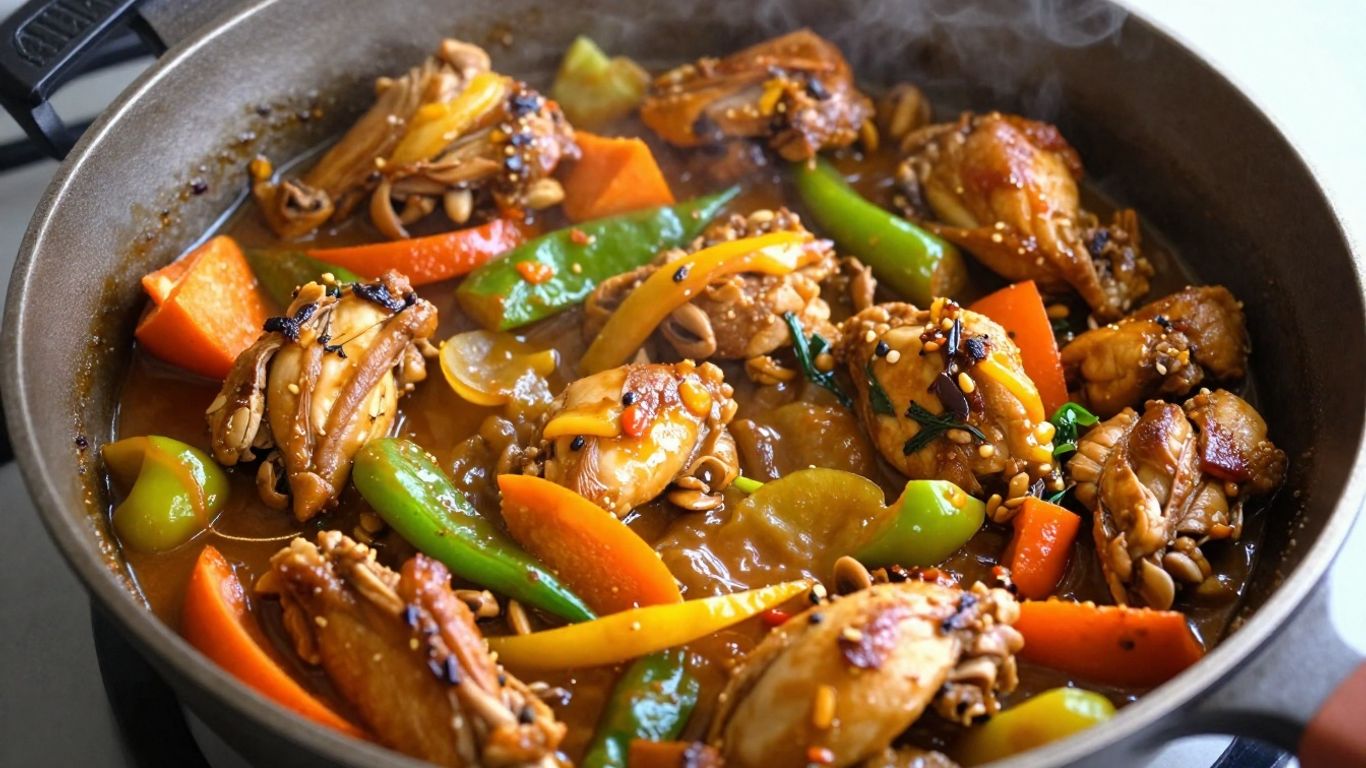
Reducing Dishwasher Loads
Think about your typical weeknight dinner. After the main course, you’re often left with a collection of pots, pans, cutting boards, and a sink full of utensils. Skillet meals change that. By cooking everything in one pan, you drastically cut down on the number of dishes that need washing. This means less time spent scrubbing and more time for yourself. It’s a simple shift that makes a big difference in your daily routine. Imagine finishing dinner and only having one pan, maybe a knife, and a plate to deal with. That’s the power of the skillet.
Streamlining Meal Preparation
Beyond just the cleanup, skillet dinners simplify the entire cooking process. Many recipes involve a single sequence of steps: chop your ingredients, toss them into the hot skillet, and cook. This streamlined approach means less juggling between different cooking vessels and fewer steps to keep track of. You can often prep all your ingredients while the skillet heats up, making the transition from kitchen prep to table even faster. This efficiency is a game-changer for busy schedules.
Effortless Cleanup Strategies
Cleanup is where skillet dinners truly shine. The key is often the non-stick quality of well-seasoned cast iron or a good quality non-stick pan. After cooking, most residue can be wiped away with a paper towel or a quick rinse. For tougher bits, a gentle scrub is usually all that’s needed. Here are a few tips to make cleanup even easier:
- Deglaze: After removing the food, add a little liquid (water, broth, wine) to the hot pan and scrape up any browned bits. This not only adds flavor to a potential sauce but also loosens stuck-on food.
- Soak (if needed): For stubborn messes, a short soak with warm water can work wonders. Avoid harsh scrubbing that can damage your pan’s surface.
- Proper Drying: Always dry your skillet thoroughly after washing, especially cast iron, to prevent rust and maintain its non-stick properties.
The beauty of skillet cooking lies in its directness. You sear, you sauté, you simmer – all in the same vessel. This minimizes mess and maximizes flavor, turning a potentially daunting task into an enjoyable, efficient part of your day.
Creative Skillet Combinations
Sometimes, the best meals come from mixing and matching ingredients you already have. Skillet cooking is perfect for this kind of culinary experimentation. It’s a forgiving method that lets you build layers of flavor without a lot of fuss. Think about what you have in your fridge and pantry – a bit of leftover cooked chicken, some wilting vegetables, maybe a half-used jar of sauce. These can all be transformed into something new and exciting.
Sausage & Couscous Skillet
This is a great way to use up those odds and ends. Start by browning some sliced sausage – Italian, kielbasa, or even chorizo work well. Once it’s cooked and a little crispy, remove it from the skillet and set aside. Then, sauté some chopped onions, bell peppers, and maybe a zucchini or some broccoli florets in the rendered sausage fat. Once the vegetables are tender-crisp, add some pre-cooked couscous (it cooks super fast!) and a splash of broth or water. Stir everything together, add the sausage back in, and season with your favorite herbs and spices. A sprinkle of cheese at the end never hurts.
Cheesy Onion Chicken Skillet
This one is pure comfort. Start by searing some chicken pieces, like thighs or breast cut into chunks, until golden brown. Remove the chicken and sauté thinly sliced onions in the same skillet until they’re soft and caramelized. This process brings out their natural sweetness. Add the chicken back to the pan, along with some chicken broth and maybe a dollop of cream cheese or a sprinkle of shredded cheddar. Let it simmer until the chicken is cooked through and the sauce is thick and bubbly. Serve it over rice, pasta, or just with some crusty bread for dipping.
Spicy Veggie Pasta Bake
Who says pasta bakes need to be complicated? This version is all done in one skillet. Start by sautéing some garlic and onions, then add your favorite chopped vegetables – think bell peppers, mushrooms, spinach, or even some frozen peas. Once the veggies are tender, stir in some cooked pasta (leftovers are great here!), a jar of marinara sauce, and a pinch of red pepper flakes for a little kick. Top with mozzarella or a mix of Italian cheeses and let it bubble away on the stovetop, covered, until the cheese is melted and gooey. It’s a hearty, satisfying meal that’s surprisingly simple to put together.
The beauty of skillet cooking lies in its adaptability. Don’t be afraid to swap ingredients based on what you have or what’s in season. A little creativity can turn simple components into a delicious, complete meal with minimal cleanup.
Looking for new ways to spice up your meals? Our "Creative Skillet Combinations" section is packed with fresh ideas to make your cooking exciting. Ready to try something new? Visit our website for more delicious recipes and tips!
Embrace the Skillet
So there you have it. Skillet cooking is a straightforward way to get a good meal on the table without a lot of fuss. You can sear, steam, and sauce all in one pan, which means less time cleaning up and more time enjoying your food. Whether you’re whipping up a quick weeknight dinner or trying something a little more special, the humble skillet is ready to help. Give these methods a try, and discover just how easy and delicious skillet meals can be.
Frequently Asked Questions
What makes skillet dinners so great?
Skillet dinners are awesome because you cook everything in just one pan! This means less mess to clean up later, and you can get dinner on the table super fast. Plus, cooking in a skillet helps lock in flavors, making your food taste amazing.
How do I get a good sear on my meat in a skillet?
To get a perfect sear, make sure your skillet is really hot before you add the meat. Pat your meat dry with paper towels so it browns nicely instead of steaming. Don’t crowd the pan; cook in batches if needed. A good sear means a tasty crust!
Can I steam vegetables in a skillet?
Absolutely! After you sear your meat or veggies, you can add a little liquid (like water or broth) to the hot skillet, then quickly cover it. The steam will cook your vegetables perfectly in just a few minutes.
What are some easy skillet meals for busy nights?
For quick meals, try a chicken and veggie skillet, fish fillets cooked with lemon and herbs, or a simple beef and rice dish. These usually take less than 30 minutes from start to finish!
How can sauces make skillet meals better?
Sauces add a burst of flavor and moisture to your skillet dishes. You can whip up a creamy sauce, a sweet and savory glaze, or a zesty sauce right in the same skillet after cooking the main ingredients. It’s like magic!
What’s the deal with butter basting?
Butter basting is a fancy way of saying you spoon melted butter over your food while it cooks. Adding things like garlic or herbs to the butter makes it even more flavorful, giving your dish a restaurant-quality taste.
Are skillet desserts a thing?
Yes, they are! You can make sweet treats like cakes or cornbread right in a skillet. It’s a fun and easy way to make a warm, comforting dessert that everyone can share straight from the pan.
Why are skillet meals good for cleaning up?
The best part about skillet meals is that you only use one pan! This means fewer dishes to wash by hand or put in the dishwasher. It makes tidying up after dinner a breeze.