
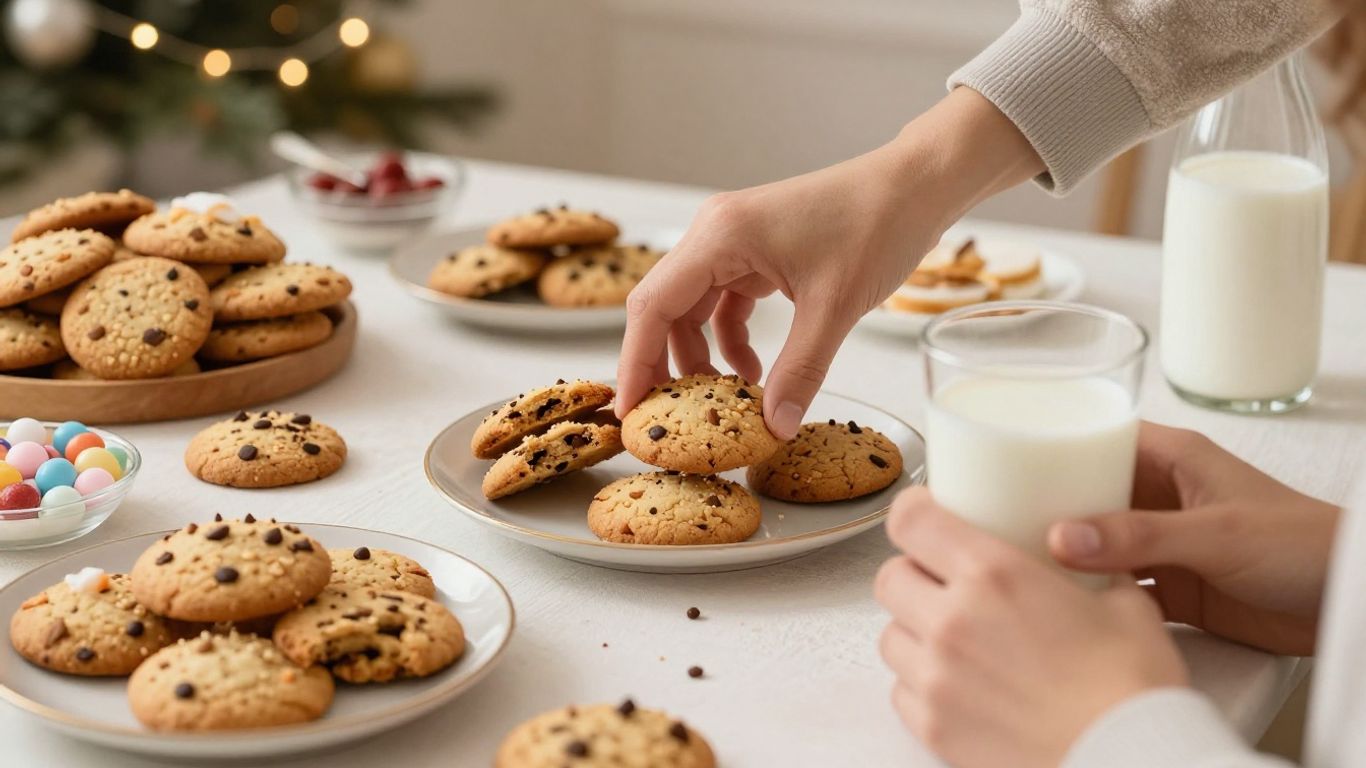
You can enjoy holiday treats without feeling out of control by setting a few simple guardrails: keep regular, protein-forward meals between celebrations, choose the treats that truly matter to you, and protect sleep and movement. The goal is not to avoid sugar for a month. It is to enjoy traditions on purpose instead of grazing through them on autopilot.
Below is a practical plan for the weeks when cookies, chocolate and baking seem to be everywhere.
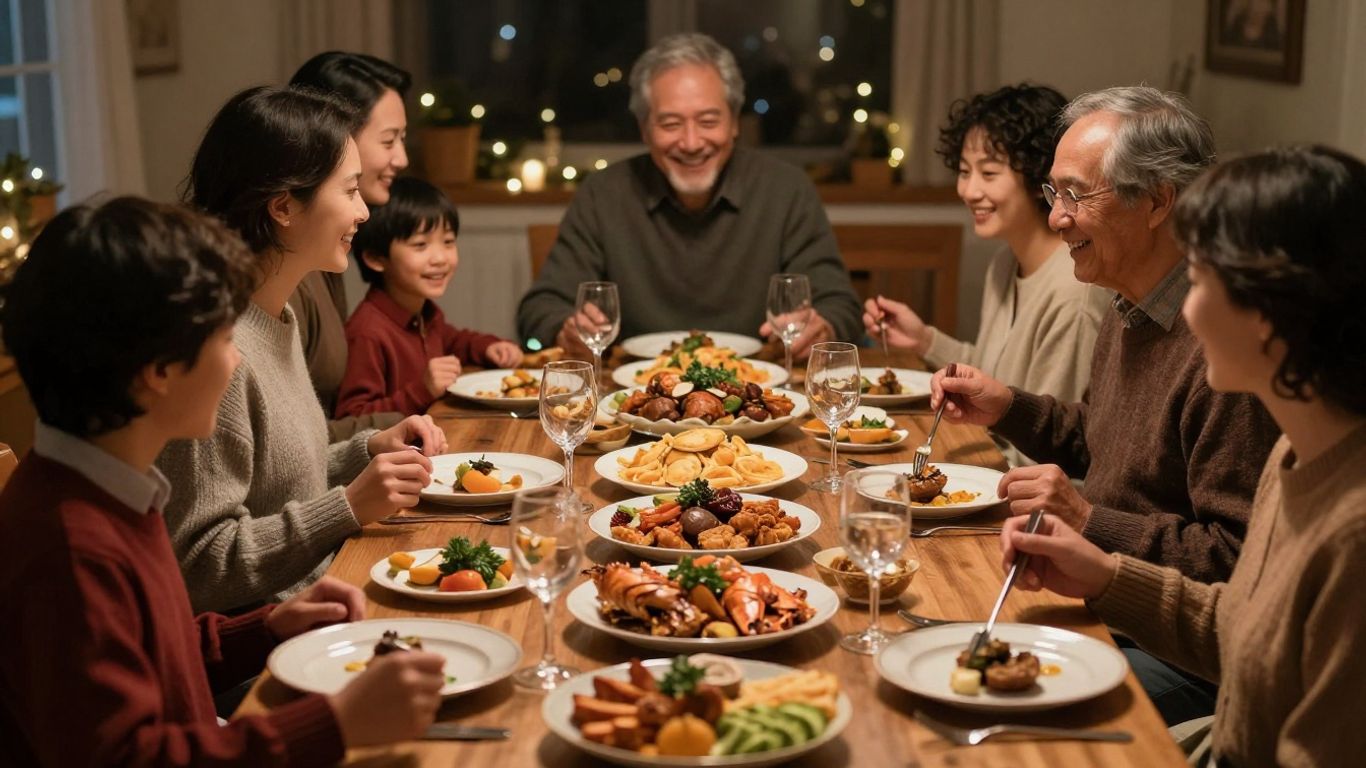
Keep the season in perspective
Holiday weight gain is often smaller than people fear. A frequently cited prospective study of 195 adults found an average gain of about 0.37 kg over the holiday period, well below the commonly repeated claim of 2 kg or more. The catch is that, on average, it was not lost again over the following months. That is a good reason to aim for steady habits rather than either a free-for-all or a strict diet you will abandon by mid-December.
Decide what matters before the season starts
Spend ten minutes listing your traditions and the foods tied to them. Then sort them:
- Keep: the foods that carry real meaning or that you love, such as a grandmother’s shortbread, a once-a-year pie, or baking day with the kids.
- Enjoy if it fits: foods you like but could take or leave.
- Skip: the office candy bowl, store-bought treats you do not even like, and the third dessert you take just because it is there.
This turns dozens of small decisions into one clear plan. When a treat is on your “keep” list, you eat it slowly, sitting down, and without guilt.
Anchor meals: the most useful guardrail
Many sugar binges start with a skipped meal. Arriving at a party very hungry makes it much harder to stop after one or two treats. Anchor meals are the regular, balanced meals you eat no matter what is on the calendar.
- Breakfast: eggs and toast, Greek yogurt with fruit, or oatmeal made with milk and topped with nuts.
- Lunch: a big salad or soup with beans, chicken, tofu or fish, plus a whole-grain side.
- Pre-party snack: an apple with peanut butter, a cheese stick and crackers, or hummus and vegetables an hour or two before you go.
Health Canada’s guidance on healthy eating at holidays and events recommends having plenty of vegetables and fruit, choosing whole grains, making water your drink of choice, and noticing your hunger and fullness cues. Anchor meals make all of those easier.
Why protein helps
Meals with a solid source of protein and some fibre tend to keep you satisfied for longer than a meal of mostly sweets or refined starch. That fullness makes it easier to enjoy one piece of pie instead of picking at the dessert table all evening.
Enjoy treats on purpose
Intentional eating is different from restriction. A few habits that help:
- Plate it. Put your chosen treats on a plate instead of eating from the tin or the tray.
- Sit down. Health Canada suggests taking time to eat and sitting down to focus on your food.
- Savour smaller portions. Cut squares in half, take a sliver of each pie you want to try, or share a dessert.
- Pause before seconds. Wait ten minutes, have a glass of water, and then ask yourself if you still want more.
- Move the bowl. At home, keep baking in closed containers, out of sight, rather than on the counter.
For calmer ways to end the day with something sweet, see dessert rituals that end the day well, and for lighter options, frozen fruit desserts without added sugar.
Drinks count too
Holiday drinks can add a surprising amount of sugar. Health Canada notes that drinks can add extra calories, sodium, sugars or saturated fat to a meal. Keep festive drinks festive but simple:
- Sparkling water with cranberries, orange slices or a splash of juice
- Hot chocolate made with milk, in a smaller mug
- Herbal teas such as peppermint, cinnamon or rooibos
- Water as the default between everything else
Skipping alcohol entirely also supports better sleep, steadier appetite and your weight goals during a busy season.
Movement as support, not punishment
You do not have to “earn” holiday food. Movement during this season is about mood, stress and sleep. A minimum plan works better than an ambitious one you abandon:
- A 10 to 20 minute walk most days, ideally after the biggest meal
- Two short strength sessions a week
- Family movement traditions: skating, sledding, a walk to see lights
Sleep and stress: the hidden drivers
Late nights and busy schedules make sweets more tempting. Protect a regular bedtime on most nights, plan a few evenings at home, and say no to events that drain you. Lower stress usually means less grazing.
Handling diet talk and comments
Holiday tables often come with comments about weight or food. Have a few calm phrases ready:
- “I’m good for now, thank you. It was delicious.”
- “I’d love to take a piece home for later.”
- “Let’s talk about something other than food. How was your trip?”
You do not owe anyone an explanation for what is or is not on your plate. If you would like more scripts, our guide to social scripting for buffets and potlucks has a full set.
A sample guardrail day
Here is what a typical party day might look like with these guardrails in place:
| Time | Plan |
|---|---|
| Breakfast | Eggs, whole-grain toast and an orange |
| Morning | A 20-minute walk, or skating with the kids |
| Lunch | Lentil soup and a big salad with chickpeas |
| Afternoon snack | Apple with peanut butter and a glass of water |
| Evening party | A plate with vegetables and protein first, then one or two “keep list” treats, plated and savoured |
| Before bed | Herbal tea and your usual bedtime |
Nothing on this list is strict or unusual. It simply makes sure the treats are a pleasant part of the day rather than the whole day.
If you overdo it
One heavy day does not undo your habits. Go back to your next anchor meal, drink water, take a walk, and get to bed on time. Skipping meals the next day to “make up for it” usually backfires and sets up another round of overeating.
When to check with a professional
If you have diabetes or prediabetes, ask your healthcare team how to plan holiday meals and treats around your medication and glucose targets. If holiday food brings up intense guilt, a feeling of loss of control, or compensating behaviours such as skipping meals or over-exercising, talk with your doctor. In Canada, NEDIC offers free, confidential support.
Key takeaways
- Decide ahead which treats are worth it, and enjoy those fully.
- Eat regular, protein-forward anchor meals so you never arrive at parties starving.
- Plate treats, sit down and savour smaller portions.
- Choose water, sparkling water, milk-based hot chocolate or herbal tea as your go-to drinks.
- Protect sleep, walk most days, and return to your routine right after a big day.