Love My Weight

Minimum Viable Workout: templates for the busiest days

Look, fitting in a workout when your life feels like a juggling act can seem impossible. We’ve all been there, staring at a calendar packed tighter than a rush-hour train, wondering how exercise is supposed to happen. But what if I told you that you don’t need hours to make a difference? This guide is all about the minimum viable workout – the absolute essentials that get results, even on your busiest days. We’ll break down how to find those sneaky pockets of time, what super-efficient exercises actually work, and how to make fitness a consistent part of your life without adding more stress.

Key Takeaways

  • Identify your personal peak energy times and map out your weekly commitments to find realistic windows for exercise, no matter how small.
  • Embrace time-efficient strategies like HIIT, Tabata, supersets, and circuit training to maximize calorie burn and fitness gains in minimal time.
  • Develop a minimum viable workout plan – a stripped-down routine that can be completed in 15-20 minutes, focusing on consistency over perfection.
  • Integrate movement throughout your day with mini-workouts and micro-sessions, recognizing that the cumulative effect of small bursts of activity adds up.
  • Make fitness work for your life by creating a flexible training environment, simplifying nutrition and recovery, and using technology and accountability systems to stay on track.

Understanding Your Time Constraints

When your schedule feels like a game of Tetris with no clear way to fit everything in, finding time for a workout can seem like a fantasy. But the truth is, most of us have more pockets of opportunity than we realize. It’s not about finding an extra hour; it’s about recognizing and utilizing the time you already have, even if it’s just a few minutes here and there.

Identify Peak Energy Hours

We all have natural fluctuations in our energy levels throughout the day. Some people feel most alert and productive first thing in the morning, while others hit their stride in the afternoon or evening. Paying attention to your body’s natural rhythm is key to making your workouts more effective. Instead of forcing yourself to exercise when you’re already feeling drained, try to schedule your sessions during your peak energy times. This might mean an early morning run before the household wakes up, a midday power walk during your lunch break, or an evening strength session when your mind is clearer.

To figure out your personal energy patterns, try keeping a simple log for a week. Note down when you feel most focused, when you experience a slump, and when you have a natural surge of energy. You might be surprised by what you discover.

Map Out Weekly Commitments

Take a hard look at your calendar. Block out all your non-negotiable commitments: work hours, commute time, family responsibilities, appointments, and any other fixed events. What remains are the potential windows for your workouts. Don’t rely on a vague idea of ‘free time’; visualize your actual availability. Using a color-coding system can be helpful:

  • Red: Completely unavailable
  • Yellow: Potentially flexible or short windows
  • Green: Open time slots

This visual representation provides a realistic picture of your week and helps pinpoint where a 15-minute workout might actually fit.

Find Hidden Pockets of Time

Time isn’t always found in large, uninterrupted blocks. Often, it’s hidden in the small gaps between your scheduled activities. Think about those 10-20 minutes waiting for a meeting to start, during a conference call where you’re mostly listening, or while dinner is cooking. These aren’t wasted moments; they’re opportunities for movement. Parking further away from your destination and walking briskly, taking the stairs instead of the elevator, or doing a few bodyweight exercises while waiting for your kids can all add up. These micro-sessions, when accumulated, contribute significantly to your overall activity levels and fitness goals.

Embracing Efficient Workout Strategies

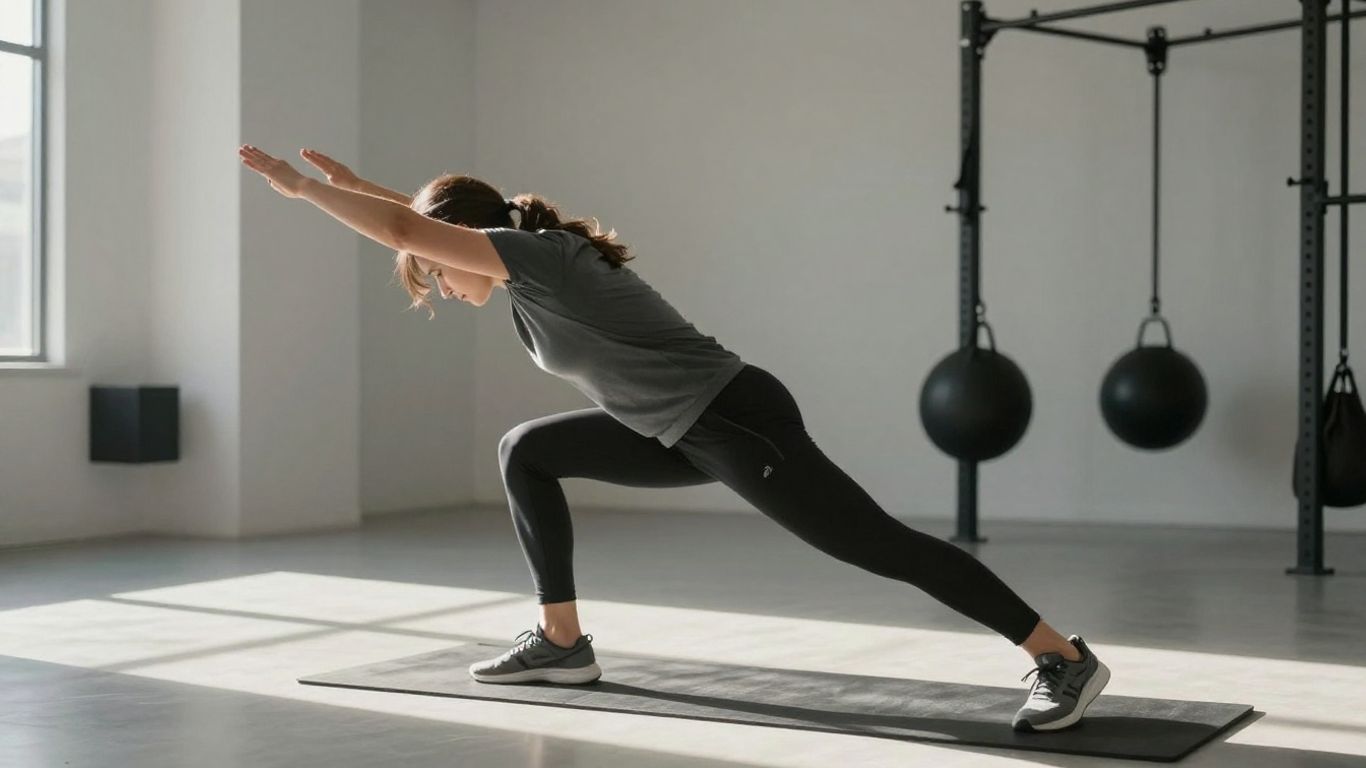
Person doing a quick, effective workout in a bright gym.

When time is tight, the idea of a long gym session can feel impossible. But you don’t need hours to get a solid workout. The key is to focus on methods that pack a punch in a short amount of time. These strategies are designed to maximize your effort and results, even when your schedule is packed.

High-Intensity Interval Training (HIIT)

HIIT is a game-changer for busy schedules. It involves short bursts of all-out effort followed by brief recovery periods. Think 30 seconds of intense work, then 15 seconds of rest. This approach can torch calories and boost your fitness in as little as 15-20 minutes. A big plus is the ‘afterburn’ effect, where your body keeps burning calories long after you’ve finished exercising. It’s a smart way to get a lot done quickly.

Here’s a quick HIIT example:

  • Jumping Jacks: 30 seconds (go hard!)
  • Rest: 15 seconds
  • Mountain Climbers: 30 seconds
  • Rest: 15 seconds
  • High Knees: 30 seconds
  • Rest: 15 seconds

Repeat this circuit four times. That’s an effective workout in under 10 minutes.

Tabata Protocols

Tabata takes HIIT a step further. It’s a specific protocol of 20 seconds of maximum effort followed by 10 seconds of rest, repeated eight times. This totals just four minutes per exercise. Don’t let the short duration fool you; a proper Tabata session will leave you breathless and feeling like you’ve worked hard.

To do a Tabata set:

  1. Choose one exercise (like squats, push-ups, or kettlebell swings).
  2. Perform the exercise with maximum effort for 20 seconds.
  3. Rest for 10 seconds.
  4. Repeat steps 2 and 3 for a total of eight rounds.

For a more complete workout, you can string together two or three different Tabata exercises.

Superset Training

Supersets are fantastic for cutting down workout time by pairing two exercises back-to-back with minimal rest in between. This keeps your heart rate up and challenges different muscle groups simultaneously, effectively doubling your intensity without doubling your time.

Consider these superset pairings:

  • Push-ups followed immediately by dumbbell rows.
  • Bodyweight squats followed immediately by walking lunges.
  • Bicep curls followed immediately by tricep dips.

This method can often cut your workout time in half while still providing a challenging session.

Circuit Workouts

Circuit training involves stringing together a series of exercises (typically 5-8) that you perform one after another with very little rest. You move from one exercise to the next, hitting multiple muscle groups and keeping your cardiovascular system engaged throughout. This is another excellent way to get a full-body workout in a condensed timeframe.

A circuit workout is like a well-oiled machine, where each part (exercise) flows smoothly into the next, creating a powerful, continuous output of effort. It’s about sustained movement and keeping the momentum going, turning a short period into a highly productive fitness session.

This approach is highly adaptable, whether you’re at home with bodyweight exercises or have access to weights and machines. The goal is continuous movement, making every minute count.

Developing Your Minimum Viable Workout Plan

The Stripped-Down Routine

Look, life happens. Some days, the stars just don’t align for your usual hour-long gym session. That’s where the "minimum viable workout" (MVW) comes in. Think of it as your emergency backup plan – the absolute bare-bones routine you can complete when time is razor-thin, maybe 15 to 20 minutes tops. It’s not about hitting personal bests; it’s about showing up. A sample MVW might look like this:

  • 3 rounds of:
    • 10 push-ups
    • 15 bodyweight squats
    • 30-second plank

This isn’t the most glamorous workout, but it’s infinitely better than skipping entirely. The goal here is consistency, not perfection. Sometimes, "good enough" truly is good enough to keep the momentum going.

Consistency Over Perfection

We’ve all been there: aiming for five intense workouts a week when we’re already juggling work deadlines, family needs, and maybe a social life. Setting unrealistic goals is a fast track to disappointment. If you’re currently doing zero workouts, jumping to three intense sessions is a recipe for burnout. Start smaller. Try one 30-minute session. Master that for a month, then consider adding another. Small, achievable wins build real momentum.

The most effective approach for busy individuals isn’t about finding extra time; it’s about making time. Scheduling workouts like important appointments, ideally at the start of the week, makes them non-negotiable. This proactive strategy prevents workouts from being derailed by unexpected meetings or late-running projects.

Building Momentum with Small Wins

Don’t underestimate the power of small victories. When you’re pressed for time, focus on completing something. Even a quick 10-minute circuit can make a difference. The key is to build a habit of movement, no matter how brief. Over time, these short sessions accumulate, contributing to your overall fitness and well-being. Think of it like this: a 10-minute walk is better than no walk, and a 15-minute bodyweight circuit is better than no workout at all. These small wins prevent you from falling off the wagon completely and make it easier to return to your more extensive routine when your schedule allows.

Maximizing Movement Throughout the Day

Person doing a quick workout at home.

Finding time for a full workout can feel like a luxury when your schedule is packed. But what if you could weave movement into the fabric of your day? It turns out, those small bursts of activity add up more than you might think. The key is to stop viewing exercise as a separate event and start seeing it as an integrated part of your daily life.

Mini-Workouts Between Activities

Think of your day not as a series of blocks, but as a series of moments. Those 5-10 minutes between meetings, while waiting for a call to connect, or during a commercial break can be surprisingly productive. Instead of scrolling through your phone, try a few quick exercises. This could be as simple as 20 squats, 15 push-ups against a wall, or a 30-second plank. Even short bursts of activity can help break up sedentary periods and keep your metabolism ticking.

The Cumulative Effect of Micro-Sessions

It’s easy to dismiss a 5-minute walk or a set of calf raises as insignificant. However, when you string these micro-sessions together throughout the day, their impact becomes substantial. Imagine adding three 5-minute walks and two 2-minute movement breaks to your day. That’s 21 minutes of extra activity, which can burn an extra 100-200 calories weekly, depending on intensity. Over time, this consistent accumulation of movement contributes significantly to overall fitness and well-being.

Here’s a sample breakdown of how micro-sessions can add up:

Time of Day Activity Duration Notes
Morning Stair climbing 5 min While coffee brews
Mid-morning Desk push-ups 2 min Between emails
Lunch Break Brisk walk 10 min Around the block
Afternoon Chair squats 3 min During a conference call (if appropriate)
Evening Dynamic stretching 5 min Before dinner

Integrating Movement into Daily Tasks

Look for opportunities to add movement to everyday chores and routines. Instead of driving to the closest parking spot, park further away and walk. Take the stairs instead of the elevator whenever possible. If you use public transport, try standing for the duration of your commute or getting off a stop early. Even small changes, like doing lunges while you wait for the microwave or holding a wall sit while brushing your teeth, can make a difference. These aren’t workouts; they’re just smarter ways to move.

Don’t wait for the perfect hour or the ideal gym setup. Movement is medicine, and even small doses taken consistently can have a profound impact on your health and energy levels. Embrace the opportunities that already exist within your day.

Creating a Flexible Training Environment

Life happens, and sometimes your usual gym routine just isn’t in the cards. That’s where building a flexible training environment comes in. It’s about having options readily available, so you can get a workout in no matter where you are or what your day throws at you. Think of it as your personal fitness toolkit, ready for deployment.

Home Gym Essentials

You don’t need a dedicated room or fancy equipment to make your home a workout zone. A small corner can be enough. Start with the basics:

  • Yoga Mat: For comfort during floor exercises and stretching.
  • Resistance Bands: Inexpensive, portable, and incredibly versatile for strength training.
  • Adjustable Dumbbells or Kettlebells: A couple of weights can cover a wide range of exercises and save space.
  • Jump Rope: A fantastic, compact tool for quick cardio bursts.

With these items, you can perform hundreds of exercises targeting every major muscle group. The biggest advantage? Your gym is literally steps away, making it easy to squeeze in a session whenever a gap appears.

Office Exercise Options

Who says your workday has to be sedentary? There are ways to sneak in movement right at your desk or in unused office spaces. Your colleagues might raise an eyebrow, but the benefits are worth it.

  • Desk Squats: Stand up and sit down from your chair repeatedly without fully sitting back down.
  • Calf Raises: Do these while standing at your desk or even during a phone call.
  • Wall Sits: Find an empty wall and hold a seated position for a minute or two.
  • Resistance Band Pull-Aparts: Keep a band in your drawer to work your upper back and shoulders.

Even a quick 10-minute circuit in an empty conference room before lunch can make a difference. The key is to be proactive and look for opportunities.

Commute-Time Fitness Hacks

Your commute doesn’t have to be wasted time. Whether you use public transport or drive, there are ways to add activity.

  • Public Transport: Stand up instead of sitting to engage your core and improve balance. Get off one stop earlier and walk the rest of the way. Do calf raises while waiting for your train or bus.
  • Driving: Park further away from your destination to get in extra steps. If you have a longer commute, consider listening to a podcast or audiobook while walking briskly during a break.

Making fitness work means adapting to your environment. It’s about finding creative solutions that fit into the existing structure of your day, rather than trying to force a rigid schedule that’s bound to break.

Nutrition Strategies for the Time-Pressed

When your schedule is packed, thinking about what to eat can feel like another chore. But fueling your body right doesn’t have to take hours. It’s about making smart choices that fit into your day, not adding more to your plate.

Meal Prep Shortcuts

Forget those elaborate Sunday meal prep sessions if they don’t work for you. We’re talking about quick wins that save time during the week. Think about buying pre-cut vegetables or a rotisserie chicken. Cooking in larger batches, like a big pot of chili or a sheet pan dinner, is also a lifesaver. Don’t underestimate the power of your freezer; portioning meals into individual containers and freezing them means you have healthy options ready to go.

  • Batch similar tasks: Chop all your veggies at once, cook all your protein together. It turns your kitchen into an efficient assembly line.
  • One-pot wonders: Stews, curries, and sheet pan meals minimize cleanup and cooking time.
  • Smart shopping: Opt for pre-chopped ingredients or pre-cooked proteins when available.

The goal isn’t perfection, it’s practicality. Find what shortcuts genuinely save you time and energy without sacrificing nutritional value.

Strategic Snacking

Hunger can strike at the most inconvenient times, often leading to less-than-ideal food choices. Having grab-and-go options readily available can prevent those vending machine or convenience store detours. Think about hard-boiled eggs (prep a batch every few days), Greek yogurt cups, protein bars with minimal sugar, or small bags of nuts and seeds. Even an apple with a single-serving nut butter packet can be a great option.

  • Keep them accessible: Store snacks in your desk, gym bag, or car. Out of sight, out of mind, but when you need them, they’re there.
  • Balance is key: Aim for snacks that offer a mix of protein and healthy fats to keep you full longer.
  • Portion control: Pre-portioned snacks prevent mindless overeating.

Hydration On-The-Go

Staying hydrated is simple, but easy to forget when you’re busy. A marked water bottle with time indicators can be a visual cue. Setting phone reminders hourly can also help. Keep water bottles in multiple places – your car, your desk, your gym bag – so you always have one within reach. If plain water gets boring, try infusing it with fruit like lemon, cucumber, or berries for a refreshing twist. Proper hydration supports energy levels and cognitive function, making every part of your day more effective.

Simplified Post-Workout Recovery

You’ve pushed yourself, you’ve sweated, and now your body needs a little attention to bounce back. Recovery isn’t just about resting; it’s an active part of getting stronger. When time is tight, we need recovery strategies that are quick, effective, and don’t demand hours. The goal is to help your muscles repair and reduce soreness so you’re ready for your next session, without adding another huge time block to your day.

Quick Nutrition for Repair

What you eat right after a workout can make a difference. Your body is looking to refuel and start repairing muscle tissue. You don’t need a gourmet meal, just the right building blocks.

  • Protein Shake: Aim for 20-30 grams of protein. This is easily digestible and gets to your muscles fast. If you can’t mix a shake, a carton of chocolate milk actually has a pretty good carb-to-protein ratio for recovery.
  • Balanced Meal: Try to have a meal with both protein and carbohydrates within a couple of hours. Think chicken breast with sweet potato, or a Greek yogurt with some fruit and nuts.
  • Grab-and-Go Options: Keep single-serving protein powders in your gym bag or car. Hard-boiled eggs or a protein bar can also work in a pinch.

Don’t overthink post-workout nutrition. The most important thing is to get some protein in relatively soon after you finish, and then follow up with a decent meal later. It’s about fueling the repair process, not about perfection.

Quality Sleep Optimization

Sleep is where the real magic of recovery happens. While you’re catching Z’s, your body is busy repairing tissues and consolidating energy stores. When you’re short on time, making the most of the sleep you do get is key.

  • Consistent Schedule: Try to go to bed and wake up around the same time, even on weekends, to regulate your body’s internal clock.
  • Cool, Dark Room: Keep your bedroom temperature cool (around 65-68°F is often recommended) and make it as dark as possible using blackout curtains or a sleep mask.
  • Wind-Down Routine: Give yourself at least 30 minutes before bed to disconnect from screens. Read a book, listen to calm music, or do some light stretching.

Quick Stretching Routines

Even five minutes of targeted stretching can help improve flexibility and reduce muscle tightness. Focus on the areas that feel most worked or stiff.

Here’s a simple routine you can do while your coffee brews:

  • Neck Rolls: Gently roll your neck from side to side (30 seconds).
  • Cat-Cow Pose: On your hands and knees, alternate arching and rounding your back (1 minute).
  • Standing Hamstring Stretch: Stand tall, hinge at your hips with a slight bend in your knees, reaching towards your toes (1 minute).
  • Doorway Chest Stretch: Stand in a doorway, place forearms on the frame, and gently lean forward (1 minute).
  • Ankle Circles: Rotate your ankles in both directions (30 seconds).

This routine hits major areas and can be done almost anywhere. It’s about mobility, not a deep, time-consuming stretch session.

Leveraging Technology for Efficiency

It feels like there’s an app for everything these days, and when it comes to fitting in workouts, that’s actually a good thing. Your phone, your watch, even your computer can become surprisingly helpful tools when you’re short on time.

Fitness Apps for Time-Crunched People

Forget those hour-long guided sessions if that’s not realistic for you right now. There are tons of apps designed for quick bursts of activity. Think about apps that let you pick a workout length – maybe you only have 10 minutes between meetings, or 20 minutes before you need to start dinner. Some even let you pause and resume, which is a lifesaver when life inevitably interrupts. I’ve found that apps which can sync with your calendar and suggest a quick workout during a free slot are gold. It takes the guesswork out of it.

Wearable Tech Benefits

Smartwatches and fitness trackers have come a long way. Beyond just counting steps, they can give you a real-time look at how hard you’re working. This is super useful for making sure those short workouts are actually effective. The sleep tracking feature is a hidden gem for busy people. Knowing if you’re properly recovered can help you decide whether to push hard or take it a bit easier, preventing burnout. Some devices even recognize and count everyday activities like brisk walking between appointments, which adds up more than you might think.

Online Coaching Options

If you can’t commit to regular in-person sessions, online coaching has become a fantastic alternative. Many coaches now offer "micro-sessions" – short, focused video calls that tackle just one specific thing, like a particular exercise form or a nutrition question. This means no travel time, just pure, targeted advice when you need it. Some platforms even allow you to send in videos of your workouts for feedback, without needing to schedule a live call. It’s about getting expert guidance that fits your schedule, not the other way around.

Technology can bridge the gap between your fitness goals and your packed schedule. It’s not about replacing human connection or effort, but about using smart tools to make consistency more achievable, even on the most demanding days. The key is to find the tech that genuinely supports your efforts without adding more complexity.

Building Sustainable Accountability Systems

Let’s be real, motivation is a fickle friend. It shows up when you’re feeling good, but it often disappears when life gets hectic. That’s why building systems to keep you on track is way more effective than just hoping you’ll feel like working out. It’s about making it easier to do the workout than to skip it.

Workout Buddies and Public Commitments

One of the simplest ways to stay accountable is to involve other people. Find a friend who also wants to get fitter and agree to meet up for workouts. Knowing someone is waiting for you, or that you’ll have to explain why you bailed, is a powerful motivator. You could also make a public commitment. Tell your colleagues you’re training for a 5K, or post your workout goals on social media. This creates a sense of obligation and makes you less likely to back out.

Minimizing Reliance on Motivation

Instead of waiting for that burst of energy, create a routine that doesn’t depend on it. This means scheduling your workouts like important appointments. Put them in your calendar and treat them as non-negotiable. If you have a 15-minute gap between meetings, do a quick set of exercises. The goal isn’t to have a perfect, hour-long session every time, but to keep the habit alive. Even a few minutes of movement is better than nothing. Think of it as keeping the signal of your habit strong, even when the volume has to be low.

Progress Tracking Methods

Keeping tabs on your progress, even in small ways, can be a huge motivator. You don’t need fancy apps or complicated spreadsheets. A simple notebook can do the trick.

Here are a few ideas:

  • Log your workouts: Just jot down what you did and for how long. Did you manage 10 minutes of stretching? Write it down.
  • Take weekly photos: Seeing how your body changes over time can be incredibly encouraging.
  • Track one key metric: This could be the number of push-ups you can do, how long you can hold a plank, or your fastest mile time. Focusing on one thing makes it less overwhelming.

When you track your progress, you’re not just measuring your physical changes; you’re also building a record of your commitment. This data can be invaluable, especially during weeks when you feel like you’re not making headway. It shows you the cumulative effect of your efforts, even when individual sessions feel small.

Making Fitness Work for Your Life

Working Smarter, Not Longer

Fitting exercise into a packed schedule isn’t about finding extra hours; it’s about using the time you have more effectively. Think of it as optimizing your existing day rather than adding to it. This means being realistic about your commitments and identifying where movement can naturally fit. Instead of aiming for long, drawn-out sessions, focus on shorter, more intense bursts that deliver results without demanding a huge time commitment. The goal is to make fitness a sustainable part of your life, not another chore to dread.

Thoughtful Integration into Your Routine

Making fitness stick means weaving it into the fabric of your daily life. This isn’t about a complete lifestyle overhaul, but rather about making small, smart adjustments. Consider your commute: could you bike to work once a week, or park further away and walk briskly? What about those pockets of time between meetings or while waiting for something? A quick 10-minute walk or a few bodyweight exercises can make a difference. It’s about recognizing these opportunities and having a simple plan to act on them.

Here are a few ideas for integration:

  • Morning Movement: A 15-minute stretching routine or a quick bodyweight circuit before breakfast.
  • Lunch Break Boost: A brisk walk around the block or a short, intense workout if facilities are available.
  • Evening Wind-Down: Gentle yoga or a short walk to de-stress after a long day.

Consistency Drives Results

It’s easy to get discouraged when life gets in the way and you miss a planned workout. The key takeaway here is that consistency trumps perfection. Showing up, even for a short session, is far more beneficial than skipping it entirely because you can’t do the

Finding ways to fit exercise into your busy schedule can be tough, but it’s totally doable! Think about small changes, like taking the stairs or going for a quick walk during lunch. These little steps add up to big results over time. Ready to discover how to make fitness a natural part of your day? Visit our website for easy tips and inspiration!

Making Fitness Work for Your Life

Look, fitting in workouts when your life is already packed isn’t about finding some magical extra hours. It’s about being smarter with the time you actually have. We’ve talked about how to really see your schedule, how to use quick workout methods like HIIT or circuits, and why it’s okay to exercise wherever you can. Eating well and taking care of yourself afterward matters too, even if you only have a few minutes. The main thing is just showing up, even if it’s not perfect. Building a fitness routine that sticks means making it fit into your life, not the other way around. Use the tools available, keep track of what you’re doing, and remember that small, consistent efforts add up way more than you think. You’ve got this.

Frequently Asked Questions

What’s the main idea behind a ‘Minimum Viable Workout’?

It’s about doing *something* active, even if it’s super short, instead of skipping your workout entirely. Think of it as the smallest workout you can do that still counts, perfect for those super busy days when you can’t fit in a long session.

How can I find time for a workout when my schedule is packed?

Look for small gaps! Maybe you can do a few exercises while dinner cooks, take a brisk walk during your lunch break, or do a quick stretch before bed. Even 10-15 minutes here and there adds up and keeps you moving.

What are some quick and effective workout styles?

High-Intensity Interval Training (HIIT) and Tabata are great. They involve short bursts of really hard work followed by quick rests. You can get a good sweat going in just 15-20 minutes, and sometimes even less!

Do I need fancy equipment for a quick workout?

Not at all! You can do a lot with just your body weight, like push-ups, squats, and lunges. Resistance bands or a jump rope are also cheap and don’t take up much space, but they’re not essential to start.

How can I stay motivated to do my minimum workout?

Don’t rely on motivation alone! Make it a habit by scheduling it like an important appointment. Also, try finding a workout buddy or telling friends about your plan so you feel more committed.

What if I can only squeeze in 5 minutes?

Five minutes is better than nothing! You could do a quick set of jumping jacks, some push-ups, or a plank. The goal is to keep your body moving and build the habit of being active, even for a short time.

How important is nutrition when I’m short on time?

It’s still super important! Try simple meal prep like chopping veggies ahead of time or cooking larger batches. Keep healthy snacks handy, like nuts or fruit, to avoid unhealthy choices when hunger strikes.

Can technology help me with short workouts?

Yes! Many fitness apps offer quick routines like 7-minute workouts. Wearable devices can also track your activity and remind you to move. Some online coaches even offer short, focused sessions.