

The end of the year, holidays, exams, and new product launches – it’s a lot. For restaurants, this time means a surge in customers, and that’s where smart menu planning comes in. Getting your busy-season menus right means making sure you can handle the crowds while still offering great food. It’s about planning ahead, knowing your costs, and keeping your staff ready. Let’s look at how to make your busy-season menus a success.
Key Takeaways
- When planning busy-season menus, focus on dishes that are popular during holidays, like comfort foods with a twist and festive desserts. Keep it manageable for the kitchen, though; too many complicated items can cause problems.
- Keep an eye on ingredient costs, especially with changing tariffs and trade deals. Understanding these economic factors helps keep your prices fair and your profits steady.
- Get your staff ready early. Figure out how many people you’ll need and consider temporary help or re-hiring seasonal workers to handle the extra customers.
- Use slower periods, like winter, to test new menu items, suppliers, and recipes. This helps you find out what works and what doesn’t without the pressure of a packed restaurant.
- Build excitement for your seasonal menus by sharing stories about where your ingredients come from and what makes the dishes special. Limited-time offers and customer feedback can also help create buzz.
Crafting Festive Busy-Season Menus
Balancing Indulgence with Operational Feasibility
The holiday season, exam periods, and product launches all bring a surge of activity, and your menu needs to keep up. It’s about creating dishes that feel special and celebratory, but also ones your kitchen can actually produce efficiently. Think about dishes that use ingredients you might already have on hand or can easily source in larger quantities. For instance, a hearty braised short rib dish might feel luxurious, but if your kitchen is already set up for slow cooking, it’s more manageable than something requiring intricate, last-minute assembly for every order. The goal is to offer that sense of indulgence without creating bottlenecks.
Key takeaway: Aim for dishes that offer a high perceived value and festive feel while being practical for your kitchen’s workflow during peak times.
Incorporating High-Demand Seasonal Favorites
Certain foods just scream ‘holiday’ or ‘celebration.’ People expect them. For winter, this often means richer, comforting flavors. Think about dishes like prime rib, roasted turkey, or even elevated versions of comfort food classics like a creamy truffle mac and cheese or a rich beef bourguignon. Desserts are also a big draw; consider seasonal pies, festive cakes, or warm, spiced puddings. It’s not just about the main course; drinks play a role too. Warm beverages like mulled wine, spiced cider, or gourmet hot chocolate can be big hits. Offering these familiar favorites taps into customer expectations and makes your menu feel timely and relevant.
Here are some ideas:
- Winter Classics: Roasted meats (beef, lamb, poultry), hearty stews, root vegetable gratins.
- Festive Desserts: Yule logs, gingerbread creations, fruit pies with warm spices, molten chocolate cakes.
- Seasonal Drinks: Spiced lattes, mulled wine, hot toddies, rich hot chocolate with toppings.
Avoiding Pitfalls of Overly Complex Offerings
When things get busy, the last thing you want is a menu filled with dishes that require too many steps, specialized equipment, or highly specific, hard-to-find ingredients. This can lead to longer wait times, increased errors, and stressed staff. It’s better to have a slightly smaller menu with well-executed, crowd-pleasing items than an extensive one that strains your resources. Focus on dishes that can be prepped in advance and finished quickly, or those that use a common set of ingredients across multiple plates. Simplicity, in this case, doesn’t mean boring; it means smart planning that allows for consistent quality and service, even when you’re swamped.
Strategic Menu Planning for Peak Periods
Leveraging Comfort Foods with Elevated Twists
When the weather turns cooler and the holidays approach, people naturally gravitate towards familiar, comforting dishes. This is a prime opportunity to build your menu around these crowd-pleasers, but with a little something extra. Think beyond the basic mac and cheese; consider a rich, slow-braised short rib ragu tossed with handmade pasta, or a creamy polenta topped with wild mushrooms and truffle oil. These aren’t just simple meals; they’re experiences that tap into nostalgia while offering a sophisticated touch. The goal is to make the familiar feel special.
- Prime Rib: A classic for a reason, but perhaps served with a unique au jus or a trio of gourmet mustards.
- Roast Chicken: Elevate it with herbs, a lemon-butter glaze, or a side of roasted root vegetables.
- Hearty Soups and Stews: A French onion soup with a Gruyère crust or a robust beef bourguignon can be incredibly satisfying.
These dishes offer a sense of warmth and security that diners often seek during busy, sometimes stressful, periods. They are reliable choices that can be executed efficiently, even when the kitchen is swamped.
Highlighting Festive Desserts and Celebratory Dishes
Desserts are often the sweet punctuation mark to a memorable meal, especially during celebratory times. This is where you can really let your creativity shine. Instead of just offering a standard chocolate cake, think about seasonal flavors and presentation. A spiced apple crumble with a salted caramel drizzle, a rich pecan pie with a bourbon-infused whipped cream, or even a beautifully decorated Yule log can become signature items that draw people in.
- Seasonal Pies: Pecan, pumpkin, apple, and cranberry are popular choices.
- Holiday Cakes: Think gingerbread, fruitcake reimagined, or festive layer cakes.
- Individual Treats: Mini cheesecakes, festive cookies, or warm bread puddings can be great for smaller celebrations or as add-ons.
Integrating Seasonal Beverage Trends
Don’t forget the drinks! Beverages play a huge role in the overall dining experience, especially during colder months. Warm, spiced drinks are always a hit. Consider offering a mulled wine or cider, perhaps with a special house-made spice blend. For non-alcoholic options, think about artisanal hot chocolates or spiced teas. Cocktails can also get a seasonal makeover with ingredients like cranberry, pomegranate, cinnamon, or rosemary.
- Warm Cocktails: Hot toddies, spiked cider, or Irish coffee.
- Festive Non-Alcoholics: Spiced pear juice, cranberry spritzers, or gourmet hot chocolate.
- Garnishes: Use seasonal elements like cinnamon sticks, star anise, orange peels, or fresh cranberries to add visual appeal and aroma.
Navigating Economic Considerations for Busy-Season Menus
When the holidays roll around, or big exams are happening, or a new product is launching, things get hectic. It’s easy to forget about the money side of things when you’re just trying to keep up. But honestly, that’s when you need to pay the most attention to costs.
Monitoring Tariff Impacts on Ingredient Costs
Tariffs can really mess with your ingredient prices. You know, those taxes on imported goods? They can sneak up on you and make things you rely on suddenly much more expensive. It’s important to keep an eye on what’s happening with trade deals and tariffs, especially if you use ingredients from other countries. Sometimes, prices jump overnight because of a new policy. This means the cost of that popular dish might need to go up, or you have to find a different, maybe less ideal, supplier.
- Track Tariff Announcements: Stay informed about any changes in import taxes that affect your key ingredients.
- Build Relationships with Suppliers: Talk to your suppliers regularly. They often have the inside scoop on potential price changes.
- Explore Local Alternatives: If imported ingredients become too costly, look for similar items produced closer to home.
The cost of doing business can change quickly. Being aware of global trade policies and how they might affect your supply chain is just part of running a smart operation these days.
Understanding Evolving Trade Relationships and Pricing
Trade relationships between countries are always shifting. When these relationships change, it can affect how much things cost. For example, if two countries decide to trade more freely, some ingredients might become cheaper. If they have a disagreement, prices could go up. This is why it’s smart to have a few different suppliers in mind, if possible. It gives you options when one supplier’s prices start to climb because of trade issues.
Ensuring Profitability Amidst Economic Uncertainty
When the economy is a bit shaky, people tend to spend less on dining out. This means you need to be extra careful about your menu pricing. You want to offer good value so customers keep coming back, but you also need to make sure you’re still making money. This might mean tweaking your menu to feature items that are less expensive to make but still popular. Or maybe it’s about offering special deals that encourage people to spend a bit more without feeling like they’re breaking the bank. It’s a balancing act, for sure.
| Menu Item Category | Potential Cost Impact | Profitability Strategy |
|---|---|---|
| Imported Seafood | High (Tariffs) | Offer premium, limited portions; explore domestic options |
| Holidays are a great time for special menus, but they also bring unique financial challenges. Thinking ahead about these economic factors can save you a lot of headaches and keep your business healthy. |
Operational Preparedness for Increased Demand
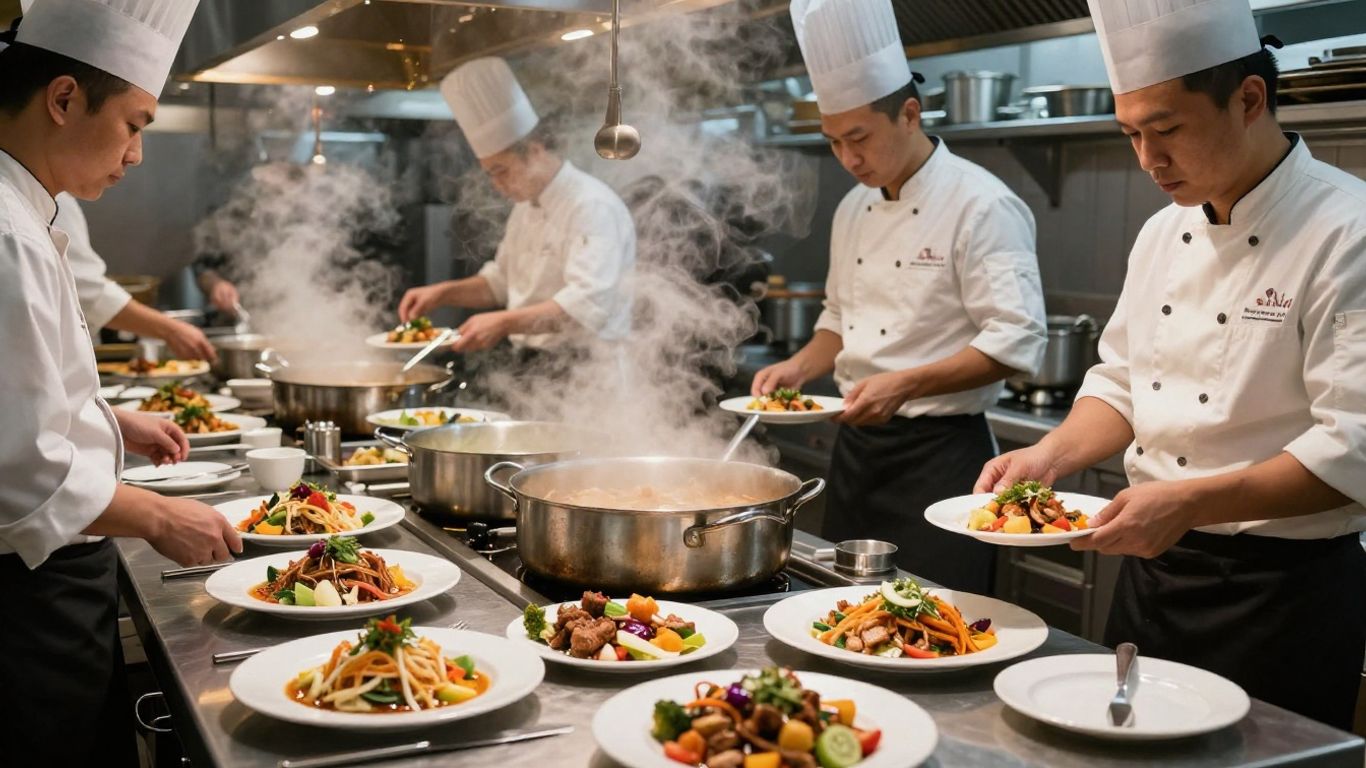
When the holidays roll around, or a big product launch is on the horizon, things can get hectic. It’s not just about having great food; it’s about making sure the whole operation can keep up. This means looking ahead and getting ready before the rush hits.
Evaluating Staffing Needs Based on Projections
First things first, you need to know how many hands you’ll need. Take a look at what happened last year during similar busy times. How many customers did you serve? What were your sales figures? Compare that to what you expect this year. Are reservations already looking higher? Are you anticipating more walk-ins because of a new marketing push? Figuring out potential staffing gaps early is key to avoiding chaos later.
Here’s a simple way to start thinking about it:
- Review Past Data: Pull sales and customer counts from the same period last year.
- Analyze Current Trends: Look at reservation numbers, upcoming events, and marketing campaign projections.
- Calculate Needs: Based on the above, estimate how many more servers, kitchen staff, or support personnel you might need per shift.
Utilizing Temporary Staffing Solutions
Sometimes, even with the best planning, you might find you need extra help that you can’t keep on staff year-round. That’s where temporary solutions come in handy. Think about hiring students who are home from college for the holidays, or working with temp agencies that specialize in hospitality staff. These folks often have experience and can jump in without a huge onboarding commitment. It’s a smart way to scale up quickly when you need it most.
Communicating with Returning Seasonal Staff
If you have staff who come back to work for you specifically during busy seasons, now’s the time to reach out. Let them know you’re looking forward to having them back and give them a heads-up on potential start dates or training schedules. This helps them plan their own lives and shows you value their contribution. It also means they can hit the ground running when the season starts, rather than needing a full refresher.
Getting your team ready isn’t just about numbers; it’s about making sure everyone knows their role and feels supported. Clear communication and a solid plan for staffing can make all the difference between a stressful rush and a successful, profitable period.
Winter as a Strategic Testing Ground
When the holiday rush dies down and the weather turns chilly, it’s easy to think of winter as a time to just coast. But smart kitchens see it differently. Winter is actually a prime time to try new things without the pressure of a packed dining room. Think of it as a low-stakes laboratory for your menu.
Comprehensive Product Evaluation in a Lower-Demand Period
During the slower winter months, your kitchen staff has the breathing room they need to really dig into new ingredients and dishes. Instead of rushing through a tasting with a full reservation book looming, they can take their time. This means multiple test runs, careful notes on texture and flavor changes during cooking, and a real understanding of how a product holds up under different preparation methods. It’s about getting solid data, not just a quick impression.
- Reduced pressure allows for repeated testing.
- Staff can document observations thoroughly.
- Assess how ingredients perform over time.
The natural chill of winter can even help with storage costs for certain items, meaning more of your budget can go towards the actual product testing rather than keeping it cold.
Testing Supplier Reliability and Product Consistency
Winter is also a great time to put your suppliers to the test. When demand is lower, you can see how reliable they are with smaller orders and less urgent delivery schedules. Are they consistent with their quality, batch after batch? Can they handle unexpected weather disruptions without missing a beat? This off-season evaluation helps you build a stronger, more dependable supply chain before the busy spring and summer seasons hit.
| Supplier Aspect | Winter Test Focus |
|---|---|
| Delivery Schedule | Consistency with smaller, less urgent orders |
| Product Quality | Batch-to-batch uniformity and freshness |
| Responsiveness | Ability to handle minor issues or changes smoothly |
| Weather Resilience | Performance during typical winter conditions |
Conducting Thorough Cost Analysis and Waste Assessment
When you’re not dealing with constant high volume, it’s much easier to track exactly how much of a new ingredient you’re using and how much is going to waste. This detailed cost analysis is vital. You can get a clear picture of the true cost of a new menu item, not just the initial purchase price. Understanding waste patterns helps you refine portion sizes and preparation methods, making sure new dishes are profitable from day one when they officially launch.
- Track ingredient usage meticulously.
- Identify sources of waste in preparation or spoilage.
- Calculate the actual cost per serving accurately.
- Refine recipes to minimize waste and maximize profit.
Staff Training and Menu Integration
Getting your team up to speed on new dishes and how to talk about them is a big deal, especially when things get busy. It’s not just about knowing what’s on the menu; it’s about confidence and consistency. Think of it like this: you wouldn’t send a new recruit into a packed restaurant without showing them the ropes first, right? The same applies to menu changes.
Mastering New Preparation Techniques Without Pressure
This is where the slower periods really shine. Instead of trying to teach someone a new sauce or a tricky plating technique during a Friday night rush, you can do it when the kitchen isn’t swamped. This gives everyone time to practice, ask questions, and really get a feel for the dish. It’s about building muscle memory and understanding the nuances of each item. We want our cooks to feel totally comfortable making these new things, not stressed out.
- Practice sessions: Schedule dedicated times for kitchen staff to work through new recipes.
- Ingredient deep-dives: Understand where key ingredients come from and why they were chosen.
- Feedback loops: Encourage cooks to share what’s working and what’s not during practice.
Trying to learn complex new dishes during peak service is a recipe for mistakes and unhappy customers. A calm environment allows for thorough learning and builds a stronger, more capable kitchen team.
Educating Front-of-House on Sourcing and Changes
Your servers and bartenders are the front line. They need to know more than just the ingredients; they should understand the story behind the food. Where did that special cheese come from? Why is this particular cut of meat being featured? When they can share these details, it makes the dining experience richer for the customer. It also helps them answer questions confidently and make informed recommendations. This knowledge can turn a simple order into a memorable interaction.
- Menu tasting sessions: Let the FOH team taste everything.
- Supplier spotlights: Share brief info about where key ingredients are sourced.
- Q&A sessions: Create opportunities for staff to ask questions about the menu.
Building Team Confidence for Smooth Transitions
Ultimately, all this training boils down to confidence. When your staff feels prepared and knowledgeable, they perform better. This confidence translates directly to the customer experience. A well-trained team can handle unexpected questions, manage busy periods with grace, and make guests feel well taken care of. It’s about creating a unified front where everyone is on the same page, ready to present the best possible version of your menu.
| Training Area | Focus |
|---|---|
| Preparation Techniques | Recipe execution, plating consistency |
| Ingredient Knowledge | Sourcing, flavor profiles, seasonality |
| Service Integration | Upselling, answering guest questions |
| Allergen Awareness | Safe handling, clear communication |
Marketing Through Winter Menu Development
Winter might seem a little quieter after the rush, but it’s actually a great stretch to set your brand apart and keep guests engaged. The right marketing touches during menu development can leave diners excited for every new dish, and turn cold months into a steady stream of regulars.
Building Authentic Narratives Around Quality Selection
There’s something about honesty that draws people in—especially when it comes to food. Using winter to test and fine-tune new recipes lets you talk to your customers about your real process. Share what’s happening behind your kitchen doors: whether your team is comparing local squash suppliers, or your chef is perfecting the right spice blend for a new stew. Stories about these choices help guests trust that you’re paying attention to quality, not just looking for the next trendy flavor.
- Share stories on social channels about product sourcing and recipe decisions
- Explain ingredient swaps, even the ones that didn’t pan out
- Feature short interviews with your cooks or suppliers: why do they care about this dish?
Even small details, honestly shared, can transform your winter menu from just a list of items to something your customers genuinely care about.
Generating Excitement with Behind-the-Scenes Content
Let’s face it. People love a peek behind the curtain. Take advantage of the winter lull by posting videos of new menu items being tested, or snap photos of your team taste-testing a new dessert. Let your audience vote on their favorite version of a dish, or use Instagram stories to show the process from idea to plate.
- Post weekly progress updates for recipes in testing
- Ask for votes on names or final touches for upcoming dishes
- Offer exclusive pre-launch tastings to loyal followers
| Content Idea | Format | Goal |
|---|---|---|
| Recipe development diary | Short videos | Build anticipation |
| Supplier profiles | Social posts/blogs | Highlight quality, sourcing |
| Tasting panel reactions | Instagram stories | Invite audience participation |
Incorporating Customer Feedback into Marketing Messages
Winter is when you can actually hear what people think, not just when they’re in a rush. Invite regulars or social followers to try limited runs of new dishes, and ask them for direct feedback. Use their words—good or constructive—in future marketing. This shows your menu is shaped by real guests, not just top-down decisions.
- Invite feedback after every limited-time item
- Highlight testimonial quotes in newsletters or on social media
- Let customers know specific changes you made based on what they said
Welcoming feedback and celebrating customer input tells a simple story: this menu is made for the people who fill your dining room every night.
Winter’s slow pace is a hidden gift—take the time to experiment openly, involve your diners, and keep the conversation fresh long before your spring launches.
Building Customer Anticipation for Seasonal Launches
When it comes to rolling out a new seasonal menu, the period before launch matters just as much as what’s actually on the menu. Anticipation drives visits and keeps regulars engaged, especially in times when everyone’s looking for something new to talk about.
Generating Buzz Through Limited-Time Offerings
One way restaurants keep people talking is by running short menu trials and teasers before the actual launch. Limited-time items signal that something special is coming, and regulars jump at the chance to try them before anyone else. Here are simple tactics to stir up curiosity:
- Run a short, pop-up preview event for a select new dish or drink.
- Announce a secret menu item, only available to loyalty members or newsletter subscribers.
- Offer a free sample or a discounted plate on a quiet weekday to create word-of-mouth.
Small touches like this make your customers feel like insiders and compel them to return once the full menu drops.
Leveraging Customer Feedback for Refinement
Any feedback from these sneak peeks is gold. Collecting honest input lets you adjust the menu before the wider launch—no guessing, just actual customer preferences. Try these steps to make it easy for people to share their thoughts:
- Distribute quick feedback cards or table-top QR codes after customers try new dishes.
- Ask servers to check in directly and jot down any comments or suggestions.
- Post a simple poll on social media stories right after the event.
Customers appreciate when their opinions matter, and by showing you actually listen, you strengthen their connection to your brand.
Driving Strong Opening Results with Pre-Launch Excitement
Pre-launch isn’t just about buzz; it’s also about turnout. The more anticipation you build, the more likely the launch itself will see a surge in orders. Consistent communication helps: keep your marketing clear, repeat important dates, and use the excitement from early testers in your messaging.
| Pre-Launch Activity | Potential Impact |
|---|---|
| Early access preview night | 25–40% reservation spike |
| Social media teasers | 100–300% increase in menu-related engagement |
| Email countdown campaign | 10–25% uptick in launch day visits |
Keep everything simple and genuine—overhyping can backfire. Seasonal launches work best when your promises match the experience.
Boldly put, a well-planned pre-launch season sets the stage for a successful menu rollout and makes your regulars feel included at every step.
Supplier Evaluation During Slower Periods
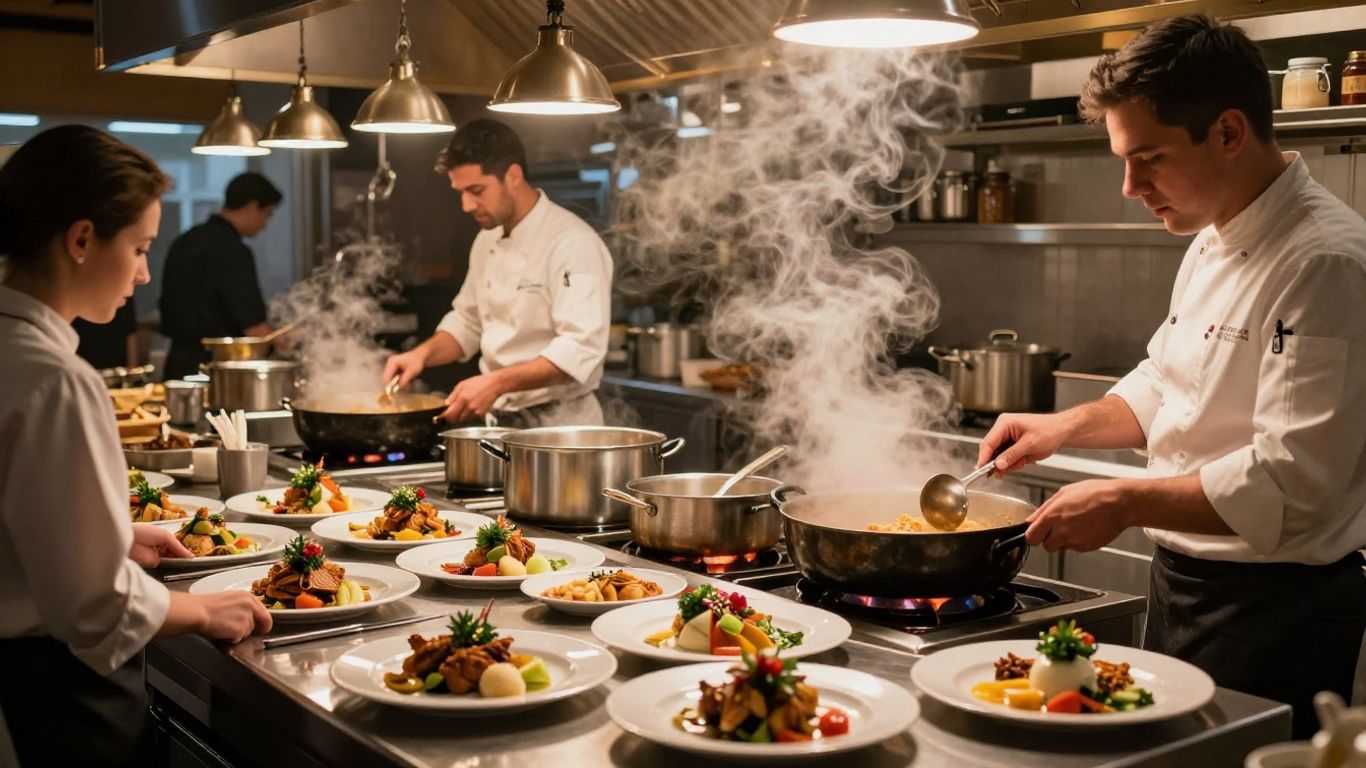
The quieter months offer a fantastic chance to really look at who you’re working with. It’s not just about getting through the rush; it’s about making sure your foundation is solid for when things pick up. This is the time to really dig into your supplier relationships.
Conducting Side-by-Side Ingredient Comparisons
When things aren’t crazy busy, you have the luxury of actually comparing ingredients. Imagine getting two different brands of, say, olive oil or chicken breasts. You can use them in the exact same dish, prepared the same way, and really see the difference. This isn’t something you can easily do when you’re slammed during the holidays. It lets you make informed choices about what tastes best and performs best for your kitchen.
Increasing Staff Bandwidth for Assessments
With fewer shifts and less overtime, your team has more time. This means kitchen managers can actually attend supplier demos, participate in tasting sessions, and properly train everyone on new ingredients. This extra time is gold. Staff can learn how to handle and store new items without the pressure of a full dining room. It’s about building confidence and competence before the real demand hits.
Facilitating Key Decision-Maker Availability for Meetings
This is also when the people who make the big decisions are more available. Your head chef isn’t constantly putting out fires, and managers have the headspace to review contracts, talk prices, and build relationships with potential new vendors. It’s a much more relaxed environment for these important conversations.
The slower season isn’t downtime; it’s strategic preparation time. It allows for thoughtful evaluation and relationship building that pays off significantly when demand surges.
Here’s a quick look at what you can achieve:
- Product Quality: Directly compare taste, texture, and appearance.
- Consistency: Assess if quality remains the same across different batches.
- Performance: See how ingredients hold up during preparation and cooking.
- Cost Analysis: Track actual usage and waste with new items.
This period allows for a more objective look at your supply chain, helping you identify areas for improvement and secure better partnerships for the future.
Gathering Meaningful Customer Feedback
When things slow down, it’s the perfect time to really listen to the people who keep your business going. You’re not just serving food; you’re part of their experience, and their thoughts can guide your next steps. Getting honest feedback isn’t just about collecting comments; it’s about understanding what truly delights your customers and where you can improve.
Engaging Diners for Detailed Responses
During quieter periods, your staff has more time to connect with guests. Instead of just dropping off a check, encourage servers to ask specific questions about the dishes they tried. This personal touch can lead to much richer insights than a generic comment card. Think about asking about flavor balance, texture, or even how a dish made them feel. A simple question like, "What did you enjoy most about the [dish name]?" can open up a conversation.
Leveraging Loyal Patrons for Constructive Insights
Your regulars are often your most honest critics and biggest fans. They visit often enough to notice subtle changes and have a vested interest in your success. Invite a few of your most frequent visitors for a special tasting or a casual chat. Offer them a small perk, like a complimentary dessert or a discount on their next visit, in exchange for their candid thoughts. They can provide feedback on everything from new ingredient sourcing to potential menu additions.
Refining Products Based on Honest Feedback
Collecting feedback is only half the battle; the real work is in using it. Analyze the comments you receive, looking for patterns and recurring themes. If multiple customers mention a dish is too salty, it’s time to adjust the recipe. If there’s a consistent request for a particular type of beverage, consider adding it to your seasonal specials. This iterative process shows customers that their opinions matter and helps you fine-tune your menu for maximum appeal.
Here’s a simple way to track feedback:
- Dish Name: [e.g., Roasted Root Vegetable Medley]
- Feedback Type: [e.g., Flavor, Texture, Portion Size, Presentation]
- Summary of Comments: [e.g., "A bit too much rosemary," "Loved the crispy texture," "Portion was generous"]
- Action Taken: [e.g., "Reduced rosemary by 10%," "Maintain as is," "Consider for future portioning"]
The quiet months offer a unique chance to build stronger relationships with your customers. By actively seeking and thoughtfully applying their feedback, you not only improve your menu but also deepen their connection to your establishment. This groundwork pays off significantly when the busy season returns.
Minimizing Financial Risk with Menu Experimentation
Winter offers a unique sweet spot for trying out new ideas without the pressure of a packed house. When things naturally slow down, you get some breathing room. This means you can test new ingredients or even try out different suppliers without worrying about messing up a busy Saturday night service. It’s a low-stakes way to see what works.
Testing New Ingredients Without Peak Season Pressure
Think of winter as your kitchen’s laboratory. With fewer customers, your team can really focus on tasting and preparing new dishes. You can experiment with ingredients that might be harder to get or more expensive during peak times. This is the perfect chance to see how a new type of mushroom or a different cut of meat performs in your kitchen. You can try it a few times, see how it holds up to different cooking methods, and get a real feel for it before committing to a full menu change.
- Dedicated tasting sessions: Schedule specific times for your chefs and kitchen staff to sample and evaluate new ingredients. This ensures focused feedback.
- Controlled preparation tests: Prepare the same dish using both your current ingredients and the new ones side-by-side to spot differences in flavor, texture, and cooking time.
- Storage and handling trials: Assess how the new ingredients store, their shelf life, and any special preparation needs without the rush of service.
This period allows for careful observation and adjustment, making sure that any new addition to your menu is not just exciting but also practical for your kitchen’s workflow.
Experimenting with Supplier Relationships Safely
Switching suppliers can feel like a big gamble, especially when you rely on consistent quality. Winter provides the ideal environment to test potential new vendors. You can order smaller quantities, compare their products directly against your current suppliers, and see how reliable they are. This means you can find out if a new supplier can consistently deliver the quality you need before you’re dependent on them during a busy holiday rush.
- Side-by-side supplier comparisons: Order the same core ingredients (like proteins, produce, or dairy) from your current supplier and a potential new one. Prepare dishes using both to assess quality.
- Evaluate delivery consistency: Track delivery times, order accuracy, and the condition of goods upon arrival from new suppliers.
- Negotiate terms with less pressure: With more time available, your management team can have more in-depth discussions with potential suppliers about pricing, minimum orders, and payment terms.
Sparking Creativity with Seasonal Produce
Winter doesn’t mean a lack of inspiration. It’s actually a great time to get creative with produce that shines during the colder months. Think root vegetables, hardy greens, and citrus fruits. Experimenting with these can lead to unique dishes that set your menu apart. You might discover a new signature dish that customers will look forward to every winter, all thanks to a little off-season experimentation.
Want to make smart choices with your restaurant’s menu to avoid losing money? Our section on "Minimizing Financial Risk with Menu Experimentation" shows you how. We break down how trying out new dishes can help you make better decisions and keep your business strong. Ready to learn how to test your menu like a pro and boost your profits? Visit our website today to discover more!
Wrapping Up the Busy Season
So, as the holidays, exams, and big launches all come and go, remember that planning ahead is key. It’s not just about having great food, but also about making sure your staff is ready and your operations can handle the rush. Thinking through your menu, staffing, and even potential economic bumps can make a huge difference. By getting these details right, you can turn those busy periods into successful ones, keeping customers happy and your business running smoothly. It’s all about being prepared and adaptable, no matter what the season throws your way.
Frequently Asked Questions
Why is planning special menus important for busy times like holidays?
Planning special menus helps restaurants get ready for busy times like holidays. It’s like making a special game plan so the kitchen doesn’t get too overwhelmed and can still serve yummy food that people love during celebrations. It also helps make sure the restaurant makes money while keeping customers happy.
What kind of foods are usually popular during the holidays?
During the holidays, people often crave comfort foods that feel special. Think about dishes like roasted meats, rich pasta, or hearty stews. Desserts like pies and cakes are also big hits. Basically, foods that feel warm, filling, and celebratory tend to be favorites.
Should restaurants try to make really complicated dishes for busy seasons?
It’s usually better to avoid super complicated dishes when things get really busy. The kitchen staff is already working hard, and complex recipes can slow things down and lead to mistakes. It’s smarter to offer dishes that are delicious but also easy for the kitchen to make consistently for lots of people.
How can restaurants handle having more customers during busy times?
To handle more customers, restaurants need to think about their staff. This means figuring out if they need more people to help cook, serve, and clean. Sometimes, they might hire extra help just for the busy season or bring back old employees who know how things work.
Why is it good to test new menu ideas when it’s not busy?
Testing new menu ideas when it’s not busy, like in the winter, is a great idea. It’s like practicing a play before the big game. Restaurants can try out new recipes and see if customers like them without the stress of a packed restaurant. This helps them fix any problems before the real rush.
How does training staff help with new menus?
Training staff is super important when introducing new menu items. It makes sure everyone knows how to make the food correctly and how to talk about it with customers. When staff feel confident and prepared, they can serve customers better, even when things are hectic.
How can restaurants get customers excited about new seasonal foods?
Restaurants can get customers excited by offering special, limited-time dishes that are only available for a short period. They can also share fun behind-the-scenes peeks of how the food is made on social media. Asking customers what they think and using their ideas also makes people feel more involved.
What’s the best way to find out if customers like new menu items?
The best way to find out if customers like new menu items is to ask them directly! Servers can chat with diners and get their honest opinions. Loyal customers are often happy to share their thoughts and help the restaurant make its food even better.