

Collagen supplements have modest research support for skin hydration and elasticity, and some early, lower-quality evidence for knee joint pain. Claims about hair, nails, gut healing, weight loss and muscle building are mostly unproven. If you want to try collagen, a hydrolyzed product used daily for about three months is a fair test, but it works on top of a protein-rich, plant-rich diet, not instead of one.
What collagen is
Collagen is the main structural protein in skin, tendons, ligaments, cartilage and bone. Your body builds it from amino acids you get from protein foods, with help from nutrients such as vitamin C. Natural production slows with age, and sun exposure and smoking speed up its breakdown, which is part of why skin loses firmness over time.
Most supplements are “hydrolyzed collagen” or “collagen peptides,” meaning the protein has been broken into smaller pieces that mix easily into drinks. Once digested, these pieces are absorbed as amino acids and small peptides. Your body decides where to use them; swallowing collagen does not send it straight to your face or knees.
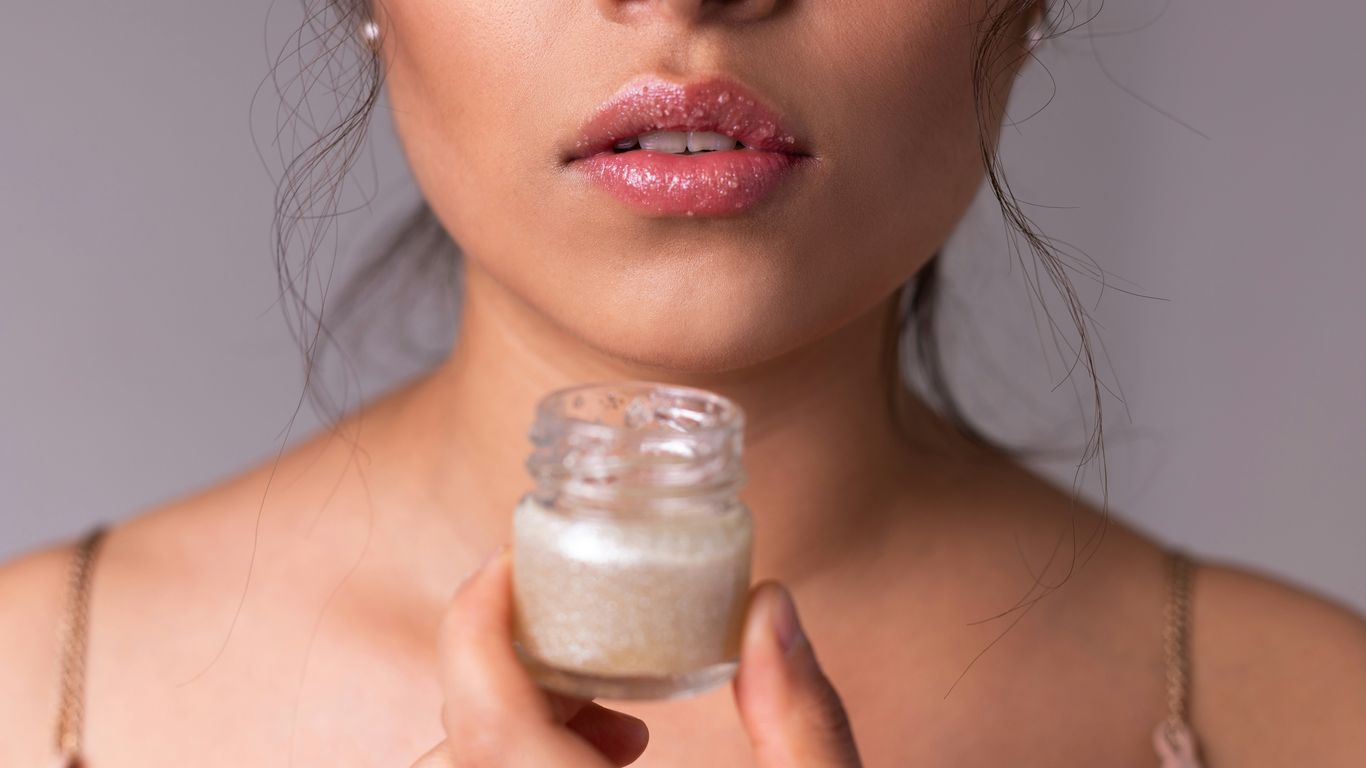
What the evidence supports (with caveats)
Skin hydration and elasticity
This is where the research is strongest. A 2023 systematic review and meta-analysis of 14 randomized, placebo-controlled trials with 967 participants found that hydrolyzed collagen improved skin moisture and elasticity compared with placebo, with a 12-week regimen highlighted. The studies used different products, doses and participant groups, which the authors acknowledge as a limitation. Expect subtle changes, not a new face.
Joint pain
A 2023 meta-analysis of collagen peptides for knee osteoarthritis pooled four trials with 507 patients and found better pain relief than placebo, with no significant difference in side effects. However, all four trials were rated as having a high risk of bias, and the authors called for larger, better-designed studies. In short: possibly helpful for some people with knee pain, but far from proven.
What collagen probably doesn’t do
| Common claim | Where the evidence stands |
|---|---|
| Stronger hair and nails | Very limited, small studies; not established |
| “Heals” the gut | No good human evidence |
| Weight loss | No evidence it causes fat loss; it is simply a source of protein |
| Building muscle | An incomplete protein (low in some essential amino acids); not a replacement for complete protein foods or a regular protein powder |
| Bone density | Some early studies; not enough to rely on in place of calcium, vitamin D, protein and strength training |
| Brain or heart health | Not supported by quality human trials |
Food first: support your own collagen
Your body makes collagen from everyday nutrients. Build these into most days:
- Enough protein: fish, poultry, eggs, dairy, beans, lentils, tofu, nuts and seeds. Spread it across meals; our protein intake guide explains how.
- Vitamin C: citrus, strawberries, kiwi, peppers, broccoli and tomatoes. Vitamin C is needed to form collagen.
- Zinc and copper: legumes, whole grains, nuts, seeds and seafood.
- Colourful plants: a variety of fruits and vegetables supplies antioxidants that help protect tissues.
Gelatin and bone broth contain collagen-derived protein too. They are fine to enjoy, though there is no strong evidence they work better than other protein foods. Plant-based eaters can’t get collagen from plants, but they can supply all the building blocks with varied plant proteins and plenty of produce.
Habits that protect collagen you already have
- Daily sunscreen and shade; UV exposure is a major driver of skin aging.
- No smoking.
- Regular strength training and impact activity for joints, tendons and bones.
- Good sleep and a diet not dominated by added sugar.
If you decide to try a supplement

Use these steps so you can tell whether it is worth the money:
- Pick one clear goal. Skin hydration or knee comfort, for example. Write down how things are now, or take a photo in the same light.
- Choose a simple product. Hydrolyzed collagen or collagen peptides, unflavoured or lightly flavoured, with few extra ingredients. In Canada, look for a Natural Product Number (NPN) on the label. Check the source (bovine, marine, chicken) if you have allergies or dietary preferences.
- Follow the label dose. Doses in skin studies vary widely; the 2023 skin review describes a range from 300 mg up to 5 g of peptides daily. Stay within what the product label directs.
- Take it daily for about 12 weeks. Stir it into a smoothie, oatmeal, yogurt, soup or a glass of water or juice.
- Reassess. If you can’t see or feel a difference after three months, it is reasonable to stop and put that money toward food.
Things to watch
- Some people notice mild stomach upset, a feeling of fullness or an unpleasant taste.
- Marine collagen can be a problem for people with fish or shellfish allergies.
- “Beauty blends” often add biotin, herbs or other extras. Biotin can interfere with some lab tests, so tell your doctor if you take it.
- Collagen does not count as a complete protein, so don’t use it to replace protein-rich meals.
When to check with a professional
Talk with your doctor or pharmacist before starting collagen if you are pregnant or breastfeeding, have kidney disease or a protein-restricted diet, have food allergies, or take several supplements or medications. For ongoing joint pain, swelling or stiffness, see a healthcare provider for an assessment rather than relying on a supplement. Our article on mobility meals for sore joints has food ideas to discuss alongside medical care.
Key takeaways
- Best evidence: modest improvements in skin hydration and elasticity over about 12 weeks.
- Joint pain evidence is promising but low quality.
- Hair, nails, gut, weight loss and muscle claims are not established.
- Protein, vitamin C, colourful plants, sunscreen, no smoking and strength training support your own collagen.
- If you try a supplement, set one goal, follow the label, give it 12 weeks and reassess honestly.
Frequently asked questions
Is collagen powder a good protein powder?
Not on its own. It is low in some essential amino acids, so it does not replace complete protein sources for building or keeping muscle.
Can I get the same benefits from food?
Food provides the building blocks your body uses to make collagen. Whether a supplement adds a meaningful extra benefit is still uncertain for most goals.
How long until I see results?
Skin studies generally ran for several weeks to three months, so give it about 12 weeks of daily use before deciding. Changes, if any, tend to be gradual.
Is collagen safe?
For most healthy adults it is generally well tolerated. In the knee osteoarthritis review, side effects were not significantly different from placebo. Check the source for allergens and talk with your healthcare provider if you have health conditions or take medications.