
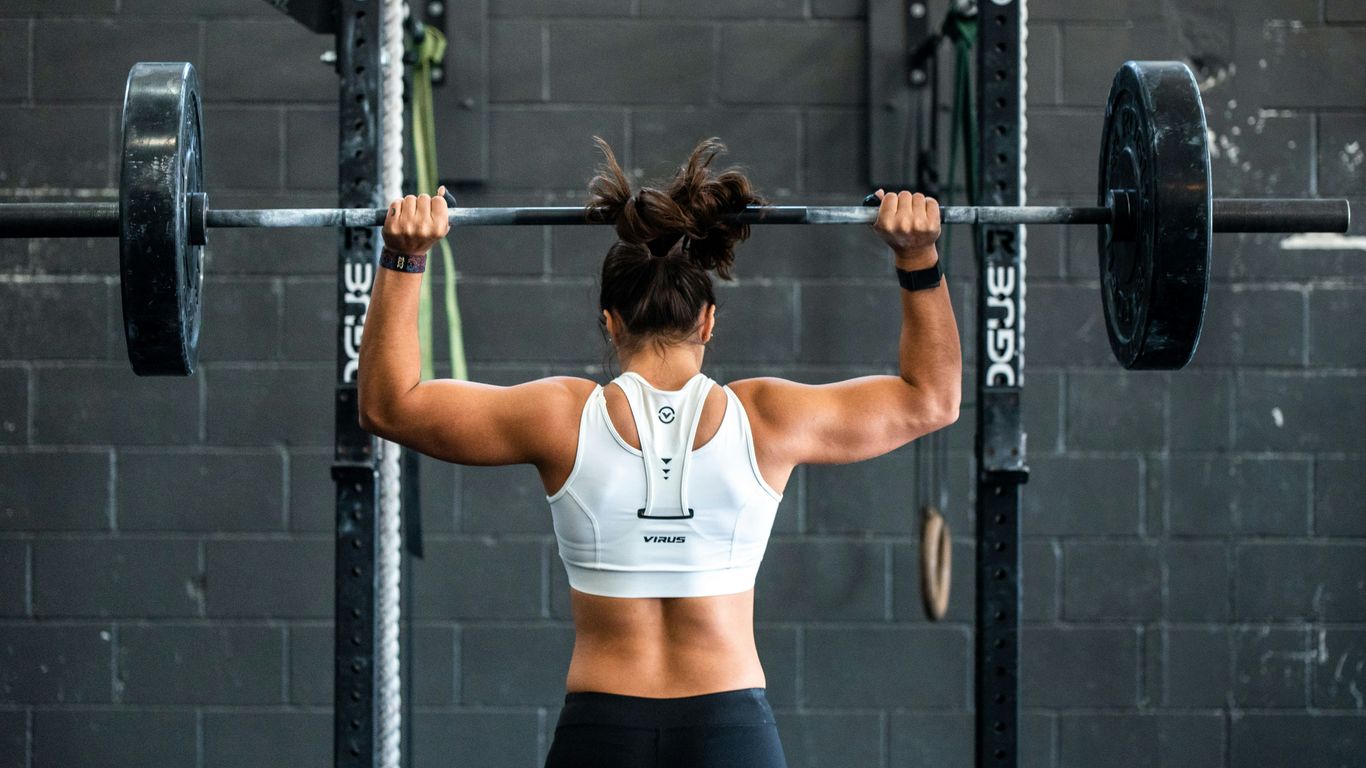
So, you’re wondering about creatine for women. It’s a popular supplement, and for good reason. People talk about it for building muscle and getting stronger. But what’s the real deal, especially for women? We’ll break down how it works, how much to take, when to take it, and how it fits with your fitness goals. Plus, we’ll cover some common questions and myths. Let’s get into it.
Key Takeaways
- Creatine monohydrate is the go-to form because it’s well-researched, works well, and is affordable.
- For most women, a daily dose of 3-5 grams is enough to keep your muscles topped up after an initial loading phase, if you choose to do one.
- Taking your creatine around your workout, especially after, with some carbs and protein, might help your body absorb it better.
- Pairing creatine with protein and carbs can help your body use it more effectively, supporting muscle growth and recovery.
- While generally safe, stay hydrated, and listen to your body; minor side effects like bloating can happen, but they’re usually manageable.
Understanding Creatine For Women
Alright, let’s talk about creatine. You’ve probably heard about it, maybe seen it in the supplement aisle, and wondered if it’s something for you, especially as a woman. The good news is, creatine is one of the most researched supplements out there, and it’s generally considered safe and effective for women when used correctly. It’s not some magic bullet for instant bulk, but rather a tool that can help your body perform better and recover faster.
What Creatine Does In The Body
So, what exactly is creatine doing in there? Think of it as a quick energy source for your muscles. When you do something intense, like lifting weights or sprinting, your body uses a molecule called ATP for energy. Creatine helps your body make more ATP, which means you can push a little harder for a little longer. It’s naturally produced in your body from amino acids and stored in your muscles as phosphocreatine. This stored creatine is then used to quickly regenerate ATP during those short bursts of high-intensity activity. This process is key to improving your strength and power output.
Health Benefits of Creatine for Women
Beyond just helping you lift heavier, creatine offers a few other perks for women. It can support muscle growth and strength, which is great for overall fitness and metabolism. It also plays a role in recovery, meaning you might feel less sore after a tough workout and be ready to go again sooner. Some research even suggests benefits for brain health and bone density, which can be particularly relevant as we age.
Here are some of the key benefits:
- Improved Muscle Strength and Power: Helps you perform better during intense exercise.
- Faster Recovery: Reduces muscle damage and soreness after workouts.
- Lean Muscle Mass Support: Aids in building and maintaining muscle tissue.
- Potential Cognitive Benefits: May support brain function and memory.
Types of Creatine: What’s Best?
When you look at creatine supplements, you’ll see a few different types. The most common and well-studied is creatine monohydrate. It’s affordable, effective, and has a long track record of safety. While other forms exist, like creatine HCl or buffered creatine, they haven’t shown significant advantages over monohydrate in research. For most women, sticking with creatine monohydrate in powder form is the way to go. Capsules are okay for convenience, but avoid liquid creatine as it can break down and lose its effectiveness.
When choosing a creatine supplement, look for pure creatine monohydrate. It’s the most researched, cost-effective, and proven option available. Don’t get too caught up in fancy marketing for other forms; monohydrate does the job exceptionally well.
Optimal Dosing Strategies for Women
Figuring out how much creatine to take and when can feel a bit like a puzzle, but it doesn’t have to be complicated. The goal is to get enough into your system to see those benefits without overdoing it. Most of the time, consistency is way more important than hitting a super specific time.
Recommended Daily Dose
For most women, a daily dose of 3 to 5 grams of creatine monohydrate is the sweet spot. This amount is generally enough to keep your muscle creatine stores topped up after you’ve reached saturation, whether you did a loading phase or not. It’s like maintaining a full gas tank – you don’t need to keep pouring it in constantly, just enough to keep it from getting low.
Some sources might suggest higher doses, especially for very heavy lifters or those with a lot of muscle mass, but for the average woman, sticking to that 3-5 gram range is usually plenty. If you’re vegetarian or vegan, you might find that 5 grams daily is more effective since your body naturally gets less creatine from food.
The Creatine Loading Phase Explained
So, what’s this ‘loading phase’ everyone talks about? Basically, it’s a short period, usually about a week, where you take a higher dose of creatine – think around 20 grams per day, split into smaller doses throughout the day. The idea is to quickly saturate your muscles with creatine. After the loading phase, you drop down to the maintenance dose (3-5 grams daily).
Is it necessary? Not really. You’ll eventually reach the same muscle saturation levels by just taking the maintenance dose daily, it just takes a bit longer, maybe 3-4 weeks instead of one. Some women prefer to load because they want to feel the effects sooner. If you do load, be aware that some people experience mild stomach upset or bloating, which is why splitting the dose is recommended.
Maintenance Dosage for Sustained Results
Once you’re past the initial saturation (either from loading or just consistent daily use), the maintenance dose is key. This is where you’ll stick with that 3-5 grams per day. The purpose here is simple: keep those creatine stores full. Your muscles use creatine during intense activity, so you need to replenish it daily to keep performance benefits consistent.
Think of it this way:
- Daily Consistency: Taking your maintenance dose every single day is more important than hitting a perfect time.
- Muscle Saturation: This dose keeps your muscles at their peak creatine capacity.
- Long-Term Benefits: Sustained levels mean you can keep benefiting from improved strength, power, and recovery.
The most common and well-researched form of creatine is creatine monohydrate. While other forms exist, monohydrate is generally the most cost-effective and proven to be effective for most people. Stick with what works unless you have a specific reason not to.
Some people wonder if they need to take more on training days. Generally, no. The goal of the maintenance dose is to keep levels stable day in and day out. Your body will just pull from those saturated stores when you need it during a workout.
Timing Your Creatine Intake
So, you’ve got your creatine, you know how much to take, but when should you actually take it? It’s a question a lot of people wonder about, and while consistency is probably the most important thing, there are definitely some strategies that might help you get a little more bang for your buck.
Post-Workout Creatine Consumption
Many folks swear by taking their creatine right after a workout. The idea here is that after you’ve just put your muscles through the wringer, your body is like a sponge, ready to soak up all the good stuff. Increased blood flow to your muscles and a heightened sensitivity to insulin can help shuttle that creatine right where it needs to go – into your muscle cells. This post-workout window is often considered prime time for maximizing creatine uptake.
Pre-Workout vs. Post-Workout Timing
Okay, so post-workout seems popular, but what about taking it before you hit the gym? Some research suggests that taking creatine pre-workout might give you a slight edge in immediate performance and strength during your session. However, the evidence for post-workout absorption and muscle protein synthesis seems a bit stronger, especially when you pair it with some carbs and protein. Honestly, for most people, the difference between pre and post might be pretty small. The key is making sure you take it consistently every day, whether that’s before, after, or even a few hours later.
Integrating Creatine With Meal Times
Don’t want to be tied to your workout schedule? Taking your creatine with a meal can also be a smart move. Specifically, having it with a meal that contains both carbohydrates and protein can really help. Why? Because insulin, which your body releases in response to these nutrients, acts like a helpful courier, escorting the creatine into your muscle cells. This makes it a convenient option, especially if you’re not someone who always eats right after training. It also helps spread out your intake, which can be good if you have a sensitive stomach.
Here’s a quick look at some common timing strategies:
- Post-Workout: Often seen as ideal for absorption, especially with carbs and protein.
- Pre-Workout: May offer a slight boost in immediate performance.
- With Meals: Convenient and leverages the insulin response from food.
- Split Doses: Taking smaller amounts at different times can help with digestion for some.
When you’re figuring out the best time to take your creatine, remember that consistency is king. While post-workout might have a slight edge for absorption, taking it daily with a meal or even splitting your dose can still yield great results. Don’t overthink it too much; find a routine that works for you and stick with it.
Pairing Creatine With Training Goals

So, you’re taking creatine, and you’re hitting the gym regularly. That’s awesome! But have you thought about how creatine can specifically help you reach your fitness objectives? It’s not just about taking it; it’s about making it work for you, depending on what you’re trying to achieve. Whether you’re aiming to pack on muscle, go the distance, or change your body composition, creatine can be a real game-changer when you align it with your training.
Creatine for Muscle Growth and Strength
If your main goal is to get stronger and build more muscle mass, creatine is your best friend. It helps your muscles produce energy during those intense sets of squats or bench presses. Think of it like giving your muscles a little extra fuel to push harder and lift heavier. This increased energy availability means you can perform more reps or lift more weight over time, which is exactly what stimulates muscle growth.
- Increased ATP regeneration: This is the primary way creatine helps. ATP (adenosine triphosphate) is your body’s immediate energy currency. During short, explosive bursts of activity like lifting weights, your ATP stores get depleted quickly. Creatine helps your body replenish these stores faster, allowing you to sustain high-intensity efforts for longer.
- Cellular hydration: Creatine pulls water into your muscle cells. This not only makes your muscles look fuller but also creates an environment that’s more conducive to protein synthesis, the process of building new muscle tissue.
- Reduced muscle breakdown: Some research suggests creatine might help reduce the rate at which muscle protein is broken down, meaning more of the muscle you build stays put.
When focusing on strength and size, consistency is key. Taking your daily dose, especially around your workouts, can make a noticeable difference in your ability to progress over weeks and months.
Enhancing Endurance and Recovery
While creatine is often linked to strength sports, it can also play a role in endurance activities and overall recovery. For endurance athletes, it’s not about lifting heavier, but about maintaining intensity for longer periods and bouncing back faster between training sessions. Creatine can help buffer the acidity that builds up in muscles during prolonged exercise, potentially delaying fatigue. Plus, its role in energy production and cellular hydration aids in repairing muscle damage after tough workouts, whether they were strength-focused or endurance-based.
- Improved high-intensity bursts: Even in endurance sports, there are often short, intense efforts like sprints or climbs. Creatine can help you power through these moments more effectively.
- Faster recovery: By aiding in ATP replenishment and reducing muscle cell damage, creatine can help you feel less sore and more ready for your next training session sooner.
- Reduced fatigue: Creatine’s ability to help manage metabolic byproducts during intense exercise can contribute to a feeling of less fatigue, allowing you to push your limits.
Creatine for Body Composition
Body composition is all about the ratio of muscle to fat. Creatine can be a valuable tool here, primarily by supporting muscle growth. More muscle mass means a higher resting metabolic rate, meaning your body burns more calories even when you’re not exercising. This can be a significant advantage when trying to lose fat. Additionally, by improving workout performance, creatine allows you to train harder and burn more calories during your sessions. It’s a two-pronged approach: build more muscle and burn more calories.
- Increased lean muscle mass: As discussed, creatine supports muscle growth, which directly improves body composition.
- Potential for increased calorie expenditure: Better workouts mean more calories burned, aiding in fat loss efforts.
- Water retention: It’s important to note that creatine can cause some initial water retention, which might slightly increase scale weight. However, this is water in the muscle cells, not fat, and it contributes to the muscle-building environment. Don’t let this temporary change on the scale discourage you if your goal is fat loss; focus on how your clothes fit and your body measurements.
Nutrient Pairings to Maximize Creatine Absorption

So, you’re taking creatine, which is awesome. But are you getting the most out of it? Turns out, what you eat and drink alongside your creatine can make a pretty big difference in how well your body soaks it all up. It’s not just about popping a pill; it’s about smart pairings.
The Role of Carbohydrates and Protein
Think of carbs and protein as your creatine’s best buddies. When you consume carbohydrates, your body releases insulin. This hormone is like a helpful guide, signaling your muscle cells to open up and take in nutrients, including creatine. Protein is also key because it provides the building blocks your muscles need to repair and grow, and creatine helps fuel that process. Taking them together can really amplify the benefits.
Synergistic Effects of Protein and Creatine
When you combine protein and creatine, especially after a workout, you’re setting yourself up for some serious muscle gains. Protein gives your muscles the amino acids they need to recover and get bigger, while creatine provides the energy to power those repair jobs. It’s a dynamic duo for muscle growth and strength.
Here’s a quick look at how these pairings can help:
- Increased Muscle Creatine Saturation: More creatine gets stored in your muscles.
- Better Muscle Protein Synthesis: Your muscles are more efficient at building new tissue.
- Faster Recovery: Muscles bounce back quicker after tough workouts.
- Improved Body Composition: Over time, this can lead to more lean muscle and less body fat.
Hydration: A Crucial Component
Don’t forget about water! Creatine actually pulls water into your muscle cells. This is good for muscle function, but it means you need to drink plenty of fluids to stay hydrated. If you’re not drinking enough, you might feel sluggish, and your muscles could cramp up. Aim for at least 2.5 to 3 liters of water daily, especially on days you’re training hard. It really helps your body use creatine effectively and keeps everything running smoothly.
Taking creatine with a meal that includes both carbohydrates and protein is a solid strategy. This combination helps boost insulin levels, which in turn aids in shuttling more creatine into your muscle cells. It’s a simple dietary tweak that can significantly improve your creatine’s effectiveness.
Creatine Considerations for Women
So, you’re thinking about adding creatine to your routine? That’s great! It’s one of the most researched supplements out there, and for good reason. But like anything, it’s smart to know a few things before you start. Let’s chat about some common questions and points to keep in mind, especially for us ladies.
Hormonal Influences on Creatine Metabolism
It’s true, women’s bodies are a bit different, and hormones play a role in how we process things, including creatine. Estrogen levels can affect how your body stores and uses creatine. During times when estrogen is lower, like after menopause or when using certain birth control methods, your body might respond a little differently. Some research suggests that taking creatine with food, especially meals containing carbs and protein, might help your body absorb it better during these phases. This can be helpful for both physical energy and even brain function.
Creatine and Weight Gain Myths
This is a big one people worry about: "Will creatine make me gain weight?" The short answer is: not in the way you might think. Creatine can cause a slight increase in body weight, but it’s usually due to water being pulled into your muscle cells. Think of it as your muscles getting more hydrated, which is actually a good thing for performance and recovery. It’s not fat gain. This initial water retention is often temporary and more noticeable when you first start, especially if you’re doing a loading phase. If you’re concerned, sticking to a consistent, lower daily dose can minimize this effect.
Addressing Potential Side Effects
While creatine is generally safe, some people might experience minor side effects, especially when they first start. It’s not super common, but it’s good to be aware of:
- Stomach Upset: Some folks might get a little cramping, nausea, or diarrhea. If this happens, try splitting your daily dose into smaller servings throughout the day. Taking 2.5 grams twice instead of 5 grams all at once can often help.
- Water Retention: As mentioned, this is mostly water in the muscles, not fat. It usually settles down after a few days. If it bothers you, a consistent daily dose rather than a loading phase might be better.
- Kidney Concerns: This is a common worry, but studies show creatine doesn’t harm healthy kidneys. However, if you have any pre-existing kidney issues, it’s always best to chat with your doctor before starting.
When in doubt, always have a conversation with your healthcare provider or a registered dietitian. They can help you figure out if creatine is the right move for your specific health situation and goals. It’s always better to be informed and safe.
It’s also worth noting that the supplement industry isn’t always tightly regulated. When picking a creatine product, look for reputable brands that clearly list creatine monohydrate as the only ingredient. Avoid those with fancy blends or a bunch of fillers, as purity is key.
Cycling Creatine: To Cycle or Not To Cycle?
So, you’ve been taking creatine consistently, and it’s been great. You’re feeling stronger, recovering faster, and generally just crushing your workouts. But then the question pops up: do I need to take a break from it? This is where the idea of ‘cycling’ creatine comes in.
Understanding Creatine Cycling
Basically, creatine cycling means taking it for a set period, like 8 to 12 weeks, and then taking a short break, usually 2 to 4 weeks, before starting up again. It’s not like some intense steroid protocol; it’s more about giving your body a chance to reset. Some people think that if you take creatine all the time, your body might get a bit too used to it, and it won’t work quite as well. Taking a break might help keep it effective long-term.
Benefits of Periodized Creatine Use
Why bother with breaks? Well, there are a few ideas floating around. For starters, it might help keep your body sensitive to the creatine, so you keep getting those benefits. There’s also a theory that taking a break could encourage your body to ramp up its own natural creatine production again. Plus, if you’re following a structured training plan with different phases, like intense blocks followed by lighter recovery weeks, you might want your creatine use to line up with that. It can also be a good way to give your digestive system a breather if you’ve been feeling a bit bloated or experiencing any minor discomfort.
When to Consider a Time-Off Phase
While there’s no strict rule that says you must cycle creatine, it’s something many athletes and coaches suggest. It’s not about avoiding harm – studies generally show creatine is safe for long-term use in healthy people. It’s more about optimizing how well it works for you over time. If you’re noticing your progress has stalled, or you’re just looking for a way to manage your supplementation strategy, a break might be worth considering. It’s also a good idea if you’re heading into a period where you’re not training as intensely, like a vacation or an off-season.
Here’s a general idea of how a cycle might look:
| Phase | Duration | Dosage | Purpose |
|---|---|---|---|
| Loading Phase | 5–7 days | 20–25g/day | Rapid muscle creatine saturation |
| Maintenance | 4–6 weeks | 3–5g/day | Sustain high levels |
| Time Off Phase | 2–4 weeks | 0g (none) | Reset baseline, avoid saturation plateau |
Ultimately, the best approach is to pay attention to how your body feels. If you’re feeling great and seeing results, maybe you don’t need to cycle. But if you’re looking for ways to keep things fresh and effective, a periodized approach could be beneficial.
Tracking Your Creatine Progress
So, you’ve been taking creatine consistently, and now you’re wondering, "Is it actually doing anything?" It’s a fair question! While creatine is pretty straightforward, paying attention to how your body responds can help you confirm it’s working for you and make any minor adjustments if needed. The biggest indicator is usually how you feel and perform during your workouts.
What Improvements to Expect
When you start taking creatine regularly, you’re not going to suddenly look like a bodybuilder overnight. It’s more subtle than that. You’ll likely notice a few key changes over the first few weeks:
- Increased Strength and Power: This is often the first thing people notice. You might find you can push out an extra rep or two on your lifts, or maybe you can handle a slightly heavier weight than before. Think squats, deadlifts, or even just getting through that last set of push-ups.
- Better Endurance: For longer workouts or repeated bursts of high-intensity activity, you might feel less fatigue. This means you can keep going for longer or maintain a higher intensity throughout your session.
- Faster Recovery: You might find that the soreness after a tough workout isn’t as bad, or it doesn’t last as long. This allows you to get back to training sooner or with less discomfort.
- Muscle Fullness: Some people notice their muscles look a bit fuller. This is partly due to increased water content within the muscle cells, which is a good thing and part of how creatine works.
Methods for Monitoring Results
Keeping tabs on your progress doesn’t require fancy equipment. Here are a few simple ways to see if creatine is hitting the mark for you:
- Training Log: This is your best friend. Jot down the exercises you do, the weight you lift, and how many reps you complete. Look for trends over time – are your numbers going up?
- Body Weight: Expect a small, initial increase in body weight, usually within the first week or two. This is typically due to water retention in the muscles, not fat gain. After that, your weight should stabilize.
- Subjective Feeling: How do you feel during and after your workouts? Are you feeling stronger, more energetic, and recovering better? This personal feedback is super important.
- Performance Metrics: If you’re into specific sports, track performance metrics like sprint times, jump height, or how long you can sustain a certain pace.
Don’t get too hung up on the scale, especially early on. The initial weight gain from water is normal and temporary. Focus more on your performance in the gym and how you feel overall. That’s where the real benefits of creatine show up.
Listening to Your Body’s Feedback
Ultimately, your body is the best judge. Pay attention to how you feel. Are you experiencing any discomfort? Is your energy level consistent? While creatine is generally well-tolerated, everyone is a bit different. If you notice anything unusual or concerning, it’s always a good idea to check in with a healthcare professional. But for most people, consistent use leads to noticeable improvements in performance and recovery, making it a worthwhile addition to their fitness routine.
Creatine for Specific Female Populations
While creatine is often talked about in general terms, it’s worth noting that different groups of women might have unique reasons for considering it. It’s not a one-size-fits-all supplement, and understanding these nuances can help you decide if it’s right for you.
Creatine for Postmenopausal Women
As women go through menopause, they often experience a natural decline in muscle mass and strength. This is a normal part of aging, but it can impact daily life and overall health. Creatine supplementation, especially when combined with regular strength training, can be a real game-changer here. It helps to counteract that muscle loss, potentially improving strength, power, and even bone health. Think of it as a way to help maintain your independence and physical function as you age. It doesn’t mess with your hormones, which is a common concern, and can be a supportive tool during this life stage.
Creatine for Vegetarians and Vegans
Since creatine is primarily found in animal products like red meat and fish, individuals following plant-based diets often have lower natural creatine stores in their muscles. This means that vegetarians and vegans can often see significant benefits when they start supplementing with creatine. You might notice improvements in muscle power, lean body mass gains, and even cognitive function. For those not eating meat, creatine can be a really effective way to bridge that gap and ensure your body has adequate creatine levels for optimal performance and health.
Creatine During Pregnancy: A Consultation
This is a big one, and the answer is simple: always talk to your doctor. While creatine is generally considered safe for most adults, pregnancy is a special situation. There’s limited research on creatine use during pregnancy, and it’s vital to discuss it with your healthcare provider. They can assess your individual health and advise whether creatine supplementation is appropriate and safe for both you and your baby. Never start any new supplement during pregnancy without professional medical guidance.
Creatine can be a great tool for women, but it’s important to know how to use it best depending on your situation. Whether you’re an athlete, pregnant, or just looking to boost your energy, there’s a right way to approach creatine. Learn more about how creatine can help specific female groups and find out what works for you. Visit our website today to discover personalized tips and guidance!
Wrapping It Up
So, there you have it. Creatine is a pretty solid supplement for women, whether you’re hitting the gym hard or just trying to stay active. Remember, consistency is key – taking your 3-5 grams daily is more important than stressing over the exact minute you take it. Pairing it with some carbs and protein, especially after a workout, can give you a little extra boost in getting it absorbed. And don’t forget to drink plenty of water; that’s a big one. It’s not some magic bullet, but when you combine it with your training and good food, creatine can definitely help you reach those fitness goals. Just listen to your body, stick to the plan, and you should see some good results.
Frequently Asked Questions
What exactly does creatine do in my body?
Creatine is like a quick energy boost for your muscles! It helps your body make a special kind of energy called ATP, which is super important when you’re doing intense activities like lifting weights or sprinting. Think of it as having extra power on demand for those tough moments in your workout.
Is creatine safe for women to take?
Yes, creatine is generally safe for women when taken as recommended. It’s one of the most studied supplements out there, and research shows it doesn’t mess with female hormones or cause harm to healthy kidneys. It’s not an illegal steroid, so you don’t need to worry about that.
Will taking creatine make me gain a lot of weight or look bulky?
That’s a common worry, but creatine doesn’t make you gain fat. You might notice a small increase in body weight early on, but this is usually just extra water stored in your muscles, which can actually make them look fuller. It helps build lean muscle, not unwanted bulk, unless you’re specifically training for that.
How much creatine should I take each day?
For most women, a daily dose of 3 to 5 grams is perfect for keeping your muscles topped up. Some people like to do a ‘loading phase’ first, taking more for a short time to fill up their muscles faster, but it’s not absolutely necessary. Consistency with the daily dose is key.
When is the best time to take creatine?
While taking creatine every day is the most important thing, having it right after your workout, especially with some carbs and protein, might help your body absorb it a bit better. Taking it with any meal can also boost absorption because of how insulin works.
Do I need to cycle creatine (take breaks)?
You don’t have to cycle creatine, but some people choose to. Taking a break for a few weeks every couple of months can help your body reset and might keep the supplement working effectively long-term. It’s not a strict rule, though.
What should I eat or drink with creatine?
Pairing creatine with foods or drinks that have carbohydrates and protein can help your body soak it up better. Make sure you’re also drinking plenty of water throughout the day, as creatine pulls water into your muscles. Aim for about 2.5 to 3 liters of water daily.
What kind of creatine is best?
Creatine monohydrate is usually the top choice. It’s the most studied, works really well, and is often the most affordable option. Other types haven’t shown clear benefits over monohydrate, so sticking with that is a solid bet.