
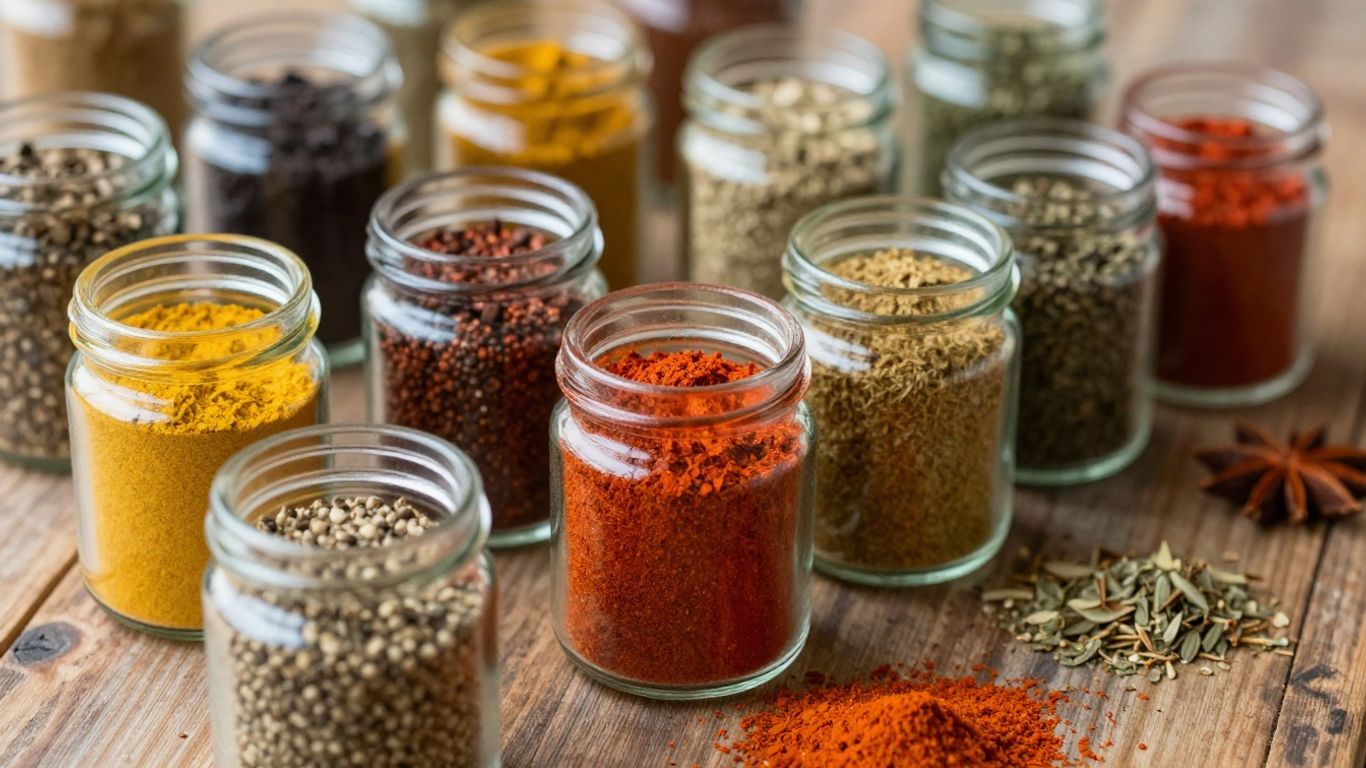
So, you’ve heard about umami, right? That fifth taste that makes food so satisfying. Well, I’ve been playing around with making my own umami spice kits, and honestly, it’s a game-changer for everyday cooking. Forget bland meals; these blends add this deep, savory flavor that just makes everything taste better, and the best part is, you can totally make them at home. It’s like having a secret weapon in your pantry for those moments when a dish just needs that something extra.
Key Takeaways
- DIY umami spice kits are a simple way to add deep, savory flavor to meals without relying on salt or MSG.
- Dried mushrooms, nutritional yeast, and tomato powder are core ingredients for building rich umami blends.
- These spice kits can help reduce sodium intake while increasing meal satisfaction.
- Techniques like dry roasting and caramelization maximize the natural umami compounds in ingredients.
- Umami spice kits are versatile and can be used in everything from soups and roasted vegetables to eggs and grains.
Unlocking The Fifth Taste: Understanding Umami
The Savory Depth of Umami
Umami. It’s that satisfying, mouth-watering sensation that makes food taste rich and complete. Often called the "fifth taste" alongside sweet, sour, salty, and bitter, umami is all about savoriness. Think about the deep flavor of a slow-cooked stew, the richness of aged cheese, or the deliciousness of a perfectly ripe tomato. That’s umami at work. It’s not just a fleeting taste; it’s a lingering depth that makes a dish feel truly satisfying. This complex flavor profile comes from compounds called glutamates, which are naturally found in many foods. When these glutamates interact with our taste receptors, they signal a sense of deliciousness and fullness.
Umami’s Role in Flavor Satisfaction
Why does umami make food so enjoyable? It plays a big part in how satisfied we feel after eating. Foods rich in umami can make meals more appealing, leading to a greater sense of contentment. This can be really helpful when you’re trying to eat a bit less or cut down on things like salt and sugar. When a dish has that savory depth, you often feel like you’ve eaten well, even if the portion size is modest. It’s like a flavor shortcut to feeling happy with your meal. This effect is why certain ingredients, when used right, can make a big difference in how much you enjoy your food.
Natural Sources of Umami
Good news: you don’t need fancy ingredients to get that umami kick. Nature provides plenty of umami-rich foods. Some of the most common and potent sources include:
- Mushrooms: Especially dried varieties like shiitake and porcini, but even fresh mushrooms pack a punch.
- Tomatoes: Ripe, roasted, or sun-dried tomatoes concentrate their umami flavor.
- Aged Cheeses: Parmesan and other aged cheeses are loaded with glutamates.
- Fermented Foods: Soy sauce, miso paste, and even some fermented vegetables bring a deep savory note.
- Seaweed: Kombu, often used in broths, is a classic umami ingredient.
Understanding these natural sources is the first step to building your own flavor-packed spice kits. It’s about recognizing the building blocks of deliciousness that are already out there.
Here’s a quick look at some common umami ingredients and their general flavor profiles:
| Ingredient | Key Flavor Profile |
|---|---|
| Dried Mushrooms | Earthy, deep savory |
| Sun-Dried Tomatoes | Concentrated, sweet-savory |
| Nutritional Yeast | Nutty, cheesy savory |
| Soy Sauce | Salty, fermented savory |
| Parmesan Cheese | Sharp, nutty savory |
Crafting Your Own Umami Spice Kits
Making your own umami spice blends at home is surprisingly simple and opens up a world of deep, satisfying flavors. Forget reaching for the salt shaker every time a dish tastes a little flat; these custom blends are designed to bring that savory fifth taste right to your fingertips. It’s about building layers of flavor using ingredients that naturally pack a punch.
The Foundation: Dried Mushrooms
Dried mushrooms are the absolute bedrock of any good umami blend. They’re packed with glutamates, the compounds responsible for that rich, savory sensation. When dried, their flavor becomes even more concentrated. Think of shiitake mushrooms for their intense earthiness, or porcini for a woodsy depth. Even common button mushrooms, when dried, contribute significantly to the umami profile.
- Shiitake: Offers a deep, meaty flavor.
- Porcini: Brings a complex, nutty, and woodsy taste.
- Maitake (Hen-of-the-Woods): Adds a subtle sweetness and earthy notes.
Essential Complementary Ingredients
While mushrooms are key, other ingredients play a vital role in rounding out your umami blends. Nutritional yeast is a fantastic addition, lending a cheesy, nutty flavor that’s particularly good in vegan dishes. Tomato powder or finely ground sun-dried tomatoes add a bright, concentrated sweetness and tang that complements the earthiness of mushrooms. Don’t forget aromatics like garlic and onion powder – they provide a familiar savory base that makes any blend more approachable.
Balancing Flavors for Maximum Impact
Creating a truly great umami blend isn’t just about throwing ingredients together. It’s about balance. You want to combine ingredients that offer different facets of savory flavor. For instance, pairing the deep earthiness of mushrooms with the slight tang of tomato powder creates a more complex profile than using either alone. A touch of smoked paprika can add a subtle smokiness, while a pinch of black pepper provides a gentle warmth. The goal is to create a blend that makes food taste more like itself, only better.
Experimentation is key here. Start with a base of dried mushroom powder and gradually add other components. Taste as you go. A little goes a long way, and you’ll quickly learn which combinations sing to your palate.
Key Ingredients for Umami Rich Blends
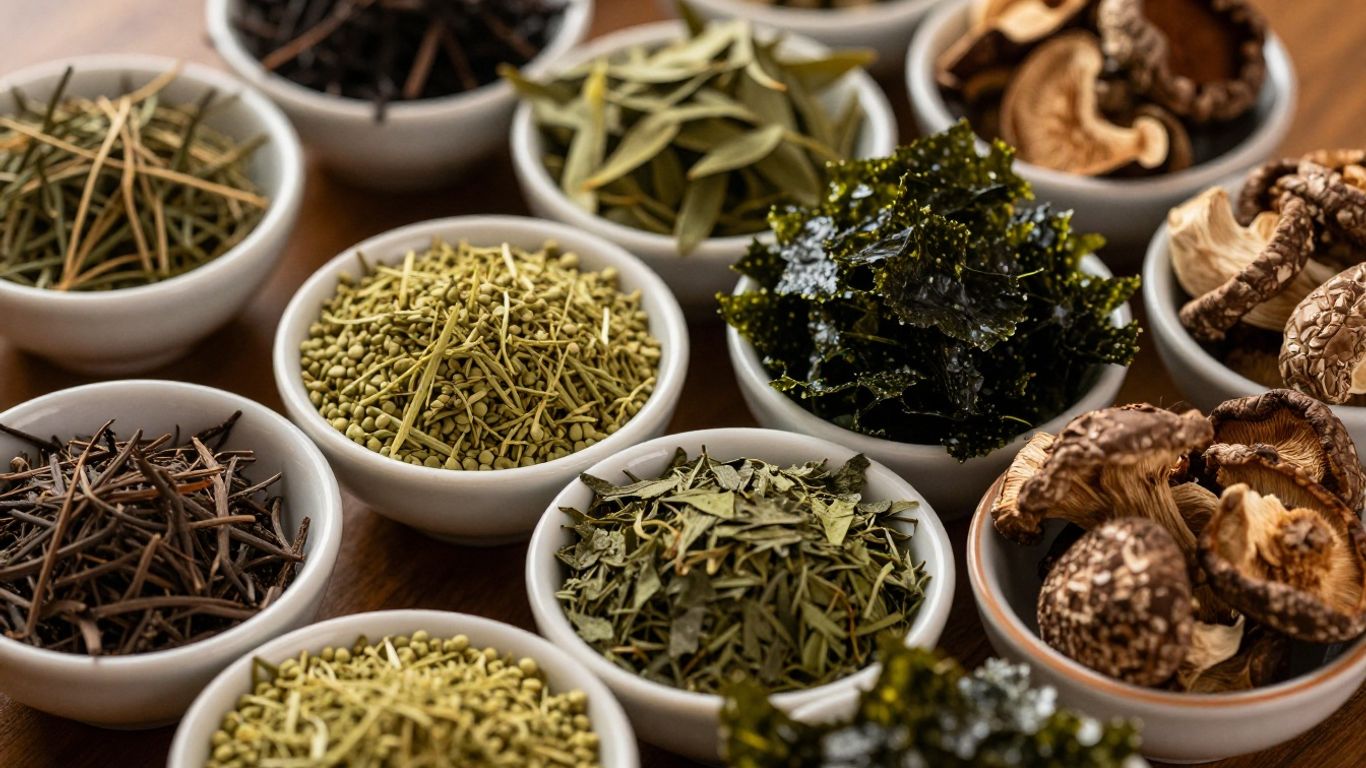
When you’re putting together your own umami spice kits, the ingredients you choose are really what make the magic happen. It’s all about finding those flavor powerhouses that bring that deep, savory taste to your food. Think of these as your secret weapons for making meals more satisfying, often without needing to reach for the salt shaker.
Mushroom Powders: Shiitake, Porcini, and More
Dried mushrooms are probably the first thing that comes to mind when you think of umami. They’ve got this natural richness that’s hard to beat. Grinding them into a powder concentrates all that goodness. Shiitake mushrooms are super popular because they have a really robust, almost meaty flavor. Porcini mushrooms bring a woodsy, earthy depth that’s also fantastic. Even common button mushrooms, when dried and powdered, add a nice savory note. Using mushroom powder is a simple way to add a complex flavor base to almost anything.
Nutritional Yeast: A Cheesy, Savory Powerhouse
This stuff looks like flakes, and it has a really unique flavor. It’s not actually from bread yeast; it’s a deactivated yeast that has a naturally cheesy, nutty, and savory taste. It’s a favorite among plant-based cooks, but honestly, anyone can use it to add a boost of umami. It’s also packed with B vitamins, which is a nice bonus. A little bit goes a long way in soups, sauces, or even sprinkled on popcorn.
Tomato Powder and Sun-Dried Tomatoes
Tomatoes, especially when they’re concentrated, are bursting with umami. Sun-dried tomatoes have an intense, sweet-savory flavor because all the water has been removed, leaving the good stuff behind. Tomato powder is similar – it’s just dried tomatoes ground up. It dissolves easily into sauces, rubs, or marinades, giving them a deep, rich tomato flavor that’s way more complex than just using fresh tomatoes alone. It’s great for adding that background savoriness that makes dishes taste like they’ve been simmering for hours.
Aromatic Enhancers: Garlic and Onion
While mushrooms, yeast, and tomatoes bring the primary umami punch, garlic and onion powders are the supporting cast that really makes the blend shine. They add a foundational savory aroma and flavor that complements the other ingredients. Roasting or dehydrating garlic and onions before powdering them can even deepen their natural sweetness and umami qualities. They’re pretty much universal flavor builders that work in almost any savory dish you can think of.
Building Your Signature Umami Kits
Now that you know what umami is and where to find it, let’s talk about putting it all together. Creating your own umami spice blends is where the real fun begins. It’s like being a flavor architect, designing custom tastes for your kitchen.
The All-Purpose Savory Blend
This is your everyday workhorse, the blend you’ll reach for when a dish just needs that little something extra. Think of it as the foundation for all your umami adventures. The goal here is a balanced, savory profile that complements a wide range of foods without overpowering them.
- Dried Mushroom Powder: This is the heart of the blend. Shiitake or porcini work wonderfully, offering a deep, earthy base. Start with about 2 tablespoons.
- Nutritional Yeast: Adds a cheesy, nutty depth. About 2 tablespoons will give you that savory kick.
- Tomato Powder: Concentrated tomato flavor brings a subtle sweetness and tang. 1 tablespoon is a good starting point.
- Garlic and Onion Granules: These aromatics are non-negotiable for savory depth. Use 1 tablespoon each.
- A Pinch of Something Extra: Consider a little smoked paprika for warmth or a touch of ground mustard for a subtle bite. About half a teaspoon of each should do.
Mix these ingredients thoroughly. This blend is your secret weapon for making everything from roasted vegetables to simple scrambled eggs taste extraordinary.
Spicy Umami Variations
Want to add a little heat to your savory creations? It’s easy to tweak the all-purpose blend. The key is to layer heat with umami, so the spice complements rather than masks the savory notes.
- Add Chili Flakes: For a gentle warmth, add 1-2 teaspoons of red pepper flakes. For more heat, try cayenne pepper or a pinch of ghost pepper powder if you’re brave.
- Smoked Paprika: If you didn’t use it in the base blend, add it here for a smoky heat.
- Chipotle Powder: This offers a fantastic smoky and spicy profile that pairs beautifully with umami ingredients.
Start with small amounts of the spicy elements and taste as you go. You can always add more, but you can’t take it away!
Herbaceous and Earthy Combinations
Sometimes, you want your umami blend to have a more specific character. Adding herbs can bring freshness and complexity, while other earthy ingredients can deepen the savory profile even further.
- Rosemary and Thyme: These classic herbs pair wonderfully with mushrooms and tomatoes. Add about 1 teaspoon of each, dried.
- Sage: A little sage can add a unique, slightly peppery note that works well with roasted dishes.
- Ground Cumin: For an earthy, warm spice that complements many cuisines.
- Kelp Granules: If you want to lean into the oceanic umami, a small amount of kelp granules can add a distinct savory flavor and a boost of minerals.
Remember, the goal is balance. You want the herbs and earthy notes to enhance the umami, not compete with it. Experimentation is key to finding your perfect signature blend.
Techniques for Maximizing Umami Flavor
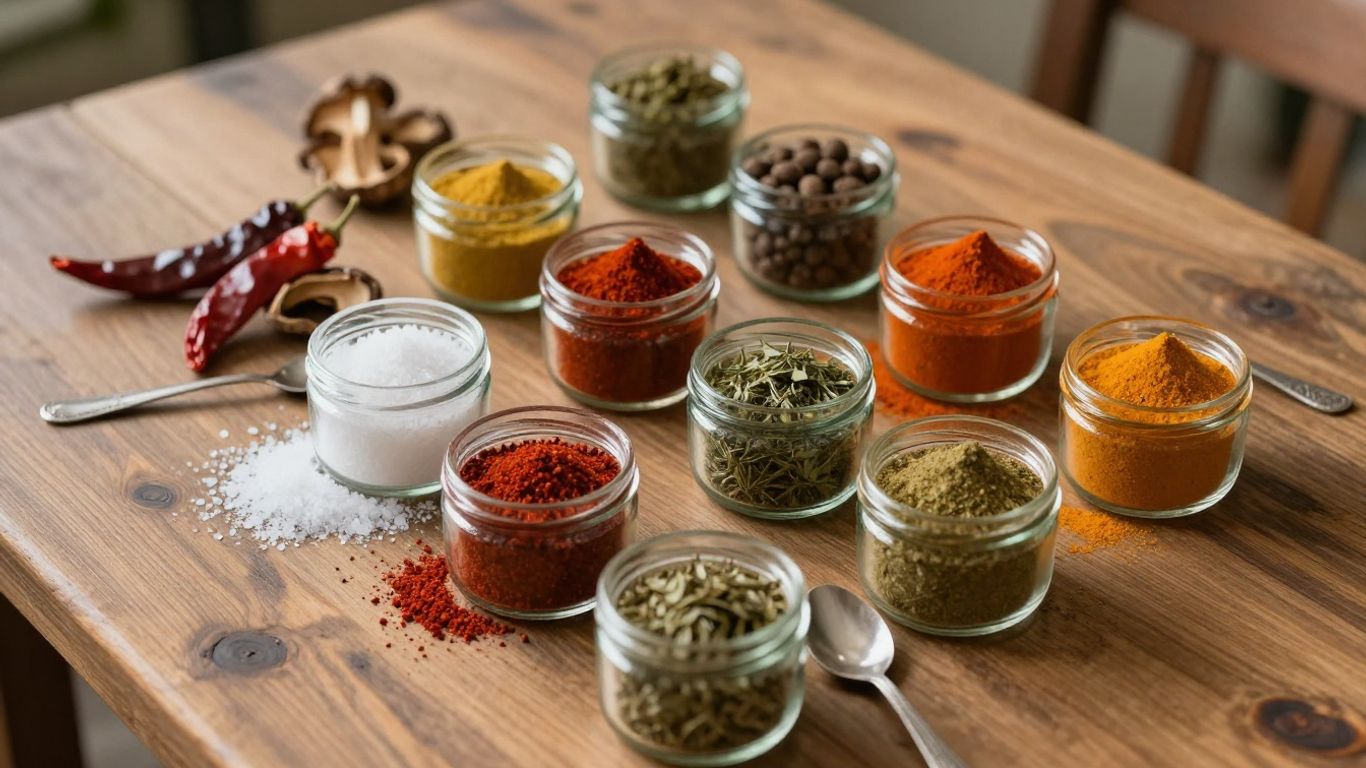
Getting the most out of your umami spice kits is all about how you use them. It’s not just about the ingredients themselves, but the little tricks you can do in the kitchen to really make that savory flavor pop. Think of it like coaxing out the best qualities from something – a bit of heat, a bit of time, and the right approach can make all the difference.
Dry Roasting and Caramelization
This is a game-changer for ingredients like mushrooms and even some vegetables. When you cook them in a hot, dry pan without much oil, you’re essentially concentrating their natural flavors. For mushrooms, this means cooking them until they get a nice brown color and a slightly chewy texture. This process brings out their inherent glutamates, making them taste much richer and more savory than if you just boiled or steamed them. It’s a simple step that adds a serious flavor boost.
- Mushrooms: Slice or quarter, then cook in a dry skillet over medium-high heat for about 5-7 minutes per side. Let them brown nicely.
- Tomatoes: Roasting tomatoes, especially cherry or grape varieties, at a lower temperature for a longer time (like 250°F or 120°C for 2-3 hours) concentrates their sweetness and umami.
Creating Flavorful Broths and Bases
Umami is the backbone of many great soups and stews, and you can build that depth from the start. Using ingredients rich in umami when you make your broths or cooking bases is key. Think about simmering dried mushrooms, kombu (a type of seaweed), or even roasted vegetables into your stock. You can also add a spoonful of miso paste or a dash of soy sauce towards the end of simmering to deepen the flavor profile without making it taste overtly like those ingredients.
Building a flavorful base is like laying a solid foundation for your meal. It means that every spoonful will have that satisfying, savory quality.
Strategic Ingredient Layering
Don’t just dump everything in at once. Think about when you add your umami elements. Some ingredients, like dried mushroom powder, can go in early to infuse the whole dish. Others, like a splash of fish sauce or a sprinkle of nutritional yeast, might be best added towards the end of cooking to preserve their distinct flavor. Combining different sources of umami – say, mushrooms and tomatoes, or nutritional yeast and a bit of soy sauce – can create a more complex and satisfying taste than any single ingredient could alone. Start small, maybe a quarter teaspoon of a new blend, and taste as you go. You’ll learn what works best for different dishes.
Beyond the Blend: Versatile Applications
So you’ve got your umami spice kits ready to go. That’s awesome! But what do you actually do with them? Turns out, these blends are pretty much magic wands for your kitchen. They’re not just for fancy dishes; they can seriously perk up everyday meals. Think of them as your secret weapon for when food tastes a bit… meh.
Elevating Soups and Stews
Soups and stews are a natural fit for umami. A spoonful of your blend can add that deep, savory background that usually takes hours to build. It’s like giving your broth a superpower. You can stir it in at the beginning to let the flavors meld, or add it near the end for a fresh burst of savory goodness. It works wonders in vegetable soups, lentil stews, or even a simple chicken noodle.
Enhancing Roasted Vegetables and Grains
Roasted veggies can sometimes be a bit one-note, right? Sprinkle your umami blend on things like broccoli, Brussels sprouts, or sweet potatoes before they go into the oven. The heat helps the spices bloom, bringing out a richer flavor. Same goes for grains like rice, quinoa, or farro. Stir a bit in while they’re cooking, or toss it with them after they’re done. It makes a simple side dish feel much more complete.
Boosting Eggs and Plant-Based Dishes
Eggs are already pretty great, but adding an umami blend to scrambled eggs, omelets, or even just a fried egg on top of toast? It’s a game-changer. For plant-based meals, these blends are especially useful. They can add that satisfying, meaty depth to tofu scrambles, veggie burgers, or bean-based dishes that might otherwise lack that savory punch. It’s a simple way to make vegetarian and vegan food taste even more robust.
These blends are fantastic for cutting down on salt. You get a big flavor boost from ingredients like mushrooms and nutritional yeast, meaning you don’t need to reach for the salt shaker as often. It’s a win-win for taste and health.
Healthful Benefits of Umami Spice Kits
Beyond just making food taste amazing, these umami spice kits actually bring some good stuff to the table. They’re a smart way to make your meals more satisfying without needing to add a lot of salt or calories. Think about it: when your food tastes really good, you feel more content with what you’re eating. That means you’re less likely to overeat or feel like you’re missing out.
Reducing Sodium Intake Naturally
One of the biggest wins with umami blends is how they help cut down on salt. Many of us use salt simply because it makes food taste better, but too much isn’t great for our health. Umami ingredients, like dried mushrooms and nutritional yeast, are naturally rich in compounds that give food that savory depth. By using these in your blends, you can significantly lower the amount of salt you add to dishes. It’s a simple swap that makes a real difference.
- Umami ingredients boost flavor satisfaction, potentially reducing the need for added salt.
- Many umami-rich foods like mushrooms and tomatoes are naturally low in sodium.
- Using these blends can help you meet health goals without sacrificing taste.
Enhancing Meal Satisfaction
Ever finish a meal and still feel a bit hungry or just not fully satisfied? Umami can be the missing piece. It’s often called the
Essential Equipment for DIY Blends
Getting your DIY umami spice kits together doesn’t require a professional kitchen, but having the right tools makes the process much smoother and the results better. Think of these as your trusty sidekicks in the flavor-making adventure.
Spice Grinders and Blenders
For that super-fine, uniform powder that blends beautifully into dishes, a good spice grinder or a small blender is your best friend. If you’re working with whole dried mushrooms or other ingredients that need breaking down, these are a must. For smaller batches, a dedicated spice grinder works wonders. If you plan on making larger quantities or already have one for smoothies, a regular blender or even a food processor can do the job. The goal is to get your ingredients to a consistent, powdery texture.
Airtight Storage Containers
Once you’ve mixed up your umami magic, you need to keep it fresh. This is where airtight containers come in. Small glass jars with tight-fitting lids are perfect. They not only keep air and moisture out, which can degrade your spices, but they also look nice on your shelf. Think about jars that are around 4 ounces, as they’re a good size for a batch of your blend.
Measuring and Mixing Tools
Accuracy matters when you’re creating balanced flavors. You’ll want a set of measuring spoons and cups to get your ratios just right. A small whisk or even a fork is handy for thoroughly mixing your dry ingredients together.
- Measuring spoons (tablespoon, teaspoon, half-teaspoon, quarter-teaspoon)
- Mixing bowl (a medium-sized one is usually sufficient)
- Airtight jars for storage
- Spice grinder or small blender (optional, but recommended for finer texture)
Keeping your ingredients well-mixed and properly stored is key to a long-lasting, flavorful spice blend. Don’t underestimate the power of a good seal on your container!
Storage and Shelf Life of Your Kits
So you’ve put together some fantastic umami spice blends. That’s great! Now, how do you keep them tasting their best? Proper storage is key to making sure that savory punch doesn’t fade away.
Optimal Storage Conditions
Think of your spice kits like any other dried good. They like it cool, dry, and dark. Airtight containers are your best friend here. Glass jars with tight-fitting lids work wonderfully. Keep them away from heat sources like your stove or direct sunlight, as these can degrade the flavors over time. Moisture is also a big no-no; it can cause clumping and affect the taste.
Maintaining Peak Flavor
For the freshest taste, aim to use your blends within about 3 to 4 months. After this period, the intensity of the umami might start to mellow out. It won’t necessarily go bad, but it won’t have that same vibrant kick.
- Always use a clean, dry spoon when scooping out your spice blend. Even a tiny bit of moisture can start the degradation process.
- If you’ve ground your own ingredients, they might have a slightly shorter shelf life than pre-ground commercial spices.
- Consider labeling your containers with the date you made the blend. It’s a simple step that really helps keep track.
Tips for Preserving Freshness
Here are a few extra pointers to keep your umami kits in top shape:
- Location, Location, Location: Store your jars in a pantry or cupboard. Avoid storing them right next to the oven or on a windowsill.
- Seal it Tight: Double-check that lids are screwed on securely after each use. This prevents air and moisture from getting in.
- Small Batches: If you don’t use a lot of a particular blend, consider making smaller batches more frequently. This way, you’re always working with the freshest possible product.
Keeping your umami spice kits fresh isn’t complicated. It’s mostly about being mindful of the environment they’re stored in and using them at a reasonable pace. A little care goes a long way in preserving that delicious, savory depth you worked so hard to create.
Creative Substitutions and Customizations
You know, sometimes you’re halfway through making a blend and realize you’re out of shiitake powder, or maybe you just want to try something a little different. That’s totally fine! The beauty of DIY spice kits is their flexibility. You can really make them your own.
Alternative Mushroom Varieties
Dried mushrooms are the backbone of many umami blends, but there’s a whole world beyond shiitake. If you can’t find shiitake, or just want to mix things up, try using dried porcini or oyster mushrooms. They bring their own unique earthy notes. Even dried cremini mushrooms can work in a pinch. Just make sure they’re thoroughly dried so they grind down well. The key is to get that deep, savory mushroom flavor, and most dried varieties will deliver.
Sweeteners and Heat Adjustments
While umami is all about savory depth, a little sweetness or a touch of heat can really make it sing. For a hint of sweetness, consider adding a tiny bit of coconut sugar or even a pinch of date sugar to your blend. It’s not about making it sweet, but about rounding out the flavors. When it comes to heat, that’s where you can really play. Smoked paprika adds a gentle warmth and smokiness, while a pinch of cayenne pepper or chili flakes will crank up the spice. You can even add a bit of ground ginger for a different kind of warmth.
Incorporating Fresh Herbs and Spices
Dried herbs and spices are great for shelf stability, but don’t forget the power of fresh ingredients when you’re actually using your blend. While you won’t typically grind fresh herbs into a dry mix meant for long storage, you can absolutely add them when you cook. Think about stirring fresh chopped parsley or cilantro into a dish right before serving, or adding a sprig of fresh thyme to a simmering soup. For immediate flavor boosts, you could even make a quick paste by blending a bit of your dry umami mix with fresh garlic, ginger, or a squeeze of lemon juice. This adds a vibrant, fresh dimension that complements the deep umami notes beautifully.
Don’t have the exact ingredient? No worries! You can easily swap things out or add your own special touch. Get creative and make the recipe your own. For more ideas on how to personalize your dishes, visit our website!
Bringing the Umami Home
So there you have it – a simple way to add that satisfying, savory depth to pretty much anything you cook. Making your own umami spice blends isn’t just about following a recipe; it’s about understanding how certain ingredients can transform a meal from ordinary to something truly special. Whether you’re looking to cut down on salt, boost the flavor of plant-based dishes, or just want that extra something that makes food taste right, these blends are your new best friend. Don’t be afraid to experiment, play around with the ingredients, and find what works best for your taste buds. Happy cooking!
Frequently Asked Questions
What exactly is umami?
Umami is known as the fifth taste, right after sweet, sour, salty, and bitter. It’s that deep, savory flavor you get from things like mushrooms, aged cheeses, and soy sauce. It makes food taste really satisfying and rich.
How can I make my food taste more savory without adding salt?
You can boost savory flavors using ingredients naturally high in umami. Think about using dried mushrooms (like shiitake or porcini), nutritional yeast for a cheesy taste, or tomato powder. These add a deep flavor without needing extra salt.
Can I use fresh mushrooms instead of dried ones for my spice blend?
For a dry spice mix, dried mushrooms are best because they have a more concentrated flavor and less moisture. If you want to use fresh mushrooms, you’d need to dry them out completely first, either in a dehydrator or a low oven, until they are brittle.
What are some good ingredients to mix with mushroom powder for a spice blend?
Great additions include garlic powder, onion powder, black pepper, and a pinch of smoked paprika for a smoky flavor. You can also add nutritional yeast for a cheesy note or a little bit of cayenne pepper if you like things spicy.
How long will my DIY umami spice kits last?
When stored properly in airtight containers away from light and moisture, your spice kits should stay fresh and flavorful for about 3 to 4 months. Using a dry spoon to measure will help keep them from going bad.
Can I use these umami blends in place of bouillon powder?
Yes, absolutely! These blends are designed to give you that deep, savory taste similar to bouillon, but without the added salt or MSG. They’re a fantastic way to add richness to soups and stews.
Are these DIY umami spice kits suitable for vegans?
Definitely! The core ingredients like dried mushrooms, nutritional yeast, and tomato powder are all plant-based. Just be sure to check any other spices you add to ensure they are vegan-friendly.
How can I make my umami blend spicier?
To add some heat, you can simply include chili flakes, cayenne pepper, or a bit of hot paprika in your blend. Start with a small amount and taste as you go, so you can adjust the spice level to your preference.