
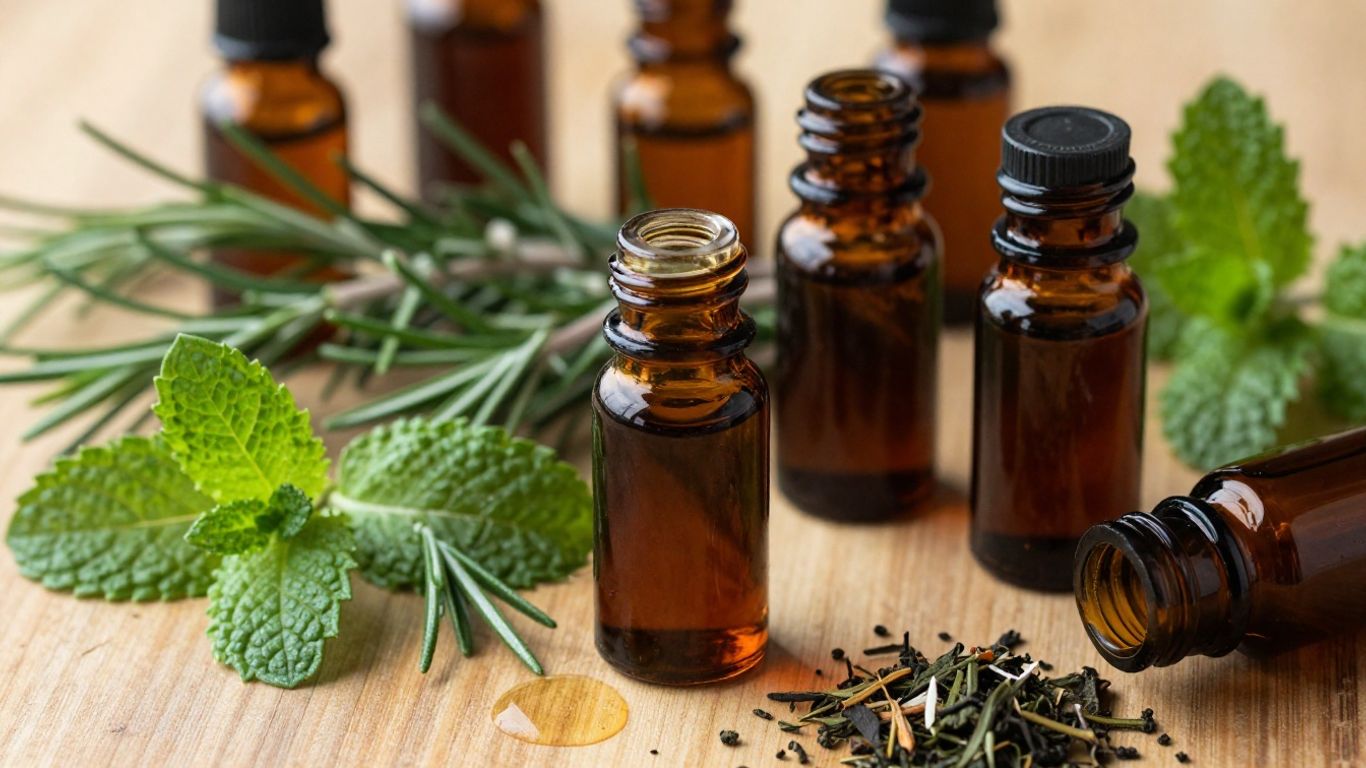
Lately, I’ve been looking into ways to help my digestion without reaching for sugary stuff. It’s easy to forget that our bodies actually need certain tastes to work right, and bitter is one of them. For ages, people have used herbal bitters to get their digestive system going. They’re not just for fancy cocktails anymore; these potent plant extracts are making a comeback as a simple, natural way to support how we process food. If you’re dealing with bloating, cravings, or just feel like your digestion is a bit sluggish, herbal bitters might be something to consider. Let’s explore what they are and how they can help.
Key Takeaways
- Herbal bitters, with their distinct bitter taste, have a long history of use across cultures to aid digestion.
- The bitter taste stimulates taste receptors, signaling the body to produce more saliva, stomach acid, and digestive enzymes.
- Incorporating herbal bitters can help manage appetite, reduce sugar cravings, and improve the absorption of nutrients from food.
- These natural remedies may support metabolic health by helping to balance blood sugar levels and aid pancreatic function.
- Herbal bitters can also play a role in liver health by stimulating bile production and assisting the liver’s natural cleansing processes.
Understanding The Power Of Herbal Bitters
A Journey Through Bitter’s History
For centuries, humans have turned to the distinct taste of bitterness, not just as a flavor, but as a powerful ally for their digestive systems. Long before bitters became a trendy addition to cocktails or a staple in modern wellness routines, they were a fundamental part of our ancestral diets and traditional healing practices. Think back to a time when food was less about preference and more about survival; bitter flavors were common, often signaling nutrient-rich plants. As agriculture advanced and our palates became more accustomed to sweeter and saltier tastes, the presence of bitter foods in our daily meals dwindled. This shift is partly because bitterness can sometimes indicate the presence of toxins, leading to a natural wariness. Yet, this ancient wisdom recognized the profound benefits of these potent flavors.
The Science Behind Bitter Taste Receptors
It might surprise you to learn that the sensation of bitterness isn’t confined solely to your tongue. While our taste buds are the initial point of contact, bitter taste receptors are actually found throughout your entire digestive tract. They’re present in your stomach, intestines, and even in organs like your pancreas, liver, and kidneys. When these receptors are activated by bitter compounds, they send signals that kickstart a cascade of digestive processes. This intricate network of receptors is key to how bitters prepare your body for efficient digestion. It’s a sophisticated biological response that primes your system to break down food and absorb nutrients effectively.
Modern Revival Of Ancient Remedies
Today, we’re witnessing a significant resurgence of interest in herbal bitters, bringing ancient remedies back into the spotlight. This revival is driven by a growing awareness of their digestive benefits and a desire for natural, sugar-free ways to support our health. From artisanal bitters gracing cocktail menus to standalone tinctures used for wellness, their popularity is undeniable. This renewed appreciation acknowledges that while modern cuisine has moved away from bitter flavors, our bodies still recognize and respond to them. It’s a beautiful example of how we can reconnect with time-tested traditions to address contemporary health needs, offering a gentle yet effective way to support digestion without relying on added sugars.
How Herbal Bitters Stimulate Digestion
Activating Salivary Glands And Digestive Juices
Ever notice how a really sour candy makes your mouth water? Herbal bitters work on a similar principle, but with a more complex cascade of effects. When you taste something bitter, it’s like a wake-up call for your entire digestive system. Your brain gets the signal, and it starts preparing for food. This means your salivary glands kick into high gear, producing more saliva. Saliva isn’t just water; it contains enzymes that begin the process of breaking down food even before you swallow it. Think of it as the first step in a well-orchestrated digestive symphony.
Signaling The Vagus Nerve For Digestive Action
The bitter taste doesn’t just stop at your tongue. It sends signals through a major nerve called the vagus nerve. This nerve acts like a communication highway, connecting your brain to many of your internal organs, including your stomach, pancreas, and liver. When the vagus nerve is stimulated by the bitter compounds, it tells these organs to get ready. It’s a sophisticated way your body prepares to receive and process nutrients efficiently. This neural signaling is key to getting your digestive machinery running smoothly.
Enhancing Stomach Acid And Enzyme Production
Once those signals reach your stomach and other digestive organs, more specific actions begin. The bitter taste prompts your stomach to produce more hydrochloric acid (HCl). Now, I know ‘stomach acid’ sounds a bit scary, but having the right amount of HCl is actually really important for good digestion. It helps break down proteins and also kills off any unwanted bacteria that might have hitched a ride with your food. Beyond stomach acid, the pancreas is signaled to release digestive enzymes, and the liver and gallbladder are prompted to produce and release bile. Bile is particularly important for digesting fats. So, by simply tasting something bitter, you’re setting off a chain reaction that optimizes the production of all the necessary components for breaking down your meal.
- Increased Saliva Production: Starts carbohydrate digestion.
- Stimulated Stomach Acid (HCl): Aids protein breakdown and sterilization.
- Enhanced Enzyme and Bile Release: Crucial for nutrient absorption, especially fats.
The bitter taste is a primal signal that tells your body, "Food is coming!" This triggers a series of physiological responses designed to prepare your digestive tract for optimal function, ensuring that nutrients can be efficiently extracted and absorbed from the food you eat. It’s a natural process that has been fine-tuned over millennia.
Key Benefits Of Incorporating Herbal Bitters
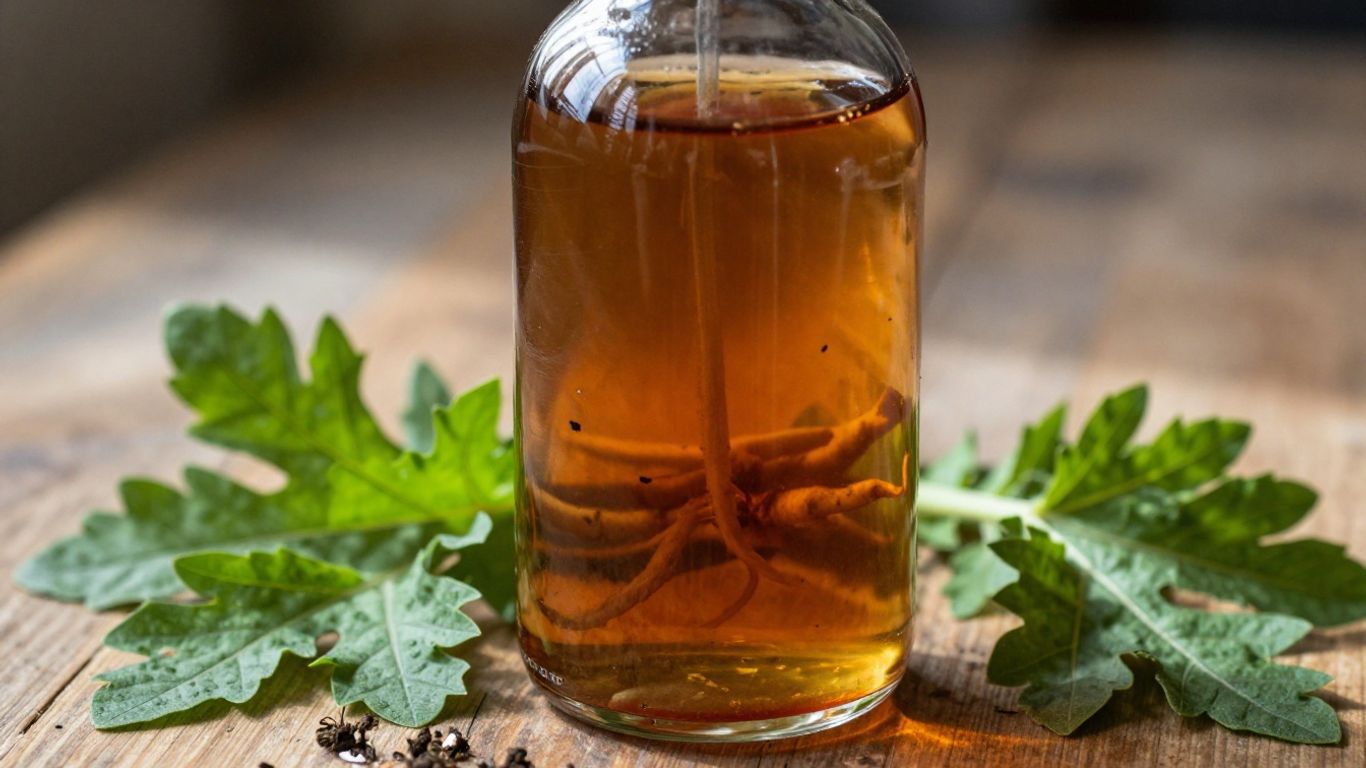
Adding herbal bitters to your routine can offer a surprising range of advantages, going beyond just a quick fix for an upset stomach. They work by tapping into our body’s natural digestive processes, helping things run more smoothly.
Here are some of the main ways they can help:
- Supporting Healthy Appetite Regulation: Bitters can signal to your brain that you’re full, which might help you feel satisfied with less food. This can be really useful if you find yourself overeating or constantly feeling hungry.
- Curbing Unwanted Sugar Cravings: That intense desire for something sweet? Bitters can actually help dial that back. By stimulating certain taste receptors, they can reduce the pull of sugary treats, making it easier to stick to healthier choices.
- Promoting Nutrient Absorption: When your digestive system is working optimally, it’s better at breaking down food and absorbing all the good stuff. Bitters help get your digestive juices flowing, which means your body can get more out of the food you eat.
It’s pretty neat how a simple bitter taste can have such a broad impact on how we feel and how our bodies function. They essentially help prime your system for better digestion and balance.
While the primary focus is often on digestion, the ripple effects of well-functioning digestion are significant. When your body efficiently processes food and absorbs nutrients, it impacts everything from energy levels to overall well-being. Bitters offer a natural way to support this foundational process.
Herbal Bitters For Metabolic Health
Balancing Blood Sugar Levels Naturally
It might seem surprising, but those bitter herbs you’ve heard about can actually play a role in keeping your blood sugar in check. Think about it: when you curb those intense sugar cravings, you’re naturally reducing your intake of sweets. This simple act alone helps your body maintain more stable blood sugar levels. Beyond that, some bitter herbs, like bitter melon, have been traditionally used for their ability to help manage glucose. Research suggests that bitter flavors might even interact with the pancreas, the organ responsible for insulin production, potentially helping to regulate metabolic processes. It’s a fascinating connection between taste and our body’s internal chemistry.
Supporting Pancreatic Function
The pancreas is a busy organ, and it’s central to how our body handles sugar. Interestingly, bitter taste receptors aren’t just on our tongue; they’re found in various parts of our digestive system, including the pancreas itself. When these receptors are activated by bitter compounds, they can signal the release of hormones involved in metabolism. This means that incorporating bitters could potentially support the pancreas in its role of producing insulin, which is key for managing blood glucose. It’s a subtle but important way these herbs can contribute to our overall metabolic well-being.
Reducing The Risk Of Diabetes
Given their potential to help balance blood sugar and support pancreatic function, it’s no wonder herbal bitters are being looked at for their role in reducing the risk of developing type 2 diabetes. By helping to curb sugar cravings and potentially improving how the body uses insulin, bitters offer a natural avenue for supporting metabolic health. While they aren’t a magic bullet, integrating them into a balanced lifestyle that includes a healthy diet and regular exercise could be a proactive step. It’s about working with your body’s natural systems to promote long-term health.
Herbal bitters offer a unique pathway to support metabolic health, working through taste receptors that influence digestion, appetite, and even hormone regulation. Their ability to curb sugar cravings and potentially aid the pancreas makes them a noteworthy addition to a wellness routine focused on balanced blood sugar and overall metabolic function.
The Role Of Herbal Bitters In Liver Health
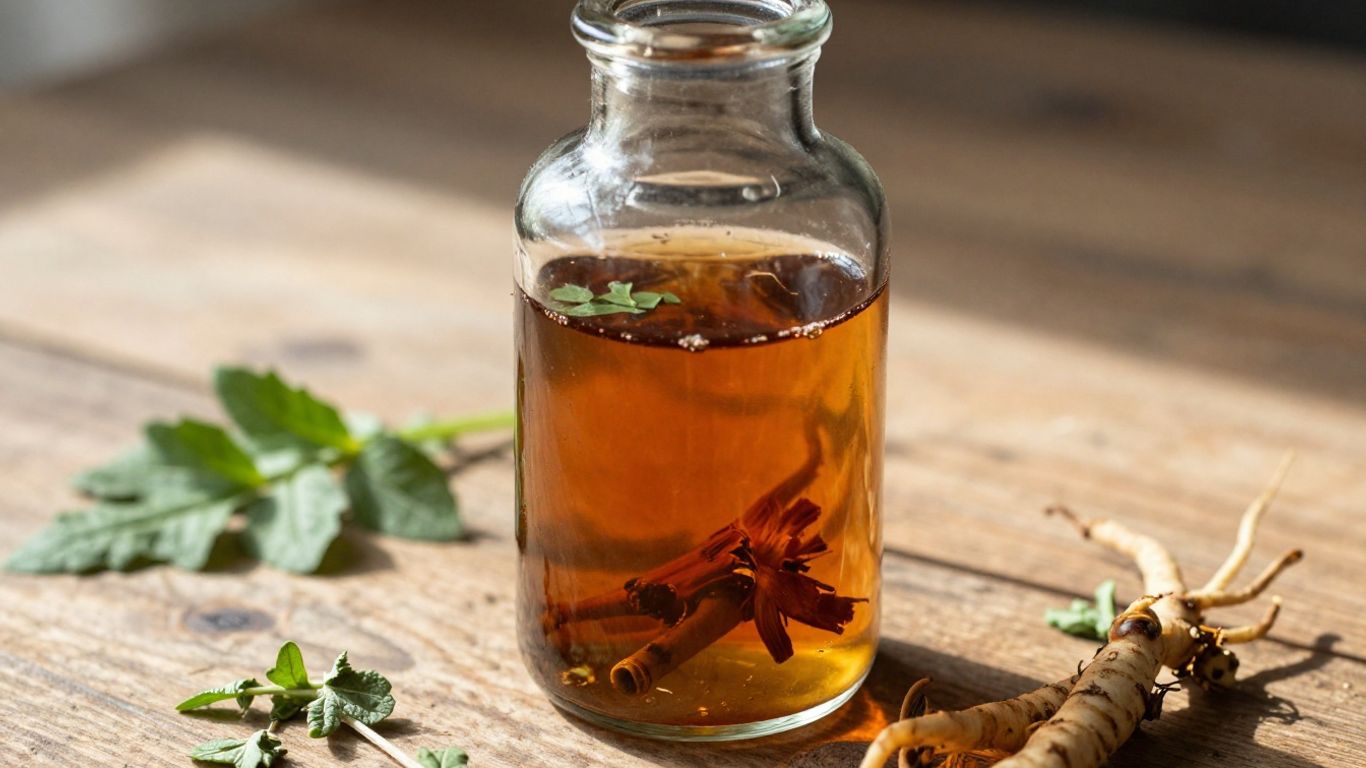
Stimulating Bile Production For Fat Digestion
Our liver is a busy organ, and one of its key jobs is making bile. Bile is like a digestive detergent; it helps break down the fats we eat so our body can actually use them and absorb the good stuff from our food. Bitter herbs, when tasted, send a signal that gets the liver to ramp up bile production. Think of it as giving your liver a nudge to do its job more efficiently. This is especially helpful after a meal with fats, making digestion smoother and preventing that heavy, sluggish feeling.
Aiding The Liver’s Natural Detoxification Processes
Beyond digestion, the liver is our primary detoxifier, filtering out waste and unwanted substances from our blood. Bitter compounds can actually support this process. They interact with specific receptors in the liver, encouraging it to work more effectively at processing and eliminating toxins. It’s not about forcing the liver, but rather about providing it with the right signals to perform its inherent protective functions.
Reducing The Risk Of Fatty Liver Disease
Fatty liver disease, where too much fat builds up in the liver, is a growing concern. Interestingly, studies suggest that the bitter taste itself, and the compounds found in bitter herbs, might play a role in managing fat within the liver. By influencing metabolic pathways and potentially reducing the accumulation of lipids, bitters could offer a supportive measure for liver health, helping to keep fat levels in check.
Addressing Common Digestive Discomforts
It feels like everyone experiences a bit of digestive upset now and then, right? Bloating after a big meal, that uncomfortable feeling of indigestion, or even heartburn can really throw off your day. Thankfully, herbal bitters can offer a gentle, natural way to find some relief from these common issues.
Easing Bloating and Gas
When your digestive system is sluggish, gas can build up, leading to that uncomfortable, tight feeling of bloating. Bitter herbs work by stimulating the production of digestive juices, including bile and enzymes. This helps your body break down food more efficiently, reducing the likelihood of undigested food fermenting in your gut and producing excess gas. Think of it as getting your digestive machinery running smoothly again.
Relieving Indigestion and Upset Stomach
Indigestion, often felt as a general discomfort or pain in the upper abdomen, can stem from various causes, including insufficient stomach acid or slow stomach emptying. Bitters signal your body to ramp up the production of stomach acid and digestive enzymes, which are key for breaking down food properly. This can help speed up the emptying of your stomach and ease that heavy, uncomfortable feeling.
Soothing Heartburn Symptoms
It might seem strange, but heartburn can sometimes be a sign of too little stomach acid, not too much. When stomach acid levels are low, food stays in the stomach longer, and the lower esophageal sphincter might not close properly, allowing stomach contents to back up. By supporting healthy stomach acid production, bitters can help correct this imbalance and reduce the frequency and intensity of heartburn. This natural approach aims to restore balance rather than just masking symptoms.
Here’s a quick look at how bitters can help:
- Stimulate Digestive Juices: Encourages the release of saliva, bile, and enzymes.
- Improve Stomach Emptying: Helps move food through the digestive tract more efficiently.
- Balance Stomach Acid: Supports appropriate levels of hydrochloric acid (HCl).
- Reduce Gas Production: Aids in more complete food breakdown.
While bitters are a fantastic tool for occasional digestive woes, persistent or severe symptoms should always be discussed with a healthcare professional to rule out underlying conditions.
Exploring Different Types Of Herbal Bitters
Understanding Common Bitter Herbs
Herbal bitters come from a variety of plants, each with its own unique profile of bitter compounds and potential benefits. While the bitter taste is the common thread, the specific herbs used can significantly influence the final product’s flavor and effects. Some of the most frequently encountered bitter herbs include:
- Dandelion (Taraxacum officinale): Both the root and leaves are used. The root is known for supporting liver function and bile production, while the leaves can act as a mild diuretic. Dandelion has a robust, earthy bitterness.
- Gentian (Gentiana lutea): Considered one of the most potent bitter herbs, gentian root is highly regarded for its ability to stimulate digestive secretions. Its bitterness is intense and sharp.
- Wormwood (Artemisia absinthium): Historically used, wormwood has a very strong, somewhat medicinal bitterness. It’s often used in small quantities due to its potency.
- Bitter Melon (Momordica charantia): This tropical vine produces fruit that is intensely bitter. It’s well-known for its potential role in blood sugar balance and has a distinct, sharp bitterness.
- Burdock Root (Arctium lappa): Burdock root offers a deep, earthy bitterness and is recognized for its detoxifying properties, supporting liver and kidney function.
The specific combination of these herbs, and others like Angelica root, chicory root, and citrus peels, creates the diverse range of flavors and therapeutic actions found in commercial and homemade bitters.
Targeted Blends For Specific Needs
Beyond general digestive support, many bitters are formulated with specific health goals in mind. These targeted blends often combine classic bittering agents with other herbs known for particular actions. For instance:
- Liver Support Blends: These might feature herbs like milk thistle, globe artichoke, and dandelion root, all known for their hepatoprotective qualities and ability to stimulate bile flow.
- Calming Blends: For those experiencing digestive upset alongside stress or anxiety, blends might include herbs like chamomile, lemon balm, or passionflower alongside gentian or dandelion. These aim to soothe the nervous system while still priming digestion.
- Circulatory Support: Some formulations incorporate herbs like hawthorn or cayenne, which are thought to support cardiovascular health, alongside bittering agents.
Exploring Alcohol-Free Options
Traditionally, herbal bitters are made by infusing herbs in alcohol, which acts as a solvent and preservative. However, for individuals avoiding alcohol, whether for personal, religious, or health reasons, several excellent alcohol-free alternatives are available. These often use:
- Vegetable Glycerin: A sweet, viscous liquid derived from plant oils, glycerin can effectively extract and preserve herbal constituents. Glycerin-based bitters tend to have a slightly sweeter profile than their alcohol counterparts.
- Apple Cider Vinegar: ACV itself has digestive benefits and can serve as a base for infusing bitter herbs. These bitters will have a tangy, vinegary taste in addition to the bitterness.
- Water: While less common for long-term preservation, some bitters are made with water, often intended for quicker consumption or combined with other preservation methods.
These alcohol-free versions provide a way for everyone to experience the digestive benefits of herbal bitters without the alcohol content. When choosing or making bitters, consider your personal preferences and health needs to find the best fit for your routine. It’s always a good idea to consult with a healthcare provider if you have specific health concerns or are taking medications, as herbs can interact with certain drugs.
Integrating Herbal Bitters Into Your Routine
Optimal Timing For Consumption
Getting the most out of your herbal bitters often comes down to when you take them. The general consensus among herbalists and digestive health practitioners is to take bitters before a meal. Think of it as a preparatory step for your digestive system. About 10 to 15 minutes before you sit down to eat is usually ideal. This timing allows the bitter compounds to signal your brain and digestive tract, kicking off the production of saliva, stomach acid, and digestive enzymes needed to break down your food effectively. It primes your system, so to speak.
However, bitters aren’t just for pre-meal use. If you find yourself feeling overly full, bloated, or experiencing indigestion after a meal, a small dose of bitters can also be beneficial. It can help to stimulate further digestive action and ease discomfort. So, while the pre-meal window is often highlighted, don’t discount their utility for post-meal support.
Proper Usage Techniques
How you take your bitters matters. The most common and effective method involves placing a small dose, typically around a quarter teaspoon, directly onto your tongue. Hold the liquid in your mouth for about 10-15 seconds before swallowing. This is key because bitter taste receptors aren’t just on the tip of your tongue; they’re spread across it. Allowing the bitters to coat your tongue and linger in your mouth maximizes their signaling effect on your digestive system. You might notice increased salivation during this time – that’s exactly what you want! It’s a sign that your digestive juices are starting to flow.
Some people find the intense bitterness challenging. If this is the case, you can dilute your bitters in a small amount of water or add them to a splash of sparkling water. While this might slightly lessen the immediate impact, it can make them more palatable and still provide digestive benefits. Avoid mixing them into large volumes of liquid or hot beverages, as this can dilute their potency and diminish their effectiveness.
Incorporating Bitters Into Meals
While taking bitters straight is a popular method, there are other creative ways to weave them into your daily routine, especially if you’re looking for a more subtle approach or want to enhance your meals. Adding a few drops of digestive bitters to salad dressings can provide a pleasant, complex flavor profile while also aiding digestion of the greens and other ingredients. A dash in a vinaigrette, for instance, can cut through the richness and add a sophisticated edge.
Another simple integration is into beverages. A small amount can be added to sparkling water for a refreshing, alcohol-free aperitif before a meal. For those who enjoy cocktails, bitters are, of course, a classic ingredient. However, when using them for digestive support, focus on the quantity and timing rather than just the flavor. You can also experiment with adding them to herbal teas, though be mindful that the heat might alter the flavor profile. The goal is to make their inclusion a natural, enjoyable part of your eating habits.
Herbal Bitters And Inflammation Management
The Cooling Properties Of Bitter Herbs
In traditional practices, bitter herbs are often seen as having a ‘cooling’ effect on the body. This concept aligns with our modern understanding of inflammation, which is essentially the body’s heat response to injury or irritation. Think of it like this: when something is inflamed, it feels hot, red, and swollen – all signs of excess heat. Bitter herbs, by their nature, are believed to help reduce this internal heat, thereby calming inflammatory processes. This isn’t just folklore; many bitter compounds found in these herbs have been studied for their ability to interact with the body’s inflammatory pathways.
Modulating Inflammatory Chemicals
Research is starting to show how bitter herbs can influence the body’s inflammatory response. Certain compounds within bitter plants, like berberine found in herbs such as goldenseal and barberry, have demonstrated significant anti-inflammatory effects. These compounds can interact with specific signaling molecules in the body that are involved in inflammation. By modulating these chemicals, bitter herbs can help to dial down an overactive inflammatory response. For instance, studies have looked at how herbs like burdock can help lower markers of inflammation in the body, such as C-reactive protein (CRP), which is often elevated when inflammation is present.
Antioxidant Support For Cellular Health
Beyond just cooling inflammation, many bitter herbs are packed with antioxidants. Antioxidants are like the body’s cleanup crew, working to neutralize unstable molecules called free radicals. These free radicals can damage cells and contribute to inflammation and aging. By providing antioxidant support, bitter herbs help protect your cells from this damage. This dual action – reducing inflammation and providing antioxidant protection – makes them a supportive addition for overall cellular health and well-being. It’s a way to help your body manage the wear and tear of daily life.
Crafting Your Own Herbal Bitters
Making your own herbal bitters at home can be a rewarding experience, allowing you to tailor the flavors and ingredients to your specific needs and preferences. It’s a way to connect with ancient traditions and create a potent digestive aid right in your own kitchen.
Essential Ingredients For Homemade Bitters
When you’re putting together your own bitters, the foundation is usually a blend of bitter herbs. Think of roots, barks, and leaves that have that characteristic strong taste. Some common players you’ll want to consider include:
- Dandelion Root and Leaf: Known for supporting liver function and stimulating bile production.
- Burdock Root: Another liver supporter, it also helps with detoxification.
- Gentian Root: One of the most intensely bitter herbs, it’s a powerhouse for stimulating digestive juices.
- Angelica Root: Often used to ease indigestion and gas.
- Wormwood: A classic bitter herb, used sparingly, that can aid digestion.
- Orange Peel (Bitter): Adds a pleasant aroma and flavor while contributing its own bitter compounds.
Beyond the bittering agents, you might add warming spices like ginger or cinnamon, or aromatic herbs like fennel or cardamom to round out the flavor profile. The base liquid is typically a high-proof alcohol, like vodka or brandy, which acts as a solvent to extract the beneficial compounds from the herbs. For alcohol-free options, vegetable glycerin or apple cider vinegar can be used, though the extraction process and shelf life will differ.
The Infusion Process
Creating your bitters involves a process called maceration, where the herbs steep in your chosen liquid for an extended period. Here’s a general approach:
- Combine Ingredients: Fill a clean glass jar about halfway to two-thirds full with your dried herbs. If using fresh herbs, you’ll typically use more, filling the jar closer to the top. Add any spices or citrus peels at this stage.
- Add Liquid: Pour your alcohol or other base liquid over the herbs, making sure they are completely submerged. Leave about an inch of headspace at the top of the jar.
- Seal and Store: Tightly seal the jar and store it in a cool, dark place, like a pantry or cupboard. The longer the infusion, the more potent your bitters will become.
- Shake Regularly: Give the jar a good shake every day or two. This helps to agitate the herbs and ensure a thorough extraction.
- Strain: After a period of 4 to 8 weeks (or longer for a stronger flavor), strain the liquid. You can use a fine-mesh sieve lined with cheesecloth or a coffee filter to remove all the plant material. Squeeze out as much liquid as possible.
- Bottle: Pour your finished bitters into dark glass bottles, preferably with dropper tops for easy dosing.
Flavoring Your Custom Blends
While the primary goal of bitters is their digestive action, their taste is a significant factor. You can adjust the flavor profile by experimenting with different combinations of herbs and additions. For instance, if you find your blend too intensely bitter, you might add a bit more orange peel or a touch of licorice root (though use licorice sparingly as it has a strong flavor and can affect blood pressure in some individuals). Some people also add a small amount of honey or maple syrup after the straining process if they desire a hint of sweetness, though this moves away from the sugar-free aspect. However, the true art of bitters lies in balancing the bitterness with aromatic and sometimes warming elements. Think about adding a few star anise pods for a subtle warmth or a sprig of rosemary for a more savory note. The possibilities are quite extensive, and the best way to learn is by doing and tasting.
Ready to make your own herbal bitters? It’s easier than you think to whip up these flavorful additions right in your kitchen. Dive into the world of natural remedies and discover how simple it is to create your own custom blends. Visit our website today to get started on your journey!
Embrace the Bitter Truth for Better Digestion
So, we’ve talked about how those bitter herbs, often overlooked in our modern, sweet-focused world, can actually be a real help for your gut. They’re not just for fancy cocktails anymore; they’re a time-tested way to get your digestive system ready for food, helping with everything from bloating to feeling full. While research is still catching up, the history and traditional use of these plants speak volumes. If you’re looking for a natural way to support your digestion without adding extra sugar, giving herbal bitters a try might just be a simple, effective step. Remember to check with a healthcare provider if you have specific health concerns, but for many, embracing a little bitterness could lead to a lot more comfort.
Frequently Asked Questions
What are herbal bitters and how do they help digestion?
Herbal bitters are plant extracts that taste bitter. When you taste something bitter, it signals your body to start making more saliva and digestive juices. This helps your stomach break down food better and can make digestion smoother.
Can herbal bitters help with sugar cravings?
Yes, herbal bitters can help reduce sugar cravings. The bitter taste can signal your brain to want less sweet foods, making it easier to avoid eating too much sugar.
When is the best time to take herbal bitters?
The best time to take herbal bitters is right before a meal, about 10 to 15 minutes before eating. This gives your body time to start making the juices and enzymes needed for good digestion.
Are there any side effects to using herbal bitters?
Most people can use herbal bitters safely, but some may get an upset stomach or feel a little nauseous. People who are pregnant, have gallbladder problems, or certain stomach issues should talk to a doctor before using them.
Can herbal bitters help with bloating and gas?
Yes, many people use herbal bitters to help ease bloating and gas. They work by helping your body break down food better, which can prevent these uncomfortable feelings after eating.
Are there alcohol-free herbal bitters?
Yes, you can find alcohol-free herbal bitters. These are made with other liquids like glycerin or vinegar instead of alcohol, so they’re a good choice for people who want to avoid alcohol.
Can I make my own herbal bitters at home?
Yes, you can make your own herbal bitters by soaking bitter herbs like dandelion root or gentian root in alcohol or another liquid for a few weeks. You can also add spices and orange peel for extra flavor.
Do herbal bitters help with liver health?
Herbal bitters can support liver health by helping your body make more bile. Bile helps you digest fats and remove toxins, so bitters can be good for your liver when used as part of a healthy lifestyle.