
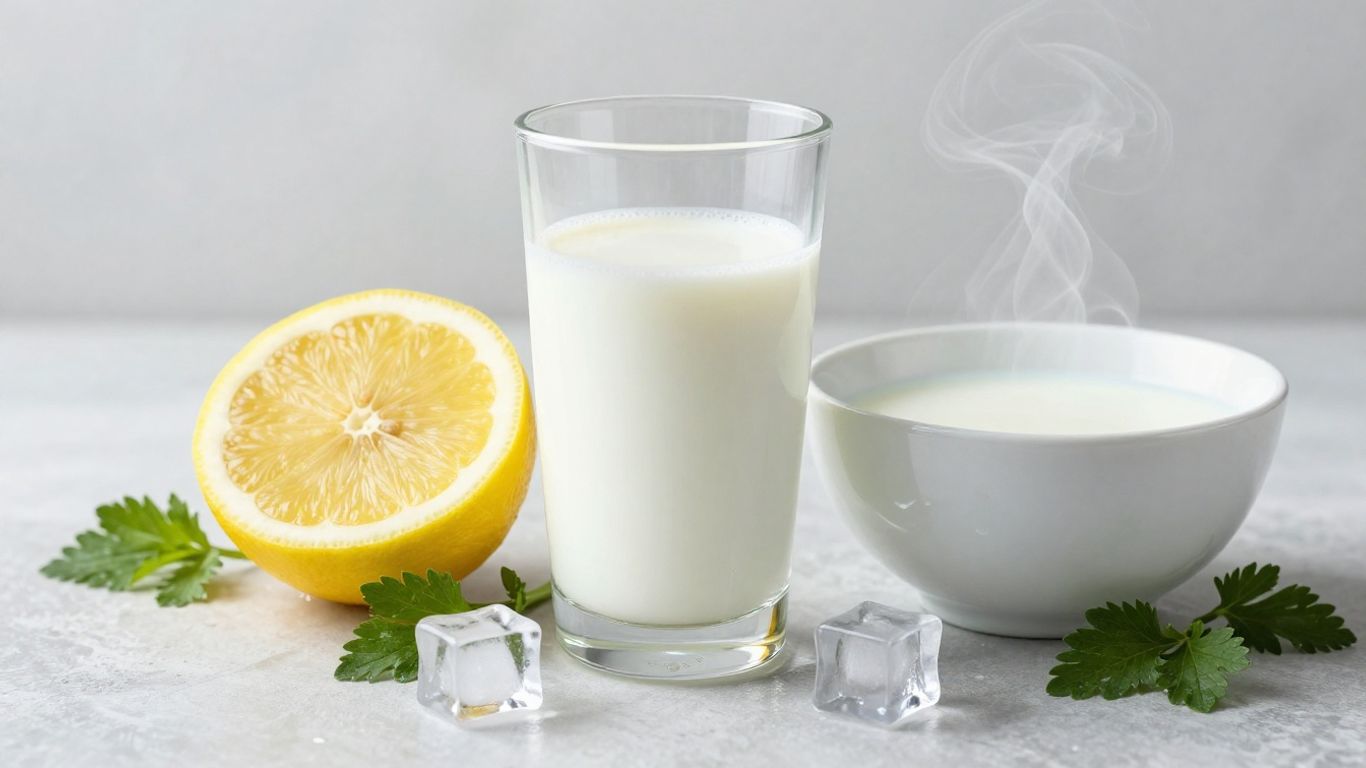
For a long time, I thought the only way to get hydration salts was from those sugary sports drinks or powders. But honestly, they never really sat well with me, and I was always looking for something more natural. Turns out, you can get a lot of what you need from regular food! It’s all about knowing what to look for. From savory broths to tangy citrus and even some sweet treats, there are tons of ways to boost your electrolytes without all the artificial stuff. Let’s explore some of the best hydration salts food options out there.
Key Takeaways
- You can get hydration salts from everyday foods like broths, citrus fruits, and certain vegetables, not just sports drinks.
- Bone broth and low-FODMAP vegetable broths are great foundations for hydration, offering minerals and fluids.
- Citrus fruits like lemons, limes, and oranges provide potassium and vitamin C, helping with hydration and flavor.
- Dairy-free options such as coconut water and plant-based milks offer natural electrolytes and hydration support.
- Naturally salty snacks like pickles, olives, and seaweed can help replenish sodium and other minerals lost throughout the day.
Harnessing Hydration Salts From Wholesome Foods
Understanding Electrolyte Balance Through Diet
When we talk about hydration, it’s easy to just think about water. But our bodies need more than just H2O to function at their best, especially when we’re active or feeling a bit run down. Electrolytes, like sodium and potassium, are minerals that carry an electric charge and play a big role in keeping our fluid levels balanced, our nerves firing correctly, and our muscles contracting. Getting these vital minerals from the foods we eat is a smart and natural way to support our overall well-being. Instead of reaching for sugary sports drinks, we can tap into the power of everyday ingredients.
The Role of Sodium and Potassium in Hydration
Sodium and potassium are like a dynamic duo for hydration. Sodium helps our bodies hold onto water, which is pretty important for keeping everything running smoothly. Potassium, on the other hand, works with sodium to help regulate fluid balance inside our cells. When we lose fluids through sweat, we lose both sodium and potassium. Replenishing them through our diet is key. Think of it like this: sodium is the gatekeeper for water retention, and potassium helps manage where that water goes within our body.
Minerals Beyond Salt: Magnesium and Calcium
While sodium and potassium often get the spotlight, other minerals like magnesium and calcium are also part of the hydration puzzle. Magnesium is involved in hundreds of bodily processes, including muscle and nerve function, and can help with relaxation. Calcium is well-known for bone health, but it also plays a part in muscle contractions and nerve signaling. Finding foods rich in these minerals can contribute to a more complete approach to electrolyte balance. It’s about a holistic view of what our bodies need to stay properly hydrated and functioning well.
Savory Broths As Hydration Foundations
When you think about staying hydrated, water usually comes to mind first, right? But sometimes, plain water just doesn’t cut it, especially if you’ve been sweating a lot or just need something more comforting. That’s where savory broths really shine. They’re not just warm and soothing; they’re packed with minerals that help your body hold onto fluids better. Think of them as a gentle, nourishing way to get electrolytes back into your system.
The Nourishing Power of Bone Broth
Bone broth has become super popular, and for good reason. It’s made by simmering bones and connective tissues for a long time, which releases minerals like sodium, potassium, and even some magnesium. It’s also a good source of amino acids, which are helpful for gut health. Sipping on a warm mug of bone broth can feel incredibly restorative, and it’s a fantastic way to replenish electrolytes lost through daily activities or exercise. It’s naturally salty, but not overwhelmingly so, making it a great base for hydration.
Low FODMAP Vegetable Broth Options
For those who are sensitive to certain carbohydrates (like people following a low FODMAP diet), vegetable broths can be a lifesaver. You can make these at home using low-FODMAP veggies like carrots, zucchini, and celery, or buy pre-made versions. The key is to keep the ingredients simple and avoid high-FODMAP ingredients like onions and garlic if you need to. A well-made vegetable broth still provides hydration and some electrolytes, especially if you add a pinch of salt. It’s a lighter option than bone broth but still effective for fluid balance.
Miso Soup: A Salty and Soothing Choice
Miso soup is a staple in many Asian cuisines, and it’s a brilliant example of a hydrating, electrolyte-rich meal. Made from fermented soybeans (miso paste), it’s naturally salty and contains probiotics that are good for your gut. When you combine miso paste with hot water and perhaps some seaweed or tofu, you get a flavorful soup that delivers sodium and other minerals. It’s quick to prepare and wonderfully comforting, especially on a chilly day. Just be mindful of the sodium content, as some miso pastes can be quite salty.
Broths offer a unique way to hydrate because they combine fluid intake with a dose of minerals. This dual action helps your body absorb and retain water more effectively than drinking plain water alone, especially after periods of fluid loss.
Citrus-Infused Hydration Solutions

When you think about hydration, plain water often comes to mind. But what if you could add a little zest to your routine and boost your electrolyte intake at the same time? Citrus fruits are fantastic for this. They’re not just about a bright flavor; they bring a good dose of potassium and vitamin C, which are pretty important for keeping your body running smoothly.
Lemon and Lime Waters for Electrolyte Boost
Plain water is great, but adding lemon or lime can make it more appealing, encouraging you to drink more. Squeezing half a lemon or lime into your water adds a subtle flavor and a small amount of electrolytes. It’s a simple way to make hydration more interesting without adding sugar or artificial ingredients. This can be especially helpful on days when you’re not feeling particularly thirsty or when you’ve been sweating more than usual.
Orange Juice: Potassium and Vitamin C
Orange juice is a well-known source of vitamin C, but it’s also a good provider of potassium. Potassium is a key electrolyte that helps manage fluid balance and supports muscle function. While 100% orange juice can be high in natural sugars, a moderate amount can contribute positively to electrolyte levels, especially after physical activity. It’s a natural way to get these nutrients.
Homemade Citrus Electrolyte Drinks
Making your own electrolyte drinks with citrus is easier than you might think. You can create a balanced drink that suits your needs. A basic recipe might involve:
- Juicing a citrus fruit (like an orange or grapefruit).
- Adding a pinch of salt to provide sodium.
- Mixing with water.
This simple combination helps replenish electrolytes lost through sweat. You can adjust the sweetness and saltiness to your preference. For instance, a bit of honey or maple syrup can add sweetness and carbohydrates, which aid in electrolyte absorption. Adding a few mint leaves can also give it a refreshing twist.
The synergy between the natural sugars in citrus and a small amount of added salt is key. This combination helps your body absorb sodium and fluids more efficiently, which is vital for effective rehydration. It’s a principle similar to that used in oral rehydration solutions, leveraging how glucose and sodium work together to pull water into the system.
Dairy-Free Delights for Electrolyte Replenishment
Coconut Water’s Natural Electrolyte Profile
Coconut water is often talked about when it comes to natural hydration. It comes straight from young, green coconuts and is naturally packed with electrolytes like potassium. It’s a good choice if you’re looking for something simple and refreshing. It’s a great way to get some potassium without a lot of fuss.
| Electrolyte | Amount (approx. per cup) |
|---|---|
| Potassium | 600 mg |
| Sodium | 250 mg |
| Magnesium | 60 mg |
Plant-Based Milks for Hydration Support
When you’re avoiding dairy, plant-based milks can step in to help with hydration and nutrient intake. Options like almond, soy, or oat milk can contribute to your fluid intake. Some are even fortified with calcium and vitamin D, which are important for overall health. Look for unsweetened varieties to keep the sugar content low. They can be a good base for smoothies or enjoyed on their own.
- Almond Milk: Generally lower in calories and a good source of Vitamin E.
- Soy Milk: Offers a good amount of protein and is often fortified.
- Oat Milk: Creamy texture and can provide some fiber.
Smoothies with Fruits and Greens
Smoothies are a fantastic way to combine hydration with a nutrient punch, all while keeping it dairy-free. You can blend fruits like bananas (for potassium) and berries with leafy greens such as spinach or kale. Adding a splash of water, coconut water, or a plant-based milk creates a drinkable consistency. A tiny pinch of salt can also help with electrolyte balance, especially if you’ve been sweating.
Making your own smoothies means you control exactly what goes in. No hidden sugars or artificial stuff, just pure goodness to help you feel your best.
Here’s a simple idea:
- Combine 1 cup spinach.
- Add 1/2 banana (frozen for a thicker smoothie).
- Pour in 1 cup unsweetened almond milk or coconut water.
- Add a small squeeze of lime juice.
- Blend until smooth.
Naturally Salty Snacks for Enhanced Hydration
Sometimes, you just need a little something to munch on that also helps you stay hydrated. It turns out, a few salty snacks can be surprisingly good for keeping your electrolyte levels in check, especially when you’re pairing them with fluids. Think of them as little helpers that encourage your body to hold onto that much-needed water.
Pickles and Pickled Vegetables
Pickles, whether they’re cucumbers, carrots, or even green beans, are brined in a salty solution. This process infuses them with sodium, making them a quick and easy way to get a little electrolyte boost. The tangy flavor can also be quite refreshing. If you find straight pickle juice a bit intense, diluting it with water can still offer some benefits without being overwhelming. They’re a great option for a quick snack that adds flavor and salt.
Seaweed Snacks: A Mineral-Rich Choice
Those crispy sheets of roasted seaweed might seem like just a light snack, but they’re packed with minerals. Seaweed naturally contains sodium, and also a good amount of potassium and magnesium. It’s a way to get a salty flavor and a mineral medley all in one go. Plus, they’re low in calories and have a satisfying crunch.
Olives for Sodium and Healthy Fats
Olives are another snack that brings both saltiness and beneficial fats to the table. The sodium content in olives can contribute to your electrolyte intake, and the healthy monounsaturated fats are good for overall well-being. They’re convenient to grab and eat, offering a savory bite that can complement your hydration efforts.
Grain-Based Options for Hydration Support
Sometimes, you just need something a little more substantial than plain water or a sports drink. That’s where grain-based foods come in. They can be a surprisingly good way to help your body hold onto fluids and replenish some of the minerals you might lose throughout the day, especially if you’ve been sweating.
Lightly Salted Rice Crackers
These are pretty straightforward, right? Rice crackers are mostly carbohydrates, which can help your body retain water. Adding just a pinch of salt is key here. That little bit of sodium helps your body absorb fluids more effectively. They’re light, easy to digest, and don’t usually cause stomach upset, making them a good choice when you need a gentle way to get some electrolytes.
Oatmeal and Polenta with a Pinch of Salt
Think of your morning oatmeal or a bowl of creamy polenta. When prepared with water or a dairy-free milk and a small amount of salt, they become a warm, comforting way to hydrate. The complex carbohydrates in oats and corn provide sustained energy, and the salt helps with fluid balance. It’s a simple, old-school method that really works.
Savory Gluten-Free Crackers
For those avoiding gluten, there are plenty of great cracker options made from things like almond flour, seeds, or even root vegetables. Like their rice-based counterparts, these crackers can offer a satisfying crunch and a vehicle for a bit of salt. Look for ones that are lightly seasoned or make your own. Pairing these with a glass of water or a hydrating broth can be a really effective way to boost your fluid and electrolyte intake.
When considering grain-based foods for hydration, the focus is on their ability to help retain fluids and provide a small but significant amount of sodium. It’s not about replacing water, but complementing it. The carbohydrates act like a sponge, and the salt helps keep that sponge from drying out too quickly.
Nutrient-Dense Choices for Hydration
Sometimes, you need more than just plain water to feel your best. When you’re looking for ways to replenish your body with minerals and keep your hydration levels up, reaching for nutrient-dense snacks can be a smart move. These aren’t just about satisfying a craving; they can actively contribute to your body’s electrolyte balance.
Roasted Pumpkin Seeds and Nuts
Pumpkin seeds and nuts are little powerhouses. They offer a good mix of healthy fats, protein, and importantly, minerals like magnesium. A handful of roasted pumpkin seeds, especially when lightly salted, can provide a satisfying crunch and a boost of electrolytes. Similarly, nuts like almonds or walnuts, also lightly salted, contribute sodium and healthy fats, which can aid in fluid absorption. They’re easy to pack for a snack on the go, making them a convenient option for staying hydrated throughout a busy day.
Dark Chocolate with Flakey Salt
Yes, chocolate can be part of a hydration strategy! Dark chocolate, particularly varieties with a high cocoa content, contains magnesium. When you add a sprinkle of flakey sea salt, you get a delightful combination of minerals and sodium. It’s a treat that feels indulgent but also serves a purpose in replenishing electrolytes. Just be mindful of the sugar content in some chocolates; opting for darker, less sweet versions is usually the way to go.
Homemade Kale Chips with Sea Salt
Forget greasy potato chips. Homemade kale chips offer a crispy, satisfying alternative that’s packed with nutrients. Kale itself is a good source of potassium and magnesium. When you bake them with a light coating of olive oil and a sprinkle of sea salt, you create a snack that’s both delicious and beneficial for hydration. They’re surprisingly easy to make at home, and you can control the amount of salt precisely to your liking.
These nutrient-dense snacks are more than just a tasty bite; they’re a way to actively support your body’s hydration and mineral needs. By choosing options that offer electrolytes like sodium and magnesium, you can complement your fluid intake and feel more balanced throughout the day.
Vegetable-Forward Hydration Strategies
Celery Juice for Potassium and Sodium
Celery might not be the first thing you think of for hydration, but its juice is surprisingly good for you. It’s packed with potassium and sodium, two key electrolytes that help your body hold onto water. Plus, it’s mostly water itself, so you’re getting a double dose of hydration. Making it is simple: just juice a few stalks of celery and maybe dilute it with a little water if the taste is too strong for you. It’s a refreshing way to start the day or a nice pick-me-up in the afternoon.
Beetroot Drinks for Electrolytes
Beets, those deep red root vegetables, are also a great source of electrolytes. They contain minerals that help keep your body balanced and functioning well. You can enjoy them in a few ways. Freshly pressed beet juice is a popular option, offering a vibrant color and earthy flavor. You can also find store-bought beet juices, just be sure to check the labels for added sugars. Mixing beet juice with other fruits or vegetables can create a more complex and palatable drink.
Sweet Potato Chips Lightly Salted
Who knew sweet potatoes could be a hydration helper? When baked into chips and lightly salted, they offer a satisfying crunch along with some helpful electrolytes. Sweet potatoes themselves contain potassium, and a little salt helps with sodium intake. They’re a great alternative to processed snacks when you need something savory. Just slice them thin, toss with a tiny bit of oil and salt, and bake until crispy. It’s a tasty way to get a little something extra while you’re focusing on drinking enough fluids.
Balancing Electrolytes for Optimal Well-being
The Synergy of Sodium and Potassium
Sodium and potassium are like a dynamic duo for your body. They work together to keep your nerves and muscles firing correctly, including that all-important heart muscle. Think of them as the conductors of your body’s electrical orchestra. When they’re in balance, everything runs smoothly. But if one gets too high without the other, things can get a bit out of tune, potentially leading to things like muscle cramps or a fluttery heartbeat. It’s not just about having enough salt; it’s about having the right ratio.
Magnesium and Calcium’s Role in Muscle Function
Beyond the sodium-potassium partnership, magnesium and calcium play their own vital roles, especially when it comes to your muscles. Magnesium is known for its calming effect, helping to ease tension and prevent those annoying muscle spasms. Calcium, on the other hand, is key for muscle contraction. Together, they help your muscles contract when they need to and relax when they should. Without enough of these minerals, you might find yourself dealing with more muscle stiffness or cramping.
Importance of Fluid Balance and pH
Electrolytes are also the unsung heroes of your body’s internal environment. They help manage your fluid balance, making sure water gets where it needs to go, and they also play a part in keeping your body’s pH levels stable. This balance is pretty important for all your bodily processes to work right. When electrolytes are out of whack, it can affect everything from how your cells function to how your body handles waste. It’s a delicate system, and getting enough of these minerals from your food is a great way to support it.
Maintaining the right electrolyte balance isn’t just about feeling good day-to-day; it’s about supporting the complex systems that keep you alive and functioning. Focusing on whole foods that naturally contain these minerals is a smart way to keep your internal environment humming along.
Creative Hydration Through Food Pairings
Pairing Fluids with Salty Snacks
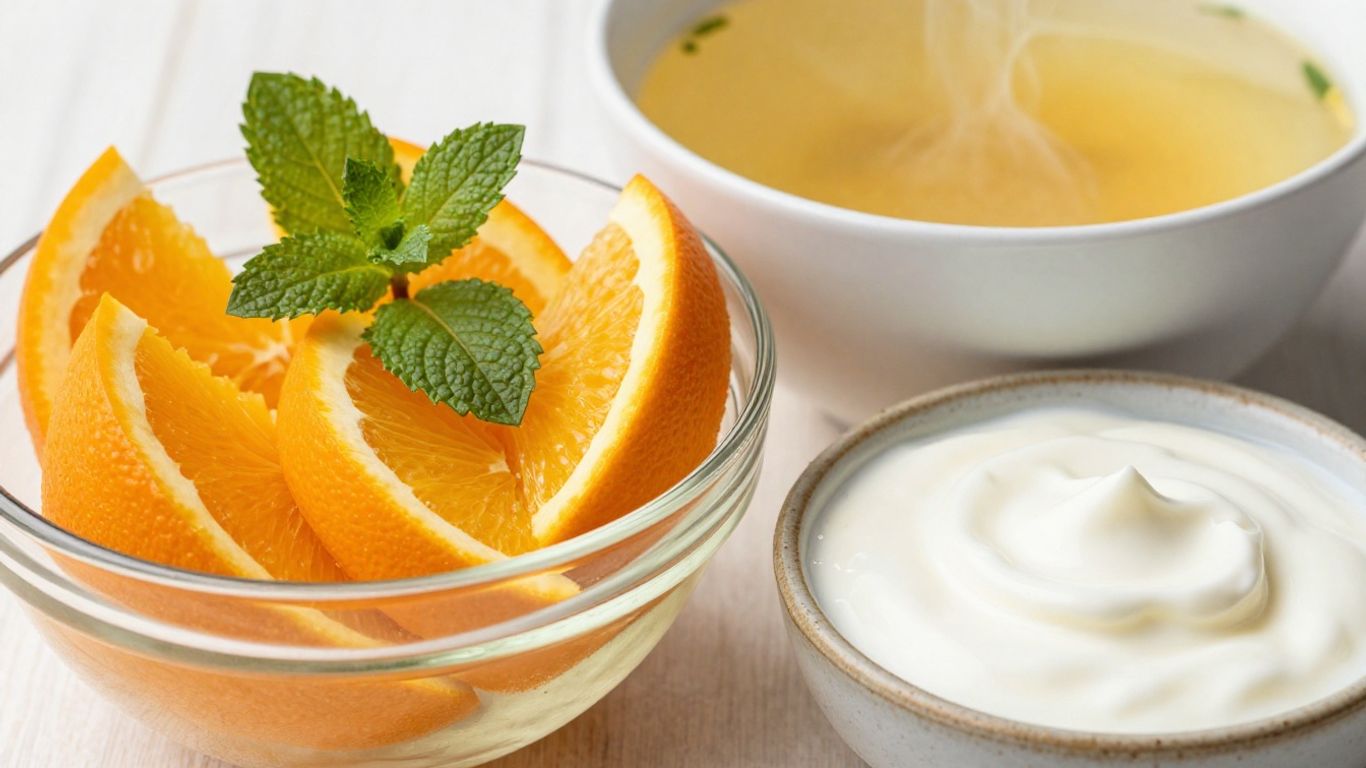
Sometimes, plain water just doesn’t cut it, right? That’s where pairing your fluids with a little something salty can make a big difference in staying hydrated. Think about it: when you’re sipping on water or a light broth, adding a small, salty snack can actually help your body hold onto that fluid better. It’s all about balancing things out. A few olives, a small handful of salted nuts, or even a couple of pickle slices can provide that sodium boost your body might be craving, especially after a workout or a long day.
Here are some ideas for pairings:
- Water + Olives: A simple and effective combo. The olives offer sodium and healthy fats.
- Coconut Water + Seaweed Snacks: A tropical drink meets a mineral-rich, salty snack.
- Broth + Pickled Vegetables: Double down on savory flavors and electrolytes.
- Lemon Water + Salted Pumpkin Seeds: A refreshing citrus drink with a satisfying, salty crunch.
Hydration Through Porridge and Polenta
Don’t underestimate the power of your breakfast bowl! Oatmeal and polenta, when prepared with a pinch of salt, can be surprisingly good for hydration. These grains absorb liquid, and the added salt helps your body retain that fluid. It’s a warm, comforting way to start your day and get some electrolytes in. You can also mix in fruits or a drizzle of honey for extra flavor and nutrients. Making porridge or polenta with water or unsalted broth instead of just milk can also boost the hydration factor.
Incorporating Salted Boiled Eggs
Boiled eggs are a fantastic source of protein and nutrients, and when you add a sprinkle of salt after peeling, they become a mini-hydration powerhouse. The salt helps with fluid retention, and the egg itself provides other important minerals. They’re easy to make ahead of time, making them a convenient snack to grab when you need a little something to go with your water or other beverages. A salted boiled egg alongside a glass of water is a simple yet effective way to support your body’s hydration needs.
Discover how pairing the right foods can boost your water intake naturally. It’s a fun and tasty way to stay hydrated without even thinking about it! Ready to explore delicious combinations? Visit our website to learn more about creative hydration.
Bringing It All Together
So, we’ve looked at how foods like citrus fruits, dairy-free options, and broths can be more than just tasty additions to our meals – they can actually be helpful for staying hydrated and balanced. It’s not always about chugging plain water, right? Sometimes, a warm bowl of broth or a slice of orange can do wonders. Finding what works best for your body, especially when you have specific needs, is key. Don’t be afraid to experiment a little with these natural sources. Listen to your body, enjoy the flavors, and remember that good hydration can come from many delicious places.
Frequently Asked Questions
What are hydration salts and why are they important?
Hydration salts, also known as electrolytes, are minerals like sodium, potassium, and magnesium. They help your body keep the right amount of water, keep your nerves and muscles working right, and keep your body’s pH balanced. Getting them from food is a great way to stay hydrated and healthy.
Can I get enough electrolytes just from drinking water?
Plain water is essential for hydration, but it doesn’t contain significant amounts of electrolytes. While water keeps you hydrated, you need electrolytes from other sources, like food and certain drinks, to help your body use that water effectively and maintain important bodily functions.
Are broths a good source of hydration salts?
Yes, broths like bone broth and vegetable broth can be excellent sources of hydration salts. They are mostly water, which helps with hydration, and they also contain minerals like sodium and potassium that are lost when you sweat. They’re easy on the stomach too!
How do citrus fruits help with hydration?
Citrus fruits like lemons and oranges are not only refreshing but also provide electrolytes. Lemon and lime water can give you a boost of potassium, while orange juice is a good source of potassium and vitamin C. These can help make plain water more appealing and add valuable nutrients.
What are some dairy-free options for getting electrolytes?
Coconut water is a fantastic natural source of electrolytes, especially potassium and sodium. Other dairy-free choices include smoothies made with fruits and leafy greens, or plant-based milks that are sometimes fortified with minerals. These options are great for hydration and provide important nutrients.
Are salty snacks helpful for hydration?
Definitely! Snacks like pickles, olives, lightly salted crackers, or roasted seeds can help increase your sodium intake, which is crucial for retaining water. Pairing these snacks with fluids can enhance overall hydration and help replenish minerals lost through sweat.
Why is balancing different electrolytes important?
It’s not just about getting enough salt (sodium). Your body needs a balance of electrolytes like potassium, magnesium, and calcium to work properly. For example, sodium and potassium work together for nerve and muscle function, and magnesium helps muscles relax. An imbalance can lead to issues like cramps or fatigue.
Can I make my own electrolyte drinks at home?
Absolutely! Making your own electrolyte drinks is a great way to control the ingredients and avoid added sugars or artificial stuff. Simple recipes often involve water, a source of potassium like orange juice, and a bit of salt. This can be a cost-effective and healthier alternative to store-bought drinks.