
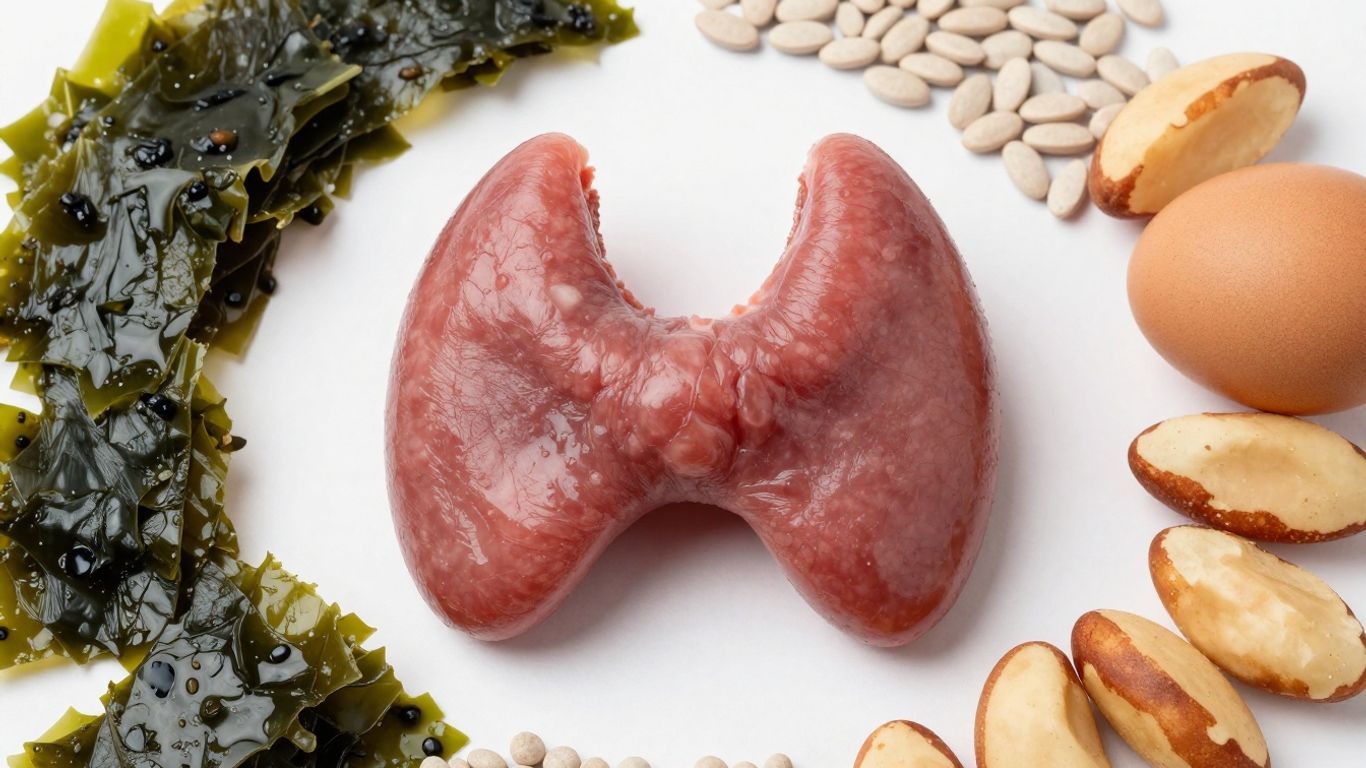
Figuring out what to eat for a healthy thyroid can feel like a puzzle. You hear a lot about iodine and selenium, and how they work together. Getting the right amount of these nutrients is important, but it’s not always straightforward. This article breaks down the iodine and selenium balance, looks at good food choices, and touches on things that might mess with your thyroid health. We’ll also cover other nutrients that help and what to watch out for if you’re thinking about supplements.
Key Takeaways
- The iodine and selenium balance is vital for proper thyroid function, with iodine needed for hormone production and selenium acting as a protector and supporter.
- Nuts, seeds, fish, and lean proteins are good food sources for selenium and iodine, helping to support thyroid health.
- While generally healthy, large amounts of raw cruciferous vegetables and soy might affect thyroid function for some individuals.
- Other minerals like zinc, copper, and iron also play roles in thyroid hormone metabolism and regulation.
- It’s important to get the right amounts of iodine and selenium; too much or too little can cause issues, and supplementation should be guided by a healthcare professional.
Understanding the Iodine-Selenium Balance
Our thyroid gland, a small butterfly-shaped organ in our neck, plays a big role in how our body works. It makes hormones that control our metabolism, energy levels, and so much more. Two key players in keeping this gland healthy and working right are iodine and selenium. They don’t work alone, but their balance is pretty important.
The Crucial Role of Iodine in Thyroid Function
Think of iodine as a main ingredient for thyroid hormones. Without enough iodine, the thyroid can’t make the hormones your body needs. This can lead to a condition called hypothyroidism, where your metabolism slows down. Your body doesn’t make iodine on its own, so we have to get it from our food. Things like iodized salt, seafood, and dairy products are common sources.
Selenium’s Protective and Supportive Actions
Selenium is like the thyroid’s bodyguard and helper. It’s an antioxidant, meaning it helps protect your thyroid cells from damage. It also helps your body convert thyroid hormones into their active form, so they can be used properly. Selenium is found in foods like Brazil nuts, fish, meat, and eggs. Having enough selenium can help keep your thyroid healthy and may even reduce the risk of certain thyroid issues.
Synergy Between Iodine and Selenium
Iodine and selenium work together in a way that’s more than just the sum of their parts. Iodine is needed to build the thyroid hormones, and selenium helps make those hormones usable and protects the thyroid gland itself. When both are in good supply, they support each other, helping the thyroid function smoothly. It’s like a well-coordinated team where each member has a specific job that helps the whole group succeed. Too much or too little of either can throw things off balance, so finding that sweet spot is key.
Dietary Sources for Optimal Thyroid Support
Abundant Selenium in Nuts and Seeds
When we talk about supporting our thyroid, nuts and seeds often come up, and for good reason. They’re packed with selenium, a mineral that plays a big role in how our thyroid works. Think of selenium as a helper for thyroid hormones, making sure they’re in the right balance. Brazil nuts are famously high in selenium, but it’s good to remember that the amount can really vary. Other nuts and seeds, like pumpkin seeds and sunflower seeds, also offer a good dose of selenium, along with zinc, another important player for thyroid health. These little powerhouses are also great sources of fiber, which is good for overall health.
Marine Treasures Rich in Iodine and Selenium
Our oceans offer some fantastic foods that are naturally rich in both iodine and selenium. Fish, like tuna and salmon, are excellent choices. These minerals are key for making thyroid hormones. Iodine is like the building block, and selenium helps convert those hormones into a form our body can use. So, including a few servings of fish each week can be a smart move for thyroid support. Other seafood, like shrimp and seaweed (though be mindful of iodine levels with seaweed), can also contribute to your intake of these important nutrients.
Lean Proteins and Whole Grains for Thyroid Health
Beyond nuts, seeds, and seafood, don’t forget about lean proteins and whole grains. Foods like chicken, turkey, eggs, and beans provide protein, which is important for overall body function, including thyroid hormone production. Whole grains, such as oats, quinoa, and brown rice, offer fiber and various micronutrients that support a healthy metabolism. They also provide tyrosine, an amino acid that’s a component of thyroid hormones. A balanced plate with these foods helps ensure you’re getting a good mix of nutrients that work together to keep your thyroid happy.
Navigating Potential Thyroid Disruptors
While we focus on the good stuff for our thyroids, it’s also smart to know about things that might get in the way. Some common foods, when eaten in certain ways, can be a bit tricky for thyroid function. It’s not about cutting them out entirely for most people, but understanding how they work can help you make better choices.
Understanding Goitrogens in Cruciferous Vegetables
Think broccoli, cauliflower, kale, and Brussels sprouts. These are fantastic vegetables, packed with nutrients. However, they contain compounds called goitrogens. When eaten raw and in large amounts, these compounds can potentially interfere with how your thyroid uses iodine, which is super important for making thyroid hormones. The good news? Cooking these veggies really changes things. Heat breaks down a lot of those goitrogens, making them much less likely to cause any issues. So, enjoying a serving of steamed broccoli or roasted Brussels sprouts is generally fine. It’s really the excessive consumption of raw cruciferous vegetables that might be a concern for some.
The Complex Relationship with Soy Consumption
Soy is another food that gets a lot of attention regarding thyroid health. Like cruciferous vegetables, soy also contains goitrogenic compounds. For most people, moderate amounts of soy are unlikely to cause problems, especially if their iodine intake is adequate. However, if you have an existing thyroid condition or are sensitive, it might be something to be mindful of. The way soy is processed can also play a role. Fermented soy products, like tempeh or miso, are often considered easier to digest and may have less impact than highly processed soy isolates.
Considering Gluten’s Impact on Thyroid Health
Gluten, a protein found in wheat, barley, and rye, has a connection to thyroid health, particularly for those with autoimmune thyroid conditions like Hashimoto’s thyroiditis. The theory is that gluten’s molecular structure is similar to that of thyroid tissue. In individuals with a predisposition to autoimmune issues, the body’s immune response to gluten might mistakenly attack the thyroid gland. Some research suggests that a gluten-free diet could be beneficial for people with Hashimoto’s, even if they don’t have celiac disease. However, going gluten-free is a big change and can be restrictive. It’s really a personal decision, and what works for one person might not work for another. It’s always best to discuss significant dietary changes with a healthcare provider.
It’s easy to get caught up in what to avoid, but remember that balance is key. Most foods, even those with potential disruptors, can be part of a healthy diet when consumed mindfully and in appropriate amounts. Focus on a varied diet and listen to your body.
The Importance of Micronutrient Synergy
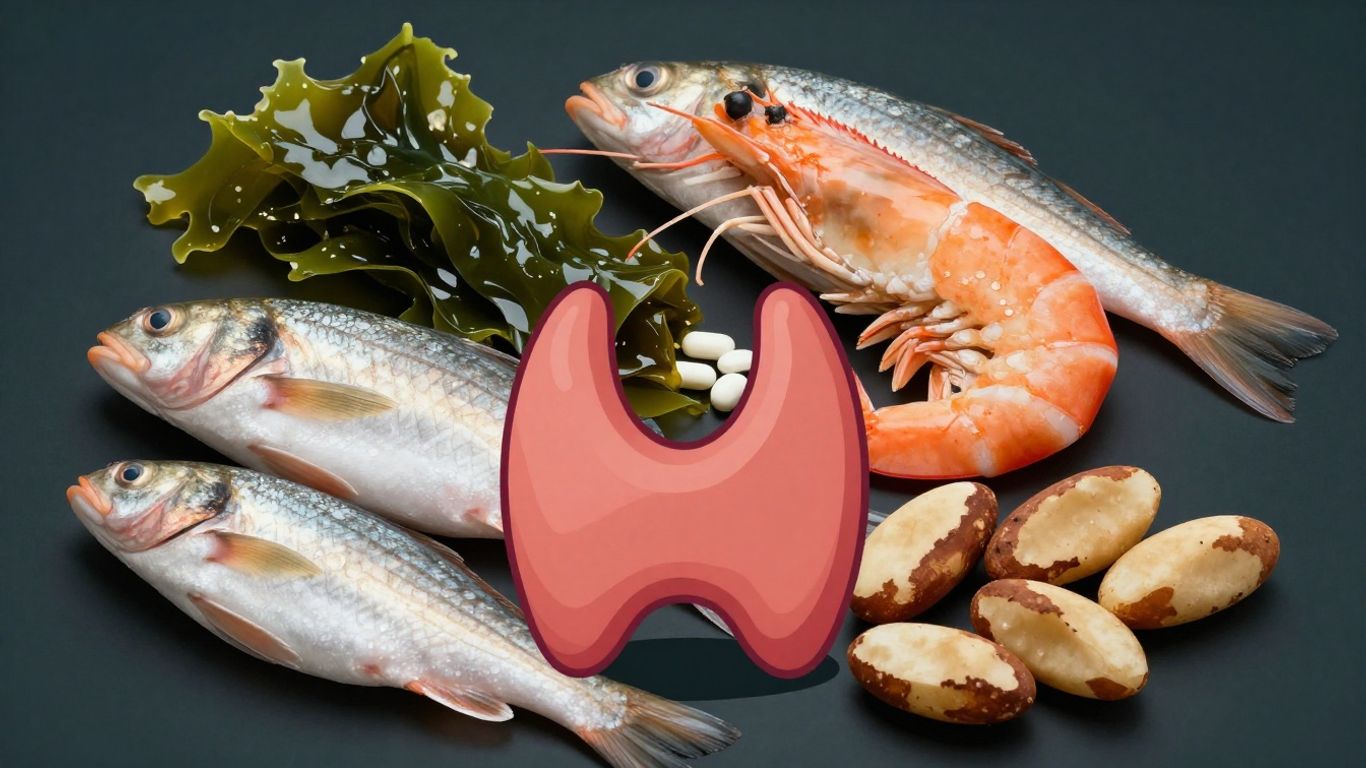
When we talk about thyroid health, iodine and selenium often get the spotlight, and for good reason. But it’s not just about those two. Think of your thyroid like a complex machine; it needs a whole team of parts working together to run smoothly. Other micronutrients play supporting roles, helping iodine and selenium do their jobs better and keeping everything balanced.
Zinc’s Contribution to Thyroid Hormone Metabolism
Zinc is a mineral that’s pretty important for how your body uses thyroid hormones. It’s involved in the conversion of thyroxine (T4) to the more active form, triiodothyronine (T3). Without enough zinc, this conversion process might not work as well, potentially affecting your energy levels and metabolism. Some studies have even linked zinc deficiency to hypothyroidism. Getting enough zinc can help your thyroid hormones do what they’re supposed to do.
Copper’s Role in Thyroid Regulation
Copper is another mineral that works behind the scenes. It’s thought to be involved in the production and regulation of thyroid hormones. While research is ongoing, some evidence suggests that copper, along with other minerals like zinc, helps maintain a healthy thyroid. It’s another piece of the puzzle that contributes to overall thyroid function.
Iron’s Influence on Thyroid Function
Iron is well-known for its role in carrying oxygen in your blood, but it also has a connection to your thyroid. Iron is needed for the thyroid gland to produce thyroid hormones. If you’re low in iron, it could potentially impact your thyroid’s ability to make enough hormones. This is why checking iron levels can sometimes be part of a thyroid health assessment.
The interplay between these micronutrients is fascinating. It’s not just about having enough of each one individually, but how they work together. Think of it like an orchestra; each instrument has its part, but it’s the harmony they create together that makes the music.
Here’s a quick look at how these micronutrients support thyroid health:
- Zinc: Aids in the conversion of T4 to T3, helping thyroid hormones become active.
- Copper: Plays a part in the production and regulation of thyroid hormones.
- Iron: Necessary for the thyroid gland to synthesize thyroid hormones.
Paying attention to these supporting micronutrients, alongside iodine and selenium, can offer a more complete approach to maintaining thyroid well-being.
Balancing Intake: When More Isn’t Better
It’s easy to get excited about all the good things iodine and selenium do for your thyroid. You might think, "The more, the merrier!" But when it comes to these nutrients, and many others, too much can actually cause problems. It’s all about finding that sweet spot.
Risks of Excessive Iodine Consumption
While iodine is vital for making thyroid hormones, going overboard can backfire. Too much iodine can actually disrupt thyroid function, potentially leading to or worsening conditions like hyperthyroidism (overactive thyroid) or even hypothyroidism (underactive thyroid) in some individuals. It can also trigger autoimmune thyroid issues in susceptible people. Think of it like adding too much salt to a dish – a little is good, but a lot can ruin it.
Potential for Selenium Toxicity
Selenium is another nutrient where balance is key. While it’s a powerful antioxidant and helps convert thyroid hormones, getting too much can lead to selenium toxicity. Symptoms can include hair loss, brittle nails, fatigue, and digestive upset. In severe cases, it can cause more serious neurological issues. The line between beneficial and harmful can be thinner than you think.
The Nuance of Supplementation Guidance
Supplements can be helpful, but they also carry risks if not used carefully. It’s tempting to pop a pill to ensure you’re getting enough, but without knowing your current levels or dietary intake, you might end up taking too much.
- Always consult a healthcare professional before starting any new supplement, especially those containing iodine or selenium.
- Consider your diet first. Many foods naturally contain these nutrients, so assess your typical eating patterns.
- Be wary of multi-ingredient supplements. They might contain higher doses than you realize or need.
It’s important to remember that nutrient needs are not one-size-fits-all. Factors like age, health status, and even where you live can influence how much of a nutrient your body requires. Relying solely on supplements without professional advice can lead to imbalances that are harder to correct than a mild deficiency.
Tailoring Your Diet for Thyroid Well-being
Strategies for Hypothyroidism Management
When your thyroid isn’t producing enough hormones, it can really throw your body out of whack. You might feel tired, gain weight, or just generally sluggish. The good news is that what you eat can make a difference. Focusing on nutrient-dense foods is key. Think about incorporating foods rich in selenium, like Brazil nuts (just a couple a day is usually enough!), fish, and eggs. Iodine is also important, so don’t shy away from seafood and dairy if they fit your diet. Zinc and iron are other players that help your thyroid do its job. Instead of focusing on the number on the scale, which can fluctuate a lot with hypothyroidism, try to build balanced meals. This means a good mix of fruits, vegetables, lean proteins, and healthy fats. Some people find that limiting certain foods helps too. Things like large amounts of raw cruciferous vegetables (think kale, broccoli) and soy products might be worth reducing, especially if you have an autoimmune thyroid condition like Hashimoto’s. It’s not about cutting them out completely for everyone, but being mindful if you notice they affect you.
Dietary Considerations for Hyperthyroidism
On the flip side, if your thyroid is working overtime, your dietary approach shifts. The goal here is often to help calm things down. This can mean being more aware of iodine intake. Foods naturally high in iodine, like seaweed and some dairy products, might be best enjoyed in moderation or avoided, depending on your doctor’s advice. While you can’t cure hyperthyroidism with food alone, certain nutrients can support your body. Getting enough iron, B vitamins, and selenium can be helpful. Cooking vegetables like broccoli or cauliflower, rather than eating them raw, can also be a good idea, as it can reduce their potential to interfere with thyroid function. It’s all about finding a balance that supports your body’s specific needs.
Supporting Thyroid Health Through Varied Nutrition
No matter your specific thyroid situation, a varied and balanced diet is your best bet for overall well-being. Think of your diet as a team effort for your thyroid. You need a mix of players: iodine and selenium are the stars, but zinc, copper, iron, and various vitamins are the solid supporting cast. Eating a wide range of colorful fruits and vegetables ensures you’re getting a spectrum of vitamins and antioxidants. Whole grains and legumes provide fiber and important minerals. Lean proteins help with energy and satiety. Healthy fats from sources like avocados and nuts are important for hormone production. The most effective dietary strategy is one that is sustainable and enjoyable for you. Instead of looking for a magic bullet food, focus on building consistent, healthy eating habits. This might involve some meal planning to make sure you’re getting a good mix of nutrients throughout the week. Remember, your body is unique, and what works best for one person might not be the perfect fit for another. Listening to your body and working with healthcare professionals can help you fine-tune your approach.
Practical Menu Planning for Thyroid Health
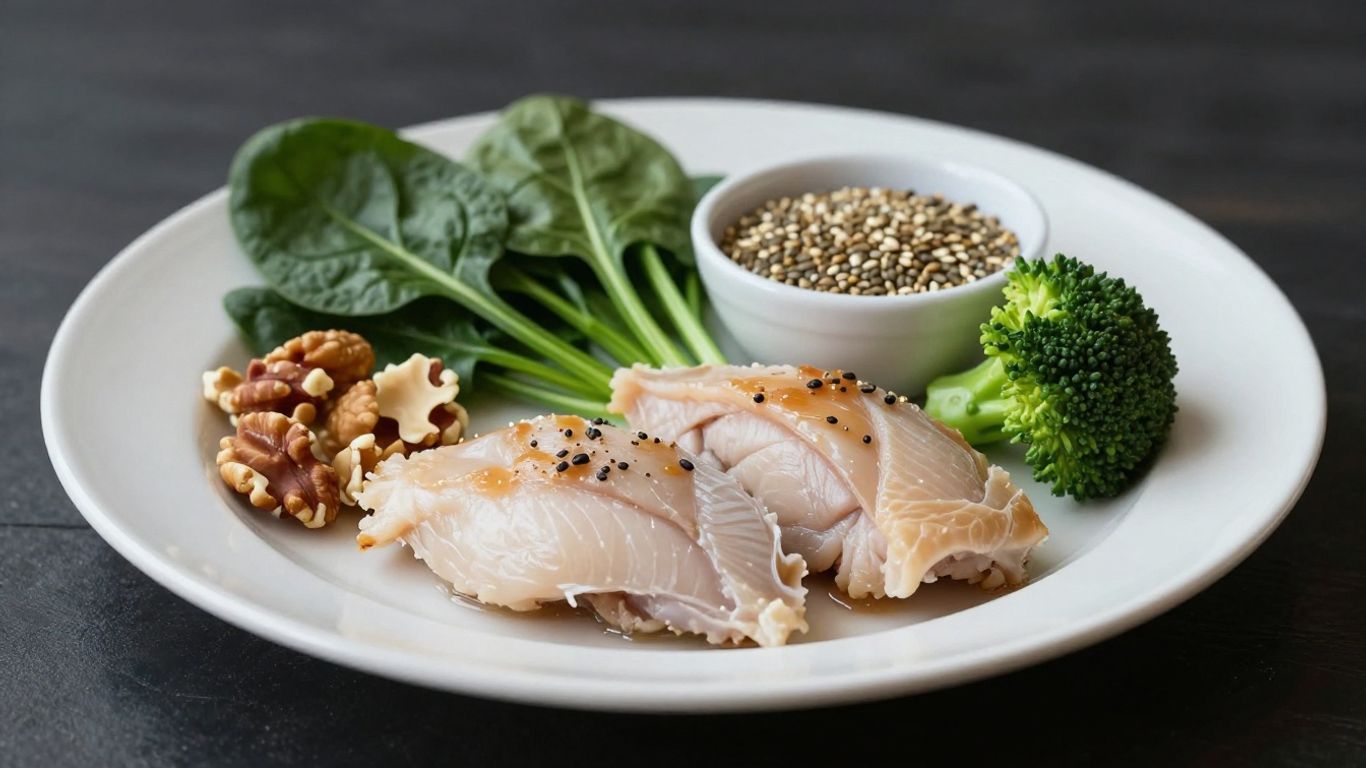
A Week of Balanced Thyroid-Supporting Meals
Putting together meals that support your thyroid doesn’t have to be complicated. The key is to focus on whole foods rich in iodine and selenium, while also considering other nutrients that play a role. Think of it as building a foundation with nutrient-dense ingredients. Here’s a sample week to get you started, keeping in mind that flexibility is important. Feel free to swap meals around or substitute ingredients based on your preferences and what you have on hand.
Monday
- Breakfast: Overnight oats made with gluten-free oats, chia seeds, a splash of almond milk, and topped with a few Brazil nuts. (Remember to take thyroid medication at least 1-2 hours before eating).
- Lunch: Tuna salad made with Greek yogurt (instead of mayo) served on a bed of mixed greens with cucumber and bell peppers. Tuna is a good source of iodine.
- Dinner: Baked salmon with roasted sweet potatoes and steamed broccoli. Salmon offers both iodine and selenium, while sweet potatoes provide vitamins.
Tuesday
- Breakfast: Scrambled eggs with spinach and a side of gluten-free toast.
- Lunch: Leftover baked salmon and sweet potatoes.
- Dinner: Chicken stir-fry with brown rice, loaded with colorful vegetables like carrots, snap peas, and bell peppers. Use tamari or coconut aminos for a soy-free option if needed.
Wednesday
- Breakfast: Smoothie made with banana, spinach, a scoop of protein powder, and a tablespoon of almond butter.
- Lunch: Quinoa salad with chopped chicken breast, diced apple, walnuts, and a light vinaigrette. Quinoa is a complete protein and walnuts add selenium.
- Dinner: Shrimp scampi with gluten-free pasta and a side salad. Shrimp is another good source of iodine.
Thursday
- Breakfast: Greek yogurt with berries and a sprinkle of pumpkin seeds (a good source of selenium).
- Lunch: Leftover shrimp scampi.
- Dinner: Lentil soup with a side of gluten-free bread. Lentils offer a good amount of fiber and some minerals.
Friday
- Breakfast: Gluten-free toast topped with avocado and a sprinkle of red pepper flakes.
- Lunch: Leftover lentil soup.
- Dinner: Baked cod with asparagus and a small serving of wild rice. Cod is a lean fish that provides iodine.
Saturday
- Breakfast: Sweet potato hash with eggs and a side of fruit.
- Lunch: Large salad with grilled chicken or hard-boiled eggs, mixed greens, tomatoes, cucumbers, and a sprinkle of sunflower seeds.
- Dinner: Homemade turkey burgers on gluten-free buns with a side of baked sweet potato fries.
Sunday
- Breakfast: Choose your favorite from the week or enjoy a simple bowl of fruit.
- Lunch: Leftovers from Saturday dinner or a simple sandwich on gluten-free bread.
- Dinner: Roast chicken with roasted root vegetables like carrots, parsnips, and potatoes.
Incorporating Key Nutrients into Daily Eating
Beyond just planning meals, think about how you can consistently include foods rich in iodine and selenium. For iodine, aim for seafood like fish and seaweed a few times a week. Dairy products and eggs can also contribute. Selenium is abundant in Brazil nuts (just 2-3 per day can meet your needs!), sunflower seeds, fish, and whole grains. Don’t forget about other supportive nutrients like zinc (found in oysters, beef, pumpkin seeds) and copper (in liver, nuts, seeds, dark chocolate).
Making small, consistent changes is more effective than drastic overhauls. Focus on adding nutrient-rich foods rather than solely restricting others. This approach makes healthy eating more sustainable and enjoyable.
Mindful Preparation of Thyroid-Friendly Foods
How you prepare your food matters. Steaming, baking, roasting, and sautéing are generally great methods. When cooking cruciferous vegetables like broccoli or cauliflower, light steaming or cooking them thoroughly can help reduce their goitrogenic potential, though moderate consumption is usually fine for most people. For those sensitive to soy, opt for coconut aminos or tamari instead of soy sauce. Batch cooking components like grains, roasted vegetables, or cooked chicken can save time during busy weekdays, making it easier to stick to your healthy eating plan.
Here’s a quick look at some nutrient powerhouses:
- Iodine Sources: Seaweed (kombu, nori), fish (cod, tuna, shrimp), dairy, eggs.
- Selenium Sources: Brazil nuts, sunflower seeds, fish (tuna, halibut), eggs, whole grains, legumes.
- Zinc Sources: Oysters, beef, pumpkin seeds, lentils, chickpeas.
- Copper Sources: Liver, nuts (cashews, almonds), seeds (sunflower, sesame), dark chocolate.
Seeking Professional Guidance
Consulting Healthcare Providers for Deficiencies
Sometimes, even with the best intentions and a well-planned diet, you might still find yourself dealing with nutrient imbalances. If you suspect you’re not getting enough iodine or selenium, or if you’re experiencing symptoms that could be related to thyroid issues, it’s really important to talk to a doctor or a qualified healthcare professional. They can order specific tests to check your levels. Getting a clear picture of your nutrient status is the first step toward making effective changes. It’s not about guessing; it’s about knowing what your body actually needs.
Understanding Individualized Nutritional Needs
What works for one person might not be the best approach for another. Our bodies are unique, and factors like genetics, lifestyle, and existing health conditions all play a role in how we process nutrients. For example, someone with a history of autoimmune thyroid disease might need a different approach to iodine intake than someone without. A healthcare provider can help you understand these individual nuances.
The Role of Dietitians in Thyroid Care
Registered dietitians are nutrition experts who can be incredibly helpful when it comes to managing your diet for thyroid health. They can help you:
- Create personalized meal plans that consider your specific nutrient needs.
- Identify and manage potential dietary triggers or disruptors.
- Understand how to balance iodine and selenium intake effectively.
- Provide practical advice for incorporating thyroid-friendly foods into your daily life.
They can also help you make sense of conflicting information you might find online, offering evidence-based guidance tailored just for you. Think of them as your partners in achieving better thyroid well-being through food.
Feeling stuck on your weight journey? Sometimes, getting expert advice is the best way to move forward. Our team is here to help you find the right path to a healthier you. Ready to take the next step? Visit our website to learn more and start your transformation today!
Bringing It All Together
So, we’ve talked a lot about iodine and selenium, and how they work with our thyroid. It’s pretty clear that getting the right amount of these nutrients is key for our thyroid to do its job. Too much or too little can cause problems, so it’s all about finding that sweet spot. Remember, food is usually the best way to get these things, with options like fish, nuts, and eggs being good choices. But if you’re thinking about supplements, definitely chat with your doctor first. They can help figure out what’s best for you. Eating well is a big part of feeling good, and understanding these connections can help us make smarter food choices for a healthier thyroid and a healthier us. It’s not about perfection, but about making informed decisions one meal at a time.
Frequently Asked Questions
What is the iodine-selenium balance and why is it important for my thyroid?
Think of your thyroid like a tiny factory that makes important body messengers called hormones. Iodine is a key ingredient for making these hormones. Selenium is like a helpful worker that protects the factory and helps the process run smoothly. When you have the right amount of both, your thyroid works best. Too much or too little of either can cause problems.
What foods are good sources of iodine and selenium?
For iodine, think of seafood like fish and seaweed. Dairy products and iodized salt also contain it. Selenium is found in foods like Brazil nuts (but don’t eat too many!), tuna, shrimp, beef, and turkey. Whole grains and eggs are good sources too.
Can eating too much iodine be bad for my thyroid?
Yes, it can! While iodine is needed, having way too much can actually mess with your thyroid and even make conditions like hypothyroidism worse. It’s best to get iodine from food and only take supplements if a doctor says you really need them.
What are goitrogens and should I worry about them?
Goitrogens are natural substances found in some foods, especially raw cruciferous vegetables like broccoli, cauliflower, and kale. In very large amounts, they might affect thyroid function. However, cooking these veggies usually makes them harmless, and eating them in normal amounts is generally good for your health.
How do zinc and copper help my thyroid?
Zinc and copper are like supporting actors for your thyroid. Zinc helps your body make and use thyroid hormones. Copper is also involved in making thyroid hormones and helps control calcium levels, which can be important if you have certain thyroid issues.
Can I get too much selenium?
You sure can! While selenium is important, eating too many selenium-rich foods, like lots of Brazil nuts every day, can lead to selenium poisoning. Symptoms can include stomach problems, hair loss, and tremors. It’s important to stick to recommended amounts.
What role does gluten play in thyroid health?
For some people with thyroid conditions, especially autoimmune ones like Hashimoto’s disease, gluten (found in wheat, barley, and rye) might cause issues. The body’s reaction to gluten can sometimes affect the thyroid too. Some people find that reducing gluten helps them feel better, but it’s not necessary for everyone.
Should I take supplements for my thyroid health?
It’s usually best to get your nutrients from food. Supplements can be helpful, but only if a doctor or dietitian confirms you have a deficiency. Taking too much of certain vitamins or minerals, like iodine or selenium, can actually cause more harm than good. Always talk to a healthcare professional before starting any new supplements.