
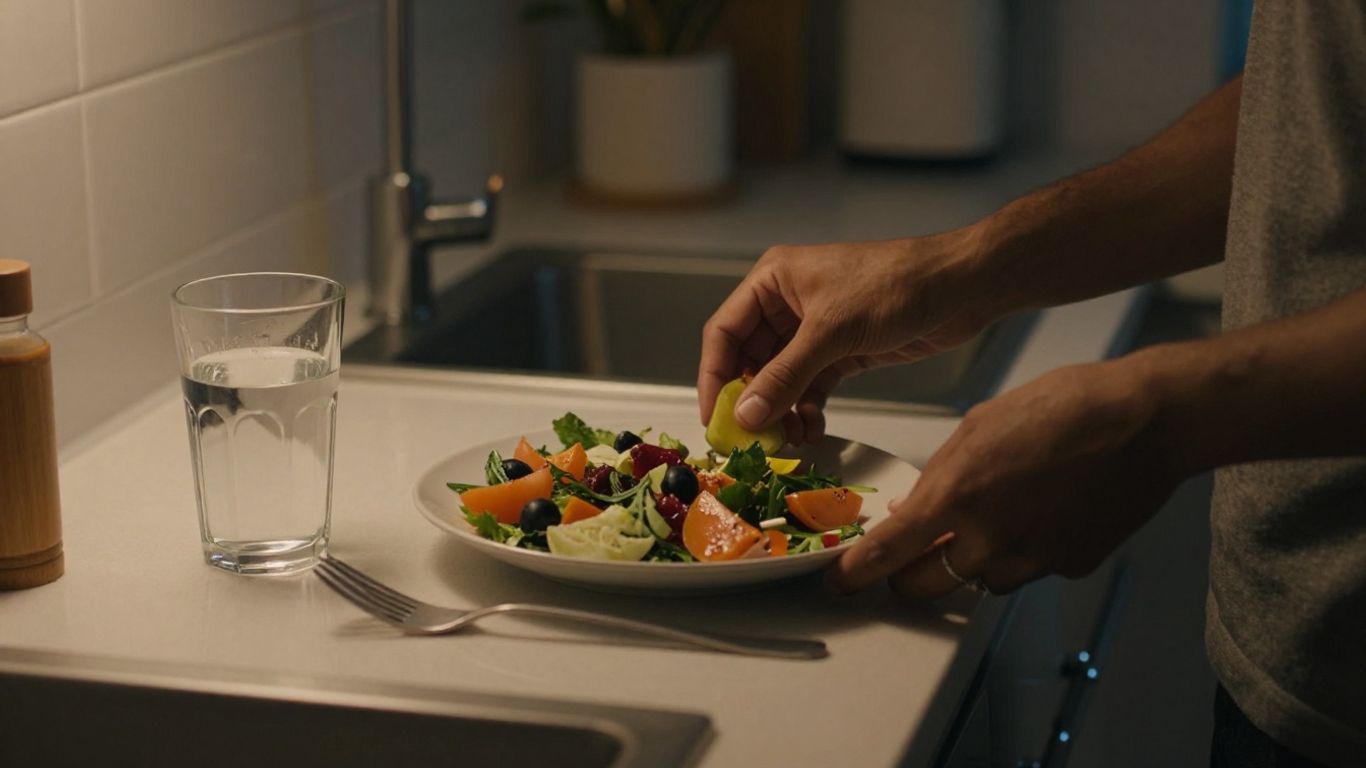
Working the night shift really messes with your body’s natural rhythm. You’re trying to be alert and active when your system is basically telling you to sleep, and that can make eating feel like a whole new challenge. It’s easy to grab whatever’s quick and convenient, but that often leads to energy crashes and feeling generally rough. This guide is all about figuring out the best ways to fuel yourself during those late night shifts food that actually helps you stay steady and feel okay, instead of just surviving.
Key Takeaways
- Your body’s natural clock (circadian rhythm) is set for daytime activity and nighttime rest, so eating during late night shifts goes against this, slowing digestion and metabolism.
- Instead of big meals, focus on smaller, balanced ‘fuel stops’ throughout your shift to keep energy levels steady and avoid digestive upset.
- Choose complex carbohydrates like whole grains and starchy vegetables for sustained energy, and avoid refined sugars and white flours that cause crashes.
- Protein and fiber are your friends for feeling full, staying alert, and keeping your digestive system happy during the night.
- Smart snacking, staying hydrated, and making healthy swaps for cravings are vital for managing energy and avoiding the common pitfalls of night shift eating.
Understanding Your Night Shift Metabolism
Working overnight really messes with your body’s natural clock. You know, that internal rhythm that tells you when to be awake and when to sleep? It’s called the circadian rhythm, and it’s pretty important for everything from your mood to how well you digest food. When you’re pulling an all-nighter, you’re basically asking your body to do things it’s not designed for at that time.
Circadian Rhythm Disruptions and Digestive Slowdown
Your body is wired to be active during the day and wind down at night. Hormones like cortisol, which helps you wake up, are highest in the morning. Melatonin, the sleep hormone, starts to rise in the evening. But when you’re on a night shift, this whole system gets flipped. Your digestive system, in particular, starts to slow down as the night goes on. This means that heavy meal you might grab at 2 AM isn’t going to be processed as efficiently as it would be during the day. It can lead to feeling sluggish, bloated, or even experiencing heartburn.
The Biological Challenge of Nocturnal Eating
Think of your gut like a factory that runs on a schedule. During the day, it’s fully staffed and ready to handle a lot. At night, when it’s supposed to be resting, the staff is low, and the machinery is running at a much slower pace. Eating a big meal during these ‘off’ hours is like trying to run a full production line with only a skeleton crew. It’s a biological challenge that can leave you feeling uncomfortable and drained. This is why night shift workers often report feeling worse after eating late at night compared to eating the same food earlier in the day.
Metabolic Strain from Late-Night Meals
When you eat, your body needs to process those nutrients. During the day, your metabolism is generally more active and efficient. At night, it’s geared towards rest and repair. Consistently eating large meals when your metabolism is naturally slowing down can put a strain on your system. It can affect how your body handles sugar and can contribute to weight gain over time. It’s not just about feeling tired; it’s about how your body is actually functioning on a deeper, metabolic level.
- Hormonal Imbalance: Night shifts can disrupt hormones that regulate appetite and metabolism.
- Reduced Insulin Sensitivity: Your body may not respond as well to insulin at night, impacting blood sugar control.
- Digestive Discomfort: Slowed digestion can lead to bloating, gas, and indigestion.
Understanding these biological shifts is the first step in making smarter food choices that support your well-being, even when you’re working against your body’s natural clock.
Strategic Meal Timing for Sustained Energy
When you’re working through the night, your body’s natural rhythm is a bit out of sync, and that means your usual eating habits might not be serving you well. Forget the idea of three big meals; that just doesn’t work when your internal clock is telling you to sleep. Instead, we need to think about strategic eating, like a pit crew keeping a race car running smoothly. The goal is to keep your energy levels steady, avoid those awful mid-shift slumps, and prevent the cycle of overeating when you’re starving and then feeling sluggish. It’s all about smart timing and smaller, more frequent fuel-ups.
Rethinking the Traditional Meal Pattern
Your body’s digestive system slows down significantly when it’s dark outside, which is when you’re likely working. Trying to process a large meal at 2 a.m. is like asking a car to run on fumes – it’s just not efficient. The old way of eating breakfast, lunch, and dinner doesn’t fit this biological reality. We need to shift to a pattern that works with your night shift schedule, not against it. This means one main meal before your shift starts, and then smaller, balanced snacks spread out during your working hours. This approach helps stabilize your blood sugar, which is key to maintaining focus and avoiding that feeling of being completely wiped out.
The Power of Smaller, Balanced Fuel Stops
Instead of waiting until you’re ravenous, which often leads to poor food choices and overeating, plan for smaller meals or snacks every 2-3 hours. Think of these as ‘fuel stops’ to keep your engine running. These mini-meals should be balanced, combining complex carbohydrates for energy with protein and healthy fats for satiety. This combination prevents sharp blood sugar spikes and crashes, keeping you alert and productive. It’s about consistent, manageable energy rather than big bursts followed by long droughts.
Here’s a general framework to consider:
- 1-2 hours before your shift: This is your main meal. Make it substantial and balanced with protein, complex carbs, and healthy fats. This is your primary energy source for the first part of your shift.
- 2-3 hours into your shift: A small, balanced snack. This helps bridge the gap and prevents hunger from setting in too strongly.
- Mid-shift (around 4-6 hours in): Another modest, balanced mini-meal. This keeps your energy up for the second half of your shift.
- 2-3 hours before going home: If you’re hungry, a very light snack. Avoid anything heavy that could disrupt your sleep later.
Aligning Your Largest Meal with Your Biological Day
Even though you’re working at night, your body still has a biological clock. The most effective strategy is to have your largest, most substantial meal when your body is most prepared to digest and utilize nutrients – which is typically during your biological daytime. For most night shift workers, this means eating your main meal a couple of hours before your shift begins. This meal should be rich in complex carbohydrates, lean protein, and healthy fats to provide sustained energy. The smaller ‘fuel stops’ throughout the night are designed to maintain that energy, not replace the foundational meal. This way, you’re not asking your body to do heavy lifting digestively in the middle of the night, and you’re setting yourself up for better energy and a smoother transition back to daytime rest when your shift ends.
Eating a large meal late at night, when your body is naturally winding down, can lead to digestive discomfort and make it harder to sleep when you finally get home. By shifting your biggest meal to before your shift, you’re working with your body’s natural processes, not against them. This simple change can make a big difference in how you feel during your shift and how well you recover afterward.
Choosing the Right Carbohydrates for Night Shifts
Prioritizing Complex Carbohydrates for Steady Energy
When you’re working through the night, your body needs fuel that keeps going, not fuel that burns out fast. That’s where carbohydrates come in, but not just any kind. We’re talking about the slow-burners, the ones that give you steady energy without the dreaded sugar crash. Think of it like a campfire versus a quick sparkler – you want the campfire that lasts.
Beneficial Whole Grains and Starchy Vegetables
So, what are these magical slow-burners? They’re mostly found in whole grains and certain vegetables. These foods are packed with fiber, which is like a time-release capsule for your energy. They also help keep your digestive system happy, which can be a challenge when you’re eating at odd hours.
Here’s a look at some good choices:
- Whole Grains: Oats, quinoa, brown rice, barley, whole-wheat bread, and whole-grain pasta. These are your best friends for sustained energy.
- Starchy Vegetables: Sweet potatoes, squash, beets, and carrots offer natural sugars along with fiber and nutrients.
- Legumes: Lentils, beans (black, kidney, chickpeas), and peas are fantastic sources of complex carbs and protein.
These options help stabilize your blood sugar, which means fewer energy dips and less of that foggy feeling. Plus, they can even help with mood regulation, which is a big plus when you’re tired.
Avoiding Refined Sugars and White Flours
On the flip side, there are carbs you’ll want to steer clear of, especially during your shift. These are the quick-burning ones that give you a rapid spike followed by a hard crash. We’ve all been there, reaching for a sugary snack only to feel worse an hour later.
- Sugary Drinks: Soda, sweetened teas, and energy drinks offer a quick fix but lead to a big crash.
- White Bread and Pastries: Donuts, white bread, and most cakes are made with refined flours that your body digests very quickly.
- Candy and Sugary Cereals: These are pure sugar and offer little in the way of lasting energy or nutrients.
The goal is to choose carbohydrates that provide a steady stream of glucose to your brain and muscles, helping you stay alert and focused throughout your shift. This means prioritizing foods that are less processed and contain more fiber.
Making these smart swaps can make a huge difference in how you feel and perform when you’re working against the clock. It’s about working with your body, not against it, to keep your energy levels steady and your mind sharp.
The Role of Protein and Fiber in Night Shift Food
Protein for Satiety and Alertness
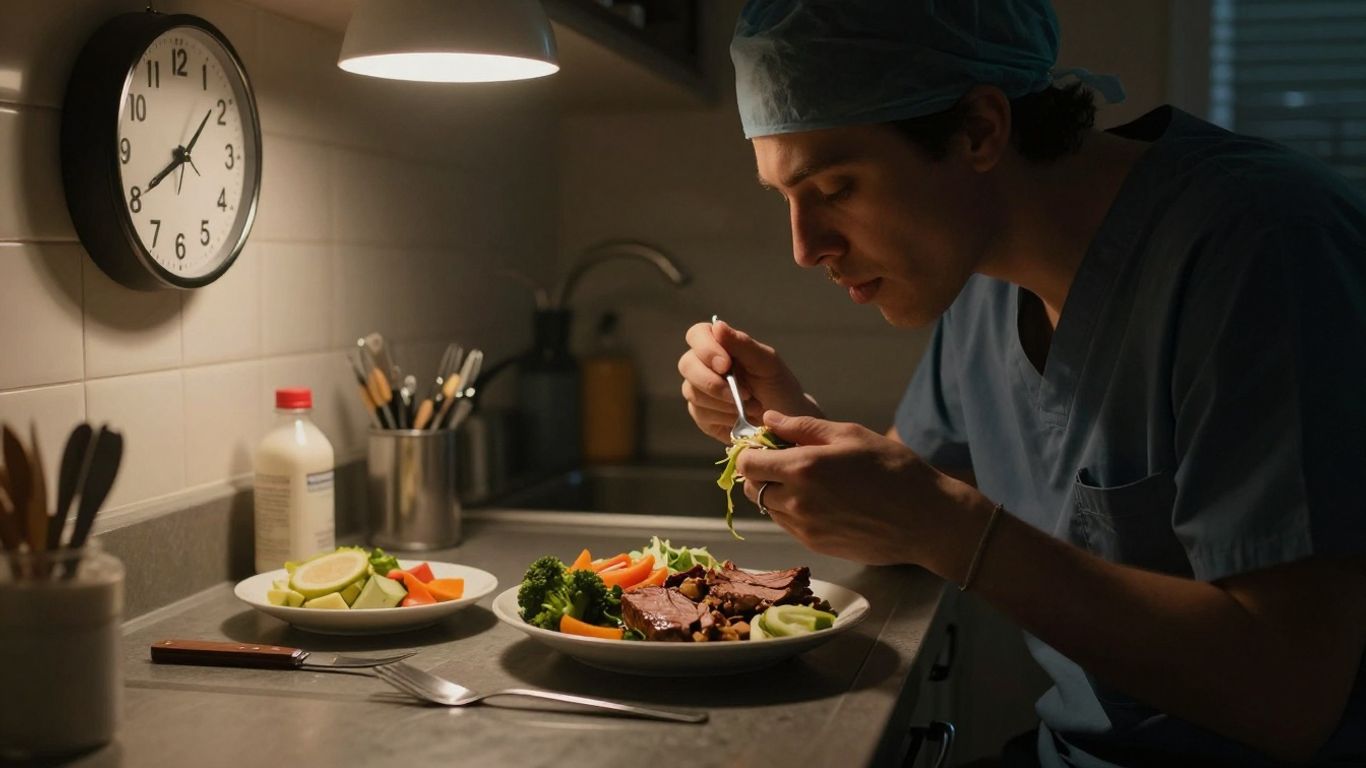
When you’re working through the night, keeping your energy levels steady and your mind sharp is a big deal. Protein plays a starring role here. It’s what helps you feel full, so you’re less likely to reach for those tempting, but ultimately unhelpful, sugary snacks that can lead to a crash later. Think of protein as your steady anchor, helping to keep your alertness up when your body is naturally winding down. It also helps to stabilize your blood sugar, preventing those sharp dips that can make you feel foggy and tired.
- Lean protein sources are your best bet. These digest more slowly, providing a sustained release of energy. Good options include things like skinless chicken or turkey breast, fish, eggs, and low-fat dairy like Greek yogurt or cottage cheese. For plant-based choices, consider tofu, tempeh, beans, and lentils.
Fiber for Digestive Health and Fullness
Fiber is another unsung hero for night shift workers. It’s not just about feeling full, though it certainly helps with that. Fiber is also really important for keeping your digestive system running smoothly, which can be a challenge when your eating schedule is out of sync with your body’s natural rhythm. A diet rich in fiber can help prevent common digestive complaints like bloating or constipation that can pop up when you’re eating at odd hours.
- Whole grains are a fantastic source of fiber. Think oats, quinoa, brown rice, and whole-wheat bread or wraps.
- Fruits and vegetables are packed with fiber and other good stuff. Aim to include a variety of colors.
- Legumes, like beans and lentils, offer both fiber and protein, making them a double win.
Combining Protein and Fiber for Optimal Snacks
The real magic happens when you pair protein and fiber together. This combination is a powerhouse for sustained energy and keeping hunger at bay. When you eat them together, they slow down digestion even further, giving you a more even release of energy and keeping you satisfied for longer periods. This is especially helpful during those long stretches between breaks or when you’re facing the dreaded 3 a.m. slump.
Here are a few ideas for snacks that hit both marks:
- Apple slices with a tablespoon of peanut or almond butter.
- A small container of Greek yogurt mixed with berries and a sprinkle of chia seeds.
- Whole-grain crackers topped with hummus.
- A hard-boiled egg alongside a few baby carrots.
Building these balanced snacks into your routine can make a significant difference in how you feel and perform during your shift. It’s about making smart choices that work with your body, not against it, to keep you steady and focused through the night.
Smart Snacking Strategies for Night Shift Survival
The Midnight Vending Machine Trap
It’s easy to fall into the trap of the midnight vending machine when fatigue hits hard. Those brightly lit machines, stocked with chips, candy, and sugary drinks, seem like a quick fix for energy. But here’s the thing: these options often lead to a quick spike followed by a serious crash, messing with your blood sugar and making you feel even more tired. Studies show that night shift workers are more likely to reach for these high-calorie, low-nutrient items, which can seriously impact your metabolism over time. Making the healthy choice the easy choice is your best defense.
Building Balanced, Portable Snacks
Think of your snacks as mini-meals designed to keep you going. The goal is to combine nutrients that provide steady energy and keep you feeling full. The magic trio for night shift snacks includes lean protein, fiber, and healthy fats. This combination helps stabilize your energy levels and prevents those dreaded hunger pangs that can lead to poor food choices.
Here’s a breakdown of what makes a snack work for you:
- Lean Protein: Keeps you feeling satisfied and alert. Think Greek yogurt, hard-boiled eggs, or a small portion of turkey slices.
- Fiber: Aids digestion and provides sustained fullness. Fruits, vegetables, and whole grains are great sources.
- Healthy Fats: Offer long-lasting energy and help with nutrient absorption. Nuts, seeds, and avocado fit the bill.
Healthy Snack Ideas for Late-Night Energy
When you’re planning your snacks, aim for options that are easy to pack and eat, even with limited time. These ideas focus on that protein-fiber-fat combo to keep you fueled:
- Greek Yogurt with Berries: Plain, unsweetened Greek yogurt is packed with protein. Add a handful of berries for natural sweetness and fiber.
- Hard-Boiled Eggs: A portable protein powerhouse. Keep a few pre-cooked in your bag.
- Apple Slices with Almond Butter: The fiber from the apple and the protein/fat from the almond butter make this a satisfying choice.
- Edamame (Steamed): A great plant-based option, offering both protein and fiber.
- Whole-Grain Crackers with Cheese: Choose crackers high in fiber and pair them with a slice of cheese for protein and fat.
Planning your snacks ahead of time removes the guesswork when you’re tired. It means you’re not relying on whatever is available when hunger strikes. This simple step can make a huge difference in how you feel and perform during your shift.
Hydration: A Crucial Component of Night Shift Wellness
The Impact of Dehydration on Performance
It’s easy to forget about drinking water when you’re focused on tasks, but even a little bit of dehydration can really mess with how you feel and perform. Think about it: headaches, feeling foggy, and just generally being more tired than you should be. These symptoms can easily be mistaken for just being sleepy from the night shift, but often, a good drink of water can help.
Strategic Sipping Throughout Your Shift
Making sure you drink enough water during your shift isn’t just about chugging a bottle at the start. It’s about a steady approach. Try to keep a water bottle with you and take sips regularly. Setting a reminder on your phone or watch every hour or so can be a good way to make sure you’re not going too long without fluids. This consistent intake helps maintain your energy and focus.
Choosing Hydrating Beverages Wisely
Water is definitely the best choice, but sometimes you need a little variety. Herbal teas, especially those without caffeine, can be a good option. You can also try infusing water with fruits like lemon or cucumber for a bit of flavor. It’s important to limit drinks that are high in sugar, as they can lead to energy crashes later on. Also, be mindful of how much caffeine you’re consuming, as it can affect your sleep later.
Here’s a quick look at what to aim for:
- Water: Your primary go-to. Aim for at least 2-3 liters over a 24-hour period, adjusting based on your activity level and the environment.
- Herbal Teas: Unsweetened options like peppermint or chamomile can be soothing and hydrating.
- Infused Water: Add slices of fruit or vegetables for a refreshing twist.
Staying hydrated is one of the simplest yet most effective ways to combat fatigue and maintain alertness during your night shift. Don’t underestimate its power.
Navigating Unpredictable Breaks with Portable Nutrition
Working the night shift often means your breaks aren’t exactly scheduled. One minute you’re busy, the next you might have a few minutes to yourself. This unpredictability makes eating a challenge. You can’t always count on a proper mealtime, so having food that’s easy to grab and eat is key. Think of your food as fuel you carry with you, not something that depends on a sit-down break.
Planning for Flexibility and Portability
When your schedule is all over the place, planning ahead is your best friend. You need food that travels well and can be eaten quickly, even if you only have five minutes. This means packing multiple small snacks instead of relying on one big meal. It’s about having options ready for those unexpected lulls in activity.
- Pack several small snacks: Aim for items you can eat in 5 minutes or less.
- Choose portable options: Think about foods that don’t require much preparation or a clean space to eat.
- Prepare ahead of time: Spend a little time before your shift to portion out snacks.
Non-Perishable and Refrigerated Snack Options
It’s smart to have a mix of foods that don’t need to stay cold and some that do. Non-perishable items are great for keeping in your locker or bag for those times when you can’t get to a fridge. Refrigerated items can offer a bit more variety and freshness.
Non-Perishable Ideas:
- Nut packs (almonds, walnuts, cashews)
- Low-sugar granola bars or protein bars
- Whole-grain crackers
- Dried fruit (in moderation)
- Shelf-stable milk boxes or pouches
- Instant oatmeal packets (just add hot water)
Refrigerated Ideas:
- Greek yogurt cups
- Hard-boiled eggs
- Cheese sticks or cubes
- Pre-cut vegetables with hummus
- Small containers of cottage cheese
Having a variety of snacks ready means you’re less likely to grab something unhealthy when hunger strikes unexpectedly. It’s about being prepared for anything the shift throws at you.
Utilizing Brief Moments for Quick Fueling
Sometimes, your break isn’t a break at all – it’s just a brief pause. Maybe you have a few minutes between tasks or while waiting for something to load. These are your opportunities to refuel. Don’t wait for a perfect moment; take advantage of the small windows you get. Grabbing a few bites of a pre-portioned snack can make a big difference in keeping your energy levels steady. It’s about making the most of every little chance to keep your body and mind going strong throughout the night.
Making Smart Swaps for Cravings
It’s totally normal to get those late-night urges for something sweet or salty. When you’re tired, your brain often looks for the quickest energy fix, and that usually means sugary or fatty stuff. The trick isn’t to fight these cravings head-on, but to get ahead of them by planning smart swaps. This means knowing what you’ll likely crave and having a healthier, pre-portioned option ready to go. It makes the good choice the easy choice when you’re running on fumes.
Identifying Your Biggest Cravings
Think about what usually hits you hardest during your shift. Is it the 2 a.m. chocolate bar urge? Or maybe the salty crunch of chips around 4 a.m.? Pinpointing these specific moments and the types of food you crave is the first step. Without this awareness, you’re just reacting, and that’s when the vending machine wins.
Healthier Alternatives to Sugary and Salty Treats
When those cravings strike, having a go-to healthier option can make all the difference. Instead of a candy bar, which can send your blood sugar soaring and then crashing, try something like a Rip Van Wafel. It gives you that sweet satisfaction but with less sugar and more fiber to keep you going. For salty cravings, ditch the greasy chips and opt for something like roasted chickpeas or whole-grain crackers with a bit of cheese. You still get the crunch and savory flavor, but with added protein and fiber that actually helps you feel full.
Here’s a quick look at some common swaps:
- Sweet Cravings:
- Instead of: A sugary donut or pastry
- Try: Apple slices with a tablespoon of almond butter, or a small portion of oatmeal.
- Salty/Crunchy Cravings:
- Instead of: A bag of potato chips
- Try: Air-popped popcorn (lightly seasoned), or a handful of unsalted nuts.
- Creamy Cravings:
- Instead of: Ice cream or a creamy milkshake
- Try: Greek yogurt with a few berries, or a small avocado.
Satisfying Sweet and Savory Desires Mindfully
It’s not just about what you eat, but how you eat it. When you reach for your planned healthy swap, take a moment to actually enjoy it. Pay attention to the taste and texture. This mindful approach can make the snack more satisfying, even if it’s a smaller portion or a less intensely flavored option than the junk food you’re avoiding. Remember, the goal is sustained energy and feeling good, not just a fleeting sugar rush. Making these small, consistent changes can really add up over time, helping you feel more steady and in control during those long night shifts.
Post-Shift Nutrition for Better Sleep Quality
Your shift might be over, but your body still needs to transition from work mode to rest mode. What you eat (or don’t eat) after your shift can make a big difference in how quickly you fall asleep and how well you sleep. The goal here is to help your body wind down, not rev up.
Avoiding Heavy Meals Before Bedtime
When you get home, it’s tempting to grab whatever’s easiest, especially if you’re starving. But a big, heavy meal right before you try to sleep is a recipe for discomfort. Think about it: your digestive system is naturally slowing down, and trying to process a large amount of food, especially something fatty or spicy, can lead to indigestion, heartburn, and general restlessness. This makes it much harder to drift off.
- Heavy meals can disrupt your sleep architecture, leading to less restorative sleep.
Instead of a full-on dinner, aim for something light if you’re hungry. If you’re not feeling particularly hungry, it’s perfectly okay to skip eating altogether and just focus on getting to bed.
Light, Carb-Focused Snacks for Wind-Down
If hunger is nagging at you, a small, easily digestible snack is the way to go. The focus should be on complex carbohydrates and a little bit of protein. These types of foods can help signal to your brain that it’s time to relax. They also provide a gentle source of energy that won’t keep you wired.
Here are some good options:
- A small bowl of oatmeal with a few berries or a sliced banana.
- A piece of whole-grain toast with a thin layer of peanut butter or almond butter.
- A small container of plain Greek yogurt with a sprinkle of granola.
- A banana with a small handful of almonds.
These snacks are easy on your stomach and provide just enough to take the edge off your hunger without weighing you down.
Calming Beverages to Signal Sleep
Sometimes, a warm drink can be incredibly soothing and act as a ritual to tell your body, "Okay, work is done, it’s time to sleep." The key here is to choose something non-caffeinated and ideally warm. Caffeine, even in small amounts, can linger in your system for hours and interfere with sleep. Warm liquids can also have a comforting effect.
Consider these choices:
- Chamomile tea: Known for its mild calming properties.
- Herbal teas: Look for blends with ingredients like valerian root or passionflower, which some people find relaxing.
- Warm low-fat milk: A classic bedtime drink for a reason. You can add a pinch of cinnamon for flavor.
Pairing one of these drinks with other wind-down activities, like dimming the lights or reading a book, can create a powerful signal for sleep.
Real-World Nutrition Scenarios for Night Shift Workers
Adapting Nutrition for Varied Schedules
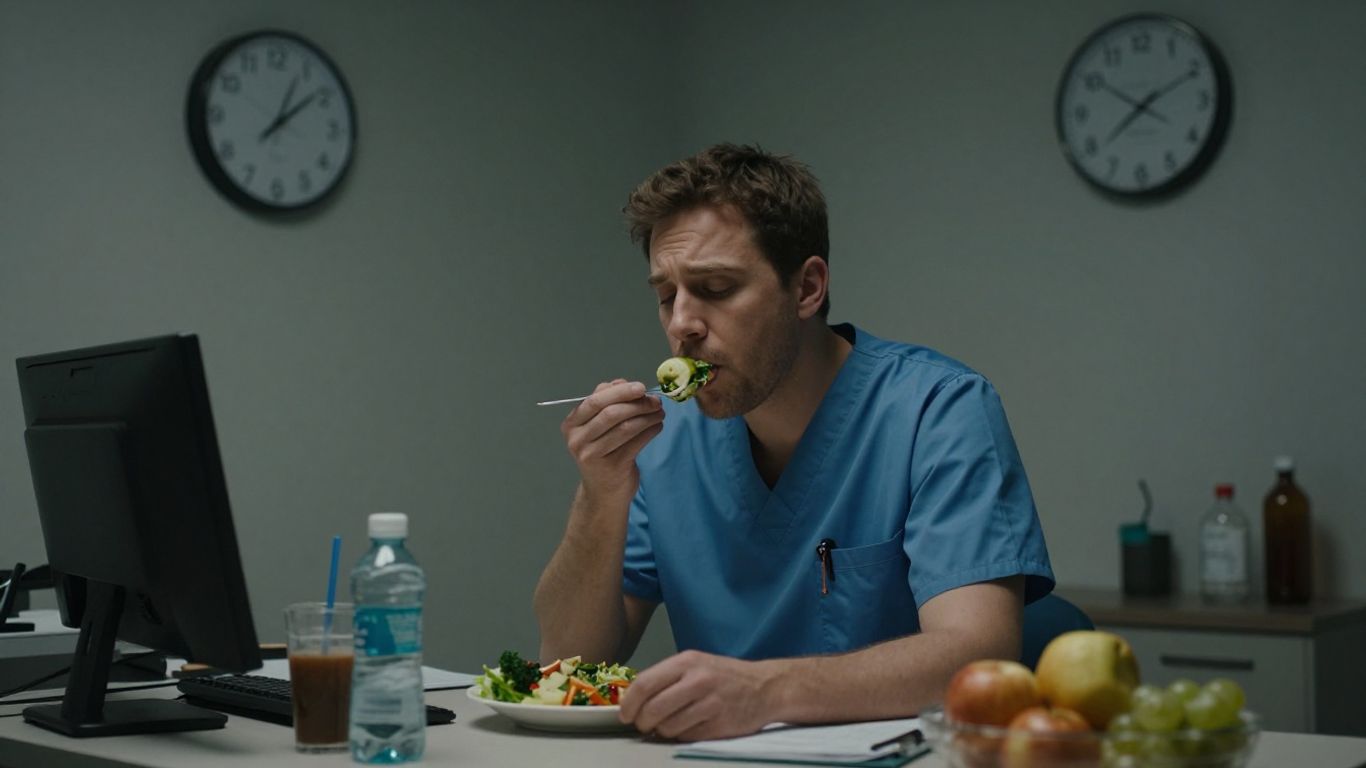
Working night shifts often means dealing with schedules that aren’t exactly predictable. Whether you’re a nurse on rotating shifts or a warehouse worker with changing break times, having a flexible nutrition plan is key. It’s not about being perfect every single time, but about having a solid strategy that you can stick to most of the time. Think of your food as fuel you carry with you, ready for whenever you get a moment to eat, rather than something that depends on a long, scheduled break. This means packing smart, portable options that don’t require much fuss.
Case Study: The Night Shift Nurse
Emily, an ICU nurse, used to struggle with her night shifts. She’d often skip dinner before her 7 p.m. to 7 a.m. shifts, rely on lots of coffee and energy drinks, and then grab whatever was available – cookies, leftover pizza, or candy. By the time she got home, she was starving and would eat a big meal before trying to sleep, which left her feeling wired, irritable, and not rested.
After changing her approach, Emily started eating a balanced meal at home before her shift, like chicken with quinoa and veggies. She then planned smaller, balanced snacks for during the night:
- 8:30 p.m.: Coffee with Greek yogurt and berries.
- 11:30 p.m.: A handful of nuts and an apple.
- 2:00 a.m.: A smaller coffee with half a turkey wrap on whole-grain bread.
- 4:30 a.m.: Herbal tea with carrot sticks and hummus.
She also made sure to eat a light meal, like oatmeal, when she got home before heading to bed. Within a few weeks, Emily noticed a big difference. Her energy levels were more stable throughout her shifts, she felt less drowsy, her stomach issues improved, and she could fall asleep much faster after work.
Case Study: The Overnight Warehouse Worker
Mark worked the 10 p.m. to 6 a.m. shift at a large distribution center where breaks could be unpredictable. His go-to for food was usually the vending machine or fast food. After talking with a dietitian, he shifted his strategy.
He started prepping his meals and snacks ahead of time. This included things like whole-grain sandwiches, individual bags of nuts, and pre-cut fruit. He also made sure to bring a large water bottle and aimed to drink at least two bottles during his shift. Mark cut off his caffeine intake by 2 a.m. and opted for a light snack instead of a heavy meal when he got home. Over a few months, Mark saw positive changes: he lost weight, experienced fewer energy dips late in his shift, felt better mood-wise, and even took fewer sick days.
These examples show that even with demanding schedules and unpredictable breaks, making intentional food choices can significantly improve how you feel and perform during your night shifts. It’s about creating a sustainable plan that fits your reality.
Working the night shift can mess with your eating habits. It’s tough to know what to eat when your schedule is flipped. We’ve put together some easy tips for real-life situations that can help you make healthier food choices, even when you’re working late. Want to learn more about eating right for your body? Visit our website for practical advice and support.
Your Night Shift Nutrition Toolkit
Working through the night doesn’t have to mean feeling drained and out of sorts. By understanding how your body reacts to a reversed schedule and making small, smart food choices, you can actually feel more steady and focused. It’s not about perfection, but about having a plan. Think of packing snacks like you pack your work essentials – they’re there to help you get the job done. Small, balanced meals and snacks, along with staying hydrated, can make a big difference in how you feel, both during your shift and when you get home. So, take these ideas, adapt them to your own routine, and start turning those late nights into productive, manageable ones. You’ve got this.
Frequently Asked Questions
Why does eating at night feel different than eating during the day?
Your body has an internal clock that tells it when to be awake and when to sleep. This clock also affects your digestion. When you work at night, your body is trying to rest and digest slowly, but you’re asking it to be active. Eating heavy meals at night can feel harder on your stomach because your digestive system isn’t working at full speed like it does during the day.
What are the best snacks to keep me energized without feeling tired later?
The best snacks combine protein, fiber, and healthy carbs. Think of things like Greek yogurt with berries, an apple with peanut butter, or a handful of nuts with a piece of fruit. These give you steady energy and help you feel full, unlike sugary snacks that cause a quick energy spike followed by a crash.
How can I sleep better after my night shift?
To sleep better, avoid caffeine a few hours before you plan to go to bed. If you’re hungry, have a light snack like oatmeal or a banana. Try not to eat big, heavy, or spicy meals right before sleeping. A warm cup of herbal tea, like chamomile, can also help you relax and signal to your body that it’s time to rest.
Is drinking enough water really that important on the night shift?
Yes, staying hydrated is super important! Even a little bit of dehydration can make you feel tired, give you a headache, and make it hard to focus. Try to sip water or other unsweetened drinks regularly throughout your shift. It makes a big difference in how you feel.
I have unpredictable breaks. How can I eat well?
The key is to plan ahead and pack foods you can eat quickly. Bring several small snacks that don’t need much time to eat, like a handful of nuts, a granola bar, or a piece of fruit. Non-perishable items are great, but also pack one or two things that need to stay cool. Always keep a water bottle with you.
What should I do about cravings for sweets or salty snacks?
It’s normal to have cravings! Instead of giving in to candy or chips, try a healthier swap. If you want something sweet, try a piece of fruit or a low-sugar cookie. For salty cravings, go for whole-grain crackers with cheese or some roasted chickpeas. Planning these swaps ahead of time makes them easy to grab when a craving hits.
Should I eat a big meal before my night shift?
Your largest meal should ideally be before your shift starts, often called your ‘pre-shift meal.’ This meal should be balanced with protein, healthy fats, and complex carbohydrates. It’s better to have this larger meal closer to your normal ‘daytime’ when your body is more ready to digest it, rather than a huge meal in the middle of the night.
What are some good portable meal ideas for the night shift?
Think about meals you can easily pack and eat in smaller portions. Whole-grain wraps with lean protein like turkey or chicken and veggies, quinoa salads with beans, or even overnight oats can work. Portioning them into containers makes them easy to grab and eat during brief breaks.