
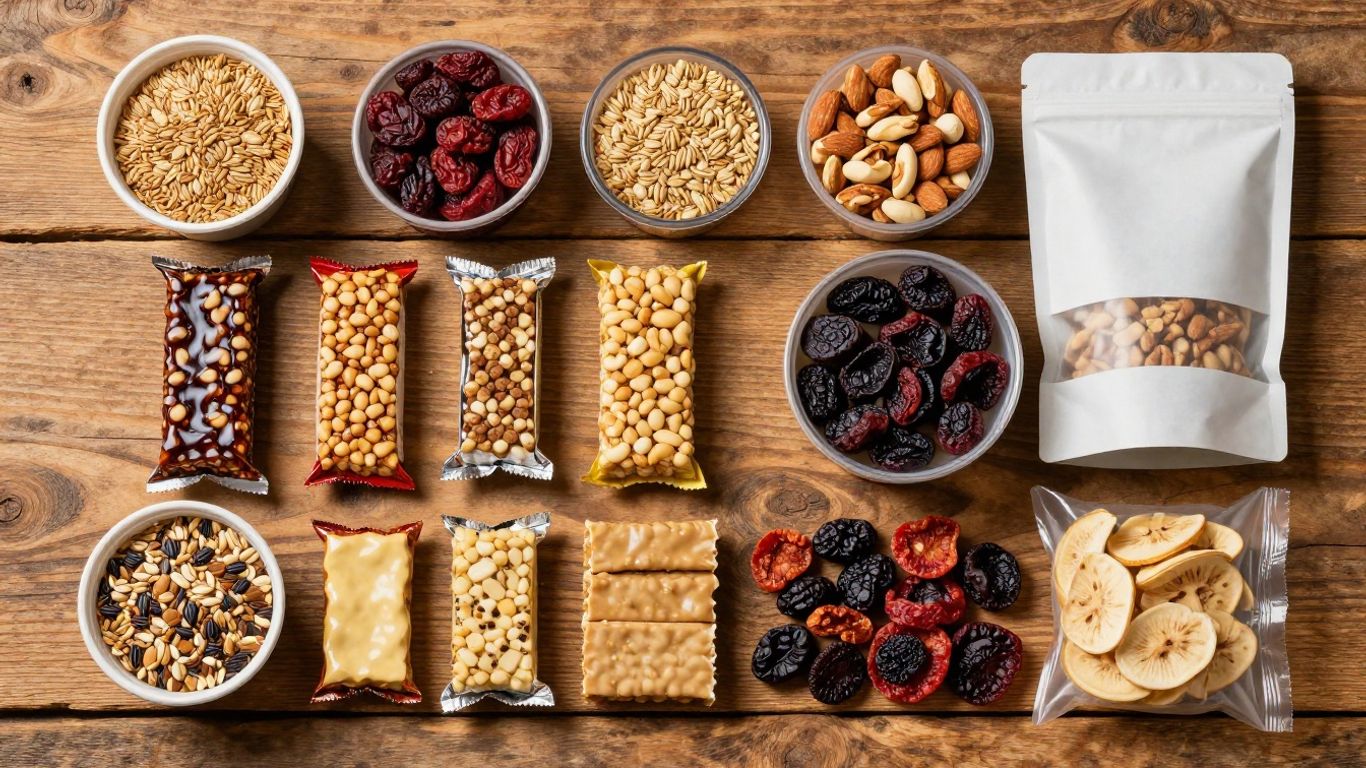
Planning a trip, whether it’s a weekend road trip or a long flight, means thinking about food. And not just meals, but those in-between hunger pangs. Gone are the days when jerky was the only go-to for a protein boost. We’ve got so many more options now for portable proteins that are easy to pack and keep you going. It’s all about finding snacks that are good for you, convenient, and don’t make a mess.
Key Takeaways
- Pack a variety of portable proteins like nuts, seeds, protein bars, and nut butter packets for sustained energy and to avoid unhealthy impulse buys.
- When choosing packaged snacks, read labels carefully, looking for short ingredient lists and minimal added sugar, especially in protein bars and cookies.
- Savory options like jerky, roasted chickpeas, and edamame offer a satisfying crunch and a good source of plant-based protein, helping to keep you full.
- Consider dietary needs by selecting gluten-free, keto-friendly, or allergy-aware portable protein options to ensure everyone has suitable snacks.
- Proper planning, portion control, and food safety, including cooler use for perishables, are vital for enjoying your portable proteins throughout your journey.
The Evolving World of Portable Proteins
Why Protein Matters for Travelers
When you’re on the move, whether it’s a quick weekend getaway or a long trek, keeping your energy levels steady is key. Protein plays a big role in this. It helps you feel full longer, which means fewer cravings and more sustained energy throughout your day. Think about it: after a good protein-rich snack, you don’t hit that mid-afternoon slump quite as hard. It’s not just about muscle building; it’s about keeping your body running smoothly when you’re exploring new places or just dealing with a busy schedule.
The Limitations of Traditional Jerky
Jerky has been a go-to portable protein for ages, and for good reason. It’s shelf-stable, packed with protein, and easy to carry. However, traditional jerky often comes with a few downsides. Many varieties are loaded with sodium, which isn’t ideal for everyone, especially if you’re active or have certain health considerations. Plus, the texture can be a bit tough, and the flavor profiles, while sometimes interesting, can get repetitive. It’s a solid option, but it’s not the only game in town anymore.
Meeting Modern Nutrition Needs On the Go
Today’s travelers have more options than ever before. We’re not just looking for something to chew on; we want snacks that fit our lifestyle and nutritional goals. This means seeking out portable proteins that offer a good balance of nutrients, come in convenient packaging, and taste great. The market has really responded, with everything from plant-based jerky alternatives to single-serve nut butter packs and sophisticated protein bars. The goal is to find snacks that are both practical for travel and genuinely good for you.
Nut and Seed Snacks: Nature’s Protein Powerhouses
When you need a straightforward, reliable source of energy that won’t spoil, nuts and seeds are your best bet. These little packages of goodness are packed with healthy fats, plant-based protein, and fiber, making them incredibly satisfying. They’re shelf-stable, require zero preparation, and are perfect for tossing into a backpack or glove compartment for those moments when hunger strikes unexpectedly.
The beauty of nuts and seeds lies in their simplicity and density. They offer a concentrated dose of nutrients that can keep you going for hours, helping to stabilize blood sugar and prevent energy crashes. Opting for raw or dry-roasted varieties without added oils or excessive salt ensures you’re getting the most natural benefits.
Best Choices for Maximum Satiety
When selecting nuts and seeds for travel, focus on those that offer a good balance of protein and healthy fats. These components work together to keep you feeling full and satisfied for longer periods.
- Almonds: A classic choice, offering a good amount of protein, fiber, and vitamin E.
- Walnuts: Rich in omega-3 fatty acids, which are great for brain health and provide sustained energy.
- Pistachios: Offer a satisfying crunch and a decent protein punch, plus they’re fun to shell.
- Pumpkin Seeds (Pepitas): A fantastic source of magnesium and zinc, along with protein.
- Sunflower Seeds: Easy to eat and packed with vitamin E and healthy fats.
Tips for Portion Control on the Road
Nuts and seeds are calorie-dense, so managing your intake is key, especially when you’re on the move. Overconsumption can quickly add up. Pre-portioning is your best friend here.
- Single-Serving Bags: Use small reusable bags or containers to divide your nuts and seeds into individual snack portions. This makes them easy to grab and prevents mindless eating.
- Trail Mix Strategy: If you’re making your own trail mix, be mindful of the ratio of nuts and seeds to dried fruit or other additions. Keep the nut and seed content higher for maximum satiety.
- Mindful Snacking: When you do eat them, take a moment to savor the texture and flavor. Eating slowly can help you recognize when you’re full.
Customizing Your Own Trail Mix
Creating your own trail mix allows you to tailor it to your taste preferences and nutritional needs. It’s a simple process that yields a highly personalized and portable snack.
- Choose Your Base: Start with a generous amount of your favorite nuts and seeds (e.g., almonds, cashews, pumpkin seeds).
- Add Some Sweetness (Optional): Include a smaller portion of dried fruit like raisins, cranberries, or chopped apricots for a touch of natural sweetness and quick energy.
- Incorporate Texture & Flavor: Consider adding unsweetened coconut flakes, a few dark chocolate chips, or even some whole-grain cereal for extra crunch and interest.
- Spice it Up (Optional): For a savory twist, toss in some whole-grain pretzels or roasted edamame. You can also add spices like cinnamon or a pinch of chili powder before mixing.
Making your own trail mix means you control exactly what goes in. You can avoid added sugars and excessive salt, focusing instead on nutrient-rich ingredients that provide sustained energy for your travels. It’s a simple way to ensure you have a healthy, satisfying snack ready whenever you need it.
Single-Serve Nut Butters: Creamy Convenience
Ideal Pairings for Balanced Snacks
Forget those giant tubs of peanut butter that can go rancid on a long trip. Single-serve nut butter packets are a game-changer for portable protein. These little foil pouches are packed with healthy fats and protein, offering a satisfying and energy-boosting snack. They’re super convenient because they don’t require any utensils to eat, and they’re shelf-stable, meaning you don’t need to worry about refrigeration.
What makes them so great is their versatility. You can eat them straight from the packet for a quick protein hit, or pair them with other travel-friendly foods to create a more substantial snack or even a mini-meal. Think about pairing them with whole-grain crackers for a satisfying crunch and some complex carbs. An apple or a banana also makes a fantastic partner, adding natural sweetness and fiber. For a more savory option, try dipping some sturdy vegetable sticks like carrots or celery into the nut butter.
Nutritional Highlights to Consider
When you’re choosing nut butter packets, it’s good to know what you’re getting. Most nut butters, like peanut, almond, or cashew, are packed with monounsaturated and polyunsaturated fats, which are great for heart health. They also provide a good amount of plant-based protein. For example, a typical 2-tablespoon serving of peanut butter has around 7 grams of protein and about 16 grams of fat, mostly the healthy kind. Almond butter is similar, often offering a bit more vitamin E.
Look at the ingredient list. Ideally, you want to see just nuts and maybe a little salt. Some brands might add sugar or palm oil, which you might want to avoid if you’re trying to keep your snacks clean. The calorie density is something to be aware of; these packets pack a punch, so they’re great for sustained energy but easy to overdo if you’re not mindful of portion sizes.
Choosing the Right Portion Pack
These single-serve packets come in various sizes, but most are designed for a single snack portion. A common size is around 1.15 ounces (about 32 grams), which is roughly equivalent to two tablespoons. This is usually enough to pair with a piece of fruit or a few crackers and provide a good balance of protein and healthy fats to keep you full.
When you’re buying them, check the packaging. They’re usually sold in boxes of 6, 10, or 12. It’s a good idea to buy a variety of flavors if you can find them – plain peanut, almond, honey-roasted, or even chocolate-flavored options exist. This way, you can switch things up depending on your cravings. They’re lightweight and don’t take up much space, making them perfect for stuffing into any bag or backpack.
- Portability: Individually wrapped and require no refrigeration.
- Nutrient Density: High in healthy fats and protein for sustained energy.
- Versatility: Can be eaten alone or paired with fruits, veggies, or crackers.
Protein Bars That Go the Distance
When you’re on the move, especially for longer stretches, protein bars can be a real lifesaver. They’re basically designed for portability, offering a quick way to get some fuel without a lot of fuss. Think of them as your personal, pre-packaged power-up.
Decoding Ingredient Labels
The trick with protein bars, though, is that not all of them are created equal. You’ll see a lot of options out there, and some are more like candy bars with a bit of protein thrown in. It’s all about reading the label carefully. Look for bars with ingredients you can actually recognize – things like nuts, seeds, oats, and dried fruit. A shorter ingredient list is usually a good sign. Pay attention to the sugar content; you want to keep that on the lower side, ideally from natural sources like dates rather than added sugars.
Here’s a quick guide to what to look for:
- Protein Source: Aim for at least 5 grams of protein per bar. Common sources include nuts, seeds, pea protein, or brown rice protein.
- Sugar Content: Try to find bars with less than 10 grams of total sugar. Natural sugars from fruit are better than added sugars.
- Fiber: A good amount of fiber (3 grams or more) helps keep you feeling full and aids digestion.
- Fat: Healthy fats from nuts and seeds are great for sustained energy.
Be wary of bars that list sugar or syrup as one of the first few ingredients. These are often the ones that will give you a quick energy spike followed by a crash.
Comparing Plant-Based and Animal-Based Bars
Protein bars come from different sources, and the choice often comes down to personal preference and dietary needs. Plant-based bars typically use ingredients like nuts, seeds, oats, and plant proteins such as pea or soy. They’re a solid choice for vegans, vegetarians, or anyone looking to reduce their animal product intake. On the other hand, some bars use animal-based proteins like whey or casein, which are derived from milk. These can be very effective for muscle building and satiety. Both types can be great travel companions, so it really depends on what works best for your body and your eating plan.
DIY Recipes for Travel-Ready Bars
Making your own protein bars can be a fantastic way to control exactly what goes into them. Plus, it can often be more cost-effective. Many recipes are super simple and don’t even require baking. You can mix ingredients like oats, nut butter, seeds, dried fruit, and a protein powder (plant-based or whey) in a bowl, press the mixture into a pan, and chill it until firm. Then, just cut them into bars. This way, you know you’re getting wholesome ingredients without any weird additives, and you can customize the flavors to your liking. They’re perfect for tossing into a lunch bag or backpack for a day of exploring.
Savory Plant-Based Options: Beyond Jerky
Roasted Chickpeas and Edamame On the Move
When you’re craving something savory and satisfying, but want to steer clear of meat, there are some fantastic plant-based choices that travel well. Think about roasted chickpeas – they get wonderfully crunchy and can be seasoned in so many ways. A simple toss with olive oil, salt, and maybe some smoked paprika or garlic powder before roasting makes them a delightful snack. They offer a good amount of fiber and protein, keeping you full without feeling heavy. Similarly, edamame, especially when roasted or dehydrated, provides a satisfying chew and a solid protein boost. A cup of cooked edamame can pack around 18 grams of protein, which is pretty impressive for a simple legume. You can season them with salt and pepper, or get a little more adventurous with chili flakes or nutritional yeast for a cheesy flavor. These little green or brown powerhouses are easy to pack and eat without making a mess.
Hummus Packs with Veggie Sticks
Individual hummus packs have become a game-changer for portable snacking. They’re portion-controlled and ready to go, often paired with pretzel sticks or pita chips. But for a healthier and more nutrient-dense option, pair them with fresh, crunchy vegetables. Carrot sticks, cucumber slices, bell pepper strips, and celery sticks are all great choices that hold up well during travel. This combination gives you protein and healthy fats from the hummus, plus vitamins, minerals, and fiber from the veggies. It’s a balanced snack that feels both indulgent and good for you. Look for single-serve packs or portion out your own into small, reusable containers before you leave.
Packaged Plant-Based Jerky Brands
For those who love the chewy, savory satisfaction of jerky but prefer a plant-based option, the market has really expanded. You can find jerky made from mushrooms, soy, seitan, or even jackfruit. These products aim to mimic the texture and umami flavor of traditional jerky. While they might not always match the protein content of meat-based jerky, they offer a satisfying alternative that’s cholesterol-free and often lower in saturated fat. When choosing, it’s worth checking the ingredient list for added sugars and sodium, as some brands can be quite high. Brands like Louisville Jerky Co. offer a variety of flavors that are designed to be both delicious and convenient for travel.
The beauty of these savory plant-based snacks lies in their versatility and accessibility. They cater to a desire for satisfying, umami-rich flavors without relying on animal products, making them a great choice for vegans, vegetarians, or anyone looking to diversify their protein sources on the go. They prove that portable protein doesn’t have to be boring or limited.
Portable Dairy: Cheese and Yogurt for Sustained Energy
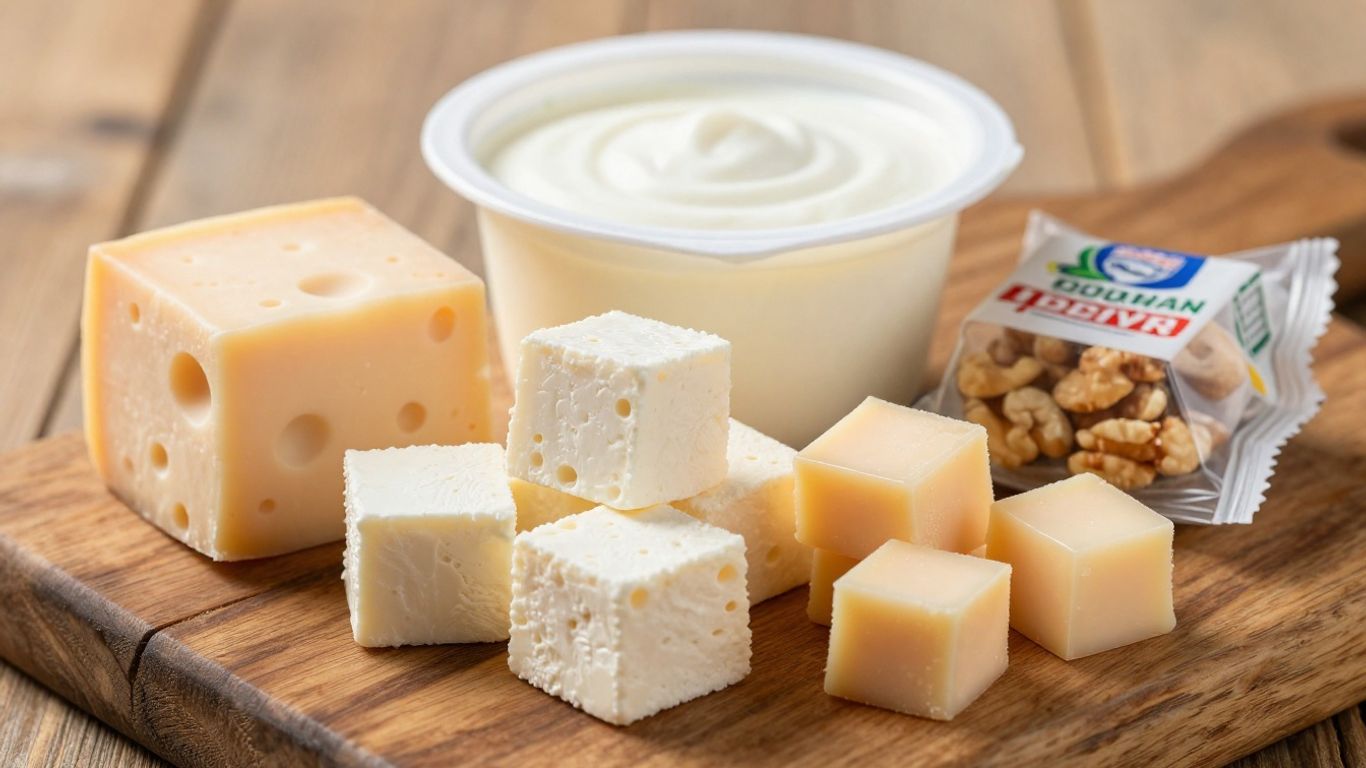
When you need a reliable source of protein that keeps you going, dairy options like cheese and yogurt are fantastic travel companions. They offer a satisfying combination of protein and fat, which helps with sustained energy release, meaning you won’t hit that dreaded afternoon slump. Plus, they feel a bit more like a treat than just a handful of nuts, which can be nice on a long journey.
Selecting Stable Cheese Snacks
Not all cheeses are created equal when it comes to travel. Harder, aged cheeses tend to hold up better without refrigeration for shorter periods compared to soft, creamy varieties. Think about cheddars, goudas, or even Parmesan. Pre-portioned cheese sticks or cubes are super convenient and help with portion control. They’re great for tossing into a lunch bag or a backpack pocket for a quick protein boost.
- Hard Cheeses: Cheddar, Gouda, Swiss, Parmesan
- Semi-Hard Cheeses: Provolone, Monterey Jack
- Avoid: Soft cheeses like Brie, Camembert, or fresh mozzarella unless you have a reliable cooler.
The key is to choose cheeses with lower moisture content for better stability.
Managing Food Safety Without Refrigeration
This is where things get a little tricky, but it’s totally doable. For shorter trips or the first leg of a longer journey, hard cheeses can often be kept at room temperature for a few hours, especially if it’s not too hot out. However, for anything longer than a few hours, or if you’re traveling in warm weather, a small insulated cooler with an ice pack is your best friend. It keeps your cheese firm and safe to eat. Always pack cheese in a sealed container or bag to prevent leaks and cross-contamination.
When in doubt, err on the side of caution. If a cheese feels too soft or looks questionable, it’s better to discard it than risk getting sick.
Yogurt Parfaits That Travel Well
Yogurt is another protein powerhouse, but its creamy nature means it usually needs to stay cool. The trick to making yogurt travel-friendly is to think about how you assemble it. Individual, single-serve yogurt cups are the easiest option. If you want to get fancy, you can make your own parfaits in mason jars. Layer yogurt, fruit, and granola, but keep the granola separate until you’re ready to eat to avoid sogginess. Using plant-based yogurts can also be a good option as some are quite shelf-stable. Again, a cooler is highly recommended for any yogurt-based snack to maintain freshness and safety.
Smart Sweets: Low-Sugar Protein Treats
Sometimes, you just need something sweet. But when you’re traveling, that craving doesn’t have to mean a sugar bomb that leaves you crashing later. We’re talking about treats that satisfy your sweet tooth while still offering some nutritional benefits, like protein and fiber, to keep you going.
Low-Sugar Wafers and Cookies
Forget those sugary cookies that offer little more than empty calories. The market now has some great options that are specifically designed for smarter snacking. Think about wafers and cookies that use natural sweeteners or have significantly reduced sugar content. These are often paired with fiber or even a bit of protein, making them a more balanced choice. They’re individually wrapped, which is a huge plus for portability and hygiene on the go. A good example is a cookie that offers that satisfying crunch and sweetness without the typical sugar overload, keeping your energy levels more stable.
Making Balanced Choices for Sweet Cravings
When picking out a sweet treat for your travels, a quick label scan can make all the difference. Look for snacks with a short ingredient list, prioritizing whole foods. Aim for items with less than 10 grams of sugar per serving and ideally more than 3 grams of fiber. This simple check helps you avoid the dreaded sugar crash that can derail your day. Many brands now offer cookies or wafers that fit these criteria, proving that you don’t have to sacrifice taste for smart nutrition.
Packing Energy Balls and Homemade Treats
Making your own energy balls is a fantastic way to control exactly what goes into your snacks. They’re little powerhouses of nutrition, typically made with dates for natural sweetness, nuts and seeds for protein and healthy fats, and sometimes oats for fiber. They’re naturally sweet, satisfying, and easy to portion. Plus, they don’t require refrigeration for short trips if kept in a cool bag or container. You can customize them with ingredients like cocoa powder, shredded coconut, or chia seeds for added flavor and nutrients.
Here’s a basic idea for homemade energy balls:
- Base: Medjool dates (about 1 cup, pitted) for binding and sweetness.
- Nuts & Seeds: A mix like almonds, walnuts, or cashews (about 1/2 cup) plus chia or hemp seeds (2 tablespoons) for protein and healthy fats.
- Flavor: Unsweetened cocoa powder (1-2 tablespoons) or a dash of vanilla extract.
- Optional Coating: Shredded coconut or finely chopped nuts.
Just blend the dates until a paste forms, then add the nuts, seeds, and flavorings. Roll into small balls and store in an airtight container. They’re a perfect, guilt-free sweet bite for any journey.
When selecting packaged sweet snacks, prioritize those that offer a combination of protein and fiber. This pairing helps to slow down sugar absorption, leading to more sustained energy release and preventing sharp spikes and subsequent crashes. It’s about finding that sweet spot where indulgence meets sustained fuel.
Traveling with Dietary Restrictions: Protein for All
Traveling with specific dietary needs used to feel like a constant challenge, a real puzzle to figure out what you could actually eat. Thankfully, the world of portable protein snacks has really opened up. Whether you’re keeping it gluten-free, low-carb, or managing allergies, there are more tasty and convenient options available now than ever before. It’s all about knowing what to look for so your food supports your journey, rather than complicating it.
Finding Gluten-Free Portable Proteins
For those avoiding gluten, the good news is that many naturally gluten-free protein sources are already travel-friendly. Think about nuts, seeds, and hard-boiled eggs – these are fantastic staples. Many protein bars are also formulated to be gluten-free, but it’s always smart to check the label. Look for certifications or clear statements on the packaging. Even some jerky brands are made without gluten-containing ingredients, though it’s wise to verify.
- Nuts and Seeds: Almonds, walnuts, pumpkin seeds, sunflower seeds. Great for a quick energy boost.
- Hard-Boiled Eggs: A simple, protein-packed option that travels well for a day or two.
- Certified Gluten-Free Protein Bars: Check ingredient lists for oats (unless certified GF) and other potential gluten sources.
- Jerky: Opt for brands that specifically state they are gluten-free.
Keto and Low-Carb Snack Strategies
Sticking to a ketogenic or low-carb diet while traveling means focusing on healthy fats and protein while keeping carbohydrates to a minimum. This can seem tricky when carb-heavy snacks are often the most accessible. However, with a bit of planning, it’s totally manageable. The key is to find snacks that are rich in healthy fats and easy to pack.
Here are some go-to options:
- Full-Fat Cheese: String cheese, cheese cubes, or hard cheeses like cheddar are excellent. They offer protein and fat with virtually no carbs.
- Nuts and Seeds: Macadamia nuts, pecans, almonds, and walnuts are high in fat and lower in carbs compared to other nuts. Seeds like chia and flax are also good additions.
- Sugar-Free Jerky: Look for jerky made with minimal or no added sugars. Beef, turkey, or even salmon jerky can work well.
- Avocado: While it needs a bit more care, a whole avocado can be a fantastic source of healthy fats. Just be sure to pack a small spoon!
When choosing packaged snacks for keto or low-carb travel, always scrutinize the nutrition labels. Pay close attention to the net carbohydrate count and avoid anything with added sugars or high-carb fillers like maltodextrin.
Allergy-Friendly Options on the Go
Traveling with food allergies requires extra diligence. It’s about being prepared and knowing what ingredients to avoid. For common allergies like nuts, dairy, soy, or eggs, the strategy involves seeking out certified allergy-friendly products or sticking to whole, unprocessed foods that are naturally free from your allergens.
- Seed Butters: Sunflower seed butter or tahini can be a good alternative to peanut or almond butter for those with nut allergies. Single-serve packets are very convenient.
- Fruit and Vegetable Snacks: Whole fruits like apples and bananas, or pre-cut veggies like carrots and celery, are generally safe bets. Pair with a safe dip if possible.
- Rice Cakes or Corn Thins: These can serve as a base for safe toppings or be eaten plain. Look for brands with minimal ingredients.
- Specialty Allergy-Free Bars: Many brands now cater specifically to multiple allergies, offering bars free from common allergens. Always confirm the ingredients and manufacturing processes.
Always double-check ingredient lists and manufacturing information, especially for severe allergies, as cross-contamination can be a concern.
Mastering Food Safety with Portable Proteins
Keeping your travel snacks safe and fresh is just as important as packing the right fuel. Nobody wants to deal with a stomach ache on top of travel delays, right? It’s all about being a little bit smart with how you pack and store your food, especially when you’re away from your usual kitchen.
Strategies for Keeping Snacks Fresh
When you’re on the move, especially for longer trips or in warmer weather, keeping perishable items from going bad is key. Think about what you’re packing and how long it needs to stay good. For things like cheese sticks or pre-made yogurt parfaits, a good cooler is your best friend. Make sure it’s well-insulated and packed with plenty of ice packs or frozen water bottles. These act as a cold reservoir, keeping everything chilled for hours. For non-perishables, like nuts, seeds, or protein bars, the main concern is keeping them from getting crushed or exposed to moisture, which can make them stale.
- Pre-portioning: Divide snacks into smaller, sealed containers or bags. This limits exposure to air each time you open a larger package.
- Airtight containers: Use reusable containers or sturdy zip-top bags to keep out air and moisture, which can degrade food quality.
- Cooler management: For perishables, ensure your cooler is packed full to minimize air space, and try to keep it out of direct sunlight.
- Shelf-stable checks: Always check expiration dates on packaged goods, even if they’re designed to last a long time.
Proper Portioning and Packaging Tips
Smart portioning isn’t just about managing how much you eat; it’s also a food safety strategy. Smaller, individual portions mean less food is exposed to potential contamination each time you access your snacks. Think about using reusable silicone bags or small hard-sided containers. These protect your food from getting squashed in your bag – nobody likes a bag of crumbs! For items like nut butter packets or jerky sticks, they’re already pretty well-packaged, but keeping them in a designated spot in your bag prevents them from getting lost or damaged.
Packaging matters. It’s not just about convenience; it’s about protecting your food from the elements and potential spoilage. Choosing the right containers can make a big difference in keeping your snacks enjoyable and safe from the start of your trip to the very end.
Essential Cooler and Storage Advice
If your travel plans involve items that need refrigeration, like certain cheeses or yogurt, a cooler is a must. The goal is to keep the internal temperature consistently below 40°F (4°C). Don’t overpack your cooler to the point where air can’t circulate, but also don’t leave too much empty space. Frozen water bottles are great because they serve a dual purpose: keeping things cold and providing drinking water as they thaw. For longer trips, consider a cooler with good insulation or even a portable electric cooler if you’ll have access to a power source. Remember to keep your cooler in the coolest part of your vehicle, away from direct sun. For snacks that don’t need cooling, a dry, protected spot in your backpack or suitcase works perfectly. The best approach is to plan your snacks based on your travel method and duration, considering what you can realistically keep cool and safe.
Snack Strategy by Transport: Road, Air, and Trail
Airport Security Tips for Packed Protein
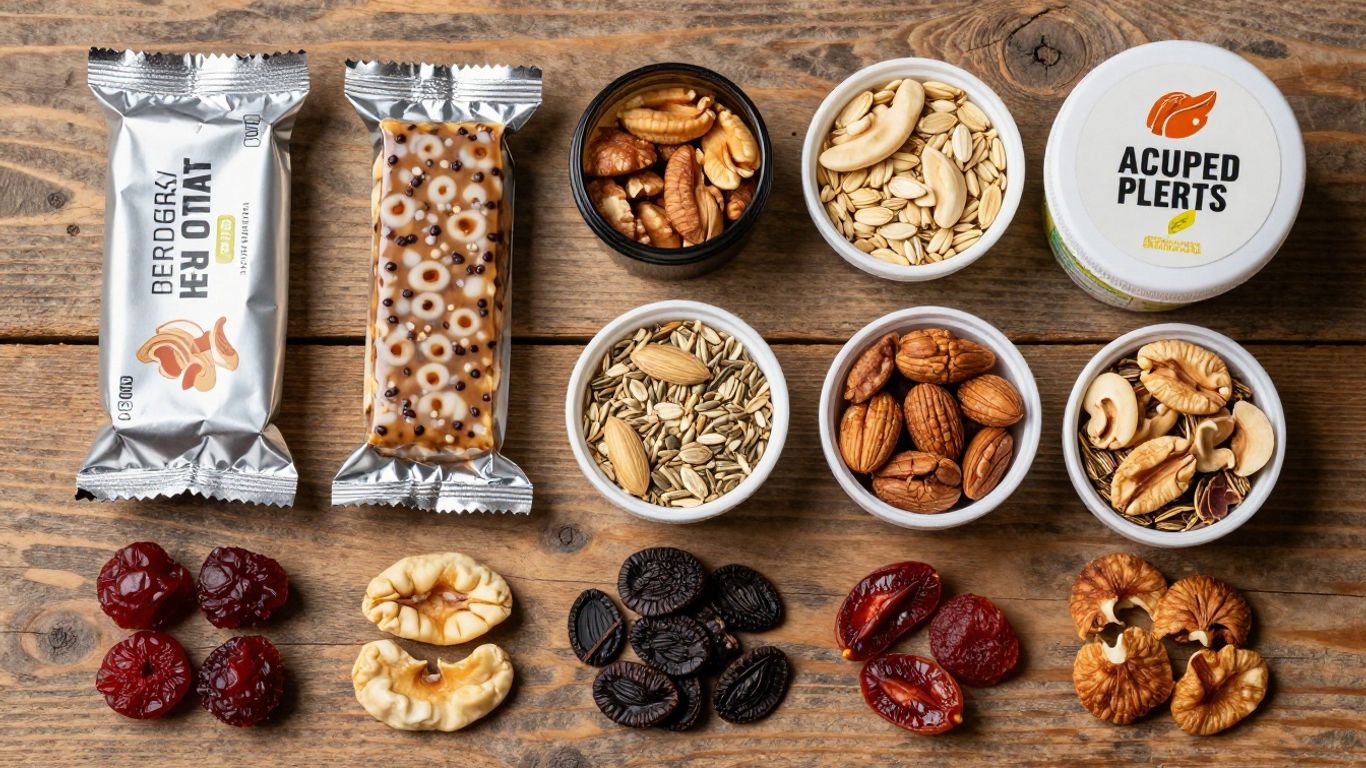
Flying means dealing with TSA, and that’s a whole different ballgame for snacks. You’ve got rules to follow, and nobody wants to be that person holding up the line. The key here is to stick to solid foods that are easy to inspect. Think nuts, seeds, whole fruits like apples or bananas, and pre-packaged protein bars. If you’re bringing anything liquid or gel-like, like single-serving nut butter packs or hummus, make sure they’re under the 3.4-ounce limit and packed in your carry-on. It’s also a good idea to keep these items accessible, maybe in a separate clear bag, so you can pull them out quickly when you get to the scanner. And for the love of all that is holy, avoid anything with a strong smell. Nobody appreciates a pungent snack in a confined airplane cabin.
- TSA-Friendly Foods: Solid foods are generally fine. Pack items like protein bars, nuts, seeds, dried fruit, and whole fruits.
- Liquid/Gel Rules: Keep items like single-serving nut butters or hummus under 3.4 ounces (100ml) and in your carry-on.
- Accessibility: Pack snacks in an easy-to-reach spot in your carry-on for quick removal during security checks.
- Odor Control: Opt for low-odor snacks to be considerate of fellow travelers.
Planning your airport snacks means thinking about convenience and compliance. Individually wrapped items are your best bet for easy handling and minimal mess.
Road Trip Snack Planning
Road trips are where coolers and easy-to-eat, one-handed snacks really shine. Since you’re not as restricted by liquid rules or tight spaces, you can bring a bit more variety. Pre-portioning is your best friend here. Divide trail mix, nuts, or crackers into smaller bags or containers. This not only helps with portion control but also makes it super easy to grab a snack without making a mess. Hard-boiled eggs, cheese sticks, and pre-cut veggies with small containers of hummus are great cooler additions. Don’t forget a reusable water bottle – staying hydrated is key to avoiding unnecessary hunger pangs. Having a designated trash bag also makes cleanup a breeze.
- Cooler Essentials: Pack items like string cheese, hard-boiled eggs, yogurt cups, and pre-cut veggies with hummus.
- Hydration: Always carry a reusable water bottle and sip frequently.
- Portion Control: Pre-divide snacks like trail mix and nuts into individual servings.
- Easy Access: Keep snacks organized for one-handed grabbing while driving.
Backpacking and Hiking Essentials
When you’re hitting the trails, weight and packability are everything. You want nutrient-dense foods that won’t weigh you down but will provide sustained energy. Dried fruits, nuts, and seeds are classic choices because they’re calorie-dense and shelf-stable. Look for unsweetened dried fruits to avoid added sugars. Roasted chickpeas or edamame offer a satisfying crunch and plant-based protein. Protein bars are also a good option, but check the ingredients for excessive sugar. Energy balls made from dates, nuts, and seeds are another excellent homemade choice, providing a good balance of carbs, fats, and protein. Remember to pack out everything you pack in, so consider snacks with minimal packaging or bring a small bag for your trash.
- Lightweight & Calorie-Dense: Focus on nuts, seeds, and dried fruits.
- Sustained Energy: Opt for whole-food-based protein bars and energy balls.
- Crunchy Options: Roasted chickpeas and edamame provide satisfying texture.
- Pack It In, Pack It Out: Choose minimal packaging and bring a trash bag.
Balancing Macronutrients for Lasting Energy
When you’re on the move, it’s easy to grab whatever’s convenient, but that often means a quick sugar rush followed by a slump. To keep your energy steady and avoid that mid-afternoon crash, think about balancing your macronutrients: protein, healthy fats, and complex carbohydrates. It’s like building a sturdy structure for your energy levels.
Carbs give you that initial spark, but protein and healthy fats are the slow-burners that keep you going. Without them, you’ll likely feel hungry again way too soon. A snack that’s just simple carbs, like a handful of pretzels, might taste good for a moment, but it won’t keep you satisfied for long. Adding protein and fat turns a light bite into something more substantial, helping you avoid mindless snacking out of boredom or actual hunger.
Pairing Protein with Healthy Fats and Carbs
Think of your snack as a mini-meal. A good combination means you get immediate energy from carbs, followed by sustained fullness from protein and fats. This trio works together to keep your blood sugar stable, preventing those sharp peaks and drops.
Here are some ideas for balanced pairings:
- Nut butter packets with whole-grain crackers: The nut butter brings protein and healthy fats, while the crackers offer complex carbs and fiber.
- Hard-boiled eggs with a small piece of fruit: Eggs are a protein and fat powerhouse, and the fruit provides natural sugars for quick energy and some fiber.
- Trail mix with nuts, seeds, and a few dried fruits: This classic mix hits all the marks. Nuts and seeds provide protein and fats, and the dried fruit offers carbs. Just watch the portion size on the dried fruit, as it can be high in sugar.
- Greek yogurt with a sprinkle of seeds: Greek yogurt is packed with protein, and seeds add healthy fats and fiber.
The Importance of Fiber-Rich Snacks
Fiber is your best friend when it comes to feeling full and keeping your digestive system happy, especially when travel can disrupt your routine. Aim for snacks that offer at least 3 grams of fiber per serving. Fiber slows down digestion, which helps maintain steady blood sugar levels and prevents those annoying hunger pangs that can strike between meals.
Snacks high in fiber also support gut health, which is often overlooked when we’re traveling. Good sources of fiber include:
- Whole grains (like oats or whole wheat crackers)
- Nuts and seeds (almonds, chia seeds, flaxseeds)
- Fruits and vegetables (apples, berries, carrots)
Keeping your snacks high in fiber is a simple yet effective way to manage hunger and maintain energy throughout your travels. It helps you feel satisfied for longer, reducing the temptation to reach for less healthy options.
Customizing Your Snack Packs for Adventure
Making your own snack packs gives you complete control over the ingredients and the macronutrient balance. This is especially helpful if you have specific dietary needs or preferences. You can pre-portion everything to avoid overeating and ensure you have a good mix of protein, fats, and carbs ready to go.
Consider creating your own energy balls using dates, nuts, and seeds, or assemble small bags of trail mix tailored to your liking. This approach not only saves money but also guarantees you’re fueling your body with wholesome foods that will support you on your journey, whether you’re hiking a trail or navigating a busy airport.
Environmental Impact and Mindful Packaging
Choosing Sustainable Packaging
When we’re packing snacks for a trip, it’s easy to just grab whatever’s convenient. But thinking about the packaging can make a real difference. We’re talking about reducing the amount of waste we create while we’re out exploring. Lots of snacks come in single-use plastic wrappers, which pile up fast. It’s worth looking for brands that use materials that are recyclable, compostable, or made from recycled stuff. Sometimes, you can even find snacks packaged in reusable containers. It might take a little extra effort to find these options, but it’s a good way to travel more lightly on the planet.
Minimizing Waste While Traveling
Beyond just the packaging itself, how we pack and use our snacks matters. Bringing reusable bags, like silicone pouches or small containers, is a big help. Instead of using a new plastic baggie for your trail mix every time, you can just refill your reusable one. Also, try to buy snacks in bulk when you can and portion them out yourself into these reusable containers. This cuts down on individual wrappers. And don’t forget to pack a small bag for any trash you create, so you can dispose of it properly later. It’s all about being a bit more conscious of what we’re leaving behind.
Local and Ethical Snack Sourcing
Thinking about where your snacks come from is another part of mindful travel. Supporting local producers whenever possible means less transportation involved, which is better for the environment. Plus, it’s a great way to experience the local culture and flavors. When you’re on the road, look for farmers’ markets or local shops. It’s not always easy to find these options, especially in remote areas, but even making a few conscious choices can add up. It feels good to know your snack isn’t just fueling you, but also supporting communities and sustainable practices.
Making small changes in how we pack and choose our snacks can have a ripple effect. It’s about being more aware of our footprint, even when we’re just grabbing something to eat on the go. Every little bit helps in keeping our travel adventures enjoyable for us and kinder to the world around us.
We care about our planet and how we package our products. We use materials that are kind to the Earth and try to reduce waste wherever we can. Want to learn more about our green efforts? Visit our website today!
Conclusion: Your Next Adventure, Fueled Right
Traveling doesn’t have to mean settling for the same old snacks or running on empty. With a little planning, you can pack a mix of portable proteins that go way beyond jerky. Whether you’re into nut butters, roasted chickpeas, protein bars, or classic trail mix, there’s something out there for every taste and every trip. The trick is to keep it simple—look for snacks with real ingredients, portion them out ahead of time, and think about what will actually keep you satisfied on the go.
It’s easy to fall into the trap of grabbing whatever’s at the next gas station, but when you have your own stash of smart, protein-packed snacks, you’re set up for better energy and fewer regrets. Next time you hit the road or board a flight, try mixing up your snack routine. You might be surprised by how much better you feel—and how much more you enjoy the journey. Safe travels and happy snacking!
Frequently Asked Questions
Why is protein important when traveling?
Protein is super important because it helps you feel full for a long time. This means you won’t get hungry as quickly and can avoid those energy crashes that happen when your blood sugar drops. It’s like giving your body steady fuel for all your adventures.
What are some easy protein snacks I can pack?
There are tons of great options! Think about things like nuts and seeds, single-serving nut butter packets, protein bars with simple ingredients, and even jerky or meat sticks. For plant-based eaters, roasted chickpeas or edamame are awesome choices. Cheese sticks and hard-boiled eggs are also easy to pack and eat.
Are protein bars a good choice for travel?
Yes, many protein bars are fantastic for travel because they’re already portioned out and don’t need any special storage. Just be sure to check the label! Look for bars with short ingredient lists and not too much added sugar. Some are made with ingredients like whey, soy, or peas for their protein.
How can I keep my snacks fresh without a fridge?
For snacks that don’t need to stay cold, like nuts, seeds, jerky, and most protein bars, you’re all set! If you’re bringing things like cheese or yogurt, a small cooler with ice packs is your best friend. Pre-portioning snacks into smaller bags or containers also helps keep them organized and fresh.
What are some savory snack ideas that aren’t jerky?
You’ve got options! Roasted chickpeas or edamame offer a satisfying crunch and are packed with protein and fiber. Hummus packs paired with veggie sticks are another great choice. There are also many plant-based jerky brands now that offer similar flavors and textures to traditional jerky.
Can I bring snacks on an airplane?
Absolutely! Solid foods like nuts, fruits, protein bars, and cookies are generally allowed through airport security. Just avoid anything that’s liquid or spreadable in large amounts, like a whole jar of peanut butter. Individually wrapped snacks are super convenient for flights.
What if I have dietary restrictions, like gluten-free or keto?
Don’t worry, there are plenty of choices! For gluten-free, look for bars or snacks made with gluten-free grains or just nuts and seeds. If you’re doing keto or low-carb, focus on snacks high in healthy fats and protein, like nuts (almonds, macadamia nuts), seeds, and sugar-free jerky. Cheese is also a great keto option.
How do I avoid overeating my travel snacks?
The best trick is to pre-portion your snacks before you even leave! Use small reusable bags or containers for things like nuts, seeds, or trail mix. This way, you’re only grabbing one serving at a time, which helps you keep track of how much you’re eating and makes your snacks last longer.