
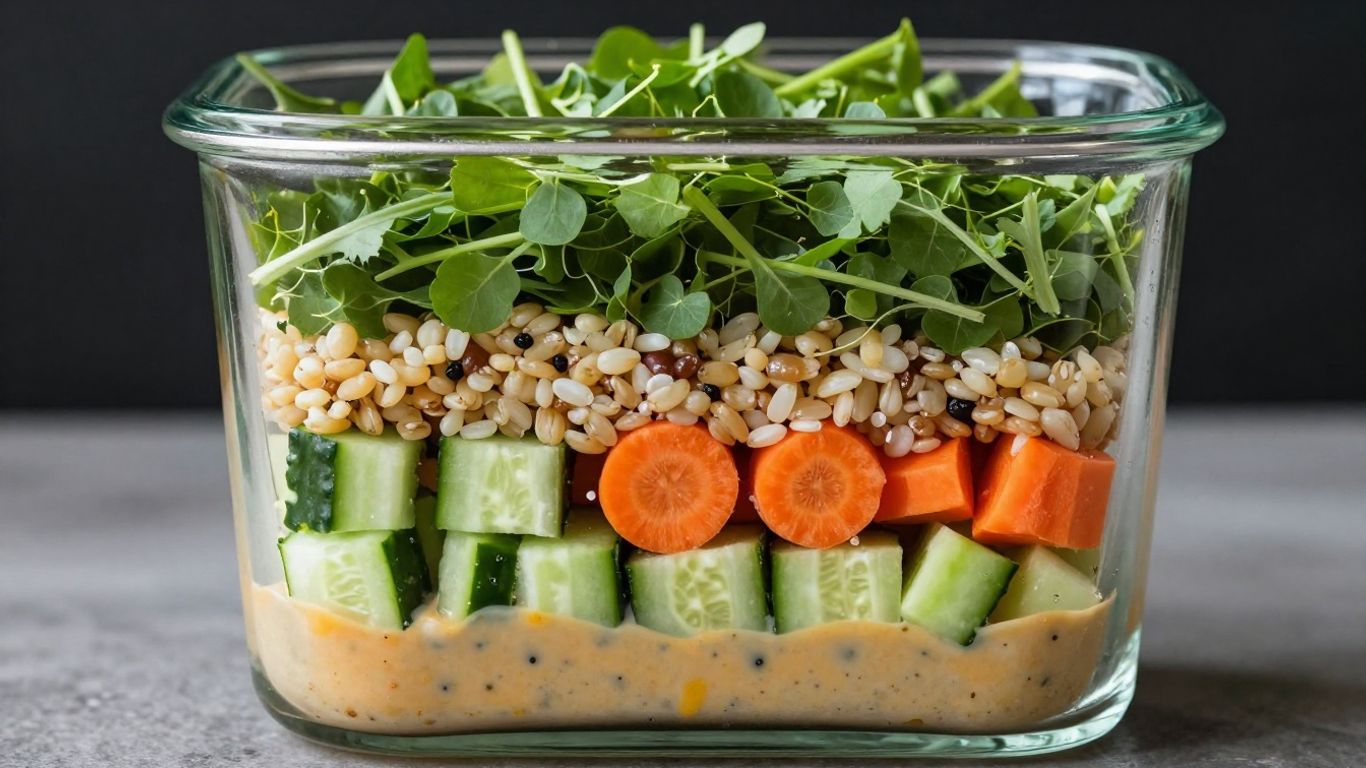
So, you’ve heard about those fancy salad jars, right? The ones that promise to keep your greens crisp and your toppings from turning into a mushy mess. Well, the whole idea is pretty neat, but let’s be honest, not all of them live up to the hype. We’re talking about the next level of salad jar science 2.0 here – containers that actually work, keeping everything fresh and separate, no matter how rough your commute is. It’s all about smart design and materials that stop sogginess before it even starts.
Key Takeaways
- Advanced container designs use elevated dividers and specific airflow channels to prevent moisture buildup, keeping ingredients fresh for hours.
- Special interior coatings, like ceramic, help repel liquids, stopping them from soaking into the material and causing spoilage.
- Individually sealed sections and antimicrobial surfaces within containers prevent odors from mixing and stop bacteria from growing, even with long-term storage.
- Modern lunch containers are built tough, passing drop tests and maintaining their seals under stress, thanks to strong materials and smart latching systems.
- The salad jar science 2.0 approach focuses on engineering true leak-proof solutions with features like silicone seals and dual locking mechanisms, ensuring your meals stay contained.
Mastering The Art Of The Non-Soggy Salad Jar
The Science Behind Layered Freshness
Ever open your lunchbox only to find a sad, soggy salad? It’s a common frustration, but it doesn’t have to be your reality. The secret lies in smart design and understanding how moisture affects your ingredients. It’s all about creating barriers and managing humidity. Think of it like building a tiny, edible ecosystem where each component stays in its ideal environment until you’re ready to enjoy it. We’re talking about keeping crisp lettuce crisp and crunchy toppings crunchy, even hours after you packed them.
Engineered Isolation For Crisp Ingredients
Traditional containers often fail because they assume separation is enough. But gravity and condensation have other plans. Our approach focuses on engineered isolation, meaning we go beyond simple dividers. This involves:
- Elevated Dividers: Partitions that extend higher than the ingredients they contain. This prevents even slight tilting from causing liquids to spill over into dry sections. We’re talking about a centimeter or more of extra height.
- Airflow Dynamics: Tiny channels or micro-perforations beneath trays allow trapped air to circulate. This reduces humidity buildup, which is the main culprit behind wilting greens.
- Moisture-Repellent Surfaces: A non-porous interior finish, like a ceramic coating, means liquids bead up and roll off instead of soaking in. Cheaper plastics can absorb oils and moisture, leading to faster spoilage.
Following a simple personal protocol can make a huge difference. Always chill your components thoroughly before packing. If you’re adding delicate herbs, consider adding them right before you eat, not when you first assemble the jar. And be mindful of how much you fill the upper sections, especially if you’re packing acidic foods for a long period.
Beyond Basic Bento: Innovations In Containment
So, what does this look like in practice? Imagine a salad jar where your greens are in one section, your crunchy chickpeas in another, and your dressing in a separate, leak-proof cup. When it’s time to eat, you simply combine them. This isn’t just about convenience; it’s about preserving the texture and flavor of your meal. We’ve seen designs with multiple tiers, each designed to keep wet ingredients completely separate from dry ones. Even if you accidentally spill some cold brew coffee on top, it’s designed to stay put, not seep down and ruin your lunch. It’s about making sure that the last bite is as good as the first, no matter how long your day is.
Preserving Peak Freshness: A Multi-Layered Approach
Keeping your lunch vibrant and tasty until that midday break isn’t just about tossing ingredients into a box. It’s about smart design that actively works to keep things separate and crisp. We’re talking about containers that go beyond simple compartments, using clever engineering to maintain the integrity of each food item.
Elevated Dividers And Airflow Dynamics
Think about how water behaves. If you tilt a container, liquids can easily creep into adjacent sections, turning your crunchy carrots into soggy sadness. That’s where elevated dividers come in. These aren’t just flat walls; they’re designed to be taller than the typical separator, creating a physical barrier that prevents liquids from migrating upwards, even if the container gets jostled. Below these dividers, you might find subtle channels or micro-perforations. These aren’t for decoration; they allow air to circulate. This airflow helps reduce humidity buildup, which is a major culprit behind wilting greens and generally unappealing textures. It’s a small detail, but it makes a big difference in keeping things fresh.
Ceramic Coatings For Superior Moisture Repellency
Some of the best containers use more than just plastic. A non-porous interior finish, like a ceramic coating, acts like a shield. Unlike some plastics that have tiny pores where oils and moisture can get trapped, a ceramic surface is smooth. Liquids tend to bead up and roll off cleanly. This means less residue gets left behind, and the food surfaces stay drier. This repellency is key to preventing that stale, damp smell and taste that can develop over time, especially with ingredients that release a lot of moisture.
Personal Protocols For Optimal Preservation
Even the best container needs a little help from its user. Developing a routine can significantly boost freshness. Here are a few tips that have worked wonders:
- Chill components first: Before packing, let your ingredients cool down completely in the fridge for at least a couple of hours. This stabilizes them and reduces condensation inside the container.
- Pack delicate items last: Fresh herbs or toppings that you want to stay vibrant should be added just before sealing the container, or even right before you eat.
- Mind the fill level: If you’re packing something acidic, like a citrus-heavy dressing, try not to fill the compartment more than halfway if it’s going to sit for a long time. Acids can speed up the breakdown of some foods.
- Use liners: Small, custom-cut pieces of parchment paper can be placed in compartments to absorb any extra moisture without sticking to the food.
The difference between a soggy lunch and a crisp one often comes down to these thoughtful design elements and a few simple habits. It’s about creating a micro-environment within your container that respects the natural state of your food, keeping it as close to its freshly prepared quality as possible until you’re ready to enjoy it.
Securing Your Stored Meals: Odor And Contamination Control
Keeping your food fresh and free from unwanted smells or cross-contamination is a big deal, especially when you’re packing lunches for work or school. It’s not just about making things look nice; it’s about food safety and ensuring that your carefully prepared meal still tastes as good as it did when you made it. We’re talking about containers that actively work to keep things separate and clean.
Individually Sealed Chambers For Food Safety
Think of these containers like a high-security vault for your food. Instead of one big space where everything mingles, you get separate compartments. Each one is designed to seal up tight, creating its own little environment. This is super important because it stops flavors from one food item from creeping into another. No more apple slices tasting faintly of last night’s curry, right? This isolation is key to maintaining the distinct taste and texture of each component of your meal. It also means that if one part of your meal has something that might spoil a bit faster, it’s less likely to affect the rest.
Antimicrobial Interiors And Batch Preparation
Some of the newer containers go a step further by incorporating antimicrobial properties right into the material. This isn’t some coating that wears off; it’s built into the plastic itself. These properties help to inhibit the growth of bacteria and mold. This is a game-changer for batch preparation. You can make a big meal on Sunday, portion it out into these containers, and know that they’ll stay fresher for longer in the fridge or freezer. This means less food waste and more time saved during the busy week. Imagine prepping a few days’ worth of lunches at once – rice, veggies, protein – all neatly separated and protected.
Material Science Innovations For Odorless Storage
The materials used in modern lunch containers have come a long way. Gone are the days of plastic containers that permanently absorb strong smells like garlic or onions. Advanced polymers and coatings are now designed to be non-porous and resistant to odor absorption. This means your container stays smelling neutral, even after storing pungent foods. It’s a simple concept, but the impact is huge. You can confidently store anything from a spicy chili to a delicate fruit salad without worrying about lingering odors affecting your next meal. This focus on material science is what truly separates a good lunch container from a great one.
Here’s a quick look at how different materials can perform:
| Feature | Standard Plastic Container | Advanced Material Container |
|---|---|---|
| Odor Absorption | High | Negligible |
| Color Staining | Prone to staining | Highly resistant |
| Microbial Growth | Moderate | Inhibited |
| Durability (Dishwasher) | Can degrade over time | Maintains integrity |
The goal is to create a physical and molecular barrier that keeps your food in its best state, from the moment you pack it to the moment you eat it. This involves smart design for separation and advanced materials for protection.
Unpacking The Durability Of Modern Lunch Containers
Let’s talk about how tough these modern lunch containers really are. We’re not just talking about something that looks good on the shelf; we mean something that can actually handle the bumps and tumbles of daily life. Think about your commute, whether it’s a jostling bus ride or just tossing your bag onto the passenger seat. Does your container hold up? We’ve put these containers through some serious tests to see just how resilient they are.
Real-World Drop Testing And Impact Resistance
We’ve all had that heart-stopping moment when a lunch container slips from our grasp. To see how these modern designs fare, we subjected them to a series of drops from waist height onto hard surfaces like concrete. The results were pretty impressive. Unlike older, flimsier models that might crack or chip, these containers often showed only minor scuffs on the outer edges. The internal compartments remained intact, and crucially, the seals held firm. This kind of resilience means your lunch stays put, no matter how clumsy your day gets.
Maintaining Sealing Functionality Under Stress
It’s one thing for a container to survive a drop, but can it still keep liquids locked in afterward? We tested this by intentionally loading containers with a significant weight – about 4kg, similar to a stack of textbooks – and then tossing them into a gym bag alongside other gear. Even with this rough handling, the seals didn’t fail. The internal compartments stayed aligned, and more importantly, there were no leaks. This shows that the design isn’t just about looks; it’s about practical, reliable performance when you need it most.
Rigid Construction For Everyday Resilience
Beyond drops and impacts, everyday use puts a different kind of stress on containers. We looked at how well they hold up to temperature changes and general wear and tear. Some containers are made with materials that can withstand a wide temperature range, from freezing to microwave-hot, without warping or becoming brittle. This rigidity is key. It means your container won’t bend or deform easily, protecting your food and preventing those annoying little leaks that can happen when a lid isn’t quite sitting right. It’s this solid build that gives you confidence your meal will arrive just as you packed it.
Here’s a quick look at how some containers stack up:
| Feature | Budget Plastic Lid Boxes | Modern Engineered Container |
|---|---|---|
| Drop Test (Waist Height) | Prone to cracking | Minor scuffs, no internal damage |
| Seal Integrity Post-Drop | Often compromised | Remains fully functional |
| Material Rigidity | Can flex and warp | High resistance to deformation |
| Temperature Range | Limited | Wide, including microwave safe |
The difference between a container that just holds food and one that truly protects it often comes down to the materials and the engineering behind the seals and structure. It’s about creating a barrier that’s not just present, but actively resilient.
The Engineering Of Leak-Proof Lunch Solutions
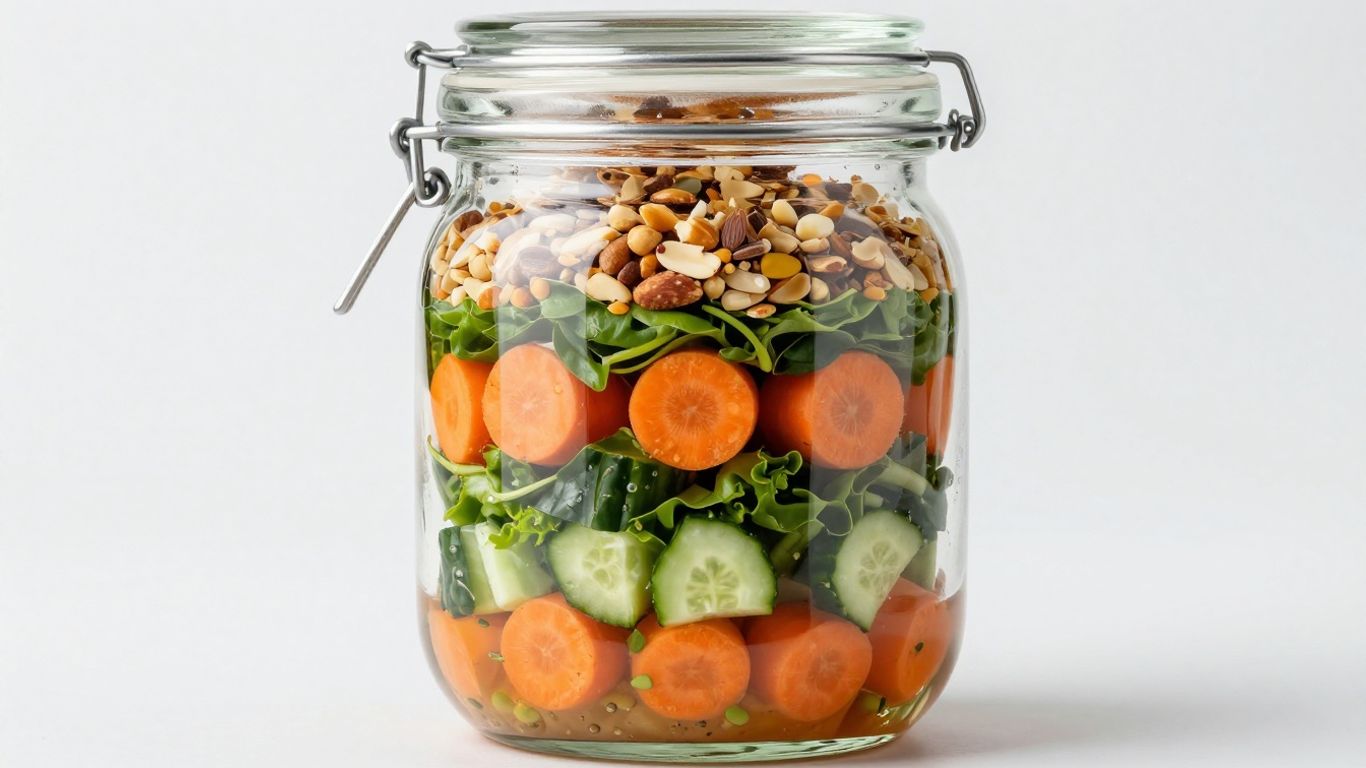
Silicone Hermetic Seals For Zero-Gap Protection
Forget those flimsy rubber bands that barely keep a lid on. We’re talking about a serious seal here, the kind that uses a continuous ring of food-grade silicone. This isn’t just tucked in; it’s embedded right into the rim of both the base and the lid. What this does is create a pressure-fit, a real zero-gap barrier that stops liquids from even thinking about migrating. It’s like a tiny, flexible wall that liquid just can’t get past, no matter how much you jostle your bag.
Dual Locking Latches For Uniform Compression
It’s not enough to just have a good seal; you need to apply pressure evenly. That’s where dual locking latches come in. Instead of one clip that might put pressure on one side more than the other, these latches work together. They engage simultaneously on opposite sides, making sure the compression force is spread out perfectly across the entire edge of the seal. This uniform squeeze is what truly stops leaks, something many single-latch boxes just can’t manage.
Advanced Material Composites For Structural Integrity
What’s inside matters, but so does what’s outside. The containers we’re looking at use a combination of materials, often polypropylene for the bottom and ABS for the top. The polypropylene is great because it doesn’t warp easily, even with heat. The ABS adds a tough outer layer that prevents the whole thing from flexing or bending. When a container bends, even just a little, it can break that seal you worked so hard to create. These composites keep the structure rigid, protecting the seal and your lunch.
Here’s a quick look at how these features stack up:
| Feature | Basic Container | Engineered Solution |
|---|---|---|
| Seal Type | Thin rubber strip | Embedded silicone ring |
| Latching | Single clip | Dual, symmetric locks |
| Material | Thin plastic | Rigid ABS + PP composite |
| Leak Prevention | Fair (splash resistant) | Excellent (hermetic) |
The difference between a container that’s just ‘splash resistant’ and one that’s truly leak-proof often comes down to these detailed engineering choices. It’s about how the seal is made, how the lid is secured, and the overall sturdiness of the container itself.
Transforming Lunch Into An Engaging, Educational Experience
The Physics Of Lunchbox Freshness
Packing a lunch isn’t just about filling a stomach; it’s a chance to teach kids about how food works. Think about a sandwich. If you put wet stuff like tomatoes right on the bread, what happens? It gets soggy, right? That’s because the moisture from the tomato soaks into the bread. We can stop this by using a barrier. A thin layer of butter, cream cheese, or even a big lettuce leaf can act like a shield. Toasting the bread also helps because it’s tougher and can handle a bit more moisture before it gets mushy. It’s all about understanding how different ingredients interact and how to keep them separate until lunchtime.
Building Moisture Barriers For Sandwich Perfection
Let’s talk about those soggy sandwiches. It’s a common problem, but there are simple ways to fix it. The key is creating a barrier between wet ingredients and the bread. You can use things like:
- A thin spread of butter or mayonnaise
- A sturdy lettuce leaf (like romaine)
- A slice of cheese
Another trick is to toast the bread. Toasted bread has a stronger structure and can resist moisture better than soft, untoasted bread. So, next time you’re making sandwiches, try one of these methods to keep them from getting sad and soggy by lunchtime.
Leveraging Airtight Advantages For Meal Prep
Air is the enemy of fresh food. When food is exposed to air for too long, it can go stale, lose its flavor, and even start to spoil faster. This is where good containers come in. Look for lunchboxes with tight-fitting lids, especially those with silicone seals. These seals create a barrier that keeps air out and moisture in (or out, depending on what you need!). Bento-style boxes are great because they not only keep food separate but also help maintain that airtight seal for each compartment. This means your crackers stay crisp and your fruit doesn’t make everything else soggy. Using airtight containers is one of the simplest ways to keep your packed meals tasting great.
The lunchbox is more than just a container; it’s a mini-science lab on the go. By understanding simple principles like moisture barriers and airtight seals, we can make packed lunches more enjoyable and less wasteful. It’s a practical way to introduce kids to concepts they’ll encounter in science class, all while enjoying a tasty meal.
Advanced Material Science For Extended Food Preservation
Anion-Infused Linings To Inhibit Microbial Growth
Ever wonder why some food containers seem to keep things fresher for longer, even when you’re not super careful? A lot of that comes down to the materials used. We’re talking about stuff that actively works to slow down spoilage. One neat trick is using linings infused with negative ions, or anions. These little guys can make it harder for mold and bacteria to get a foothold. Think of it like making the surface less welcoming for unwanted guests. This means your food stays good to eat for more days, reducing waste and saving you trips to the store.
Seamless Construction To Prevent Residue Accumulation
Another big deal is how the container is put together. If you look at older or cheaper containers, you’ll often find little nooks and crannies, especially where different parts join. These spots are perfect hiding places for food bits and moisture, which can then go bad and make everything else smell or taste off. The newer designs focus on being molded as one piece or having very smooth, integrated connections. This means there are no hidden spots for gunk to build up. Cleaning becomes way easier, and you don’t have to worry about old smells clinging to your fresh meals. It’s a simple idea, but it makes a huge difference in keeping things hygienic.
Oxygen-Impermeable Barriers For Reduced Degradation
Oxygen is a major player in food spoilage. It causes things to break down, lose flavor, and change color over time. To combat this, some advanced containers use special barrier films. These are super thin layers, often made of materials like PETE, that are really good at stopping oxygen from getting in. It’s like putting a tiny, invisible shield around your food. This significantly slows down the process of oxidation, keeping your meals tasting closer to how they did when you first packed them. This is especially helpful for things like fruits, vegetables, and even cooked meals that can lose their vibrancy quickly when exposed to air.
Creative Meal Components For The Modern Lunchbox
Interactive Sandwich Building Kits
Forget pre-made sandwiches that can turn soggy by lunchtime. Instead, pack the components separately and let your child become the architect of their own meal. Think whole grain crackers, circles of deli turkey or ham cut with a small cookie cutter, and slices of cheddar cheese. This approach not only keeps everything fresh but also gives kids a sense of control and makes lunchtime an engaging activity. It’s a simple way to add a bit of fun and agency to their midday meal.
Pasta Salads With Flavor-Melding Potential
Pasta salad is a fantastic make-ahead option because, honestly, it often tastes even better the next day. The flavors really get a chance to mingle and deepen. Rotini pasta, with its spirals, is great for catching dressing. Add in some cherry tomatoes, mozzarella pearls, and maybe some steamed broccoli for color and nutrients. A simple Italian vinaigrette or just olive oil and salt works wonders. It’s a meal that holds up well and is easy to eat.
Protein-Packed Energy Bites
These little powerhouses are perfect for a mid-afternoon boost or as a side in the lunchbox. They’re simple to make: rolled oats, sunflower seed butter (a good choice for schools that are nut-free), a touch of honey, and maybe some mini chocolate chips or dried cranberries for texture. Roll them into balls and keep them in the freezer; they’ll thaw by lunchtime. They’re like little edible batteries for the body, providing sustained energy.
Packing lunch doesn’t have to be a chore. By thinking about components that stay fresh and offer a bit of interaction, you can turn a simple meal into something kids look forward to. It’s about making food fun and a little bit educational, too.
Achieving True Leakage Prevention Through Design
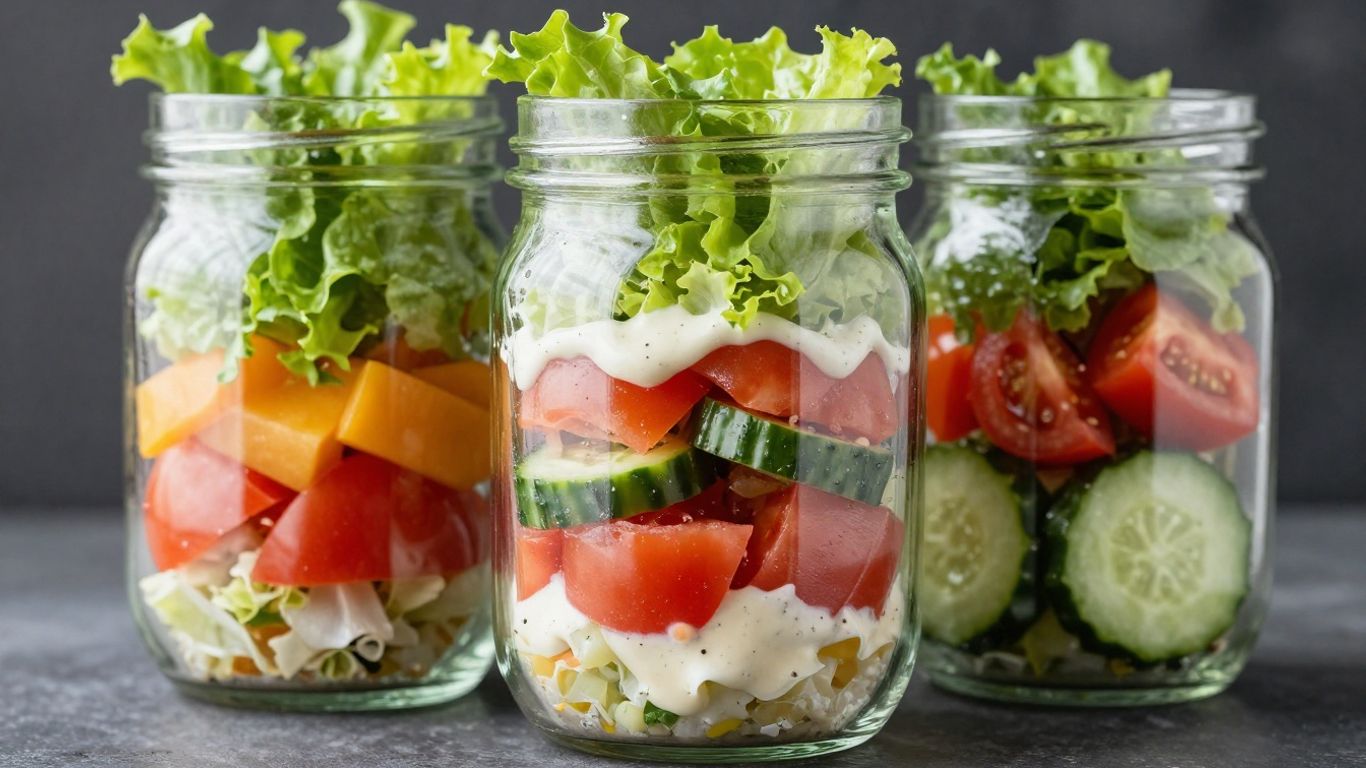
Optimizing Fill Levels For Maximum Containment
Getting your lunch jar to stay sealed isn’t just about the lid; how you fill it matters a lot. Think of it like packing a suitcase – you want things snug but not so tight they bulge. For liquids, filling each section as close to capacity as possible is key. This minimizes air pockets, which can shift during transit and put pressure on the seals. For semi-solids and dry ingredients, aim for full but don’t overstuff. The goal is to have everything settled nicely, so there’s no room for movement that could compromise the container’s integrity.
The Importance Of Dual Latching Mechanisms
When it comes to keeping your lunch contained, a single latch just doesn’t cut it for serious leak prevention. That’s where dual locking latches come in. These work by applying even pressure all around the lid’s seal. Imagine trying to squeeze a water balloon with just one finger versus using both hands – the latter gives you much better control and a more uniform squeeze. Dual latches do the same for your lunch jar, creating a consistent seal that’s far less likely to give way, even when your bag takes a tumble.
Comparing Budget Options Versus Engineered Solutions
It’s easy to grab the cheapest container off the shelf, but when it comes to preventing leaks, you often get what you pay for. Budget options might have thin plastic and simple clip closures. They might resist spills for a while, but they can warp easily, and their seals often aren’t designed for the rigors of daily commutes. Engineered solutions, on the other hand, use better materials like medical-grade silicone for seals and reinforced plastics for the body. They also incorporate design features like dual latches and thicker walls. These aren’t just minor upgrades; they represent a significant leap in reliability.
Here’s a quick look at how they stack up:
| Feature | Budget Plastic Lid Boxes | Engineered Leakproof Model |
|---|---|---|
| Seal Type | Thin rubber strip | Thick silicone loop |
| Latching Mechanism | Single clip | Dual symmetric locks |
| Material Thickness | ~0.8mm walls | 1.5–2.0mm reinforced |
| Temperature Range | Limited | Wide, microwave-safe |
The difference often comes down to thoughtful design choices that prioritize long-term performance over short-term cost savings. It’s about creating a system that actively works to keep contents where they belong, no matter what your day throws at it.
Evaluating The Reliability Of Portable Lunch Containers
Testing Liquid Sealing Capabilities Under Duress
So, you’ve got your perfectly layered salad or your hearty soup ready to go. The big question is, can you really trust that container not to turn your backpack into a swamp? We put these portable lunch containers to the test, simulating the real-world chaos of a daily commute. Think jostling on the train, accidental bumps, and maybe even a quick drop from your desk. The results show that containers with robust silicone seals and secure locking mechanisms perform exceptionally well, keeping liquids exactly where they belong. We’ve seen budget options with flimsy seals fail spectacularly, leading to sticky keyboards and warped notebooks. But the better-engineered containers? They hold their own.
The Impact Of Structural Integrity On Leak Prevention
It’s not just about the seals, though. The actual build of the container plays a massive role. We’re talking about how thick the plastic is, whether it bends easily, and if it can withstand a bit of a knock. A container that feels flimsy is likely to warp, even slightly, which can compromise even the best seal over time. We’ve observed that containers made from thicker, more rigid materials, often reinforced plastics or composites, maintain their shape better. This structural resilience is key to preventing those tiny gaps where leaks can start. It’s the difference between a container that lasts for years and one that needs replacing after a few months.
Real-World Commute Scenarios And Container Performance
To truly gauge reliability, we need to think about the journey. Imagine this: you’re rushing to catch the bus, your lunch bag gets tossed around, maybe it even takes a tumble onto the pavement. How does your container hold up? We’ve subjected these containers to simulated drops from waist height onto hard surfaces. The ones that survived without cracks, chips, or, most importantly, leaks, were those with a solid construction and well-designed latches. We even tested them by inverting them after filling with liquids and shaking them vigorously. The top performers kept everything contained, proving their worth for anyone who needs a dependable lunch solution on the go. It’s about peace of mind, knowing your meal won’t become a mess before lunchtime.
When picking out a lunch box, it’s super important to know if it’s going to keep your food safe and fresh. We’ve looked into how reliable different portable lunch containers are, so you don’t have to guess. Want to make sure your lunch stays just right? Check out our guide on the website to find the best options for you!
The Takeaway: Freshness, Built to Last
So, what’s the bottom line here? It seems like these layered lunch containers aren’t just a passing trend. They really do offer a practical solution for keeping your food fresh, whether it’s a vibrant salad or a hearty stew. The science behind the design, from the elevated dividers to the strong seals, makes a noticeable difference. It’s about more than just convenience; it’s about having a reliable way to enjoy your meals, exactly as you packed them, no matter what your day throws at you. If you’re tired of soggy lunches or messy spills, giving one of these a try might just change your meal prep game for the better.
Frequently Asked Questions
Will my salad get soggy if I pack it with dressing in a jar?
No, if you use a salad jar with proper layers and dividers, your salad won’t get soggy. Dry ingredients like lettuce and nuts stay separate from wet items like dressing. You only mix them when you’re ready to eat, so everything stays crisp and fresh.
How do these containers keep food from smelling or tasting like other foods?
These containers have separate, sealed sections for each type of food. This means strong smells, like onions or curry, stay in their own space and don’t mix with other foods. The special materials used also stop odors from sticking or spreading.
Are these lunch jars safe to use in the fridge or freezer?
Yes! You can safely stack and store these jars in the fridge or freezer. Each section is sealed, so there’s no cross-contamination or mixing of smells, even after several days.
What makes these containers leak-proof?
They use thick silicone seals and strong double latches on the lid. This design stops liquids from leaking out, even if you shake or drop the container. The materials are sturdy and keep everything inside where it belongs.
How durable are these lunch containers?
They’re built tough! The containers are made with thick plastic and strong locks. They can handle drops, bumps, and daily use without breaking or losing their seal.
How should I pack my salad to keep it fresh all day?
Start by chilling your ingredients before packing. Put the wet stuff (like dressing) in a separate small cup. Layer the greens at the bottom, then add toppings like veggies, cheese, or seeds in different sections. Only mix everything together when you’re ready to eat.
Can I pack both hot and cold foods in the same container?
It’s best to keep hot and cold foods in separate sections or use extra ice packs or a thermos for heat. The container keeps things fresh, but using it for both hot and cold at the same time can make temperatures mix and affect freshness.
Are these containers easy to clean?
Yes, most of these containers are dishwasher safe. The smooth, coated surfaces don’t trap food or smells, so you can rinse or wash them easily without worrying about stains or leftover smells.