

Feeling overwhelmed or stuck in a rut? You don’t need hours to reset. This article explores how simple, quick adjustments to your breath, posture, and even temperature can create a significant state change microdose, helping you feel more centered and focused in under 90 seconds. We’ll look at practical ways to weave these tiny resets into your day, no matter how busy you are.
Key Takeaways
- Quickly shift your mental and physical state using simple breath, posture, and temperature techniques, often in under 90 seconds. These state change microdoses are designed for immediate impact.
- Rhythmic breathing, like a 4-2-6 cycle, can lower heart rate and reduce tension, offering a fast path to calm. Integrating these breath patterns into daily transitions makes them easy to use.
- Subtle changes in your posture, like aligning your body or releasing tension in your shoulders, can bring mental clarity and work hand-in-hand with breathwork.
- Using temperature, even small adjustments like a cool splash of water or stepping into a slightly cooler room, can provide a sensory refresh and reset your focus.
- Consistent practice of these state change microdoses, even for short durations, builds resilience and helps manage stress more effectively over time.
Harnessing Breath For Immediate State Change
Our breath is a constant companion, a rhythm that underscores our very existence. Yet, we often overlook its profound capacity to influence our internal state. By consciously directing our breath, we can tap into a powerful, readily available tool for immediate recalibration. It’s not about complex techniques or lengthy sessions; it’s about understanding the subtle yet significant impact of how we inhale and exhale.
The Power of Rhythmic Breathing
Breathing is the most accessible biofeedback mechanism we possess. When we feel stressed or overwhelmed, our breathing often becomes shallow and rapid, signaling to our nervous system that we are in a state of alert. Conversely, slowing down and deepening our breath can send a counter-signal, promoting a sense of calm. This direct line between breath and nervous system regulation is the foundation of using breath for state change. Think of it like adjusting the tempo of a song to change its mood; altering your breath’s rhythm can shift your internal experience.
Calibrating Your Breath for Calm
Achieving a state of calm through breathwork often involves extending the exhale. This simple act can activate the parasympathetic nervous system, often referred to as the ‘rest and digest’ system, which counteracts the ‘fight or flight’ response. Practices like box breathing (inhale, hold, exhale, hold for equal counts) or simply making your exhale longer than your inhale can be remarkably effective. Even a few minutes of focused, rhythmic breathing can make a noticeable difference.
Here’s a simple way to start:
- Find a comfortable position, seated or lying down.
- Gently inhale through your nose, counting to four.
- Exhale slowly through your mouth, counting to six.
- Repeat this for 2-3 minutes, focusing on the sensation of the breath.
Integrating Breathwork into Daily Transitions
The beauty of breath micro-doses is their adaptability. They don’t require special equipment or dedicated time slots. You can integrate them into the natural pauses of your day. Waiting for a webpage to load, standing in line, or during the short moments between meetings are all opportunities. By using these brief windows to consciously regulate your breath, you can prevent stress from accumulating and maintain a more balanced state throughout your day. This consistent, small-scale regulation builds resilience over time, making you less susceptible to being thrown off balance by daily stressors.
Posture As A Foundation For Reset
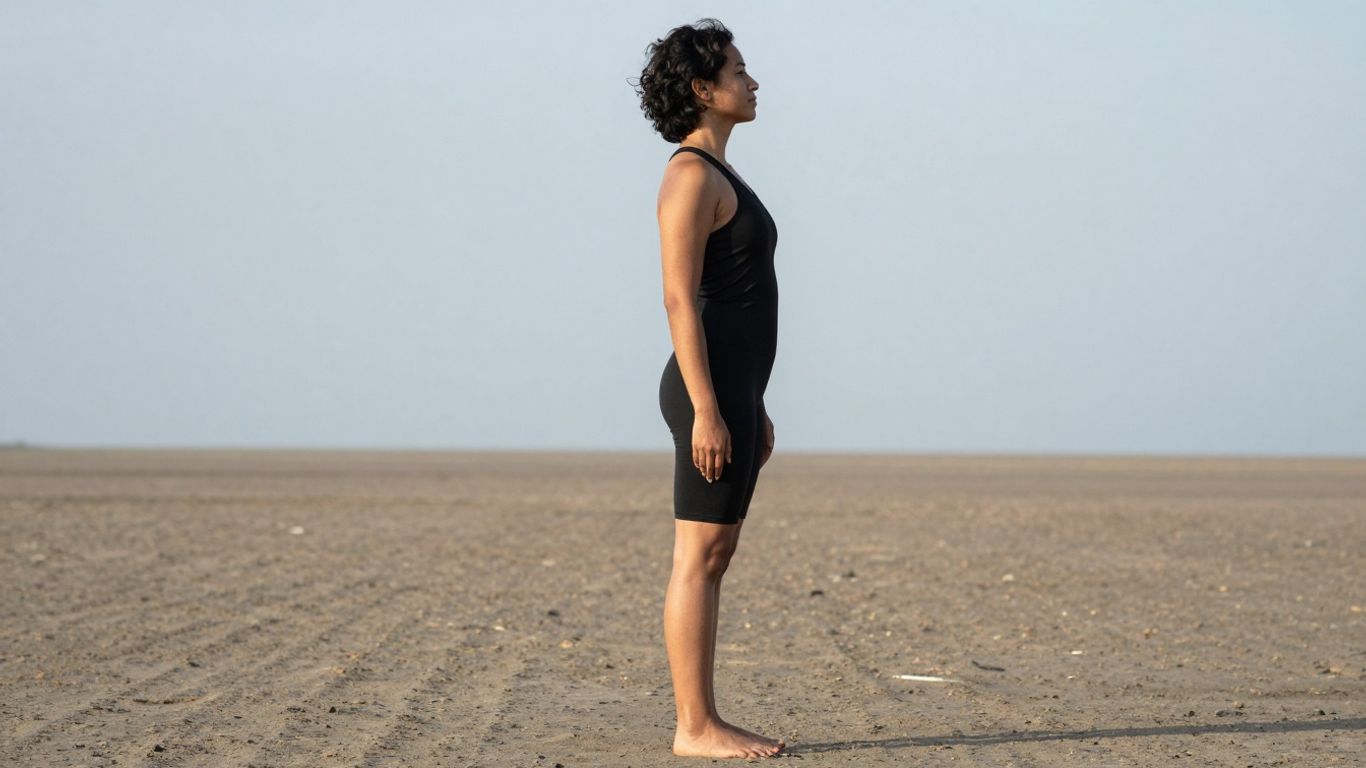
Our physical stance is more than just how we hold ourselves; it’s a direct line to our mental and emotional state. Think about it: when you’re feeling down or defeated, your shoulders might slump, your head might drop. Conversely, standing tall and open can actually make you feel more confident and capable. This connection between our body and mind is incredibly powerful for quick resets.
Aligning Your Body for Mental Clarity
When we’re stressed or overwhelmed, our bodies often tense up. This tension can create a feedback loop, making us feel even more anxious or unfocused. By consciously adjusting our posture, we can interrupt this cycle. It’s not about forcing a rigid, unnatural pose, but rather finding a balanced and open alignment that supports clear thinking. This might mean simply sitting up straighter in your chair, rolling your shoulders back and down, or standing with your feet hip-width apart and a slight bend in your knees.
Subtle Postural Shifts for Tension Release
You don’t need a full yoga session to release tension. Small, deliberate movements can make a big difference. Try these simple shifts:
- Neck Rolls: Gently tilt your head towards one shoulder, hold for a few seconds, then slowly roll your head forward and to the other side. Repeat a few times, moving slowly and mindfully.
- Shoulder Rolls: Shrug your shoulders up towards your ears, then roll them back and down. Do this a few times to release tightness in your upper back and shoulders.
- Spinal Lengthening: While sitting or standing, imagine a string pulling the crown of your head gently upwards. Feel your spine lengthen, creating a little more space between each vertebra.
These micro-movements help to loosen tight muscles and improve circulation, which can have an immediate calming effect.
The Interplay of Posture and Breath
Posture and breath are deeply connected. When you slouch, your diaphragm might be restricted, making it harder to take deep, full breaths. Conversely, an open, upright posture allows your lungs to expand more fully. This improved breathing can then signal to your nervous system that it’s safe to relax. Try this: take a moment to notice your posture, then take a deep breath. Now, sit up a little straighter, roll your shoulders back, and take another deep breath. You’ll likely notice a difference in how easily the air flows and how calm you feel.
The physical act of adjusting your posture can be a powerful anchor. It grounds you in the present moment and provides a tangible way to shift your internal state, even when external circumstances feel chaotic. It’s a simple, accessible tool that requires no special equipment, just a willingness to pay attention to your body.
Leveraging Temperature For A Quick Refresh
Sometimes, a simple shift in your physical environment can make a surprising difference in how you feel. Temperature, often overlooked, plays a significant role in our comfort and alertness. A quick adjustment to your immediate surroundings can act as a powerful reset button.
The Impact of Ambient Temperature
Our bodies are constantly working to maintain a stable internal temperature. When the external temperature changes, our system reacts. Too warm, and we might feel sluggish and unfocused. Too cold, and we can become tense and irritable. Finding that sweet spot, or even intentionally using a slight deviation, can signal a change in our state.
Using Temperature for Sensory Reset
Think about how a cool breeze on a hot day feels, or the warmth of a mug on a chilly evening. These are sensory experiences that can snap us out of a mental fog. You can intentionally use temperature to reset your senses. This isn’t about drastic changes, but subtle ones that grab your attention.
Here are a few ways to use temperature for a quick refresh:
- Cooling the Face: Splashing cool water on your face or holding a cool, damp cloth to your forehead for 30 seconds can be incredibly invigorating. It stimulates the vagus nerve, which can help calm your nervous system.
- Warming the Hands: If you feel chilled or tense, warming your hands under lukewarm water or rubbing them together vigorously can bring a sense of comfort and relaxation.
- Adjusting Airflow: Even a slight change in air circulation can make a difference. Opening a window for a minute to let in fresh air, or using a small desk fan on a low setting, can help.
Strategic Temperature Adjustments
When you feel your focus waning or stress levels rising, consider your immediate temperature. Are you too hot? Too cold? Sometimes, the simplest solution is the most effective.
A slight, intentional change in your personal temperature can be a surprisingly effective way to interrupt a negative thought loop or a slump in energy. It’s a physical anchor that pulls your attention back to the present moment.
For instance, if you’re feeling drowsy, a brief exposure to cooler air might be more beneficial than reaching for another cup of coffee. Conversely, if you’re feeling anxious, a moment spent warming your hands might help ground you.
The Science Behind State Change Micro-Doses
It might seem a bit like magic, but these quick resets actually tap into some pretty solid biological and psychological mechanisms. When you shift your breath, posture, or even just notice the temperature, you’re sending signals to your nervous system. It’s not just about feeling better in the moment; it’s about nudging your body and mind towards a more balanced state.
Physiological Responses to Micro-Practices
When you consciously change your breathing, for instance, you can directly influence your autonomic nervous system. Slow, deep breaths, especially those with a longer exhale, activate the parasympathetic nervous system – that’s your body’s "rest and digest" mode. This can lead to a noticeable drop in heart rate, sometimes by 3 to 8 beats per minute within just a couple of minutes. You might also notice a decrease in muscle tension, particularly in your neck and shoulders, as your body releases some of that stored stress. These small physiological shifts can create a ripple effect, making you feel calmer and more collected.
Psychological Benefits of Brief Interventions
Beyond the physical, these micro-practices have a real impact on how you feel mentally. Taking a moment to reset can interrupt cycles of rumination or anxiety. By focusing on your breath or adjusting your posture, you’re essentially practicing mindfulness in a very accessible way. This brief pause can help you regain focus, reduce feelings of being overwhelmed, and improve your ability to handle tasks. It’s like hitting a mini-refresh button for your attention span.
Understanding Contributing Variables
Several factors can influence how effective these micro-doses are for you. Your current fatigue level plays a big role; if you’re exhausted, a 90-second reset might feel more impactful than if you’re already feeling energetic. The ambient temperature of your environment can also contribute – a slightly cooler room might be more invigorating than a stuffy one. Even your posture before you start the micro-dose can set the stage. Recognizing these variables helps you tailor the practice to your specific needs at any given moment.
Implementing State Change Micro-Doses In Busy Schedules
Life moves fast, and sometimes it feels like there’s barely enough time to grab a coffee, let alone reset your entire state. But what if you could reclaim moments of calm and focus, even in the thick of it? That’s where state change micro-doses come in. These aren’t about finding an extra hour in your day; they’re about making the most of the seconds you already have.
Micro-Sessions Between Tasks
Think of the moments between finishing one task and starting another. These are prime opportunities for a quick reset. A simple 30-second practice can make a difference. Try this: stand up, take three deep breaths, and do a quick shoulder roll. It sounds minimal, but this brief pause can significantly shift your mental state, preparing you for what’s next.
- Transition Breathing: Before moving to your next task, inhale for 4 seconds, hold for 2, and exhale for 6. Repeat this cycle just twice. It’s a quick way to slow your heart rate and bring a sense of calm.
- Physical Check-in: Briefly scan your body for tension. Notice your jaw, shoulders, and neck. Consciously relax any tight areas.
- Goal Recap: Spend 10 seconds recalling the main objective of the task you’re about to start. This sharpens your focus.
Integrating Pauses During High Workload
When the pressure is on and your to-do list is overflowing, it’s tempting to just push through. But that’s often when mistakes happen and burnout looms. Integrating short, intentional pauses can actually increase your productivity and well-being.
When you feel overwhelmed, don’t just keep going. A 60-second pause to consciously relax your jaw and shoulders can prevent a cascade of stress. It’s about working smarter, not just harder.
- Tactile Cues: Use a subtle physical cue, like tapping your wrist or pressing your thumb and index finger together, to remind yourself to take a brief pause every hour. This helps build the habit.
- Mindful Movement: Even a minute of stretching or walking in place can help. Focus on the sensation of movement and the breath.
- Task Batching: Group similar tasks together. This reduces the mental cost of switching contexts and allows for more focused micro-sessions.
Modeling Calm Through Movement
In shared or team environments, your own state can influence others. By incorporating calm movement and mindful pauses into your routine, you can subtly encourage a more balanced atmosphere. This isn’t about being a leader in a formal sense, but about demonstrating a practical approach to managing stress.
- Visible Cues: If you’re in an office, a simple sign on your desk can signal a focus period. For remote workers, setting your status to ‘focus’ can help.
- Intentional Transitions: When moving between meetings or tasks, walk with purpose but without rushing. Notice your surroundings and your breath.
- Verbal Anchors: If you need to communicate urgency, try to do so with a calm tone. A simple phrase like, "Let’s take a moment to get this right," can set a more measured pace.
Cultivating Resilience With Consistent Practice
Building resilience isn’t about avoiding tough times; it’s about developing the capacity to bounce back when they happen. Consistent practice of these state change micro-doses is your pathway to this inner strength. Think of it like training a muscle – the more you work it, the stronger it gets.
Building Habit Strength Through Repetition
Making these practices a regular part of your day is key. It’s not about doing one perfect 90-second reset; it’s about weaving many small, effective moments into the fabric of your life. Start small. Maybe it’s a 30-second breath check before you answer the phone, or a quick posture adjustment when you stand up from your desk. These tiny actions, repeated consistently, start to build a new pattern in your nervous system. Over time, these patterns become automatic, requiring less conscious effort.
- Morning Grounding: Begin your day with 60 seconds of mindful breathing. Inhale for 4 seconds, hold for 1, exhale for 6. Repeat this cycle six times. This simple routine helps set a calm tone for the hours ahead.
- Transition Pauses: Use doorways or the moments between tasks as cues for a quick reset. A 3-3-6 breathing pattern (inhale 3, hold 3, exhale 6) can help you re-center and reduce reactivity.
- Evening Reflection: Before sleep, take a minute to scan your body for sensations and perhaps note one thing you’re grateful for. This practice aids recovery and cultivates a reflective mindset.
Metrics for Tracking Progress
How do you know if it’s working? Keeping a simple log can be incredibly insightful. You don’t need anything fancy – a small notebook or a basic spreadsheet will do. Track when you practice, for how long, and how you felt before and after. Note down any specific stressors you encountered. Reviewing this data weekly can reveal patterns and help you see how these micro-practices are impacting your overall stress levels and focus.
Here’s a simple tracker example:
| Date | Time of Day | Practice Duration (sec) | Perceived Stress (0-10) – Before | Perceived Stress (0-10) – After | Notes |
|---|---|---|---|---|---|
| 2025-12-29 | 09:15 AM | 60 | 7 | 4 | Big project deadline looming. |
| 2025-12-29 | 01:30 PM | 30 | 6 | 5 | Interrupted during lunch. |
| 2025-12-29 | 08:00 PM | 90 | 5 | 3 | Felt more relaxed before bed. |
Adjusting Intensity for Recovery
There will be days when you feel completely drained. Pushing yourself too hard during these times can be counterproductive. Instead of forcing a longer session, simply shorten it. If a 90-second practice feels like too much, try 60 seconds, or even just 30. The goal is to maintain the habit, not to achieve a perfect state every single time. Sometimes, the most resilient action is to be gentle with yourself. If you notice your energy dipping significantly, consider reducing the intensity or duration of your practice for a few sessions. This allows your system to recover without completely abandoning the routine. Consistent, gentle effort often yields more sustainable results than sporadic, intense bursts.
When you’re feeling overwhelmed by a lot of demands, it’s okay to dial things back. Reducing the intensity of your practice for a short period can help you recover without losing the benefits you’ve already built. Pay attention to how you feel and adjust the duration if you see your progress slowing down. Keep the practices simple and repeatable, just long enough to reliably shift your state.
Personalizing Your State Change Toolkit
Think of your state change micro-doses like a personal toolbox. What works wonders for one person might feel a bit off for another. It’s all about finding the right combination of breath, posture, and temperature adjustments that clicks for you. This isn’t about following a rigid prescription; it’s about experimenting and discovering what helps you reset most effectively.
Crafting Personalized Breathing Rhythms
Breathing is incredibly adaptable. While standard techniques like box breathing (inhale 4, hold 4, exhale 4, hold 4) are great starting points, you can tweak them. Maybe a slightly longer exhale feels more calming for you, or perhaps a gentle, natural breath without holding is best. The key is to find a rhythm that feels comfortable and sustainable, not forced. Experiment with different counts and patterns to see what settles your nervous system.
Here are a few ideas to get you started:
- Soothing Exhale: Inhale for a count of 4, exhale for a count of 6. Repeat for 60-90 seconds.
- Gentle Rhythm: Inhale naturally, exhale naturally, focusing on the smooth transition between breaths. Do this for 60 seconds.
- Nostril Focus: Try breathing in through one nostril and out through the other, alternating sides. This can be particularly grounding.
Utilizing Tactile and Visual Cues
Sometimes, a simple physical reminder can make all the difference in remembering to take a micro-dose. These cues act as gentle nudges throughout your day. Think about what you see and feel regularly. A visual cue might be a sticky note on your monitor, a specific object on your desk, or even a change in lighting. Tactile cues could involve a smooth stone you keep in your pocket, the feel of your chair beneath you, or a specific way you touch your hands together.
- Visual Cues: Place a small, calming object (like a smooth stone or a miniature plant) on your desk. When you notice it, take a breath. Set a recurring calendar reminder with a simple icon.
- Tactile Cues: Keep a smooth, cool object in your pocket. Rubbing it can be a subtle signal to pause and breathe. Notice the texture of your clothing or the surface you’re sitting on.
- Environmental Cues: Adjust your workspace lighting briefly, or step outside for a moment to feel the air. These shifts in your immediate environment can signal a reset.
The Role of Loving-Kindness Cues
Adding a layer of self-compassion to your micro-doses can significantly amplify their impact. Instead of just focusing on the mechanics of breath or posture, you can infuse these moments with kindness towards yourself. This shifts the intention from simply ‘fixing’ a state to nurturing it. It’s about acknowledging that you’re doing your best and offering yourself a moment of gentle support.
When you feel overwhelmed or stressed, it’s easy to be hard on yourself. Instead, try framing your micro-reset as an act of self-care. A simple internal phrase like, "This is a moment for me," or "I am offering myself calm," can transform the experience from a task into a restorative pause. This gentle approach builds resilience not just by changing your physiological state, but by changing your internal dialogue.
By combining these elements – personalized breath, helpful cues, and a touch of self-kindness – you can build a state change toolkit that truly works for you, making those 90-second resets feel natural and effective.
State Change Micro-Doses For Remote Work
Working from home has its perks, but it can also blur the lines between work and life, making it tough to switch gears. You might find yourself staring at the screen long after you should have logged off, or feeling scattered and unproductive. That’s where these quick resets come in. They’re designed to help you reclaim your focus and manage your energy, even when your office is just a few steps away.
Short Break Meditations
When you feel your attention starting to wander, or before diving into a new task, try a brief pause. A simple 60-second body scan can make a difference. Just take a moment to notice where you’re holding tension – maybe your jaw is clenched, or your shoulders are up by your ears. You can even say the tight areas aloud, like "jaw, shoulders, chest." It sounds a bit odd, but it helps acknowledge and release that physical holding. Follow this with three slow, deep breaths, really focusing on filling your belly with air. This isn’t about emptying your mind, but rather gently bringing your attention back to the present moment.
Movement Breaks for Enhanced Focus
Sitting for hours on end can make you feel sluggish and unfocused. A short burst of movement can really wake up your brain. Try a 5-minute walk, even if it’s just around your living room or down the hallway. If you can step outside for a few minutes, even better. The change of scenery and fresh air can do wonders. Alternatively, simple stretches like shoulder rolls or neck rotations for a couple of minutes can help release stiffness and improve circulation. This physical reset primes your body and mind for better concentration when you return to your desk.
Restorative Pauses for Cognitive Fatigue
When you’re deep into a project, it’s easy to push through until you hit a wall. But that often leads to burnout and reduced quality of work. Instead, schedule short, restorative pauses. After a focused work block, take a 2-minute break to simply close your eyes and breathe. You could also try a quick journaling exercise, listing just the top three tasks you need to accomplish next. This helps clear your head and gives you a sense of direction without adding to the overwhelm. These small moments of rest are not a sign of weakness, but a smart strategy for sustained productivity.
Here’s a quick way to structure a restorative pause:
- Breathing Focus (1-2 minutes): Practice a simple breath pattern, like inhaling for 4 seconds, holding for 4, and exhaling for 6. Repeat this cycle a few times.
- Gentle Movement (2-3 minutes): Perform some light stretches, focusing on areas that feel tight, like your neck, shoulders, and wrists.
- Mindful Pause (2-5 minutes): Sit quietly, perhaps with a cup of tea, and just be present. Notice your surroundings without judgment.
These micro-doses are about creating small, intentional shifts. They’re not meant to be complicated or time-consuming. The goal is to build a habit of checking in with yourself throughout the day, making your remote work experience more balanced and less draining.
Optimizing Study Sessions With Micro-Resets
Studying can feel like a marathon, right? You sit down, ready to conquer that textbook or those complex equations, and then… your mind wanders. It’s totally normal. The good news is, you don’t need hours of uninterrupted silence to make real progress. Short, strategic breaks, or "micro-resets," can actually make your study time more productive. Think of them as quick tune-ups for your brain.
Micro-Resets When Attention Drifts
When you notice your focus slipping – maybe you’re rereading the same sentence for the third time, or your thoughts are drifting to what’s for dinner – it’s time for a micro-reset. Don’t just push through; that often leads to frustration and less effective learning. Instead, pause.
Here’s a simple protocol:
- Stop: Whatever you’re doing, just stop for a moment.
- Close your eyes: Take about 10 seconds to just let your vision rest.
- Breathe: Take three slow, deep breaths. Really try to fill your lungs.
- Recap: Briefly (about 30 seconds) remind yourself of your study goal for this session. What are you trying to achieve right now?
This quick reset helps clear the mental clutter and brings you back to the task at hand with renewed focus.
Breath Patterns to Reduce Anxiety During Study
Exam periods or tough assignments can bring on a wave of anxiety. It’s like a knot in your stomach that makes it hard to concentrate. Certain breathing techniques can help untangle that knot. A pattern that emphasizes a longer exhale than inhale is particularly effective for calming the nervous system.
Try this: Inhale slowly for a count of 4, hold your breath for a count of 3, and then exhale slowly for a count of 6. Repeat this cycle about 4 times. This sequence helps to slow your heart rate and bring a sense of calm, making it easier to tackle challenging material.
Environment Tuning for Concentration
Your study space plays a bigger role than you might think. Small adjustments can make a significant difference in your ability to concentrate. It’s not just about having a quiet room; it’s about creating an environment that supports focus.
Consider these tweaks:
- Lighting: If you’re studying in the evening, a desk lamp with a warm light can be more conducive to focus than harsh overhead lighting. Blue light, especially from screens, can interfere with your body’s natural sleep signals.
- Sound: If sudden noises are a problem, noise-canceling earbuds or even a white noise machine set to a moderate volume (around 40-50 dB) can create a consistent soundscape that masks distractions.
- Clutter: A tidy workspace can lead to a tidier mind. Before you start, take a minute to clear your desk of anything not directly related to your current study task. This reduces visual distractions.
By making these small changes, you’re setting yourself up for more effective and less stressful study sessions. The goal is to create a focused zone that signals to your brain it’s time to learn.
Foundational Practices For Everyday Mindfulness
Integrating Micro-Practices Into Daily Routines
Making mindfulness a regular part of your day doesn’t require huge chunks of time. It’s about weaving small, intentional moments into what you’re already doing. Think of it like adding a pinch of salt to a dish – a little goes a long way. These tiny pauses can interrupt the autopilot mode we often find ourselves in, bringing a bit more awareness to our actions and reactions.
Here’s a simple way to start:
- Before a meeting: Take 30 seconds. Close your eyes, notice your breath, and set an intention to be present. It’s a quick way to shift gears.
- At a red light: Instead of checking your phone, use 15 seconds to do a quick breath check. Feel the air move in and out. It’s a tiny reset that can make a difference.
- During lunch: Try to focus on just one thing for five minutes, whether it’s eating mindfully or just sitting quietly. This single-tasking can help clear your head.
These small actions, repeated consistently, build a habit of awareness. They help you notice when you’re getting stressed or distracted, giving you a chance to respond differently.
Anchors for Sustained Attention
Sometimes, our attention feels like a butterfly, flitting from one thing to another. Anchors are simple tools that help bring your focus back to the present moment. They’re like little touchstones you can return to throughout the day. The breath is a primary anchor, always available. But you can also use physical sensations, sounds, or even simple visual cues.
Consider these anchors:
- The physical sensation of your feet on the ground: When you feel overwhelmed, just notice the feeling of your shoes or the floor beneath you. It’s a grounding sensation.
- The rhythm of your breath: A few slow, deliberate breaths can pull your attention away from racing thoughts.
- A specific object: Maybe it’s a plant on your desk or a smooth stone in your pocket. Briefly focusing on it can interrupt a cycle of worry.
Using these anchors regularly trains your attention muscle. It’s not about never getting distracted, but about getting better at noticing when you are and gently guiding your focus back.
Feedback Tools for Habit Formation
Building any new habit, especially one involving mindfulness, works best when you have a way to see your progress. Feedback tools don’t have to be complicated. They’re simply ways to track what you’re doing and how it’s affecting you. This information helps you stay motivated and make adjustments.
Here are a few simple feedback methods:
- A simple log: Keep a notebook or a spreadsheet. Note the date, how long you practiced, and maybe a quick rating of your stress level (e.g., on a scale of 1 to 10) or a single word describing how you felt.
- A timer: Use a simple kitchen timer or your phone’s timer. Setting it for short, consistent periods can help you stick to your practice.
- Body awareness: Pay attention to how your body feels after a short practice. Do you feel a little more relaxed? Is your breathing easier? This internal feedback is powerful.
Reviewing your log weekly can reveal patterns. You might notice that certain times of day are better for practice, or that specific techniques help you more. This kind of self-observation is key to making mindfulness a lasting part of your life.
The goal isn’t perfection, but consistent effort. Small, regular actions build momentum, making it easier to return to mindfulness even on challenging days. Think of it as tending a garden; consistent watering and weeding yield the best results over time.
State Change Micro-Doses In Clinical Settings

Breathing Techniques for Acute Stress
In clinical environments, quick, effective methods for managing acute stress are incredibly useful. Studies show that simple breathing exercises can make a real difference for patients facing difficult situations. For instance, patients undergoing procedures like chemotherapy or surgery often experience significant anxiety. Introducing brief, guided breathing practices before or during these events can help.
One approach involves teaching patients a specific breathing pattern, like a 4-second inhale, a 2-second hold, and a 6-second exhale. This rhythm, repeated just a few times, can lead to noticeable physiological changes. Research suggests that within a couple of minutes, heart rate can drop by 3 to 8 beats per minute. This isn’t just about feeling calmer; it’s about a tangible shift in the body’s stress response.
Interventions for Patients Undergoing Procedures
When patients are preparing for medical procedures, anxiety levels can skyrocket. Simple interventions, taking only a few minutes, can be integrated into the pre-procedure routine. For example, patients scheduled for dental work or even more involved surgeries like coronary angiography have shown reduced anxiety with guided diaphragmatic breathing. This type of breathing focuses on using the diaphragm to take deeper, more controlled breaths, which naturally calms the nervous system.
Here’s a look at how these techniques are applied:
- Pre-Procedure Anxiety Reduction: Patients are often given simple instructions for deep, slow breathing in the waiting room. This can involve unguided deep diaphragmatic breathing or focusing attention on a non-dental body part to distract from anxiety.
- During Chemotherapy: For cancer patients undergoing intravenous chemotherapy, a combination of breath observation and specific pranayama techniques, like Ujjayi breathing (slow, deep inhales and exhales with extended exhales), can be practiced daily. Even short sessions of 10–15 minutes, twice a day, have shown positive effects.
- Postoperative Recovery: Patients recovering from surgeries, such as bariatric procedures, can benefit from hourly breathing exercises. Techniques like the 4-7-8 breathing pattern, involving a specific count for inhale, hold, and exhale, can be performed for a short duration, like 10 breaths, to manage discomfort and stress.
Impact of Guided Breathing on Anxiety Outcomes
The evidence points towards a significant positive impact of guided breathing on anxiety outcomes across various clinical populations. Studies involving patients with conditions like COPD exacerbations or those in active labor have demonstrated that consistent breathing practices can lead to better management of symptoms and reduced perceived stress. Even in high-anxiety groups, such as individuals experiencing panic attacks, structured breathing sessions, sometimes combined with discussions about hyperventilation, have shown effectiveness.
The key takeaway is that these micro-doses of breathwork are not just theoretical; they are practical tools that can be readily implemented in clinical settings. Their effectiveness is often independent of the specific population or the exact duration beyond a few minutes, making them adaptable for busy healthcare environments. The focus is on consistent, brief application to achieve physiological and psychological benefits.
The consistent application of these techniques, even for short durations, appears to be more important than lengthy, complex protocols. This makes them ideal for integration into busy clinical schedules where time is often limited.
In real-world medical situations, small changes can make a big difference. These tiny shifts, when used in clinics, can help people manage their health better. Want to learn how these small steps can lead to big results? Visit our website to discover more about making positive changes.
Making Micro-Doses a Habit
So, we’ve talked about how small shifts in your breath, posture, and even temperature can make a big difference, often in less than 90 seconds. It’s not about overhauling your life overnight. Think of these as tiny tools you can pull out whenever you need them. The real magic happens with practice. Try sticking with one or two of these techniques for a few weeks. You might be surprised at how much calmer and more focused you feel, not just during those quick resets, but throughout your day. It’s about building a personal toolkit for managing stress and staying present, one small, manageable step at a time. Give it a go – you’ve got this.
Frequently Asked Questions
What are these ‘state change micro-doses’?
Think of them as tiny, quick resets for your mind and body. They’re short bursts of activity, like taking a few deep breaths, standing up straighter, or feeling the cool air on your skin, that can help you feel better and more focused in less than 90 seconds.
How can breathing change how I feel so fast?
When you breathe deeply and slowly, it signals to your body that it’s safe to relax. This can lower your heart rate and make you feel less stressed almost immediately. It’s like hitting a ‘calm down’ button.
Does standing up straight really make a difference?
Yes! When you stand tall, it helps your body feel more confident and alert. It can also help release tension you might be holding in your shoulders or neck, making your mind feel clearer.
How can temperature help me feel refreshed?
A quick splash of cool water on your face or stepping outside for a moment can wake up your senses. It’s a jolt that helps you snap out of feeling tired or stuck, giving you a fresh start.
Is this scientifically proven?
Yes, science shows that these small actions can have real effects on your body and mind. They can lower stress hormones, improve your focus, and make you feel calmer by influencing your nervous system.
How do I find time for this when I’m super busy?
The whole point is that they’re quick! You can do them between tasks, while waiting for something, or even during a short walk. They are designed to fit into small gaps in your day.
What if I try it and it doesn’t work right away?
Like any new skill, it takes practice. The more you do these little resets, the better you’ll get at them, and the more effective they’ll become. Stick with it for a few weeks, and you’ll likely see improvements.
Can I use these techniques if I have anxiety or am in a stressful situation, like at the doctor’s office?
Absolutely. These micro-doses are especially helpful in stressful moments. Simple breathing exercises can help calm you down quickly during procedures or when you’re feeling anxious.