
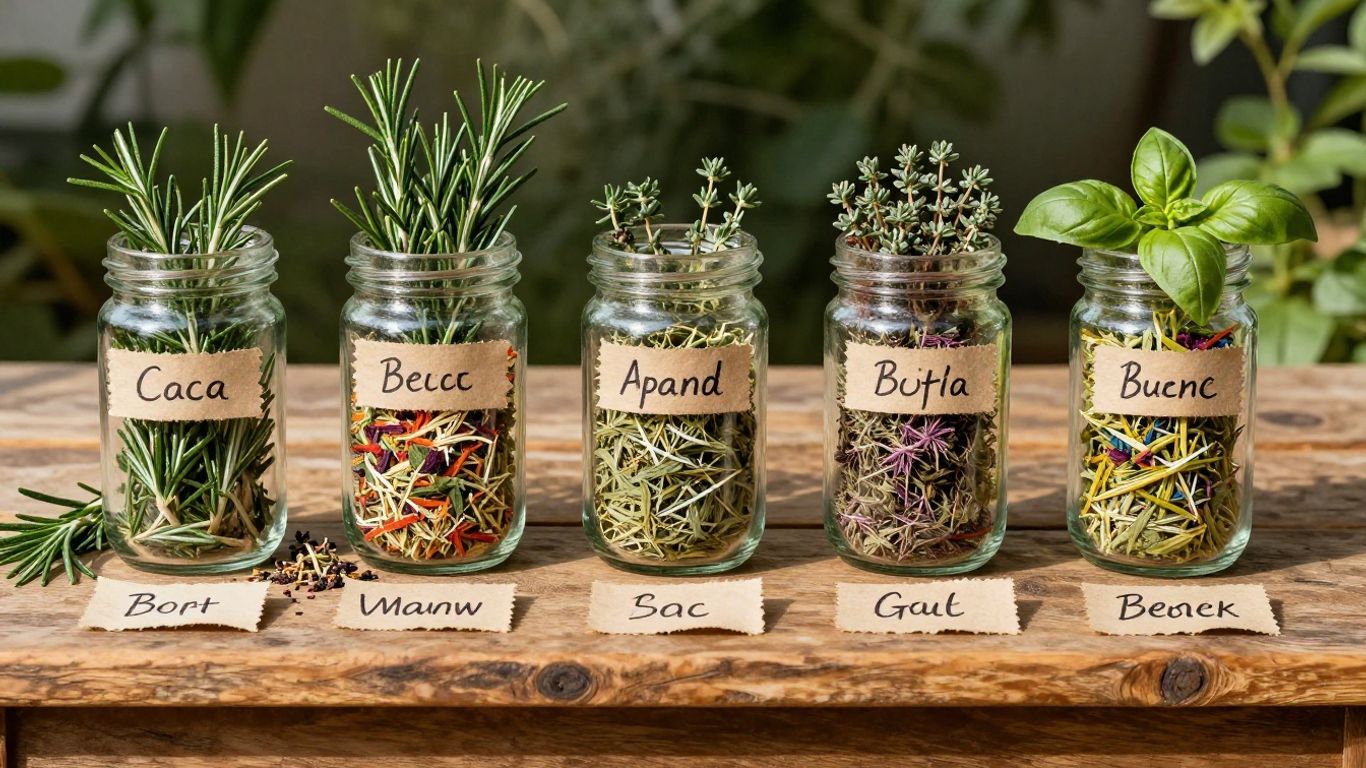
Tired of the same old flavors week after week? Building a well-stocked herb pantry can feel like a secret weapon for your kitchen. Instead of reaching for the same spices, let’s mix up five fantastic blends that will give your meals a fresh lift. It’s not about complicated recipes; it’s about smart, simple ways to make your everyday cooking exciting again. Think of these as your weekly flavor heroes, ready to transform ordinary dishes into something special.
Key Takeaways
- Create a rotation of 4-6 herb blends to keep flavors interesting without being overwhelming.
- Weekly blends help you explore different flavor profiles, making familiar meals feel new.
- Making your own blends or using store-bought ones both work; the key is consistent rotation.
- Label your blends with names and dates to easily track and manage your herb pantry.
- Rotating herbs can simplify cooking by providing a go-to flavor anchor for the week.
1. All-Purpose Savory Blend
This is the blend you’ll probably use the most. It’s designed to make things taste good without really changing their flavor. Think of it as a background actor that makes the main stars shine brighter. It works on pretty much anything – chicken, veggies, eggs, even rice. Unlike some mixes that are heavy on one herb, this one aims for a balanced, savory depth that just makes food taste better. It’s not about adding a specific flavor, but about bringing out the natural deliciousness already there.
Here’s what goes into it:
- Dried Thyme (leaves): About 3 parts. It gives a nice earthy base and holds up well to cooking without getting bitter.
- Dried Marjoram: About 2 parts. It’s a bit sweeter and gentler than oregano, adding a subtle floral note.
- Dried Savory: About 2 parts. This herb is like a whisper of umami, making savory things taste even more savory.
- Ground Bay Leaf: About 1 part. Use finely ground bay leaf, sifted so there are no tough bits. It adds a warm, deep aroma, but a little goes a long way.
- Crushed Black Peppercorns: About 1 part. Freshly ground pepper adds a bit of zing and warmth.
The best way to measure is by weight, not volume, for consistent results. For example, to make about 100 grams of this blend, you’d use 30 grams of thyme, 20 grams of marjoram, 20 grams of savory, 10 grams of ground bay leaf, and 10 grams of black pepper.
Use about a teaspoon of this blend for every pound of meat or two cups of vegetables. If you’re making soup or stew, add half at the beginning and the other half in the last 10 minutes of cooking.
A quick tip: If you’re grinding your own bay leaf, do it right before you mix the blend. The good stuff in bay leaves fades fast once ground, usually within a couple of days.
2. Bright Citrus-Herb Mix
This blend is your go-to for adding a fresh, zesty lift without overpowering delicate ingredients. Think of it as sunshine in a jar, perfect for brightening up fish, chicken, and lighter vegetables. It’s designed to cut through richness and make flavors pop, especially when you’re grilling or pan-searing.
What makes this mix special is its clever formulation. We skip ingredients like dried lemon zest, which can turn bitter and dusty over time. Instead, we use a combination of botanicals that naturally mimic that bright, citrusy note. It’s a stable blend that holds its flavor well.
Here’s what goes into it:
- Dried Lemon Balm: Provides a gentle, lemony aroma and taste.
- Dried Dill Seed: Offers a grassy, slightly anise-like brightness that’s more robust than dill weed.
- Freeze-Dried Parsley Flakes: Keeps its vibrant green color and fresh flavor.
- Dehydrated Chives: Adds a mild, sweet onion note.
- Ground Coriander Seed: Contributes a warm, citrusy depth.
This mix is fantastic for weeknight meals when you want something quick and flavorful. It works wonders on asparagus, green beans, and even in quinoa salads. Just a teaspoon can transform a simple dish.
The key here is balance. We want that vibrant, fresh taste, but it needs to complement, not dominate. This blend achieves that by using ingredients known for their stable, bright profiles, making it reliable every time you reach for it.
3. Za’atar
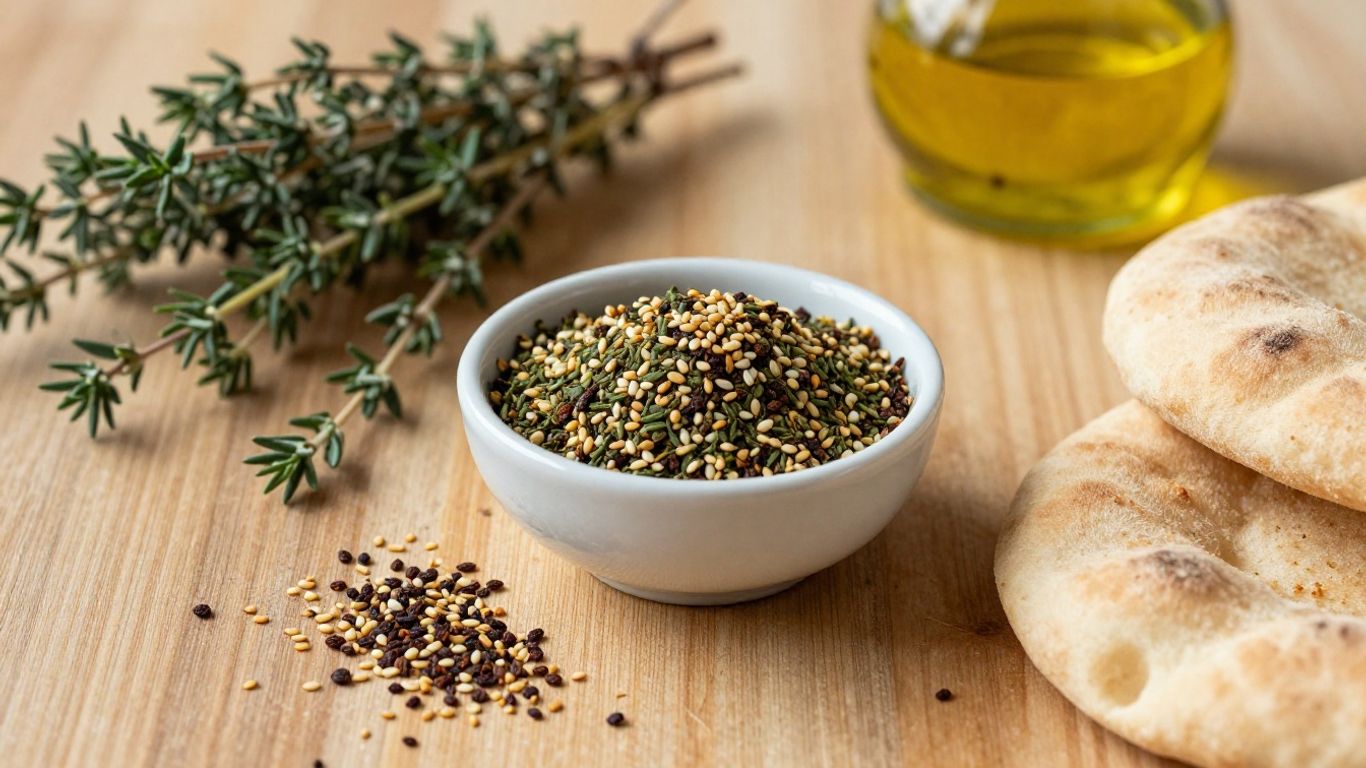
Za’atar is one of those amazing spice blends that feels both ancient and totally modern. Hailing from the Middle East, it’s a real flavor powerhouse that can seriously up your weeknight dinner game. Think of it as a shortcut to a delicious, complex taste without having to dig through your spice cabinet for five different jars.
At its heart, za’atar is usually a mix of dried thyme, nutty sesame seeds, and tangy sumac. Sometimes you’ll find other herbs thrown in, like oregano or marjoram, but those three are the core. The sumac is what gives it that bright, lemony zing, while the thyme brings an earthy, almost savory note. And the sesame seeds? They add a lovely toasted depth and a bit of texture.
This blend is incredibly versatile. You can use it in so many ways. A simple drizzle of olive oil mixed with za’atar makes an instant, fantastic dip for pita bread. It’s also brilliant sprinkled over roasted vegetables, grilled chicken or fish, or even just stirred into plain yogurt. Don’t be afraid to try it on eggs, avocado toast, or even popcorn!
Here are a few ideas to get you started:
- Dressing Base: Whisk 2 tablespoons of za’atar with 1/4 cup olive oil and 1 tablespoon lemon juice for a quick salad dressing.
- Vegetable Booster: Toss chopped vegetables like cauliflower, zucchini, or sweet potatoes with olive oil and za’atar before roasting.
- Protein Rub: Create a simple rub for chicken or lamb by combining za’atar with a little olive oil and garlic powder.
- Hummus Upgrade: Stir a generous spoonful into your favorite hummus for an instant flavor lift.
Za’atar brings a taste of the Mediterranean and Middle East right into your kitchen. Its unique combination of herbs and seeds offers a flavor profile that’s both comforting and exciting, making everyday meals feel a little more special.
4. Smoked Paprika Mix
This blend is all about adding a warm, earthy depth to your cooking. Smoked paprika, the star here, brings a unique flavor that’s different from its sweet or hot cousins. It’s made by smoking chili peppers over a wood fire before they’re ground, giving it a rich, almost campfire-like aroma and taste. It’s not about heat, but about that mellow, caramelized smokiness that can transform simple ingredients.
This mix is fantastic for anything you want to give a little rustic charm. Think roasted vegetables, grilled meats, or even a hearty lentil soup. It pairs wonderfully with other earthy flavors like cumin, garlic, and onion.
Here’s a simple way to put it together:
- 2 parts smoked paprika (sweet variety)
- 1 part garlic powder
- 1 part onion powder
- 1 part dried thyme
- 1/2 part ground cumin
Just combine these ingredients in a small jar and shake well. You can adjust the ratios slightly to suit your taste, but this provides a good starting point. A little goes a long way, so start with a teaspoon or two when seasoning your dishes.
When using this blend, remember that the smoky notes are best appreciated when the spices have a chance to meld with the food. It’s great for rubs before grilling or roasting, or stirred into stews and chilis during the cooking process. It’s less about a bright, fresh finish and more about building a deep, savory foundation.
5. Garam Masala
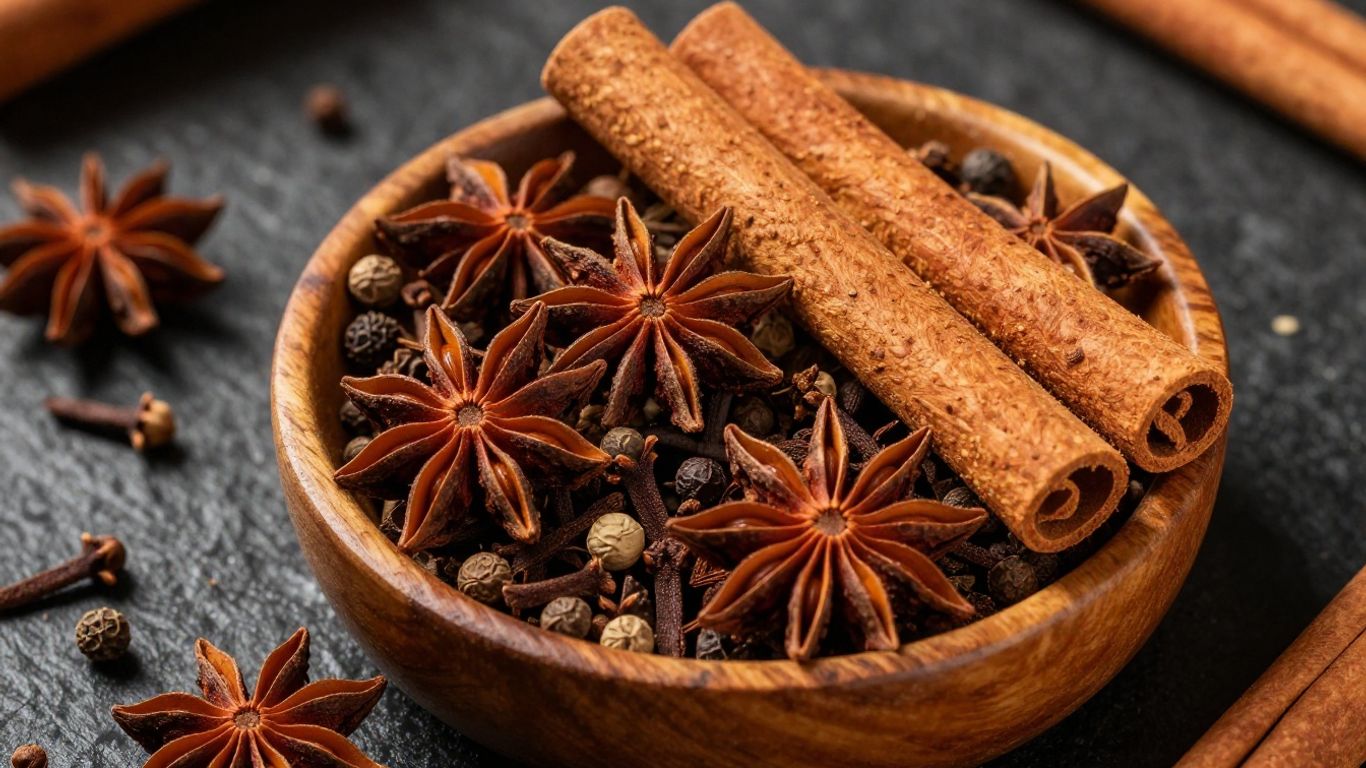
Garam masala is a cornerstone of Indian cooking, a warming blend that brings depth and complexity to dishes. It’s not just one spice, but a symphony of aromatics, typically featuring cardamom, cinnamon, and cloves, often rounded out with other spices like cumin, coriander, and black pepper. The exact composition can vary widely from region to region and even family to family, making each homemade garam masala a unique creation.
This blend truly shines when added towards the end of cooking to preserve its fragrant notes. It transforms simple rice, lentil dals, and vegetable curries into something truly special. Don’t be afraid to experiment; a little garam masala can also add an unexpected twist to roasted meats or even a hearty stew.
Here’s a basic ratio to get you started:
- 2 parts Coriander Seeds
- 1 part Cumin Seeds
- 1 part Green Cardamom Pods
- 1 part Black Peppercorns
- 0.5 part Cinnamon Sticks
- 0.5 part Cloves
Toast the whole spices gently in a dry pan until fragrant, let them cool completely, then grind them together. Store in an airtight container away from light and heat.
Garam masala is often described as ‘warming’ not just because of its ingredients, but because of the feeling it imparts to a dish. It’s the spice equivalent of a cozy blanket on a cool evening.
In section 5, we dive into the wonderful world of Garam Masala. This spice blend is a staple in many kitchens and adds a warm, aromatic touch to dishes. Want to learn more about how to use it and other amazing spices? Visit our website for more tips and recipes!
Your Flavor Journey Awaits
So there you have it – five herb blends ready to liven up your week. It’s not about complicated recipes or fancy techniques. It’s about giving your everyday meals a little spark, a new personality each week. Think of it as a gentle nudge for your taste buds, a way to rediscover the foods you already love. Start with one blend, see how it feels, and before you know it, your kitchen will have a rhythm all its own. Happy cooking, and enjoy the delicious adventure!
Frequently Asked Questions
How many spice blends should I rotate through each week?
You don’t need a huge collection to start. Aim for about four to six main blends that offer different flavor vibes – like bright, smoky, warm, or herbal. Once you get the hang of it, you can always add more if you like.
Can I use store-bought spice blends instead of making my own?
Absolutely! Store-bought blends are great, especially when you’re short on time. The main idea is to switch up which blend you use each week to keep things interesting, whether you made it yourself or bought it.
What if my family doesn’t like trying new flavors?
Start small and slow. Introduce changes gradually. Maybe swap out one type of herb mix for another similar one first. Keep the overall meal the same so they feel comfortable, and change just one thing at a time.
How long should I wait before using a spice blend again?
If you feature a blend every week, give it at least three weeks off before using it as the main flavor again. If it’s a spice you use a lot and feel a bit tired of, a full month off can make its flavor pop when it returns.
Will rotating spices make my cooking take more time?
Surprisingly, no! Once you have your system, it often makes cooking faster. You pick one blend for the week and use it for most of your dishes. The only extra time is a few minutes each week to mix or choose your blend, which usually pays off in more creativity and enjoyment.
How should I store my homemade spice blends?
Keep your blends in small glass jars or tins. Label each one with its name and the date you made it. Store them in a cool, dark place. Putting your current week’s blend front and center on your shelf or counter helps you remember to use it.
What’s the best way to measure spices for a blend?
It’s best to measure by weight, not by volume (like teaspoons or cups), for the most accurate results. Use a kitchen scale if you have one. This makes sure your blend tastes the same every time you make it.
Why is spice rotation important for home cooks?
Rotating spices helps prevent flavor fatigue, which is when food starts tasting boring because you always use the same seasonings. It brings back excitement and confidence in the kitchen. When your spices taste consistently great, you’re more likely to enjoy cooking and try new things.