
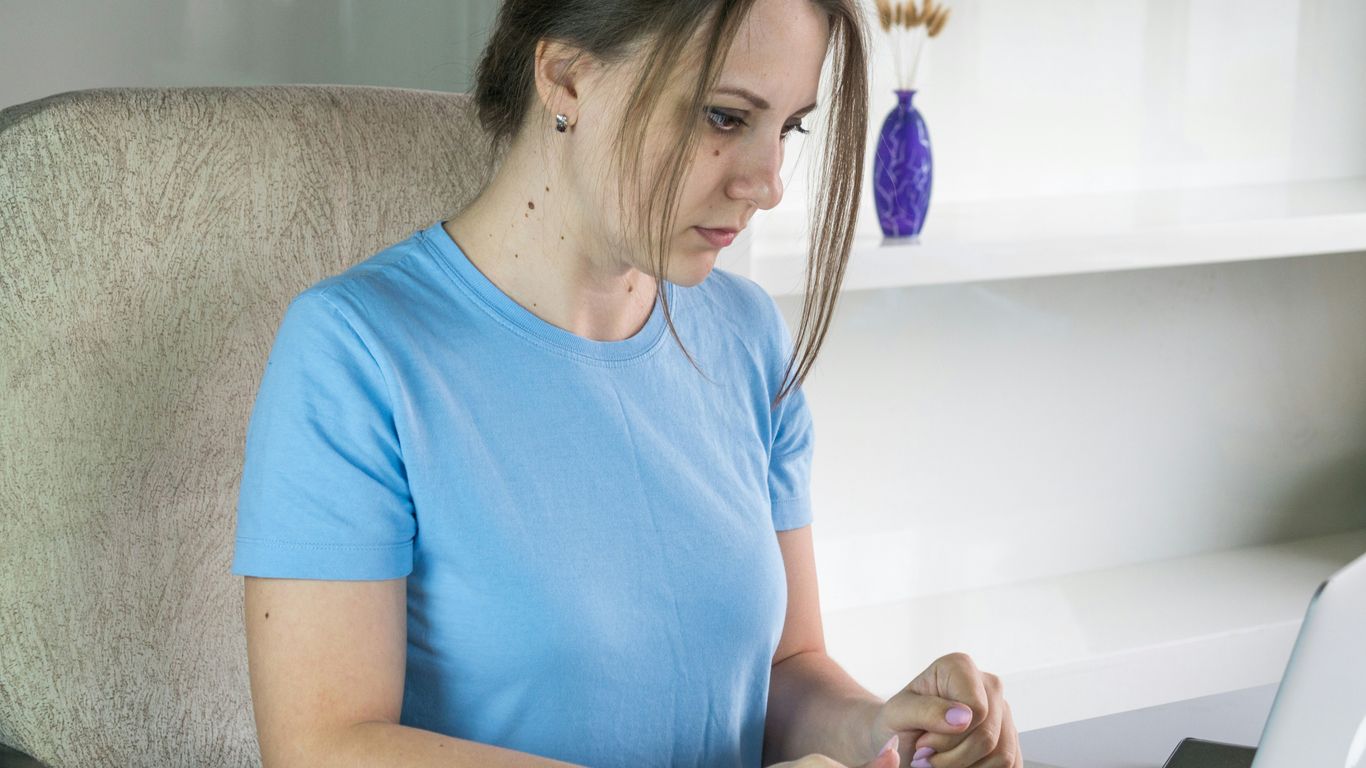
A Minimums List is a short, written set of the smallest health behaviours you commit to on your hardest days, such as drinking water, eating something with protein, moving for five minutes and getting to bed on time. It keeps your routine alive when energy, time or mood are low, so you don’t drop everything and have to restart from zero.
The list is meant to be easy. If you can only do your minimums, you’ve had a successful day.
Why a Minimums List works
Most health plans are built for good days. When you’re exhausted, grieving, stressed or juggling a family crisis, the full plan feels impossible, and it’s easy to slide into “I’ll start again Monday.” A minimums list gives you a middle option between all and nothing.
It also takes the decision out of a hard moment. You’ve already decided what counts, so you don’t have to negotiate with yourself when you’re running on empty. The NIDDK’s guidance on changing habits notes that setbacks are normal and the key is getting back on track as soon as you can. Minimums mean you never fully leave the track.
If you tend to think in all-or-nothing terms, you may also find consistency over perfection helpful.
How to build your list

- Choose four to six categories. Most people do well with water, food, movement, sleep, and one mental or emotional check-in.
- Write the smallest version you’d still be glad you did. Not your normal goal, but the floor.
- Test it on an imaginary terrible day. If you were sick, sad and short on time, could you still do it? If not, shrink it.
- Put it somewhere visible. On the fridge, in your phone notes or on a card in your wallet.
- Decide what counts as a “tough day.” For example: less than six hours of sleep, a crisis at home or work, or feeling unwell. On those days, minimums replace the full plan.
A sample Minimums List
| Area | Normal-day goal | Minimum |
|---|---|---|
| Water | Water with every meal and a bottle at work | One full glass of water before noon and one in the afternoon |
| Food | Three balanced meals | Eat something with protein at least twice (eggs, yogurt, beans, a cheese stick, peanut butter toast) |
| Vegetables or fruit | Half your plate at meals | One piece of fruit or a handful of baby carrots |
| Movement | 30-minute walk or workout | Five minutes: a walk to the mailbox, gentle stretching or a few sit-to-stands |
| Daylight | Outdoor walk | Step outside or sit by a window for a few minutes |
| Sleep | Consistent 7+ hours | Phone away and lights out at your usual time |
| Mind | Journaling or a longer practice | Three slow breaths or one sentence about how you feel |
Adjust the list to your life. If you have mobility limits, your movement minimum might be seated arm circles. If mornings are chaos, put your water minimum in the afternoon.
The categories that matter most
Water
On hard days, fluids are easy to forget. Canada’s Food Guide recommends making water your drink of choice and suggests keeping a pitcher in the fridge or on the table and carrying a reusable bottle. Fill a bottle the night before and leave it where you’ll see it in the morning.
Food
The goal on a tough day is to eat regularly and include some protein, not to eat perfectly. Keep a few no-cook options on hand: yogurt, eggs, canned beans, whole-grain crackers, nut butter, frozen vegetables and fruit. Skipping meals often leads to strong hunger later, which makes the evening harder.
Movement
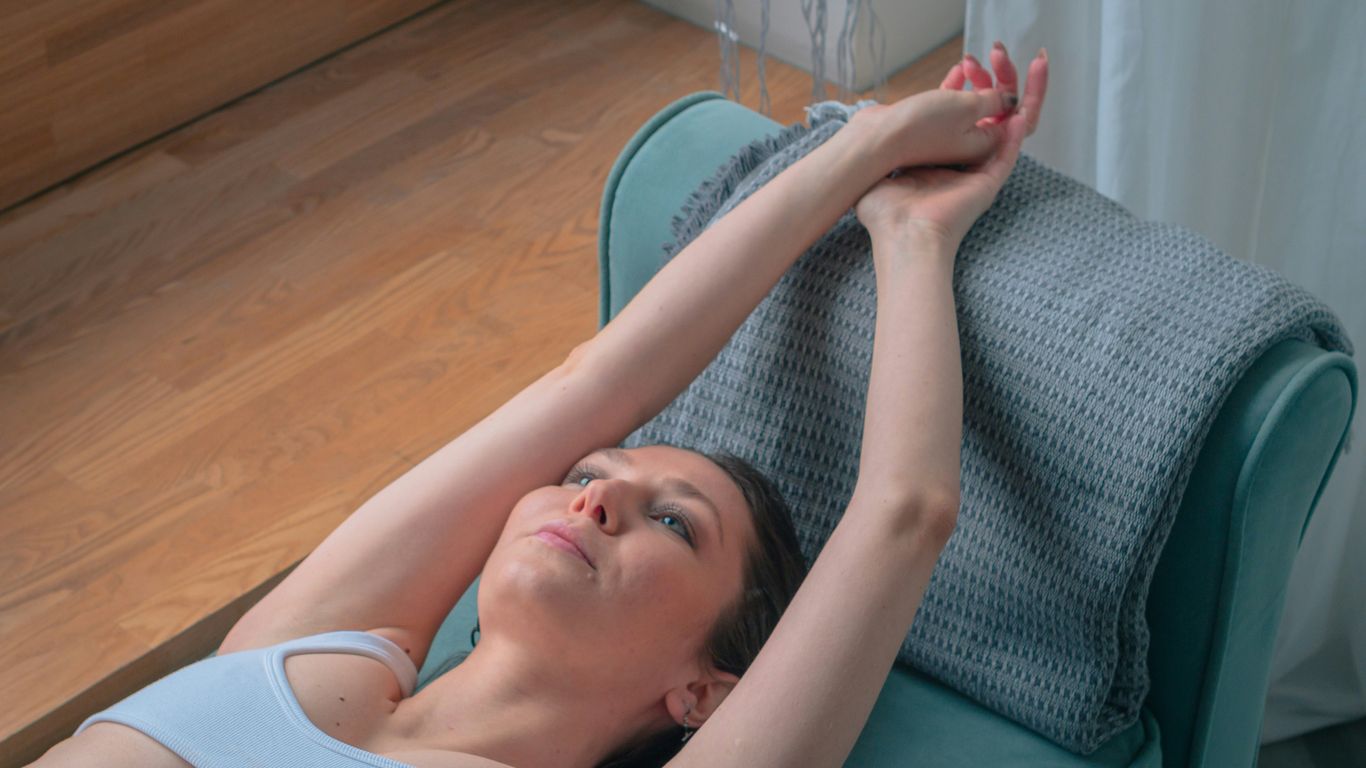
Even a few minutes count. The CDC’s physical activity guidelines for adults recommend 150 minutes of moderate activity a week, note that it can be split into shorter sessions, and say plainly that some physical activity is better than none. A five-minute walk on a hard day keeps the habit going. For an easy option, see the one-minute reset.
If you’re unwell, have a fever or feel dizzy, rest is the right minimum. Movement can wait.
Sleep
When everything else slips, protect bedtime. The NHS suggests keeping regular sleep hours and avoiding screens for an hour before bed, and offers relaxing options such as reading, breathing exercises or calming music. On a tough day your minimum might be just one of these.
A mental check-in
A short pause to notice how you feel can stop a hard day from turning into a hard week. Try three slow breaths, a one-line journal note or texting someone you trust.
How to use it day to day
- Check it off. A tick mark on a calendar is enough. Seeing that you kept going on hard days builds confidence.
- Do more if you feel like it. Minimums are a floor, not a ceiling. Often the five-minute walk turns into fifteen.
- Don’t upgrade minimums too fast. If your minimums creep up until they’re your normal plan, they stop working on bad days.
- Review monthly. Drop items that never help and add ones you keep wishing you’d done.
What if you can’t even do the minimums?
Some days, even the smallest list is too much. That’s okay. Pick one item, usually water or rest, and let that be enough. The next day, start fresh with the list.
If you’re regularly unable to manage basic self-care, feel low most days, or notice changes in appetite or sleep that won’t settle, talk to your family doctor or another healthcare provider. A minimums list supports you through hard days, but it isn’t a substitute for care when you need it.
Quick takeaways
- Write four to six tiny behaviours you can do on your worst day.
- Cover water, food, movement, sleep and one emotional check-in.
- Keep the list visible and decide ahead of time what counts as a tough day.
- Count minimums as a win, and do more only if you want to.
- Review the list monthly and keep it small.
FAQ
How is a Minimums List different from a regular habit plan?
A regular plan describes your goals on a normal day. A Minimums List describes the smallest version you’ll protect when life gets hard, so your habits don’t disappear completely.
Can I have different lists for different kinds of hard days?
Yes. Some people keep one list for low-energy days and a shorter one for days when they’re unwell or dealing with a family emergency. Keep each list short, and choose which one applies first thing in the morning so you don’t have to decide later.
Should my minimums include weight-loss goals?
Keep them focused on behaviours you control, like eating regularly, drinking water and moving a little. Outcome goals can add pressure on days that are already heavy.