
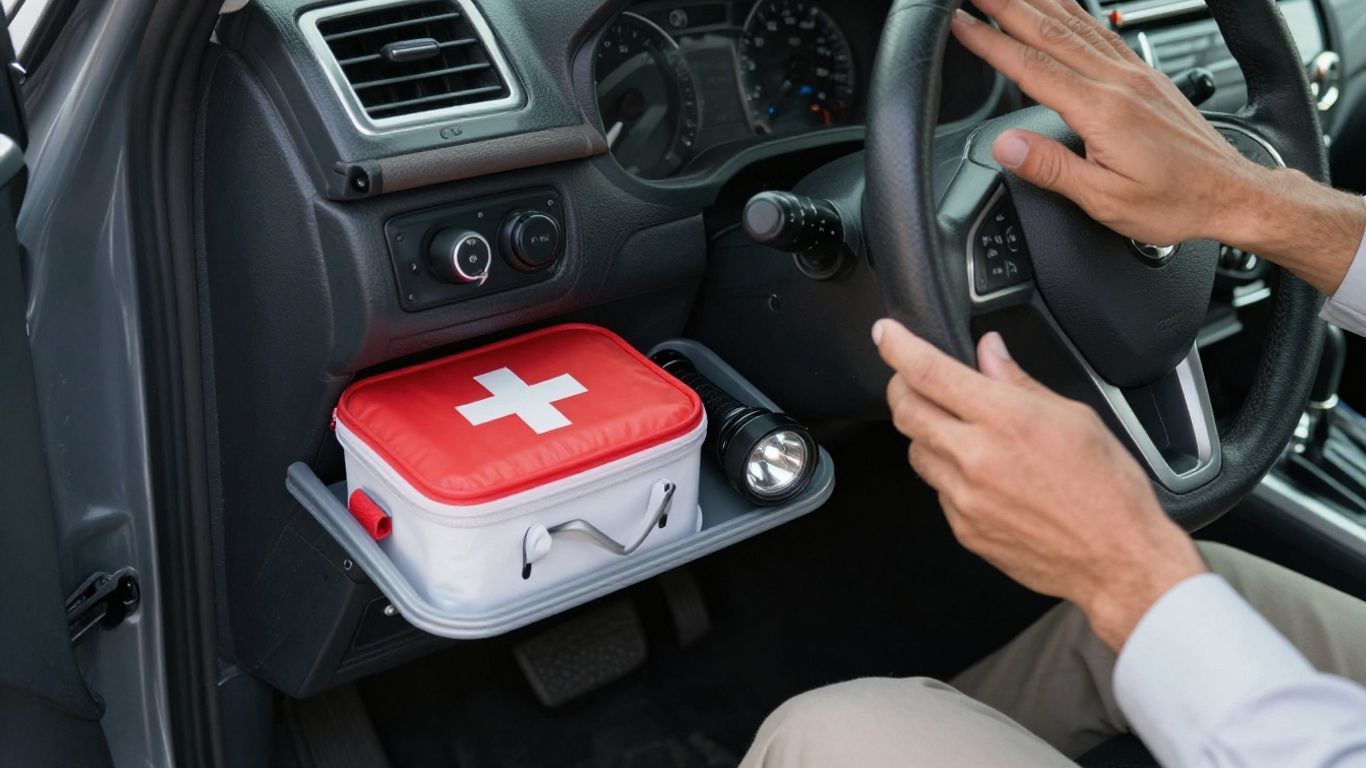
The daily commute can sometimes feel like a minefield, especially when certain situations trigger those familiar urges. But what if you could prepare for them, almost like packing for a trip? This guide is all about making your drive smoother, turning those potential stress points into opportunities for calm. We’ll look at getting your car ready, setting yourself up before you even start the engine, and what to do when you get back home. It’s about building a more peaceful way to get from A to B, making your commute an urge-proof commute.
Key Takeaways
- Keep a well-stocked glovebox with items for common issues and comfort, turning it into a mini-command center for your car.
- Develop simple pre-drive routines to set a positive tone and mental state for your journey.
- Learn to spot what makes you feel an urge during your commute and have strategies ready to handle them, like drive-thru temptations or unexpected delays.
- Create post-drive rituals to help you unwind and transition smoothly from driving to your next activity.
- Practice patience and a positive outlook to build resilience, viewing each commute as a chance to learn and improve your urge-proof commute.
Preparing Your Vehicle for an Urge-Proof Commute
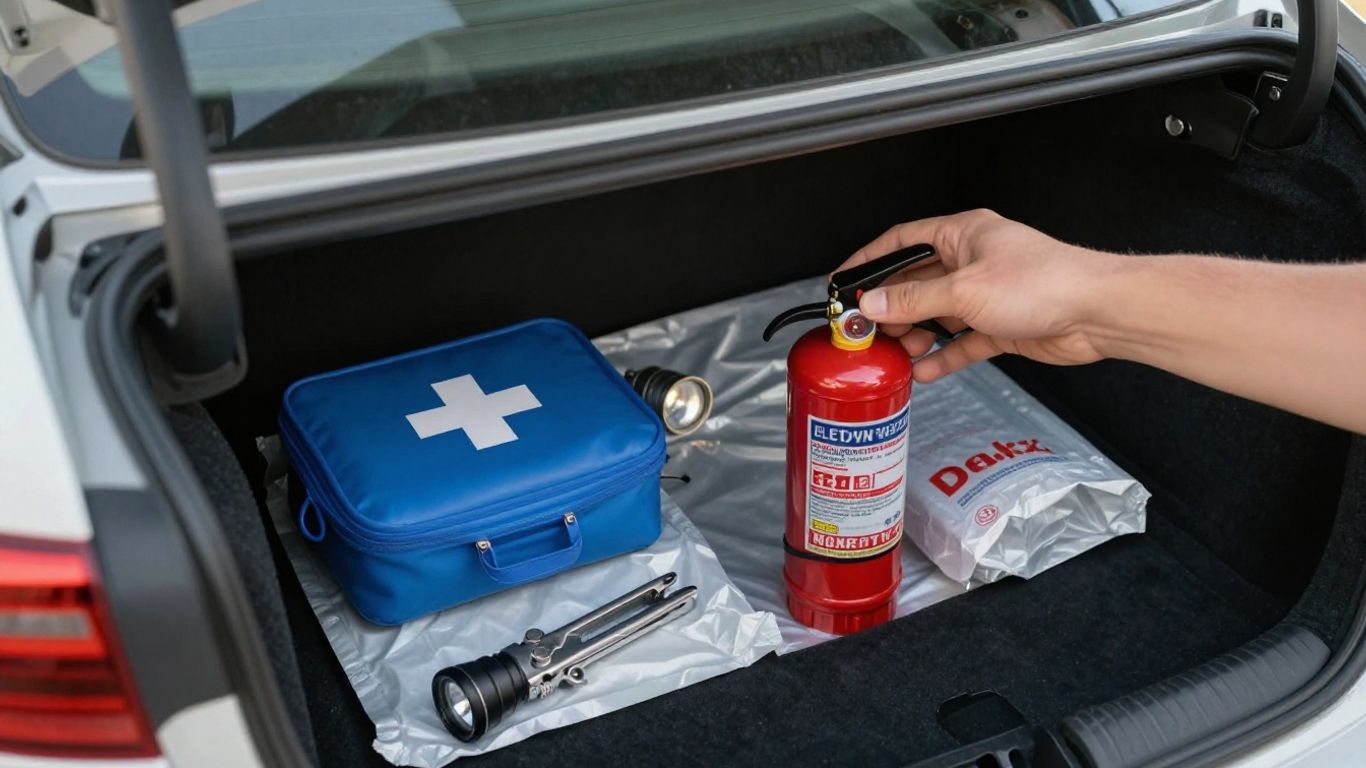
Getting your car ready before you even turn the key is a big part of making your commute less stressful. Think of it as setting the stage for a smoother ride. It’s not just about having a full tank of gas, though that’s important too. It’s about having the right stuff stashed away and making sure your vehicle is generally in good shape so you’re not caught off guard by little things.
Essential Glovebox Kit Contents
Your glovebox can be a real lifesaver if you keep it stocked with a few key items. It’s not about cramming it full, but having the right things within reach when you need them. This is your first line of defense against minor inconveniences that can sometimes snowball into bigger problems.
- Basic First-Aid Supplies: Think bandages, antiseptic wipes, and pain relievers. You never know when a small cut or headache might pop up.
- Phone Charger/Power Bank: A dead phone can be a major hassle. Make sure you have a way to keep it juiced up.
- Snacks and Water: Non-perishable items like granola bars or nuts can be a lifesaver if you get stuck or just need a quick energy boost.
- Tissues and Wet Wipes: For spills, sneezes, or just general cleanup.
- Small Toolkit: A few basic tools like a screwdriver, pliers, and adjustable wrench can help with minor fixes.
- Duct Tape: The universal fix-it tool. You’d be surprised how often this comes in handy.
- Pen and Paper: For jotting down notes, directions, or contact information.
Organizing for Accessibility
Once you have your items, how you store them matters. You don’t want to be digging through a mess when you’re in a hurry. A few simple organizational tricks can make a big difference.
- Use Pouches or Small Bins: Group similar items together. Keep your first-aid stuff in one pouch, your tools in another, and so on. This keeps things tidy and makes it easy to find what you need.
- Label Everything: If you have multiple pouches, a quick label can save you time and frustration.
- Keep Frequently Used Items on Top: If you often need your phone charger, make sure it’s easily accessible, not buried at the bottom.
Vehicle Maintenance for Peace of Mind
Regular check-ups on your car can prevent a lot of headaches down the road. It’s easy to put off, but a little bit of attention can go a long way in making your commute more reliable.
- Tire Pressure: Check your tire pressure regularly. Underinflated tires can affect your car’s performance and fuel efficiency. It’s a quick check that makes a big difference.
- Fluid Levels: Keep an eye on your oil, coolant, and windshield washer fluid. Low levels can cause serious problems.
- Lights and Wipers: Make sure all your lights are working and your wipers are in good condition, especially if you drive in varied weather.
Taking a few minutes to prepare your vehicle isn’t just about being ready for emergencies; it’s about building a sense of control and confidence before you even start your engine. A well-prepared car is a calmer car, and a calmer car helps you have a calmer commute.
The Art of the Pre-Drive Ritual
Taking a few moments before starting your car can shift how your entire commute unfolds. The pre-drive ritual isn’t about superstition or complexity—it’s about setting yourself up with presence, purpose, and a little bit of peace before the routine chaos of traffic.
Mindful Departure Routines
A smooth commute often starts before you even leave your driveway or parking spot. Creating a quick, reliable routine primes you to handle what’s ahead. Here are a few simple ideas:
- Take three slow, deep breaths with your feet firmly on the floor.
- Check in with your body: notice any tension and let your shoulders relax.
- Make sure your seat, mirrors, and climate controls are set—eliminating rush later.
- Double check you have what you need: phone, keys, wallet, calm.
You don’t have to turn your commute into a meditation retreat, but even a minute spent pausing can help you approach the road with a clearer mind.
Setting Intentions for the Journey
Everyone hopes for a good commute, but what does that mean to you today? Maybe you want to be more patient with other drivers, or avoid the temptation of a drive-thru detour. Stating your main goal for this drive—out loud or in your mind—makes it easier to remember when stress pops up.
Try picking one intention each time. Examples:
- "Today I’ll keep my cool, even in traffic."
- "I’ll avoid snacking in the car and wait until I get home."
- "If there’s a delay, I’ll just turn up the music instead of getting frustrated."
Visualizing a Smooth Commute
Take a few moments to picture yourself handling the expected (and the unexpected) with grace. Visualization isn’t magic—it helps you pre-load better reactions for when surprises happen.
Here’s a quick process:
- Picture hitting red lights but feeling okay.
- Imagine someone cuts you off, but you take a deep breath and let it go.
- See yourself pulling into your destination feeling steady and not frazzled.
If you want to get practical, jot down a quick note or set a reminder on your phone to reinforce what you visualize. This simple step can build confidence in your ability to manage whatever your drive throws at you.
Building a pre-drive ritual isn’t about perfection; it’s about stacking small wins before you face the road.
Navigating Common Commute Triggers
Even with the best preparation, some parts of your commute can still feel like a challenge. Recognizing these common triggers is the first step to handling them without derailing your calm. Think of it like knowing which turns on a familiar road might be a bit bumpy.
Identifying Personal Urge Hotspots
We all have those moments on the road that just seem to test our patience. For some, it’s the endless red lights on a particular stretch. For others, it might be the sheer volume of traffic during rush hour, or maybe even a specific intersection known for its chaos. Pinpointing these personal ‘hotspots’ is key to developing targeted strategies. It’s not about avoiding them entirely, but about being mentally ready when you approach them.
- Traffic Jams: Unexpected slowdowns that add time to your trip.
- Construction Zones: Detours and lane closures that disrupt flow.
- Aggressive Drivers: Encounters with others who seem to disregard traffic rules.
- Parking Scarcity: The hunt for a spot, especially when you’re running late.
Strategies for Drive-Thru Dilemmas
Ah, the drive-thru. A convenient stop that can sometimes turn into a test of will. Whether it’s a long line, a forgotten item, or a payment hiccup, these situations can spark frustration. Having a plan can make all the difference.
- Order Ahead: Use mobile apps to place your order before you arrive. This often bypasses the longest queues.
- Have Payment Ready: Keep your card or cash easily accessible to speed up the transaction.
- Check Your Order: Before pulling away, quickly verify that everything is correct. If something’s missing, it’s easier to address it then.
- Mindful Waiting: If you do have to wait, take a few deep breaths. Remind yourself it’s a temporary pause.
Managing Unexpected Delays Gracefully
Flat tires, sudden road closures, or even just a forgotten item at home can throw a wrench into even the most planned commute. Instead of letting these surprises cause stress, view them as opportunities to practice adaptability.
When delays happen, it’s easy to get caught up in the ‘what ifs’ and the frustration. Try to shift your focus to what you can control: your reaction. Acknowledge the inconvenience, take a moment to breathe, and then assess the situation calmly to find the best way forward. This mindset shift can turn a stressful event into a manageable one.
Here’s a quick checklist for handling unexpected delays:
- Stay Calm: Take a moment to breathe and avoid immediate emotional reactions.
- Assess the Situation: Understand the nature and duration of the delay.
- Communicate: If necessary, inform work or family about the delay.
- Adapt: Adjust your route, your schedule, or your expectations as needed.
Post-Drive Rituals for Commute Recovery
Decompressing After Arrival
Pulling into your driveway or parking spot is just the halfway point. The real work of unwinding begins now. Don’t just shut off the engine and rush inside. Take a moment. This pause is your bridge between the road and your personal space.
- Deep Breaths: Before opening the car door, take three slow, deep breaths. Inhale through your nose, exhale through your mouth. Feel your shoulders drop.
- Mindful Exit: Gather your belongings deliberately. Avoid the frantic scramble. This small act of control can set a calmer tone.
- Sensory Check-in: Notice the air temperature, the sounds around you, the feeling of solid ground beneath your feet. Ground yourself in the present moment.
Reflecting on the Commute Experience
Once you’re settled, a brief reflection can help process the journey. What went well? What felt challenging?
- Identify a Positive: Was there a moment of unexpected kindness from another driver? A song you enjoyed on the radio? A clear stretch of road?
- Acknowledge a Challenge: Did a particular traffic jam test your patience? Was there a moment of frustration?
- Note a Learning: What did this commute teach you about your own reactions or the road conditions?
This reflection isn’t about judgment; it’s about observation. It’s gathering data for future journeys, understanding your personal commute patterns and triggers without assigning blame.
Transitioning from Travel to Home
Make the shift from ‘commuter’ to ‘home occupant’ a clear one. This helps your mind switch gears.
- Physical Transition: If possible, change clothes. Even a simple act like taking off your shoes can signal a change in environment.
- Mental Transition: Engage in a brief, calming activity. This could be listening to a favorite song, doing a quick stretch, or simply sitting quietly for five minutes.
- Connect with Home: Acknowledge your arrival. Say hello to family members, or simply take a moment to appreciate being in your personal space. This ritual helps you leave the stresses of the road behind.
Building Resilience for the Road Ahead
The Role of Patience in Commuting
Commuting can test anyone’s patience. Traffic jams, unexpected detours, or even just the sheer monotony of the drive can wear you down. Developing a more patient outlook isn’t about ignoring problems; it’s about changing how you react to them. Think of it as building a mental buffer. When you’re not constantly frustrated by minor delays, you have more energy to deal with actual issues. Patience allows for clearer thinking when things go wrong. It means accepting that some things are outside your control and focusing on what you can influence, like your own attitude.
Cultivating a Positive Commute Mindset
Shifting your mindset towards a more positive view of your commute can make a big difference. Instead of dreading the drive, try to find small moments of enjoyment or opportunity. This could be listening to a podcast you love, catching up on audiobooks, or simply using the time to mentally prepare for the day ahead or unwind on the way home. It’s about reframing the commute from a chore to a part of your day that you can actually control and potentially benefit from. Even small shifts in perspective can lead to a more pleasant experience.
Learning from Every Journey
Every commute, good or bad, offers a chance to learn. Did you hit unexpected traffic? Maybe that’s a sign to try a different route tomorrow or leave a few minutes earlier. Was your drive particularly smooth? Reflect on what made it so and see if you can replicate those conditions. Treating each journey as a data point helps you refine your strategies over time. This continuous improvement approach means your commute becomes less of a gamble and more of a predictable, manageable part of your day. It’s about adapting and growing, making each trip a step towards a better commuting experience.
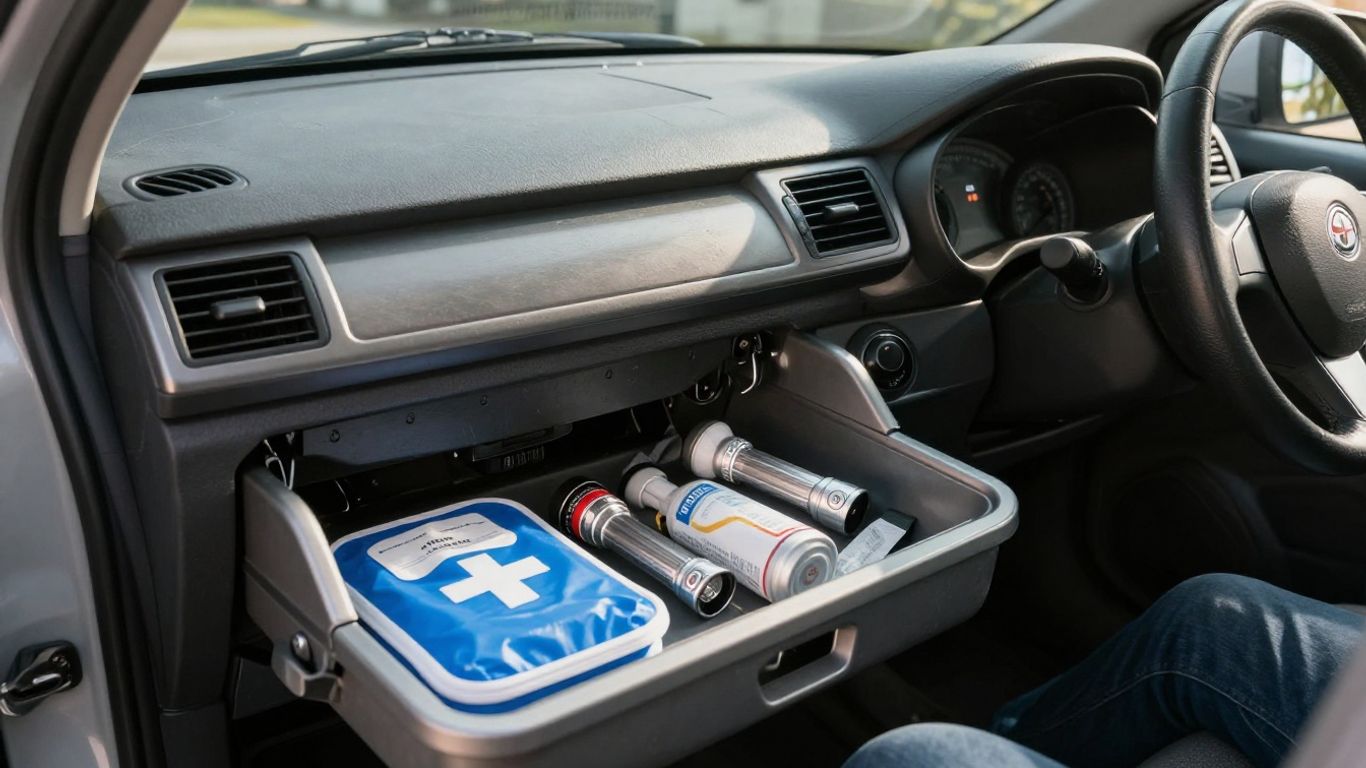
The Glovebox: Your Commute Command Center
Think of your glovebox as the unsung hero of your daily drive. It’s not just a place to stash old maps and expired insurance cards; it’s your personal preparedness hub. Keeping it stocked and organized means you’re ready for whatever the road throws your way, turning potential stress into manageable moments.
Emergency Preparedness Essentials
When the unexpected happens, having the right gear can make all the difference. A well-equipped glovebox is your first line of defense.
- First-aid kit: A compact kit with bandages, antiseptic wipes, pain relievers, and gauze.
- Flashlight: A reliable LED flashlight with extra batteries.
- Jumper cables: For those moments your battery decides to take a nap.
- Basic tool kit: Including a screwdriver, pliers, and an adjustable wrench.
- Tire pressure gauge: To keep your tires properly inflated.
- Emergency contact information: Written down, in case your phone dies.
Comfort and Convenience Items
Beyond emergencies, a few thoughtful additions can make your commute more pleasant.
- Hand sanitizer and wet wipes: For quick cleanups.
- Snacks: Non-perishable items like granola bars or nuts.
- Water bottle: Staying hydrated is key.
- Phone charger/power bank: Never get caught with a dead battery.
- Small umbrella: For those sudden downpours.
Tools for Quick Vehicle Checks
Regular checks keep your car running smoothly. These items help you stay on top of it.
- Owner’s manual: Your car’s instruction book.
- Pen and paper: For jotting down notes or mileage.
- Work gloves: Handy for any minor roadside adjustments.
Keeping these items organized and accessible means you won’t be digging through a mess when you actually need something. A small pouch or divider can work wonders. Your glovebox is more than just storage; it’s your mobile toolkit for a smoother journey.
Transforming Your Commute into a Sanctuary
Creating a Calm In-Car Environment
Think of your car not just as a way to get from point A to point B, but as a personal space, a little bubble of calm in your day. Making it a sanctuary means paying attention to the details that affect your mood and focus. It’s about more than just keeping it clean; it’s about curating an atmosphere that helps you unwind or prepare for what’s ahead.
- Temperature Control: Make sure your climate control is set to a comfortable temperature before you even start driving. A car that’s too hot or too cold can be a quick way to start your commute on the wrong foot.
- Aromatherapy: Consider a subtle air freshener or essential oil diffuser. Scents like lavender can promote relaxation, while citrus can be invigorating. Keep it light, though; strong smells can be overwhelming.
- Soundscape: Curate a playlist that suits your mood. Whether it’s calming instrumental music, an engaging podcast, or your favorite upbeat tunes, the right audio can significantly shift your experience.
- Declutter: A messy car can feel chaotic. Take a few minutes each week to clear out trash and put things back in their place. A tidy space often leads to a tidier mind.
A calm car interior can act as a buffer against the external stresses of traffic and daily life. It’s a small investment of time that pays dividends in mental well-being.
Mindful Driving Techniques
Driving itself can become a practice in mindfulness. Instead of letting your mind wander to your to-do list or replaying conversations, try to stay present with the act of driving. This isn’t about being hyper-vigilant to the point of anxiety, but rather about engaging with the task at hand in a focused, calm way.
- Focus on the Senses: Pay attention to what you see, hear, and feel. Notice the road, the other cars, the sounds of your engine, and the feel of the steering wheel. This grounds you in the present moment.
- Smooth Operations: Practice smooth acceleration and braking. Jerky movements can be jarring for you and other drivers. Aim for a fluid, controlled motion.
- Breathing: If you feel tension creeping in, take a few slow, deep breaths. Inhale through your nose, exhale through your mouth. This simple act can help regulate your nervous system.
- Acceptance: Accept that traffic happens. Instead of getting frustrated by delays, acknowledge them and adjust your expectations. Remember, you can only control your own reactions.
The Power of a Prepared Mind
Your mental state before and during your commute is just as important as the physical environment of your car. A prepared mind is one that is less likely to be thrown off by unexpected events or the general grind of travel. It’s about setting yourself up for success before you even turn the key.
- Pre-Commute Check-in: Before you leave, take a moment to assess your own mental state. Are you feeling rushed, stressed, or anxious? If so, take a few minutes to calm yourself before heading out.
- Positive Affirmations: Consider repeating a simple affirmation to yourself, like "I am calm and focused on the road" or "I will have a smooth and safe journey."
- Realistic Expectations: Understand that commutes can be unpredictable. Setting realistic expectations about potential delays or challenges can prevent disappointment and frustration.
- Focus on the Destination: Remind yourself why you’re making the commute. Focusing on the positive outcome, whether it’s arriving home to loved ones or reaching your workplace, can provide motivation.
Mastering the Urge-Proof Commute
Integrating Rituals Seamlessly
Making your commute urge-proof isn’t about a one-time fix; it’s about weaving your preparation and recovery routines into the fabric of your daily life. Think of it like learning a new skill – at first, it feels deliberate, maybe even a little awkward. You might forget your glovebox kit on Monday or skip your post-drive decompression on Friday. That’s perfectly normal. The key is consistency, not perfection. Start small. If you’re aiming to integrate three new habits, pick one to focus on for the first week. Once that feels natural, add another. Soon, these actions become second nature, like brushing your teeth or checking your mirrors. The goal is to make these positive habits so ingrained that they happen without you having to consciously think about them.
Adapting Strategies to Your Lifestyle
Life throws curveballs, and your commute is no exception. A rigid plan might work for a while, but eventually, it’ll need to bend. Maybe your work hours change, or you start taking a different route. Instead of abandoning your urge-proofing efforts, see it as an opportunity to adapt. If your morning routine gets shorter, can you streamline your pre-drive ritual? Perhaps a quick mental check-in replaces a longer one. If you’re stuck in unexpected traffic, how can your glovebox kit help you manage the frustration? Maybe it’s a calming playlist, a healthy snack, or a book. The strategies you employ should be flexible, fitting into the unique rhythm of your days. It’s about finding what works for you, not adhering to a one-size-fits-all approach.
The Long-Term Benefits of Preparedness
Committing to an urge-proof commute pays dividends far beyond just reaching your destination without incident. Over time, you’ll likely notice a significant reduction in stress and anxiety related to travel. This calmer state can positively impact your mood, your productivity at work, and your interactions with others. You’ll also build a greater sense of self-reliance and control, knowing you’re equipped to handle common commute challenges. Think of it as building a personal resilience muscle. Each time you successfully navigate a tricky situation or stick to your routine, you’re strengthening your ability to face future commutes with confidence. It transforms travel from a potential source of dread into a manageable, even peaceful, part of your day.
Tired of giving in to cravings during your daily travels? Our "Mastering the Urge-Proof Commute" guide is here to help you stay on track. Learn simple, effective ways to resist temptations and keep your health goals in sight, even when you’re on the go. Ready to take control? Visit our website for more tips and resources!
Keep Rolling with Confidence
So, there you have it. A well-stocked glovebox and a few simple habits after you turn off the engine can make a world of difference. It’s about being ready for those little hiccups that life, and the road, throw your way. Think of it as giving yourself a little peace of mind, knowing you’ve got a plan for the unexpected. It doesn’t take much, just a bit of foresight and a willingness to build those small routines. Go ahead, give it a try. Your future self, stuck in a pinch or just needing a moment to reset, will thank you for it.
Frequently Asked Questions
What is an ‘urge-proof’ commute?
An ‘urge-proof’ commute means you’ve prepared yourself and your car so you’re less likely to give in to sudden cravings or impulses, like stopping for fast food or snacks, when you’re on your way somewhere. It’s about having a plan to stay on track with your goals.
What should I keep in my glovebox for my commute?
Think of your glovebox as a mini survival kit for your car! You can pack things like a first-aid kit, a flashlight, some water bottles, and healthy snacks like nuts or granola bars. It’s also a good idea to have a phone charger and maybe some basic tools for quick fixes.
Why are pre-drive rituals important?
Starting your drive with a calm routine helps set a positive tone. It’s like a mini-meditation before you hit the road. Taking a moment to breathe, set your intentions, and think about a smooth trip can make a big difference in how you handle stress later on.
How can I handle tempting stops like drive-thrus?
The key is to be aware of these temptations. Before you even start your drive, decide if you’re going to stop or not. If you’re tempted, remind yourself of your goal. Maybe pack a satisfying snack from home that you can eat in the car instead. Sometimes, just acknowledging the urge and moving past it is enough.
What are ‘post-drive rituals’?
These are things you do right after you get to your destination or home. It’s your time to relax and shake off the stress of the commute. This could be taking a few deep breaths, listening to calming music for a minute, or just taking a moment to yourself before diving into your next task.
How can I make my car a more peaceful place during my commute?
You can create a calm space by keeping your car clean and organized. Choose music or podcasts that you find relaxing or inspiring. Making sure your car is comfortable, maybe with a pleasant scent, can also help turn your commute into a more enjoyable experience.
What if my commute is unexpectedly delayed?
Unexpected delays can be stressful, but preparation helps. Having your glovebox kit means you have distractions like snacks or activities. Remind yourself that delays are often out of your control. Use the time to practice patience, listen to an audiobook, or simply observe your surroundings without getting frustrated.
How do these strategies help in the long run?
By consistently using these tips, you build habits that make you more resilient. You learn to manage impulses better, reduce commute stress, and become more mindful. This preparedness not only improves your daily drives but also spills over into other areas of your life, making you more in control and less reactive.