
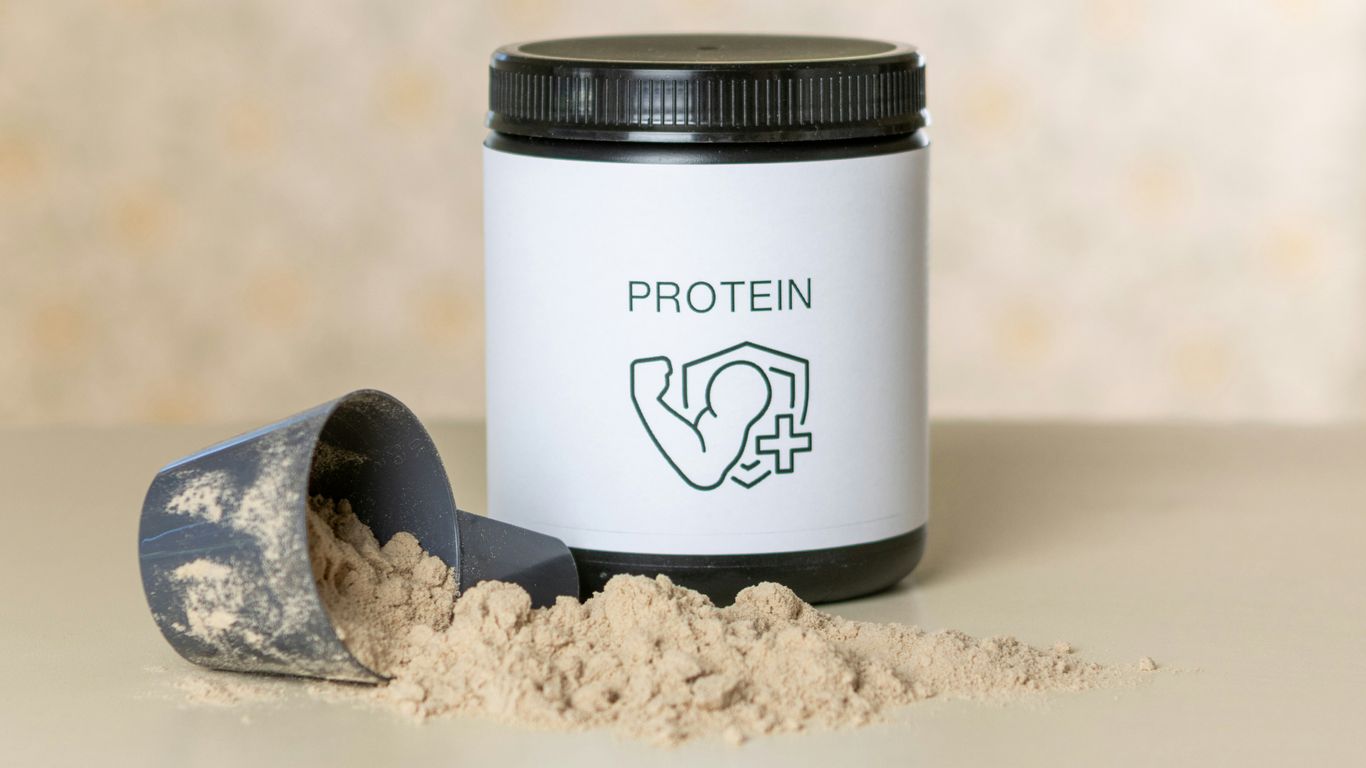
Picking out the right protein powder can feel like a puzzle sometimes. With so many options out there, it’s easy to get lost in the labels and promises. This protein powder guide is here to help you sort through it all. We’ll look at what to actually look for on the ingredient list, what to avoid, and how to make sure you’re getting a quality product that works for you. Whether you’re a seasoned gym-goer or just trying to add a bit more protein to your day, knowing the basics can make a big difference.
Key Takeaways
- Always check the ingredient list for protein sources, added sugars, and artificial additives. Look for minimal ingredients when possible.
- Understand the different forms of whey protein (concentrate, isolate, hydrolysate) and choose based on your needs and budget.
- Be wary of products making outlandish claims, using proprietary blends to hide ingredient amounts, or having excessive sugar.
- Prioritize protein powders that have undergone third-party testing for purity, potency, and absence of banned substances, like those certified by NSF for Sport or Informed Choice.
- Consider your personal dietary needs, such as lactose-free, vegan, or gluten-free options, and always buy from reputable brands or authorized sellers to avoid counterfeits.
Understanding Protein Powder Labels
Alright, let’s talk about what’s actually in that tub of protein powder. Staring at a protein powder label can feel like deciphering a secret code sometimes, right? But once you know what to look for, it gets a lot easier. The label is your first line of defense against buying something that’s not what you expect. It tells you what you’re putting into your body, and that’s pretty important.
Decoding Ingredient Lists
This is where the real story is. You want to see a short list, honestly. The fewer ingredients, the better, generally speaking. Think about it – if a company is proud of what’s in their powder, they’ll list it clearly. When you see a mile-long list, it often means they’re adding a bunch of stuff you probably don’t need, like fillers or artificial flavors. Keep an eye out for things like maltodextrin, which is a filler that bulks up the product and makes it cheaper to make, but doesn’t add much nutritional value. Some powders might also have preservatives, which are fine in small amounts, but again, the less the better.
Identifying Protein Forms: Concentrate, Isolate, and Hydrolysate
When you’re looking at whey protein, you’ll often see these three terms: concentrate, isolate, and hydrolysate. They all come from milk, but they’ve been processed differently.
- Whey Protein Concentrate: This is usually the most affordable option. It still has a good amount of protein, but it also contains some fat and lactose (that’s the sugar in milk). The protein content can vary, sometimes as low as 35% by weight, so check the label carefully.
- Whey Protein Isolate: This form has gone through more processing to remove most of the fat and lactose. It’s a good choice if you’re watching your carb intake or if you’re a bit sensitive to lactose. You’ll typically find a higher percentage of protein here.
- Whey Protein Hydrolysate: This is basically pre-digested whey protein. It’s broken down into smaller pieces, which means your body can absorb it really quickly. It’s often more expensive and might have a slightly different taste.
Recognizing Added Sugars and Sweeteners
This is a big one. Many protein powders add sweeteners to make them taste good, but some go overboard. You want to watch out for added sugars. A good rule of thumb is to aim for powders with less than 4 grams of sugar per serving. If you see sugar listed high up on the ingredients list, that’s a sign to be cautious. Some companies use artificial sweeteners, which aren’t necessarily bad, but if you prefer a more natural approach, look for powders sweetened with things like stevia. Stevia is a plant-based sweetener that doesn’t add calories. Avoid sugar alcohols if you can, as they can sometimes cause stomach upset for people.
Pay attention to the ‘Nutrition Facts’ panel. It’s not just about the protein grams; it’s about what else is in there. A quick glance at the ingredients and the sugar content can tell you a lot about the quality of the powder.
Key Ingredients to Look For
When you’re picking out a protein powder, it’s easy to get lost in all the marketing jargon. But really, it boils down to a few important things to check. You want to make sure you’re getting what you pay for and that it’s actually good for you.
Prioritizing Protein Content
First off, let’s talk about the main event: the protein itself. You’re buying this stuff for the protein, right? So, you want to see a good amount of it per serving. Look at the nutrition label and check the grams of protein. A good rule of thumb is to aim for powders where protein makes up at least 70-80% of the total calories per serving. This means if a scoop has 120 calories, you’re looking for around 20-24 grams of protein. It’s not just about the total grams, though; it’s also about the quality of the protein source. Is it a complete protein with all the essential amino acids? Most common sources like whey, casein, soy, and pea protein are good in this regard, but it’s always worth a quick glance.
Choosing Natural Sweeteners Like Stevia
Nobody wants to drink something that tastes like chalk, but you also don’t want to load up on sugar or artificial sweeteners. Many protein powders use sugar or artificial stuff to make them taste better. Instead, look for powders that use natural sweeteners. Stevia and monk fruit extract are popular choices. They’re plant-based and don’t add a lot of calories or the same kind of sugar crash you get from regular sugar. Some powders might use sugar alcohols like erythritol, which are generally okay for most people, but if you’re sensitive, you might want to stick to stevia or monk fruit.
Here’s a quick rundown of common sweeteners:
- Sugar (Sucrose, Fructose, etc.): Adds calories, can cause blood sugar spikes. Best to avoid in large amounts.
- Artificial Sweeteners (Sucralose, Acesulfame Potassium): Zero calories, but some people prefer to avoid them due to potential health concerns or taste.
- Stevia: Plant-derived, zero calories, generally well-tolerated.
- Monk Fruit: Plant-derived, zero calories, another good natural option.
Understanding Minimal Ingredient Philosophies
Sometimes, less is more. When you look at the ingredient list, do you see a mile-long string of chemicals you can’t pronounce? That’s usually not a great sign. Many brands are now focusing on a "minimal ingredient" philosophy. This means they use fewer ingredients, and those ingredients are typically whole food sources or easily recognizable components. For example, a simple whey protein isolate might just list whey protein isolate, a natural flavor, and stevia. This approach makes it easier to know exactly what you’re putting into your body and reduces the chances of encountering fillers or allergens you might be sensitive to. It’s a good indicator that the brand is focused on quality and transparency.
When a protein powder has a short ingredient list, it often means the brand is confident in the quality of their primary protein source and isn’t trying to hide anything with a bunch of additives. It’s a sign of a more straightforward, honest product.
Red Flags to Avoid When Buying Protein
Alright, let’s talk about the stuff you really don’t want to find in your protein powder. It’s easy to get excited about hitting your protein goals, but sometimes, companies try to pull a fast one. Being aware of these warning signs can save you money and, more importantly, keep you healthy.
Beware of Outlandish Claims and Energy-Boosting Promises
If a protein powder sounds too good to be true, it probably is. Claims like "burn fat while you sleep" or "instantly boost athletic performance by 50%" are usually marketing hype. Real protein powder supports muscle repair and growth, but it’s not a magic bullet for weight loss or superhuman strength. Focus on products that make realistic claims about protein content and ingredient quality. Anything promising drastic, overnight results is likely just trying to sell you something that won’t deliver.
Scrutinizing Proprietary Blends and Hidden Dosages
Keep an eye out for "proprietary blends." While sometimes legitimate, they can also be a way for companies to hide exactly what’s in their product and how much of each ingredient is used. If a blend lists several ingredients but doesn’t specify the amount of each, it’s hard to know if you’re getting a meaningful dose of anything beneficial, or if it’s just mostly filler. You want transparency. If they’re not telling you what’s in it and how much, that’s a pretty big red flag.
Identifying Excessive Sugar and Artificial Additives
This one’s a biggie. Many protein powders pack in way more sugar than you need, often disguised under different names. Check the nutrition label for total sugars and added sugars. Also, be wary of long lists of artificial colors, flavors, and sweeteners. While some people don’t mind them, they can cause digestive upset for others and aren’t exactly "clean" ingredients. If you’re aiming for a healthier option, look for powders with minimal additives and natural sweeteners like stevia or monk fruit, if any.
Here’s a quick rundown of what to watch out for:
- Amino Spiking: Companies might add cheaper amino acids (like glycine or taurine) to make the protein content look higher than it actually is. These don’t offer the same muscle-building benefits as complete proteins.
- Contamination: Poorly manufactured powders can contain heavy metals or other harmful substances. Look for brands that do third-party testing.
- Fake Packaging: Broken seals, smudged print, or missing information on the label can indicate a counterfeit product.
When you’re looking at the ingredient list, think about what you actually want from your protein. If it’s mostly fillers, artificial stuff, or ingredients you can’t even pronounce, it’s probably not the best choice for your body. Simpler is usually better when it comes to supplements.
The Importance of Third-Party Testing
When you’re picking out a protein powder, it’s easy to get lost in all the different brands and claims. But one thing that really matters, and maybe doesn’t get enough attention, is third-party testing. Think of it like an independent review for your protein. It’s a way to make sure what’s on the label is actually what’s in the tub, and that there aren’t any nasty surprises hiding inside.
Ensuring Purity and Absence of Banned Substances
For athletes, or even just people who are serious about their fitness, knowing that your protein powder is free from banned substances is a big deal. You don’t want to accidentally fail a drug test because of something in your supplement. Third-party testing labs check for a whole list of things that shouldn’t be there, like steroids or stimulants. It gives you peace of mind that you’re competing clean, or just consuming something safe.
- Contaminant Screening: Tests for heavy metals, pesticides, and other harmful chemicals.
- Banned Substance Verification: Checks for ingredients prohibited by sports organizations.
- Purity Assurance: Confirms the absence of undeclared or harmful additives.
This independent verification process is what separates a trustworthy product from one that might be cutting corners. It’s about accountability.
Verifying Protein Content and Avoiding Contaminants
Sometimes, protein powders don’t actually have the amount of protein they claim. Or worse, they might be mixed with cheaper fillers. Third-party testing looks at the actual protein content, making sure it matches the label. They also test for things like bacteria, mold, or other contaminants that could make you sick. It’s not just about what is in the powder, but also what isn’t.
Here’s a quick look at what these tests can reveal:
| Test Type | What It Checks For |
|---|---|
| Protein Assay | Actual protein percentage vs. label claim |
| Heavy Metals | Lead, arsenic, mercury, cadmium |
| Microbiological | Bacteria (e.g., E. coli), yeast, mold |
| Ingredient Identity | Confirms all listed ingredients are present and pure |
Certifications to Trust: NSF for Sport and Informed Choice
When you’re shopping, keep an eye out for specific seals on the packaging. Two of the most respected ones are NSF Certified for Sport and Informed Choice. If you see these, it means the product has gone through rigorous testing by an independent lab. They check everything from the ingredients to the manufacturing process. It’s a good sign that the brand is committed to quality and safety, and that you’re likely getting what you paid for without any hidden dangers.
Navigating Dietary Needs and Preferences
Okay, so you’re looking for protein powder, but you’ve got some specific things you need to watch out for. Maybe you can’t handle dairy, or you’re trying to keep things plant-based. It can feel like a maze out there, but don’t worry, we’ll break it down.
Lactose-Free Options for Intolerances
If dairy messes with your stomach, you’re not alone. Lactose intolerance is pretty common. The good news is, there are plenty of protein powders that skip the lactose. Whey protein isolate and hydrolysate are often good choices because most of the lactose is removed during processing. You can also find powders made from other sources entirely, which we’ll get to.
- Whey Protein Isolate: This goes through extra filtering, so it’s usually very low in lactose.
- Whey Protein Hydrolysate: Similar to isolate, it’s processed further, making it easier to digest and lower in lactose.
- Plant-Based Proteins: These are naturally lactose-free.
Exploring Vegan and Plant-Based Protein Powders
For folks going vegan or just wanting to cut back on animal products, plant-based protein powders are a fantastic option. They come from all sorts of sources, and many brands are really good at making them taste great and mix well. You’ll find options made from:
- Pea protein
- Rice protein
- Hemp protein
- Soy protein
- Blends of various plant proteins
These can be a bit different from whey. Sometimes they don’t have all the essential amino acids on their own, which is why many brands offer blends. It’s worth checking the label to see what you’re getting.
Accommodating Halal, Soy, and Gluten-Free Requirements
Beyond just dairy and vegan needs, there are other dietary rules and sensitivities to consider. If you follow a Halal diet, look for products that are certified Halal. This means the ingredients and manufacturing process meet specific religious guidelines.
Soy is another common one. While soy protein is a popular plant-based option, some people prefer to avoid it due to allergies or other concerns. Luckily, there are tons of soy-free plant-based powders available, often using pea, rice, or hemp.
And for those with celiac disease or gluten sensitivity, finding a gluten-free protein powder is a must. Most protein powders are naturally gluten-free, but it’s always smart to double-check the label. Look for a "gluten-free" certification to be extra sure. It’s all about finding a powder that fits your body and your lifestyle without any unwanted side effects.
When you’re picking out a protein powder, think about what your body needs and what you can tolerate. Reading labels carefully is key, especially if you have specific dietary restrictions or allergies. Don’t be afraid to try different types until you find one that works for you.
Assessing Product Authenticity and Quality
So, you’ve picked out a protein powder that looks good on paper, but how do you know it’s the real deal? It’s not just about the fancy marketing; you want to make sure you’re actually getting what you paid for, and that it’s safe to consume. Let’s talk about how to spot the fakes and make sure you’re getting quality stuff.
Spotting Counterfeit Packaging and Labels
This is where the detective work really begins. Counterfeiters are getting pretty good, but there are usually tell-tale signs if you look closely. First off, check out the packaging itself. Does it feel cheap? Are the colors off, or is the printing blurry? Genuine brands invest in quality packaging and clear, crisp labels. If the text looks like it was printed on a home inkjet printer that’s running out of ink, that’s a big red flag. Look for consistent colors and sharp graphics. Also, pay attention to those safety seals – they should be intact and look like they haven’t been messed with. A broken or missing seal is a definite no-go.
Beyond the general look, get specific. Check for batch codes and expiration dates. These should be clearly printed directly on the container, not slapped on with a sticker that looks like it could peel off. If these details are missing, smudged, or look like they’ve been altered, be suspicious. Some brands even have unique verification codes you can enter on their website. If you can’t find this info, or it looks off, it’s probably not legit.
Performing Home Tests for Texture and Dissolution
Okay, so the packaging looks good. Now, let’s get hands-on. Open that tub and take a look, and maybe a feel. How does the powder feel between your fingers? Most quality protein powders have a smooth, consistent texture. If it feels gritty, lumpy, or has weird particles, that’s not a great sign. It might mean the ingredients aren’t processed well, or worse, there’s something else mixed in.
Next up is the dissolution test. This is super simple. Mix a scoop of the powder with some water or your preferred liquid. How well does it dissolve? Does it clump up instantly, or does it mix in smoothly? Does it leave a ton of residue at the bottom of the shaker? While some powders naturally leave a little bit of sediment, a powder that dissolves poorly or leaves a thick sludge might not be of the best quality. It could indicate lower-grade protein or fillers.
Here’s a quick rundown of what to look for:
- Smoothness: Does it feel fine and powdery, or gritty?
- Clumping: Does it mix easily, or does it form hard lumps?
- Residue: How much powder is left stuck to the shaker after mixing?
Comparing with Trusted Products for Verification
If you’re really unsure, or if you’ve been burned before, comparing your new powder to one you know is authentic can be really helpful. Grab a small container of the same brand from a place you trust – like directly from the brand’s website or a reputable store. Then, do the same tests side-by-side.
Mix them under identical conditions: same amount of liquid, same temperature, same mixing time. See how they dissolve, how they feel in the shaker, and if there’s a difference in foam or residue. You can even do the texture test again, rubbing both between your fingers. Any significant differences in texture, dissolution, or even smell can point to a problem with one of the products. It’s like having a benchmark to make sure you’re not getting a dud.
Sometimes, the simplest tests reveal the most. Don’t underestimate the power of just looking closely at the packaging and doing a quick mix test. If something feels or looks off, it probably is. It’s better to be safe than sorry when it comes to what you’re putting in your body.
Smart Purchasing Strategies
So, you’ve figured out what kind of protein powder you want. Awesome. But where you buy it from and how you go about it matters. It’s not just about grabbing the first tub you see. A little bit of smart shopping can save you money and, more importantly, keep you from buying something that’s not what it claims to be.
Buying Directly from Brands or Authorized Retailers
This is probably the most straightforward way to make sure you’re getting the real deal. When you buy straight from the brand’s website or a store they’ve officially approved, you cut out a lot of the guesswork. Think of it like buying produce from a farmer’s market versus a sketchy roadside stand – you generally know where it came from and that it’s likely fresh.
- Always check the brand’s website for a list of authorized sellers. If a retailer isn’t on that list, it’s a good idea to be cautious.
- Be wary of prices that seem way too low. If a popular, reputable brand is suddenly half-price on a random website, something’s probably up. Counterfeiters often use deep discounts to lure people in.
- Look for professional-looking websites and clear contact information. If a seller’s site looks thrown together or they don’t have easy ways to get in touch, that’s a warning sign.
Evaluating Price Per Serving for Value
Just because one tub is bigger or cheaper upfront doesn’t mean it’s a better deal. You really need to break it down to see what you’re actually getting for your money. This helps you compare different brands and sizes more fairly.
Here’s a simple way to figure it out:
- Find the total number of servings listed on the product label.
- Find the total price of the product.
- Divide the total price by the number of servings.
For example:
| Product | Price | Servings | Price Per Serving |
|---|---|---|---|
| Brand A (1kg) | $30.00 | 30 | $1.00 |
| Brand B (2kg) | $50.00 | 50 | $1.00 |
| Brand C (1.5kg) | $40.00 | 40 | $1.00 |
In this made-up scenario, all three products offer the same value per serving. You might then choose based on brand preference, flavor, or other factors. It’s a quick way to avoid paying more for less product.
Considering Samples and Smaller Tubs for New Products
Trying something new can be a gamble. You might hate the taste, or it might not agree with your stomach. That’s where samples or smaller, trial-sized tubs come in handy. It’s a smart move to test the waters before committing to a giant container that could end up gathering dust.
- Look for sample packs: Some brands offer small, single-serving packets, often in a variety of flavors. These are perfect for trying out without a big investment.
- Opt for smaller tub sizes: If sample packs aren’t available, choose the smallest tub size the brand offers. It’s less money upfront, and if you like it, you can always buy a larger size next time.
- Check return policies: Before buying a larger tub, see if the retailer or brand has a return policy in case the product isn’t what you expected. This offers an extra layer of security.
Making informed choices about where and how you purchase your protein powder can significantly impact both your wallet and your confidence in the product’s quality. Don’t skip these steps – they’re your first line of defense against disappointment and potentially harmful fakes.
Food-First Approach to Protein Intake

Look, before we even talk about powders, let’s get real. The best way to get your protein is from actual food. Think chicken, fish, beans, lentils, eggs – the whole deal. These foods come packed with vitamins, minerals, and fiber that powders just can’t replicate. Protein powder is really meant to be a backup, a way to fill in the gaps when your diet falls a little short, not the main event.
Prioritizing Whole Foods for Nutrition
It sounds obvious, right? But it’s easy to get caught up in the convenience of a shake and forget that whole foods offer a much richer nutritional profile. Your body needs more than just protein to function optimally. Vitamins, minerals, and fiber play huge roles in everything from digestion to immune function. Relying solely on powder means you’re missing out on a lot of good stuff that keeps you feeling your best.
- Chicken breast: A lean powerhouse, great for muscle building.
- Lentils: Packed with protein and fiber, super versatile.
- Salmon: Offers protein plus those healthy omega-3 fats.
- Greek yogurt: High in protein and probiotics for gut health.
The goal should always be to build your meals around nutrient-dense whole foods. Protein powders are a tool, not a replacement for a balanced diet. Think of them as a helpful assistant, not the head chef.
Using Protein Powder to Supplement Dietary Gaps
So, when does powder make sense? It’s for those times when hitting your protein target with food alone feels like a chore. Maybe you’re super busy, traveling, or just not a big eater. In these situations, a scoop of protein powder can be a lifesaver. It’s a quick, easy way to boost your intake without a lot of fuss. Just remember, it’s about supplementing, not substituting.
Understanding Protein’s Role in Weight Management
Protein is pretty amazing when it comes to managing your weight. For starters, it helps you feel fuller for longer, which can cut down on snacking and overeating. Plus, your body uses more energy to digest protein compared to carbs or fats. This means that even at rest, you’re burning a few more calories. When combined with a balanced diet and exercise, getting enough protein can really support your weight management goals, whether you’re trying to lose a few pounds or build some muscle.
Evaluating Taste and Texture
Okay, so you’ve picked out a protein powder, and the label looks good. But before you commit to a giant tub, let’s talk about how it actually tastes and feels. Because honestly, if it tastes like chalk mixed with sadness, you’re probably not going to use it, no matter how many grams of protein it has.
Ensuring Flavor Matches Label Claims
This one seems obvious, right? If the tub says "Chocolate Fudge Brownie," you expect something vaguely chocolatey. But sometimes, the reality is… not so much. You might get a faint hint of cocoa, or maybe it just tastes vaguely sweet. It’s important that the flavor is at least recognizable and doesn’t taste completely artificial or off. Sometimes, a "natural" flavor can be a bit bland, and that’s fine. But if "Strawberry Cream" tastes more like "Artificial Berry Chemical," that’s a bummer.
Avoiding Bitter or Metallic Aftertastes
This is a big one. A truly unpleasant aftertaste is a major red flag. We’re talking about that lingering bitterness that coats your tongue, or a weird metallic tang that makes you want to chug water. This can sometimes happen with cheaper ingredients, or it could be a sign of something else going on, like poor processing or even spoilage. If your powder leaves a taste that makes you wince, it’s probably not a good sign.
Assessing Smoothness and Consistency
Texture is huge. Nobody wants a gritty, lumpy shake. When you mix your protein powder, how does it behave? Does it dissolve relatively smoothly, or do you end up with a gritty sludge at the bottom of your shaker? A good quality powder, especially isolates, should mix pretty well. Concentrates might be a little thicker, and that’s okay, but they shouldn’t feel like you’re drinking sand. You can even do a little test: scoop a bit of the powder and rub it between your fingers. Does it feel smooth and fine, or is it coarse and uneven? That texture can tell you a lot about the quality of the ingredients and how well it’s been processed.
Here’s a quick rundown of what to look for:
- Smooth Dissolution: The powder should mix into your liquid with minimal effort, leaving few, if any, clumps.
- Consistent Texture: Whether thick or thin, the consistency should be uniform throughout the shake.
- No Grittiness: You shouldn’t feel like you’re chewing on sand or tiny pebbles.
- Minimal Foam: While some foam is normal, excessive, persistent foam might indicate certain processing methods or ingredients.
Sometimes, the best way to judge taste and texture is to compare. If you have an old tub of a brand you trust, mix a scoop of that alongside your new powder. Use the same amount of water, shake them the same way, and see how they stack up. Differences in how they dissolve, how they feel in your mouth, and even how they smell can be really telling.
Understanding Whey Protein Variations
Whey protein is a popular choice for many, and it comes in a few different forms. Knowing the differences can help you pick the right one for your needs. It all starts with how the whey is processed after it’s separated during cheese making.
Whey Protein Concentrate: Cost-Effective Option
Whey protein concentrate, or WPC, is the least processed of the three main types. This means it still has some fat and carbohydrates, including lactose, mixed in with the protein. Because of this, it’s generally the most budget-friendly option. The protein content can vary, often sitting somewhere between 35% and 80% by weight, depending on the specific product. If you don’t have issues with lactose and are looking for a solid, affordable protein source, concentrate is a good starting point.
Whey Protein Isolate: Higher Protein, Lower Carbs
Whey protein isolate, or WPI, goes through an extra filtering step to remove most of the fat and lactose. This results in a much higher protein concentration, typically around 90% or more by weight. If you’re watching your carb intake, are lactose intolerant, or just want more protein bang for your buck, isolate is often the preferred choice. It’s a cleaner protein source that mixes well and is a favorite for many.
Whey Protein Hydrolysate: Pre-Digested for Faster Absorption
Whey protein hydrolysate, or WPH, is whey that has been further processed to break down the protein chains into smaller pieces. This is sometimes called "pre-digested" protein. The idea is that it’s easier and faster for your body to absorb. While it’s the most processed and often the most expensive, it can be beneficial for individuals with very sensitive digestive systems or those looking for the quickest possible absorption post-workout. However, for most people, the difference in absorption speed compared to isolate might not be significant enough to justify the higher cost.
Here’s a quick look at the main differences:
| Feature | Whey Concentrate | Whey Isolate | Whey Hydrolysate |
|---|---|---|---|
| Protein Content | 35-80% | ~90%+ | ~99% |
| Fat Content | Higher | Lower | Very Low |
| Lactose Content | Higher | Lower | Very Low |
| Processing Level | Least | Moderate | Most |
| Cost | Lowest | Moderate | Highest |
Choosing the right whey protein really comes down to your personal goals, budget, and how your body handles different ingredients. Don’t be afraid to try different types to see what works best for you.
There are different kinds of whey protein, and knowing the differences can help you pick the best one for your needs. From whey concentrate to isolate and hydrolysate, each type offers unique benefits. Want to dive deeper into which whey protein is right for you? Visit our website for a full breakdown!
Wrapping It Up
So, we’ve gone over a lot about picking out protein powder. It’s not just about grabbing the first tub you see. Remember to check those labels closely for what’s actually inside, and don’t be afraid to look for third-party testing seals like NSF for Sport or Informed Choice. These are your best bet for making sure you’re getting what the label says and avoiding nasty surprises like heavy metals or banned stuff. Think about your own needs too – whether you need lactose-free, vegan, or just something that tastes good enough to drink every day. And seriously, if a deal looks too good to be true, it probably is. Stick to reputable brands and sellers, and trust your gut if something seems off. Your health and your wallet will thank you for it.
Frequently Asked Questions
What’s the main difference between whey concentrate, isolate, and hydrolysate?
Think of it like this: Concentrate is the least processed, so it has a bit more fat and carbs along with the protein. Isolate is more filtered, meaning it’s mostly protein with very little fat or carbs. Hydrolysate is like isolate that’s been broken down even further, making it super quick for your body to use.
Should I worry about artificial sweeteners in protein powder?
While some people prefer to avoid them, artificial sweeteners are often used to make protein powders taste good without adding lots of sugar. If you’re looking for something more natural, try powders sweetened with stevia, which comes from a plant.
What does ‘third-party testing’ mean for protein powder?
It means an independent group has tested the powder to make sure it has what the label says it has and doesn’t contain any harmful stuff like heavy metals or banned substances. It’s like an extra stamp of approval for safety and quality.
Are there protein powders for people who can’t have dairy?
Absolutely! If you’re lactose-intolerant, look for ‘lactose-free’ whey isolate. There are also tons of great plant-based or vegan protein powders made from things like peas, rice, or soy.
What are ‘proprietary blends’ and why should I be careful?
A proprietary blend is when a company lists a mix of ingredients but doesn’t say exactly how much of each one is in there. This can be a red flag because they might be hiding that there’s only a tiny amount of the good stuff and a lot of cheaper fillers.
How can I tell if a protein powder is fake?
Watch out for weird packaging, like broken seals or blurry text. If the price seems too good to be true, it probably is. You can also try mixing a little bit – real powders usually mix smoothly without weird smells or textures.
Is it better to eat whole foods or use protein powder?
Whole foods like chicken, beans, and eggs should always be your first choice for protein because they have lots of other good nutrients. Protein powder is best used to help you reach your protein goals when you can’t get enough from food alone. It’s a supplement, not a replacement.
What’s a good way to check if a protein powder is a good value?
Do a quick calculation: divide the total price of the tub by the number of servings. This gives you the price per serving. Compare this number between different brands, but also make sure the ingredients are good quality and not just fillers.