
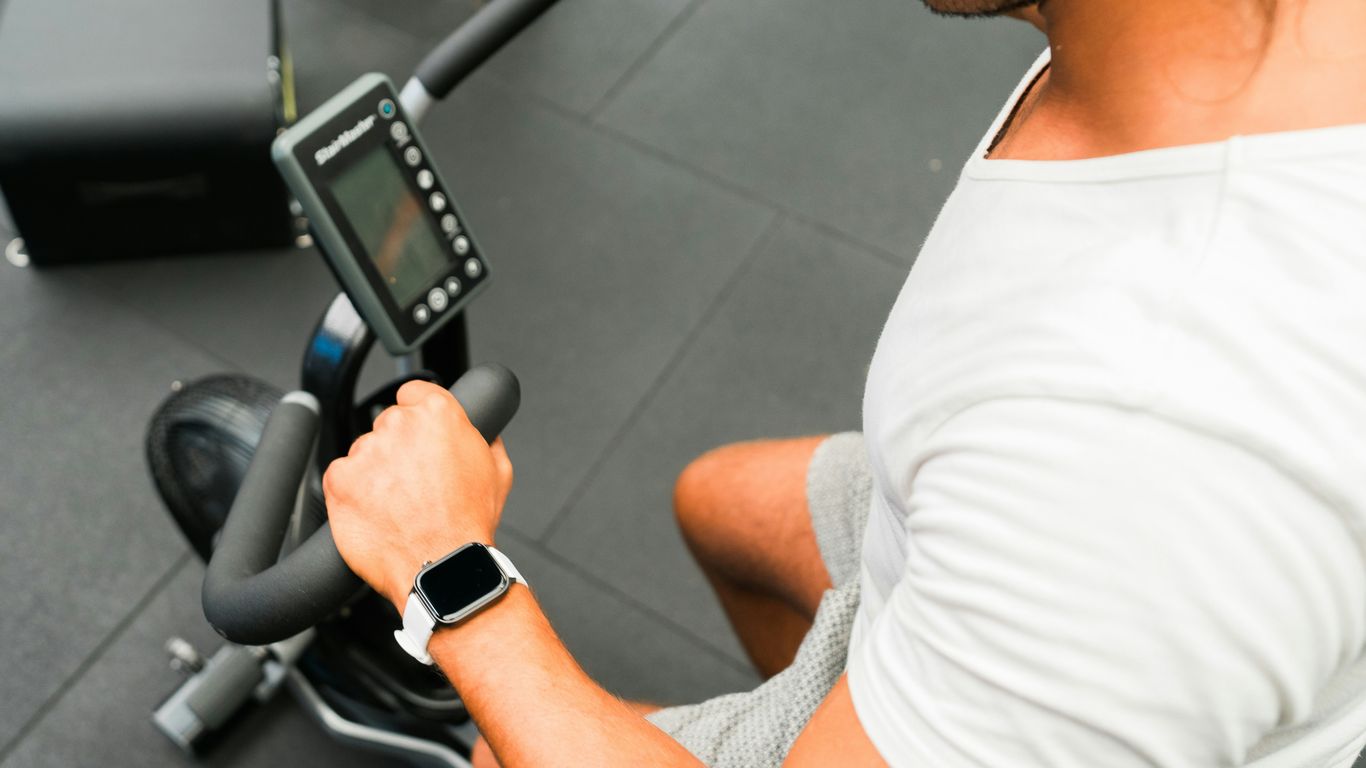
Gone are the days of relying solely on gut feelings and old-school coaching. Today, athletes and teams have access to a wealth of wearable data that can really guide effort and improve performance. It’s not about creating drama; it’s about using the information from your heart rate, steps, and sleep to make smarter decisions. This approach turns raw numbers into actionable insights, helping to prevent injuries and optimize training loads for better results.
Key Takeaways
- Wearable data, like heart rate variability (HRV), daily steps, and sleep quality, offers objective insights into an athlete’s condition and recovery.
- Translating this wearable data into actionable strategies can help prevent injuries and fine-tune training loads for peak performance.
- The “quantified athlete” era uses technology to change coaching methodologies, moving towards more data-driven decision-making.
- Advanced metrics and predictive models, which combine various data streams like HRV, sleep, and environmental factors, can forecast performance and injury risk.
- While wearable data is powerful, it should be used in conjunction with human instinct and coaching experience for the best outcomes.
Leveraging Wearable Data For Performance Insights
Gone are the days when coaches relied solely on gut feelings and stopwatch times. Today, wearable technology offers a window into an athlete’s physical state, turning sweat and effort into actionable data. It’s about moving beyond just tracking activity to truly understanding what that activity means for performance and well-being.
Understanding Heart Rate Variability (HRV) Trends
Heart Rate Variability, or HRV, is more than just a number on your watch; it’s a peek into your autonomic nervous system’s balance. A higher HRV generally suggests your body is well-rested and ready for stress, while a lower HRV might indicate fatigue or that you’re coming down with something. Paying attention to these trends, rather than just daily fluctuations, can be really telling.
- Look for trends over weeks, not just days. A single dip might not mean much, but a consistent downward trend could signal overtraining.
- Consider external factors. Poor sleep, travel, or even a stressful day at work can temporarily lower your HRV.
- Compare your HRV to your training load. Are you seeing a drop in HRV after a particularly tough workout? That’s normal. Is it dropping even on rest days? That’s a flag.
A consistent 2% drop in your overnight HRV compared to your baseline might be more significant than you think. It’s a subtle signal your body is asking for a break.
Tracking Daily Step Counts and Activity Levels
While it might seem basic, tracking your daily steps and overall activity provides a foundational understanding of your movement patterns. Are you hitting your targets consistently? Are there days where your activity drops significantly without a clear reason? This data helps paint a picture of your general lifestyle and energy expenditure outside of structured training.
- Establish a baseline: Know your average daily step count and active minutes.
- Identify patterns: Notice if your activity levels change with your training schedule or work demands.
- Use it as a context clue: Low step counts on a rest day are expected, but low counts on a planned hard training day might mean you’re not recovered enough.
Analyzing Sleep Quality and Recovery Metrics
Sleep is where the real gains happen, and wearables can offer insights into how well you’re recovering overnight. Metrics like time spent in different sleep stages (light, deep, REM), sleep duration, and sleep efficiency can highlight areas for improvement. Poor sleep quality can significantly impact your readiness for training and overall performance.
- Focus on consistency: Aim for a regular sleep schedule, even on weekends.
- Monitor sleep stages: Are you getting enough deep and REM sleep? These are vital for physical and mental recovery.
- Connect sleep to daytime feeling: Does a night of poor sleep correlate with feeling sluggish or performing worse in training the next day?
| Metric | What It Indicates |
|---|---|
| Sleep Duration | Total time asleep |
| Time in Deep Sleep | Physical restoration and growth |
| Time in REM Sleep | Cognitive function, memory consolidation |
| Sleep Efficiency | Percentage of time in bed actually asleep |
From Biometrics To Better Decisions

Okay, so you’ve got all this data from your wearable – heart rate, steps, sleep. It’s easy to just look at it and think, ‘Huh, interesting.’ But the real magic happens when you actually do something with it. This isn’t about just collecting numbers; it’s about turning those numbers into smart moves that actually help you perform better and stay healthy.
Translating Wearable Data Into Actionable Strategies
Think of your wearable data like a coach giving you feedback. If your sleep score is consistently low, that’s not just a number; it’s a signal that your body isn’t recovering properly. Maybe you need to adjust your bedtime, cut back on late-night screen time, or even dial back the intensity of your workouts for a few days. The goal is to make these metrics work for you, not just sit there.
Here’s a simple breakdown of how to start:
- Low Sleep Score: Consider reducing training intensity, focus on nutrition, and establish a consistent wind-down routine.
- High Step Count, Low HRV: This might mean you’re physically active but not recovering well. Look at stress levels outside of exercise, like work or personal life.
- Consistent HRV, Moderate Steps: This often indicates a good balance between training and recovery. Keep doing what you’re doing, but stay aware of any changes.
The Role of Data in Injury Prevention
This is where wearables really shine. Instead of waiting for an injury to happen, you can often see the warning signs in your data. For example, a sudden, sustained drop in your Heart Rate Variability (HRV) could indicate that your body is under significant stress, making you more susceptible to injury. Ignoring this could lead to a pulled muscle or worse.
Teams are now using this kind of data to predict when an athlete might be at risk. They look at patterns – maybe a player’s sleep quality dips, their HRV drops, and their perceived exertion goes up. That combination is a red flag. It’s like having a crystal ball for your body’s limits.
Optimizing Training Load With Objective Metrics
We all have those days where we feel like a superhero, ready to conquer the world. And then there are days when even getting out of bed feels like a marathon. Your wearable data helps you understand these fluctuations objectively. Instead of guessing how hard you should train, you can look at your recovery scores and daily readiness.
For instance, if your wearable suggests you’re not fully recovered, pushing through a high-intensity session might be counterproductive. It could lead to burnout or injury. On the flip side, if you’re consistently well-rested and your metrics are strong, you might be able to push a little harder and get more out of your training. It’s about finding that sweet spot where you’re challenging yourself without overdoing it.
The Quantified Athlete Revolution
It feels like just yesterday we were relying on gut feelings and old-school scouting reports. Now, sports are getting a serious tech upgrade. We’re talking about a whole new era where athletes are becoming walking data generators, and teams are using this information to get ahead. It’s not just about tracking steps anymore; it’s about understanding the intricate details of performance.
Embracing Technology for Athletic Advancement
Think about it: athletes are now equipped with devices that collect more information than a spy agency. These aren’t just fancy gadgets; they’re tools that paint a detailed picture of an athlete’s physical and mental state. From the intensity of a workout captured by GPS vests to the subtle stress signals picked up by heart rate monitors, technology is giving us unprecedented insight. This data allows for a much more precise approach to training and recovery. It’s like moving from a blurry photograph to a high-definition video of an athlete’s capabilities.
How Wearables Are Changing Coaching Methodologies
Coaches are no longer just strategists; they’re becoming data interpreters. Instead of just telling players to run harder, they can now look at objective metrics and tailor training plans. For example, if an athlete’s recovery scores are consistently low, a coach might adjust their training load or focus on specific drills. This shift means less guesswork and more targeted development. It’s about making sure every training session counts, based on what the data is telling us.
Here’s a quick look at how some teams are integrating this:
- GPS Tracking: Measures distance, speed, and acceleration during training and games.
- Biometric Sensors: Monitor heart rate, heart rate variability (HRV), and even sleep patterns.
- Video Analysis: AI-powered systems can track movement efficiency and decision-making speed.
The Rise of Predictive Analytics in Sports
This is where things get really interesting. By analyzing the vast amounts of data collected, teams are starting to predict outcomes. This could be anything from forecasting an athlete’s risk of injury to predicting how well they might perform under pressure. It’s about using past patterns to anticipate future performance. For instance, some systems analyze muscle fatigue patterns, much like financial analysts study market trends, to flag potential issues before they become serious problems. This proactive approach is a game-changer for athlete longevity and team success.
Advanced Metrics Beyond Basic Tracking
Exploring Neurological Stress Indicators
Forget just tracking your heart rate; we’re now looking at what’s happening inside the brain. Think EEG headsets, not just fancy watches. Teams are using these to see how players react during film sessions or even simulated game pressure. The idea is to measure brainwave activity, like alpha waves, to get a read on mental fatigue. It’s like trying to figure out if your quarterback is mentally fried before he even throws an interception. This isn’t about diagnosing medical conditions, but more about understanding cognitive load and how it might affect decision-making on the field. It’s about quantifying the mental game.
Utilizing Muscle Load Distribution Data
This goes beyond just knowing how many steps you took or how hard your heart worked. We’re talking about detailed biomechanical analysis. Wearables and motion capture systems can now track how force is distributed across different muscle groups during movements. For example, a football player’s tackling technique can be analyzed to see if too much stress is being put on their neck or shoulders. This kind of data helps pinpoint imbalances or inefficient movement patterns that could lead to injury down the line. It’s like having a super-detailed blueprint of every single movement you make.
Assessing Metabolic Efficiency Through Wearables
Metabolic efficiency is basically how well your body uses energy. While it’s a bit more complex to measure directly with typical wearables, some advanced systems are starting to get there. They might look at things like heart rate response to specific workloads, or even analyze breathing patterns. The goal is to understand if an athlete is burning fuel efficiently or if they’re wasting energy. This can inform nutrition strategies and training intensity. Imagine knowing if your body is running on premium or regular gas – that’s the kind of insight we’re aiming for here.
Here’s a quick look at what these advanced metrics can reveal:
- Neurological Stress: Measures brain activity to gauge mental fatigue and cognitive load.
- Muscle Load Distribution: Analyzes how force is spread across different muscles during movement to identify imbalances.
- Metabolic Efficiency: Assesses how effectively the body uses energy, impacting training and nutrition.
The real shift is from just tracking what happened to understanding why it happened and what might happen next. These advanced metrics are like turning up the resolution on your performance data, revealing finer details that can make a big difference.
Building Predictive Models With Wearable Data

Okay, so we’ve talked about the data itself, but how do we actually use it to get ahead? This is where building predictive models comes in. Think of it like this: instead of just knowing you slept poorly, you can predict how that poor sleep might affect your performance tomorrow, or even later this week. It’s about moving from reactive to proactive.
Combining HRV and Sleep Data for Recovery Scores
This is a pretty common starting point for predictive models. Your Heart Rate Variability (HRV) and your sleep quality are like two sides of the same coin when it comes to recovery. When you’re well-rested and your body is ready to go, your HRV usually looks a certain way – often higher and more stable. When you’re stressed, tired, or coming down with something, your HRV can dip. Combining these two gives you a more rounded picture than either one alone.
We can create a simple recovery score. Imagine a table like this:
| Sleep Score (1-10) | HRV Trend (vs. Baseline) | Recovery Score (1-10) |
|---|---|---|
| 8 | +5% | 9 |
| 4 | -10% | 3 |
| 6 | -2% | 5 |
This score isn’t just a number; it can help decide if you should push hard in training or take it easy. The goal is to make these scores tell a story about your readiness.
Integrating Environmental Factors Into Performance Models
Now, let’s get a bit more advanced. What if you’re training or competing in different conditions? You can’t just look at your body’s data in a vacuum. Things like temperature, humidity, and even altitude can significantly impact how your body performs and recovers.
For example, a hot and humid day will stress your body much more than a cool, dry one, even if your sleep and HRV look identical. So, we can add these environmental inputs into our models. This might look like adjusting the expected performance output based on the weather. A model might predict you’ll run a 5k in 20 minutes on a perfect day, but it might adjust that prediction down to 21 minutes if it’s 90 degrees with high humidity.
Here are some factors to consider:
- Temperature: Higher temps generally mean more physiological stress.
- Humidity: High humidity makes it harder for your body to cool itself.
- Altitude: Affects oxygen availability, impacting aerobic performance.
- Air Quality: Poor air quality can impair respiratory function.
The Power of Ensemble Models for Injury Prediction
This is where things get really interesting, especially for preventing injuries. Instead of relying on just one type of model, ensemble models combine the strengths of several different predictive approaches. Think of it like getting opinions from multiple experts before making a big decision.
For instance, one model might be great at spotting trends in your daily load, while another might be better at picking up subtle changes in your sleep patterns. By combining these, you can create a more robust prediction system. These models can look at a whole bunch of data points – your training load, your sleep, your HRV, maybe even how you’re feeling subjectively – and give you a probability score for injury risk over the next few days or weeks.
Building these models isn’t about replacing human intuition entirely. It’s about giving coaches and athletes better information to make smarter choices. When data points align across different models, it adds a layer of confidence to the prediction. It’s like having multiple witnesses confirm a story – you’re more likely to believe it.
These systems can flag potential issues before they become serious problems, helping athletes stay on the field and perform at their best.
The Biomarker Revolution In Load Tracking
Forget just counting steps or watching heart rates. We’re talking about a whole new level of insight into what’s really going on inside an athlete’s body. This is where biomarkers come into play, giving us a more direct look at stress, damage, and recovery.
Understanding Creatine Kinase (CK) Levels
Think of Creatine Kinase (CK) like a tiny alarm system for your muscles. When muscles get stressed or damaged, they release CK into your bloodstream. Tracking these levels can give coaches an early heads-up about potential issues before they turn into serious injuries. It’s like getting a notification that your car’s engine light is on, but for your hamstrings.
However, it’s not always a straightforward read. Things like your diet, your ethnicity, and even how much you slept the night before can affect CK levels. So, while it’s a powerful tool, it needs to be looked at alongside other data.
Using Cortisol as a Stress Load Indicator
Cortisol is often called the "stress hormone." When athletes are under a lot of physical or mental pressure, their cortisol levels can spike. Monitoring this can help coaches understand the overall stress load an athlete is carrying, not just from training, but from life outside of sports too. Travel, personal issues, or even just a tough exam week can all impact cortisol.
This metric is tricky because it’s influenced by so many external factors. A spike might not always mean overtraining; it could be a bad night’s sleep or a long flight. It’s about looking for patterns and understanding the context.
HRV as a Benchmark for Recovery
We’ve touched on Heart Rate Variability (HRV) before, but it’s worth repeating its importance here. HRV is a fantastic benchmark for how well your body has recovered. A higher HRV generally means your nervous system is balanced and ready for action, while a lower HRV can signal fatigue or stress. It’s a direct window into your readiness to perform.
However, HRV can be a bit noisy. Things like drinking alcohol the night before, poor sleep quality (even if you slept long enough), or even just being sick can throw your HRV off. It’s why combining HRV with other biomarkers and subjective athlete feedback is so important for a complete picture.
Actionable Insights From Your Data
Okay, so you’ve got all this data from your wearables – HRV, steps, sleep. That’s great, but what do you actually do with it? It’s not just about collecting numbers; it’s about using them to make smarter choices. Think of it like this: your tracker is giving you a heads-up, but you’re the one who has to decide what to do with that information.
Adjusting Training Load Based on HRV Trends
Your Heart Rate Variability (HRV) is a pretty good indicator of how recovered you are. If your HRV is consistently lower than your usual baseline, it’s a sign your body is stressed, maybe from hard training, poor sleep, or just life in general. Pushing hard when your HRV is low is a recipe for burnout or injury. So, what’s the move?
- Low HRV: Dial back the intensity. Maybe swap that hard interval session for an easy recovery ride or a complete rest day. It’s not about being lazy; it’s about being smart.
- Normal HRV: Stick to your planned training. Your body is ready for the challenge.
- High HRV: This might be a good day to push a little harder, but don’t go crazy. Listen to your body; high HRV doesn’t automatically mean you can double your workout.
It’s a simple feedback loop: low HRV means less stress, normal means proceed, and high means you might have a little extra in the tank.
Redesigning Drills to Target Weaknesses
Wearable data can also highlight specific areas where you might be struggling. For example, if your GPS data shows you’re consistently slower on one side of the field during drills, or if your movement analysis points to imbalances, it’s time to adjust.
Let’s say your data shows a significant drop-off in speed during the last 10 minutes of a practice session, and your sleep data from the previous night was poor. This isn’t just a random slump; it’s a signal.
| Metric | Baseline Performance | Post-Drill Performance | Insight |
|---|---|---|---|
| Sprint Speed (m/s) | 8.5 | 7.2 | Significant drop in speed |
| Agility Test (s) | 4.5 | 5.1 | Slower reaction and change of direction |
| Perceived Exertion | 7/10 | 9/10 | High fatigue reported |
Based on this, instead of just doing more sprints, you might redesign a drill to focus on shorter bursts with more recovery, or incorporate exercises that specifically target the muscle groups showing fatigue. Maybe it’s time to work on your weak side, or focus on drills that improve your ability to maintain speed when tired.
Implementing Cognitive Training for Faster Decisions
Performance isn’t just physical. Your brain needs training too! Some wearables and associated apps can track reaction times or cognitive load during specific tasks. If your data suggests your decision-making slows down under pressure or fatigue, it’s time to train your brain.
This could involve:
- Reaction Drills: Using apps that flash lights or sounds and require a quick response.
- Visual Search Tasks: Practicing identifying specific targets quickly in complex visual fields.
- Scenario-Based Simulations: Working through simulated game situations that demand rapid choices.
The goal here is to build mental resilience and speed, so your brain can keep up with your body, even when things get tough. It’s about making sure your mind is as sharp as your physical conditioning.
Turning raw numbers into these kinds of adjustments is where the real magic happens. It’s about moving from just tracking to actively improving.
Customizing Wearable Data For Your Sport

Tailoring Tech Stacks to Athlete Needs
Look, not all sports are created equal, and neither are the athletes who play them. Trying to slap the same data-tracking setup on a marathon runner and a powerlifter is like trying to use a screwdriver as a hammer – it just doesn’t work right. You’ve got to think about what actually matters for your specific sport. For example, a basketball team might be all over player load and fatigue, tracking things like jump height and sprint distances. Meanwhile, a swimmer’s team might focus more on stroke efficiency and heart rate during intense sets. It’s about picking the right tools for the job, not just grabbing the shiniest new gadget.
Recruitment Modeling Based on Biometrics
This is where things get really interesting. Beyond just looking at a player’s stats on paper, we can now use biometric data to help predict their potential and even their risk of injury. Think about it: a college football team might look at a recruit’s movement patterns and muscle activation during specific drills to see if they have the biomechanical makeup to handle the game’s impact. Or an Olympic bobsled coach might focus on a candidate’s explosive power output. It’s about building a more complete picture of an athlete’s physical capabilities and durability before they even join the team. This kind of data can help identify hidden gems or flag potential issues early on.
Comparing Data Strategies Across Different Sports
What works for one sport might be totally irrelevant for another. Take baseball, for instance. Teams might be looking at how humidity affects a pitcher’s grip or how wind impacts fly balls. They’re digging into environmental factors that subtly change the game. Now, compare that to a soccer team. They might be more concerned with how the moisture on the grass affects passing accuracy or how temperature influences substitution patterns. It’s not just about tracking steps or heart rate anymore; it’s about understanding the unique environmental and physical demands of each sport and tailoring your data collection and analysis accordingly. It’s a constant process of figuring out what data points give you the biggest edge.
Here’s a quick look at how different sports might prioritize data:
| Sport | Key Focus Areas | Potential Data Points |
|---|---|---|
| Baseball | Pitcher grip, ball trajectory, endurance | Humidity, wind speed, pitch count, HRV, temperature |
| Basketball | Player load, fatigue, explosive power | Jump height, sprint distance, acceleration, sleep quality |
| Soccer | Passing accuracy, substitution timing, fatigue | Grass moisture, temperature, HRV, GPS tracking |
| Endurance Running | Aerobic capacity, recovery, injury prevention | VO2 max, running economy, HRV, sleep, cadence |
Data Efficiency In Modern Sports Analytics
Moving Beyond Manual Data Crunching
Remember those days of coaches buried under stacks of paper, highlighters in hand, trying to make sense of game footage and stats? Yeah, that’s pretty much a relic of the past. Teams are drowning in data, but the real challenge isn’t collecting it; it’s making it useful without taking forever. Manual analysis is like trying to win a Formula 1 race with a horse and buggy. It’s slow, it’s prone to errors, and frankly, it’s just not cutting it anymore. We need systems that can process information faster than a rookie quarterback under pressure, turning raw numbers into clear, actionable insights.
Automating Performance Insights for Coaches
Think of it like this: instead of a coach spending hours tagging video clips, an automated system can do it in minutes, identifying patterns that might otherwise be missed. Tools are emerging that can analyze everything from player movement to physiological responses, spitting out reports that coaches can actually use during the week, not weeks after the game. This isn’t about replacing coaches; it’s about giving them superpowers. Imagine an AI that can predict an opponent’s next play with high accuracy, or flag a player showing early signs of fatigue before they even feel it. That’s the kind of efficiency we’re talking about.
The Importance of Injury Risk Prediction Modeling
This is where data efficiency really shines. When you can process vast amounts of biometric data – things like heart rate variability, sleep patterns, and even muscle load – quickly and accurately, you can start to predict injuries before they happen. Instead of reacting to an injury after it occurs, teams can proactively adjust training loads or implement targeted recovery strategies. This not only keeps players on the field but also saves the team significant costs and disruption. It’s about moving from a reactive approach to a predictive one, all thanks to smarter data handling.
Here’s a quick look at how different data points can contribute to predicting risk:
| Data Point | Potential Risk Indicator |
|---|---|
| Decreased HRV | Reduced recovery, increased physiological stress |
| Poor Sleep Quality | Impaired muscle repair, cognitive function decline |
| High Acute Training Load | Overexertion, increased chance of soft-tissue injury |
| Sudden Drop in Speed | Fatigue, potential muscle strain |
| Elevated Muscle Soreness | Overuse, increased biomechanical inefficiency |
The goal is to create a data pipeline that’s as robust and reliable as a seasoned veteran. It needs to handle the unexpected, like weather changes or equipment glitches, without breaking down. This means building systems that are not only fast but also resilient and adaptable to the messy reality of sports.
We’re seeing organizations move from basic spreadsheets to sophisticated data warehouses that can handle thousands of data points per athlete daily. This includes everything from on-field performance metrics to environmental factors like temperature and humidity, which can significantly impact how an athlete performs and recovers. It’s a complex puzzle, but solving it leads to smarter training, fewer injuries, and ultimately, better performance.
Ensuring Fairness and Transparency in Algorithms
It’s easy to get caught up in the shiny new tech, right? We’re all excited about how wearables and fancy algorithms can help athletes perform better. But we gotta talk about making sure these tools are fair for everyone. Think about it: if the data we feed these systems is skewed, the results will be too. That’s like trying to build a championship team with a scouting report that only lists players from one neighborhood. We need to be really careful about that.
Addressing Model Bias in Athlete Data
So, what’s the deal with bias in these algorithms? Basically, it means the system might unfairly favor or penalize certain athletes without good reason. This can happen for a bunch of reasons. Maybe the data used to train the algorithm didn’t include enough athletes from different backgrounds, or perhaps it accidentally picked up on subtle patterns that reflect existing societal biases. It’s like a referee who’s unconsciously a bit harder on players wearing a certain color jersey. We’ve seen cases where AI models, trained mostly on data from one group of athletes, struggle to accurately assess players from other groups. This isn’t just a minor glitch; it can affect player development, recruitment, and even game outcomes.
- Demographic Distortions: If the training data doesn’t represent the full diversity of athletes, the model might not work well for underrepresented groups. For example, a system trained primarily on data from lighter-skinned athletes might misinterpret biomechanical data from darker-skinned athletes.
- Positional Stereotyping: Algorithms can sometimes fall into traps, assuming certain body types or skill sets are required for specific positions, limiting opportunities for athletes who don’t fit the mold.
- Confirmation Bias Loops: If a model is built on existing scouting opinions, it can just end up reinforcing those opinions, even if they’re not entirely accurate.
Explaining AI Insights to Coaches and Players
Okay, so we’ve got these algorithms spitting out insights. That’s cool, but what do they actually mean? It’s super important that coaches and athletes can understand why the AI is suggesting something. If a coach gets a recommendation to change a player’s training based on an algorithm, they need to know the reasoning behind it. Just saying "the AI said so" isn’t going to cut it. We need systems that can explain their logic in a way that makes sense, bridging the gap between complex data and practical application. It’s about building trust, not just blindly following a computer.
When AI provides recommendations, it should be able to show its work. This means offering clear explanations, perhaps even highlighting the specific data points that led to a conclusion. This transparency helps coaches and athletes make informed decisions, rather than just accepting a black-box output.
The Hybrid Intelligence of Data and Instinct
Ultimately, technology is a tool, not a replacement for human judgment. The best approach combines the objective insights from wearables and algorithms with the experience and intuition of coaches and athletes. Think of it as a partnership. The data can point out trends or potential issues that might be missed, but the human element is still needed to interpret those findings in the context of the individual athlete, the team’s goals, and the specific sport. It’s about using data to inform decisions, not dictate them. This blend of data-driven analysis and human expertise is where the real magic happens, leading to smarter training, better performance, and fewer injuries.
Here’s a look at how this hybrid approach can work:
- Data Flagging: Wearables and algorithms identify potential issues, like a dip in HRV or an unusual spike in workload.
- Human Interpretation: Coaches and athletes review the flagged data, considering the athlete’s subjective feelings, recent training, and external factors.
- Collaborative Decision-Making: Based on both the data and human insight, adjustments are made to training, recovery, or strategy.
- Feedback Loop: The impact of these adjustments is monitored, further refining the process.
Making sure algorithms are fair and clear is super important. We need to understand how they make decisions so everyone gets treated right. Want to learn more about how we’re working towards this? Visit our website to see our latest updates and how you can get involved.
Data, Not Drama: Your Wearable’s Next Move
So, we’ve looked at how heart rate variability, steps, and sleep aren’t just numbers on a screen. They’re actually pretty useful signals for figuring out how hard you should push yourself. Think of your wearable like a coach that doesn’t yell – it just gives you the facts. It’s not about obsessing over every little dip or spike, but about using that info to make smarter choices day-to-day. Combine what your watch tells you with how you actually feel, and you’ll probably find that sweet spot between doing enough and doing too much. That’s where real progress happens, without all the unnecessary drama.
Frequently Asked Questions
What is HRV and why should I care about it?
HRV stands for Heart Rate Variability. Think of it as a way to see how ready your body is for action. A higher HRV usually means your body is well-rested and ready to go. A lower HRV might mean you’re tired or stressed. Using this info helps you know if you should push hard in training or take it easy.
How do daily steps help athletes?
Tracking your steps is a simple way to see how active you are throughout the day. Even if you’re not doing a formal workout, walking adds up! For athletes, it helps make sure you’re getting enough general movement, which is important for overall fitness and can even help prevent injuries by keeping your body moving.
Why is sleep so important for performance?
Sleep is when your body does its best repair work. It’s like charging your phone overnight. Good sleep helps your muscles heal, your brain rest, and makes you sharper for your next training session or game. Not getting enough quality sleep can make you tired, slow your reactions, and increase your risk of getting hurt.
Can a smartwatch really help prevent injuries?
Yes, it can! By looking at data like your HRV, sleep patterns, and how much you move, these devices can give clues if you’re pushing too hard or not recovering enough. This helps coaches and athletes make smart choices about training load, which can stop injuries before they happen.
What does ‘data-driven decisions’ mean in sports?
It means using information gathered from tracking devices and other tools, instead of just guessing, to make choices about training, playing time, and recovery. It’s like using a map to find the best route instead of just driving around hoping to get there.
Are these wearable devices accurate enough to trust?
Many modern wearables are very accurate, especially when used consistently. While no device is perfect, they provide valuable trends over time. The key is to look at the patterns and how the data changes for you personally, rather than focusing on tiny daily changes.
How can I use my wearable data if I’m not a pro athlete?
Even if you’re not competing at a high level, your wearable data can help you train smarter. You can learn when to push yourself, when to rest, and how your sleep affects your energy. It’s a personal guide to help you reach your fitness goals safely and effectively.
What’s the difference between ‘data’ and ‘drama’ in sports?
The ‘drama’ is the emotional or impulsive side of sports – making decisions based on feelings or hype. ‘Data’ is using actual numbers and facts from your body and performance to make logical, informed choices. The article suggests using data to guide your efforts, rather than just reacting to emotions or situations.