Love My Weight

Exam Week Food: focus plates and gentle treats

Exam week can feel like a marathon, and just like any endurance event, what you eat really matters. It’s not about fancy diets or restrictive eating; it’s about making smart choices that keep your brain fueled and your body steady. Good exam week food can mean the difference between feeling sharp and focused, or sluggish and stressed. Let’s talk about how to fuel up right, with meals that help you concentrate and treats that offer a little comfort.

Key Takeaways

  • Balanced meals with complex carbs, protein, and healthy fats are key for sustained energy and focus during study sessions and exams.
  • Strategic hydration with water is vital for cognitive function; sip steadily throughout the day, especially before and during breaks.
  • Avoid sugary snacks, energy drinks, and heavy, greasy foods that can lead to energy crashes and indigestion.
  • Pack familiar, easy-to-digest snacks like fruit, nuts, or protein bars for breaks, and consider smoothies or pouches if appetite is low.
  • Planning your exam week food ahead of time, including packing a snack kit, helps manage stress and ensures you have nourishing options readily available.

Strategic Fueling for Exam Week Food

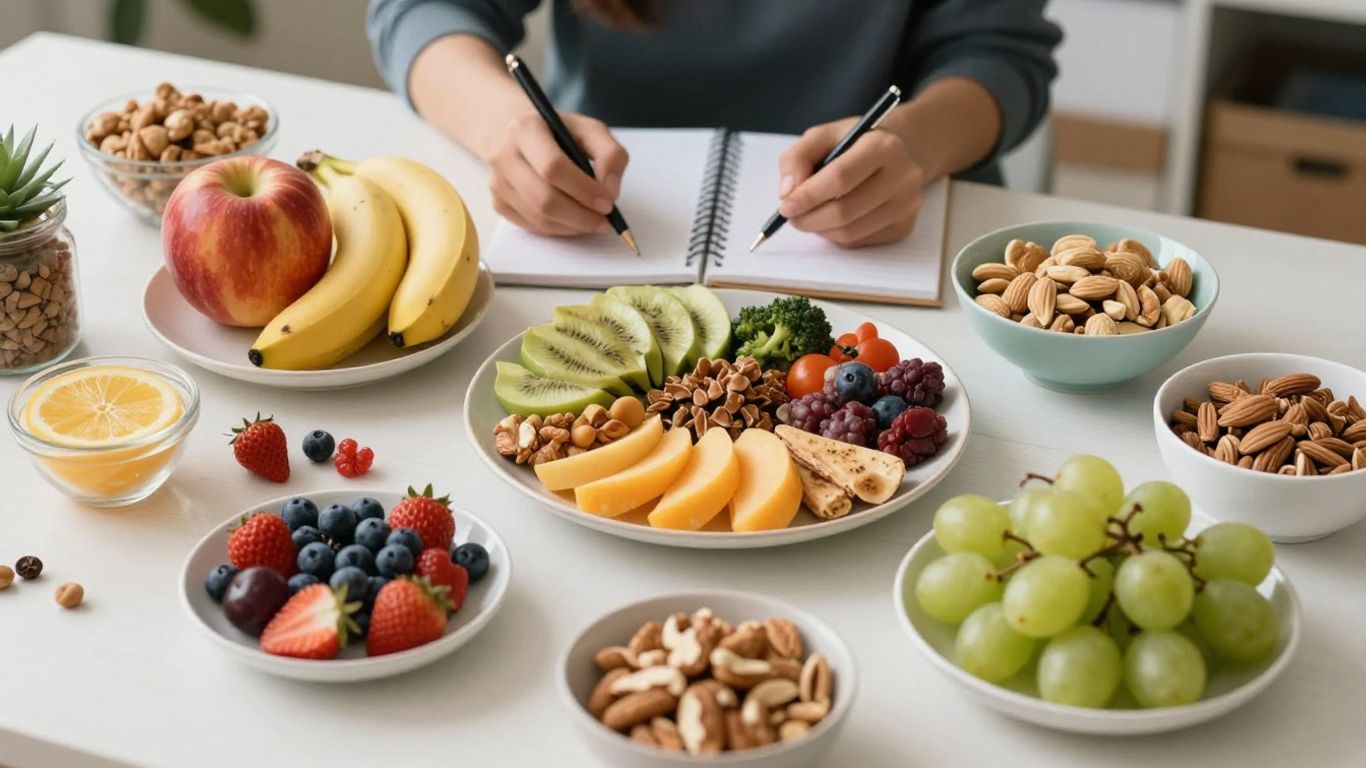
Healthy food and snacks for exam week study.

Understanding the Impact of Nutrition on Cognitive Performance

Exam week can feel like a marathon, and just like any endurance event, what you eat makes a big difference. Your brain needs the right fuel to perform at its best. Think of it like putting premium gas in a race car – it just runs better. Proper nutrition isn’t just about feeling full; it’s about giving your brain the steady energy and nutrients it needs to focus, remember information, and solve problems. When you eat well, you’re setting yourself up for clearer thinking and less mental fatigue. It’s about making smart choices that support your academic goals.

The Role of Balanced Meals in Sustained Energy

Ever hit that afternoon slump where your eyelids feel heavy and your brain feels foggy? That’s often a sign of an energy crash, and it’s usually linked to what you ate earlier. Balanced meals are key to avoiding this. They combine different types of nutrients – like proteins, healthy fats, and complex carbohydrates – which your body digests slowly. This slow release of energy keeps your blood sugar levels stable, meaning you get a consistent supply of fuel to your brain. This sustained energy helps you stay alert and focused for longer study sessions or during those crucial exam moments.

Here’s a quick look at what makes a meal balanced:

  • Lean Proteins: Think chicken, fish, beans, or tofu. They help with alertness and satiety.
  • Complex Carbohydrates: Whole grains, vegetables, and fruits provide steady energy.
  • Healthy Fats: Found in avocados, nuts, and seeds, these support brain function.

Avoiding Energy Crashes with Smart Food Choices

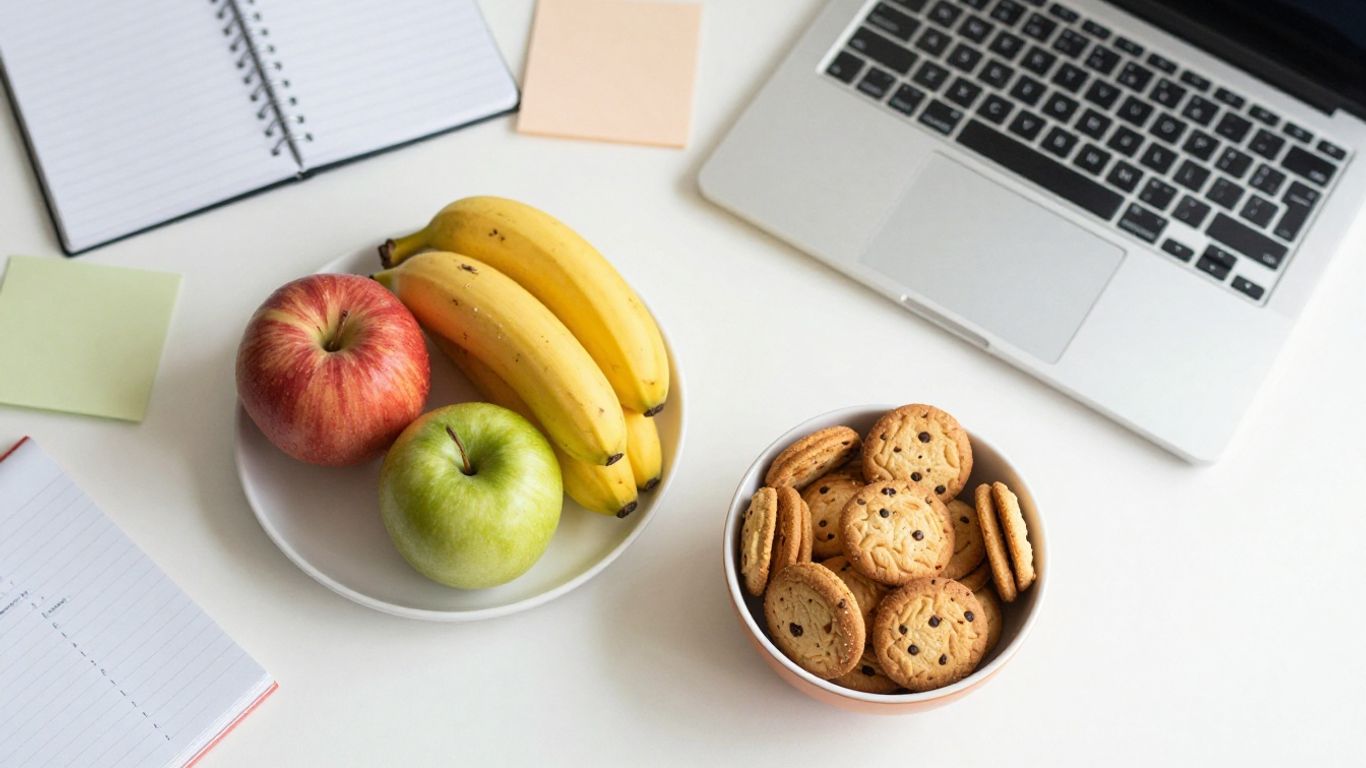
Energy crashes are the enemy of productive study time. They happen when your blood sugar spikes rapidly, usually from sugary foods or refined carbs, and then plummets just as quickly. To steer clear of these crashes, focus on foods that offer a slow, steady release of energy. This means opting for whole, unprocessed foods whenever possible. Instead of a candy bar, grab a handful of almonds. Instead of white bread, choose whole-wheat toast. These choices might seem small, but they add up to a significant difference in how long you can maintain focus and avoid that dreaded feeling of mental exhaustion.

Making conscious food choices during exam week is an act of self-care that directly impacts your academic performance. It’s about being proactive rather than reactive to your body’s energy needs.

Morning Meal Essentials for Peak Performance

Optimal Timing for Your Pre-Exam Breakfast

Starting your day with the right fuel can make a big difference when you’re facing exams. For many, breakfast is the most important meal to get the brain going. The goal is to provide steady energy, not a quick sugar rush that leads to a crash later. Think about when your exam is scheduled. If it’s an early morning test, you might need to wake up a bit earlier than usual to give yourself enough time to eat without feeling rushed. Eating about 60 to 90 minutes before you need to leave for your exam is often a good window. This allows your body time to digest and absorb the nutrients, so you’re not feeling heavy or uncomfortable when you sit down to test.

Balanced Breakfast Ideas for Steady Energy

When choosing what to eat, aim for a mix of protein, healthy fats, and complex carbohydrates. This combination helps keep your blood sugar levels stable, which means sustained energy and better focus. Forget sugary cereals or pastries; they’ll likely lead to a slump. Instead, consider options like:

  • Scrambled eggs with a side of avocado and a slice of whole-grain toast.
  • Greek yogurt topped with a handful of berries and some chopped nuts or seeds.
  • Oatmeal made with milk or water, mixed with a spoonful of almond butter and some sliced banana.

These meals provide the building blocks your brain needs to perform at its best throughout the morning.

Light Yet Nourishing Options for Early Starts

Sometimes, especially for very early exams, a big meal might feel overwhelming. In these cases, lighter options can be just as effective. The key is still balance, even in smaller portions. A banana with a small amount of peanut butter offers quick energy from the fruit and sustained release from the nut butter. A small container of plain yogurt with a few berries is also a good choice, providing protein and antioxidants without being too heavy. If you’re feeling particularly sensitive, plain crackers or a small piece of fruit can be a gentle way to start the day. Remember, the aim is to provide your brain with what it needs without causing any digestive discomfort.

Mid-Test Break: Refueling for Focus

Okay, so you’ve made it through the first part of your exam. That break is your golden ticket to recharge. It’s not just about shoving some food in your face; it’s a strategic pause. Think of it as a pit stop for your brain. You want to come out of it feeling refreshed, not sluggish or more stressed than when you went in.

Strategic Snack Timing During Breaks

When that break bell rings, don’t immediately grab your snack. Give yourself a minute or two. Maybe take a few deep breaths, stretch your legs, or just look away from your test materials. Then, about 5-10 minutes into your break, have your snack. This gives your body a little time to start processing it before you have to dive back into the exam. The rest of your break time? Use it to hydrate and mentally reset. Seriously, try to avoid looking at your notes or phone. Just breathe.

Quick Top-Up Options for Energy Restoration

What you eat during this short window matters. You need something that gives you a quick but steady energy boost without causing a sugar crash later. Think of easily digestible carbs paired with a little protein or healthy fat. This combination helps keep your blood sugar stable.

Here are some ideas:

  • Fruit: Bananas are fantastic – they’re packed with potassium and easy to eat. Apples or clementines work well too.
  • Bars: Look for granola bars or protein bars that aren’t loaded with sugar. Check the labels!
  • Simple Carbs: Rice cakes with a packet of almond or peanut butter offer a good mix of quick energy and sustained release.
  • Dairy/Alternatives: A small container of Greek yogurt or a cheese stick can provide protein.

Hydration and Light Energy Boosts

Don’t forget to drink! Staying hydrated is super important for keeping your brain sharp. Water is your best bet. Sip it steadily during your break. If plain water feels a bit boring, consider adding a few slices of fruit like lemon or cucumber to your bottle beforehand. Herbal teas, like peppermint or chamomile, can also be calming and hydrating, but make sure you’re used to them and they don’t make you feel too relaxed.

The goal here isn’t to eat a full meal. It’s about providing just enough fuel to keep your cognitive engines running smoothly until the end of the exam. Small, smart choices make a big difference.

Gentle Treats for Nerves and Low Appetite

Exam week can really mess with your stomach, right? One minute you’re starving, the next you can barely think about food. When nerves hit hard or your appetite just isn’t there, it’s important to have some easy-to-handle options. These aren’t about big energy boosts, but more about providing a little comfort and sustenance without overwhelming your system.

Digestible Options for Sensitive Stomachs

When your stomach feels a bit off, the last thing you want is something heavy or hard to break down. Think simple and bland. Plain crackers, like saltines or rice cakes, are a classic for a reason – they’re easy on the stomach and can absorb some acidity. Cooked cereals, such as cream of wheat or oatmeal, are also good choices. They’re soft, warm, and provide a bit of energy without being too much. Even a simple broth-based soup can be soothing and hydrating.

Smoothies and Pouches for Easy Consumption

Sometimes, chewing feels like too much effort. That’s where smoothies and pre-packaged pouches come in handy. You can pack a lot of nutrition into a smoothie – think yogurt or a plant-based alternative, some soft fruit like banana or berries, and maybe a spoonful of nut butter for a little protein. Applesauce pouches or fruit puree pouches are also great because they require no preparation and are easy to consume discreetly. These are fantastic for getting some nutrients in when you’re really not feeling up to a full meal.

The Comfort of Familiar, Simple Foods

During stressful times, familiar foods can be incredibly comforting. This isn’t the time to try that exotic new recipe. Stick to what you know and what your body likes. This could be a piece of plain toast, a small bowl of cottage cheese, or even just a few bites of a soft-cooked egg. The goal is to provide a sense of normalcy and gentle nourishment. These simple comforts can act as a small ritual, offering a moment of calm amidst the exam chaos.

Brain-Boosting Snacks for Study Sessions

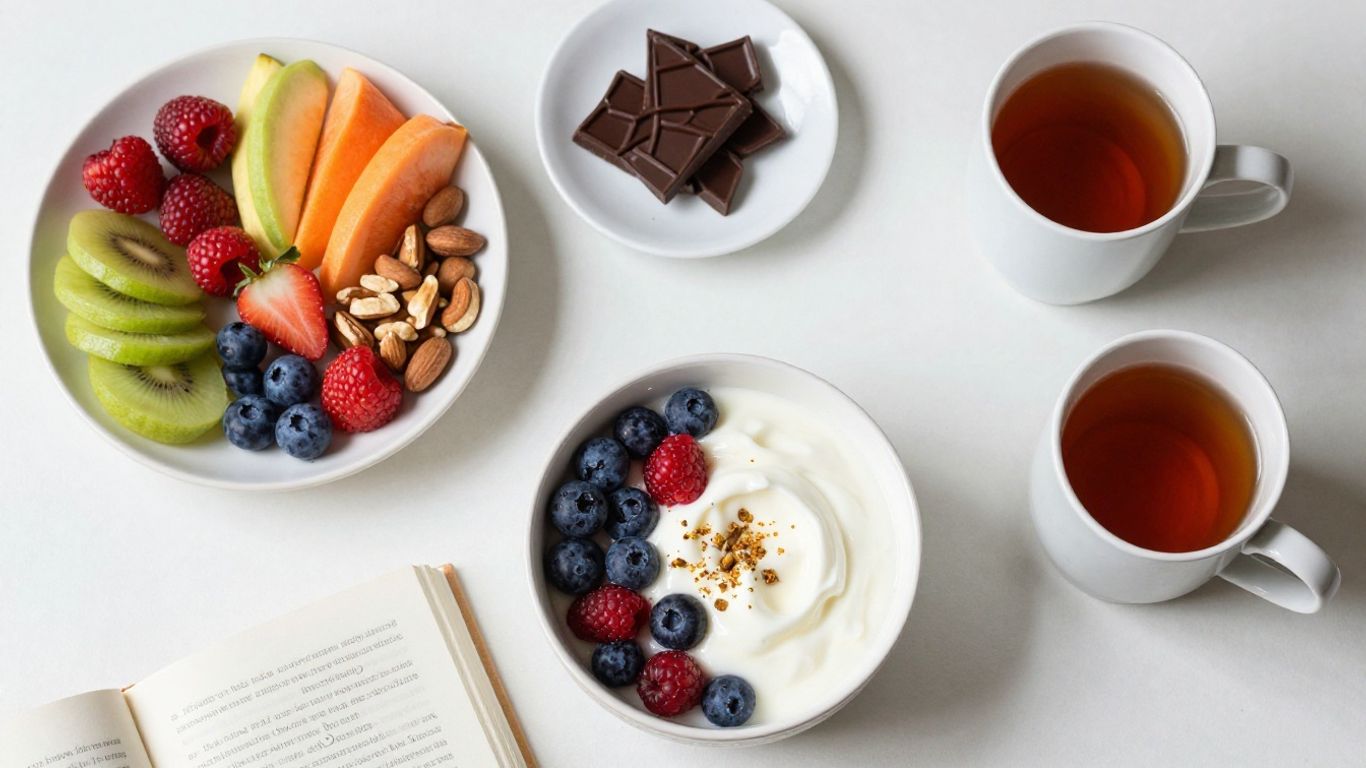
Healthy snacks and drinks for exam week study sessions.

Sustained Focus Through Protein and Healthy Fats

When you’re deep into studying, especially for long stretches, your brain needs a steady supply of fuel. Think of it like keeping a car running smoothly – you don’t want it sputtering or running on fumes. Snacks that combine protein and healthy fats are your best bet for this. They digest slower than simple carbs, meaning they release energy over a longer period. This helps prevent those dreaded energy crashes that can derail your focus right when you need it most. Aim for snacks that offer a good mix of these elements to keep your mind sharp and alert.

Nutrient-Dense Staples for Your Pantry

Having the right stuff on hand makes all the difference. When hunger strikes during a study session, you want to reach for something that actually helps, not hinders. Keeping your pantry stocked with things like nuts (almonds, walnuts), seeds (pumpkin, chia), whole-grain crackers, hard-boiled eggs, and maybe some Greek yogurt means you’re always prepared. These aren’t just quick fixes; they’re packed with vitamins, minerals, and the good stuff your brain needs to function well. It’s about making smart choices easy.

Portable Snacks for On-the-Go Learning

Let’s be real, sometimes you’re studying between classes, on the bus, or just can’t get back to your desk. That’s where portable snacks come in. Think about things you can easily grab and eat without making a mess. Fruit like apples or bananas, a small bag of trail mix, or pre-portioned cheese sticks are great. Even a simple protein bar can be a lifesaver. The key is having something readily available so you don’t end up grabbing whatever’s convenient but not so good for you.

Here are some ideas for your study snack stash:

  • Nuts and Seeds: A handful of almonds or walnuts offers healthy fats and protein. Walnuts are particularly good for brain health.
  • Fruit: Berries (like blueberries) are packed with antioxidants. Apples and bananas provide natural sugars for quick energy.
  • Hard-Boiled Eggs: Easy to prep ahead, they’re a great source of protein and choline.
  • Whole-Grain Crackers with Cheese: A good balance of complex carbs and protein.
  • Dark Chocolate (70% cocoa or higher): Contains flavonoids that can help with focus and mood. Pair with a few almonds for balance.

When choosing snacks, think about what will give you sustained energy rather than a quick sugar rush. The goal is to keep your brain fueled consistently, not to give it a temporary jolt followed by a slump. This means looking for options that include protein, healthy fats, and complex carbohydrates.

Hydration Strategies for Cognitive Clarity

The Importance of Steady Water Intake

Think of your brain like a high-performance engine; it needs the right fuel and, just as importantly, the right coolant. Water is that coolant. Even a little bit of dehydration can make it feel like your brain is running on fumes. You might notice it’s harder to focus, your thoughts feel a bit fuzzy, and that sharp recall you need for exams just isn’t there. It’s not about chugging gallons all at once, but about keeping a steady flow throughout the day. This consistent intake helps maintain optimal brain function, keeping you alert and ready to tackle those study sessions or the exam itself.

Timing Your Sips for Optimal Hydration

When you drink water matters, especially around exam times. Aim to drink a decent amount in the couple of hours before your test – maybe around 12 to 20 ounces. Then, just a small sip right before things get serious can be helpful. The key is to avoid chugging a huge amount right before you need to concentrate, as that often leads to inconvenient restroom breaks. During any breaks you might get, take another good drink, about 8 to 12 ounces. It’s about staying ahead of thirst, not playing catch-up.

Beyond Water: Infused Options and Herbal Teas

Plain water is fantastic, no doubt. But if you find yourself getting bored or just want a little something extra, there are other good choices. Herbal teas, like peppermint or chamomile, can be really refreshing and offer hydration without caffeine jitters. Some people find that a bit of lemon, cucumber, or mint infused into their water makes it more appealing. These options can add a subtle flavor boost while still keeping you properly hydrated and your mind clear. Just steer clear of sugary drinks; they tend to cause more problems than they solve when it comes to sustained focus.

Foods to Avoid During Exam Periods

Resisting Sugary Spikes and Energy Drink Crashes

It’s tempting to reach for quick fixes when you’re feeling the pressure, but sugary snacks and energy drinks can actually work against you. While they might offer a temporary jolt, the inevitable crash that follows can leave you feeling more drained and unfocused than before. Think of it like a quick burst of fuel that burns out too fast, leaving your engine sputtering. Instead of relying on these quick fixes, aim for foods that provide a more steady release of energy.

Steering Clear of Indigestion-Causing Foods

Exam week is not the time to experiment with foods that might upset your stomach. Heavy, greasy, or overly spicy meals can lead to discomfort and distraction, pulling your focus away from your studies or the exam itself. You want your body to be a calm, supportive environment for your brain, not a source of distraction. Stick to familiar, easily digestible foods that you know agree with you.

The Pitfalls of Experimenting with New Foods

This is a period where consistency is key. Trying new foods, supplements, or even just a different meal plan right before or during exams can have unpredictable results. Your body might react in unexpected ways, leading to digestive issues, allergic reactions, or simply feeling

Packing Your Exam Week Food Kit

Getting ready for exams means thinking about more than just your notes. What you bring with you to the testing center can make a real difference. Having a well-prepared kit means you won’t be caught off guard by hunger or a sudden energy dip. It’s about having reliable fuel ready to go, so you can stay focused on what matters.

Essential Items for Your Snack Bag

Think of your snack bag as your personal pit stop. It should contain items that are easy to access, won’t make a mess, and provide the energy you need. The goal is simple, effective refueling.

  • Water Bottle: A reusable one is great, just make sure it’s empty if the testing center requires you to fill it after check-in. Staying hydrated is key.
  • Clear, Resealable Bag: This is for your snacks. If you have allergies, labeling it clearly is a good idea.
  • Small, Non-Audible Watch: Useful for keeping track of time without distracting others.
  • Any Required Medication: Keep this in a clear bag, especially if the center has specific rules.

Travel-Friendly Fruit and Protein Bars

When you’re on the move or need something quick, portable options are a lifesaver. These items are easy to pack and eat without much fuss.

  • Fruit: Bananas are a classic choice – they’re easy to peel and provide natural sugars for energy. Apples are good too, but maybe pre-slice them if you want to avoid any crunching noise.
  • Nut Butter Packets: These are fantastic because they’re mess-free and packed with protein and healthy fats. They pair well with crackers or just on their own.
  • Protein or Granola Bars: Look for ones with a good balance of protein, fiber, and complex carbs. Avoid those loaded with sugar, as they can lead to a crash later.

Ensuring Allergen Safety and Clear Labeling

This is super important, not just for your own peace of mind but for others too. If you have allergies or dietary restrictions, clear labeling is your best friend.

If you have any food allergies or require specific items for medical reasons, make sure everything is clearly labeled. This helps you stay safe and also informs test center staff if they need to be aware. It’s a small step that can prevent big problems.

Here’s a quick rundown of what to consider:

  • Allergy Information: If you have severe allergies, consider having a small card with the details in your snack bag.
  • Labeling Snacks: Even if it’s just your own bag, labeling items can help you quickly identify what you’re grabbing, especially if you’re feeling stressed.
  • Test Center Rules: Always check the specific rules for your testing center regarding outside food and drink. Some might have restrictions on what you can bring in.

Mindful Eating and Stress Management

Using Food as a Ritual for Calm

Exam time can feel like a whirlwind, and it’s easy to let eating become just another task to rush through, or worse, a source of added stress. But what if you could turn your meals and snacks into small moments of peace? Think of preparing and eating your food not just as fuel, but as a deliberate pause in your day. This isn’t about fancy cooking; it’s about intention. Maybe it’s taking five minutes to really smell the tea you’re brewing, or arranging your fruit on a plate instead of just grabbing it. These small acts can help ground you when things feel chaotic. It’s about creating a little ritual that signals to your brain it’s time to slow down, even just for a moment.

The Benefits of Slow, Focused Eating

When you’re cramming, it’s tempting to eat while reading or watching lectures. But this kind of multitasking means you’re not really paying attention to your food. Eating slowly and focusing on each bite can actually help you feel more satisfied and digest better. It gives your brain time to catch up and realize you’re full, which can prevent overeating. Try putting your fork down between bites, or really noticing the different flavors and textures in your meal. It might feel strange at first, but it can make a big difference in how you feel afterward.

Planning Meals to Mitigate Stress-Eating

Stress often leads to reaching for quick, easy, and usually less healthy options. When you’re already feeling overwhelmed, the last thing you need is to worry about what to eat. Planning your meals and snacks ahead of time can take a huge load off your mind. Knowing you have a healthy, pre-prepped meal waiting can be a real comfort. It also means you’re less likely to make impulsive, stress-driven food choices that might leave you feeling sluggish later.

Here’s a simple way to start planning:

  • Sunday Prep: Dedicate an hour or two on Sunday to wash and chop veggies, cook a batch of grains (like quinoa or brown rice), and portion out some protein (like grilled chicken or hard-boiled eggs).
  • Snack Stash: Keep easy, healthy snacks readily available. Think a baggie of almonds, some Greek yogurt cups, or pre-portioned fruit.
  • Simple Lunches: Plan for lunches that require minimal assembly, like salads with pre-cooked protein or whole-wheat wraps.

When stress levels rise, our bodies can crave quick energy fixes, often leading to choices that don’t serve us well in the long run. By having a plan, you’re essentially creating a safety net for your nutrition, making it easier to stick to choices that support your focus and well-being, even when you’re feeling the pressure.

Adapting Exam Week Food for Special Needs

Accommodating Dietary Preferences and Restrictions

Exam week can feel overwhelming, and that’s even more true when you have specific dietary needs. It’s totally doable to fuel up right, no matter if you’re vegan, vegetarian, or have other preferences. For plant-based eaters, think about nut butter packets for protein, roasted chickpeas for a crunchy snack, or plant-based protein bars. These are usually allowed during breaks, just make sure to check the test center’s rules. The goal is to find satisfying options that fit your lifestyle without adding extra stress.

Managing Food Allergies and Medical Requirements

If you have food allergies or need to carry medication, planning is key. Always bring any medically necessary items in a clearly labeled bag. If you need a refrigerator or special storage for medication, let the test center staff know ahead of time; they can often help. Having an allergy plan visible and any necessary paperwork can also provide peace of mind. It’s important to communicate your needs clearly and calmly to test center staff.

Tips for Early Morning Test Times

An early test can throw off your usual eating routine. If your exam starts super early, consider splitting your intake. Have a small, easy-to-digest portion, like a banana and some yogurt, about 60–90 minutes before you leave home. Then, pack a more substantial snack, like a granola bar or some trail mix, to enjoy during your break. For students prone to nausea, sticking to bland options like plain crackers can be a lifesaver.

Planning your food intake around an early exam is about smart timing and choosing foods that are gentle on your system. A little bit of food well before the test, and a bit more during a break, can make a big difference in how you feel and perform.

Exam week can be tough, especially when you have specific food needs. We’ve got tips to make sure everyone can eat well during this busy time. Discover how to adapt meals for different dietary needs so you can focus on studying, not stressing about food. Visit our website for easy ideas and helpful advice.

Wrapping Up Your Exam Week Fuel Plan

So, we’ve talked a lot about what to eat to keep your brain humming and your energy steady during exam week. It’s not about fancy diets or complicated recipes. It’s really just about making smart, simple choices. Think about having some good snacks ready for those study breaks and for the actual test day. Remember to drink water, too – it’s a big one. Don’t forget that a little treat now and then is totally fine, too. It’s all about finding that balance that works for you, so you can focus on doing your best without feeling drained or stressed about food. Good luck with your exams!

Frequently Asked Questions

What are the best foods to eat before an exam?

For breakfast, aim for foods that give you steady energy. Think oatmeal with fruit, whole-grain toast with eggs, or Greek yogurt with berries. These foods help your brain stay focused without causing a sugar crash later.

What kind of snacks should I bring for test breaks?

Pack snacks that are easy to eat and won’t make you feel heavy. Good choices include bananas, apples, a small handful of nuts, granola bars, or applesauce pouches. These give you a quick energy boost.

How much water should I drink before and during a test?

It’s important to stay hydrated! Drink water steadily in the hours before your test. Take small sips during breaks. Aim for about 12-20 ounces before the test and another 8-12 ounces during a break. This helps you stay sharp and avoid headaches.

Are energy drinks a good idea before an exam?

It’s best to avoid energy drinks and sugary sodas. They can give you a quick burst of energy, but it’s often followed by a big crash that can make it hard to concentrate. Plus, they can make you feel more nervous.

What if I get nervous and don’t feel like eating much?

If you’re feeling nervous or have a low appetite, go for easy-to-digest foods. Smoothies, fruit pouches, or plain crackers are good options. They provide some energy without upsetting your stomach.

Should I try new foods or supplements before a big test?

Definitely not! Test day is not the time to try anything new. Stick to foods you know and trust. This helps prevent any stomach upset or unexpected reactions that could distract you.

What are some good snacks to keep at home for studying?

For study sessions, keep things like berries, nuts, seeds, whole grains (like oatmeal or brown rice), and eggs on hand. These foods help your brain work better and give you lasting energy.

How can food help me manage stress during exam week?

Eating regular, balanced meals can help keep your stress levels down. Planning your meals ahead of time means you won’t have to worry about what to eat when you’re already stressed. Also, using snack time as a calm ritual can help you relax.