Love My Weight

Host Without Stress: menus, prep plans, and timelines

Hosting a get-together doesn’t have to be a chaotic mess. Seriously, I used to dread it. The thought of juggling food prep, making sure everyone had a drink, and trying to look like I had it all together? Total nightmare fuel. But over time, I’ve figured out a few things that make a big difference. It turns out, a little planning goes a long way, and you can actually enjoy your own party. The goal is to host without stress, and it’s totally achievable.

Key Takeaways

  • Plan your menu ahead of time, considering seasonal ingredients and any dietary needs your guests might have. This helps avoid last-minute scrambling.
  • Create a timeline for your preparations. Break down tasks into manageable steps that can be done days or even weeks before the event.
  • Think about the flow of your space. Where will people gather? How will they move between food, drinks, and conversation areas?
  • Choose familiar, crowd-pleasing dishes that are easy to serve. Sometimes, simple classics done well are the best option.
  • Build flexibility into your plan. Be ready to adapt if the weather changes, guest numbers shift, or something unexpected happens.

Embrace Effortless Hosting

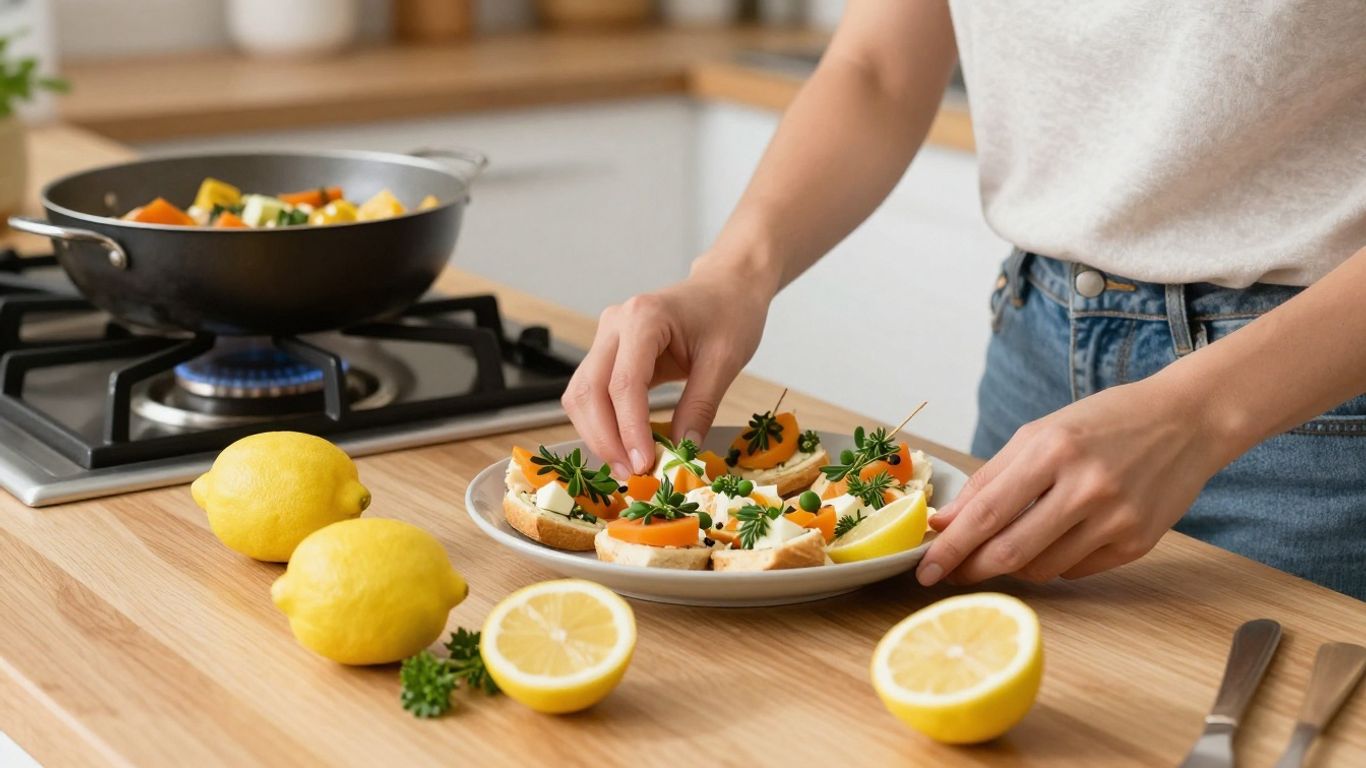
Smiling host arranging appetizers in a bright kitchen.

The Art Of Hosting Without Stress

Hosting a gathering doesn’t have to feel like a performance. The goal is to create a comfortable space where people can connect and enjoy themselves. When you’re relaxed, your guests will be too. It’s about setting a tone that says, ‘You’re welcome here, and I’m happy you came.’ This starts long before the first guest arrives, with a mindset shift that prioritizes connection over perfection.

Cultivating A Welcoming Atmosphere

Creating a warm atmosphere involves a few key elements that make guests feel at ease from the moment they step through the door. Think about the senses: what do they see, hear, smell, and feel?

  • Lighting: Swap harsh overhead lights for softer, ambient sources like lamps or candles. This instantly makes a space feel more intimate and relaxed.
  • Sound: A background playlist of gentle music can fill awkward silences and set a pleasant mood. Keep the volume low enough for easy conversation.
  • Scent: A subtle, pleasant aroma can make a big difference. Consider a lightly scented candle or a diffuser with a natural fragrance.
  • Comfort: Ensure there’s enough seating and that guests know where to put their coats or bags. Small gestures like offering a drink as soon as someone arrives go a long way.

Finding Joy In The Gathering

Ultimately, hosting is about sharing a moment with people you care about. When the planning is handled and the atmosphere is right, you can actually be present. This means less time worrying about whether the appetizers are perfectly arranged and more time engaging in conversations, laughing, and making memories. The true success of a gathering is measured by the connections made, not the flawless execution of every detail.

When you approach hosting with a focus on genuine connection and a willingness to adapt, the stress naturally melts away. It’s about creating an experience, not just serving food.

Strategic Menu Curation

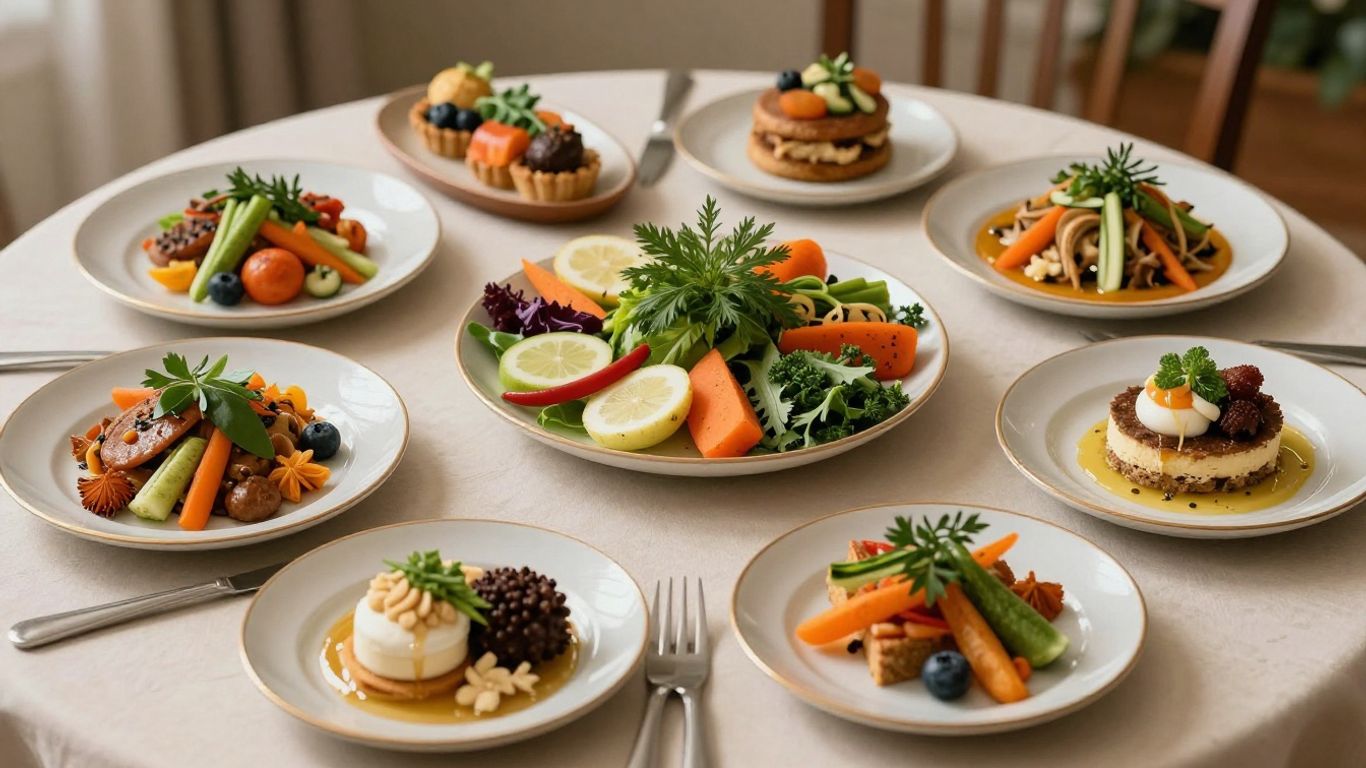
Elegant table setting with diverse dishes and fresh ingredients.

Crafting Balanced And Appealing Menus

When you’re planning a get-together, the food is a big part of it, right? But it doesn’t have to be complicated. The goal is to pick dishes that most people will enjoy, without making yourself crazy in the kitchen. Think about a mix of flavors and textures. You want some things that are light and fresh, maybe a few richer options, and definitely something that feels a bit special. A well-chosen menu makes guests feel cared for and excited about the meal.

It’s helpful to think about the overall flow of the meal. Are you serving appetizers that people can eat while standing and chatting? Or is it a sit-down dinner where you can present more involved dishes? For a relaxed vibe, consider dishes that can be made ahead of time. This way, you’re not stuck cooking when you should be enjoying your guests.

Incorporating Seasonal Flavors

Using ingredients that are in season can really make your food taste better and feel more connected to the time of year. It’s like nature’s way of giving you a head start on flavor. Plus, seasonal produce is often more affordable and readily available.

For example, in the spring, you might lean into asparagus, peas, and fresh berries. Summer calls for tomatoes, corn, and stone fruits. Fall brings apples, squash, and root vegetables, while winter offers citrus, pears, and hearty greens. You don’t have to build your entire menu around one ingredient, but a nod to what’s fresh can add a nice touch.

Seasonal ingredients often inspire simple preparations that let their natural taste shine. Think roasted vegetables with herbs, a fruit crumble for dessert, or a salad with fresh berries and a light vinaigrette.

Accommodating Dietary Needs Gracefully

These days, it seems like everyone has a dietary preference or restriction, and that’s totally okay. The best way to handle it is to plan ahead. Instead of scrambling at the last minute, try to build some flexibility into your menu from the start.

Here are a few ideas:

  • Offer a vegetarian or vegan main dish. This often works for people who don’t eat meat or dairy.
  • Include a gluten-free option. Many people are avoiding gluten, and it’s easy to have a side dish or dessert that fits.
  • Be mindful of common allergens. Things like nuts, dairy, and soy can be issues for some guests. Labeling dishes can be a big help.

Planning for dietary needs isn’t about making a separate meal for everyone. It’s about having a few thoughtful options that can be enjoyed by a wider range of guests, making everyone feel included and less like an afterthought. It takes a little extra thought upfront, but it makes a big difference on the day of the event.

By thinking about these things when you first plan your menu, you can avoid awkward conversations or last-minute kitchen crises. It shows your guests you’ve considered them, which is a big part of being a good host.

Mastering The Preparation Timeline

Getting ready for a gathering doesn’t have to be a last-minute scramble. A solid timeline is your best friend for a relaxed event. It’s about breaking down tasks into manageable chunks, starting well before the actual day. This way, you’re not trying to do everything at once when guests are about to arrive.

Building A Foundation For Event Day Success

Think of this as your pre-game warm-up. The goal is to have as much done as possible so that event day is about execution, not frantic preparation. This involves looking at your menu and thinking about what can be done ahead of time. It might be chopping vegetables, making a sauce, or even preparing entire dishes that can be reheated. Checking your serving dishes, utensils, and any decor items also falls into this stage. Having everything organized and ready to go saves so much time and mental energy.

Batching Tasks For Efficiency

This is where you really gain an advantage. Instead of doing one task at a time, group similar activities together. For example, dedicate a block of time to all the food prep that can be done a day or two in advance. Another block might be for setting up any non-food elements, like arranging furniture or placing decorations. This focused approach minimizes setup and cleanup time between different types of tasks.

Here’s a simple way to think about batching:

  • Day Before: Make desserts, prepare marinades, chop sturdy vegetables, set the table.
  • Morning Of: Assemble salads, prepare cold appetizers, arrange serving platters.
  • Few Hours Before: Cook main dishes, warm appetizers, set up the drink station.

Pre-Event Walkthroughs And Layout Checks

Once you have a general idea of where things will go, do a walk-through of your space. Imagine guests arriving and moving around. Where will the food table be? The drink station? Is there enough room for people to move freely without bumping into each other? This isn’t just about aesthetics; it’s about flow. A quick check can reveal potential bottlenecks or awkward arrangements that you can fix before guests arrive. A well-planned layout makes a huge difference in how comfortable everyone feels.

Planning ahead, even for small gatherings, means you can handle unexpected issues with more calm. It’s about building a system that supports you, so you can actually enjoy the time with your guests instead of worrying about the details.

Designing Flow And Ambiance

Matching Format To Space And Occasion

When planning a gathering, think about where it’s happening and what kind of event it is. A big birthday party might need a different setup than a quiet dinner with a few friends. If you have a nice backyard, maybe you can use that space, especially if the weather is good. Or, if it’s chilly, you might need heaters or a cozy indoor spot. The key is to pick a food and service style that fits your place and the reason for the get-together. This way, people can move around easily and feel comfortable.

Setting The Mood With Decor And Lighting

Little things can make a big difference in how a party feels. Soft music playing in the background helps set a relaxed tone. Instead of bright overhead lights, try using lamps or candles to create a warmer glow. Even the scents in the air can add to the mood. Think about things like cinnamon or pine if it’s a winter party, or fresh flowers if it’s spring. These touches make the space feel more inviting and special.

Creating Comfortable Traffic Flow

Imagine a party where people are bumping into each other or getting stuck in lines. That’s not fun for anyone. Good traffic flow means guests can get food, drinks, and restrooms without feeling crowded. Think about where you place your food stations and seating. You want clear paths so people can mingle and move freely. A well-planned layout makes the whole event feel smoother and more enjoyable for everyone.

Planning for how people will move through your space is just as important as the food itself. It’s about creating an environment where guests feel at ease and can interact naturally, without awkward bottlenecks or crowded areas. This thoughtful arrangement contributes significantly to the overall success and comfort of your event.

The Power Of Familiar Formats

Sometimes, the most successful gatherings are built on a foundation of what people already know and love. Choosing familiar formats for your menu and service style can take a lot of the guesswork out of hosting, allowing you to focus more on your guests and less on explaining the unfamiliar. It’s about making things comfortable and easy for everyone involved.

Choosing Crowd-Pleasing Dishes

When you select dishes that are generally well-liked, you reduce the chances of guests feeling hesitant or unsure about what to eat. Think about dishes that have broad appeal – comforting classics or simple, well-executed favorites. This doesn’t mean boring; it means thoughtful. A perfectly roasted chicken, a vibrant salad with a simple vinaigrette, or a hearty pasta dish can be incredibly satisfying and require less explanation than something avant-garde. The goal is to serve food that people are happy to see and easy to enjoy.

Simplifying Service For Ease

How you serve the food is just as important as the food itself. Buffet-style or family-style service often works well for familiar formats because guests can serve themselves at their own pace. This approach minimizes the need for formal plating or intricate serving instructions. Even with plated meals, keeping the components straightforward makes it easier for your serving staff (or yourself!) to manage. The less complicated the service, the smoother the flow of the event.

Elevating Classics With Thoughtful Touches

Taking a familiar dish and giving it a little something extra is where the magic happens. This could be as simple as using seasonal ingredients to update a classic salad, adding a unique spice blend to a roasted vegetable dish, or presenting a well-loved dessert with a fresh garnish. It shows care and attention without straying too far from what guests expect. For example, instead of plain mashed potatoes, consider garlic-herb mashed potatoes. It’s a small change that adds a touch of sophistication.

Here’s a quick look at how familiar formats can simplify things:

  • Menu Simplicity: Dishes that are easy to identify and understand.
  • Service Style: Buffets, family-style, or simple plated meals.
  • Guest Comfort: Reduced decision fatigue for attendees.
  • Host Ease: Less need for detailed explanations or complex coordination.

Relying on formats that guests recognize and appreciate creates an immediate sense of comfort and ease. It allows the focus to shift from the ‘what’ of the food to the ‘who’ – the people you’ve gathered together.

Building Flexibility Into Your Plan

Even the most carefully crafted plans can hit a snag. Weather shifts, unexpected guests, or a last-minute change in venue layout can happen. The key to hosting without stress isn’t about having a rigid, perfect plan, but one that can bend without breaking. Building adaptability into your event’s structure from the start means you’re ready to handle the unexpected with grace.

Think about how you’ll manage potential changes. This isn’t about anticipating every single problem, but about creating a framework that allows for adjustments.

Anticipating and Adapting to Changes

When planning, consider scenarios that might require a pivot. For instance, if your event is outdoors, have a backup plan for rain or sudden temperature drops. This could mean having a tent ready or knowing which indoor space can accommodate your guests. Similarly, if you’re serving buffet-style, think about how you might expand or condense the serving area if your guest count changes.

  • Weather Contingencies: Always have a "Plan B" for outdoor events. This could be a covered area, heaters, or an indoor alternative.
  • Guest Count Fluctuations: Design your menu and serving setup to accommodate a few extra people without causing a shortage or a logistical nightmare.
  • Timeline Adjustments: Build buffer time into your schedule. If a speaker runs long or guests are lingering over appetizers, you won’t feel rushed.

Designing Adaptable Food Displays

Your food setup itself can be a source of flexibility. Instead of one massive buffet, consider smaller, dispersed stations. This not only helps with guest flow but also makes it easier to adjust if one area becomes too crowded or if you need to add or remove items.

Consider dishes that can be served at room temperature or are easily kept warm or cool. This reduces the pressure of precise timing for hot food. For example, a hearty grain salad or a selection of artisanal cheeses can be set out well in advance, while a hot entree might require more careful timing.

The goal is to create a system that feels steady, even when things aren’t going exactly as planned. This means having options and knowing how to implement them without a fuss.

Communicating for Seamless Adjustments

Open communication is vital. If you’re working with a caterer or have helpers, keep them informed of any changes. If guests are arriving earlier or later than expected, a quick heads-up can make a big difference. Don’t be afraid to let your guests know if there’s a slight shift – most people are understanding and appreciate being kept in the loop. This transparency helps manage expectations and keeps the overall mood relaxed.

Habits For Seamless Hosting

Relying On Proven Processes

Think about those events that just flow. They don’t happen by accident. They’re usually the result of sticking to a plan that’s been tested and works. It’s about building a rhythm into your hosting, using steps you know will get you to the finish line without a last-minute scramble. This isn’t about being rigid; it’s about having a solid base so you can handle whatever comes your way.

Here are a few things that become second nature:

  • Menu Review: Go over your chosen dishes a few days before. Does everything make sense together? Are there any steps that can be done ahead?
  • Prep Schedule: Break down tasks by day. What can be chopped, mixed, or assembled earlier in the week?
  • Layout Check: A day or two before, walk through your space. Where will people gather? Where will food be served? Are there any potential bottlenecks?

Integrating Check-Ins Throughout The Event

Once the event is underway, it’s easy to get caught up in serving or refilling. But taking a moment to pause and observe can make a big difference. Are guests mingling comfortably? Is the food being enjoyed? These quick checks help you gauge the mood and make small adjustments without disrupting the flow.

  • Observe Guest Comfort: Notice if anyone looks lost or if a group seems isolated. A simple introduction can help.
  • Food & Drink Levels: Keep an eye on platters and drink stations. A quick top-up before things run low prevents guests from having to ask.
  • Atmosphere Scan: Is the music too loud? Is the lighting right? Small tweaks can keep the mood pleasant.

The Rhythm Of Successful Gatherings

Successful hosting often feels like a well-rehearsed play. There’s a natural progression from guests arriving to the final goodbyes. This rhythm comes from anticipating needs and having systems in place. It means knowing when to offer a drink, when to suggest moving to the table, and when to simply let conversations unfold. The goal is to make guests feel cared for without feeling hovered over. It’s about creating an environment where people can relax and connect, and that comes from a practiced, yet adaptable, approach to the event’s timeline and flow.

Elevating The Guest Experience

Thoughtful Details Beyond the Food

It’s easy to get caught up in the menu and the main dishes, but the real magic often happens in the little things. Think about what makes a gathering feel special, not just delicious. This could be anything from a small, handwritten note at each place setting to a curated playlist that perfectly matches the mood you’re aiming for. Consider adding a simple activity, like a station for guests to write well wishes or a fun photo booth with props. These elements show you’ve put extra thought into making everyone feel welcomed and engaged.

Creating Moments of Connection

Hosting is about bringing people together. How can you facilitate that? A signature drink, whether a festive cocktail or a thoughtful mocktail, can be a great conversation starter. It gives guests something to talk about as they arrive and helps break the ice. Another idea is to plan a moment for a brief toast, thanking everyone for coming and sharing why you wanted to gather. This simple act can make people feel truly appreciated and create a shared sense of occasion.

Signature Touches That Delight

What’s one thing that will make your event stand out? It might be a dessert that’s a real showstopper, like a mini cheesecake board with various toppings, or a unique take on a classic cocktail. The goal isn’t complexity, but rather a touch of personality that reflects you and makes the event memorable. Even small gestures, like offering a take-home favor or having a cozy corner with comfortable seating, can make a big difference in how guests feel.

The most memorable events are often those where guests feel seen and cared for. It’s about creating an atmosphere where people can relax, connect, and enjoy themselves without any pressure. The details, big or small, all contribute to this feeling of warmth and hospitality.

Curated Menu Inspiration

Sometimes, the best way to host without stress is to have a menu already mapped out. Having a theme or a specific type of cuisine in mind can simplify your planning process significantly. It gives you a clear direction for your dishes, drinks, and even your decor. Here are a few ideas to get you started, offering different vibes for various occasions.

Strawberry & Seafood Delights

This menu is perfect for a lighter, elegant gathering, perhaps a spring brunch or a summer evening. It balances fresh, bright flavors with satisfying seafood.

  • Star of the Show: Clams cooked in a tomato-based broth, served with grilled sourdough and a garlicky aioli for dipping.
  • Snacks: Mini salmon toastadas and oysters topped with a strawberry mignonette.
  • Drink Pairing: A refreshing Strawberry Basil Smash.
  • Side Dish: Crispy frites.
  • Dessert: Classic strawberry shortcakes.

A Middle Eastern Feast

For a more communal and vibrant dining experience, a Middle Eastern spread offers a wonderful array of flavors and textures. It’s great for a relaxed dinner party where guests can share and mingle.

  • Main Courses: Kofta kebabs and saffron chicken skewers.
  • Appetizers: Marinated feta with olives, and creamy baba ganoush served with warm pita bread.
  • Drink Pairing: A pitcher of Vino Verde Sangria.
  • Sides: A fragrant spring pilaf, assorted pickles, and dipping sauces.
  • Dessert: Pistachio brown butter and halva chocolate chunk cookies.

The Perfect Roast Chicken Dinner

A classic for a reason, a roast chicken dinner feels both comforting and special. It’s a reliable choice that appeals to most guests and allows for a relaxed atmosphere.

  • Main Dish: A perfectly roasted chicken.
  • Appetizers: Shrimp cocktail with a horseradish cream sauce and kettle-cooked chips.
  • Drink Pairing: A DIY Martini Bar, allowing guests to customize their drinks.
  • Sides: Lemony orzo pasta and a fresh green salad.
  • Dessert: A Miso Apple Tart for a sweet and slightly unexpected finish.

Planning your menu around a theme or a star dish can make the entire hosting process feel more manageable. It provides a framework that simplifies decisions about ingredients, preparation, and presentation, allowing you to focus on enjoying your guests’ company.

Signature Sips For Every Occasion

Drinks can really set the mood for a get-together. Having a special drink ready when guests arrive makes them feel welcome right away. It doesn’t have to be complicated, just something thoughtful.

Crafting Festive Cocktails

When thinking about cocktails, consider what fits the vibe of your event. A simple syrup infused with herbs or spices can add a nice touch. For example, a rosemary-infused simple syrup works well in gin or vodka drinks. Think about presentation too; a nice garnish like a citrus twist or a sprig of mint makes a difference. A well-made cocktail shows you’ve put extra care into the details.

Here are a few ideas:

  • Spiced Pear Sparkler: Pear nectar, a splash of spiced rum, topped with prosecco. Garnish with a thin pear slice.
  • Cranberry Rosemary Gin Fizz: Gin, fresh lime juice, cranberry juice, a touch of rosemary simple syrup, topped with soda water. Garnish with fresh cranberries and a rosemary sprig.
  • Smoked Maple Old Fashioned: Bourbon, a dash of maple syrup, a few dashes of bitters, and a smoked rosemary sprig for aroma.

Offering Welcoming Non-Alcoholic Options

It’s important that everyone feels included, so having good non-alcoholic choices is a must. Mocktails can be just as creative and appealing as their alcoholic counterparts. Using fresh juices, interesting syrups, and garnishes can make a simple soda feel special.

Consider these options:

  • Cucumber Mint Refresher: Muddled cucumber and mint, lime juice, simple syrup, topped with sparkling water.
  • Ginger Peach Iced Tea: Brewed black tea, peach puree, a bit of ginger syrup, served over ice.
  • Sparkling Raspberry Limeade: Fresh raspberries muddled with lime juice and simple syrup, topped with lemon-lime soda.

Offering a signature drink, whether alcoholic or not, adds a personal touch that guests will remember. It shows you’ve thought about their experience from the moment they step in.

The Role Of Drinks In Setting The Tone

Drinks are more than just beverages; they’re part of the overall experience. A bright, bubbly drink can signal a celebratory mood, while a darker, spirit-forward cocktail might suggest a more relaxed, intimate gathering. Think about the flow of your event. You might start with lighter, refreshing drinks as guests arrive and then move to something a bit richer later in the evening. Having a dedicated drink station, even a simple one, can help guests help themselves, freeing you up to mingle.

Discover delightful drinks for any event, from casual get-togethers to fancy parties. Find your new favorite beverage that perfectly matches the mood. Ready to explore these amazing drink ideas? Visit our website to find the perfect sip for your next celebration!

Your Stress-Free Hosting Journey Starts Now

So there you have it. Hosting doesn’t have to be a frantic rush. By breaking down your menu, creating a solid prep plan, and sticking to a timeline, you’re already miles ahead. Remember, the goal isn’t perfection, it’s connection. It’s about enjoying the company of your friends and family, not just the food on the table. Use these tips as your guide, adapt them to your own style, and get ready to host your next gathering with confidence and a genuine smile. You’ve got this.

Frequently Asked Questions

What’s the main idea behind hosting without stress?

The main idea is to make hosting parties fun and easy. It’s about having a plan for your food, how you’ll get things ready, and when you’ll do them so you can relax and enjoy your guests instead of worrying about everything.

How do I pick a menu that people will like?

Choose foods that are popular and easy for guests to eat, especially if they’re standing around. Think about dishes that are familiar but maybe have a little something extra to make them special. Also, consider what’s in season for the best flavor.

What’s the best way to get ready for a party?

Start getting things ready days before the party. You can prepare some food ahead of time, like chopping veggies or making sauces. Also, think about where everything will go, like where food and drinks will be, so guests can move around easily.

How can I make my party feel welcoming?

Setting the right mood is key. Use decorations and lighting to make the space feel cozy and inviting. Think about how guests will move around your home so no one feels crowded or stuck.

What if some guests have food allergies or don’t eat certain things?

It’s smart to ask guests about allergies or food choices beforehand. Then, try to include a few options that work for everyone, like a vegetarian dish or something without dairy. This way, everyone can eat safely and happily.

How do I handle unexpected changes during a party?

The best way is to be ready to adapt. Have a plan that allows for some flexibility. This could mean having extra food just in case, or arranging your serving area so it can be adjusted if more people show up or if the weather changes.

What are some good drinks to serve at a party?

It’s great to have a signature drink, like a special cocktail, but also offer non-alcoholic choices so everyone feels included. Think about drinks that match the mood of your party.

What small touches can make a big difference for guests?

Little things can make guests feel really special. This could be a nice welcome drink, a small party favor to take home, or even just taking a moment to thank everyone for coming. These details show you care and make the event more memorable.