
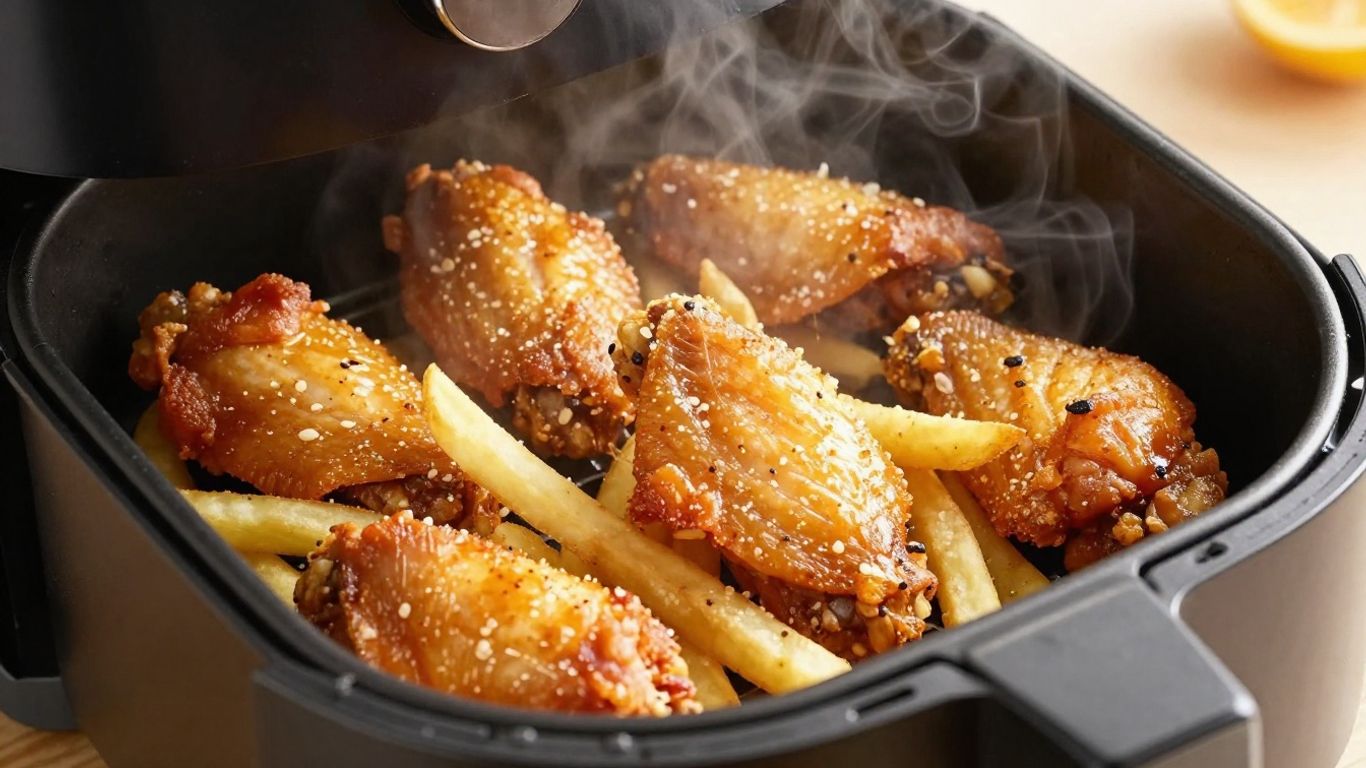
So, you’ve got an air fryer and you’re ready to take things up a notch. It’s not just for fries anymore, you know? Getting really good with this machine, what some call air fryer mastery, is all about knowing a few simple things. We’re talking about how hot to make it, how long to cook stuff, and how to get that perfect crunch. It’s not rocket science, but a few tricks can make a big difference in your meals.
Key Takeaways
- To get food crispy, make sure the hot air can move around it. Don’t pack the basket too full.
- Most recipes that use an oven can be made in an air fryer, but you usually need to turn the heat down a bit and cook for less time.
- Frozen foods cook really fast in an air fryer. Just throw them in from frozen, but keep an eye on them.
- A little bit of oil can help things get nice and brown, but you don’t need much.
- If your food is dry, you probably cooked it too long. If it’s burnt on the outside and raw inside, the heat was too high.
Achieving Air Fryer Mastery: Foundational Principles
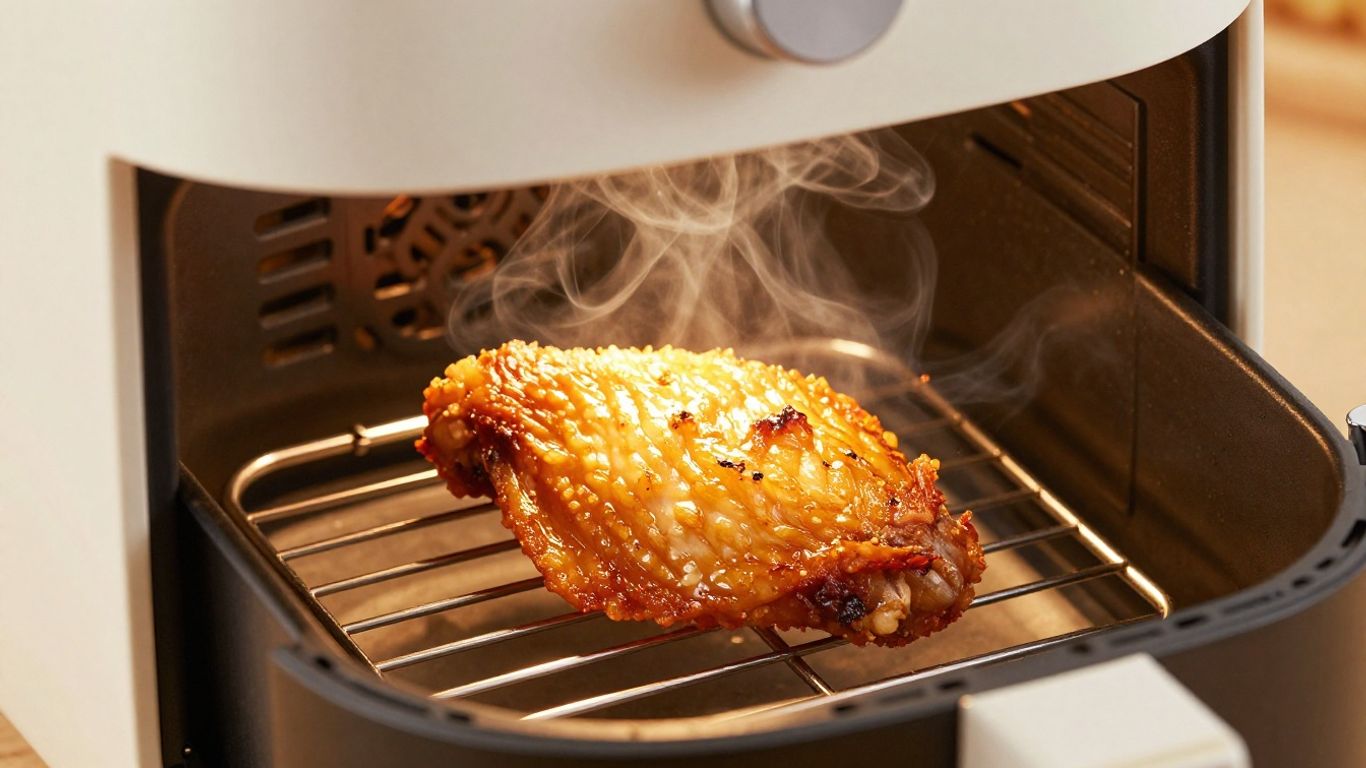
Getting started with your air fryer might seem a bit daunting at first, but it’s really about understanding a few key ideas. Think of it less like a magic box and more like a super-powered convection oven. The main goal is to get that satisfying crispiness without all the extra oil. So, let’s break down what makes an air fryer tick and how to get the best results right from the start.
The Science Behind Crispy Perfection
At its heart, an air fryer works by circulating hot air around your food at a high speed. This rapid movement of air is what cooks your food and, more importantly, makes it crispy. Unlike a traditional oven, the air fryer’s compact space and powerful fan create an intense environment that mimics deep frying, but with significantly less oil. This intense heat transfer is what gives food that desirable golden-brown exterior and a tender interior. The key is to allow this hot air to reach all surfaces of the food evenly.
Essential Pre-Cooking Rituals
Before you even think about adding food, there are a couple of steps that make a big difference. First, many air fryers benefit from a quick preheat. Just like your oven, giving the air fryer a few minutes to reach temperature (usually 3-5 minutes at your target temp) helps ensure your food cooks consistently from the moment it goes in. It prevents that initial shock of cold air hitting your food, which can lead to less crisp results.
Another important step is preparing your food. For things like vegetables or potatoes, tossing them with a tiny bit of oil and seasonings in a separate bowl before they go into the basket can really help with browning and flavor. For meats, patting them dry is a good idea; moisture is the enemy of crispiness. And for anything breaded, make sure that coating is sticking well.
Here are some basic prep steps:
- Preheat: Always give your air fryer a few minutes to warm up.
- Prep Food: Toss ingredients with a little oil and seasoning in a bowl.
- Pat Dry: For meats and some vegetables, remove excess moisture.
- Don’t Overcrowd: Cook in a single layer for best results.
Understanding Your Air Fryer’s Capabilities
Not all air fryers are created equal. They come in different sizes, with varying wattage, and sometimes different basket designs. A smaller unit might heat up faster but will require cooking in smaller batches. A larger one might handle more food but could take a bit longer to preheat. It’s helpful to get a feel for your specific model. How quickly does it heat up? How much food can you comfortably fit without overcrowding? Learning your air fryer’s quirks is part of the mastery process.
Pay attention to how your air fryer behaves. Does it heat up fast? Does it seem to cook hotter than expected? Observing these details will help you adjust cooking times and temperatures more accurately for future meals. It’s all about building that intuition.
Decoding Cooking Times and Temperatures
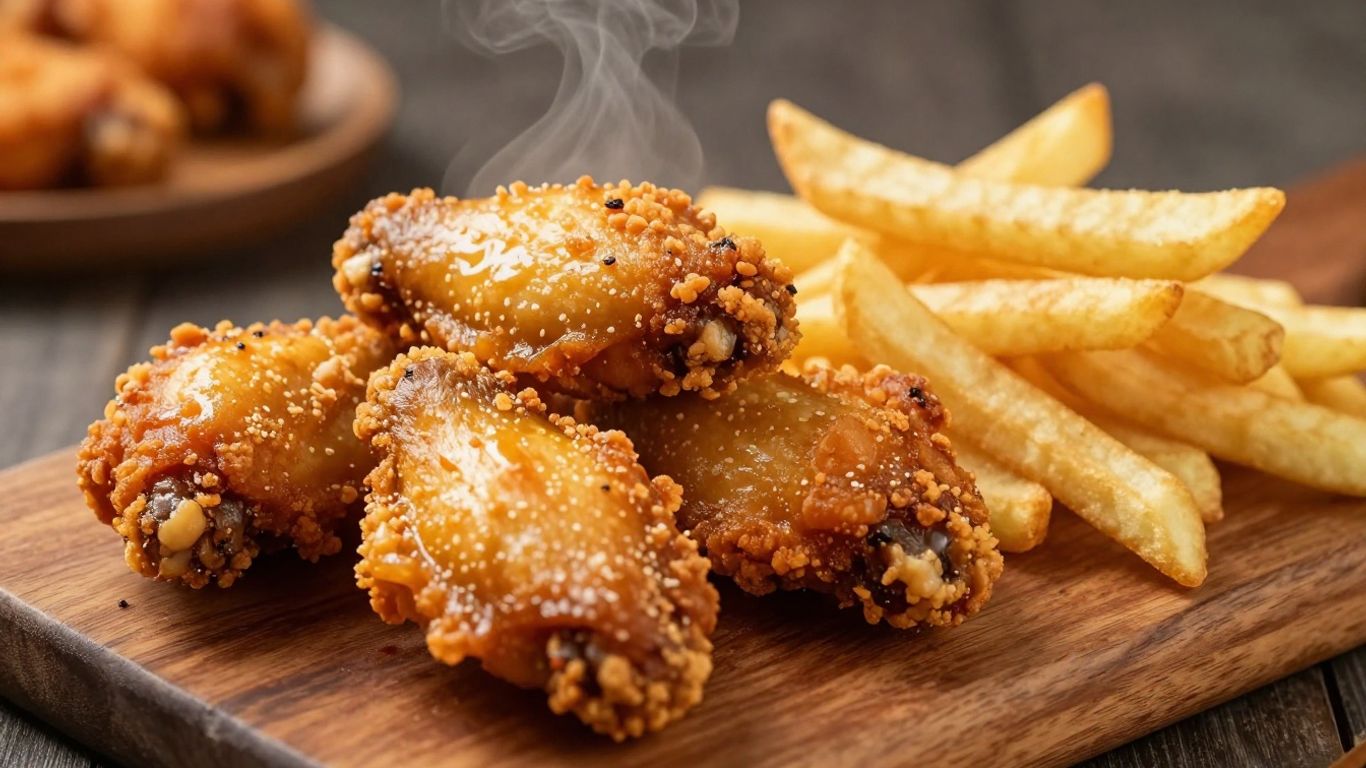
Getting the timing and temperature just right in your air fryer is key to unlocking its full potential. It’s not just about throwing food in and hoping for the best; a little bit of knowledge goes a long way in turning out perfectly cooked meals.
General Guidelines for Common Foods
Most recipes you find will give you a starting point, but remember that air fryers can vary. A good rule of thumb is to start with the recommended time and temperature, then check your food a few minutes early. You can always add more time, but you can’t un-cook something that’s gone too far.
Here’s a quick look at some common items:
- Chicken Breasts: Aim for around 380°F (190°C) for 16-20 minutes. Flip halfway through.
- Broccoli Florets: These cook fast! Try 400°F (200°C) for 10-12 minutes, shaking the basket once.
- Salmon Fillets: A delicate fish like salmon does well at 375°F (190°C) for about 10-12 minutes.
Always remember that these are just starting points. The thickness of your food, how crowded the basket is, and even the specific model of your air fryer can all affect cooking times.
Adjusting for Frozen Delights
Frozen foods are where air fryers really shine, offering a quick way to get that crispy texture without deep frying. The good news is you usually don’t need to thaw them first.
- French Fries (frozen): Cook at 400°F (200°C) for about 10-18 minutes, depending on thickness. Give the basket a good shake halfway through.
- Chicken Nuggets/Tenders: These typically need 400°F (200°C) for 10-15 minutes. Flipping them halfway helps ensure even browning.
- Mozzarella Sticks: These cook quickly at 390°F (200°C) for 6-8 minutes. Don’t overcrowd the basket here, or they might not get as crispy.
The key with frozen foods is high heat and not overcrowding the basket. This allows the hot air to circulate freely around each piece, crisping it up nicely.
Temperature Nuances for Delicate Items
Some foods, like baked goods or very tender proteins, need a gentler touch. If you’re adapting a recipe from a conventional oven, you’ll often want to lower the temperature by about 25°F to 50°F (15°C to 30°C). This prevents the outside from burning before the inside is cooked through.
- Cookies: If a recipe calls for 350°F (175°C) in the oven, try 300°F (150°C) in the air fryer for a shorter time.
- Muffins: Similar to cookies, a slight temperature reduction and shorter cook time usually works best.
- Fish Fillets (thin): Lower temperatures help keep them moist and flaky. Try 375°F (190°C) instead of 400°F (200°C).
Experimentation is your best friend here. Keep notes on what works for your specific air fryer and favorite recipes. You’ll soon develop an intuition for the perfect settings.
Mastering Texture: The Art of Crispiness
Getting that perfect crunch in the air fryer isn’t just about setting a timer; it’s a bit of an art form. We’re talking about transforming everyday ingredients into something wonderfully crispy and satisfying. It all comes down to a few key ideas that make a big difference.
The Role of Air Circulation
The magic of an air fryer really comes from how it moves hot air. Think of it like a super-powered convection oven, but on a smaller scale. This constant flow of hot air is what cooks your food and, more importantly, dries out the surface to create that desirable crisp. Proper air circulation is the absolute key to avoiding soggy results. If you pack the basket too full, the air can’t get to all the food, and instead of crisping up, your food ends up steaming. It’s like trying to dry clothes in a crowded dryer – they just don’t get fully dry.
Achieving Golden-Brown Perfection
That beautiful golden-brown color isn’t just for looks; it’s a sign of deliciousness and the right texture. Here’s how to get there:
- Don’t overcrowd the basket: Seriously, this is worth repeating. Cook in batches if you have to. Your food needs space to breathe and crisp up.
- Give it a shake or a flip: For smaller items like fries or veggies, a good shake halfway through does wonders. For larger pieces, like chicken tenders or fish fillets, flip them over. This ensures all sides get equal exposure to the hot air.
- A little oil helps: While air fryers use less oil, a light coating of oil (a spray works great) can really help achieve that golden hue and extra crisp. It helps conduct heat and promotes browning.
Avoiding the Soggy Pitfall
Nobody likes soggy food when they’re expecting crispy. Here are some common mistakes and how to fix them:
- Moisture is the enemy: Pat your food dry before seasoning and cooking, especially things like potatoes or chicken. Excess moisture will steam the food instead of crisping it.
- Preheating matters: Just like a regular oven, preheating your air fryer for a few minutes helps the cooking process start immediately and more evenly, contributing to crispier results.
- Check your temps and times: Sometimes, the issue is simply that the temperature was too low or the cooking time too short. If your food isn’t crisping up, try increasing the temperature by about 25°F or adding a few more minutes to the cook time for your next batch. Remember to adjust based on the specific food you’re making.
The goal is to create a surface that dries out quickly while the inside cooks through. This balance is what gives you that satisfying crunch without overcooking the food. Think of it as a race against time – get the surface dry and crisp before the inside gets tough.
Here’s a quick guide for common texture goals:
| Food Type | Goal | Key Tip |
|---|---|---|
| French Fries | Extra Crispy | Soak in cold water, pat very dry, use oil. |
| Chicken Wings | Crispy Skin | Pat dry, use baking powder, don’t overcrowd. |
| Vegetables | Tender-Crisp | Toss with oil and seasoning, single layer. |
| Breaded Items | Golden & Firm | Ensure coating adheres well, flip halfway. |
Transforming Oven Recipes for Air Frying
Switching your favorite oven recipes to the air fryer is simpler than you’d think, but it does take a bit of adjustment. You’re trading a big, slow oven for a compact machine with a turbo-charged fan, so times and temps aren’t the same. Once you know the tweaks, meals come out crispier and quicker—and you might never look back.
Temperature Adjustments Explained
Because of the concentrated heat and airflow, the air fryer cooks food faster. That means you’ll want to lower the temperature a bit from traditional oven settings. Here’s what usually works:
- Lower the oven temperature by 25–50°F when air frying.
- Use the lower end (50°F) drop for baked goods or anything prone to overbrowning.
- For meats and sturdy foods, a 25°F reduction is often just right.
| Oven Temp | Air Fryer Temp |
|---|---|
| 450°F | 400°F |
| 425°F | 380–400°F |
| 400°F | 350–375°F |
| 350°F | 300–325°F |
If you’re not sure, start low—it’s easy to add time if things aren’t done, but there’s no way to save burnt food.
Calculating Reduced Cooking Times
Even after dropping the temp, your food will be ready much faster. Here’s how I usually approach things:
- Cut oven cook time by 20–25% in the air fryer.
- For frozen items, you can sometimes reduce even more (up to 30–50% less time, especially for thin foods).
- Start checking for doneness a few minutes before your lowest guess—you don’t want to miss that perfect golden color!
| Oven Time | Air Fryer Time (Estimate) |
|---|---|
| 40 min | 30–32 min |
| 20 min | 15–16 min |
| 12 min | 9–10 min |
Category-Specific Conversion Strategies
Different foods need a few extra tricks:
- Meats & Poultry: Drop temp by 25°F, flip halfway through, and use a food thermometer for safety.
- Frozen Foods: Use oven temp but cut time by up to half. No need to thaw, just spread in a single layer.
- Vegetables: Lower temp by 25°F and toss with a dash of oil for browning. Shake halfway through to crisp all sides.
- Baked Goods: Use the bigger (50°F) temp drop, check early, and use pans or liners that fit your air fryer.
Gentle, fast-moving hot air makes the air fryer excellent for crisp, evenly cooked meals—just remember to check early and adjust next time if you need to.
Transforming oven recipes isn’t about strict science; it’s a bit of guesswork, some practice, and learning how your air fryer works. After a while, you’ll adjust automatically—and your kitchen will get a whole lot crispier.
Advanced Techniques for Culinary Excellence
So, you’ve got the basics down, and your air fryer is turning out some pretty decent snacks. But what if you want to go from ‘decent’ to ‘wow’? It’s all about the little things, the details that make a big difference. Let’s talk about how to really get the most out of that basket.
The Importance of Even Sizing
This one might seem obvious, but it’s a game-changer. When you’re cutting up potatoes for fries, chicken pieces for nuggets, or even chunks of vegetables, try your best to make them all roughly the same size. Why? Because things that are the same size cook at the same rate. If you have some big chunks and some small ones, the small ones will be done and probably getting a bit too crispy (or even burnt) by the time the big ones are cooked through. It’s a simple step, but it really helps with getting everything out of the basket at the same time, perfectly cooked.
Strategic Use of Oils and Seasonings
Air frying isn’t about no oil, it’s about less oil. A little bit of the right kind of oil can make a world of difference in texture and flavor. Think of it like giving your food a light coating to help it crisp up and brown nicely. A good quality olive oil, avocado oil, or even a spray oil works wonders. Don’t just dump it in; toss your ingredients in a bowl with a tablespoon or two of oil and your seasonings before they go into the air fryer. This ensures an even coating. Speaking of seasonings, don’t be shy! This is where you can really play with flavors. Think about what you’re cooking and what spices would complement it. A little salt and pepper is fine, but why not try some paprika, garlic powder, onion powder, or even a spice blend?
Ensuring Proper Food Placement
This ties back to the science of air frying – it needs air to circulate. Don’t pack your air fryer basket too full. Seriously, this is probably the most common mistake people make. If you pile food too high, the hot air can’t get to all the surfaces. This leads to uneven cooking, with some parts crispy and others sadly pale and soft. It’s better to cook in batches. If you’re making a big meal, consider if some components can be cooked separately or if you need to do two rounds. For items that tend to move around, like smaller pieces of chicken or veggies, try to arrange them in a single layer as much as possible. If you have larger items, like chicken breasts or fish fillets, give them some space too. You want to hear that fan working its magic, not struggling to push air through a dense block of food.
Here’s a quick guide to placement:
- Single Layer: Ideal for most items to get maximum crispiness.
- Slight Overlap (if necessary): For denser items, a little overlap is okay, but avoid piling.
- Avoid Crowding: If the basket is too full, cook in batches.
Remember, the goal is to mimic the effect of deep frying with circulating hot air. If the air can’t move freely, you won’t get that desired crispiness. Patience with batch cooking often pays off with much better results.
Troubleshooting Common Air Frying Challenges
Even the most seasoned cooks run into a few snags now and then, and air frying is no different. Don’t let a few hiccups discourage you; most common issues have simple fixes. Let’s look at what might go wrong and how to get your air fryer back on track.
Addressing Dry or Overcooked Food
This usually happens when the cooking time is a bit too long for the amount or type of food you’re cooking. The outside can get done, or even burn, before the inside is ready, or everything just dries out.
- Reduce cooking time: For your next attempt, try cutting the cooking time by about 20-30%. It’s better to check food a few minutes early and add more time if needed than to have it turn out too dry.
- Lower the temperature slightly: Sometimes, a slightly lower temperature for a bit longer can help cook food more evenly without drying it out.
- Check internal temperatures: For meats and poultry, using a food thermometer is your best friend. Make sure you’re cooking to the correct internal temperature, not just guessing based on time.
Remember, air fryers cook food fast. It’s easy to get carried away and leave things in for too long, especially when you’re still getting a feel for your specific model.
Resolving Uneven Browning Issues
If you’re finding that some pieces are perfectly golden while others are pale, it’s likely an airflow problem. The hot air needs to reach all surfaces of the food.
- Don’t overcrowd the basket: This is probably the most common reason for uneven cooking. Food needs space for the air to circulate. Cook in smaller batches if your basket is too full.
- Shake or flip food: For smaller items like fries, vegetables, or wings, give the basket a good shake about halfway through the cooking time. For larger items, like chicken pieces or fish fillets, flip them over.
- Arrange in a single layer: Whenever possible, arrange your food in a single layer. This allows the hot air to hit every piece directly.
Combating Sticking and Smoldering
Sticking can be frustrating, and smoke can be alarming. These issues often stem from a lack of oil or a buildup of debris.
- Use a little oil: While air fryers are known for using less oil, a light coating on your food can prevent sticking and help with browning. Toss ingredients with a teaspoon or two of oil before cooking, or use an oil mister. Avoid aerosol cooking sprays, as they can damage the non-stick coating over time.
- Clean the basket and tray regularly: Fat and food particles can accumulate in the bottom tray and on the basket. This buildup can heat up and smoke during cooking. Wipe down the basket and tray after each use, and give them a more thorough cleaning periodically.
- Check for food debris: Sometimes, small bits of food can fall through the basket into the heating element area. Make sure to clean this area as well, following your manufacturer’s instructions.
| Problem | Solution |
|---|---|
| Food too dry/overcooked | Reduce cooking time, lower temperature, check internal temp. |
| Uneven browning | Don’t overcrowd, shake/flip food, arrange in single layer. |
| Food sticking to basket | Use a little oil, clean basket thoroughly, use air fryer liners. |
| Smoke from appliance | Clean basket/tray, remove debris, avoid cooking very fatty foods at high temps. |
| Food not crispy enough | Increase temperature slightly, cook a few minutes longer, ensure airflow. |
| Outside dark, inside raw | Lower temperature by 25°F, cook longer to ensure inside is done. |
Exploring the Versatility of Air Frying
There’s something almost surprising about how many types of food you can make in an air fryer. Most people start off with fries or nuggets, but once you get comfortable, it’s honestly impressive how this countertop gadget can roast, bake, and even crisp up vegetables like a pro.
Beyond Snacks: Meats and Poultry
Air fryers do more than reheat frozen snacks – they’re actually excellent for cooking fresh meats and poultry. Juicy chicken breasts, crispy wings, steak strips, and even pork chops come out well if you pay attention to temperature and thickness. Here’s a simple guide for a few favorites:
| Food Item | Temp (°F) | Time (min) | Notes |
|---|---|---|---|
| Chicken Wings | 400 | 20-25 | Toss halfway through |
| Chicken Breast | 375 | 18-22 | Pound evenly for best results |
| Pork Chops | 380 | 12-15 | Brush lightly with oil |
| Steak Strips | 400 | 8-12 | Single layer for best sear |
- Always pat meats dry before seasoning.
- Don’t overcrowd; cook in a single layer.
- Flip or shake for even coloring and crisp.
Baking and Roasting in the Air Fryer
Turns out, you can bake more than you’d expect in one of these things. Little cakes, muffins, biscuits, and even some breads cook quickly and pick up a nice crust. It’s best to use lower temperatures than you would in a regular oven, and watch baking times—air moves fast in there.
- Use silicone or metal molds that fit your basket.
- Lower the temp by about 25-50°F versus oven recipes.
- Check early—test for doneness 5 minutes before you’d expect.
- Try small-batch muffins, rolls, or a quick cookie or two.
A light spritz of oil on top of baked goods can help them brown nicely, while preheating gives you a better rise.
Vegetable Perfection Every Time
If you’ve only ever microwaved or steamed veggies, air-frying will be a gamechanger. The circulating air produces crispy edges and brings out sweet, roasted flavors. Think broccoli florets, sweet potatoes, bell peppers, even green beans.
- Cut all pieces to similar size for even cooking.
- Toss with just enough oil and seasoning to coat.
- Shake or stir at least once during cooking for uniform results.
Here’s a handy table for go-to vegetables:
| Vegetable | Temp (°F) | Time (min) |
|---|---|---|
| Broccoli Florets | 375 | 8-10 |
| Brussels Sprouts | 400 | 15-18 |
| Sweet Potato | 380 | 12-15 |
| Bell Peppers | 370 | 7-9 |
In the end, the air fryer is all about flexibility. If you like experimenting (even just a little), this is one appliance that definitely rewards curiosity. You never really know what new favorite you’ll find until you toss it in and give it a try.
Elevating Your Air Fryer Experience
So, you’ve gotten the hang of the basics, huh? That’s awesome. But what if I told you there’s more to explore with your air fryer than just fries and chicken wings? It’s true! This appliance is way more versatile than most people give it credit for. Let’s talk about how to really make it shine in your kitchen.
Experimentation for Unique Flavors
Don’t be afraid to get a little creative. Think beyond the standard recipes. Have you ever tried air frying fruits? A quick blast at a moderate temperature can caramelize their natural sugars, making them fantastic toppings for yogurt or ice cream. Or what about marinating some tofu or tempeh and then air frying it? You get this amazing chewy, slightly crispy texture that’s perfect for salads or stir-fries. The key is understanding how the hot air interacts with different ingredients.
Leveraging Air Fryer Accessories
Did you know there are accessories designed to expand what your air fryer can do? Things like special racks can help you cook more food at once, or even cook multiple layers. There are also baking pans and molds that fit right inside, letting you bake small cakes, muffins, or even quiches. It’s like giving your air fryer a whole new set of skills. Just remember to check that any accessory you buy is specifically made for air fryers and fits your model.
Maintaining Your Appliance for Longevity
This might not sound exciting, but trust me, taking care of your air fryer means it’ll take care of you for years to come. After every use, give the basket and the bottom tray a good wash. Food bits and grease can build up, and that’s how you get smoke or off-flavors. Periodically, you’ll want to check the heating element at the top – a quick wipe down with a damp cloth (when it’s cool and unplugged, of course!) can make a difference. A clean appliance cooks better and lasts longer. It’s a simple step that pays off big time.
Ready to make your air fryer work wonders? We’ve got tips and tricks to help you get the most out of it. From crispy fries to perfectly cooked chicken, your air fryer can do it all. Discover how to unlock its full potential and impress your friends and family with delicious meals. Visit our website today to learn more!
Your Air Frying Journey Starts Now
So, there you have it. We’ve covered the basics of getting your air fryer ready, how to adjust times and temperatures for different foods, and some simple tricks to make sure everything comes out just right. It might seem like a lot at first, but honestly, it’s pretty straightforward once you get the hang of it. Don’t be afraid to experiment a little – that’s how you find your favorite settings. With these charts and tips, you’re well on your way to making all sorts of tasty meals with your air fryer. Give it a try, and enjoy the crispy results!
Frequently Asked Questions
Why is my food not crispy after using the air fryer?
If your food isn’t as crispy as you’d like, try turning up the heat a little or cooking it for a few extra minutes. Make sure you’re not putting too much food in the basket at once, as this can make it steam instead of crisp up. Giving the basket a good shake halfway through also helps!
Why is the outside of my food burnt but the inside is still raw?
This usually means the temperature was too high. Try lowering the heat by about 25°F next time. This helps the inside cook through without the outside getting too dark too fast.
Do I need to use oil in my air fryer?
You don’t need a lot of oil, but a small amount can really help make your food golden and crispy. A light spray or toss with oil is usually enough. It’s better than deep frying!
Can I cook frozen foods straight from the freezer?
Yes, absolutely! Air fryers are great for frozen foods like fries or chicken nuggets. You don’t need to thaw them first. Just pop them in, and they’ll cook up nicely.
Why is my food sticking to the air fryer basket?
This can happen if you don’t use enough oil or if the basket’s non-stick coating is worn. Try lightly coating your food with oil before cooking, or use special air fryer parchment paper liners to prevent sticking and make cleanup easier.
How do I know if my meat is cooked all the way through?
The best way is to use a meat thermometer. For chicken, it should reach 165°F inside. Always check the thickest part of the meat to be sure.
Can I bake things like cookies or muffins in my air fryer?
You sure can! Just remember to lower the temperature a bit, usually by about 50°F, and shorten the cooking time. This helps keep the insides soft while the edges get nicely browned.
What’s the most important thing to remember when using an air fryer?
Don’t overcrowd the basket! Letting the hot air move freely around the food is key to getting it nice and crispy. If you have a lot of food, it’s better to cook it in a couple of batches.