
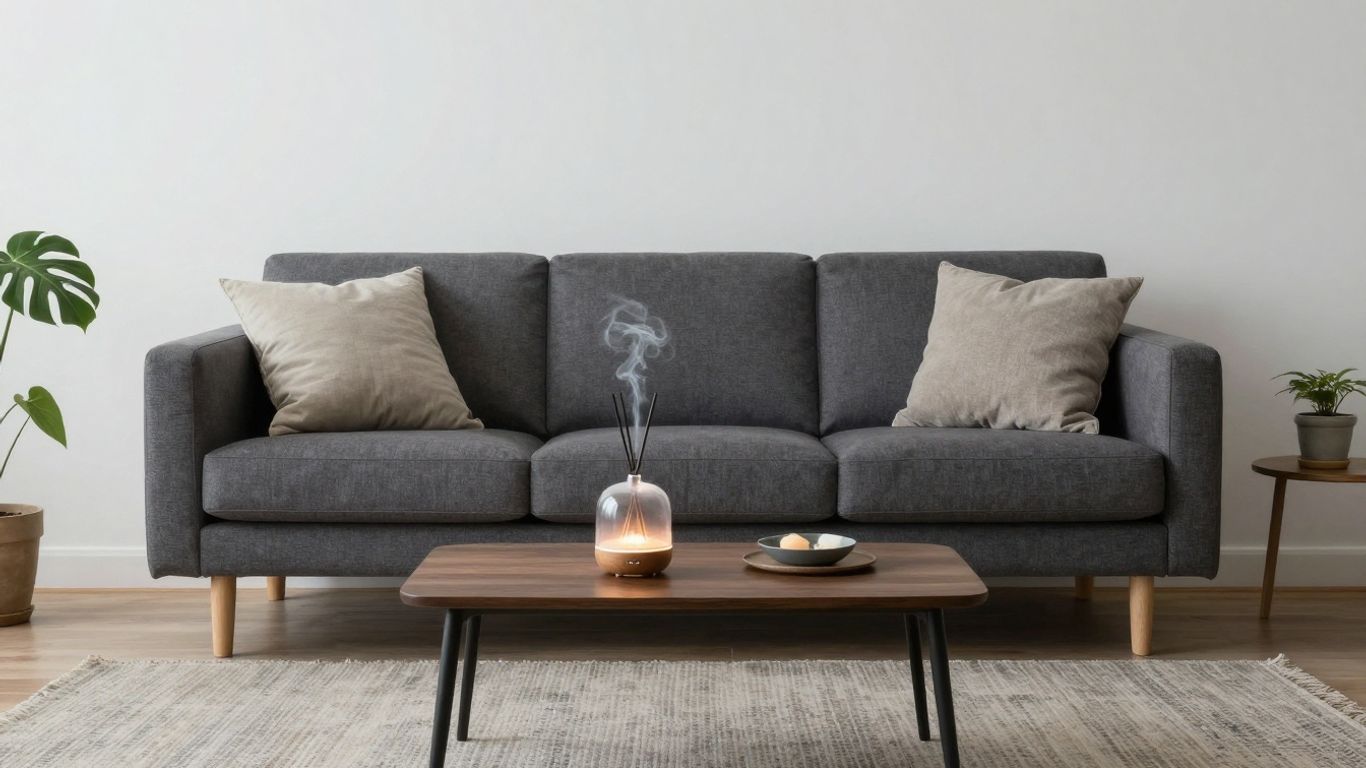
Ever feel like your home is working against you when you’re trying to stay on track? It’s easy to overlook, but the little things around us can really make a difference. We’re talking about the sights, the smells, even how our rooms are set up. These things can either help us feel calm and focused, or they can subtly nudge us towards old habits. This article is all about making small, simple changes to your living space. Think of it as giving your home a little makeover to support your goals. We’ll look at how adjusting things like lighting, scents, and where you put your furniture can create an anticraving environment that works for you.
Key Takeaways
- Your home environment has a big impact on cravings. Simple changes to your surroundings can help reduce urges.
- Sensory cues like smells and light can be used to create a more supportive space for staying on track.
- The way your rooms are laid out matters. Organizing your space to minimize clutter and define areas can help.
- Understanding what triggers your cravings is the first step to changing your environment to help you.
- Making consistent, small adjustments to your home can build a resilient anticraving environment over time.
Harnessing Sensory Input for an Anticraving Environment
Our homes are more than just places we live; they’re environments that can deeply influence our thoughts and actions, especially when it comes to cravings. Think about it – certain smells, the way light falls in a room, or even how furniture is arranged can subtly nudge us towards or away from certain behaviors. This section is all about understanding how these everyday sensory experiences play a role in managing cravings and how we can use them to our advantage.
The Power of Olfactory Cues in Shaping Behavior
Our sense of smell is incredibly powerful, directly linked to the parts of our brain that handle memory and emotion. This connection means that certain scents can trigger strong feelings and urges, sometimes without us even realizing why. For instance, the smell of coffee might remind someone of their morning routine that included a cigarette, or a particular perfume could bring back memories associated with past substance use. Understanding these scent associations is the first step to managing their impact.
- Memory Association: Scents are potent memory triggers. A smell linked to a past craving can easily bring that urge back.
- Emotional Connection: Smells can evoke strong emotions, which in turn can influence our behavior and decision-making.
- Subconscious Influence: We often don’t consciously register smells, yet they can still affect our mood and desires.
Illuminating Your Space: The Role of Light
Light has a significant effect on our mood, energy levels, and even our sleep patterns. The type and intensity of light in our homes can either create a calming atmosphere or a more stimulating one. Harsh, bright lights might feel jarring and could inadvertently increase feelings of anxiety, potentially making cravings feel more intense. On the other hand, softer, warmer lighting can promote relaxation and a sense of peace, which is generally more conducive to managing difficult urges.
- Mood Regulation: Different light colors and intensities can influence our emotional state.
- Circadian Rhythms: Light exposure affects our natural sleep-wake cycles, impacting overall well-being.
- Atmosphere Creation: Lighting can transform a space, making it feel more inviting or more sterile.
Strategic Placement: Optimizing Your Layout
How we arrange our living spaces matters more than we might think. The layout of a room can influence our habits and how we interact with our environment. For example, if the area where you used to engage in a specific behavior is now cluttered or difficult to access, you’re less likely to do it. Conversely, making areas associated with comfort and relaxation easily accessible can support positive routines. Thinking about the flow and purpose of each space within your home is key.
- Flow and Accessibility: Consider how easy it is to move through a space and access items.
- Purposeful Zoning: Designate areas for specific activities, like relaxation or work.
- Visual Harmony: A well-organized space can contribute to a calmer mental state.
The Subtle Influence of Scent
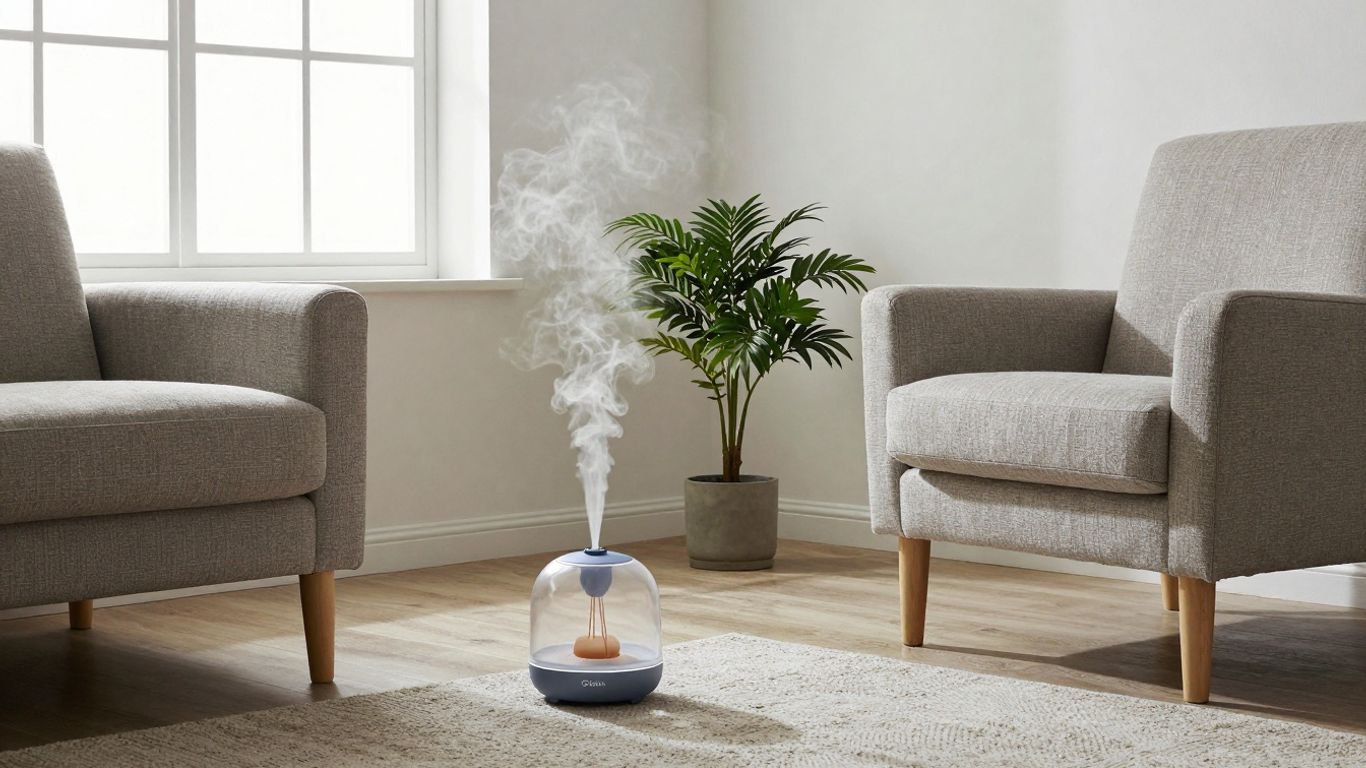
Our sense of smell is a powerful, often overlooked, player in our daily lives. It’s directly linked to the parts of our brain that handle memory and emotion, which is why a particular scent can instantly transport you back to a childhood memory or evoke a strong feeling. For those working to manage cravings, this connection can be a double-edged sword. Certain smells might be triggers, bringing back urges associated with past behaviors. But the flip side is that scent can also be a tool for positive change.
Aromatherapy for Addiction Recovery
Think of aromatherapy not just as a relaxing spa treatment, but as a potential ally in your anticraving journey. Certain essential oils are believed to have properties that can help calm the nervous system, reduce anxiety, and even improve mood. For instance, lavender is widely known for its calming effects, while citrus scents like lemon or bergamot can be uplifting and energizing. Peppermint is sometimes used to help with focus and reduce feelings of fatigue.
- Lavender: Promotes relaxation and sleep.
- Lemon: Offers an uplifting and clarifying aroma.
- Peppermint: Can help with focus and reduce feelings of lethargy.
- Frankincense: Often used for grounding and promoting a sense of peace.
Natural Scents as Distraction Tools
Beyond specific therapeutic properties, pleasant natural scents can simply serve as a welcome distraction. When a craving hits, engaging your sense of smell with something enjoyable can help shift your focus. This could be as simple as brewing a cup of herbal tea, lighting a natural beeswax candle, or even stepping outside to smell the rain or freshly cut grass. The key is to have readily available, positive scent experiences that can interrupt the craving cycle.
The environment we create at home plays a significant role in our mental state. By consciously introducing pleasant and calming scents, we can begin to retrain our brains to associate our living space with well-being rather than with past triggers.
Avoiding Triggering Fragrances
Just as some scents can help, others can inadvertently trigger cravings. It’s important to identify any smells that are strongly associated with past substance use or unhealthy behaviors. This might include specific perfumes, cleaning products, or even certain foods. Once identified, the goal isn’t necessarily to eliminate them entirely from your life, but to manage your exposure within your home environment. This could mean opting for unscented versions of products or finding alternative, neutral scents to mask or replace them. Being mindful of the scents you bring into your home is a proactive step in building a supportive anticraving space.
Manipulating Light for Mood and Focus
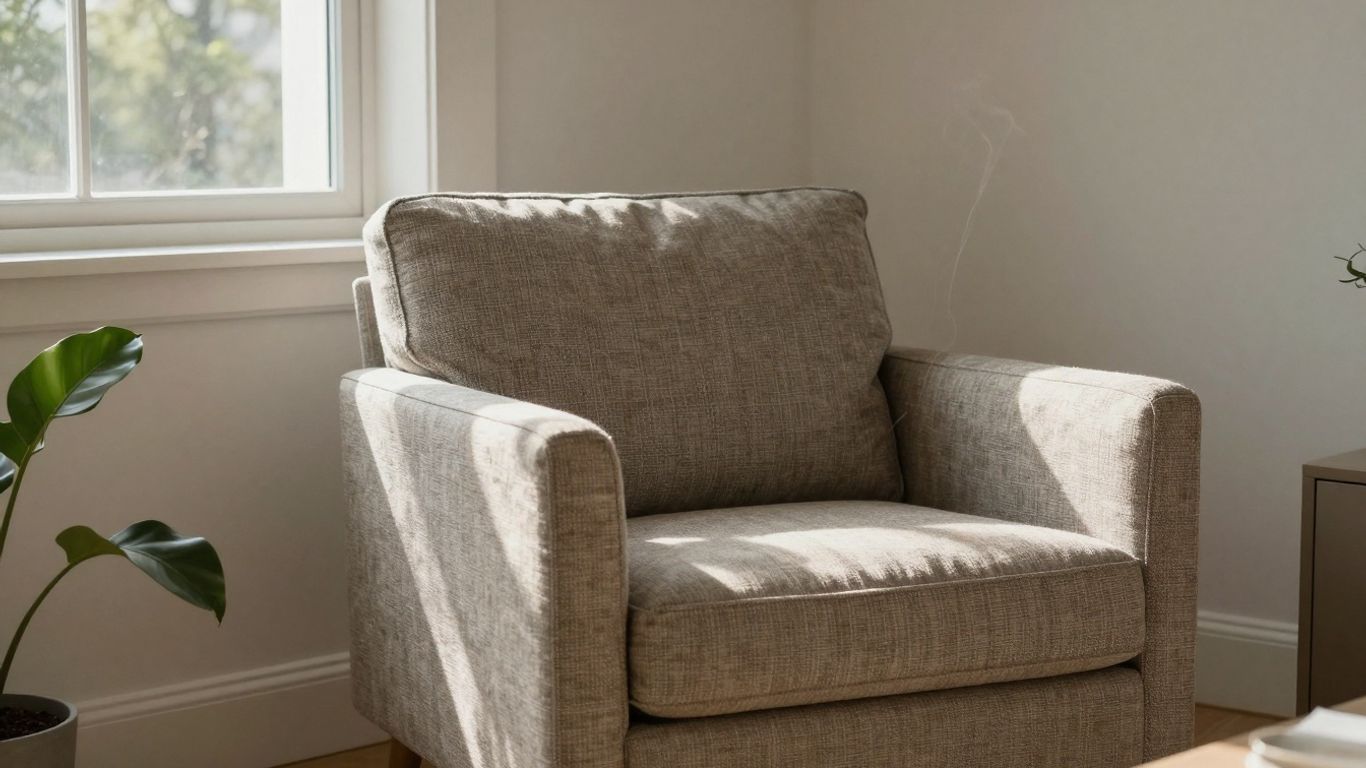
Light plays a surprisingly big role in how we feel and how well we can concentrate. It’s not just about seeing; it’s about our internal clocks and our emotional state. Think about how a gloomy, overcast day can make you feel sluggish, or how bright sunshine can lift your spirits. We can use this connection to our advantage at home.
The Calming Effect of Soft Lighting
When you’re trying to unwind or de-stress, soft, warm lighting can make a huge difference. Dimmer lights, especially those with a warmer hue (think amber or soft yellow), create a more relaxed atmosphere. This kind of lighting can help slow down your nervous system, making it easier to relax and let go of tension. It’s like a gentle hug for your senses.
- Dimmer switches: Install them on main lights to control intensity.
- Warm-toned bulbs: Opt for bulbs with a lower Kelvin rating (around 2700K).
- Lamps and accent lighting: Use table lamps or floor lamps instead of harsh overhead lights.
- Candles (used safely): The flickering glow of candles can be very soothing.
Soft lighting signals to your brain that it’s time to wind down, making it a powerful tool for managing stress and preparing for rest.
Bright Light for Energy and Alertness
On the flip side, brighter, cooler-toned light can help you feel more awake and focused. This is especially useful in the morning or when you need to tackle tasks that require concentration. Think of the crisp light you might find in a productive workspace. It can help regulate your body’s natural rhythms and boost alertness.
- Task lighting: Use focused lights for specific activities like reading or working.
- Cooler light temperatures: Bulbs with higher Kelvin ratings (around 4000K-5000K) can promote alertness.
- Strategic placement: Position lights to illuminate your workspace without causing glare.
Natural Light’s Restorative Properties
There’s really no substitute for natural sunlight. When possible, letting natural light flood your living space can have profound effects on mood and well-being. It helps regulate our circadian rhythms, which impacts sleep, energy levels, and even mood. Maximizing natural light exposure is one of the simplest yet most effective ways to support a healthy internal balance.
- Open curtains and blinds: Let the daylight in as much as possible.
- Clean windows: Dirty windows can significantly reduce the amount of light entering a room.
- Mirrors: Strategically placed mirrors can reflect natural light deeper into a room.
- Light-colored decor: Lighter walls and furnishings can help bounce natural light around.
Designing Your Space: Layout as a Tool
Think about how the arrangement of your home influences your daily life. It’s not just about where things are, but how that placement makes you feel and act. A well-thought-out layout can subtly guide you away from cravings and towards healthier habits. It’s about making your environment work for you, not against you.
Creating Zones for Different Activities
Our brains associate places with actions. If your couch is also where you eat snacks and watch TV, it becomes a strong cue for both relaxation and indulgence. Try to separate these activities. Designate specific areas for different things. Maybe one corner of the living room is for reading, another for quiet reflection, and the kitchen table is strictly for meals.
- Relaxation Zone: A comfortable chair with good lighting for reading or quiet thought.
- Activity Zone: A clear space for hobbies or exercise.
- Nourishment Zone: The dining area, kept clear of distractions.
Minimizing Visual Clutter
Visual clutter can be overwhelming and can even trigger stress, which might lead to cravings. A tidy space often leads to a tidier mind. Take a look around your home. Are there surfaces covered in papers, mail, or random objects? Clearing these out can make a big difference. Think about storage solutions that keep things out of sight but still accessible.
A calm environment supports a calm mind. When your surroundings are organized, it’s easier to feel in control and less likely to seek external comforts to cope with feelings of chaos.
Strategic Placement of Comfort Items
Comfort items are great, but their placement matters. If your go-to comfort item is something you want to limit, try placing it out of immediate sight or reach. Conversely, place items that support your anticraving goals in prominent, easy-to-access spots. This could be a water bottle on your desk, a journal by your bedside, or healthy snacks in a visible fruit bowl.
- Out of Sight: Items you want to use less.
- In Sight: Items that support your goals.
- Easy Access: Make healthy choices the easiest choices.
Understanding Cue Reactivity in Your Home
Ever notice how a certain song can instantly transport you back to a specific memory, or how the smell of freshly baked cookies makes you crave a treat? That’s cue reactivity in action. Our homes are filled with these subtle triggers, often without us even realizing it. These environmental cues, whether they’re sights, sounds, smells, or even just the layout of a room, can powerfully influence our thoughts and behaviors, especially when it comes to cravings.
Identifying Personal Triggers
Think of your home as a personal history book. Certain objects, places, or even times of day might be linked to past experiences, including those involving cravings. It’s about recognizing what specific things in your environment tend to spark that urge. This isn’t about blame; it’s about awareness.
Here are some common areas to consider:
- Visual Cues: That specific chair where you used to relax with a drink, the spot on the counter where snacks were always kept, or even a particular TV show you watched during certain times.
- Auditory Cues: The sound of a specific appliance, a certain time of day when a particular sound usually occurs, or even background music.
- Olfactory Cues: The smell of coffee brewing in the morning, a specific cleaning product, or even the scent of a particular meal.
- Tactile Cues: The feel of a certain fabric, the weight of an object, or even the temperature of a room.
The Science Behind Environmental Cues
Our brains are wired to form associations. When a particular stimulus (a cue) is repeatedly paired with an experience (like a craving or its satisfaction), the brain learns to link them. Over time, the cue alone can trigger the craving response, even without the original experience present. This is a fundamental aspect of how habits form and how they can be maintained. It’s a biological process that helps us learn and adapt, but it can also work against us when it comes to managing unwanted urges.
The environment we inhabit is not just a backdrop; it actively shapes our internal states and behavioral tendencies through learned associations. Recognizing these connections is the first step toward reshaping them.
Adapting Your Home to Reduce Cravings
Once you’ve identified your personal triggers, the next step is to strategically modify your environment. This doesn’t mean a complete overhaul, but rather making small, intentional changes. The goal is to weaken the association between the cue and the craving, or to replace it with a more positive or neutral association.
Consider these approaches:
- Rearrangement: Move furniture, change the location of frequently used items, or even redecorate areas that are strong trigger zones.
- Replacement: Introduce new, positive cues or activities in place of old ones. For example, if a certain spot is linked to a craving, make it a space for a new hobby or relaxation technique.
- Minimization: Reduce the presence or visibility of triggering items. If certain snacks are a problem, store them out of sight or choose not to keep them in the house at all.
By understanding how your home environment influences your cravings, you can begin to make targeted adjustments that support your well-being and create a more resilient space.
Creating an Anticraving Environment Through Micro-Tweaks
Sometimes, the biggest changes don’t need a complete overhaul. Think about it – you don’t need to move mountains to make your home feel more supportive when you’re working on managing cravings. It’s all about those small, smart adjustments, the "micro-tweaks," that add up. These subtle shifts can make a surprising difference in how you feel and react within your own space.
Small Changes, Big Impact
It’s easy to feel overwhelmed by the idea of changing your environment, especially when you’re already dealing with cravings. But the beauty of micro-tweaks is their accessibility. You’re not aiming for perfection overnight. Instead, you’re making little adjustments that, over time, help retrain your brain’s associations. For instance, if a certain chair in your living room is linked to a past craving, maybe you rearrange the furniture slightly, add a new throw pillow, or place a plant nearby. It’s about gently nudging the existing environment to feel less like a trigger and more like a sanctuary.
Personalizing Your Anticraving Strategy
What works for one person might not work for another. Your triggers and your comfort zones are unique. That’s why personalizing these tweaks is so important. Think about what genuinely makes you feel calm, centered, or distracted in a positive way. Maybe it’s the scent of lavender, the soft glow of a particular lamp, or simply having a clear surface to work on.
Here are a few ideas to get you started:
- Scent: Introduce a calming essential oil diffuser in your relaxation space, or keep a small sachet of dried herbs by your bedside.
- Light: Swap out harsh overhead bulbs for dimmer, warmer options, or use a small desk lamp for focused, soft illumination.
- Layout: Move a frequently used item (like your phone or keys) away from a common trigger spot, or create a small, dedicated corner for a hobby.
Consistency in Environmental Modifications
Making these changes once isn’t usually enough. Our brains are wired to form habits and associations, and it takes consistent effort to build new ones. Think of it like watering a plant; a little bit each day helps it grow strong.
The goal isn’t to eliminate all potential triggers, which is often impossible. Instead, it’s about building a resilient environment that actively supports your well-being and makes it easier to navigate moments of craving. Consistency in these small modifications helps to gradually weaken old associations and strengthen new, healthier ones.
Regularly check in with yourself. Are the changes you’ve made still working? Do you need to adjust anything? This ongoing process of observation and adaptation is key to creating a home that truly feels like a haven.
The Psychological Impact of Environmental Cues
Our surroundings play a much bigger role in how we feel and act than we often realize. Think about it: certain places just make you feel a certain way, right? That’s because our brains are constantly taking in information from our environment and linking it to our experiences, memories, and even our desires. This connection between where we are and what we feel is super important when we’re trying to manage cravings.
How Environments Shape Our Desires
Environments aren’t just backdrops; they’re active participants in shaping our behavior. When we repeatedly experience something in a particular setting, our brains start to associate that place with the experience. For example, if you always had your morning coffee in your favorite armchair, that chair can become a cue for that comforting ritual. For someone managing cravings, this means that places or even specific objects associated with past use can trigger a strong urge. It’s like your brain is saying, ‘Hey, remember this? You liked this here!’ This learned association is a powerful psychological mechanism. It’s not about willpower; it’s about how our brains are wired to learn and predict based on context.
The Link Between Context and Craving
Context is everything when it comes to cravings. Studies have shown that even subtle environmental cues can trigger a strong reactivity in individuals trying to abstain from substances. This isn’t just about seeing something; it can be a smell, a sound, or even a feeling associated with a past behavior. For instance, the sight of a particular street corner or the sound of a certain song might instantly bring back the urge to use. This happens because the brain regions involved in reward and memory become activated by these cues, creating a powerful pull towards the old behavior. It’s a complex interplay between memory, emotion, and the physical environment.
Leveraging Environmental Psychology
Understanding how environments influence us is the first step to making positive changes. We can use principles from environmental psychology to design our living spaces in ways that support our goals. This involves consciously identifying what in our current environment might be triggering cravings and then making deliberate changes. It’s about retraining our brains by creating new associations and minimizing exposure to old ones. Think of it as actively curating your personal world to be more supportive of your well-being. By making small, thoughtful adjustments to our surroundings, we can significantly reduce the power these environmental cues have over us.
Sensory Strategies for a Supportive Home
Our homes are more than just places we live; they’re environments that can either feed into or help us manage our cravings. By paying attention to our senses, we can make small but meaningful changes that support our well-being. It’s about creating a space that feels good and works with us, not against us.
Engaging the Sense of Smell Positively
Scents have a powerful connection to our memories and emotions. Think about how a certain smell can instantly transport you back to a childhood kitchen or a relaxing vacation. We can use this to our advantage. Introducing pleasant, natural scents can help shift our mood and create a more calming atmosphere. Consider using essential oil diffusers with scents like lavender for relaxation or peppermint for a gentle energy boost. Even simple things like fresh flowers or a bowl of citrus peels can make a difference.
- Lavender: Known for its calming properties, great for winding down.
- Peppermint: Can help with focus and provide a subtle uplift.
- Citrus (lemon, orange): Often associated with freshness and positivity.
Utilizing Light to Influence Well-being
Light plays a big role in how we feel. Harsh, bright lights can sometimes feel jarring, while soft, warm light can be incredibly soothing. Think about adjusting your lighting throughout the day. During the evening, opt for dimmer, warmer bulbs or lamps to signal relaxation. During the day, maximizing natural light can help with alertness and mood. Smart bulbs that allow you to change color temperature and brightness can be a game-changer for creating different moods in your space.
The way light falls in a room can change its entire feel. A dimly lit corner can become a cozy reading nook, while a sun-drenched window can make a space feel more open and inviting.
Arranging Your Space for Calm
How we arrange our furniture and belongings can also impact our state of mind. Minimizing clutter is a big one. A tidy space often leads to a tidier mind. Think about creating distinct zones for different activities. For example, a comfortable chair with a good reading lamp can be your designated relaxation spot, separate from where you might work or eat. Strategic placement of items that bring you comfort and joy, like photos or plants, can also make your home feel more like a sanctuary.
- Declutter regularly: A clear space helps clear your mind.
- Create zones: Designate areas for specific activities like relaxing, working, or hobbies.
- Personalize with comfort items: Surround yourself with things that make you feel good.
- Consider flow: Arrange furniture so movement through the space is easy and natural.
Building a Resilient Anticraving Environment
Creating a home that actively supports your anticraving goals is an ongoing process, not a one-time fix. It’s about making small, consistent adjustments that build up over time, making your space a true sanctuary. Think of it like tending a garden; regular care keeps it healthy and productive.
Proactive Environmental Adjustments
This involves looking ahead and anticipating what might trigger cravings. It’s about setting up your environment so that helpful cues are more prominent than triggering ones. For instance, if you find that certain times of day or specific activities in a particular room tend to spark cravings, you can proactively change that space. Maybe it means rearranging furniture to break old associations or introducing new, positive sensory inputs like a calming scent or a piece of art that inspires you. The goal is to make your home a place that naturally guides you toward your anticraving intentions.
The Role of Habit and Association
Our homes are filled with cues that have become deeply ingrained through habit and association. A particular chair might be linked to a past behavior, or a certain corner of the kitchen might remind you of a specific craving. Building resilience means consciously working to change these associations. This can be done by introducing new routines and activities into those spaces. If a certain spot is a trigger, try making it a place for a new, positive habit – perhaps reading, meditating, or engaging in a hobby. Over time, these new associations can weaken the old, triggering ones.
Sustaining Your Anticraving Space
Maintaining an anticraving environment requires ongoing attention. It’s not about achieving perfection, but about continuous adaptation. Life changes, and so might your needs and triggers. Regularly check in with yourself about how your space is working for you. Are there new challenges? Are old strategies still effective?
Here are a few ways to keep your space supportive:
- **Regular
Creating a space that helps you avoid cravings is key to success. Think of it as building your own personal support system, both inside and out. When you’re surrounded by positive influences and have strategies ready, those tempting urges lose their power. Ready to learn how to build this strong, supportive environment for yourself? Visit our website to discover practical tips and start your journey to lasting change.
Bringing It All Together
So, we’ve talked about how little changes at home can make a big difference when it comes to managing cravings. It’s not about drastic overhauls, but rather these small, thoughtful adjustments to your surroundings. Think about the scents you fill your home with, the way light falls in different rooms, and how you arrange your furniture. These aren’t just random details; they can actually influence how you feel and react, especially when a craving hits. By paying attention to these sensory cues and the layout of your space, you’re essentially creating a more supportive environment for yourself. It’s about making your home a place that helps you, rather than one that might unintentionally trigger unwanted urges. Give these micro-tweaks a try – you might be surprised at how much of an impact they can have on your journey.
Frequently Asked Questions
What are ‘anticraving cues’ at home?
Anticraving cues are things in your home that can make you want something you’re trying to avoid, like certain foods or habits. This article talks about small changes you can make to your home’s smells, lights, and how things are arranged to help reduce these cravings.
How can smells help me avoid cravings?
Certain smells can either trigger cravings or help calm you down. Using pleasant, natural scents like lavender or citrus might help distract you from cravings. It’s also good to avoid smells that remind you of things you want to stop doing.
Does the type of light in my room matter?
Yes, light can really change how you feel. Soft, dim lights can be relaxing and help you feel calm. Brighter lights can make you feel more awake and energetic. Using natural sunlight is also great for your mood and overall well-being.
How can arranging my room help with cravings?
The way your room is set up, or its layout, plays a role. Creating specific areas for different activities, like a cozy spot for reading or a clear space for working, can help. Getting rid of clutter and putting comfort items in easy-to-reach places can also make a difference.
What does ‘cue reactivity’ mean in my home?
Cue reactivity is when something in your environment (a cue) automatically makes you feel or want something, like a craving. For example, seeing your favorite snack might make you crave it. Understanding your personal triggers helps you change your home to make these cues less powerful.
Are small changes really enough to make a difference?
Absolutely! Even tiny adjustments to your home, like adding a new scent or moving a piece of furniture, can have a big effect over time. The key is to make these changes personal to you and stick with them consistently.
How does my environment affect my desires?
Our surroundings have a powerful influence on our thoughts and feelings. When you’re in a certain place often associated with a particular activity or feeling, your brain starts to link them. By changing your environment, you can change these connections and reduce unwanted desires.
What are some simple ways to make my home more supportive?
You can use pleasant smells, adjust your lighting to create a calming mood, and organize your space so it feels peaceful and inviting. These sensory and layout changes work together to create a home that supports your goals instead of triggering cravings.