
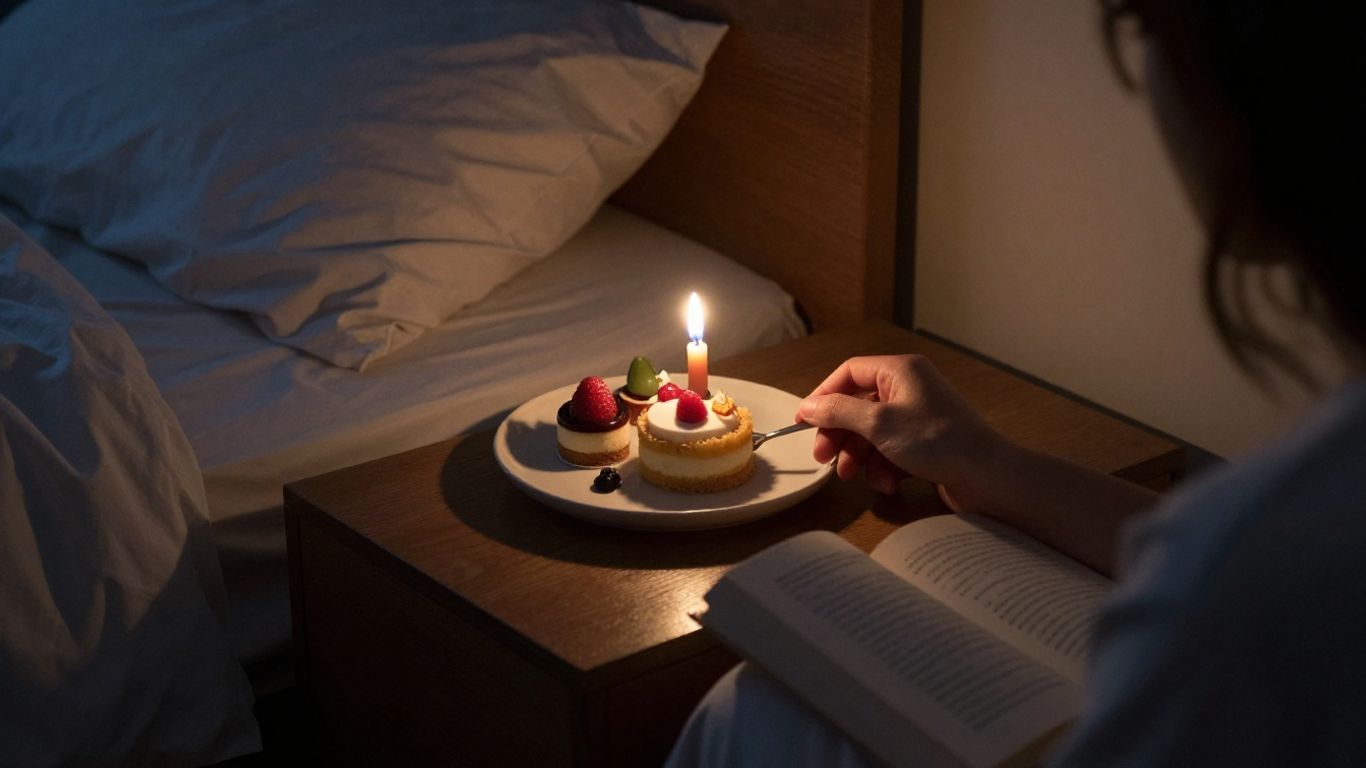
Ending your day on a sweet note doesn’t have to mean a fuzzy head the next morning. It turns out, you can totally enjoy a delicious treat and a relaxing evening without reaching for alcohol. We’re talking about building simple, satisfying dessert rituals that make winding down a pleasure, leaving you feeling refreshed instead of regretful. Let’s explore how to make your evenings sweet and hangover-free.
Key Takeaways
- Create calming evening routines that signal relaxation, like a warm bath or reading, instead of relying on alcohol.
- Dessert can be a special moment without being about indulgence; focus on crafting enjoyable experiences.
- Explore non-alcoholic drinks like sophisticated mocktails or herbal infusions to pair with your sweet treats.
- Choose lighter dessert options made with wholesome ingredients to balance taste and well-being for better mornings.
- Develop personal dessert rituals by identifying what brings you joy and practicing them consistently.
Embrace Evening Rituals For A Peaceful Close
Transitioning From Day To Night
Instead of reaching for a nightcap, consider building a routine that signals to your body it’s time to unwind. This transition period is key to preparing for restful sleep. Think about activities that help you shed the day’s stresses and shift your focus inward. A warm bath with Epsom salts can be incredibly soothing, or perhaps spending a few quiet moments journaling your thoughts. Gentle stretching or reading a good book by soft light can also help ease you into a calmer state. The goal is to create a buffer zone between the demands of the day and the quiet of the night.
Creating Structure With Comfort
Rituals provide a sense of structure and predictability, which can be very comforting. They don’t need to be elaborate; consistency is more important than complexity. This structure helps create a mental and physical shift, letting you know that the active part of your day is winding down. It’s about building habits that feel good and support your well-being, offering a reliable way to end the day on a positive note without relying on alcohol.
Mindful Practices For Relaxation
Incorporating mindful practices into your evening can significantly deepen your relaxation. This might involve simple breathing exercises, a short meditation, or even just consciously savoring a warm, non-alcoholic beverage. The key is to be present in the moment, paying attention to the sensations and feelings associated with your chosen activity. This deliberate focus helps quiet a busy mind and promotes a sense of peace. These mindful moments are about cultivating inner calm and preparing your mind and body for restorative sleep.
Here are some ideas for evening relaxation:
- Warm Bath: Add Epsom salts or calming essential oils like lavender.
- Journaling: Write down thoughts, gratitudes, or plans for the next day.
- Reading: Choose a book that engages your mind without being overly stimulating.
- Gentle Stretching: Focus on releasing tension in your muscles.
- Herbal Tea: Sip on chamomile, peppermint, or lemon balm tea.
The Art Of The Alcohol-Free Evening Treat
Elevating Dessert Beyond Indulgence
Dessert, often seen as a simple indulgence, can become a mindful ritual that signals the end of the day. It’s about more than just satisfying a sweet craving; it’s about creating a moment of calm and pleasure. Think of it as a gentle transition, a way to acknowledge the day’s end and prepare for rest. This shift in perspective means we can appreciate the flavors and textures of our treats without the need for alcohol to ‘complete’ the experience. The focus moves from a fleeting high to a lasting sense of contentment.
Crafting Special Moments Without Alcohol
Creating a special dessert moment doesn’t require a complex setup or expensive ingredients. It’s about the intention behind it. Perhaps it’s a small square of dark chocolate savored slowly, or a cup of herbal tea paired with a single, perfectly ripe piece of fruit. These simple acts can feel just as luxurious as any elaborate affair. Consider setting a small table with a nice cloth, lighting a candle, or playing soft music. These small touches transform an ordinary snack into a deliberate act of self-care.
- Preparation: Take a few extra minutes to plate your dessert nicely.
- Ambiance: Dim the lights or light a candle.
- Mindfulness: Focus on the taste, smell, and texture of your treat.
Savoring Sweetness Mindfully
Mindful eating is key to truly enjoying your alcohol-free treat. Instead of rushing through it, pay attention to each bite. Notice the sweetness, the subtle notes, and how it makes you feel. This practice helps you appreciate the dessert more fully and can even lead to feeling satisfied with a smaller portion. It’s about being present with your food, turning a simple act into a moment of quiet enjoyment and reflection.
When we slow down and truly taste our food, we connect with the experience on a deeper level. This mindful approach to dessert can be incredibly grounding, offering a peaceful end to the day that nourishes both body and spirit.
Discovering Delightful Non-Alcoholic Pairings
Exploring Flavorful Alternatives
Moving away from alcohol doesn’t mean saying goodbye to interesting drinks. There’s a whole world of non-alcoholic beverages out there that offer complex flavors and satisfying experiences. Think beyond just juice or soda. Many brands are now creating sophisticated drinks that mimic the depth of spirits or wine, but without the alcohol. These often use interesting ingredients like adaptogens, botanicals, or unique fruit and herb combinations. They’re designed to be sipped and savored, much like a fine wine or a craft cocktail.
Beverages That Complement Sweetness
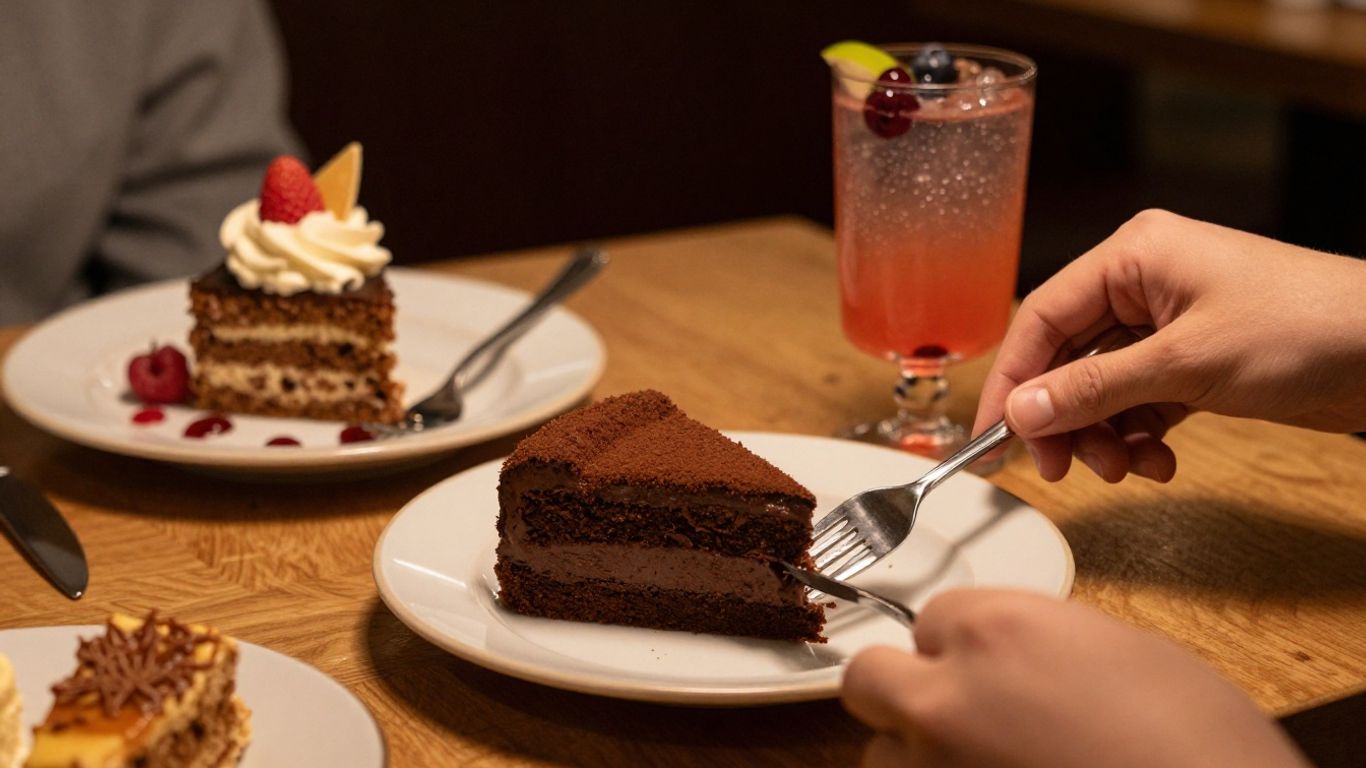
When pairing drinks with dessert, the goal is to find something that either contrasts or complements the sweetness without overpowering it. For richer, chocolatey desserts, a dark, non-alcoholic stout or a rich, spiced apple cider can be wonderful. Lighter, fruit-based desserts might pair well with a sparkling elderflower pressé or a crisp, non-alcoholic rosé. The key is to consider the dominant flavors and textures of your dessert and find a beverage that creates a balanced experience.
Here are a few ideas:
- Rich Chocolate Cake: Try a non-alcoholic dark beer or a spiced cherry juice.
- Fruit Tart: A sparkling white grape juice or a ginger beer works well.
- Cheesecake: Consider a non-alcoholic sparkling cider or a lightly sweetened herbal tea.
- Cookies: A cold brew coffee (decaf option available) or a vanilla almond milk can be a good match.
The Rise Of Sophisticated Mocktails
Mocktails have come a long way. They’re no longer just an afterthought. Mixologists and home enthusiasts are getting creative, using fresh ingredients, interesting syrups, and even non-alcoholic spirits to craft drinks that are just as visually appealing and flavorful as their alcoholic counterparts. These aren’t just sweet concoctions; they are thoughtfully designed beverages. Think about a mocktail with muddled berries, fresh mint, a splash of lime, and topped with sparkling water, or perhaps a blend featuring non-alcoholic gin with cucumber and tonic. They offer a festive and satisfying way to enjoy a special drink at the end of the day, making any dessert feel like a celebration.
Culinary Creations For A Guilt-Free Finale
Light And Refreshing Dessert Options
Ending your day with something sweet doesn’t have to mean a heavy, sugar-laden treat. Think about lighter options that still feel special. Fruit-based desserts are a fantastic starting point. Grilled peaches with a drizzle of honey and a sprinkle of cinnamon, or a simple berry compote served with a dollop of Greek yogurt, can be incredibly satisfying. These kinds of desserts offer natural sweetness and a good dose of vitamins, making them a smart choice for your evening wind-down. The goal is to create a dessert that nourishes as much as it delights.
Incorporating Wholesome Ingredients
When planning your guilt-free finale, consider what goes into it. Swapping refined sugars for natural sweeteners like maple syrup or dates is a simple change that makes a difference. Using whole grains in baked goods, like oat flour for a crumble topping, adds fiber and a pleasant texture. Even small additions, like a handful of nuts or seeds for crunch, can boost the nutritional profile. It’s about making conscious choices that align with your well-being without sacrificing flavor.
Balancing Taste And Well-being
Finding that sweet spot between indulgence and health is key. It’s not about deprivation; it’s about smart choices. For instance, a dark chocolate avocado mousse offers richness and healthy fats, a far cry from traditional heavy mousses. Or consider baked apples stuffed with oats and spices – warm, comforting, and packed with good stuff. These desserts prove that you can have a satisfying end to your day that also supports how you feel the next morning.
Making mindful dessert choices means you can enjoy a sweet treat without the worry of a sugar crash or feeling sluggish. It’s about creating a positive experience that contributes to your overall sense of calm and satisfaction at the end of the day.
Here are a few ideas to get you started:
- Fruit Parfaits: Layers of fresh fruit, yogurt (dairy or non-dairy), and a sprinkle of granola or chopped nuts.
- Baked Pears with Spices: Pears cored and baked with cinnamon, nutmeg, and a touch of maple syrup.
- Chia Seed Pudding: Made with plant-based milk, sweetened naturally, and topped with berries or coconut flakes.
- Dark Chocolate Bark: Melted dark chocolate with added nuts, seeds, or dried fruit for texture and nutrients.
Mindful Consumption For Better Mornings
Understanding Alcohol’s Impact
It’s easy to overlook how that evening glass of wine or cocktail might affect your next day. Alcohol, even in small amounts, can disrupt sleep patterns, leading to less restful sleep. This disruption can manifest as grogginess, reduced focus, and a general feeling of being off. Paying attention to how your body feels the morning after can be a powerful indicator. When you skip alcohol, you often notice a significant difference in sleep quality. You might fall asleep faster and experience more deep sleep cycles. This isn’t just about feeling less tired; it’s about allowing your body and mind to properly recover and prepare for the day ahead.
The Benefits Of Alcohol-Free Evenings
Choosing to forgo alcohol in the evening opens up a world of benefits for your well-being. Beyond just avoiding a hangover, you’re setting yourself up for a more balanced and energized state. Think about it: without the dehydrating effects and sleep disruption of alcohol, your body can function more efficiently. This means better mood regulation, improved cognitive function, and a stronger immune system over time. It’s a simple shift that can have a ripple effect on your overall health.
Here are some positive outcomes you might experience:
- Improved sleep quality and duration.
- Increased energy levels throughout the day.
- Better hydration and skin health.
- Enhanced mental clarity and focus.
- A more stable mood.
Waking Up Refreshed And Energized
Imagine waking up feeling genuinely rested, clear-headed, and ready to tackle whatever comes your way. This isn’t a far-off dream; it’s a direct result of making mindful choices the night before. When you swap alcoholic drinks for something lighter and more hydrating, like herbal tea or a sparkling water with fruit, you’re giving your body a gift. It can process and repair itself overnight without the added burden of metabolizing alcohol. This allows for a more natural and restorative sleep cycle, leading to that sought-after feeling of being truly refreshed and energized when your alarm goes off. It’s about aligning your evening habits with your morning goals.
Building A Personal Dessert Ritual
Creating a personal dessert ritual is all about making that sweet ending to your day feel special, intentional, and genuinely enjoyable, without any need for alcohol. It’s about crafting a moment that’s just for you, or for sharing, that leaves you feeling content and ready for rest. Think of it as a gentle transition, a way to signal that the day’s demands are over and it’s time to relax.
Identifying Your Preferences
This is where you get to be a bit of a detective about what truly makes you happy. What flavors do you gravitate towards? Are you a dark chocolate person, or do you prefer something lighter, like fruit? Maybe it’s the texture – creamy, crunchy, or chewy? Jotting down your thoughts can be really helpful. Consider these questions:
- What desserts have you enjoyed most in the past, and why?
- What flavors feel comforting or celebratory to you?
- Are there any ingredients you particularly love or dislike?
- Do you prefer something you make yourself, or something you buy?
It’s not about perfection, but about noticing what brings a little spark of joy. Maybe it’s the simple pleasure of a perfectly ripe peach, or the satisfying snap of a good cookie.
Incorporating Elements Of Joy
Once you know what you like, you can start adding in elements that make the experience feel more like a treat. This could be as simple as using a special bowl or plate, lighting a candle, or putting on some quiet music. It’s about creating a small, pleasant atmosphere around your dessert.
Here are a few ideas to sprinkle in some joy:
- Presentation: Even a simple fruit salad looks more appealing in a nice dish.
- Aroma: A sprig of mint or a dusting of cinnamon can add a lovely scent.
- Sound: Play some calming music or a favorite podcast.
- Company: Sometimes, sharing a dessert with a loved one makes it even better.
The goal is to make this moment feel like a reward, a pause button for your day that’s both delicious and calming. It’s a small act of self-care that can make a big difference in how you feel as you wind down.
Consistency For Lasting Habits
Making this a regular part of your evening routine is key to building a lasting habit. It doesn’t have to be elaborate every night. Some nights it might be a small square of dark chocolate, other nights it could be a more involved treat you’ve prepared. The consistency is what helps train your brain to associate this ritual with relaxation and a peaceful end to the day.
Think about what’s realistic for your schedule. If weeknights are hectic, maybe your ritual is simpler, and you save the more elaborate desserts for weekends. The important thing is to have something that signals the end of the day and offers a moment of sweet, mindful enjoyment. Over time, this ritual can become a comforting anchor, helping you disconnect from the day’s stresses and prepare for a restful night.
The Social Aspect Of Alcohol-Free Celebrations
Connection Beyond The Drink
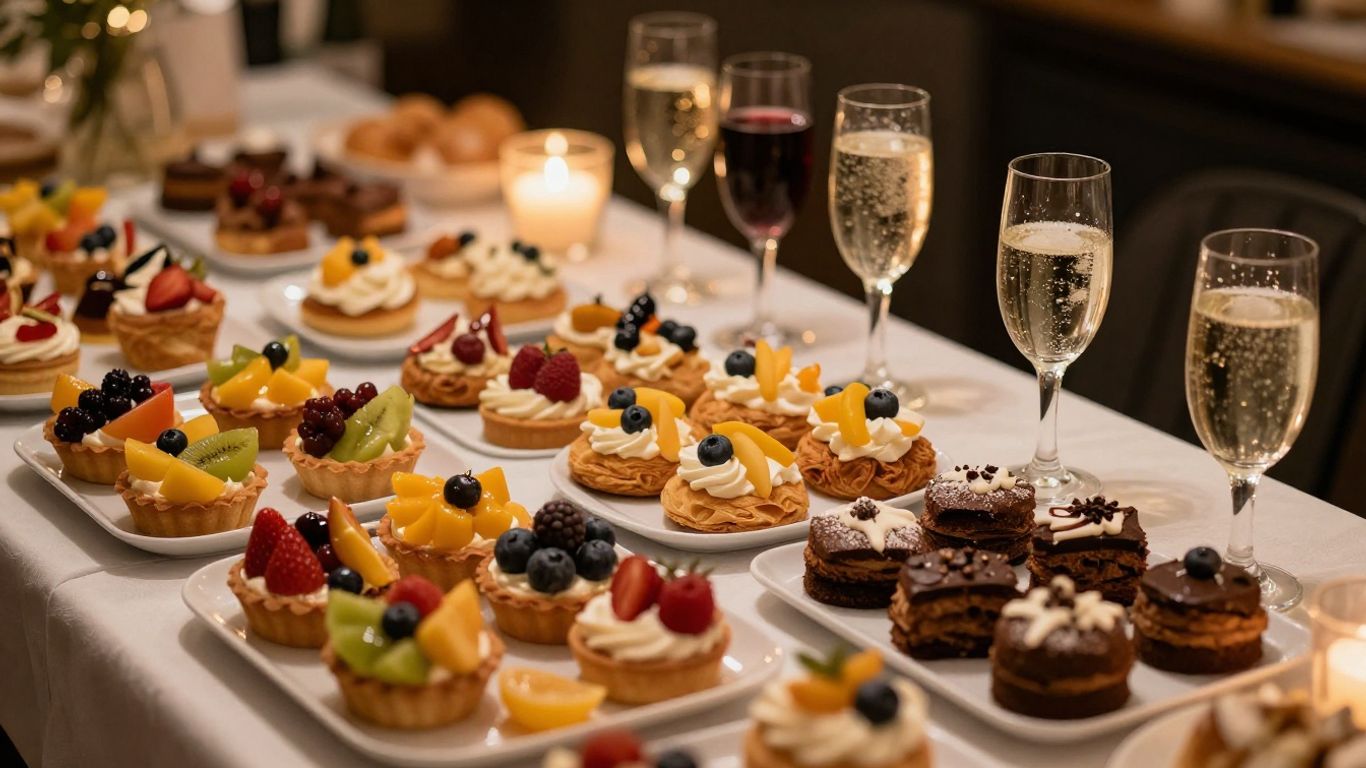
Gatherings don’t need to center around alcohol to be enjoyable. Think about it: what truly makes a party or get-together special? It’s usually the people, the conversations, and the shared laughter. When we remove alcohol from the equation, we often find ourselves more present and engaged with those around us. This shift allows for deeper connections to form, as conversations can become more meaningful and less superficial. Focusing on shared activities and genuine interaction creates a more inclusive and memorable experience for everyone.
Festive Gatherings Without Alcohol
Creating a festive atmosphere without alcohol is entirely achievable. It’s about shifting the focus from what’s being consumed to how the event is experienced. Consider incorporating elements that naturally bring people together and spark joy:
- Themed Potlucks: Assigning a theme (e.g., "Taco Tuesday," "Mediterranean Feast") encourages creativity and shared effort.
- Interactive Activities: Board games, charades, a collaborative playlist creation, or even a simple craft station can keep guests entertained and interacting.
- Elevated Non-Alcoholic Beverages: Offering a range of sophisticated mocktails, sparkling juices, artisanal sodas, and infused waters makes guests feel special and catered to.
- Music and Ambiance: Curating a great playlist and setting a comfortable, inviting mood with lighting and decor can significantly impact the overall feel of the celebration.
Inclusive Social Experiences
When alcohol is the default, those who choose not to drink can sometimes feel left out or pressured. By consciously planning alcohol-free celebrations, you create a welcoming space for everyone, regardless of their beverage choices. This approach respects individual preferences and promotes a healthier social environment. It shows that celebrating and connecting can be done in ways that feel good for everyone involved, leading to more positive and less regretful social interactions.
Exploring Botanical And Herbal Infusions
The Soothing Power Of Herbs
Sometimes, the best way to wind down involves a warm mug and a gentle aroma. Many herbs have been used for ages to help people relax. Think about chamomile, known for its calming effect, or lemon balm, which can help ease a busy mind. Peppermint can be nice after a meal, and a touch of cinnamon or ginger can make any evening feel cozy. These aren’t just teas; they’re little moments of peace you can create for yourself.
Kava And Other Relaxation Aids
Kava, a root from the Pacific Islands, is gaining attention as a way to feel relaxed without alcohol. It’s often described as grounding, helping to ease social tension and promote a calm feeling. You can find it in kava bars or as ready-to-drink beverages. However, it’s important to be aware that kava isn’t for everyone and can interact with certain medications. Always do your research and consider talking to a doctor if you have any health concerns. Beyond kava, there are other interesting options like adaptogenic drinks, which often include ingredients like ashwagandha or reishi mushrooms, believed to help the body manage stress.
Crafting Calming Evening Beverages
Creating your own calming drinks is a simple pleasure. You can start with a base of herbal tea, like hibiscus or rooibos, and add a touch of honey or maple syrup for sweetness. A squeeze of lemon or lime can brighten the flavor. For a bit of sparkle, consider a good quality kombucha, especially those with seasonal flavors like apple cinnamon or ginger. These fizzy drinks offer a festive feel and complex taste that can stand in nicely for alcoholic options.
Here’s a simple idea for a warm, spiced drink:
- 1 cup hot water or herbal tea
- 1 teaspoon honey or maple syrup
- A pinch of cinnamon
- A slice of fresh ginger
- Optional: A splash of lemon juice
Combine the ingredients in a mug and stir well. It’s a comforting way to end the day.
Making your own evening beverages allows for complete control over ingredients, ensuring a pure and simple way to relax. It turns a simple drink into a personal ritual, a small act of self-care that signals the end of the day’s demands.
The Joy Of Shared Dessert Experiences
Baking Together With Loved Ones
There’s something special about making dessert with people you care about. It’s not just about the final product, but the whole process. Think about a Saturday afternoon, maybe with some music playing, everyone gathered around the kitchen counter. Kids can help measure ingredients, stir batters, or decorate cookies. Even simple tasks become fun when you’re doing them together. It’s a way to connect, share stories, and create something sweet literally and figuratively.
Creating Lasting Memories
These shared dessert-making sessions often turn into cherished memories. Years later, you might not remember every single detail of the dessert itself, but you’ll remember the laughter, the little messes made, and the feeling of accomplishment. These moments build bonds and create traditions that can be passed down. It’s about the shared experience, the teamwork, and the joy of creating something delightful from scratch.
The Comfort Of Familiar Traditions
Establishing a dessert ritual with loved ones can bring a sense of comfort and predictability to your week. Maybe it’s a weekly baking night, or a special dessert made for holidays. These traditions offer a consistent way to connect and celebrate. They provide a gentle structure to your evenings, a reliable source of joy, and a way to show affection. It’s a simple yet powerful way to nurture relationships and create a warm, inviting atmosphere in your home.
Setting Boundaries Around Evening Drinks
Sometimes, the most important part of a peaceful evening isn’t what you add, but what you choose to leave out. This is especially true when it comes to alcohol. Deciding to set boundaries around evening drinks isn’t about deprivation; it’s about prioritizing your well-being and ensuring your nights end in a way that supports restful sleep and clear mornings. It’s about reclaiming your evenings and making choices that feel genuinely good for you, without the pressure of what others might think or do.
Navigating Social Pressures
Social situations can sometimes feel like a minefield when you’re trying to stick to your choices. Whether it’s a casual get-together or a more formal event, the expectation to drink can be subtle or overt. It’s easy to feel awkward when everyone else is holding a drink and you’re not. Remember, though, that many people are also looking for alternatives or are perfectly happy with their own choices, whatever they may be. The key is to have a few simple responses ready.
- Polite refusal: A straightforward "No, thank you" is often enough. You don’t owe anyone a detailed explanation.
- Offer an alternative: "I’m good with water for now, thanks!" or "I’m enjoying this sparkling cider."
- Shift the focus: Compliment the host, ask about the food, or engage in conversation about something else entirely.
- Have a drink in hand: Sometimes, simply holding a non-alcoholic beverage that looks appealing can deter questions. Think a colorful mocktail or a nicely garnished sparkling water.
Communicating Your Choices Clearly
Being clear about your intentions doesn’t have to be confrontational. It’s about stating your preference with confidence. If you’re trying to cut back or abstain for a period, letting close friends or family know beforehand can be helpful. They can offer support and help deflect unwanted attention. For example, you might say, "I’m trying to drink less lately, so I’ll be sticking to non-alcoholic options tonight." Most people will respect your decision, especially if it’s communicated calmly and directly.
Setting boundaries is an act of self-care. It’s about recognizing your own needs and making conscious decisions to meet them, even when it feels a little uncomfortable at first. Over time, this practice becomes easier and more natural.
Prioritizing Personal Well-being
Ultimately, the decision to set boundaries around evening drinks is about protecting your personal well-being. Alcohol can interfere with sleep quality, hydration, and overall mood, which directly impacts how you feel the next day. By choosing to limit or avoid alcohol, especially in the evening, you’re investing in better sleep, more energy, and a clearer mind. This allows you to fully enjoy your dessert rituals and wake up feeling refreshed, ready to embrace the day ahead without any regrets. It’s a simple yet powerful way to ensure your evenings contribute positively to your overall health and happiness.
Thinking about cutting back on those evening drinks? It’s smart to set limits for yourself. Knowing when to say ‘no’ can really help you feel better and stay on track with your goals. Ready to learn more about making healthier choices? Visit our website today for tips and support!
Embrace Your Evenings, Sans the Regrets
So, as we wrap up, remember that ending your day on a high note doesn’t need to involve a morning-after headache. It’s about finding those simple, enjoyable rituals that truly help you unwind and feel good. Whether it’s a warm bath, a good book, or a delicious, alcohol-free treat, these moments are yours to savor. Building these habits can bring a sense of calm and contentment, making your evenings feel special and restorative, all while letting you wake up feeling refreshed and ready for whatever the next day brings. It’s about creating a positive end to your day, one mindful choice at a time.
Frequently Asked Questions
What’s the main idea of having a dessert ritual without alcohol?
It’s all about creating a special, relaxing end to your day with a tasty treat, but without the downsides of drinking alcohol, like feeling sick the next morning. Think of it as a way to feel good and enjoy yourself without any regrets.
Why is it good to have a routine before bed?
Having a routine helps your body know it’s time to relax and get ready for sleep. It creates a calm feeling and can make you feel more organized and peaceful as you wind down from the day’s activities.
What kind of treats are good for an alcohol-free dessert?
You can enjoy all sorts of yummy things! Think fresh fruit with a drizzle of honey, a small piece of dark chocolate, or even a light, homemade cookie. The key is to pick something you love that feels special but isn’t too heavy.
Are there drinks that go well with desserts if I’m not drinking alcohol?
Absolutely! Sparkling water with a twist of lime, herbal teas like chamomile or peppermint, or even fancy non-alcoholic sparkling juices can be great. They add a nice touch without the alcohol.
How can I make sure my dessert is healthy and still enjoyable?
Focus on natural sweetness from fruits, use whole grains if you’re baking, and keep portions reasonable. It’s about finding a balance that tastes good and makes you feel good, both right after eating and the next day.
What are the benefits of skipping alcohol before bed?
You’ll likely sleep better and wake up feeling more rested and clear-headed. It helps avoid that groggy feeling and allows you to start your morning feeling refreshed and ready for the day.
How do I create my own personal dessert ritual?
Think about what you truly enjoy. Maybe it’s a specific type of treat, a quiet moment alone, or sharing something with a loved one. Experiment with different options until you find what makes your evenings feel special and complete.
Can I still have fun and celebrate with friends without drinking alcohol?
Definitely! Fun celebrations come from connection, laughter, and shared activities. You can have game nights, enjoy dessert together, go for a walk, or simply chat. The focus is on the people and the experience, not the drinks.